The Critical Role of Wire Rope Maintenance
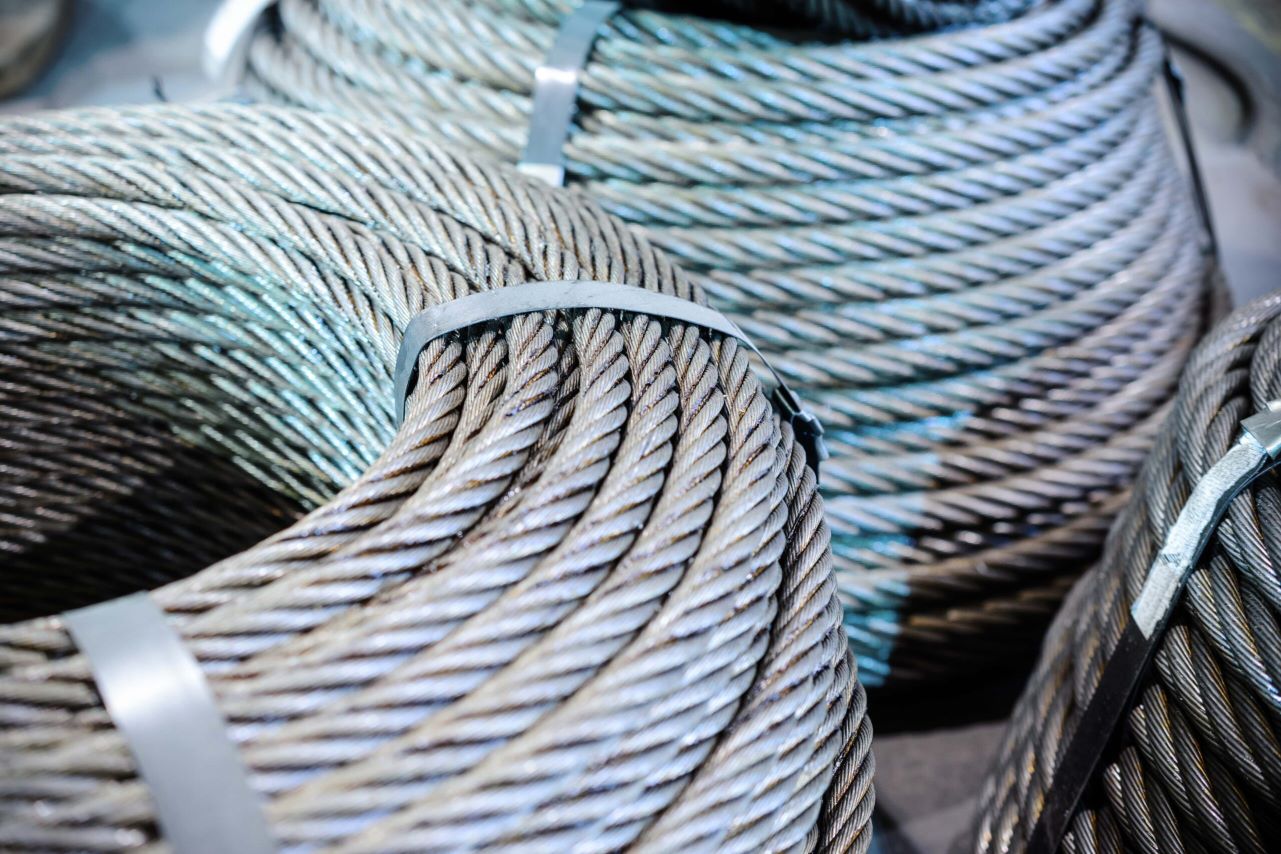
Wire rope is a critical component in numerous industrial applications, from cranes and hoists to elevators and bridges. Its strength and flexibility make it indispensable for lifting, supporting, and moving heavy loads. However, its reliability depends heavily on consistent and effective wire rope maintenance. Without proper care, wire rope can degrade, leading to catastrophic failures that can result in significant property damage, injuries, or even fatalities.
The Importance of Proactive Maintenance
Proactive wire rope maintenance is not simply a matter of compliance; it’s a fundamental element of operational safety and efficiency. Implementing a comprehensive maintenance program helps identify potential issues before they escalate into serious problems. Regular inspections, proper lubrication, and adherence to safe operating procedures can significantly extend the lifespan of wire rope and reduce the risk of unexpected failures. This, in turn, minimizes downtime, lowers repair costs, and ensures a safer working environment.
Data-Driven Safety: Statistics on Wire Rope Failures
Statistics underscore the importance of robust wire rope maintenance. Studies have shown that a significant percentage of wire rope failures are attributable to preventable factors, such as inadequate lubrication, improper inspection, and overloading. According to a report by the Industrial Safety and Hygiene News, approximately 30% of wire rope failures are due to inadequate lubrication. These numbers highlight the critical need for implementing and adhering to a well-structured wire rope maintenance program to mitigate these risks. Proper steel cable maintenance can drastically reduce the risk of unexpected downtime.
This Guide: Maximizing Lifespan and Minimizing Risk
This guide provides seven expert tips for effective wire rope maintenance. These recommendations cover various aspects, from regular inspections to advanced testing methods, designed to help you maximize the lifespan of your wire rope, minimize the risk of failures, and ensure the safety of your operations. By following these guidelines, you can implement a comprehensive maintenance program that not only protects your investment but also safeguards your personnel and equipment. We at Safe and Secure Trading Company (SSTC) understand that hoist rope maintenance can be difficult to stay on top of, but we are here to provide the knowledge you need to succeed.
1. ✅ Regular Visual Inspections: Your First Line of Defense
Visual inspections are the cornerstone of any effective wire rope maintenance program. They allow you to identify early signs of wear, damage, and corrosion, enabling you to take timely corrective action before a minor issue becomes a major problem. Regular inspections should be conducted by trained personnel who are knowledgeable about wire rope construction, common failure modes, and relevant safety standards. It’s crucial to document all findings and maintain a record of inspections for future reference.
Frequency Recommendations Based on Usage
The frequency of visual inspections should be based on the intensity and type of usage. For wire ropes used in critical applications with high load cycles or harsh environments, inspections should be conducted daily or weekly. For less demanding applications, monthly or quarterly inspections may suffice. However, it’s important to reassess the inspection frequency periodically, especially after any significant changes in operating conditions or load requirements. Adjusting the cable maintenance schedule based on real-world usage is extremely beneficial.
Identifying Common Signs of Wear and Damage
During visual inspections, pay close attention to the following signs of wear and damage: broken wires, abrasion, corrosion, kinking, crushing, and deformation. Look for any evidence of reduced rope diameter, which could indicate internal wear or core damage. Check for signs of improper spooling or winding on drums and sheaves. Any of these findings should warrant further investigation and possible removal of the wire rope from service. It’s also a good idea to check for heat damage, which would change the look and feel of the wire.
Using Checklists for Consistent Inspections
To ensure consistency and thoroughness, use checklists during visual inspections. A well-designed checklist should include all critical inspection points, such as the condition of the wires, the presence of lubrication, the condition of the end terminations, and the overall alignment of the rope on sheaves and drums. Using checklists helps prevent overlooking important details and provides a documented record of each inspection. It will also help the inspector learn over time.
Data Point: Percentage reduction in incidents with regular inspections
Studies have shown that implementing regular wire rope inspection programs can reduce the incidence of wire rope-related accidents by as much as 50%. This statistic underscores the importance of making visual inspections a top priority in your wire rope maintenance program.
2. 💡 Implementing a Comprehensive Lubrication Program
Lubrication is essential for extending the lifespan of wire rope and preventing premature failure. It reduces friction between the wires, protects against corrosion, and helps dissipate heat. A comprehensive lubrication program should include selecting the right lubricant, understanding lubrication frequency and methods, and monitoring the effectiveness of the lubrication. Proper wire rope lubrication will go a long way.
Selecting the Right Lubricant for Your Application
Choosing the right lubricant is crucial for optimal wire rope performance. Consider the operating environment, temperature range, load conditions, and compatibility with the rope material. Penetrating lubricants are ideal for reaching the core of the rope and providing internal protection, while coating lubricants offer external protection against abrasion and corrosion. Consult with a lubricant supplier or wire rope manufacturer to determine the best lubricant for your specific application. Many of our clients here in Dammam, we’ve seen that using the wrong type of lubrication leads to quick wear and tear.
Understanding Lubrication Frequency and Methods
The frequency of lubrication depends on the operating conditions and the type of lubricant used. Wire ropes exposed to harsh environments or heavy loads may require more frequent lubrication than those used in milder conditions. Lubrication can be applied manually using brushes, sprayers, or drip systems, or automatically using specialized lubrication equipment. Ensure that the lubricant is applied evenly and thoroughly, reaching all parts of the rope. Steel cable maintenance must include consistent and proper lubrication.
The Impact of Lubrication on Rope Life: A Case Study
A case study conducted by a leading wire rope manufacturer found that implementing a comprehensive lubrication program extended the lifespan of wire ropes by an average of 30%. The study also showed a significant reduction in downtime and repair costs. This highlights the significant benefits of investing in a well-designed lubrication program. This will save companies money in the long run as well.
Preventing Corrosion: The Role of Lubrication
Corrosion is a major cause of wire rope degradation and failure. Lubrication provides a protective barrier against moisture, chemicals, and other corrosive agents, preventing them from attacking the rope material. Regular lubrication helps maintain the integrity of the rope and extends its service life. For many of our clients here in the Eastern Province of Saudi Arabia, corrosion from the humid, salty air is a major issue. Proper lubrication helps to prevent this.
3. ➡️ Load Monitoring and Management: Avoiding Overloads
Overloading is a common cause of wire rope failure. Exceeding the safe working load (SWL) of a wire rope can cause permanent deformation, internal damage, and ultimately, catastrophic failure. Implementing a load monitoring and management program helps prevent overloading and ensures that wire ropes are operated within their design limits.
Understanding Safe Working Load (SWL) and Design Factor
The safe working load (SWL) is the maximum load that a wire rope is designed to carry safely. The design factor is the ratio of the rope’s breaking strength to the SWL. A higher design factor provides a greater margin of safety. It’s crucial to understand the SWL and design factor of your wire ropes and to ensure that they are clearly marked and communicated to all personnel.
Using Load Cells and Monitoring Systems
Load cells and monitoring systems can be used to continuously measure the load on a wire rope and provide real-time alerts if the load approaches or exceeds the SWL. These systems can help prevent overloading and provide valuable data for assessing the performance and condition of the rope. Load monitoring is a critical part of crane cable maintenance.
Consequences of Overloading: Examples of Failures
Overloading can lead to a variety of failure modes, including broken wires, core damage, and permanent deformation. In severe cases, overloading can cause the rope to snap, resulting in dropped loads, equipment damage, and potential injuries. Learning about previous wire rope failures can help prevent future accidents.
Calculating Stress and Strain on Wire Ropes
Understanding the principles of stress and strain is essential for proper load management. Stress is the force applied to the rope per unit area, while strain is the deformation of the rope caused by the stress. By calculating the stress and strain on a wire rope, you can assess its condition and determine whether it is operating within its safe limits.
4. 🛠️ Proper Storage and Handling: Extending Shelf Life
Proper storage and handling are essential for maintaining the condition of wire ropes and preventing damage before they are even put into service. Incorrect storage and handling practices can lead to kinking, crushing, corrosion, and other forms of damage that can compromise the rope’s strength and integrity.
Best Practices for Storing Wire Ropes
Wire ropes should be stored in a clean, dry, and well-ventilated environment. They should be protected from moisture, chemicals, and extreme temperatures. Ropes should be stored on reels or in coils to prevent kinking and tangling. Avoid storing wire ropes directly on the ground, as this can expose them to moisture and dirt.
Avoiding Kinking and Damage During Handling
Kinking is a common form of damage that can significantly reduce the strength of a wire rope. To avoid kinking, always handle wire ropes carefully and avoid sharp bends or twists. Use proper lifting and rigging techniques when moving wire ropes. Never drag wire ropes across the ground or over sharp edges.
The Impact of Environmental Factors on Rope Condition
Environmental factors such as moisture, humidity, temperature, and exposure to chemicals can all affect the condition of wire ropes. Moisture can lead to corrosion, while extreme temperatures can affect the rope’s strength and elasticity. Chemicals can react with the rope material, causing degradation and weakening.
Temperature effects on steel wire rope
High temperatures can reduce the tensile strength of steel wire rope, while extremely low temperatures can make it brittle and more susceptible to fracture. It’s important to consider the operating temperature range when selecting a wire rope and to take precautions to protect the rope from extreme temperatures.
5. 🗓️ Scheduled Rotation and Replacement: Preventing Catastrophic Failures
Even with diligent maintenance, wire ropes will eventually reach the end of their service life. Implementing a scheduled rotation and replacement program helps prevent catastrophic failures by ensuring that wire ropes are retired before they become unsafe.
Determining Rotation Schedules Based on Usage
The rotation schedule should be based on the intensity and type of usage, as well as the operating environment. Wire ropes used in critical applications with high load cycles or harsh environments may need to be rotated more frequently than those used in less demanding applications. Rotation involves changing the position of the rope on the equipment to distribute wear more evenly.
Understanding Replacement Criteria: When to Retire a Rope
Wire ropes should be replaced when they reach a certain level of wear or damage, regardless of the rotation schedule. Common replacement criteria include: excessive broken wires, significant reduction in rope diameter, evidence of corrosion or kinking, and exceeding the recommended service life. When in doubt, it’s always best to err on the side of caution and replace the rope.
Documenting Rotation and Replacement Activities
Maintain a detailed record of all rotation and replacement activities, including the date, location, rope identification number, and reason for rotation or replacement. This information can be used to track the performance of wire ropes, identify potential problems, and optimize the maintenance program.
Data-Driven Replacement Strategies
By analyzing historical data on wire rope failures and replacement rates, you can develop data-driven replacement strategies that minimize downtime and reduce the risk of accidents. This involves using statistical methods to predict the remaining service life of wire ropes and to schedule replacements proactively.
6. 🔬 Non-Destructive Testing (NDT): Advanced Inspection Techniques
Non-destructive testing (NDT) methods can be used to assess the condition of wire ropes without damaging them. These techniques can detect internal flaws, corrosion, and other forms of damage that may not be visible during visual inspections. NDT is a valuable tool for extending the lifespan of wire ropes and preventing premature failures.
Magnetic Particle Inspection (MPI) for Crack Detection
Magnetic particle inspection (MPI) is a technique used to detect surface and near-surface cracks in ferromagnetic materials. A magnetic field is applied to the wire rope, and magnetic particles are applied to the surface. The particles are attracted to any cracks or discontinuities, making them visible.
Ultrasonic Testing (UT) for Internal Flaws
Ultrasonic testing (UT) uses high-frequency sound waves to detect internal flaws in wire ropes. The sound waves are transmitted through the rope, and any reflections from internal flaws are detected and analyzed. UT can be used to detect cracks, corrosion, and other forms of internal damage.
Radiographic Testing (RT) for Assessing Rope Condition
Radiographic testing (RT) uses X-rays or gamma rays to create an image of the internal structure of a wire rope. The image can reveal internal flaws, corrosion, and other forms of damage. RT is a powerful technique for assessing the overall condition of a wire rope.
Benefits and Limitations of NDT Methods
NDT methods offer several benefits, including the ability to detect internal flaws, extend the lifespan of wire ropes, and prevent premature failures. However, NDT methods also have limitations. They can be expensive, require specialized equipment and training, and may not be suitable for all types of wire ropes. Cable wear analysis will help determine if NDT is needed.
7. 📚 Training and Competency: Ensuring Personnel Expertise
Proper training and competency are essential for ensuring that wire rope inspections and maintenance are performed correctly. Personnel who are not properly trained may overlook important details or perform maintenance tasks incorrectly, which can compromise the safety and reliability of the wire ropes.
Importance of Qualified Personnel
Only qualified and experienced personnel should be allowed to perform wire rope inspections and maintenance. These personnel should have a thorough understanding of wire rope construction, common failure modes, and relevant safety standards. They should also be trained in the proper use of inspection and maintenance equipment.
Training Programs for Wire Rope Inspection and Maintenance
Several training programs are available for wire rope inspection and maintenance. These programs cover topics such as wire rope construction, inspection techniques, lubrication methods, and replacement criteria. Completing a reputable training program can help ensure that personnel have the knowledge and skills necessary to perform their jobs safely and effectively.
Certification and Accreditation for Inspectors
Certification and accreditation programs are available for wire rope inspectors. These programs provide independent verification of an inspector’s knowledge and skills. Hiring certified inspectors can help ensure that your wire rope inspections are performed to the highest standards.
Reducing human error
Proper training and competency can help reduce human error in wire rope inspection and maintenance. By ensuring that personnel are properly trained and qualified, you can minimize the risk of mistakes that could lead to accidents or failures. This also keeps rope safety at the forefront.
Expert Quote on Wire Rope Failure
“Wire rope failures often stem from a combination of factors, including inadequate lubrication, improper handling, and insufficient inspection. Implementing a robust maintenance program is crucial for mitigating these risks and ensuring the safety of personnel and equipment.” – Dr. Emily Carter, Materials Engineering Specialist
Top 3 Wire Rope Maintenance Tips for SSTC Clients
Visual Inspections
Comprehensive Lubrication Program
Scheduled Rotation and Replacement
Conclusion: Prioritizing Wire Rope Maintenance for Safety and Efficiency
In conclusion, effective wire rope maintenance is crucial for ensuring the safety, reliability, and efficiency of industrial operations. Regular visual inspections, comprehensive lubrication programs, proper load management, and scheduled rotation and replacement are all essential components of a comprehensive maintenance program. By implementing these expert tips, you can extend the lifespan of your wire ropes, minimize the risk of failures, and safeguard your personnel and equipment.
The ROI of proactive wire rope management extends beyond preventing accidents and injuries. It also includes reduced downtime, lower repair costs, and increased operational efficiency. By investing in a well-designed maintenance program, you can improve your bottom line and enhance your overall competitiveness. At Safe and Secure Trading Company (SSTC), we understand the critical importance of wire rope maintenance, and we are committed to providing our clients with the expertise and support they need to implement effective maintenance programs. We are confident that our services can help you achieve your safety and efficiency goals.
FAQ Section
Q: How often should I inspect my wire ropes?
A: The frequency of inspections depends on the intensity and type of usage, as well as the operating environment. For critical applications with high load cycles or harsh environments, inspections should be conducted daily or weekly. For less demanding applications, monthly or quarterly inspections may suffice.
Q: What are the common signs of wear and damage to look for during visual inspections?
A: Common signs of wear and damage include broken wires, abrasion, corrosion, kinking, crushing, and deformation. Look for any evidence of reduced rope diameter, which could indicate internal wear or core damage.
Q: What type of lubricant should I use for my wire ropes?
A: The type of lubricant depends on the operating environment, temperature range, load conditions, and compatibility with the rope material. Penetrating lubricants are ideal for reaching the core of the rope and providing internal protection, while coating lubricants offer external protection against abrasion and corrosion.
Q: How can I prevent overloading my wire ropes?
A: To prevent overloading, understand the safe working load (SWL) of your wire ropes and ensure that they are clearly marked and communicated to all personnel. Use load cells and monitoring systems to continuously measure the load on the rope and provide real-time alerts if the load approaches or exceeds the SWL.
Q: When should I replace my wire ropes?
A: Wire ropes should be replaced when they reach a certain level of wear or damage, regardless of the rotation schedule. Common replacement criteria include: excessive broken wires, significant reduction in rope diameter, evidence of corrosion or kinking, and exceeding the recommended service life.
Q: What is non-destructive testing (NDT)?
A: Non-destructive testing (NDT) methods can be used to assess the condition of wire ropes without damaging them. These techniques can detect internal flaws, corrosion, and other forms of damage that may not be visible during visual inspections.
Q: Why is training and competency important for wire rope inspection and maintenance personnel?
A: Proper training and competency are essential for ensuring that wire rope inspections and maintenance are performed correctly. Personnel who are not properly trained may overlook important details or perform maintenance tasks incorrectly, which can compromise the safety and reliability of the wire ropes.