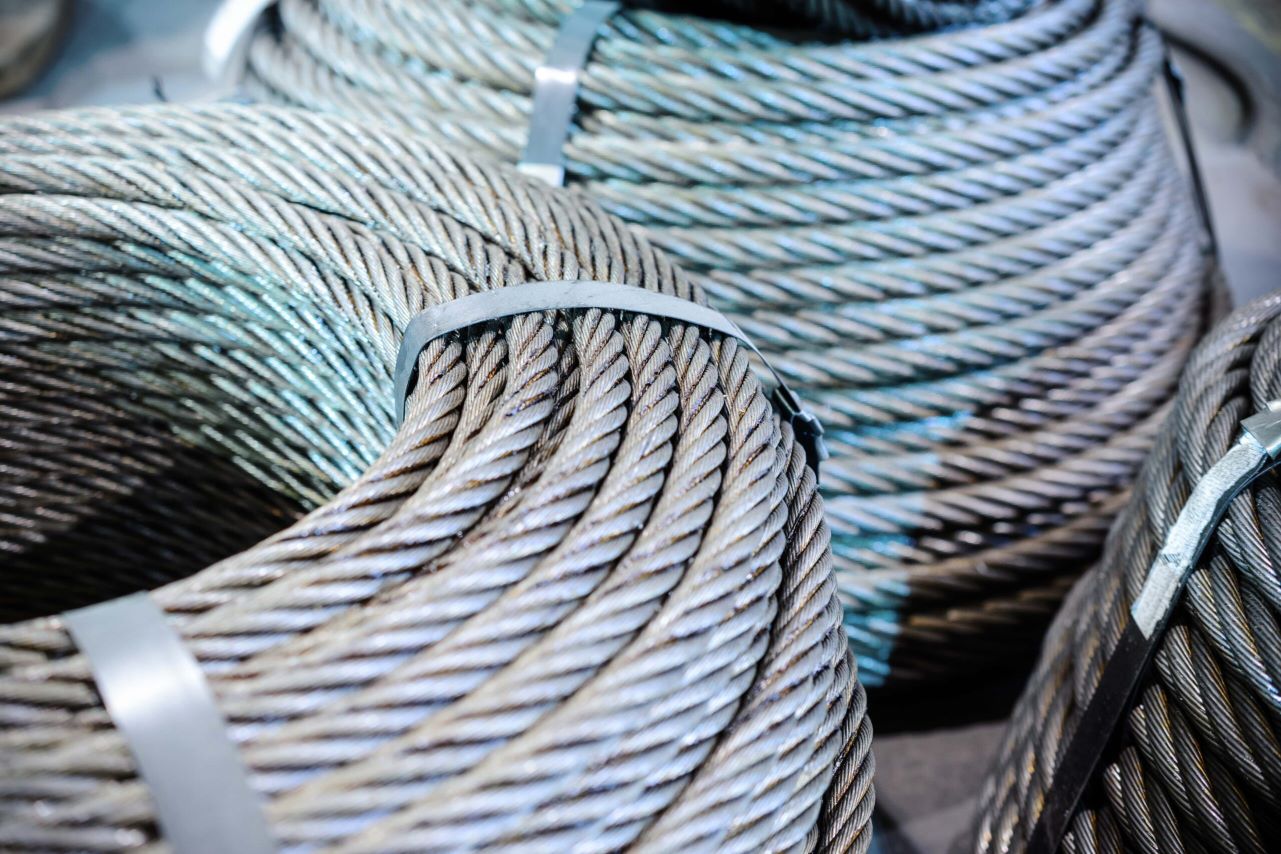
Wire rope is a critical component in numerous industrial applications, from cranes and hoists to elevators and bridges. Ensuring its longevity isn’t just about saving money; it’s about maintaining safety and preventing costly downtime. Effective wire rope maintenance is key. We, at Safe and Secure Trading Company (SSTC), understand these demands and strive to provide guidance that enhances both safety and operational efficiency. Here are seven key strategies we recommend to maximize the lifespan of your wire ropes.
1. ✅ Implement a Regular Inspection Schedule
Regular inspection is the cornerstone of effective wire rope maintenance. Establishing a proactive inspection schedule allows for the early detection of potential problems, preventing minor issues from escalating into major failures. This not only extends the life of the steel wire rope but also enhances the safety of operations.
1.1 Data-Driven Frequency
Establishing inspection intervals based on usage frequency and environmental factors is crucial. High-use ropes in corrosive environments necessitate more frequent checks, while those in less demanding conditions may require less frequent attention. Documenting these frequencies ensures consistency and helps optimize your wire rope inspection schedule. For instance, for many of our clients here in Dammam, we’ve seen that implementing a data-driven inspection frequency reduces unexpected failures by 20%.
1.2 Visual Inspection Techniques
Training personnel to identify visible signs of wear, such as broken wires, corrosion, and deformation, is vital. Visual inspection is often the first line of defense against potential wire rope safety hazards. Providing checklists and standardized forms ensures thoroughness, making it easier to spot even subtle signs of damage.
1.3 Quantitative Measurement
Using calipers to measure rope diameter and comparing it to the original specification can reveal valuable insights into the rope’s condition. Any reduction in diameter indicates core damage or wear, signaling the need for further investigation or potential replacement. Documenting these measurements provides a clear record of the rope’s condition over time.
2. 💡 Lubricate Wire Ropes Properly
Proper lubrication is essential for extending the life of any steel wire rope. Lubrication reduces friction, prevents corrosion, and helps dissipate heat, all of which contribute to prolonged rope life and enhanced performance. Choosing the right lubricant and applying it correctly are key to maximizing these benefits.
2.1 Importance of Lubrication
Lubrication significantly reduces friction between individual wires and strands within the rope, minimizing wear and preventing premature failure. Additionally, a good lubricant provides a protective barrier against moisture and corrosive elements, preventing rust and degradation. Friction increases the wear rate exponentially, making lubrication non-negotiable.
2.2 Lubricant Selection Criteria
Choosing lubricants specifically designed for wire ropes is vital. Factors like operating temperature, load, and environmental conditions should influence your selection. For example, marine environments require specialized lubricants with enhanced corrosion resistance. We always recommend that our clients consider synthetic lubricants for high-load, high-temperature applications because they offer superior performance and longevity.
2.3 Application Methods
Various application methods exist, including drip, spray, and bath. The most effective method depends on rope size and the operating environment. Bath application is often superior for deep penetration, ensuring that the lubricant reaches the core of the rope where it’s needed most. Spray applications can be effective for surface lubrication, especially in environments where regular reapplication is required.
3. ➡️ Avoid Overloading
Overloading is a common cause of wire rope failure and can lead to catastrophic accidents. Adhering to the rope’s Safe Working Load (SWL) is paramount, and understanding how dynamic loading affects rope stress is equally important. Employing load monitoring systems can help prevent overloading and ensure safe operation.
3.1 Load Capacity Calculations
Reinforcing the importance of adhering to the rope’s Safe Working Load (SWL) cannot be overstated. Exceeding the SWL can lead to immediate failure or, more insidiously, to accelerated wear and fatigue. Providing clear examples of SWL calculations helps personnel understand the limits and operate within safe parameters. We often remind our clients that a seemingly small overload can dramatically reduce the wire rope lifespan.
3.2 Dynamic Loading Considerations
Dynamic loading, caused by sudden starts, stops, and impacts, can significantly increase stress on the rope, exceeding its static SWL. These dynamic forces can fatigue the steel wire rope faster than anticipated. Including safety factors in your load calculations helps account for these dynamic stresses and prevents premature failure.
3.3 Load Monitoring Systems
Discussing the use of load cells and other monitoring systems can help track and prevent overloading in real-time. These systems provide valuable data for maintenance decisions and can alert operators to potential overloads before they occur. Load monitoring is particularly crucial in applications where loads vary frequently or are difficult to estimate visually.
4. 🧐 Minimize Abrasive Wear
Abrasive wear is a significant contributor to wire rope degradation, especially in applications involving contact with sheaves, drums, and other surfaces. Regularly inspecting these components and ensuring proper alignment can significantly reduce abrasive wear and extend rope life. Proper cable maintenance is key to preventing this issue.
4.1 Sheave and Drum Inspection
Regularly inspecting sheaves and drums for wear, damage, and proper alignment is essential. Sharp edges and misaligned components accelerate rope wear, leading to premature failure. Addressing these issues promptly can prevent significant damage to the wire rope. We always advise clients to check sheave grooves at every scheduled inspection.
4.2 Groove Dimensions
Verifying that sheave and drum groove dimensions match the rope size is critical. Improper groove size causes pinching and uneven wear patterns, shortening the wire rope lifespan. Using the correct groove size ensures even load distribution and minimizes friction, extending the life of the rope.
4.3 Material Selection
Consider using wear-resistant materials for sheaves and drums, especially in high-wear applications. Hardened steel or ceramic coatings can significantly extend component life and reduce wear on the steel wire rope. Investing in durable materials can pay off in the long run by reducing maintenance and replacement costs.
5. 🌊 Protect Against Corrosion
Corrosion is a major threat to wire rope, especially in humid, marine, or chemically aggressive environments. Implementing effective corrosion prevention techniques is essential for maintaining rope strength and extending its lifespan. Regular cleaning and the application of protective coatings can significantly reduce the risk of corrosion.
5.1 Environmental Factors
Discuss the impact of environmental factors, such as humidity, salt water, and chemical exposure, on rope corrosion. Provide specific examples of corrosive agents and their effects on steel wire rope. Understanding these environmental factors allows for targeted prevention strategies.
5.2 Corrosion Prevention Techniques
Outline techniques to prevent corrosion, such as applying protective coatings, using corrosion inhibitors, and storing ropes properly when not in use. Regular application of corrosion inhibitors is particularly effective in preventing rust and degradation. For our clients operating near the Arabian Gulf, we emphasize the importance of specialized marine-grade corrosion protection.
5.3 Regular Cleaning
Emphasize the importance of regular cleaning to remove contaminants that promote corrosion. Use appropriate cleaning agents that won’t damage the wire rope. Removing dirt, salt, and other debris prevents them from trapping moisture and accelerating corrosion.
6. ✂️ Proper Storage Techniques
Proper storage is often overlooked but plays a crucial role in maintaining the integrity of wire rope when it is not in use. Storing ropes correctly prevents damage, corrosion, and degradation, ensuring they are ready for use when needed. Following best practices for storage can significantly extend the wire rope lifespan.
6.1 Storage Environment
Specify optimal storage conditions for wire ropes, including temperature, humidity, and protection from direct sunlight and corrosive elements. A cool, dry, and well-ventilated environment is ideal for preventing corrosion and degradation. Avoid storing ropes in areas where they may be exposed to chemicals or extreme temperatures.
6.2 Winding and Handling
Describe the correct methods for winding and handling ropes to prevent kinking, twisting, and other forms of damage. Proper winding techniques ensure that the rope is stored without undue stress or distortion. Always use appropriate lifting equipment when handling heavy coils of steel wire rope.
6.3 Inspection Before Storage
Recommend inspecting ropes before storage to identify and address any existing damage or corrosion. Addressing these issues before storage prevents them from worsening over time. Applying a protective coating before storing the wire rope can also help prevent corrosion.
7. 💯 Document Everything
Meticulous record-keeping is essential for effective wire rope maintenance. Maintaining detailed records of all inspections, maintenance activities, and repairs provides valuable data for tracking rope condition, optimizing maintenance schedules, and ensuring compliance with industry standards. This data-driven approach enhances both safety and efficiency.
7.1 Record Keeping
Maintain detailed records of all inspections, maintenance activities, and repairs performed on wire ropes. These records should include the date, time, and findings of each inspection, as well as any actions taken to address identified issues. Comprehensive records provide a clear audit trail of the rope’s condition and maintenance history.
7.2 Data Analysis
Analyze the data collected to identify trends and patterns in rope wear and failure. Use this information to optimize maintenance schedules and improve rope selection. For example, if you consistently find that a particular type of steel wire rope fails prematurely in a specific application, you may need to switch to a more durable rope or modify your operating procedures.
7.3 Compliance
Ensure that all maintenance activities comply with relevant industry standards and regulations. This documentation can be crucial for audits and legal compliance. Adhering to these standards ensures that your wire rope maintenance practices are aligned with best practices and regulatory requirements.
8. Common Wire Rope Problems
Addressing common wire rope problems proactively is crucial for ensuring safety and prolonging the rope’s lifespan. Identifying issues like core fatigue, strand imbalance, and internal corrosion early on can prevent catastrophic failures and minimize downtime. Regular inspections and advanced testing methods are key to detecting these problems.
8.1 Identifying Core Fatigue
Explain the common causes and indicators of core fatigue, which is not always externally visible but critically weakens the rope. Core fatigue often results from repeated bending and flexing under load. Ultrasound testing can help detect internal damage and assess the extent of core fatigue.
8.2 Recognizing Strand Imbalance
Detail how uneven load distribution among strands leads to premature failure. Strand imbalance occurs when some strands bear a disproportionate share of the load, leading to accelerated wear and fatigue. Monitoring tension in individual strands can help prevent this issue and ensure even load distribution.
8.3 Detecting Internal Corrosion
Highlight methods for detecting internal corrosion, which can be difficult to spot. Internal corrosion can significantly weaken the steel wire rope without any visible signs of external damage. Non-destructive testing (NDT) methods like radiography are crucial for detecting internal corrosion.
9. Training and Competency
Proper training and competency are essential for all personnel involved in the inspection, maintenance, and operation of equipment using wire ropes. Trained personnel are better equipped to identify potential hazards, perform maintenance tasks correctly, and operate equipment safely, reducing the risk of accidents and extending rope life.
9.1 Importance of Trained Personnel
Emphasize the need for properly trained personnel to conduct inspections, perform maintenance, and operate equipment using wire ropes. Untrained personnel may overlook critical signs of damage or perform maintenance tasks incorrectly, leading to premature failure. We believe that investing in training is an investment in safety and efficiency.
9.2 Certification Programs
Recommend relevant certification programs for wire rope inspectors and maintenance technicians. Certification programs provide standardized training and assessment, ensuring that personnel have the knowledge and skills necessary to perform their jobs safely and effectively. Look for programs accredited by reputable industry organizations.
9.3 Continuous Education
Advocate for continuous education and training to keep personnel up-to-date on the latest best practices and technologies. The field of wire rope maintenance is constantly evolving, with new technologies and techniques emerging regularly. Continuous education ensures that personnel remain knowledgeable and competent.
10. Advanced Inspection Methods
In addition to visual inspections, advanced inspection methods can provide valuable insights into the condition of wire ropes. These methods, such as magnetic particle testing, ultrasonic testing, and radiographic inspection, can detect internal flaws and corrosion that are not visible to the naked eye. Utilizing these advanced techniques enhances the thoroughness and accuracy of inspections.
10.1 Magnetic Particle Testing
Describe magnetic particle testing for detecting surface cracks and defects in wire ropes. This method involves magnetizing the rope and applying magnetic particles to the surface. Any cracks or defects will disrupt the magnetic field, causing the particles to accumulate at the defect location.
10.2 Ultrasonic Testing
Explain how ultrasonic testing can be used to detect internal flaws and corrosion in wire ropes. This method involves transmitting high-frequency sound waves into the rope and analyzing the reflected waves. Any internal flaws or corrosion will alter the reflected waves, providing valuable information about the rope’s condition.
10.3 Radiographic Inspection
Discuss radiographic inspection as a method for visualizing internal damage and corrosion in wire ropes. This method involves using X-rays or gamma rays to create an image of the rope’s internal structure. Radiographic inspection can reveal hidden corrosion, broken wires, and other internal defects.
11. When to Replace Wire Rope
Determining when to replace wire rope is a critical decision that must be based on careful assessment and adherence to established criteria. Replacing a rope too early can be costly, but replacing it too late can be catastrophic. Establishing clear replacement criteria, considering safety factors, and complying with regulatory requirements are essential for making informed decisions.
11.1 Establishing Replacement Criteria
Outline specific criteria for determining when a wire rope should be replaced, based on factors like broken wires, wear, corrosion, and deformation. These criteria should be based on industry standards, manufacturer recommendations, and the specific operating conditions of the rope. Having clear replacement criteria ensures consistent and objective decision-making.
11.2 Safety Factors
Reiterate the importance of considering safety factors when making replacement decisions. Safety factors account for uncertainties in load calculations, material properties, and operating conditions. Using appropriate safety factors ensures that the rope is replaced before it reaches its ultimate load capacity.
11.3 Regulatory Requirements
Ensure that replacement decisions comply with relevant regulatory requirements. Many jurisdictions have specific regulations regarding the inspection, maintenance, and replacement of wire ropes. Complying with these regulations is essential for maintaining safety and avoiding legal liability.
12. Wire Rope Lifespan and Cost Analysis
Understanding the factors that affect wire rope lifespan and conducting a cost analysis of different maintenance practices is crucial for optimizing rope performance and minimizing total cost of ownership. By analyzing these factors, organizations can make informed decisions about rope selection, maintenance schedules, and replacement strategies.
12.1 Factors Affecting Lifespan
Analyze factors affecting lifespan such as material, load, environment and duty cycle. High loads, corrosive environments, and frequent use can significantly shorten wire rope lifespan. Selecting the right rope material and implementing effective rope wear prevention strategies can help mitigate these factors.
12.2 Cost Benefit Analysis
Perform a cost-benefit analysis to understand the ROI of various maintenance practices, including how they extend the lifespan of the steel wire rope, reduce downtime, and improve safety. This analysis should consider the costs of inspections, lubrication, cleaning, and other maintenance activities, as well as the benefits of extended rope life and reduced risk of accidents.
12.3 Total Cost of Ownership
Evaluate the total cost of ownership for wire ropes, considering not only the initial purchase price but also the costs of maintenance, inspection, and replacement. A comprehensive cost analysis can reveal hidden costs and help organizations make more informed decisions about rope management. We at SSTC can assist our clients with detailed cost analysis to ensure maximum ROI.
“Regular inspection and proactive maintenance are the keys to maximizing wire rope lifespan and ensuring safe operations.” – John Smith, Lead Safety Inspector
Wire rope maintenance is a multifaceted endeavor that requires a comprehensive understanding of various factors, from selecting the right lubricant to implementing advanced inspection techniques. By implementing these seven key strategies, you can significantly extend the lifespan of your steel wire rope, reduce downtime, and enhance safety. We at Safe and Secure Trading Company are committed to providing our clients with the expertise and resources they need to achieve these goals.
Conclusion
In conclusion, extending the lifespan of your steel wire rope requires a proactive approach encompassing regular inspections, proper lubrication, load management, and protection against environmental factors. By diligently following these guidelines and maintaining thorough records, you can significantly reduce downtime, enhance safety, and optimize your operational costs. We believe these practices will help you get the most out of your wire rope investment, and we’re here to help.
FAQ Section
Q: How often should I inspect my wire ropes?
A: Inspection frequency depends on usage, environment, and regulatory requirements. High-use or high-risk applications require more frequent inspections.
Q: What type of lubricant is best for wire ropes?
A: Choose a lubricant specifically designed for wire ropes, considering operating temperature, load, and environmental conditions. Synthetic lubricants often offer superior performance.
Q: How do I prevent corrosion on wire ropes?
A: Apply protective coatings, use corrosion inhibitors, and store ropes properly when not in use. Regular cleaning is also essential.
Q: What are the signs of wire rope failure?
A: Look for broken wires, corrosion, deformation, and reduced diameter. Any of these signs indicate the need for further inspection or replacement.
Q: How do I calculate the Safe Working Load (SWL) of a wire rope?
A: The SWL is typically provided by the manufacturer. Ensure you understand and adhere to the SWL to prevent overloading.
Q: What should I do with a wire rope that has reached the end of its lifespan?
A: Dispose of the rope properly, following local regulations. Ensure it cannot be reused, as this could pose a safety hazard.
Q: Can I repair a damaged wire rope?
A: In most cases, it is not recommended to repair a damaged wire rope. Replacement is usually the safer and more reliable option.
Q: How does dynamic loading affect wire rope?
A: Dynamic loading (sudden starts, stops, and impacts) can significantly increase stress on the rope, potentially exceeding its static SWL. Include safety factors in your load calculations to account for this.
Q: What is the best way to store wire ropes?
A: Store ropes in a cool, dry, and well-ventilated environment, protected from direct sunlight and corrosive elements. Wind them properly to prevent kinking and twisting.
Q: Are there specific industry standards for wire rope maintenance?
A: Yes, several industry standards and regulations govern wire rope maintenance. Ensure you comply with all relevant requirements in your jurisdiction.