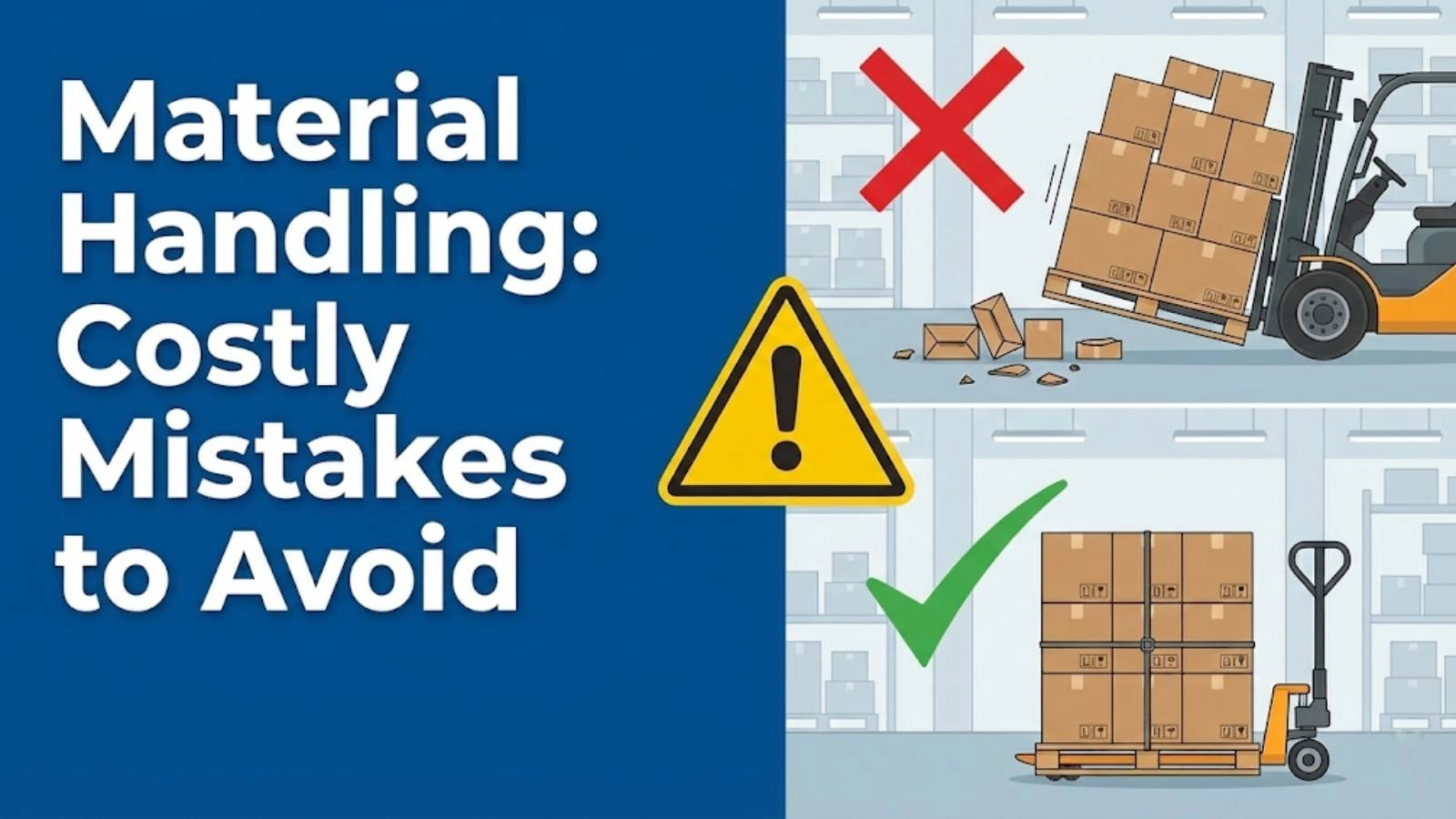
Introduction: A Crossroads in the Warehouse
Setting the Scene: The Dilemma of Every Growing Business
Acme Logistics, a thriving e-commerce fulfillment center, recently faced a pivotal challenge. They experienced a surge in orders, straining their existing warehouse capacity. Suddenly, they needed more material handling equipment to keep up with demand. Should they invest in purchasing new forklifts, conveyors, and pallet jacks? Or would renting be a more strategic move? This buy-versus-rent question plagues businesses of all sizes as they navigate growth and changing market conditions. The right choice can significantly impact their bottom line.
The High Stakes: Material Handling’s Impact on Your Bottom Line
Efficient material handling is the backbone of a successful supply chain. It directly affects profitability by reducing labor costs, minimizing product damage, and speeding up order fulfillment. Effective material handling equipment also contributes to increased warehouse efficiency, improved safety, and greater customer satisfaction. Conversely, inefficient systems lead to delays, errors, and increased operational costs, ultimately impacting the bottom line. Investing in the right material handling solution is crucial for optimizing warehouse efficiency and maintaining a competitive edge.
Teasing the Answer: No One-Size-Fits-All Solution
There’s no universal answer to the buy-versus-rent question for material handling equipment. The “best” choice is entirely dependent on the unique circumstances of each business. Factors like budget, equipment lifespan, usage frequency, maintenance capabilities, and growth projections all play a significant role. We at Safe and Secure Trading Company (SSTC) believe that a thorough assessment of your specific needs is essential to making an informed decision. Our goal is to provide an objective comparison, empowering you to select the option that aligns best with your business objectives.
Decoding Your Needs: The First Step to a Smart Decision
Assessing Your Equipment Requirements: What Do You Really Need?
Before diving into the financial aspects, it’s crucial to accurately assess your equipment requirements. What types of materials are you handling? What is the volume of materials being processed daily, weekly, and monthly? What is the warehouse layout and available space? Are there any specific environmental conditions (e.g., temperature, humidity) that might impact equipment performance? Also, consider if your warehouse operations include any specialized processes, such as those requiring specialized material handling equipment. A detailed analysis of your current and projected needs will help determine the type and quantity of equipment required, whether it’s forklifts, conveyor systems, pallet jacks, or other warehouse equipment.
The Urgency Factor: Is This a Short-Term Fix or a Long-Term Investment?
The duration of your equipment needs is a critical factor in the buy-versus-rent decision. Are you facing a temporary surge in demand due to a seasonal peak or a short-term project? Or do you anticipate a consistent, long-term need for the equipment? If you need equipment for a few weeks or months, renting is likely the more cost-effective option. However, if you anticipate needing the equipment for several years, purchasing may be a better long-term investment. It’s important to factor in the lifespan of the equipment, potential technological upgrades, and your long-term operational plans.
Financial Health Check: Can You Afford to Buy?
Purchasing material handling equipment involves a significant upfront investment. This includes the purchase price of the equipment, as well as any associated costs such as transportation, installation, and training. Consider your company’s current financial situation. Do you have sufficient capital to make a purchase without straining your cash flow? Are you prepared to take on debt to finance the purchase? Equipment financing and equipment leasing options are available. However, it’s important to carefully evaluate the terms and conditions before committing to a long-term financial obligation. Renting, on the other hand, offers lower upfront costs and more predictable monthly expenses, making it an attractive option for businesses with limited capital.
The Case for Buying: Ownership Has Its Perks
Long-Term Cost Savings: Building Equity vs. Paying Rent
Over the long term, purchasing material handling equipment can be more cost-effective than renting, especially if the equipment is used frequently. While renting involves ongoing payments, purchasing allows you to build equity in a tangible asset. Consider a forklift that costs $40,000 to purchase and has an estimated lifespan of 7 years. If you rent the same forklift for $800 per month, you’ll spend $67,200 over 7 years. While this is a simplified example that doesn’t account for maintenance, it illustrates the potential for long-term cost savings through ownership.
Customization and Control: Tailoring Equipment to Your Exact Needs
One of the key advantages of owning material handling equipment is the ability to customize it to your specific operational requirements. You can modify the equipment to fit your warehouse layout, integrate it with existing systems, and add features that enhance performance and efficiency. For example, you might add specialized attachments to a forklift to handle specific types of materials. This level of customization is typically not available with rented equipment.
Asset Appreciation: Turning Equipment into a Valuable Company Asset
Material handling equipment can be considered a valuable company asset that retains or even increases in value over time. While depreciation does occur, well-maintained equipment can be resold or traded in for a significant portion of its original value. This provides a tangible return on investment and strengthens the company’s balance sheet. The ability to leverage these assets for financing or other business purposes can provide additional financial flexibility.
Building a Brand: Showcasing Professionalism and Commitment
Owning modern, well-maintained material handling equipment can enhance a company’s image and reputation. It demonstrates a commitment to quality, efficiency, and safety. This can be particularly important for businesses that rely on attracting and retaining customers. Presenting a professional appearance with reliable equipment can instill confidence in your customers and partners, showcasing your dedication to excellence.
The Allure of Renting: Flexibility and Freedom
Immediate Cost Savings: Lower Upfront Investment, Predictable Expenses
Renting material handling equipment offers immediate financial relief, particularly for startups and businesses with limited capital. The lower upfront investment frees up capital for other critical business needs, such as marketing, inventory, and personnel. Rental agreements typically include predictable monthly expenses, making it easier to budget and manage cash flow. This can be a significant advantage for businesses operating on tight margins.
Avoiding Maintenance Headaches: Someone Else’s Problem
One of the most attractive benefits of renting is offloading maintenance and repair responsibilities to the rental company. The rental company is responsible for ensuring that the equipment is in good working order and for handling any necessary repairs or maintenance. This eliminates the need for in-house maintenance staff, reduces downtime, and minimizes unexpected repair costs. This allows you to focus on your core business operations without worrying about equipment maintenance.
Adapting to Changing Needs: Scaling Up or Down with Ease
Renting provides unparalleled flexibility, allowing businesses to quickly adjust their equipment inventory based on fluctuating demand. If you experience a seasonal surge in orders, you can easily rent additional equipment to meet the increased demand. Conversely, if demand decreases, you can simply return the rented equipment, avoiding the costs associated with storing and maintaining unused equipment. This scalability is particularly valuable for businesses operating in dynamic markets. We at SSTC have seen this be a game changer for operations in Dammam.
Access to the Latest Technology: Staying Ahead of the Curve
Renting enables businesses to access cutting-edge material handling equipment without the burden of depreciation or obsolescence. As new technologies emerge, rental companies typically update their equipment fleets, providing renters with access to the latest innovations. This allows you to stay ahead of the curve and improve operational efficiency without making significant capital investments. This access to advanced technology can be a competitive advantage in today’s rapidly evolving marketplace.
Deep Dive: Comparing Costs, Features, and Benefits (with HTML Table)
Side-by-Side Comparison: A Detailed Look at Key Factors
Here is a detailed comparison of buying versus renting material handling equipment across key factors:
| Factor |
Buying |
Renting |
| Upfront Cost |
High (Purchase Price, Installation) |
Low (Security Deposit, Initial Fees) |
| Monthly/Ongoing Cost |
Variable (Maintenance, Repairs, Insurance) |
Predictable (Fixed Monthly Rental Fee) |
| Maintenance |
Responsibility of the Owner |
Responsibility of the Rental Company |
| Depreciation |
Equipment Loses Value Over Time |
No Depreciation Concerns |
| Customization |
High (Can Modify and Customize) |
Low (Limited Customization Options) |
| Flexibility |
Low (Difficult to Scale Up or Down Quickly) |
High (Easy to Scale Up or Down as Needed) |
| Long-Term Value |
Potential for Asset Appreciation |
No Long-Term Asset Value |
| Availability of Latest Technology |
Owner Responsible for Upgrades |
Rental Company Provides Updated Equipment |
| Scalability |
Requires Capital Investment for Expansion |
Easy to Add or Remove Equipment |
Real-World Scenarios: When Does Each Option Shine?
The Startup Dilemma: Renting to Conserve Capital
Consider a startup e-commerce company that’s experiencing rapid growth. They need forklifts, pallet jacks, and conveyor systems to manage their increasing inventory. However, they have limited capital and are unsure about their long-term needs. Renting material handling equipment allows them to conserve capital, avoid long-term debt, and maintain flexibility as their business evolves. This enables them to focus on growth without being burdened by the financial commitments associated with purchasing equipment.
The Seasonal Surge: Buying for Core Needs, Renting for Peak Periods
A food distribution company experiences a significant increase in demand during the holiday season. They already own a fleet of forklifts and pallet jacks to handle their core operations. To meet the seasonal surge, they rent additional equipment to supplement their existing fleet. This allows them to avoid over investing in equipment that would only be used for a short period of time. This strategic combination of buying and renting optimizes costs and ensures they have the capacity to meet peak demand.
The Long-Term Growth Plan: Investing in Ownership
A manufacturing company has a stable, growing business with consistent material handling needs. They plan to expand their operations over the next several years. Purchasing material handling equipment provides long-term cost savings, greater control over their equipment, and the ability to customize it to their specific needs. This investment supports their long-term growth plan and enhances their operational efficiency.
Hidden Costs and Potential Pitfalls: Avoiding Common Mistakes
The Fine Print of Rental Agreements: Watch Out for Hidden Fees
Rental agreements can contain hidden fees that can significantly increase the overall cost. These fees may include usage fees based on hours of operation, insurance requirements, late return penalties, and damage charges. It’s essential to carefully review the rental agreement and understand all the terms and conditions before signing. Clarify any potential fees with the rental company to avoid unexpected costs.
The True Cost of Ownership: Don’t Forget Maintenance, Repairs, and Storage
The true cost of ownership extends beyond the initial purchase price. It’s crucial to factor in all associated costs, including maintenance, repairs, insurance, storage, and potential downtime. Maintenance costs can vary depending on the type and age of the equipment. Repairs can be unpredictable and expensive. Storage costs can be significant if you have excess equipment. Accurately estimating these costs is essential for making an informed buy-versus-rent decision.
Depreciation and Obsolescence: Planning for the Future
Depreciation is the gradual decline in the value of equipment over time. Obsolescence occurs when equipment becomes outdated or replaced by newer, more efficient models. Both depreciation and obsolescence can impact the long-term value of your equipment. When purchasing material handling equipment, it’s important to consider its expected lifespan, potential for technological upgrades, and the risk of obsolescence. Planning for future equipment replacement is essential for maintaining operational efficiency and minimizing financial losses.
Expert Advice and Industry Insights
Quotes from the Trenches: What Industry Leaders are Saying
“The key to the buy vs. rent decision lies in a thorough understanding of your long-term operational strategy. Renting provides agility, while ownership offers control and potential equity.” – John Smith, CEO, Material Handling Solutions Inc.
Case Study: Success Stories from Both Sides
[Company A]: How Renting Fueled Rapid Growth
[Company A], a small but rapidly expanding online retailer, initially rented all of its material handling equipment. This allowed them to conserve capital and focus on marketing and product development. As their business grew, they continued to rent additional equipment to meet increasing demand. This flexible approach enabled them to scale their operations quickly and efficiently without being burdened by the financial commitments of ownership. Their strategic use of material handling rental was a key factor in their rapid growth and success.
[Company B]: The Benefits of Long-Term Ownership
[Company B], a well-established manufacturing company, made a strategic decision to invest in owning its material handling equipment. They purchased a fleet of forklifts, pallet jacks, and conveyor systems that were specifically tailored to their operational needs. Over the long term, this investment resulted in significant cost savings, improved efficiency, and greater control over their equipment. Owning their equipment also allowed them to customize it to their specific requirements and integrate it seamlessly with their existing systems.
Final Verdict: Choosing the Right Path for Your Business [CTA]
Summarizing the Key Considerations: A Quick Recap
Deciding between buying and renting material handling equipment requires careful consideration of several factors. These include your budget, equipment lifespan, usage frequency, maintenance capabilities, growth projections, and risk tolerance. Each option has its own set of advantages and disadvantages. Understanding these factors is essential for making an informed decision that aligns with your specific business needs.
Recommendation: The Winner Is…It Depends!
There is no universally “best” option. The ideal choice depends on your individual business needs and circumstances. Startups and businesses with limited capital may benefit from renting, while established companies with long-term growth plans may find that purchasing is more cost-effective. A thorough assessment of your specific needs is essential for making the right decision.
Tailored Advice: Specific Recommendations for Different Scenarios
- Startups: Rent to conserve capital and maintain flexibility.
- Growing Businesses: Consider a combination of buying core equipment and renting supplemental equipment during peak seasons.
- Established Companies: Evaluate the long-term cost benefits of ownership and consider investing in equipment tailored to your specific needs.
Ultimately, the decision is yours. We at Safe and Secure Trading Company are here to help you navigate the complexities of material handling equipment acquisition and find the best solution for your business.
FAQ Section
Q: What are the main advantages of renting material handling equipment?
A: The main advantages of material handling rental include lower upfront costs, predictable monthly expenses, avoidance of maintenance headaches, and flexibility to scale up or down as needed.
Q: What are the main advantages of purchasing material handling equipment?
A: The main advantages of material handling purchase include long-term cost savings, the ability to customize equipment, asset appreciation, and enhanced company image.
Q: How do I determine my material handling equipment needs?
A: To determine your material handling equipment needs, assess the types and volume of materials you handle, your warehouse layout, any specific environmental conditions, and your long-term operational plans.
Q: What are some hidden costs to watch out for in rental agreements?
A: Hidden costs in rental agreements may include usage fees, insurance requirements, late return penalties, and damage charges.
Q: What are some of the costs associated with owning material handling equipment?
A: The costs associated with ownership include maintenance, repairs, insurance, storage, depreciation, and potential downtime.
Q: Is equipment leasing a viable alternative to buying or renting?
A: Yes, equipment leasing is a viable alternative that combines some of the benefits of both buying and renting. It offers lower upfront costs than purchasing but allows you to build equity in the equipment over time.
Q: How does material handling equipment affect warehouse efficiency?
A: Efficient material handling equipment reduces labor costs, minimizes product damage, speeds up order fulfillment, and improves overall warehouse productivity.
Q: What is the role of material handling in supply chain management?
A: Material handling plays a critical role in supply chain management by ensuring the smooth and efficient flow of materials from suppliers to customers.
Q: How can I improve my warehouse efficiency using material handling equipment?
A: You can improve your warehouse efficiency by investing in the right material handling equipment, optimizing your warehouse layout, implementing efficient processes, and training your employees properly.
Q: What are some common types of warehouse equipment?
A: Common types of warehouse equipment include forklifts, pallet jacks, conveyor systems, shelving, and racking.
Q: What is equipment financing and how does it work?
A: Equipment financing is a type of loan specifically designed to help businesses purchase equipment. It typically involves making monthly payments over a set period of time.
Q: How can I calculate the return on investment (ROI) for material handling equipment?
A: You can calculate the return on investment by dividing the net profit generated by the equipment by the total cost of the equipment.
Q: How do I factor in operational costs when choosing material handling equipment?
A: Factor in operational costs by estimating the ongoing expenses associated with the equipment, such as fuel, electricity, maintenance, and repairs.
Q: What is the impact of material handling on supply chain management?
A: Efficient material handling ensures smooth material flow, impacting supply chain speed, cost, and reliability, thus enhancing customer satisfaction.
Q: How can SSTC help me decide between buying and renting?
A: At Safe and Secure Trading Company, we offer a free customized material handling assessment to help you evaluate your specific needs and determine the best solution for your business. Our experienced consultants can provide objective advice and guidance to help you make an informed decision. 2026