Manual lifting tasks present significant challenges in various industries. Moving heavy loads without the aid of mechanical devices can lead to serious injuries, strained muscles, and wasted time. Improper lifting techniques further exacerbate these risks, creating an environment where safety is compromised. At Safe and Secure Trading Company (SSTC), we understand these challenges and offer practical solutions to improve safety and efficiency.
Understanding the Need for a Manual Chain Block
The Problem: Lifting Heavy Loads Manually
The manual handling of heavy objects poses several problems. Without the proper equipment, workers often resort to unsafe lifting techniques, which can result in back injuries, muscle strains, and other musculoskeletal disorders. The physical strain associated with manual lifting not only affects the well-being of employees but also diminishes their productivity. Moreover, the time spent on manual lifting tasks can be substantial, diverting resources away from more critical operations. The challenge is clear: how do we minimize the risks and inefficiencies associated with manually moving heavy objects?
Manually lifting heavy loads increases the risk of accidents and injuries. Without proper equipment, workers are more prone to using incorrect lifting techniques, placing undue stress on their bodies. This can lead to acute injuries such as sprains and strains, as well as chronic conditions like back pain and carpal tunnel syndrome. SSTC recognizes the need for safer alternatives to protect workers and reduce the incidence of work-related injuries.
Inefficient manual lifting processes can significantly impact productivity. When workers spend excessive time and energy on moving heavy objects, it detracts from their ability to focus on other essential tasks. This inefficiency can lead to delays in project completion, increased labor costs, and reduced overall output. We strive to provide solutions that streamline material handling, allowing businesses to optimize their operations and improve their bottom line.
The Solution: Manual Chain Blocks for Safe and Efficient Lifting
Manual chain blocks offer a reliable and cost-effective solution for lifting heavy loads safely and efficiently. These devices utilize a simple yet effective mechanical advantage to reduce the amount of force required to lift heavy objects. By using a manual chain block, workers can lift loads that would otherwise be impossible to handle manually, minimizing the risk of injury and maximizing productivity.
Manual chain blocks provide a safe and efficient means of lifting heavy objects, reducing the risk of injury and increasing productivity. These devices are designed to distribute the load evenly, minimizing strain on the operator. SSTC offers a wide range of manual chain blocks to suit various lifting needs, ensuring that our clients have access to the best tools for the job.
The benefits of using manual chain blocks extend beyond safety and efficiency. These devices are also relatively easy to operate and maintain, making them a practical choice for many applications. Manual chain blocks are versatile tools that can be used in a variety of settings, from construction sites to manufacturing plants. By investing in high-quality manual chain blocks, businesses can improve their material handling processes and create a safer working environment.
We once had a client in the construction industry who struggled with manually lifting heavy concrete blocks. After implementing our recommended manual chain block system, they reported a significant reduction in workplace injuries and a noticeable increase in productivity. The key was selecting the right hoist capacity for their specific needs and providing proper training on safe operating procedures.
Key Factors to Consider Before Buying
Load Capacity: Matching the Block to Your Lifting Needs
Selecting the appropriate hoist capacity is crucial for safe and efficient lifting. It’s essential to accurately determine the weight of the load you intend to lift and choose a manual chain block that meets or exceeds this capacity. Overloading a chain block can lead to equipment failure, serious injury, or even fatalities. At SSTC, we emphasize the importance of understanding hoist capacity and selecting the right equipment for the job.
Accurately calculating the weight of the load is the first step in determining the appropriate hoist capacity. This involves not only knowing the weight of the primary object but also accounting for any additional components or attachments. Using a reliable weighing scale or consulting with a qualified engineer can help ensure accurate weight measurements. Our team in Dubai frequently advises clients on this crucial step, often finding discrepancies between estimated and actual weights.
Overloading a manual chain block can have catastrophic consequences. When the load exceeds the rated hoist capacity, the components of the chain block are subjected to excessive stress, increasing the risk of failure. This can result in the load dropping unexpectedly, causing serious injury or damage to property. Choosing a manual chain block with an adequate hoist capacity is essential for preventing accidents and ensuring safe lifting operations.
Lifting Height: Ensuring Sufficient Reach
Determining the required lifting height is another critical factor to consider when purchasing a manual chain block. The lifting height refers to the vertical distance the load needs to be raised. It’s important to accurately measure the lifting height to ensure that the chain block has sufficient chain length to perform the task safely and effectively.
Consideration should be given to any headroom limitations in the workspace. Headroom refers to the available vertical space between the lifting point and the ceiling or other overhead obstructions. If headroom is limited, it may be necessary to choose a manual chain block with a shorter overall height or to modify the lifting setup to accommodate the available space. We often recommend compact lever blocks for spaces with restricted headroom.
Choosing the appropriate chain length is essential for safe and efficient lifting. The chain length should be long enough to allow the load to be raised to the desired height without exceeding the hoist capacity or creating excessive slack in the chain. It’s also important to ensure that the chain is properly sized for the manual chain block to prevent slippage or binding.
Chain Material and Quality: Strength and Durability
The quality and material of the chain are paramount to the safety and longevity of the manual chain block. High-quality alloy steel chains are essential for providing the necessary strength and durability to withstand heavy loads. It’s important to understand different chain grades and their respective strengths to ensure you’re using the right chain for your specific lifting needs.
Different chain grades offer varying levels of strength and resistance to wear and tear. Alloy steel chains are generally preferred for their high tensile strength and ability to withstand harsh working conditions. Understanding the specific requirements of your lifting application will help you choose the appropriate chain grade for optimal performance and safety.
Regularly inspecting the chain for wear, damage, or corrosion is essential for maintaining its integrity and preventing accidents. Signs of wear include elongated links, cracks, or excessive rust. Any damaged or corroded chains should be replaced immediately to ensure the continued safe operation of the manual chain block. SSTC offers comprehensive inspection services to help identify potential issues before they become critical.
Types of Manual Chain Blocks Available
Standard Hand Chain Blocks: The Most Common Type
Standard hand chain blocks are the most common type of manual chain block, widely used in various industries for their simplicity and reliability. These chain blocks operate using a system of gears and pulleys that multiply the pulling force applied to the hand chain, allowing workers to lift heavy loads with minimal effort. The design is straightforward, making them easy to use and maintain.
Standard hand chain blocks find typical applications in construction, manufacturing, and maintenance operations. They are ideal for lifting and positioning heavy objects in a variety of settings. Their versatility and ease of use make them a popular choice for both indoor and outdoor lifting tasks. We often see these chain blocks used in workshops and garages for engine lifting.
When selecting a standard chain block, consider factors such as hoist capacity, lifting height, and environmental conditions. Choosing a chain block that is appropriately sized for your lifting needs will ensure safe and efficient operation. Regular inspection and maintenance are essential for prolonging the lifespan of the chain block and preventing accidents.
Lever Blocks: For Tight Spaces and Horizontal Pulling
Lever blocks, also known as come alongs, differ from standard chain blocks in their operating mechanism. Instead of using a hand chain, lever blocks utilize a lever that is ratcheted back and forth to lift or pull the load. This lever action provides precise control and makes lever blocks particularly useful in tight spaces where there isn’t enough room to operate a hand chain.
Lever blocks offer several advantages for horizontal pulling and precise positioning. Their compact design and lever action make them ideal for rigging applications, construction projects, and maintenance tasks. Lever blocks are commonly used to align pipes, tension cables, and move heavy equipment into place.
Applications for lever blocks are diverse, ranging from construction and rigging to maintenance and repair. They are particularly useful in situations where space is limited or precise positioning is required. Consider the specific requirements of your lifting or pulling application when selecting a lever block to ensure optimal performance and safety.
Geared Trolleys: Adding Mobility to Your Lifting System
Integrating a geared trolley with a manual chain block allows for smooth horizontal movement of the load. A geared trolley is a device that attaches to a beam or rail, allowing the chain block and its load to be easily moved along the horizontal plane. This combination is particularly useful when the load needs to be moved over a distance or positioned precisely within a larger area.
Geared trolleys offer significant benefits for moving loads along a beam or rail. They reduce the need for manual pushing or pulling, minimizing the risk of strain and injury. The geared trolley provides smooth and controlled movement, allowing for precise positioning of the load. This is especially useful in manufacturing and assembly operations where components need to be aligned accurately.
When choosing a geared trolley, consider factors such as the weight capacity of the trolley, the width and type of beam or rail it will be used with, and the ease of operation. Ensure that the geared trolley is compatible with your manual chain block and that it meets all relevant safety standards. We advise clients to check the trolley’s load rating against the chain block's hoist capacity for safe operation.
“The combination of a manual chain block and geared trolley is a game-changer for improving material handling efficiency and reducing worker strain.” – John Smith, Lead Safety Inspector
Essential Safety Features and Standards
Overload Protection: Preventing Accidents and Damage
Overload protection is a critical safety feature that prevents accidents and damage by automatically stopping the manual chain block from lifting a load that exceeds its rated hoist capacity. This mechanism safeguards both the user and the equipment by preventing excessive stress on the components of the chain block. Understanding the function of overload protection is essential for safe lifting operations.
Checking for the proper operation of the overload protection mechanism is crucial before each use. This involves testing the chain block with a load slightly exceeding its rated hoist capacity to ensure that the mechanism engages and prevents further lifting. If the overload protection system fails to operate correctly, the chain block should be taken out of service immediately and inspected by a qualified technician.
Overload protection safeguards both the user and the equipment by preventing the chain block from being subjected to excessive stress. By automatically stopping the lifting operation when the hoist capacity is exceeded, the risk of component failure, load dropping, and injury is significantly reduced. Investing in manual chain blocks with reliable overload protection is a wise decision for any business that values safety.
Brake Systems: Ensuring Secure Load Holding
Reliable brake systems are essential for ensuring secure load holding when using a manual chain block. The brake system prevents the load from slipping or dropping unexpectedly, providing a safe and controlled lifting operation. Different types of brake systems are used in chain blocks, such as the Weston brake, which is known for its robust and reliable performance.
The Weston brake is a type of mechanical brake commonly used in manual chain blocks. It consists of a ratchet wheel, brake pawls, and friction discs that work together to hold the load securely in place. The Weston brake is designed to automatically engage when the lifting force is released, preventing the load from slipping or dropping. Its reliability and responsiveness make it a popular choice for demanding lifting applications.
Regular inspection and maintenance of the brake system are essential for ensuring its continued reliable operation. This includes checking the brake pawls for wear, inspecting the friction discs for contamination, and ensuring that all components are properly lubricated. Any signs of brake malfunction should be addressed immediately to prevent accidents and ensure safe load holding.
Compliance with Industry Standards: ASME, OSHA, and More
Choosing manual chain blocks that meet relevant safety standards is crucial for ensuring compliance and promoting a safe working environment. Standards such as ASME B30.16 and OSHA regulations provide specific requirements for the design, construction, inspection, and operation of manual chain blocks. Understanding these standards and ensuring compliance is essential for preventing accidents and minimizing liability.
ASME B30.16 is a widely recognized safety standard that covers the design, construction, installation, inspection, testing, and operation of overhead hoists (underhung). This standard provides detailed guidelines for ensuring the safe use of manual chain blocks in various industries. Compliance with ASME B30.16 demonstrates a commitment to safety and helps prevent accidents.
OSHA regulations also play a significant role in ensuring the safe use of manual chain blocks in the workplace. OSHA standards address various aspects of workplace safety, including the proper selection, inspection, and maintenance of lifting equipment. Compliance with OSHA regulations is mandatory for businesses operating in the United States and helps protect workers from injury. Checking for certifications and compliance markings on manual chain blocks is an important step in verifying that the equipment meets relevant safety standards. These markings indicate that the chain block has been tested and certified by a recognized authority, providing assurance of its safety and reliability.
Practical Considerations and Maintenance
Ease of Use and Ergonomics: Reducing Operator Fatigue
Ease of use and ergonomics are important considerations when selecting a manual chain block. A chain block that is easy to operate and comfortable to use can reduce operator fatigue and improve productivity. Look for features such as a smooth-running hand chain, ergonomic handle design, and lightweight construction to minimize strain on the operator.
Comfortable hand chain operation is essential for reducing operator fatigue. A chain block with a smooth-running hand chain allows the operator to lift loads with minimal effort, reducing strain on the arms and shoulders. The hand chain should be easy to grip and operate, even when wearing gloves. We often recommend models with coated chains for improved grip and comfort.
Ergonomic design features can also help minimize strain and improve operator comfort. Look for chain blocks with ergonomic handles, lightweight construction, and well-balanced designs. These features can reduce the physical demands of lifting tasks, allowing operators to work more comfortably and efficiently.
Considering the weight and maneuverability of the chain block is also important. A lightweight chain block is easier to transport and position, reducing the risk of strain and injury. The chain block should also be easy to maneuver in tight spaces, allowing the operator to position the load accurately and safely.
Regular Inspection and Maintenance: Extending the Lifespan
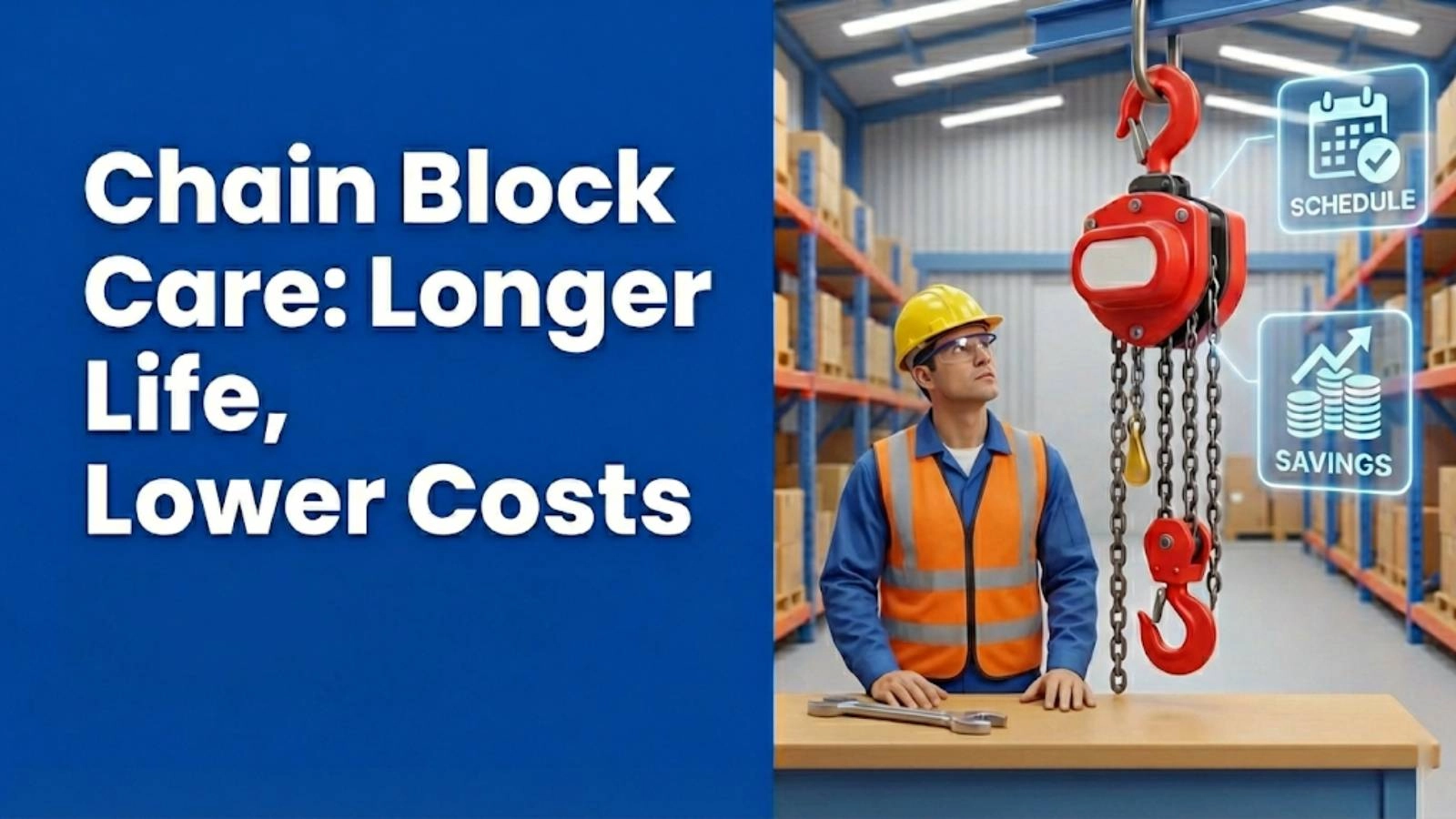
Regular inspection and maintenance are essential for extending the lifespan of your manual chain block and ensuring its continued safe operation. Developing a routine inspection schedule and following proper maintenance procedures can help identify potential problems before they become critical, preventing accidents and minimizing downtime.
Developing a routine inspection schedule is the first step in maintaining your manual chain block. The inspection schedule should be based on the frequency of use, the severity of the lifting environment, and the manufacturer’s recommendations. Inspections should be performed by a qualified technician who is familiar with the operation and maintenance of manual chain blocks.
Identifying signs of wear, damage, or corrosion is crucial during inspections. This includes checking the chain for elongated links, cracks, or rust, inspecting the hooks for distortion or damage, and examining the brake system for proper operation. Any signs of wear or damage should be addressed immediately to prevent accidents and ensure safe operation.
Proper lubrication and cleaning procedures are also essential for maintaining your manual chain block. Lubricating moving parts reduces friction and prevents wear, while cleaning removes dirt, debris, and contaminants that can damage the components of the chain block. Follow the manufacturer’s recommendations for lubrication and cleaning procedures to ensure optimal performance and longevity.
Storage and Handling: Protecting Your Investment
Proper storage techniques are essential for preventing damage and corrosion to your manual chain block. When not in use, the chain block should be stored in a clean, dry environment away from harsh weather conditions and corrosive substances. This will help protect the components of the chain block from rust, corrosion, and other forms of damage.
Safe handling practices are also important during transportation and setup. Avoid dropping or dragging the chain block, as this can damage the components and compromise its safety. Use appropriate lifting techniques and equipment when transporting the chain block, and ensure that it is properly secured during transit.
Protecting the chain block from harsh weather conditions is also crucial for prolonging its lifespan. Exposure to rain, snow, and extreme temperatures can cause rust, corrosion, and other forms of damage. When using the chain block outdoors, provide adequate protection from the elements, such as covering it with a tarp or storing it in a sheltered location.
Troubleshooting Common Problems
Chain Slippage or Binding: Identifying and Resolving the Issue
Chain slippage or binding is a common problem that can occur with manual chain blocks. Possible causes of chain slippage or binding include inadequate lubrication, misalignment of the chain, or damage to the chain or gears. Identifying the cause of the problem is the first step in resolving the issue.
Troubleshooting steps for chain slippage or binding include checking the lubrication of the chain and gears, ensuring that the chain is properly aligned, and inspecting the chain and gears for damage. If the chain is dry or dirty, apply a suitable lubricant to reduce friction. If the chain is misaligned, adjust its position to ensure that it runs smoothly over the gears. If the chain or gears are damaged, replace them immediately.
When to seek professional repair: If you are unable to resolve the problem yourself, or if you suspect that the chain block has suffered significant damage, seek professional repair from a qualified technician. Attempting to repair the chain block yourself without proper training and equipment can be dangerous and may void the warranty.
Difficulty Lifting the Load: Overload or Mechanical Issues?
Difficulty lifting the load can be caused by either overloading the chain block or mechanical issues. Determining whether the load exceeds the rated hoist capacity is the first step in troubleshooting this problem. If the load is within the hoist capacity, the issue is likely due to a mechanical problem.
Checking for mechanical problems involves inspecting the brake system, gears, and other moving parts for signs of damage or malfunction. If the brake system is not functioning properly, it may prevent the chain block from lifting the load. Similarly, worn or damaged gears can cause excessive friction, making it difficult to lift the load.
Seeking professional assistance for complex repairs is essential for ensuring the safety and reliability of the manual chain block. Attempting to repair complex mechanical issues without proper training and equipment can be dangerous and may further damage the chain block. A qualified technician can diagnose and repair the problem quickly and efficiently, restoring the chain block to its proper working condition.
Unusual Noises During Operation: Identifying the Source
Unusual noises during operation can indicate a variety of problems with the manual chain block. Possible causes of unusual noises include worn gears, loose components, or inadequate lubrication. Identifying the source of the noise is the first step in diagnosing the problem.
Inspecting the chain block for visible damage is crucial when troubleshooting unusual noises. Check the gears for wear or damage, look for loose bolts or fasteners, and examine the chain for signs of rust or corrosion. Any visible damage should be addressed immediately to prevent further problems.
Lubricating moving parts can help reduce friction and eliminate some types of unusual noises. Apply a suitable lubricant to the gears, chain, and other moving parts to ensure smooth operation. If the noise persists after lubrication, the problem may be due to worn or damaged components that require replacement.
Making the Right Choice: Recap and Recommendations
Summarizing Key Considerations
When purchasing a manual chain block, it’s important to reiterate the significance of hoist capacity, lifting height, and essential safety features. The hoist capacity must match or exceed the weight of the loads you intend to lift. The lifting height should be sufficient for your specific applications, and safety features such as overload protection and reliable brake systems are crucial for preventing accidents.
Emphasizing the value of quality and compliance is also essential. Choosing manual chain blocks from reputable manufacturers that meet relevant safety standards ensures that you are investing in reliable and safe equipment. Compliance with standards such as ASME B30.16 and OSHA regulations demonstrates a commitment to safety and helps minimize liability.
Choosing the Right Chain Block for Your Specific Application
Providing tailored recommendations based on different lifting needs is key to helping customers choose the right manual chain block. For example, standard hand chain blocks are suitable for general-purpose lifting tasks, while lever blocks are ideal for tight spaces and horizontal pulling. Geared trolleys can be integrated with chain blocks to provide smooth horizontal movement of loads.
Highlighting the importance of consulting with a qualified professional is also crucial. A qualified professional can assess your specific lifting needs and recommend the most appropriate manual chain block for your application. They can also provide training on safe operating procedures and perform regular inspections to ensure the continued safe operation of your equipment.
Final Thoughts: Ensuring Safe and Efficient Lifting Operations
Reinforcing the importance of proper training and maintenance is essential for ensuring safe and efficient lifting operations. Proper training equips operators with the knowledge and skills necessary to operate manual chain blocks safely and effectively. Regular maintenance helps identify potential problems before they become critical, preventing accidents and minimizing downtime.
Encouraging users to prioritize safety in all lifting activities is paramount. Safety should always be the top priority when operating manual chain blocks. Following safe operating procedures, wearing appropriate personal protective equipment, and conducting regular inspections can help prevent accidents and create a safer working environment.
We at SSTC are committed to providing our clients with the highest quality manual chain block solutions, backed by expert advice and comprehensive support. By carefully considering your specific needs and following our recommendations, you can ensure safe and efficient lifting operations for 2026 and beyond.
FAQ Section
Q: What is the difference between a chain hoist and a lever block?
A: A chain hoist, typically a hand chain hoist, uses a continuous loop of chain to lift loads vertically, best suited for overhead lifting. A lever block uses a lever and ratchet mechanism, making it ideal for horizontal pulling or lifting in confined spaces.
Q: How do I determine the correct hoist capacity for my needs?
A: First, accurately weigh the heaviest load you plan to lift. Then, select a manual chain block with a hoist capacity that meets or exceeds that weight. Always err on the side of caution and choose a chain block with a slightly higher hoist capacity than you think you need.
Q: What safety standards should I look for when buying a manual chain block?
A: Look for manual chain blocks that comply with ASME B30.16 and OSHA regulations. These standards ensure that the chain block has been designed, tested, and manufactured to meet specific safety requirements.
Q: How often should I inspect my manual chain block?
A: Inspect your manual chain block before each use for any signs of wear, damage, or corrosion. Perform a more thorough inspection at least quarterly, or more frequently if the chain block is used in harsh environments.
Q: What are the signs of a worn or damaged chain?
A: Signs of a worn or damaged chain include elongated links, cracks, rust, or excessive wear. Any chain that exhibits these signs should be replaced immediately.
Q: Can I use a manual chain block for lifting people?
A: No, manual chain blocks are designed for lifting materials only and should never be used for lifting people. Using a manual chain block for lifting people can result in serious injury or death.
Q: What is the purpose of overload protection on a manual chain block?
A: Overload protection is a safety feature that prevents the manual chain block from lifting a load that exceeds its rated hoist capacity. This protects the user and the equipment from damage and reduces the risk of accidents.
Q: How do I maintain my manual chain block?
A: Regular maintenance includes lubricating moving parts, cleaning the chain and gears, and inspecting for wear and damage. Follow the manufacturer’s recommendations for lubrication and cleaning procedures.
Q: What type of lubricant should I use on my manual chain block?
A: Use a high-quality lubricant that is specifically designed for use on chain blocks and other lifting equipment. Avoid using lubricants that are too thin or too thick, as this can interfere with the proper operation of the chain block.
Q: Where can I find a reliable supplier of manual chain blocks and other lifting equipment?
A: Safe and Secure Trading Company (SSTC) offers a wide range of high-quality manual chain blocks, lever blocks, geared trolleys, and other lifting equipment to meet your specific needs. We also provide expert advice and comprehensive support to ensure safe and efficient lifting operations.