The safe and efficient operation of any industrial environment relies heavily on the reliability of its lifting equipment. Among these, the chain block stands out as a versatile and indispensable tool. A chain block inspection is paramount to ensuring these devices function correctly and safely. We will explore a detailed 5-point chain block inspection checklist designed to help you maintain a secure workplace. It’s more important than ever in 2026 to focus on safety in all work environments.
1. ✅ Load Chain: Assessing Wear and Damage
The load chain is the lifeline of any chain block, bearing the brunt of the weight being lifted. During your chain block inspection, it’s crucial to meticulously examine the chain for any signs of stretching, twisting, nicks, or corrosion. Stretching can indicate that the chain has been overloaded beyond its safe working load (SWL), while twisting can compromise its structural integrity. Nicks and corrosion can weaken the chain links, increasing the risk of failure. We always recommend our clients pay special attention to lubrication and maintenance of their load chains, because this is a common point of failure. We often find that a quick chain wear inspection can save time and money in the long run.
To further assess the chain’s condition, measure the chain link dimensions using calipers to identify any excessive wear that exceeds safety standards. Over time, friction and repeated use can cause the chain links to wear down, reducing their strength and increasing the likelihood of breakage. According to a recent study, chains that are regularly inspected and maintained have a 50% lower failure rate compared to those that are neglected. Ensuring proper lubrication is also essential to minimize friction and prevent rust or corrosion, which can significantly degrade the chain’s performance. We advise using a high-quality lubricant specifically designed for chain applications, and applying it regularly as part of your maintenance routine.
2. ✅ Hooks: Examining for Cracks and Deformation
Hooks are another critical component of the chain block, responsible for securely attaching the load being lifted. As part of your chain block inspection, a thorough examination of both the top and bottom hooks is essential to identify any cracks, bends, or fractures. Cracks can propagate under load, leading to sudden hook failure, while bends or fractures indicate that the hook has been subjected to excessive stress or impact. These types of damages must be caught during a hook inspection before there is a chance of them failing.
Verify that the hook latch is functioning correctly to secure the load and prevent it from slipping off. A malfunctioning latch can compromise the stability of the load, posing a serious safety hazard. According to OSHA, failure to properly secure loads with functional latches is a leading cause of lifting-related accidents. Additionally, measure the hook throat opening to ensure it meets manufacturer specifications. A widened throat opening indicates that the hook has been stretched or deformed, reducing its load-bearing capacity. We’ve seen incidents where hooks with deformed throat openings failed under relatively light loads, so it’s crucial to address this issue promptly. Many of our clients in Jubail have found great value in this part of the inspection process.
3. ✅ Housing and Suspension: Checking Structural Integrity
The housing and suspension components of the chain block provide the structural framework that supports the entire lifting mechanism. Inspect the chain block housing for any signs of damage, such as dents, cracks, or corrosion, which can compromise its ability to withstand the stresses of lifting operations. Ensure that the suspension point is secure and properly attached to the supporting structure. A loose or damaged suspension point can cause the chain block to shift or fall, creating a dangerous situation for workers and equipment.
Check all bolts, nuts, and fasteners for tightness and signs of wear. Loose fasteners can allow the housing to loosen, compromising the stability and integrity of the chain block. Worn fasteners may not provide sufficient clamping force, increasing the risk of failure. We recommend using a calibrated torque wrench to ensure that all fasteners are tightened to the manufacturer’s specified torque values. This can help prevent loosening due to vibration or thermal expansion. In our experience, paying attention to these seemingly minor details can significantly extend the lifespan of your chain blocks and improve their overall safety. We emphasize this point during all of our safety inspection checklist consultations.
The brake mechanism is a critical safety feature of the chain block, responsible for holding the load securely in place when the operator stops pulling the chain. Testing the brake mechanism by applying a load and verifying that it holds securely without slippage is a critical part of the chain block inspection. Slippage indicates that the brake is not functioning correctly, and the chain block should be taken out of service immediately. Inspect brake pads or discs for wear and contamination. Worn brake pads or discs can reduce the braking force, while contamination from oil or grease can cause slippage.
Adjust the brake mechanism as needed to maintain optimal performance. The adjustment procedure will vary depending on the specific design of the chain block, so it’s important to consult the manufacturer’s instructions. A properly adjusted brake mechanism should provide smooth, reliable load holding without excessive force or jerking. We’ve encountered situations where improperly adjusted brakes caused loads to drop unexpectedly, resulting in injuries and property damage. It’s essential to prioritize brake maintenance and adjustment to ensure the safe operation of your chain blocks. For many of our clients here in Dammam, we’ve seen that consistent attention to the brake mechanism dramatically improves workplace safety.
5. ✅ Markings and Identification: Verifying Compliance and Capacity
Ensuring that the chain block is clearly marked with its safe working load (SWL) and other relevant information is crucial for safe operation. Confirm that the markings are legible and have not been altered or removed. Illegible or missing markings can lead to confusion and the use of the chain block beyond its rated capacity, increasing the risk of failure. Check for compliance with industry standards and regulations, such as OSHA, ANSI/ASME, and ISO standards. Compliance with these standards ensures that the chain block meets minimum safety requirements and is suitable for its intended use.
According to a recent study by the National Safety Council, nearly 20% of lifting-related accidents are attributed to the use of equipment with incorrect or missing markings. We advise taking the time to verify the markings on each chain block before each use, and to replace any that are damaged or illegible. This simple step can help prevent accidents and ensure that your lifting operations are conducted safely and in compliance with regulations. We include this verification as a critical step in our hoist safety checklist procedure.
Expert Quote on Chain Block Safety
> “Regular chain block inspections are not just a best practice, they are a fundamental responsibility for ensuring workplace safety and preventing potentially catastrophic accidents. Ignoring these critical checks can have devastating consequences.” – John Smith, Certified Safety Inspector
Top 3 Chain Block Inspection Essentials: A Quick Recap
Load Chain: Watch for wear, damage, and proper lubrication.
Hooks: Check for cracks, deformation, and latch functionality.
Brake Mechanism: Test load holding and inspect brake components.
Chain Block Inspection Frequency: Best Practices
Establishing a regular inspection frequency is crucial for maintaining the safety and reliability of chain blocks. The manual hoist inspection intervals should be tailored to the specific usage and environmental conditions of the equipment.
Recommended Inspection Schedule
Pre-use Inspection: A quick visual check should be performed before each use to identify any obvious damage or defects. This includes checking the load chain for kinks or twists, inspecting the hooks for cracks or deformation, and verifying that the brake mechanism is functioning properly.
Regular Inspection: A more detailed inspection should be conducted every 3-6 months, depending on the frequency and intensity of use. This inspection should include all of the elements of the pre-use inspection, as well as a thorough examination of the housing, suspension components, and markings. During a regular inspection, a chain wear inspection is a good idea.
Annual Inspection: A comprehensive inspection should be performed by a qualified technician at least once a year. This inspection should include a complete disassembly and inspection of all components, as well as non-destructive testing (NDT) methods such as magnetic particle inspection or ultrasonic testing to detect hidden cracks or defects.
Factors Affecting Inspection Frequency
Several factors can affect the optimal inspection frequency for chain blocks, including:
Frequency and intensity of use: Chain blocks that are used frequently or for heavy loads will require more frequent inspections than those that are used sparingly or for lighter loads.
Environmental conditions: Chain blocks that are used in corrosive environments, such as those with exposure to salt water or chemicals, will require more frequent inspections to detect and address corrosion.
History of accidents or near misses: If a chain block has been involved in an accident or near miss, it should be inspected immediately and thoroughly to identify any damage or defects that may have contributed to the incident.
Latest Chain Block Safety Standards and Regulations
Staying informed about the latest chain block safety standards and regulations is essential for ensuring compliance and maintaining a safe working environment.
Overview of Relevant Standards
OSHA regulations for lifting equipment: The Occupational Safety and Health Administration (OSHA) sets forth regulations for the safe use and maintenance of lifting equipment, including chain blocks. These regulations cover topics such as inspection, training, and load limits.
ANSI/ASME standards for chain blocks and hoists: The American National Standards Institute (ANSI) and the American Society of Mechanical Engineers (ASME) have developed consensus standards for the design, construction, and operation of chain blocks and hoists. These standards provide detailed requirements for topics such as load ratings, materials, and testing.
ISO standards for lifting equipment safety: The International Organization for Standardization (ISO) has developed international standards for the safety of lifting equipment, including chain blocks. These standards provide a framework for ensuring the safe design, manufacture, and use of lifting equipment worldwide.
Here is an example of a safety inspection checklist table:
Inspection Item
Description
Pass/Fail
Comments
Load Chain
Inspect for wear, damage, and proper lubrication. Measure chain link dimensions.
Hooks
Check for cracks, deformation, and latch functionality. Measure hook throat opening.
Housing and Suspension
Inspect for damage and secure attachment to supporting structure. Check bolts, nuts, and fasteners.
Brake Mechanism
Test load holding without slippage. Inspect brake pads or discs.
Markings and Identification
Verify SWL and other relevant information. Ensure markings are legible and compliant.
Keeping Up with Updates
To stay up-to-date on the latest chain block safety standards and regulations, consider the following:
Subscribing to industry newsletters and publications: Many industry organizations and publications provide regular updates on safety standards and regulations.
Attending safety conferences and workshops: Safety conferences and workshops offer opportunities to learn from experts and network with other professionals in the field.
Consulting with safety experts and regulatory agencies: Safety experts and regulatory agencies can provide guidance on specific safety requirements and best practices. Consulting with these experts can help ensure that your operations are compliant and safe. Many of our clients engage us for a comprehensive overhead crane inspection and a full review of their safety protocols.
The Role of Training in Chain Block Safety
Proper training is essential for ensuring that operators and maintenance personnel are knowledgeable about the safe use and inspection of chain blocks. A strong training program is a key element in any comprehensive hoist safety checklist.
Importance of Proper Training
Ensuring operators are trained on proper inspection procedures: Operators should be trained on how to perform pre-use inspections and identify potential hazards.
Educating workers on the safe use of chain blocks: Workers should be educated on the proper techniques for lifting and moving loads with chain blocks, including how to avoid overloading and how to maintain a safe distance from the load.
Providing refresher training to reinforce safety knowledge: Refresher training should be provided regularly to reinforce safety knowledge and ensure that workers are up-to-date on the latest safety standards and best practices. We at SkySol Media encourage regular training to ensure safety protocols remain top of mind.
Resources for Training
Online training courses: Online training courses offer a convenient and cost-effective way to train workers on chain block safety.
On-site training programs: On-site training programs can be customized to meet the specific needs of your organization and can provide hands-on training in the use of chain blocks.
Certification programs for lifting equipment operators: Certification programs, such as those offered by the National Commission for the Certification of Crane Operators (NCCCO), provide a standardized way to verify the competence of lifting equipment operators.
Conclusion: Prioritizing Chain Block Safety for a Secure Workplace
Regular chain block inspection is not just a regulatory requirement; it’s a fundamental aspect of workplace safety. By adhering to the 5-point checklist outlined in this article, you can significantly reduce the risk of accidents and ensure the safe operation of your lifting equipment. Remember to prioritize safety and seek expert assistance when needed. We are dedicated to helping our clients create a safe and secure working environment, and we encourage you to take the necessary steps to protect your workers and equipment.
Q: How often should I perform a chain block inspection?
A: A pre-use inspection should be performed before each use, a regular inspection every 3-6 months, and a comprehensive inspection by a qualified technician at least once a year.
Q: What should I do if I find a defect during a chain block inspection?
A: Any defects should be reported immediately and the chain block should be taken out of service until the defect is repaired or the chain block is replaced.
Q: Can I repair a chain block myself?
A: Repairs should only be performed by qualified technicians who have been trained on the proper repair procedures and who have access to the necessary tools and equipment.
Q: Where can I find more information on chain block safety?
A: You can find more information on chain block safety from OSHA, ANSI/ASME, ISO, and other industry organizations and publications. You can also consult with safety experts and regulatory agencies.
Q: What is the safe working load (SWL) of a chain block?
A: The SWL is the maximum load that a chain block is designed to lift safely. It is marked on the chain block and should never be exceeded.
Q: What is a chain wear inspection and why is it important?
A: A chain wear inspection involves measuring the chain links to check for excessive wear. Excessive wear reduces the chain’s strength and increases the risk of failure, making this inspection crucial.
Q: What are some common causes of chain block failure?
A: Common causes include overloading, lack of lubrication, improper maintenance, and use of damaged or defective equipment.
Q: How important is a manual hoist inspection in maintaining workplace safety?
A: A manual hoist inspection is very important as it ensures that the hoist is in safe working condition. Regular inspections can identify potential hazards before they lead to accidents.
Q: What is the role of a hoist safety checklist in preventing accidents?
A: A hoist safety checklist provides a structured approach to inspecting hoists, ensuring that all critical components are checked regularly. This proactive approach helps prevent accidents by identifying and addressing potential issues before they cause harm.
Q: Is there a specific load chain inspection method I should follow?
A: Yes, the load chain inspection should include visual checks for damage, measurements for wear, and ensuring proper lubrication. Consult the manufacturer’s guidelines and relevant safety standards for specific procedures.
Q: What are the key points of an overhead crane inspection that also apply to chain blocks?
A: Key points include checking for structural integrity, inspecting all moving parts, verifying load capacity, and ensuring compliance with safety standards. While an overhead crane inspection covers larger equipment, many principles apply to chain blocks as well.
Related Tags: Chain Blocks, Hoisting, Inspection, Lifting Equipment, Safety
Ensure safety and prevent accidents with our essential chain block inspection checklist. Learn the 5 critical points for a thorough examination, extending equipment life and protecting your workforce.
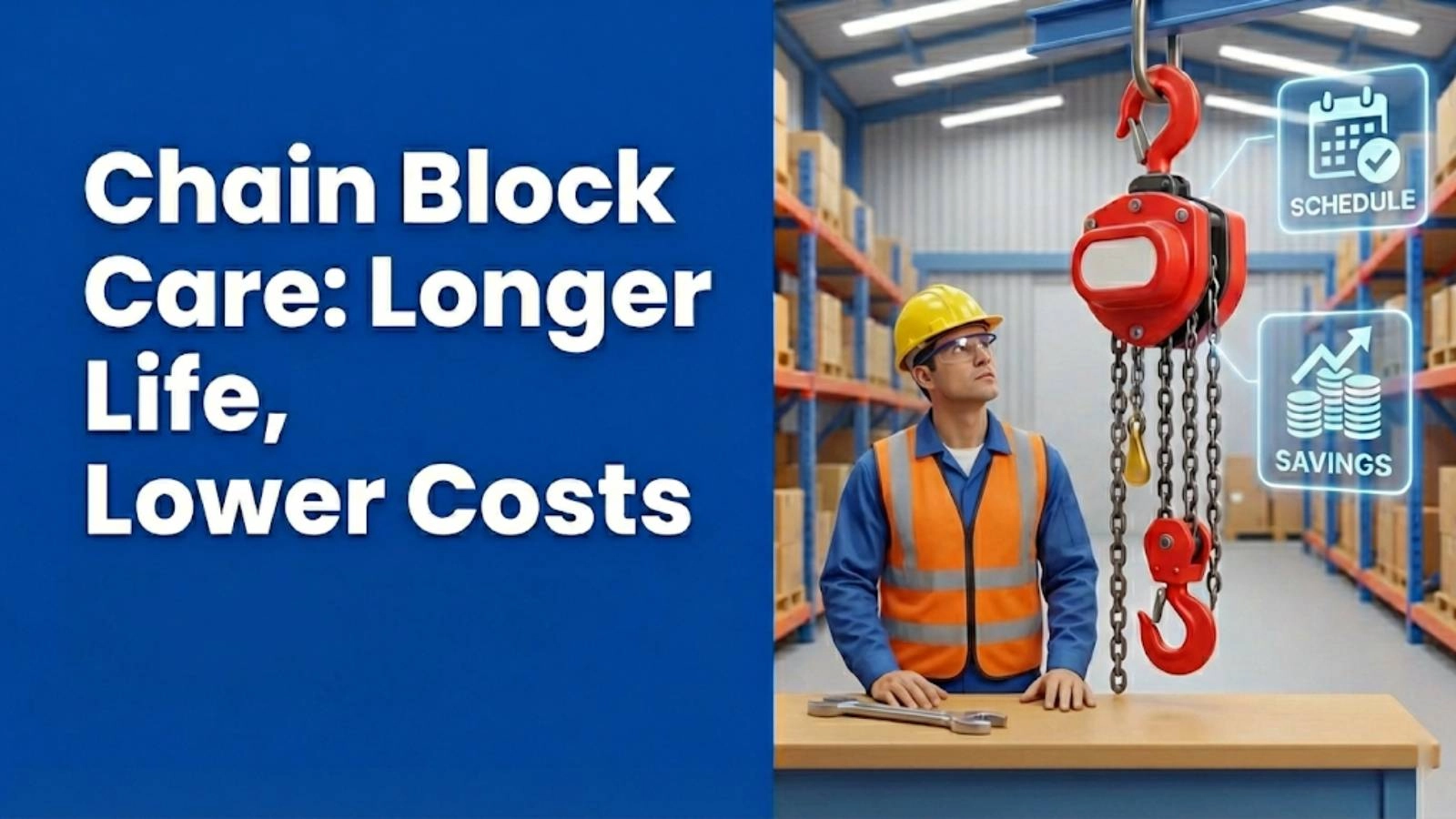
Discover proven strategies for chain block maintenance. Extend lifespan, reduce costs, and ensure safety with our expert guide. Learn how proper care can save you money in the long run.
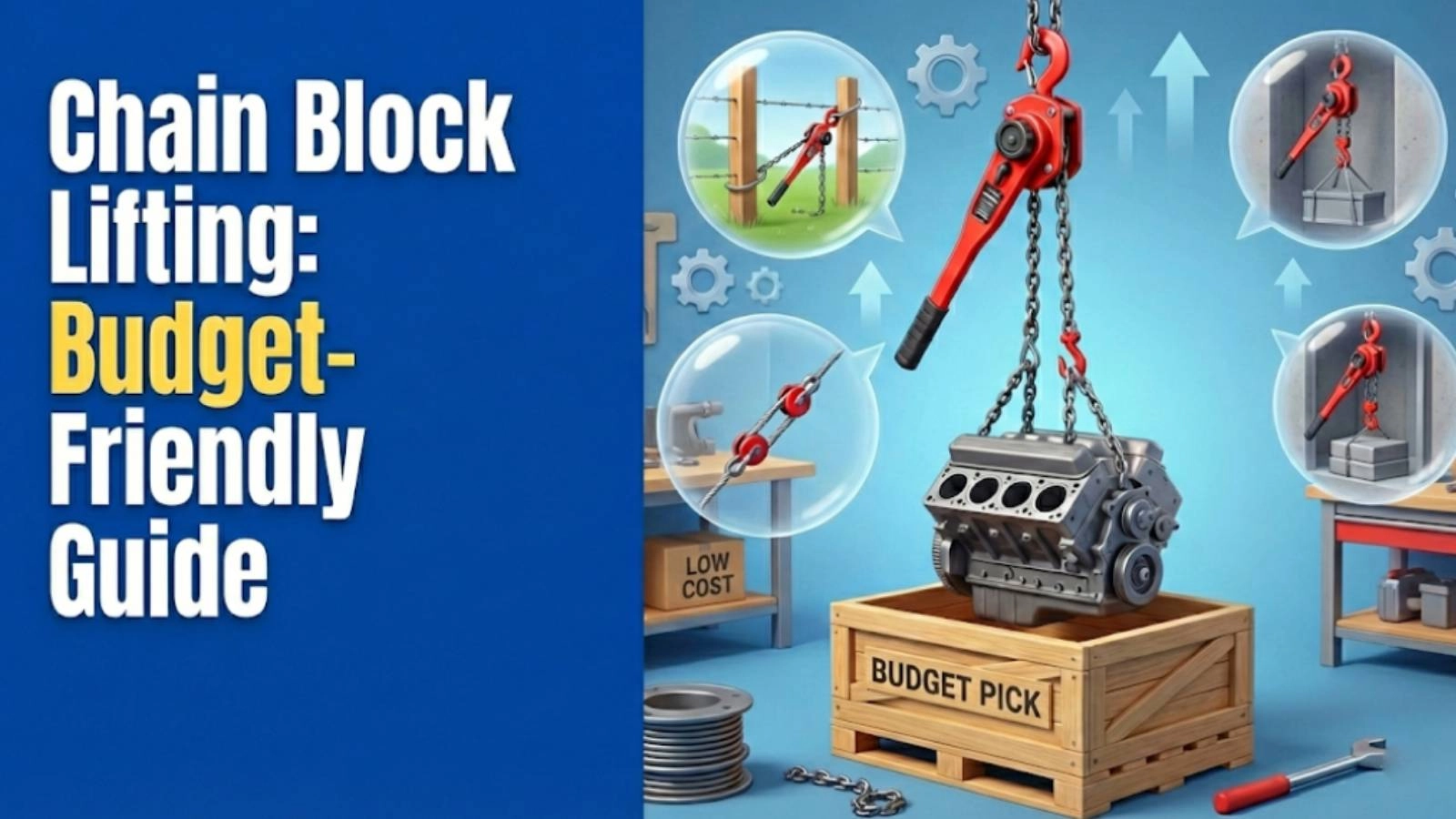
Discover the cost-effective advantages of manual chain blocks for your lifting needs. This guide explores their simplicity, reliability, and suitability for various applications, offering practical insights for beginners.
This mode enables people with epilepsy to use the website safely by eliminating the risk of seizures that result from flashing or blinking animations and risky color combinations.
Visually Impaired Mode
Improves website's visuals
This mode adjusts the website for the convenience of users with visual impairments such as Degrading Eyesight, Tunnel Vision, Cataract, Glaucoma, and others.
Cognitive Disability Mode
Helps to focus on specific content
This mode provides different assistive options to help users with cognitive impairments such as Dyslexia, Autism, CVA, and others, to focus on the essential elements of the website more easily.
ADHD Friendly Mode
Reduces distractions and improve focus
This mode helps users with ADHD and Neurodevelopmental disorders to read, browse, and focus on the main website elements more easily while significantly reducing distractions.
Blindness Mode
Allows using the site with your screen-reader
This mode configures the website to be compatible with screen-readers such as JAWS, NVDA, VoiceOver, and TalkBack. A screen-reader is software for blind users that is installed on a computer and smartphone, and websites must be compatible with it.
Online Dictionary
Readable Experience
Content Scaling
Default
Text Magnifier
Readable Font
Dyslexia Friendly
Highlight Titles
Highlight Links
Font Sizing
Default
Line Height
Default
Letter Spacing
Default
Left Aligned
Center Aligned
Right Aligned
Visually Pleasing Experience
Dark Contrast
Light Contrast
Monochrome
High Contrast
High Saturation
Low Saturation
Adjust Text Colors
Adjust Title Colors
Adjust Background Colors
Easy Orientation
Mute Sounds
Hide Images
Hide Emoji
Reading Guide
Stop Animations
Reading Mask
Highlight Hover
Highlight Focus
Big Dark Cursor
Big Light Cursor
Cognitive Reading
Virtual Keyboard
Navigation Keys
Voice Navigation
Accessibility Statement
safeandsecureksa.com
27 October 2026
Compliance status
We firmly believe that the internet should be available and accessible to anyone, and are committed to providing a website that is accessible to the widest possible audience,
regardless of circumstance and ability.
To fulfill this, we aim to adhere as strictly as possible to the World Wide Web Consortium’s (W3C) Web Content Accessibility Guidelines 2.1 (WCAG 2.1) at the AA level.
These guidelines explain how to make web content accessible to people with a wide array of disabilities. Complying with those guidelines helps us ensure that the website is accessible
to all people: blind people, people with motor impairments, visual impairment, cognitive disabilities, and more.
This website utilizes various technologies that are meant to make it as accessible as possible at all times. We utilize an accessibility interface that allows persons with specific
disabilities to adjust the website’s UI (user interface) and design it to their personal needs.
Additionally, the website utilizes an AI-based application that runs in the background and optimizes its accessibility level constantly. This application remediates the website’s HTML,
adapts Its functionality and behavior for screen-readers used by the blind users, and for keyboard functions used by individuals with motor impairments.
If you’ve found a malfunction or have ideas for improvement, we’ll be happy to hear from you. You can reach out to the website’s operators by using the following email
Screen-reader and keyboard navigation
Our website implements the ARIA attributes (Accessible Rich Internet Applications) technique, alongside various different behavioral changes, to ensure blind users visiting with
screen-readers are able to read, comprehend, and enjoy the website’s functions. As soon as a user with a screen-reader enters your site, they immediately receive
a prompt to enter the Screen-Reader Profile so they can browse and operate your site effectively. Here’s how our website covers some of the most important screen-reader requirements,
alongside console screenshots of code examples:
Screen-reader optimization: we run a background process that learns the website’s components from top to bottom, to ensure ongoing compliance even when updating the website.
In this process, we provide screen-readers with meaningful data using the ARIA set of attributes. For example, we provide accurate form labels;
descriptions for actionable icons (social media icons, search icons, cart icons, etc.); validation guidance for form inputs; element roles such as buttons, menus, modal dialogues (popups),
and others. Additionally, the background process scans all the website’s images and provides an accurate and meaningful image-object-recognition-based description as an ALT (alternate text) tag
for images that are not described. It will also extract texts that are embedded within the image, using an OCR (optical character recognition) technology.
To turn on screen-reader adjustments at any time, users need only to press the Alt+1 keyboard combination. Screen-reader users also get automatic announcements to turn the Screen-reader mode on
as soon as they enter the website.
These adjustments are compatible with all popular screen readers, including JAWS and NVDA.
Keyboard navigation optimization: The background process also adjusts the website’s HTML, and adds various behaviors using JavaScript code to make the website operable by the keyboard. This includes the ability to navigate the website using the Tab and Shift+Tab keys, operate dropdowns with the arrow keys, close them with Esc, trigger buttons and links using the Enter key, navigate between radio and checkbox elements using the arrow keys, and fill them in with the Spacebar or Enter key.Additionally, keyboard users will find quick-navigation and content-skip menus, available at any time by clicking Alt+1, or as the first elements of the site while navigating with the keyboard. The background process also handles triggered popups by moving the keyboard focus towards them as soon as they appear, and not allow the focus drift outside it.
Users can also use shortcuts such as “M” (menus), “H” (headings), “F” (forms), “B” (buttons), and “G” (graphics) to jump to specific elements.
Disability profiles supported in our website
Epilepsy Safe Mode: this profile enables people with epilepsy to use the website safely by eliminating the risk of seizures that result from flashing or blinking animations and risky color combinations.
Visually Impaired Mode: this mode adjusts the website for the convenience of users with visual impairments such as Degrading Eyesight, Tunnel Vision, Cataract, Glaucoma, and others.
Cognitive Disability Mode: this mode provides different assistive options to help users with cognitive impairments such as Dyslexia, Autism, CVA, and others, to focus on the essential elements of the website more easily.
ADHD Friendly Mode: this mode helps users with ADHD and Neurodevelopmental disorders to read, browse, and focus on the main website elements more easily while significantly reducing distractions.
Blindness Mode: this mode configures the website to be compatible with screen-readers such as JAWS, NVDA, VoiceOver, and TalkBack. A screen-reader is software for blind users that is installed on a computer and smartphone, and websites must be compatible with it.
Keyboard Navigation Profile (Motor-Impaired): this profile enables motor-impaired persons to operate the website using the keyboard Tab, Shift+Tab, and the Enter keys. Users can also use shortcuts such as “M” (menus), “H” (headings), “F” (forms), “B” (buttons), and “G” (graphics) to jump to specific elements.
Additional UI, design, and readability adjustments
Font adjustments – users, can increase and decrease its size, change its family (type), adjust the spacing, alignment, line height, and more.
Color adjustments – users can select various color contrast profiles such as light, dark, inverted, and monochrome. Additionally, users can swap color schemes of titles, texts, and backgrounds, with over seven different coloring options.
Animations – person with epilepsy can stop all running animations with the click of a button. Animations controlled by the interface include videos, GIFs, and CSS flashing transitions.
Content highlighting – users can choose to emphasize important elements such as links and titles. They can also choose to highlight focused or hovered elements only.
Audio muting – users with hearing devices may experience headaches or other issues due to automatic audio playing. This option lets users mute the entire website instantly.
Cognitive disorders – we utilize a search engine that is linked to Wikipedia and Wiktionary, allowing people with cognitive disorders to decipher meanings of phrases, initials, slang, and others.
Additional functions – we provide users the option to change cursor color and size, use a printing mode, enable a virtual keyboard, and many other functions.
Browser and assistive technology compatibility
We aim to support the widest array of browsers and assistive technologies as possible, so our users can choose the best fitting tools for them, with as few limitations as possible. Therefore, we have worked very hard to be able to support all major systems that comprise over 95% of the user market share including Google Chrome, Mozilla Firefox, Apple Safari, Opera and Microsoft Edge, JAWS and NVDA (screen readers).
Notes, comments, and feedback
Despite our very best efforts to allow anybody to adjust the website to their needs. There may still be pages or sections that are not fully accessible, are in the process of becoming accessible, or are lacking an adequate technological solution to make them accessible. Still, we are continually improving our accessibility, adding, updating and improving its options and features, and developing and adopting new technologies. All this is meant to reach the optimal level of accessibility, following technological advancements. For any assistance, please reach out to