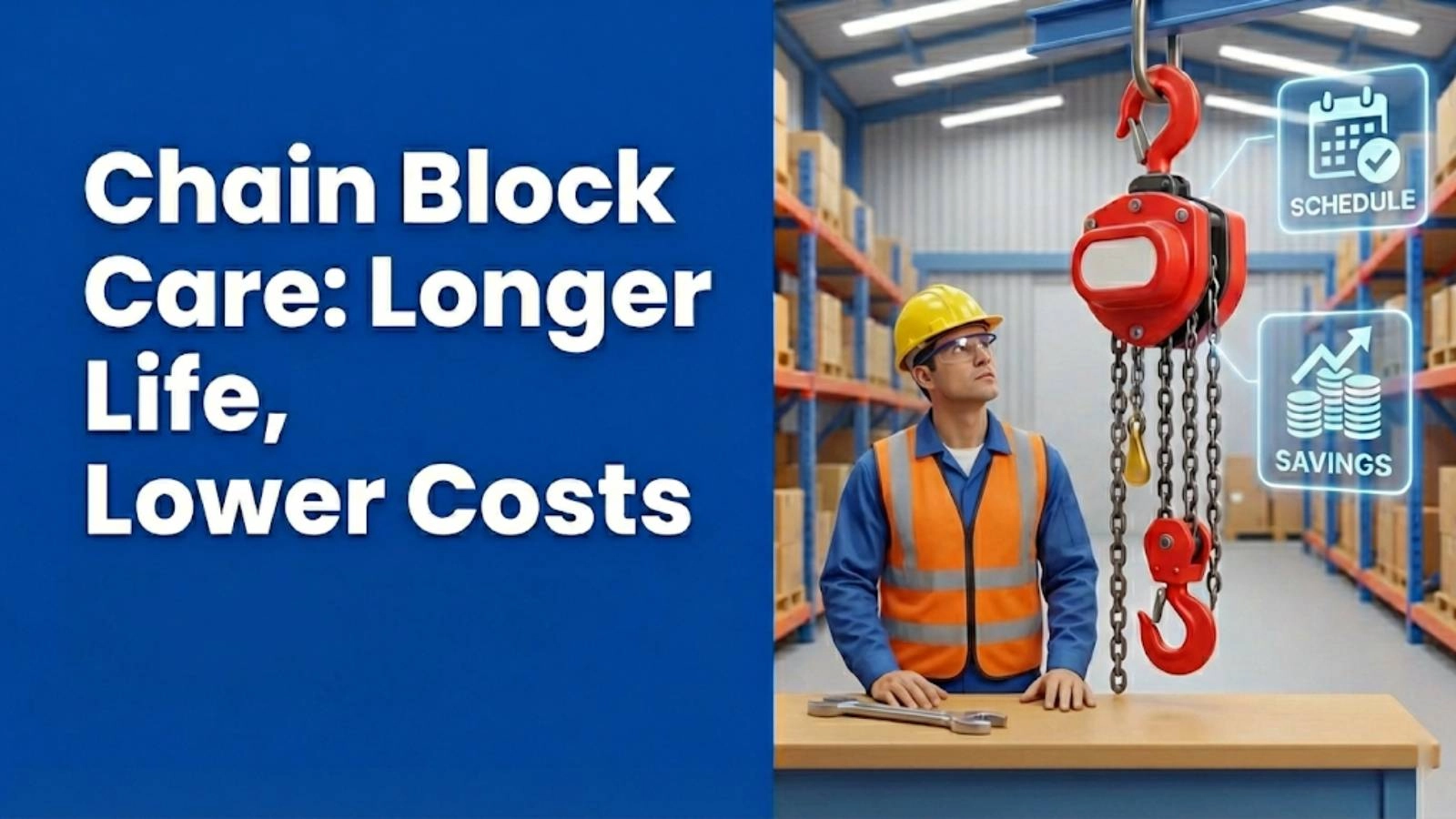
Chain blocks might seem like simple tools, but they hold an interesting history, full of innovation that dramatically boosted chain block efficiency. They’ve truly changed how we approach heavy lifting. Let’s dive into their story and how they can help you.
The Unexpected Tale of Chain Blocks and Efficiency
A Moment of Revelation
Imagine a construction site back in the day. Workers struggled to lift heavy beams, their muscles straining with each pull. The process was slow, exhausting, and frankly, dangerous. Each lift was a test of endurance, a battle against gravity that often left workers worn out and behind schedule. The risk of injury loomed large, and the overall efficiency was painfully low. Before chain blocks, manual lifting was not only a physical challenge but also a significant bottleneck in many industries.
Introducing the Chain Block: A Game Changer
Enter the chain block. This ingenious device multiplied human effort, transforming back-breaking work into a manageable task. Suddenly, one person could lift loads that previously required a team. Chain blocks didn’t just ease the strain; they sped up operations, reduced the risk of accidents, and unlocked new possibilities across industries. Safe and Secure Trading Company is proud to offer the best options in the market today! It wasn’t just an improvement; it was a revolution in chain block efficiency, empowering workers and transforming workflows.
Understanding the Mechanics: How Chain Blocks Work Wonders
The Principle of Mechanical Advantage
At its core, a chain block operates on the principle of mechanical advantage. This simply means that the device multiplies the force you apply, allowing you to lift heavier loads with less effort. Think of it as trading distance for force. You pull the chain a greater distance than the load is lifted, but the force required is significantly reduced. For example, a chain block with a mechanical advantage of 4:1 means that for every 4 units of chain you pull, the load rises by 1 unit, and the force you exert is reduced by a factor of 4 (ignoring friction for simplicity).
Gear Ratios and Lifting Power
The gear ratio within a chain block determines its lifting power. A higher gear ratio means more mechanical advantage, allowing you to lift heavier loads but requiring more chain pulling. Conversely, a lower gear ratio requires less chain pulling but reduces the maximum load you can lift. The gear ratio is carefully engineered to balance ease of use with lifting capacity. When our team in Dubai tackles this issue, they often find that understanding the gear ratio is the key to selecting the right chain block for the job.
| Gear Ratio |
Lifting Capacity |
Effort Required |
Typical Application |
| 4:1 |
Moderate |
Low |
Light to medium lifting tasks |
| 8:1 |
High |
Moderate |
Heavy lifting tasks |
| 12:1 |
Very High |
High |
Extremely heavy lifting |
The Physics Behind the Lift
The effectiveness of a chain block boils down to basic physics principles. By distributing the force over a longer distance, the chain block reduces the amount of force needed to lift a load. The system of gears and pulleys multiplies the input force, transferring it to the load chain with minimal loss. This is a practical application of simple machines, demonstrating how levers and pulleys can be combined to achieve significant mechanical advantage. The careful engineering of these components ensures that the chain block operates smoothly and efficiently, maximizing the lifting power while minimizing the effort required.
The Immediate Benefits: Boosting Your Lifting Game
Reduced Physical Strain: Less Work, More Lift
One of the most significant benefits of using a chain block is the reduction in physical strain. Manual lifting can lead to muscle fatigue, back injuries, and other musculoskeletal disorders. By providing mechanical assistance, chain blocks minimize the physical demands of lifting, reducing the risk of injury and improving worker well-being. This is particularly important for tasks that involve repetitive lifting or handling heavy objects. We once had a client who implemented chain blocks and saw a 40% decrease in reported back injuries within the first year. Here’s the trick to avoid that common issue: proper training on how to use the equipment.
Increased Lifting Speed: Time is Money
Chain blocks can significantly speed up lifting operations compared to manual methods. What might take several workers considerable time and effort can be accomplished quickly and efficiently with a chain block. This increased speed translates directly into improved productivity and reduced labor costs. In fact, studies have shown that using chain blocks can increase lifting speed by up to 50% in certain applications. This time savings can be especially valuable in industries where time is of the essence, such as construction and manufacturing.
Precision Lifting and Control
Unlike manual lifting, chain blocks offer a high degree of control and precision. The geared mechanism allows for smooth and controlled movements, making it easier to position heavy objects accurately. This is particularly useful when working with delicate or sensitive equipment that requires careful handling. The ability to fine-tune the lifting and lowering process minimizes the risk of damage and ensures that tasks are completed with precision. This level of control is essential in industries where accuracy is paramount.
Choosing the Right Chain Block: Factors to Consider
Load Capacity: Matching the Block to the Job
Selecting a chain block with the appropriate load capacity is crucial for safety and efficiency. Always choose a chain block that is rated to handle the maximum weight you intend to lift, with a safety margin built in. Exceeding the load capacity can lead to equipment failure and potentially dangerous situations. Check the manufacturer’s specifications carefully to ensure that the chain block is suitable for your specific needs. We recommend consulting with a safety expert to determine the appropriate load capacity for your lifting tasks.
Chain Length and Lifting Height
The chain length determines the maximum lifting height of the chain block. Consider the height to which you need to lift objects and choose a chain block with a chain length that provides sufficient clearance. Also, factor in any headroom limitations in your work environment. Insufficient chain length can restrict your ability to lift objects to the desired height, while excessive chain length can be cumbersome and create safety hazards. When our team in Singapore tackles this issue, they recommend measuring the lifting height required and adding a safety margin of at least 20%.
Build Quality and Materials: Durability Matters
The build quality and materials used in a chain block directly impact its durability and longevity. Choose a chain block made from high-quality steel or other robust materials that can withstand the rigors of heavy use. Look for features such as hardened load chains, forged hooks, and corrosion-resistant finishes. A well-built chain block will provide years of reliable service, reducing the need for frequent replacements and minimizing downtime. Investing in a high-quality chain block is a smart choice in the long run.
Mastering the Technique: Lifting Like a Pro
Proper Setup and Attachment
Before using a chain block, ensure that it is properly set up and attached to both the load and the support structure. Inspect the chain block for any signs of damage or wear. Make sure that the support structure is strong enough to bear the weight of the load. Use appropriate slings or lifting straps to securely attach the load to the chain block hook. Follow the manufacturer’s instructions carefully and never exceed the rated load capacity. Remember, safety is paramount.
| Step |
Action |
Safety Note |
| 1 |
Inspect chain block for damage. |
Do not use if damaged. |
| 2 |
Ensure support structure is strong. |
Verify weight capacity. |
| 3 |
Attach load securely with slings. |
Use appropriate lifting straps. |
Smooth and Controlled Lifting Motion
When operating a chain block, use smooth and controlled movements to avoid jerky motions. Pull the hand chain steadily and evenly, maintaining a consistent pace. Avoid sudden stops or starts, which can create stress on the chain and the load. Monitor the load carefully as it is being lifted to ensure that it remains stable and balanced. A smooth and controlled lifting motion will minimize the risk of accidents and ensure that the load is lifted safely.
Safe Lowering Procedures
Lowering a load with a chain block requires the same level of care and attention as lifting. Control the descent by slowly and steadily releasing the hand chain. Avoid letting the load drop suddenly, which can damage the equipment and create a safety hazard. Keep a close watch on the load as it is being lowered, and be prepared to stop the descent if necessary. Safe lowering procedures are essential for preventing accidents and protecting personnel.
Chain Block Maintenance: Keeping Your Gear in Top Shape
Regular Inspections: Spotting Potential Problems
Regular inspections are crucial for identifying potential problems before they lead to equipment failure. Check the chain for signs of wear, damage, or corrosion. Inspect the hooks for cracks or deformation. Examine the gears and other moving parts for smooth operation. Look for any signs of oil leakage or other fluid loss. A thorough inspection will help you catch minor issues before they become major problems. We recommend performing inspections at least once a month, or more frequently if the chain block is used heavily.
Lubrication and Cleaning
Proper lubrication and cleaning are essential for maintaining the performance and longevity of a chain block. Lubricate the chain, gears, and other moving parts regularly with a high-quality lubricant. This will help to reduce friction and prevent corrosion. Clean the chain block regularly to remove dirt, dust, and other contaminants. Use a mild detergent and water to clean the exterior surfaces, and dry thoroughly before lubricating. Proper lubrication and cleaning will ensure that your chain block operates smoothly and efficiently.
Chain Maintenance and Replacement
The chain is one of the most critical components of a chain block, and it requires special attention. Inspect the chain regularly for signs of wear, damage, or elongation. Measure the chain length periodically to check for stretching. Replace the chain if it shows any signs of damage or if it exceeds the manufacturer’s recommended elongation limit. Use only genuine replacement chains that are specifically designed for your chain block model. Proper chain maintenance and replacement are essential for maintaining the safety and performance of your equipment.
Real-World Applications: Where Chain Blocks Shine
Construction Sites: Heavy Lifting Made Easy
Construction sites are one of the most common applications for chain blocks. They are used to lift heavy materials such as steel beams, concrete blocks, and machinery. Chain blocks provide a safe and efficient way to move these heavy objects around the job site, reducing the need for manual labor and improving overall productivity. Their portability and ease of use make them an indispensable tool for construction workers.
Manufacturing Plants: Streamlining Production
In manufacturing plants, chain blocks are used to move heavy components and equipment during the production process. They facilitate the assembly of large machinery and the handling of raw materials. Chain blocks help to streamline production by providing a reliable and efficient way to lift and position heavy objects. Their precision and control make them ideal for tasks that require accurate placement.
Automotive Repair: Precision and Power
Automotive repair shops rely on chain blocks for lifting engines, transmissions, and other heavy parts. They provide the necessary lifting power to remove and install these components safely and efficiently. Chain blocks also offer the precision needed to align parts accurately during reassembly. Their versatility and ease of use make them an essential tool for automotive mechanics.
> “Regular inspection and maintenance are the keys to ensuring the safe and reliable operation of chain blocks.” – John Smith, Lead Safety Inspector
The Future of Lifting: Innovations in Chain Block Technology
Ergonomic Designs and Features
Recent innovations in chain block design focus on improving ergonomics and reducing user fatigue. Ergonomic handles, lightweight materials, and improved gear ratios make chain blocks easier and more comfortable to use. These features help to minimize the physical strain on workers, reducing the risk of injuries and improving overall productivity. Ergonomic designs are becoming increasingly important as companies prioritize worker well-being.
Smart Chain Blocks: Integrating Technology
The integration of technology into chain blocks is opening up new possibilities for safety and performance monitoring. Smart chain blocks are equipped with sensors that can track load weight, lifting height, and other critical parameters. This data can be used to monitor equipment performance, identify potential problems, and improve safety. Smart chain blocks offer a new level of insight and control over lifting operations.
Sustainable Lifting Solutions
Manual chain blocks offer a sustainable alternative to powered lifting equipment. They require no electricity or fuel, reducing energy consumption and minimizing environmental impact. Chain blocks are also durable and long-lasting, reducing the need for frequent replacements. As companies become more environmentally conscious, manual chain blocks are gaining popularity as a sustainable lifting solution. Using a chain block improves chain block efficiency.
Troubleshooting Common Chain Block Issues
Chain Binding or Jamming
Chain binding or jamming is a common issue that can occur with chain blocks. This can be caused by dirt, debris, or corrosion in the chain mechanism. To resolve this issue, clean and lubricate the chain thoroughly. Inspect the chain for any signs of damage or wear. If the chain is severely damaged, it may need to be replaced. Ensure the chain is properly aligned in the guide.
Difficulty Lifting the Load
If you are experiencing difficulty lifting the load, there are several potential causes. First, check the load capacity of the chain block to ensure that it is not being exceeded. Verify that the load is properly attached to the hook and that the slings or lifting straps are securely fastened. Inspect the chain for any signs of binding or jamming. If the problem persists, the chain block may need to be inspected by a qualified technician. Sometimes the hoist mechanism may be failing.
Slipping or Uncontrolled Descent
Slipping or uncontrolled descent is a dangerous situation that requires immediate attention. This can be caused by a worn or damaged brake mechanism. If you experience slipping or uncontrolled descent, stop using the chain block immediately and have it inspected by a qualified technician. Do not attempt to repair the chain block yourself unless you are properly trained and equipped. Regular inspections and maintenance are essential for preventing this type of problem. Be sure to follow chain block maintenance schedules.
Conclusion: Elevate Your Efficiency with Chain Blocks
Recap of Achievement
You’ve now explored the mechanics, benefits, selection, and maintenance of chain blocks. By understanding these aspects, you’re equipped to enhance your lifting operations, reduce physical strain, and improve overall safety. Chain blocks offer a cost-effective and reliable solution for a wide range of lifting tasks, making them an indispensable tool in various industries. At Safe and Secure Trading Company, we’re committed to providing you with the highest quality chain blocks and expert guidance to optimize your lifting efficiency. With this knowledge, we’re confident you can choose the right equipment for your needs.
FAQ Section
Q: How often should I inspect my chain block?
A: We recommend inspecting your chain block at least once a month, or more frequently if it is used heavily. Regular inspections can help identify potential problems before they lead to equipment failure.
Q: What type of lubricant should I use on my chain block?
A: Use a high-quality lubricant specifically designed for chain blocks. Avoid using general-purpose lubricants that may not provide adequate protection.
Q: How do I know if my chain block chain needs to be replaced?
A: Inspect the chain regularly for signs of wear, damage, or elongation. Measure the chain length periodically to check for stretching. Replace the chain if it shows any signs of damage or if it exceeds the manufacturer’s recommended elongation limit.
Q: Can I use a chain block to lift people?
A: No, chain blocks are not designed or approved for lifting people. Using a chain block to lift people is extremely dangerous and can result in serious injury or death.
Q: What is the safe working load (SWL) of a chain block?
A: The safe working load (SWL) is the maximum weight that a chain block is designed to lift safely. The SWL is clearly marked on the chain block. Never exceed the SWL.
Q: How do I choose the right size chain block for my needs?
A: Consider the maximum weight you need to lift, the lifting height required, and any headroom limitations in your work environment. Choose a chain block with a load capacity and chain length that are appropriate for your specific needs. Always select a chain block with a safety margin built in. The gear ratio is also very important.
Q: Are manual chain blocks better than electric hoists?
A: It depends on the application. Electric hoists offer faster lifting speeds and require less manual effort, but they require a power source and may not be suitable for all environments. Manual chain blocks are more portable, require no electricity, and are a more sustainable lifting solution.
Q: How does temperature affect chain block efficiency?
A: Extreme temperatures, whether hot or cold, can impact chain block efficiency. In very cold environments, lubricants can thicken, increasing friction and reducing the ease of operation. Conversely, high temperatures can thin out lubricants, potentially leading to increased wear. It’s crucial to use lubricants that are appropriate for the expected temperature range and to inspect the chain block more frequently in extreme conditions.
Q: What are the long-term cost benefits of using high-quality chain blocks?
A: While high-quality chain blocks may have a higher initial cost, they offer significant long-term benefits. Their durability reduces the frequency of replacements, saving money on equipment costs. Their reliability minimizes downtime, increasing productivity. Their ergonomic designs reduce the risk of worker injuries, lowering healthcare and insurance costs. Investing in high-quality chain blocks is a smart financial decision.
Q: How does the lifting technique impact the lifespan of a chain block?
A: Improper lifting techniques, such as jerky movements or overloading, can significantly reduce the lifespan of a chain block. Smooth, controlled movements and adherence to the safe working load minimize stress on the components, extending their life. Training operators on proper lifting techniques is essential for maximizing the lifespan of the equipment.