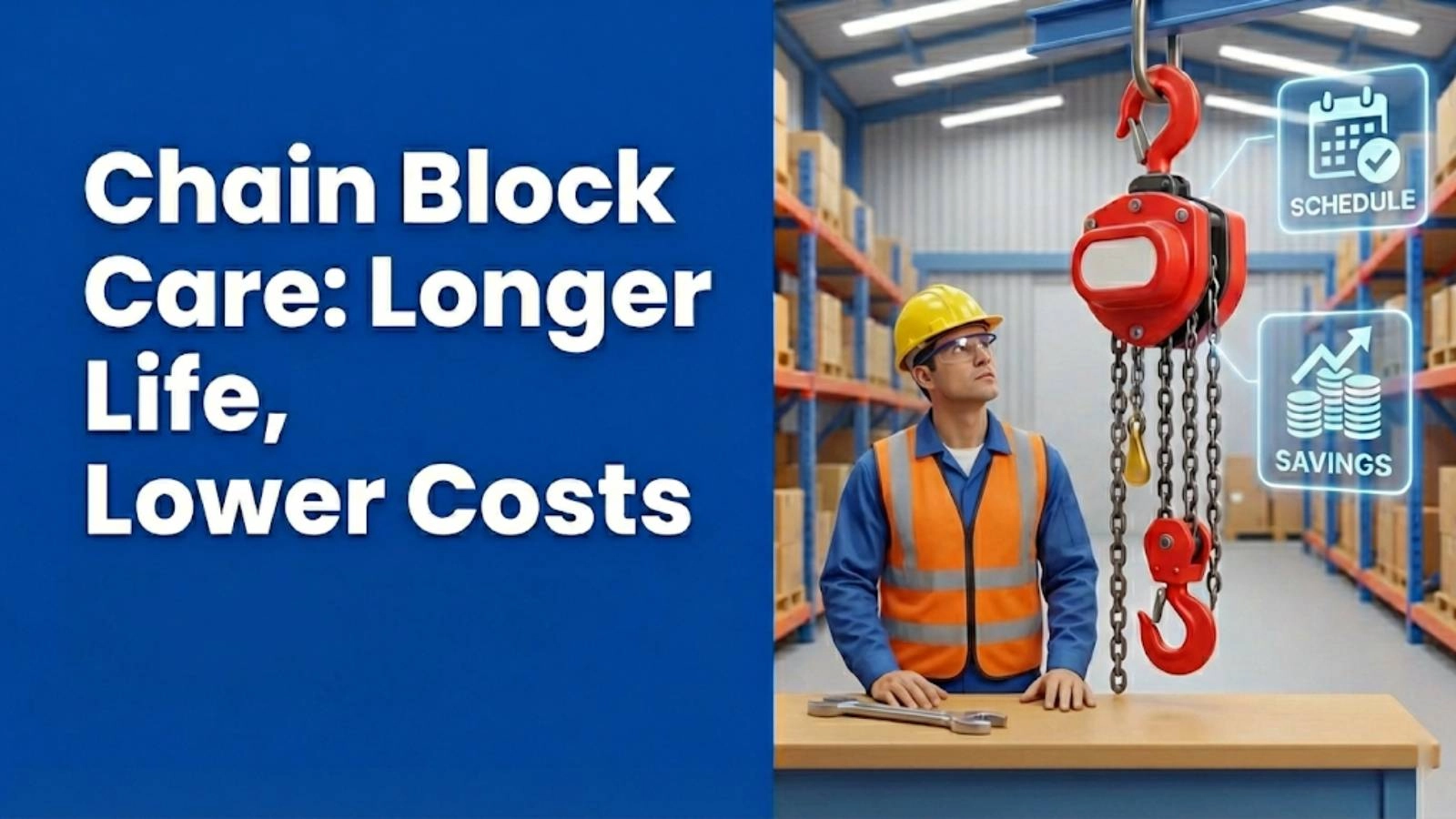
Chain blocks are indispensable tools in numerous lifting operations, providing a reliable and efficient means of hoisting heavy loads. However, their misuse can lead to serious accidents, injuries, and equipment damage. This article aims to shed light on common chain block mistakes to help you enhance safety and prevent costly errors. We will explore these pitfalls, offering practical solutions and insights based on our extensive experience at Safe and Secure Trading Company (SSTC).
1. ❌ Ignoring Pre-Use Inspections
✅ Performing pre-use inspections is paramount to ensuring the safe operation of any manual chain block. These inspections help identify potential issues before they escalate into hazardous situations. At SSTC, we believe that a thorough inspection should be conducted before each lift, no matter how routine it may seem. This proactive approach can significantly reduce the risk of accidents.
1.1. Mistake: Neglecting Visual Checks
Skipping visual checks is a common and dangerous oversight. Visual checks involve examining the load chain inspection, hooks, body, and other critical components for signs of wear, damage, or corrosion. For instance, cracks in the hook or excessive wear on the chain links can compromise the integrity of the entire system. Neglecting these checks can lead to catastrophic failures during lifting operations.
1.2. Mistake: Overlooking Load Limit Markings
➡️ Failing to verify the Working Load Limit (WLL) is another critical mistake. The WLL is the maximum weight a chain block is designed to lift safely. Exceeding this limit can cause the chain block to fail, resulting in dropped loads and potential injuries. Ensure the WLL is clearly marked and legible on the chain block and that operators understand its importance. We’ve seen incidents where operators unknowingly exceeded the WLL, leading to equipment damage and near misses.
1.3. Solution: Implementing a Pre-Use Checklist
✅ To ensure thorough inspections, we advocate using a pre-use checklist. A checklist helps to systematically examine all critical components of the chain block. Here’s an example of what a checklist might include:
| Component |
Check |
Pass/Fail |
Notes |
| Load Chain |
Check for wear, corrosion, kinks, and twists |
|
|
| Hooks |
Check for cracks, deformation, and proper latch function |
|
|
| Body |
Check for damage, cracks, and secure connections |
|
|
| Working Load Limit (WLL) |
Verify the WLL is clearly marked and not exceeded |
|
|
| Operation |
Check for smooth and proper operation of the lifting mechanism |
|
|
By consistently using such a checklist, operators can minimize the risk of overlooking critical issues and enhance overall safety.
2. ❌ Exceeding the Working Load Limit (WLL)
Exceeding the Working Load Limit (WLL) is one of the most dangerous chain block mistakes you can make. The WLL is a critical safety parameter that must never be ignored. Overloading a chain block puts undue stress on its components, increasing the risk of failure and potential accidents. Understanding how to determine the WLL and avoid exceeding it is essential for safe lifting practices.
2.1. Mistake: Misjudging the Weight of the Load
Misjudging the weight of the load is a common cause of overloading. Operators may underestimate the weight, leading them to use a chain block with an insufficient WLL. This is especially true when dealing with irregularly shaped or complex loads. Inaccurate weight estimations can have serious consequences. For our clients in the construction industry, we emphasize the importance of double-checking weight estimations before any lift.
2.2. Mistake: Using Multiple Chain Blocks Incorrectly
Using multiple chain blocks to lift a heavy load can be effective, but only if done correctly. Unequal load distribution is a significant risk when using multiple chain blocks. If one chain block bears more weight than the others, it can be overloaded, leading to failure. Proper planning and rigging techniques are crucial to ensure that the load is evenly distributed among all chain blocks.
2.3. Solution: Using Load Cells and Accurate Weight Calculations
✅ To prevent overloading, we recommend using load cells or other measuring devices to accurately determine the weight of the load. Load cells provide real-time weight readings, allowing operators to verify that they are within the WLL. Additionally, accurate weight calculations are essential, especially when using multiple chain blocks. The following formula can be used to calculate load distribution:
Load per chain block = Total load / Number of chain blocks
However, this formula assumes perfect load distribution. In reality, factors like sling angles and attachment points can affect load distribution. For complex lifts, consult with a qualified rigging professional to ensure safe and even load distribution.
3. ❌ Improper Sling and Hook Usage
💡 The correct use of slings and hooks is crucial for safe lifting operations. Improper sling and hook usage can lead to dropped loads, equipment damage, and serious injuries. Choosing the right slings and hooks for the job and using them correctly is essential for maintaining safety and efficiency. At SSTC, we prioritize educating our clients on best practices for sling and hook usage.
3.1. Mistake: Using Damaged or Incompatible Slings
Using damaged or incompatible slings is a significant safety hazard. Slings that are cut, frayed, or otherwise damaged should never be used. Similarly, using slings that are not rated for the intended load can lead to failure. Always inspect slings for damage before each use and ensure they are compatible with the load and lifting equipment. Remember, rigging safety starts with using the right equipment in the right condition.
3.2. Mistake: Incorrectly Hitching Slings to the Load
Incorrectly hitching slings to the load is another common mistake. Common errors include using choker hitches at too shallow an angle or failing to protect slings from sharp edges. Shallow choker angles significantly reduce the sling’s capacity, and sharp edges can cut or damage the sling. Proper hitching techniques are essential for ensuring the sling can safely handle the load.
3.3. Solution: Proper Sling Selection and Rigging Techniques
✅ Proper sling selection and rigging techniques are essential for safe lifting. Select slings that are appropriate for the type of load, weight, and lifting configuration. Use edge protection to prevent damage to slings from sharp edges. Ensure that choker hitches are used at the correct angle, typically no less than 30 degrees. If you’re ever unsure, it’s always best to consult with a qualified rigger.
> “Proper sling selection and rigging are critical to preventing lifting accidents. Always ensure your team is trained and competent in these areas.” – John Smith, Lead Safety Inspector
4. ❌ Neglecting Regular Maintenance and Lubrication
Neglecting regular hoist maintenance and lubrication is a critical oversight that can significantly reduce the lifespan and safety of a chain block. Proper hoist maintenance ensures that all components are in good working condition, while lubrication reduces friction and wear. A well-maintained chain block operates more smoothly and reliably, reducing the risk of failure.
4.1. Mistake: Failing to Lubricate the Load Chain
Failing to lubricate the load chain inspection is a common mistake that can lead to increased wear and corrosion. Without proper lubrication, the chain links rub against each other, causing friction and wear. This can weaken the chain over time, increasing the risk of failure. Regular lubrication helps to keep the chain in good condition and extends its lifespan. We advise our clients to use a high-quality chain lubricant specifically designed for lifting equipment.
4.2. Mistake: Ignoring Unusual Noises or Difficult Operation
Ignoring unusual noises or difficult operation is a sign that something is wrong. Unusual noises, such as grinding or clicking, can indicate worn or damaged parts. Difficult operation, such as excessive effort required to lift the load, can also indicate a problem. Addressing these issues promptly can prevent them from escalating into more serious problems.
4.3. Solution: Establishing a Maintenance Schedule
✅ Establishing a regular hoist maintenance schedule is essential for keeping chain blocks in good working condition. The schedule should include regular lubrication, inspection of all critical components, and replacement of worn parts. Here’s a sample maintenance schedule:
| Task |
Frequency |
Details |
| Lubrication |
Monthly |
Apply chain lubricant to the load chain and other moving parts |
| Inspection |
Quarterly |
Inspect all components for wear, damage, and corrosion |
| Load Testing |
Annually |
Conduct a load test to verify the chain block’s capacity |
| Parts Replacement |
As Needed |
Replace worn or damaged parts with original manufacturer parts |
By following a regular hoist maintenance schedule, you can ensure that your chain blocks remain safe and reliable.
5. ❌ Operating Chain Blocks at Excessive Angles
Operating chain blocks at excessive angles can create dangerous side loading and reduce their lifting capacity. Chain blocks are designed for vertical lifting, and using them at an angle can compromise their stability and increase the risk of failure. Understanding the limitations of chain blocks and using them correctly is essential for safe lifting operations.
5.1. Mistake: Pulling the Load Chain at an Angle
Pulling the load chain inspection at an angle creates side loading, which puts undue stress on the chain block components. This can damage the chain, hooks, and other parts, reducing their capacity and increasing the risk of failure. Always ensure that the load chain inspection is pulled vertically to avoid side loading.
5.2. Mistake: Using the Chain Block for Horizontal Pulling
Using the manual chain block for horizontal pulling is a misuse of the equipment. Chain blocks are designed for vertical lifting and are not intended for horizontal pulling applications. Attempting to use a manual chain block for horizontal pulling can damage the equipment and create a hazardous situation.
5.3. Solution: Using Proper Lifting Techniques and Equipment
✅ To avoid operating chain blocks at excessive angles, use proper lifting techniques. Ensure that the load is directly below the chain block to maintain vertical alignment. For horizontal pulling applications, use specialized equipment such as come-alongs or winches. Here are some tips for safe lifting:
- Ensure the load is balanced.
- Use a spreader bar for wide loads.
- Maintain a vertical lift.
- Avoid side loading.
By following these techniques, you can ensure that chain blocks are used safely and effectively.
6. ❌ Ignoring Load Chain Twists and Kinks
Ignoring twists and kinks in the load chain inspection can lead to serious problems, including chain failure and potential accidents. Twists and kinks weaken the chain and can cause it to bind or break during lifting operations. Identifying and addressing these issues promptly is crucial for maintaining chain hoist safety.
6.1. Mistake: Continuing to Use a Twisted or Kinked Chain
Continuing to use a twisted or kinked chain is a dangerous practice. Twists and kinks create stress points in the chain, reducing its overall strength. This can cause the chain to fail under load, resulting in dropped loads and potential injuries. Never use a load chain inspection that is twisted or kinked.
6.2. Mistake: Improperly Attempting to Untwist a Chain
Improperly attempting to untwist a chain can further damage it. Using tools or excessive force to untwist a chain can weaken the links and create additional stress points. Always use proper techniques and equipment to untwist a chain, or replace it if the twist or kink is severe.
6.3. Solution: Replacing Damaged Chains and Proper Chain Management
✅ The best solution for dealing with twisted or kinked chains is to replace them. Damaged chains should be removed from service immediately and replaced with new ones. Implementing proper chain storage and handling procedures can help prevent future issues. Here are some tips for chain management:
- Store chains in a dry, clean environment.
- Hang chains to prevent tangling.
- Inspect chains regularly for twists and kinks.
- Replace damaged chains immediately.
By following these guidelines, you can maintain the integrity of your load chain inspection and ensure chain hoist safety.
7. ❌ Insufficient Training and Competency
Insufficient training and competency among manual chain block operators is a major factor in many lifting accidents. Proper training ensures that operators understand safe operating procedures, can identify potential hazards, and know how to respond in emergency situations. Investing in comprehensive training programs is essential for promoting material handling safety.
7.1. Mistake: Allowing Untrained Personnel to Operate Chain Blocks
Allowing untrained personnel to operate manual chain blocks is a recipe for disaster. Untrained operators may not understand safe operating procedures, leading to errors that can cause accidents. Only trained and qualified personnel should be allowed to operate manual chain blocks.
7.2. Mistake: Lack of Understanding of Safe Operating Procedures
➡️ A lack of understanding of safe operating procedures can lead to dangerous situations. Operators need to know how to inspect the chain block, how to calculate the weight of the load, how to use slings and hooks correctly, and how to respond in emergency situations. Comprehensive training is essential for ensuring that operators have this knowledge.
7.3. Solution: Providing Comprehensive Training and Certification
✅ Providing comprehensive training and certification programs is the best way to ensure that operators are competent and safe. Training programs should cover all aspects of chain block operation, including:
- Pre-use inspections
- Weight calculations
- Sling and hook usage
- Safe operating procedures
- Emergency response
- Chain hoist safety
Certification programs provide a standardized way to verify that operators have the necessary knowledge and skills. At SSTC, we offer comprehensive training and certification programs tailored to the specific needs of our clients.
8. ❌ Modifying Chain Blocks Without Authorization
Modifying manual chain blocks without authorization can compromise their structural integrity and lead to dangerous situations. Chain blocks are designed and manufactured to specific standards, and any modifications must be done by qualified personnel following the manufacturer’s guidelines. Unauthorized modifications can void warranties and increase the risk of failure.
8.1. Mistake: Unauthorized Welding or Repairs
Unauthorized welding or repairs to manual chain block components can weaken the structure and create hidden defects. Welding should only be performed by certified welders who are familiar with the specific materials and welding procedures for chain blocks. Improper welding can lead to cracks, stress concentrations, and premature failure.
8.2. Mistake: Using Non-Original Replacement Parts
Using non-original replacement parts can also compromise the safety and reliability of a manual chain block. Non-original parts may not meet the same standards as original parts, leading to compatibility issues and reduced performance. Always use original manufacturer replacement parts to ensure proper fit and function.
8.3. Solution: Following Manufacturer’s Guidelines and Using Qualified Technicians
✅ To ensure the safety and reliability of manual chain blocks, always follow the manufacturer’s guidelines for hoist maintenance and repairs. Use qualified technicians for any modifications or repairs. Qualified technicians have the knowledge, skills, and equipment to perform repairs correctly and safely. At SSTC, we have a team of qualified technicians who can provide hoist maintenance and repair services.
9. ❌ Incorrect Storage of Chain Blocks
Incorrect storage of chain blocks can lead to corrosion, damage, and reduced lifespan. Properly storing chain blocks protects them from the elements and prevents damage from impact or mishandling. A well-organized storage system also makes it easier to locate chain blocks when needed.
9.1. Mistake: Leaving Chain Blocks Exposed to the Elements
Leaving chain blocks exposed to the elements can lead to corrosion and damage. Rain, snow, and humidity can cause the load chain inspection and other components to rust, weakening them over time. Always store chain blocks in a dry, protected environment to prevent corrosion.
9.2. Mistake: Storing Chain Blocks in a Disorganized Manner
Storing chain blocks in a disorganized manner can lead to damage and difficulty in locating them when needed. Piling chain blocks on top of each other can cause damage to the housings and other components. A disorganized storage system also makes it difficult to find the right chain block for the job, leading to delays and frustration.
9.3. Solution: Proper Storage Procedures
✅ Implementing proper storage procedures can help protect chain blocks and extend their lifespan. Here are some tips for proper storage:
- Store chain blocks in a dry, clean environment.
- Hang chain blocks on hooks or racks to prevent damage.
- Organize chain blocks by size and capacity.
- Inspect chain blocks before storing them.
By following these procedures, you can ensure that your chain blocks are always ready for use and in good working condition. For many of our clients here in Dammam, we’ve seen that proper storage can significantly extend the lifespan of their lifting equipment.
10. ❌ Neglecting Environmental Factors
Neglecting environmental factors can significantly impact chain hoist safety and the lifespan of chain blocks. Extreme temperatures, corrosive environments, and other environmental conditions can accelerate the degradation of chain block components, leading to premature failure. Understanding these factors and implementing protective measures is crucial for ensuring safe and reliable lifting operations.
10.1. Mistake: Using Chain Blocks in Corrosive Environments Without Protection
Using chain blocks in corrosive environments without protection can lead to rapid deterioration of the load chain inspection and other components. Saltwater, chemicals, and other corrosive substances can attack the metal parts of the chain block, causing them to rust and weaken. Always use corrosion-resistant coatings or materials when operating chain blocks in corrosive environments.
10.2. Mistake: Operating Chain Blocks in Extreme Temperatures
Operating chain blocks in extreme temperatures can also affect their performance and safety. Extreme heat can weaken the metal components, while extreme cold can make them brittle. Always consult the manufacturer’s guidelines for operating temperature ranges and take precautions when operating chain blocks in extreme temperatures.
10.3. Solution: Implementing Protective Measures
✅ Implementing protective measures can help mitigate the effects of environmental factors on chain blocks. These measures may include:
- Using corrosion-resistant coatings.
- Choosing chain blocks made from corrosion-resistant materials.
- Adjusting operating procedures for extreme temperatures.
- Providing regular hoist maintenance and lubrication.
- Implementing a strict chain block inspection schedule.
By taking these steps, you can ensure that your chain blocks remain safe and reliable, even in harsh environments.
Conclusion
Avoiding these common chain block mistakes is crucial for ensuring safe and efficient lifting operations. From neglecting pre-use inspections to ignoring environmental factors, each error can have serious consequences. By implementing the solutions and best practices outlined in this article, you can significantly reduce the risk of accidents and extend the lifespan of your chain blocks. At Safe and Secure Trading Company, we are committed to helping you create a safe and productive work environment.
FAQ Section
Q: How often should I inspect my chain block?
A: You should perform a pre-use inspection before each lift and a more thorough inspection at least quarterly as part of your lifting gear inspection. Regular chain block inspection is essential for identifying potential issues before they become hazardous.
Q: What should I do if I find a twist or kink in the load chain?
A: Replace the chain immediately. Do not attempt to untwist or straighten the chain, as this can further damage it. Using a twisted or kinked chain is a serious safety hazard.
Q: Can I use any lubricant on my chain block?
A: No, use a high-quality chain lubricant specifically designed for lifting equipment. Other lubricants may not provide adequate protection and could even damage the chain.
Q: What is the Working Load Limit (WLL)?
A: The WLL is the maximum weight a chain block is designed to lift safely. Never exceed the WLL, as this can lead to equipment failure and potential injuries.
Q: How do I determine the weight of a load?
A: Use load cells or other measuring devices to accurately determine the weight of the load. If you are unsure, consult with a qualified rigger.
Q: Who should perform maintenance and repairs on chain blocks?
A: Only qualified technicians should perform maintenance and repairs on chain blocks. Unauthorized repairs can compromise the safety and reliability of the equipment.
Q: What should I do if my chain block is making unusual noises?
A: Stop using the chain block immediately and have it inspected by a qualified technician. Unusual noises can indicate worn or damaged parts.
Q: How important is material handling safety when using a chain block?
A: Material handling safety is extremely important when using a chain block. Proper training, inspections, and adherence to safety guidelines are crucial for preventing accidents and injuries.
Q: What are some common lifting equipment errors to avoid?
A: Common lifting equipment errors include exceeding the WLL, using damaged equipment, and failing to perform pre-use inspections. Avoiding these errors is essential for maintaining a safe work environment.
Q: How can I improve overhead crane safety in my facility?
A: To improve overhead crane safety, implement comprehensive training programs, conduct regular inspections, and enforce strict adherence to safety guidelines. Ensuring that all personnel are properly trained and equipped is crucial for preventing accidents.