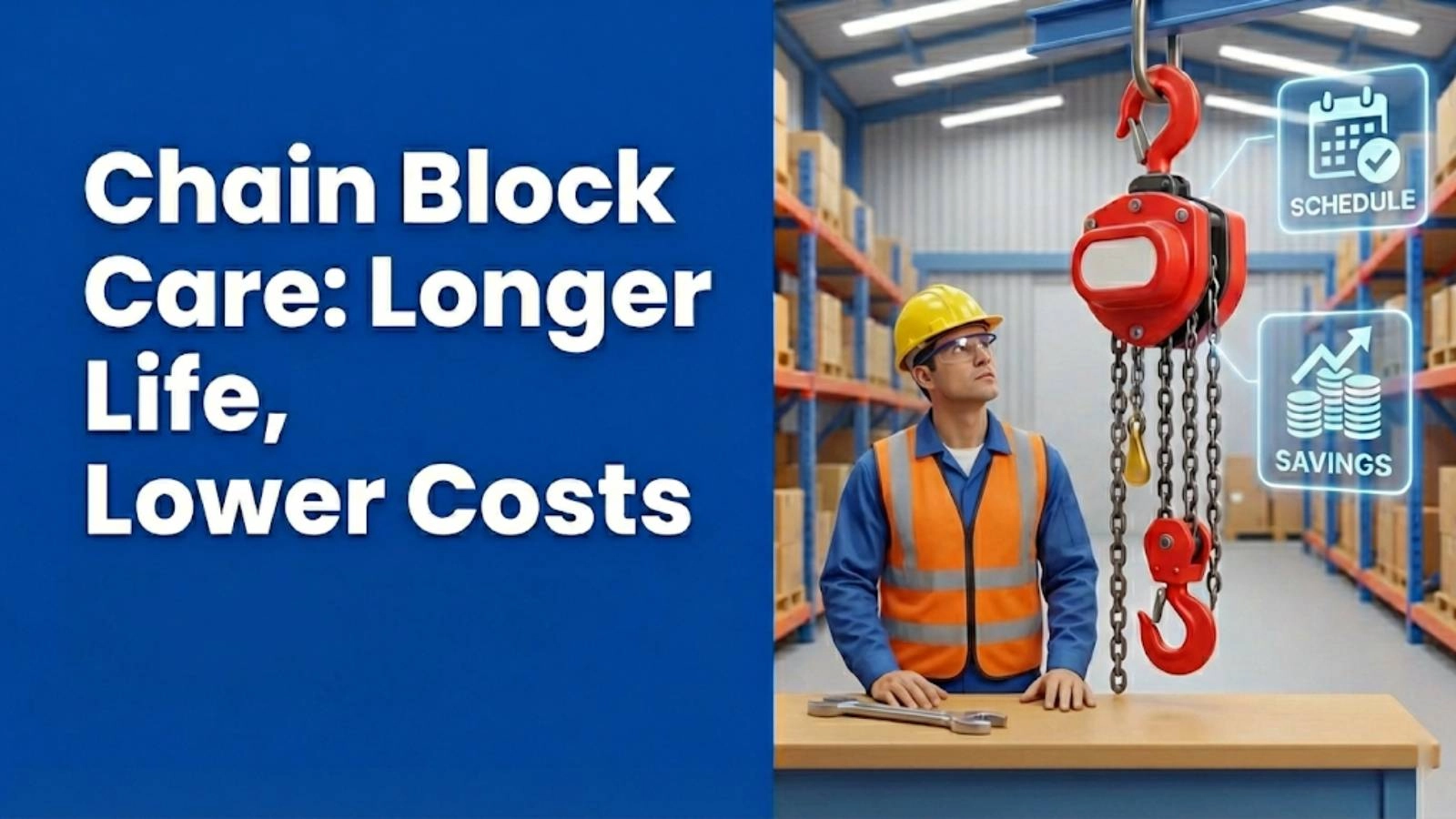
Chain blocks are indispensable tools in various lifting operations, providing a mechanical advantage for raising and lowering heavy loads. However, their effectiveness and, more importantly, the safety of personnel and equipment, heavily rely on their correct usage and maintenance. Improper chain block use can lead to serious accidents, equipment damage, and even fatalities. This article aims to shed light on common chain block mistakes and provide actionable solutions to avoid them, ensuring safer and more efficient lifting operations.
1. ❌ Overloading the Chain Block
The Mistake
Exceeding the chain block’s Working Load Limit (WLL) is one of the most critical and dangerous chain block mistakes. The WLL is the maximum weight a chain block is designed to lift safely. When this limit is ignored, the consequences can be devastating.
Why It Matters
Overloading a chain block places excessive stress on its components, particularly the chain, hooks, and gears. This can lead to chain breakage, hook deformation, or even complete structural failure of the equipment. The sudden release of a heavy load due to chain block failure can cause serious injuries to nearby workers, damage to the load itself, and costly downtime. It’s a risk that simply isn’t worth taking.
How to Avoid It
To avoid overloading chain blocks, implement several preventative measures. Always check the chain block’s WLL, clearly marked on the device, before each use. Accurately estimate the weight of the load to be lifted. When the load’s weight is unknown, use a load cell or other weighing device for precise measurement. It is always better to err on the side of caution and use a chain block with a higher WLL than estimated. As a part of our commitment to safety, Safe and Secure Trading Company (SSTC) emphasizes thorough training on load estimation for all personnel involved in lifting operations.
2. ❌ Neglecting Regular Inspections
The Mistake
Failing to inspect the chain block before each use, as well as periodically by a qualified professional, is another common chain block mistake that can have severe consequences. A quick visual check is not enough; a thorough inspection is crucial to identify potential problems before they escalate into hazardous situations.
Why It Matters
Chain blocks are subjected to constant stress and wear during lifting operations. Over time, components can become damaged, worn, or corroded. Undetected damage, such as cracks in the hooks, worn chain links, or malfunctioning braking mechanisms, can lead to catastrophic failure during a lift. Regular inspections help identify these issues early, allowing for timely repairs or replacements before an accident occurs.
How to Avoid It
To avoid the dangers of neglecting regular inspections, several measures should be put in place. Implement a pre-use inspection checklist that operators must complete before each lifting operation. This checklist should include items such as checking for deformed hooks, damaged chain links, proper functioning of the braking mechanism, and any signs of corrosion or wear. Train personnel to identify these signs of damage and to immediately report any concerns. Schedule regular professional inspections by a qualified technician, such as those provided by SSTC. Document all inspections, repairs, and maintenance activities to maintain a comprehensive record of the chain block’s condition.
3. ❌ Improper Chain Block Maintenance
The Mistake
Ignoring lubrication, cleaning, and the timely replacement of worn parts is a critical chain block mistake. Many operations fail to realize that chain blocks, like any mechanical device, require regular maintenance to ensure their continued safe and efficient operation.
Why It Matters
Lack of maintenance accelerates wear and tear on chain block components, significantly reducing the chain block’s lifespan and overall safety. Without proper lubrication, friction increases, leading to premature wear of the chain, gears, and bearings. Dirt and debris can accumulate inside the chain block, hindering its operation and causing further damage. Worn or damaged parts, if not replaced promptly, can compromise the chain block’s structural integrity and increase the risk of failure.
How to Avoid It
To prevent the negative consequences of improper maintenance, establish a routine maintenance schedule. This schedule should include regular lubrication of the chain, gears, and other moving parts using appropriate lubricants specifically designed for chain blocks. We at Safe and Secure Trading Company always advise our clients to use the lubricant recommended by the manufacturer. Keep the chain block clean and free of debris. Replace worn or damaged parts promptly with genuine replacement parts. During our field operations here in Jubail, we’ve seen that consistent maintenance drastically reduces downtime and extends the lifespan of lifting equipment.
4. ❌ Using the Chain Block at an Angle
The Mistake
Lifting loads at an angle instead of vertically is a common chain block mistake that can significantly reduce the chain block’s lifting capacity and increase the risk of accidents. Many operators underestimate the stress that angled lifts place on the equipment.
Why It Matters
Angled lifts put undue stress on the chain, hook, and supporting structure. This stress is not evenly distributed, leading to a reduction in the chain block’s effective WLL. The greater the angle, the greater the reduction in lifting capacity. In addition, angled lifts can cause the load to swing or become unstable, increasing the risk of accidents. The side loading can cause premature wear and even failure of critical components.
How to Avoid It
To avoid angled lifts, ensure the load is directly below the chain block before commencing the lift. Use a spreader bar or other equipment to maintain a vertical lift, especially when dealing with long or bulky loads. For complex lifting scenarios, consider using multiple chain blocks to distribute the weight evenly and maintain a vertical lift angle. Always consult with a qualified rigger or lifting specialist when planning complex lifts.
5. ❌ Failing to Secure the Load Properly
The Mistake
Not using appropriate rigging and securing methods is a serious chain block mistake that can lead to load slippage, falls, and potentially fatal accidents. The chain block itself may be in perfect working order, but if the load is not properly secured, the entire lifting operation is compromised.
Why It Matters
An unsecured load can shift, slip, or fall during lifting, causing damage to the load, equipment, and surrounding structures. More importantly, it can lead to serious injuries or fatalities to nearby workers. A falling load can exert tremendous force, and even a relatively small object can cause significant harm if it falls from a height.
How to Avoid It
To ensure load security, use appropriate slings, shackles, and other rigging hardware that are rated for the weight and type of load being lifted. Ensure the load is balanced and stable before commencing the lift. Train personnel on proper rigging techniques, including how to select and use the correct type of slings, how to create secure connections, and how to distribute the load evenly. Always double-check all connections before lifting, and conduct a trial lift to ensure the load is secure and stable before lifting it to the full height. Safe and Secure Trading Company provides comprehensive rigging training courses to ensure that your personnel are equipped with the knowledge and skills necessary to secure loads safely.
6. ❌ Allowing Unauthorized Personnel to Operate the Chain Block
The Mistake
Allowing untrained or unauthorized individuals to use the chain block is a dangerous chain block mistake that can lead to accidents, equipment damage, and serious injuries. Chain blocks, while seemingly simple to operate, require a certain level of knowledge and skill to use safely.
Why It Matters
Improper operation of a chain block can lead to various hazards, including overloading, angled lifts, jerky movements, and failure to properly secure the load. Untrained operators may not be aware of these hazards or know how to mitigate them. This can result in equipment damage, load slippage, and potentially serious injuries to themselves and others.
How to Avoid It
To prevent unauthorized use, implement a training and certification program for chain block operators. This program should cover topics such as chain block operation, inspection, maintenance, rigging techniques, and safe lifting practices. Restrict access to chain blocks to authorized personnel only. This can be achieved through key control, locked storage, or other security measures. Regularly refresh training to reinforce safety procedures and address any new developments or changes in regulations. In our experience, a well-trained workforce is the best defense against accidents and injuries.
7. ❌ Ignoring the Environment
The Mistake
Using chain blocks in unsuitable environments without proper precautions is a chain block mistake that can significantly reduce the chain block’s lifespan and compromise its safety. Chain blocks are designed to operate in specific environmental conditions, and using them in harsh or corrosive environments can lead to premature wear, corrosion, and failure.
Why It Matters
Exposure to corrosive substances, such as acids, alkalis, or saltwater, can damage the chain, hooks, and other metal components of the chain block. Extreme temperatures can also affect the chain block’s performance, with high temperatures reducing its strength and low temperatures making it brittle. Abrasive materials, such as dust, sand, or grit, can accelerate wear and tear on moving parts.
How to Avoid It
To mitigate the risks associated with harsh environments, select chain blocks designed for the specific environment. For example, stainless steel chain blocks are ideal for corrosive environments, while chain blocks with special coatings can resist abrasion. Protect chain blocks from exposure to harsh conditions by storing them in a clean, dry place when not in use. Increase inspection and maintenance frequency in challenging environments to identify and address any signs of damage or corrosion early on. We always encourage our clients in coastal regions, such as those near Jeddah, to opt for stainless steel chain blocks to combat the corrosive effects of saltwater.
8. ❌ Modifying the Chain Block
The Mistake
Altering the chain block’s design or components without manufacturer approval is a dangerous chain block mistake that can compromise its structural integrity and safety. Chain blocks are precision-engineered devices, and any unauthorized modifications can have unforeseen consequences.
Why It Matters
Modifications can compromise the chain block’s structural integrity, reducing its WLL and increasing the risk of failure. They can also interfere with the proper functioning of safety devices, such as the braking mechanism. Furthermore, modifications can void the manufacturer’s warranty and create liability issues in the event of an accident.
How to Avoid It
To prevent unauthorized modifications, never alter a chain block without explicit written approval from the manufacturer. Use only genuine replacement parts that are specifically designed for the chain block. If modifications are necessary, consult with a qualified engineer to ensure that the modifications are safe and do not compromise the chain block’s integrity. We at Safe and Secure Trading Company strongly advise against any unauthorized modifications and always recommend consulting with a qualified professional before making any changes to lifting equipment.
9. ❌ Jerky or Sudden Movements
The Mistake
Raising or lowering loads too quickly or with jerky movements is a common chain block mistake that can create shock loads and increase the risk of accidents. Smooth and controlled movements are essential for safe lifting operations.
Why It Matters
Sudden starts and stops, or jerky movements, can create shock loads that exceed the chain block’s WLL. These shock loads can damage the chain, hooks, and other components, increasing the risk of chain breakage and load instability. Jerky movements can also make it difficult to control the load, increasing the risk of collisions and other accidents.
How to Avoid It
To avoid jerky movements, operate the chain block smoothly and at a controlled pace. Avoid sudden starts and stops. Communicate clearly with all personnel involved in the lift to coordinate movements and ensure everyone is aware of what is happening. Using a spotter can greatly improve communication and coordination during lifting operations.
10. ❌ Using Damaged or Worn Slings
The Mistake
Pairing a perfectly good chain block with damaged, frayed, or otherwise compromised slings is a critical chain block mistake. The slings are just as important as the chain block itself, and their condition directly affects the safety of the lifting operation.
Why It Matters
The weakest link in the lifting chain determines the overall safety of the operation. Damaged slings create a critical weak point that can lead to load slippage, falls, and potentially fatal accidents. A sling that appears to be in good condition may have internal damage that is not immediately visible, making regular inspections even more crucial.
How to Avoid It
To ensure sling safety, inspect all slings before each use, just as you would inspect the chain block. Look for signs of damage, such as cuts, abrasions, frays, kinks, corrosion, or deformation. Immediately remove damaged slings from service. Use only slings with a WLL appropriate for the load. Store slings properly to protect them from damage and degradation. We advise all our clients to implement a sling inspection program to ensure that all slings are regularly inspected and maintained in good condition.
11. ❌ Improper Storage of Chain Blocks
The Mistake
Storing chain blocks in damp, dirty, or otherwise unsuitable conditions is a chain block mistake that can lead to corrosion, contamination, and damage. Proper storage is essential for preserving the chain block’s condition and ensuring its continued safe operation.
Why It Matters
Improper storage can expose chain blocks to moisture, which can lead to corrosion of the chain, hooks, and other metal components. Dirt and debris can accumulate inside the chain block, hindering its operation and causing further damage. Exposure to extreme temperatures or sunlight can also degrade the chain block’s components.
How to Avoid It
To ensure proper storage, store chain blocks in a clean, dry, and secure location. Protect chain blocks from exposure to the elements, such as rain, snow, and sunlight. Consider using protective covers or cases for storage to further protect the chain block from damage and contamination. Regular cleaning and lubrication before storage can also help to prevent corrosion and maintain the chain block’s condition.
12. 💡Top 3 Ways to Avoid Chain Block Fails
Here’s a quick recap of the most important steps to avoid common chain block mistakes:
Summary of Most Important Points:
Always inspect your chain block before use.
A thorough inspection is your first line of defense against accidents.
Never exceed the WLL.
Knowing and respecting the WLL is crucial for safe lifting operations.
Train personnel on proper usage.
A well-trained workforce is essential for preventing accidents and ensuring safe lifting practices.
> “Safety is not an intellectual exercise to keep us in work. It is a matter of life and death. It is the sum of our contributions to safety management that determines whether the people we work with live or die.” – Sir Brian Appleton, Chemical Engineer
Conclusion
Avoiding chain block mistakes is paramount for ensuring safe and efficient lifting operations. By understanding the common pitfalls and implementing the preventative measures outlined in this article, you can significantly reduce the risk of accidents, equipment damage, and injuries. Remember to always prioritize safety, follow proper procedures, and maintain your chain blocks in good condition. With careful planning, thorough training, and consistent vigilance, you can harness the power of chain blocks safely and effectively. We, at Safe and Secure Trading Company, are dedicated to helping you maintain a safe and productive work environment.
FAQ Section
Q: How often should I inspect my chain block?
A: You should inspect your chain block before each use and schedule periodic inspections by a qualified professional, ideally every 3 to 6 months depending on usage and environmental conditions.
Q: What are the signs of a damaged chain block?
A: Signs of damage include deformed hooks, damaged chain links, corrosion, cracks, excessive wear, and malfunctioning braking mechanisms. Any of these signs should prompt immediate removal of the chain block from service.
Q: Can I repair a damaged chain block myself?
A: It is strongly recommended that repairs be performed by a qualified technician using genuine replacement parts. Improper repairs can compromise the chain block’s safety and void the manufacturer’s warranty.
Q: What type of lubricant should I use on my chain block?
A: Use a lubricant specifically designed for chain blocks, as recommended by the manufacturer. These lubricants are typically formulated to provide excellent lubrication and protection against corrosion and wear.
Q: How do I determine the WLL of a chain block?
A: The WLL is typically marked on the chain block itself, usually on a nameplate or tag. It is essential to know the WLL before using the chain block.
Q: What is the difference between WLL and breaking strength?
A: WLL (Working Load Limit) is the maximum load that a chain block is designed to lift safely. Breaking strength is the load at which the chain block is expected to fail. The WLL is typically a fraction of the breaking strength to provide a safety margin.
Q: Can I use a chain block in a corrosive environment?
A: Yes, but you should select a chain block specifically designed for corrosive environments, such as a stainless steel chain block. Regular inspection and maintenance are even more critical in corrosive environments.
Q: How do I store a chain block properly?
A: Store chain blocks in a clean, dry, and secure location, protected from exposure to the elements. Consider using protective covers or cases for storage.
Q: What training is required to operate a chain block safely?
A: Operators should receive training on chain block operation, inspection, maintenance, rigging techniques, and safe lifting practices. Training should be provided by a qualified instructor and regularly refreshed to reinforce safety procedures.
Q: What are some common chain block hazards?
A: Common chain block hazards include overloading, angled lifts, jerky movements, failure to properly secure the load, and using damaged or worn slings. Being aware of these hazards is crucial for preventing accidents.
Q: Where can I find reliable chain block maintenance services?
A: Companies like Safe and Secure Trading Company (SSTC) provide comprehensive chain block maintenance and inspection services to ensure the safety and reliability of your lifting equipment. We can help you establish a maintenance program tailored to your specific needs.
Q: What is the role of chain block inspection in overhead lifting safety?
A: Chain block inspection is a critical component of overhead lifting safety. Regular inspections help identify potential problems before they escalate into hazardous situations, preventing accidents and injuries. It’s a proactive approach to ensure the equipment is safe to use.
Q: What is manual chain block safety, and why is it important?
A: Manual chain block safety encompasses all the procedures and practices to ensure the safe operation of manual chain blocks. It’s crucial because these devices rely on manual effort, making operator skill and adherence to safety protocols paramount to avoid accidents.
Q: What are common chain hoist errors and how can they be avoided?
A: Common chain hoist errors include overloading, improper rigging, lack of inspection, and inadequate maintenance. These can be avoided through comprehensive training, strict adherence to safety guidelines, and regular equipment maintenance. Avoiding these errors can significantly reduce the risk of accidents.
Q: What safe lifting practices should be followed when using a chain block?
A: Safe lifting practices include inspecting the chain block before use, using the correct rigging equipment, ensuring a vertical lift, avoiding jerky movements, and never exceeding the WLL. Following these practices will ensure that the lifting operation is conducted safely.
Q: How does chain block maintenance affect its operational life?
A: Proper chain block maintenance significantly extends its operational life by preventing wear and tear, corrosion, and other forms of damage. Regular lubrication, cleaning, and timely replacement of worn parts can greatly increase the lifespan and reliability of the chain block.
Q: What chain block hazards should operators be aware of?
A: Operators should be aware of hazards such as overloading, using damaged equipment, improper rigging, operating in unsuitable environments, and unauthorized modifications. Recognizing these hazards is the first step in preventing accidents.
Q: What lifting equipment inspection procedures should be followed?
A: Lifting equipment inspection procedures should include a thorough visual examination of all components, checking for signs of damage or wear, verifying the WLL, and testing the functionality of safety devices. These procedures should be performed before each use and documented for traceability.