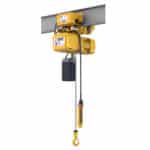
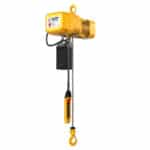
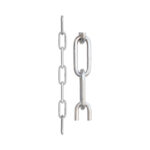
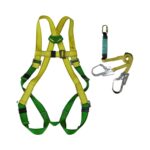
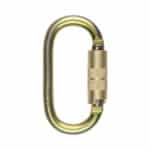
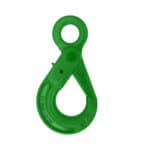
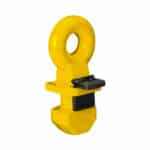
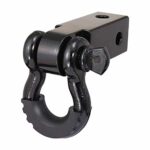
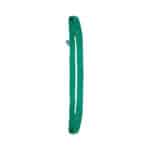
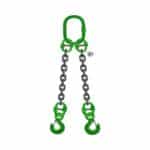
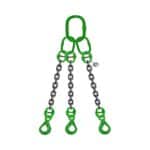
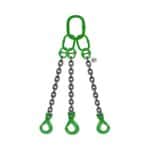
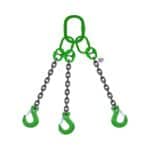
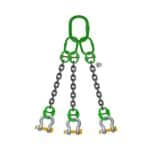
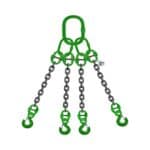
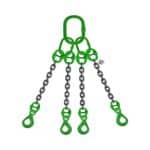
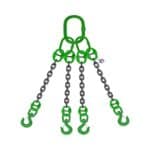
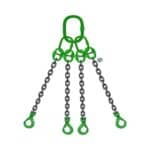
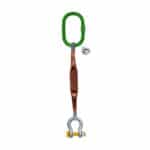
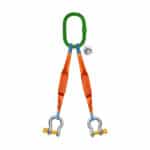
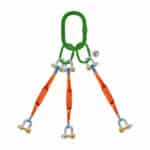
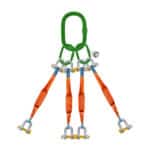
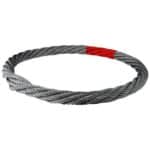
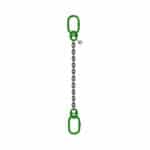
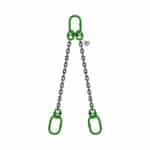
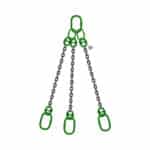
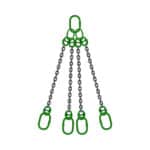
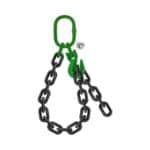
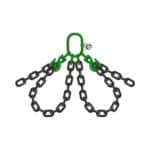
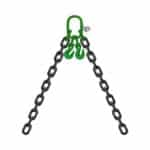
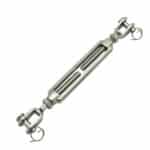
Chain blocks are indispensable tools in various lifting operations, from construction sites to manufacturing plants. However, their effectiveness and safety hinge on proper usage. When used incorrectly, chain blocks can become a significant hazard, leading to equipment damage, personal injury, or even fatalities. This article aims to identify and prevent common chain block mistakes, ensuring safer and more efficient lifting practices.
1. ❌ Neglecting Pre-Use Inspection: A Recipe for Disaster
The Mistake: Skipping the critical pre-lift inspection.
One of the most frequent and dangerous chain block mistakes is neglecting to perform a thorough pre-use inspection. Many operators, eager to get the job done, skip this crucial step, assuming the equipment is in good working order. This oversight can have catastrophic consequences.
Why it matters: Hidden damages can lead to sudden failures.
Chain blocks, like any mechanical device, are subject to wear and tear. Hidden damages, such as hairline cracks, worn gears, or a compromised brake mechanism, might not be immediately visible. These latent defects can lead to sudden and unexpected failures during a lift, potentially dropping the load and causing severe damage or injury. We at Safe and Secure Trading Company always emphasize the importance of diligence in this regard.
The Solution: Implement a checklist-based inspection protocol.
To combat this issue, we strongly advise implementing a checklist-based inspection protocol. This protocol should outline all the critical components that need to be inspected before each use. By following a structured checklist, operators are less likely to overlook potential problems. For our clients in Jubail, we have found that a standardized inspection checklist significantly reduces incidents.
What to look for: Chain wear, hook deformities, and brake function.
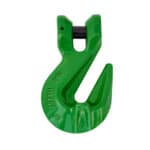
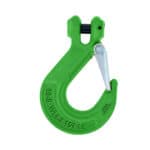
The pre-use inspection should focus on several key areas. This includes carefully examining the chain for wear, kinks, or corrosion. Hooks should be checked for deformities, cracks, or damage to the safety latch. The brake mechanism must be tested to ensure it engages smoothly and holds the load securely. Any anomalies discovered during the inspection should be addressed before the chain block is put into service. Remember to check for any signs of oil leakage which can indicate a bigger problem with the internal mechanism.
2. ⚙️ Ignoring Load Limits: Overdoing it is Asking for Trouble
The Mistake: Exceeding the chain block’s rated capacity.
Another common and potentially fatal chain block mistake is exceeding the chain block’s rated capacity or Working Load Limit (WLL). Operators sometimes overestimate the block’s capacity or fail to accurately assess the weight of the load being lifted. This can be due to a lack of training or simply taking shortcuts to expedite the lifting process.
Why it matters: Overloading causes stress, damage, and potential collapse.
Overloading a chain block places excessive stress on its components, including the chain, hooks, gears, and frame. This stress can cause immediate damage, such as bending or breaking of parts, or it can lead to gradual fatigue and weakening of the metal. Ultimately, overloading can result in a catastrophic failure, with the load dropping unexpectedly. In the context of overhead lifting safety, this is the most critical principle.
The Solution: Always verify the load weight and compare it to the WLL.
The solution to this problem is simple: always verify the weight of the load and compare it to the chain block’s WLL before commencing the lift. The WLL is clearly marked on the chain block itself and should be easily visible. If the weight of the load is unknown, it should be accurately calculated or estimated using appropriate weighing equipment. We’ve seen far too many accidents stem from simply guessing the load weight.
Best practice: Apply a safety margin by using a block rated higher than the expected load.
As a best practice, consider using a chain block with a WLL that is higher than the expected load. This provides a safety margin and reduces the risk of overloading, even if the load weight is slightly underestimated. For many of our clients here in Dammam, we’ve seen that implementing a minimum 25% safety margin has significantly reduced the risk of overloading incidents.
3. ⛓️ Improper Chain Handling: Twists, Knots, and Kinks – Oh My!
The Mistake: Allowing the chain to twist, knot, or kink during operation.
Improper chain handling is another frequent chain block mistake that can compromise the safety and efficiency of lifting operations. This includes allowing the chain to twist, knot, or kink during use. These conditions create stress points and weaken the chain, making it more susceptible to failure.
Why it matters: Reduced chain strength and increased wear.
When a chain is twisted, knotted, or kinked, the load is not evenly distributed across all the links. Instead, certain links bear a disproportionate amount of stress, leading to accelerated wear and tear. These stress points can also create weak spots in the chain, making it more likely to break under load. A twisted chain can reduce its breaking strength by as much as 50%.
The Solution: Ensure the chain hangs freely and straight.
The solution to this problem is to ensure that the chain hangs freely and straight during operation. Before starting the lift, visually inspect the chain to ensure there are no twists, knots, or kinks. If any are present, carefully untangle them before applying any load.
Pro Tip: Visually inspect the chain for damage and correct any issues before each lift.
During the lift, monitor the chain closely and ensure it remains free of obstructions. Avoid pulling the chain at an angle, as this can also cause twisting and kinking. If a twist or kink develops during the lift, stop immediately and correct the issue before continuing.
4. 🚫 Incorrect Sling Use: Mismatching Slings Leads to Catastrophe
The Mistake: Using the wrong type or size of sling for the load.
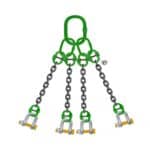
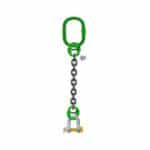
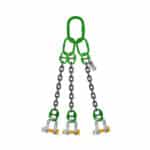
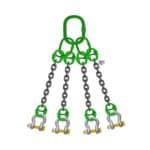
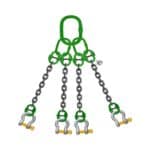
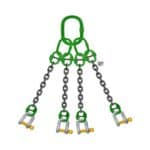
Using the wrong type or size of sling is a critical chain block mistake that can have devastating consequences. Slings are used to connect the load to the chain block, and they must be properly selected to ensure a safe and secure lift. Using an undersized or inappropriate sling can lead to sling failure, dropping the load, and potentially causing serious injury or death.
Why it matters: Slings can break under stress, dropping the load.
Slings are available in various materials, sizes, and configurations, each designed for specific types of loads and lifting applications. Factors such as the weight, shape, and surface characteristics of the load, as well as the angle of the lift, must be considered when selecting the appropriate sling. Using a sling that is not rated for the load or that is incompatible with the lifting application can lead to premature wear, damage, or even catastrophic failure.
The Solution: Choose slings rated for the load and hitch type.
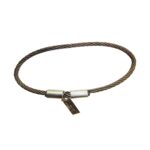
To avoid this mistake, always choose slings that are properly rated for the load and the type of hitch being used. Consult the sling manufacturer’s specifications to determine the WLL for each sling and hitch configuration. Ensure that the sling material is compatible with the load and the environment in which it will be used. For example, using a wire rope sling in a corrosive environment can lead to rapid deterioration and failure.
Sling Inspection: Always inspect the sling for cuts, abrasions, and damage.
Always inspect slings before each use for any signs of damage, such as cuts, abrasions, kinks, or corrosion. Remove any damaged slings from service immediately. It’s crucial to incorporate chain block inspection procedures that also cover the slings.
5. 🛑 Failure to Use Proper Lifting Points: A Dangerous Balancing Act
The Mistake: Lifting from unstable or inappropriate points.
Failure to use proper lifting points is a dangerous chain block mistake that can compromise the stability of the load and increase the risk of accidents. Lifting from unstable or inappropriate points can cause the load to shift, tilt, or even fall during the lift. This can result in damage to the load, the equipment, or the surrounding area, as well as potential injuries to personnel.
Why it matters: Can cause load shifting and potential accidents.
The ideal lifting point is directly above the load’s center of gravity. This ensures that the load is evenly balanced and will not tilt or shift during the lift. Lifting from a point that is off-center or unstable can cause the load to swing or rotate, making it difficult to control.
The Solution: Ensure the lifting point is directly above the load’s center of gravity.
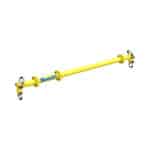
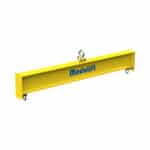
To avoid this mistake, always ensure that the lifting point is directly above the load’s center of gravity. If the load is irregularly shaped or has an uneven weight distribution, use multiple lifting points to distribute the load evenly. Consider using a spreader bar to provide additional stability and prevent the load from tilting.
Best Practice: Use a spreader bar for long or flexible loads.
When lifting long or flexible loads, such as pipes or beams, a spreader bar can help to prevent bending or sagging. The spreader bar distributes the load across multiple lifting points, ensuring that the load is properly supported and remains stable throughout the lift.
6. 🦺 Ignoring Personal Protective Equipment (PPE): Safety First, Always
The Mistake: Failing to wear appropriate PPE during chain block use.
Failing to wear appropriate Personal Protective Equipment (PPE) is a common chain block mistake that increases the risk of injury during lifting operations. PPE is designed to protect workers from potential hazards, such as falling objects, sharp edges, and pinch points. Ignoring PPE can leave workers vulnerable to serious injuries.
Why it matters: Increased risk of injury from falling objects or equipment failure.
The specific PPE required for chain block use will vary depending on the nature of the lifting operation and the potential hazards involved. However, some common PPE items that should always be worn include safety glasses, gloves, and sturdy footwear.
The Solution: Always wear safety glasses, gloves, and sturdy footwear.
Safety glasses protect the eyes from flying debris, such as dust, dirt, and metal fragments. Gloves protect the hands from cuts, abrasions, and pinch points. Sturdy footwear provides protection from falling objects and helps to prevent slips and falls.
Additional PPE: Consider a hard hat and high-visibility clothing in busy areas.
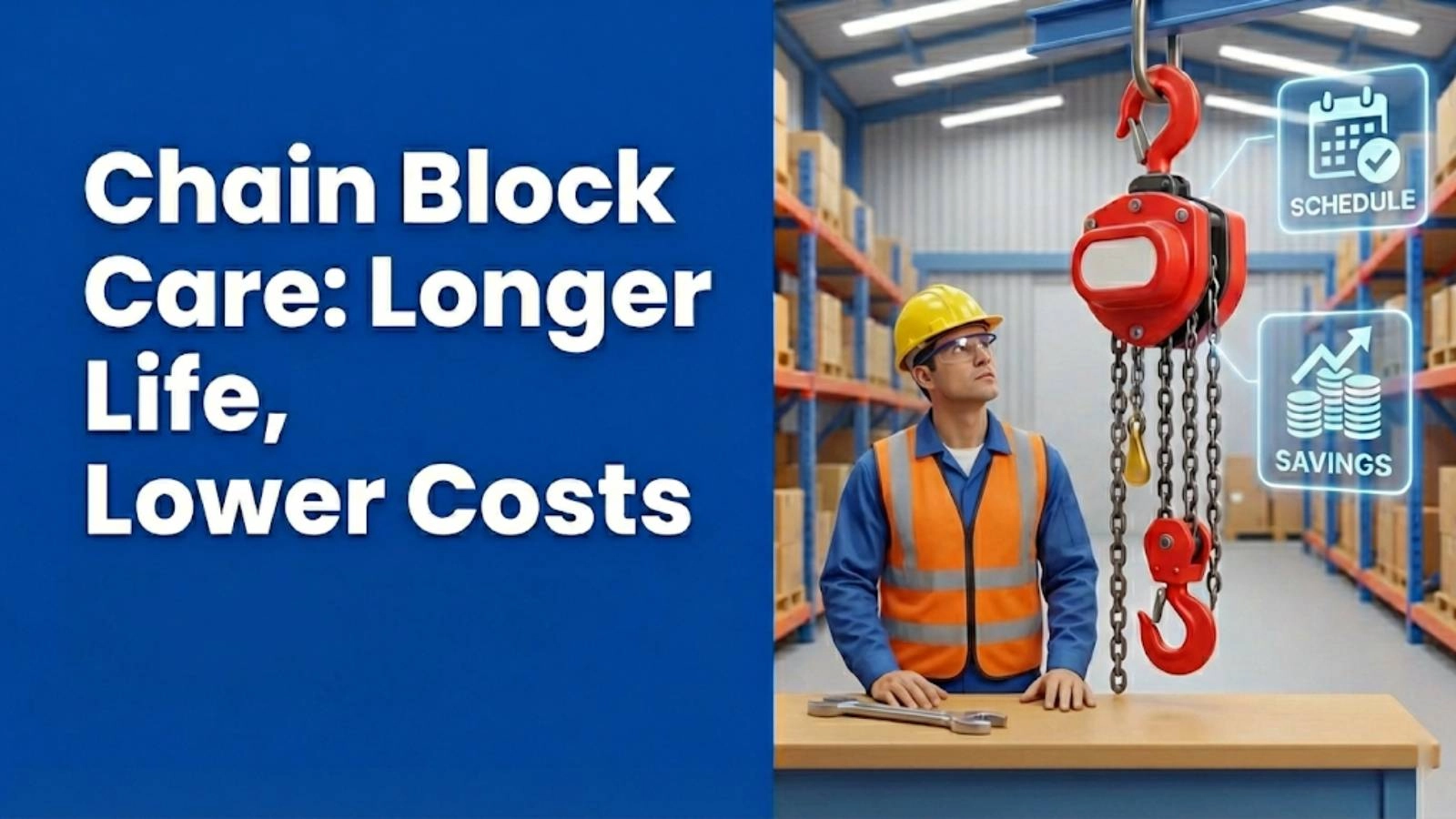
In some situations, additional PPE may be required, such as a hard hat to protect the head from falling objects or high-visibility clothing to improve visibility in busy areas. Always assess the potential hazards before starting the lift and ensure that all workers are wearing the appropriate PPE. When considering manual chain block safety, PPE is non-negotiable.
7. ⛔ Using Damaged Equipment: A Ticking Time Bomb
The Mistake: Continuing to use a chain block that shows signs of damage.
Continuing to use a chain block that shows signs of damage is a serious chain block mistake that can lead to catastrophic failure. Damage can compromise the block’s structural integrity, making it more likely to break under load. Using damaged equipment puts workers at risk of serious injury or death.
Why it matters: Damage can compromise the block’s structural integrity, leading to failure.
Signs of damage to a chain block can include cracks, bends, corrosion, worn gears, or a malfunctioning brake. Any of these issues can weaken the block and make it more susceptible to failure. Even seemingly minor damage should be taken seriously, as it can indicate a more significant underlying problem.
The Solution: Immediately remove damaged chain blocks from service and tag them for repair or disposal.
The solution to this problem is simple: immediately remove damaged chain blocks from service and tag them for repair or disposal. Do not attempt to use a damaged chain block, even if it seems to be working properly. The risk of failure is too great.
Preventative Actions: Implement a regular maintenance program.
Implement a regular maintenance program that includes periodic inspections and repairs. This will help to identify and address potential problems before they become serious. Make sure to keep detailed records of all maintenance activities. This is crucial for chain block maintenance.
8. ⚠️ Poor Communication and Coordination: Teamwork Makes the Dream Work (Safely)
The Mistake: Lack of clear communication and coordination among lifting team members.
A lack of clear communication and coordination among lifting team members is a significant chain block mistake that can lead to dropped loads or injuries. Lifting operations often involve multiple people, each with specific roles and responsibilities. If these individuals are not properly communicating and coordinating their actions, the risk of accidents increases dramatically.
Why it matters: Miscommunication can lead to dropped loads or injuries.
Miscommunication can lead to a variety of problems, such as misunderstandings about the lifting plan, incorrect hand signals, or failure to identify potential hazards. These problems can result in dropped loads, collisions, or other accidents that can cause serious injuries.
The Solution: Establish clear hand signals and a designated signal person.
To avoid this mistake, establish clear hand signals and a designated signal person. The signal person is responsible for communicating with the chain block operator and ensuring that the lift is performed safely. All team members should be familiar with the hand signals and understand their meanings.
Safety Briefing: Conduct a pre-lift safety briefing to discuss the plan and potential hazards.
Conduct a pre-lift safety briefing to discuss the lifting plan, potential hazards, and the roles and responsibilities of each team member. This briefing provides an opportunity to address any questions or concerns and to ensure that everyone is on the same page. We’ve found this significantly increases safety on sites we consult on.
9. 📚 Insufficient Training: Knowledge is Power (and Safety)
The Mistake: Allowing untrained personnel to operate chain blocks.
Allowing untrained personnel to operate chain blocks is a major chain block mistake that significantly increases the risk of accidents. Untrained operators are more likely to make mistakes, such as overloading the block, using incorrect lifting techniques, or failing to identify potential hazards. This can lead to equipment damage, personal injury, or even fatalities.
Why it matters: Untrained operators are more likely to make mistakes and cause accidents.
Operating a chain block safely requires a thorough understanding of the equipment, its limitations, and proper operating procedures. Untrained operators may not be aware of these critical factors, putting themselves and others at risk. Proper training is essential for ensuring that chain blocks are used safely and effectively.
The Solution: Provide comprehensive training on chain block operation, inspection, and safety procedures.
Provide comprehensive training on chain block operation, inspection, and safety procedures. The training should cover topics such as:
- Chain block components and their functions
- Safe operating procedures
- Load weight estimation
- Sling selection and usage
- Pre-use inspection procedures
- Hazard identification and control
- Emergency procedures
Training Frequency: Regularly refresh training to ensure operators stay current on best practices.
Regularly refresh training to ensure operators stay current on best practices. The frequency of refresher training will depend on the nature of the lifting operations and the experience level of the operators.
10. 📅 Lack of Regular Maintenance: Neglecting the Long-Term Health
The Mistake: Failing to perform routine maintenance on chain blocks.
Failing to perform routine maintenance on chain blocks is a common chain block mistake that can lead to corrosion, wear, and eventual failure. Chain blocks are mechanical devices that require regular maintenance to ensure they operate safely and efficiently. Neglecting maintenance can lead to a variety of problems, such as worn gears, corroded chains, and malfunctioning brakes.
Why it matters: Lack of maintenance can lead to corrosion, wear, and eventual failure.
Lack of maintenance can significantly shorten the lifespan of a chain block and increase the risk of accidents. A well-maintained chain block will operate smoothly and reliably for many years, while a neglected chain block may fail prematurely.
The Solution: Implement a scheduled maintenance program including lubrication, inspection, and replacement of worn parts.
Implement a scheduled maintenance program that includes lubrication, inspection, and replacement of worn parts. The maintenance program should be based on the manufacturer’s recommendations and should be tailored to the specific operating conditions.
Maintenance Logs: Keep detailed records of all maintenance activities.
Keep detailed records of all maintenance activities. These records should include the date of the maintenance, the type of maintenance performed, and the parts that were replaced. Maintenance logs provide a valuable history of the chain block’s maintenance and can help to identify potential problems before they become serious.
11. 🚨 Ignoring Warning Signs: Heed the Red Flags
The Mistake: Disregarding unusual noises, vibrations, or other warning signs during chain block operation.
Disregarding unusual noises, vibrations, or other warning signs during chain block operation is a dangerous chain block mistake that can indicate impending failure. Chain blocks are designed to operate smoothly and quietly. Any unusual noises, vibrations, or other signs of distress should be investigated immediately.
Why it matters: These signs can indicate impending failure.
Ignoring these warning signs can lead to catastrophic failure. A chain block that is making unusual noises or vibrating excessively may be on the verge of breaking. Continuing to use the block under these conditions puts workers at risk of serious injury or death.
The Solution: Immediately stop the lift and investigate any unusual signs.
The solution to this problem is to immediately stop the lift and investigate any unusual signs. Do not continue to use the chain block until the problem has been identified and corrected. This might involve taking the chain block out of service.
Reporting Protocol: Establish a clear reporting protocol for operators to report any concerns.
Establish a clear reporting protocol for operators to report any concerns. Operators should be encouraged to report any unusual noises, vibrations, or other warning signs to their supervisor immediately. The supervisor should then investigate the problem and take appropriate action.
Conclusion
Avoiding these common chain block mistakes is paramount for ensuring safe and efficient lifting operations. Remember to prioritize pre-use inspections, adhere to load limits, handle chains with care, use the correct slings, and employ proper lifting points. Always wear appropriate PPE, never use damaged equipment, maintain clear communication, provide sufficient training, and conduct regular maintenance. Ignoring warning signs can be catastrophic.
We at Safe and Secure Trading Company are committed to promoting safe lifting practices. By following these guidelines, you can significantly reduce the risk of accidents and create a safer working environment.
FAQ Section
Q: How often should chain blocks be inspected?
A: Chain blocks should be inspected before each use and at regular intervals, such as monthly or quarterly, depending on the frequency of use and the operating conditions.
Q: What should be included in a chain block inspection checklist?
A: A chain block inspection checklist should include items such as chain wear, hook deformities, brake function, and overall condition.
Q: What is the Working Load Limit (WLL)?
A: The Working Load Limit (WLL) is the maximum weight that a chain block is designed to lift safely. It is clearly marked on the chain block itself.
Q: What should I do if I find damage during a chain block inspection?
A: If you find damage during a chain block inspection, immediately remove the block from service and tag it for repair or disposal. Do not attempt to use a damaged chain block.
Q: How can I prevent overloading a chain block?
A: To prevent overloading a chain block, always verify the weight of the load and compare it to the chain block’s WLL before commencing the lift. Use a chain block with a WLL that is higher than the expected load.
Q: What type of slings should I use with a chain block?
A: Choose slings that are properly rated for the load and the type of hitch being used. Consult the sling manufacturer’s specifications to determine the WLL for each sling and hitch configuration.
Q: What PPE should I wear when using a chain block?
A: Always wear safety glasses, gloves, and sturdy footwear when using a chain block. In some situations, additional PPE may be required, such as a hard hat and high-visibility clothing.
Q: How often should chain block operators be trained?
A: Chain block operators should be trained initially and then receive refresher training at regular intervals, such as annually or bi-annually, depending on the nature of the lifting operations and the experience level of the operators.
Q: What are some common signs of chain block damage?
A: Common signs of chain block damage include cracks, bends, corrosion, worn gears, and a malfunctioning brake.
Q: How important is chain block maintenance?
A: Chain block maintenance is critically important. Lack of maintenance can lead to corrosion, wear, and eventual failure, significantly increasing the risk of accidents and shortening the lifespan of the equipment. Regular maintenance is essential for ensuring safe and reliable operation.