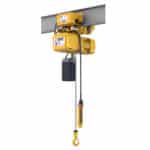
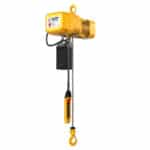
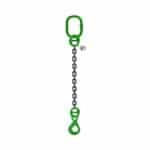
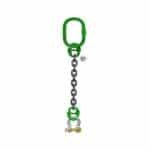
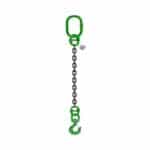
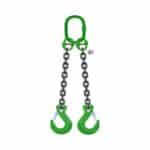
Chain blocks are essential tools in various industries, providing a safe and efficient way to lift heavy loads. However, like any mechanical device, they require regular maintenance to ensure optimal performance and safety. In this guide, we, Safe and Secure Trading Company (SSTC), will walk you through the essential steps of chain block maintenance, helping you extend the lifespan of your equipment and prevent costly repairs.
Understanding the Importance of Chain Block Maintenance
The Critical Role of Chain Blocks in Lifting Operations
Chain blocks, also known as manual hoists, play a vital role in lifting operations across various industries. From construction sites to manufacturing plants, these devices provide a reliable and cost-effective way to lift and position heavy loads. Their simplicity and portability make them indispensable tools for tasks where powered hoists are not practical or available. Proper chain block maintenance is crucial for ensuring these devices operate safely and efficiently, protecting workers and preventing accidents.
Chain blocks use a mechanical advantage system to multiply the force applied by the operator, allowing them to lift loads far heavier than they could manage manually. This mechanical advantage relies on the integrity of the chain, gears, and brake mechanism. Neglecting manual hoist maintenance can compromise these components, leading to reduced lifting capacity, increased effort required to lift loads, and potentially catastrophic failures.
Risks of Neglecting Chain Block Maintenance: A Safety Perspective
The risks associated with neglecting chain block maintenance are significant and can have severe consequences. A poorly maintained chain block can fail unexpectedly, dropping the load and causing serious injury or even death. Damaged or worn components, such as chains, hooks, or brakes, can compromise the device’s ability to safely support the load.
One of the most common risks is chain failure. Over time, the chain can stretch, weaken, or develop cracks due to repeated stress and environmental factors. A worn chain can suddenly break under load, causing the load to fall. Similarly, damaged hooks can bend or break, leading to load slippage and potential accidents. Brake failure is another critical concern, as it can result in uncontrolled descent of the load, posing a severe hazard to anyone in the vicinity. We at SSTC emphasize that neglecting chain block safety is not only a financial risk but also a significant ethical and legal responsibility.
Extending the Lifespan of Your Chain Block Through Proper Care
Proper chain block maintenance is the key to extending the lifespan of your equipment and maximizing your investment. Regular inspection, lubrication, and timely repairs can prevent minor issues from escalating into major problems, saving you time and money in the long run. By following a proactive maintenance schedule, you can ensure that your chain blocks remain in optimal condition, providing reliable and safe lifting performance for years to come.
A well-maintained chain block not only lasts longer but also operates more efficiently. Proper lubrication reduces friction, making it easier to lift loads and reducing wear on critical components. Regular inspections allow you to identify and address potential problems before they cause significant damage or failure. As our team in Dubai often advises, investing in chain hoist maintenance is an investment in the safety and productivity of your operations.
Identifying Common Chain Block Problems
Recognizing Signs of Wear and Tear: A Visual Inspection Guide
Regular visual inspection is a crucial part of chain block maintenance. It allows you to identify early signs of wear and tear, enabling you to take corrective action before a minor issue becomes a major problem. Pay close attention to the following components during your inspection:
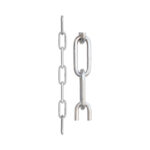
- Chain: Look for signs of stretching, twisting, kinking, corrosion, or damage to individual links. Check for any missing or deformed links.
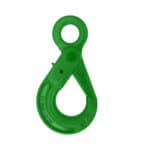
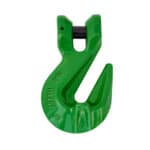
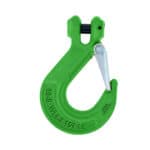
- Hooks: Inspect for cracks, bends, deformation, or wear. Ensure the safety latch is functioning properly and securely engages the hook.
- Brake Mechanism: Check for signs of wear, damage, or contamination. Ensure the brake engages smoothly and holds the load securely.
- Housing: Inspect for cracks, dents, or other damage that could compromise the integrity of the chain block.
- Load Sheave: Examine the load sheave for wear, cracks, or damage. Ensure the sheave rotates freely and smoothly.
One of our clients once overlooked a small crack in the hook of a chain block. During a lift, the crack propagated, causing the hook to fail and the load to drop. Fortunately, no one was injured, but the incident highlighted the importance of thorough visual inspections. Remember, even minor signs of wear and tear should be addressed promptly to prevent potential accidents and ensure chain block safety.
Troubleshooting Common Issues: Chain Slippage, Binding, and Overloading
Even with regular maintenance, chain blocks can sometimes experience operational issues. Here are some common problems and how to troubleshoot them:
- Chain Slippage: This can occur if the chain is worn, stretched, or contaminated with dirt or grease. Clean and lubricate the chain, and replace it if it is excessively worn or stretched.
- Binding or Jerky Movement: This is often caused by lack of lubrication or damaged components. Lubricate all moving parts and inspect for damaged gears, bearings, or other mechanical components.
- Overloading: Overloading a chain block can cause severe damage to the chain, hooks, and brake mechanism. Always ensure that the load does not exceed the rated capacity of the chain block. If overloading is suspected, thoroughly inspect the chain block for damage before using it again.
> “Regular inspections and adherence to load limits are paramount for safe and reliable chain block operation.” – John Smith, Lead Safety Inspector
Preventing Costly Repairs Through Early Problem Detection
Early problem detection is essential for preventing costly repairs and extending the lifespan of your chain blocks. By conducting regular inspections and addressing minor issues promptly, you can avoid more significant problems that require extensive repairs or even replacement of the entire unit. Implementing a proactive manual hoist maintenance program can save you time, money, and potential headaches in the long run.
Consider implementing a maintenance log to track inspections, repairs, and lubrication schedules for each chain block. This will help you identify trends and potential problems before they escalate. Encourage operators to report any unusual noises, vibrations, or other signs of malfunction immediately. By fostering a culture of proactive maintenance, you can ensure that your chain blocks remain in optimal condition and provide reliable service for years to come.
Essential Tools and Materials for Chain Block Maintenance
Required Tools: Wrenches, Lubricants, Cleaning Supplies, and Inspection Gauges
Having the right tools and materials is essential for performing effective chain block maintenance. Here’s a list of the basic tools you’ll need:
- Wrenches: A set of wrenches is necessary for tightening and loosening bolts, nuts, and other fasteners.
- Lubricants: Use a high-quality lubricant specifically designed for chain blocks to reduce friction and protect against wear.
- Cleaning Supplies: A degreaser, brushes, and rags are needed to clean the chain and other components.
- Inspection Gauges: Chain wear gauges and hook gauges are useful for measuring wear and deformation.
- Screwdrivers: Both flathead and Phillips head screwdrivers may be required for various tasks.
- Pliers: Pliers can be helpful for gripping and manipulating small parts.
- Measuring Tape: A measuring tape is useful for verifying chain length and other dimensions.
Choosing the Right Lubricants for Optimal Performance
Selecting the right lubricant is crucial for ensuring optimal performance and longevity of your chain blocks. Use a lubricant that is specifically designed for chain blocks and meets the manufacturer’s recommendations. Avoid using general-purpose lubricants, as they may not provide adequate protection against wear and corrosion.
Consider the operating environment when choosing a lubricant. If the chain block is used in a dusty or corrosive environment, select a lubricant that offers enhanced protection against these factors. Synthetic lubricants often provide superior performance and durability compared to mineral-based lubricants, but they may also be more expensive. When our maintenance team in Germany assesses chain block lubrication, they prioritize lubricants with high film strength and excellent water resistance.
Safety Gear: Protecting Yourself During Maintenance Procedures
Safety should always be the top priority when performing chain block maintenance. Always wear appropriate personal protective equipment (PPE) to protect yourself from potential hazards. Here’s a list of essential safety gear:
- Gloves: Wear work gloves to protect your hands from dirt, grease, and sharp edges.
- Eye Protection: Wear safety glasses or goggles to protect your eyes from debris and lubricant splashes.
- Safety Shoes: Wear safety shoes with steel toes to protect your feet from falling objects.
- Hearing Protection: Wear earplugs or earmuffs if the maintenance environment is noisy.
- Appropriate Clothing: Wear clothing that is appropriate for the task and provides adequate protection.
Remember to follow all safety procedures and guidelines when performing chain block maintenance. If you are unsure about any aspect of the maintenance process, consult with a qualified technician or refer to the manufacturer’s instructions.
Step-by-Step Chain Block Inspection Process
Visual Inspection: Checking for Chain Wear, Damage, and Corrosion
A thorough visual inspection is the first and most important step in chain block maintenance. Carefully examine the entire chain block for any signs of wear, damage, or corrosion.
1. Chain Inspection:
✅ Check each link for signs of stretching, twisting, kinking, or corrosion.
✅ Use a chain wear gauge to measure the amount of wear on the chain. If the wear exceeds the manufacturer’s specifications, replace the chain.
✅ Look for any missing or deformed links.
2. Hook Inspection:
✅ Inspect the hooks for cracks, bends, deformation, or wear.
✅ Ensure the safety latch is functioning properly and securely engages the hook.
✅ Use a hook gauge to measure the hook opening. If the opening exceeds the manufacturer’s specifications, replace the hook.
3. Housing Inspection:
✅ Inspect the housing for cracks, dents, or other damage that could compromise the integrity of the chain block.
4. Load Sheave Inspection:
✅ Examine the load sheave for wear, cracks, or damage.
* ✅ Ensure the sheave rotates freely and smoothly.
Hook Inspection: Examining for Cracks, Deformation, and Proper Latching
The hooks are critical components of the chain block, and their integrity is essential for safe lifting operations. Perform a detailed inspection of the hooks, paying close attention to the following:
1. Cracks: Use a magnifying glass to carefully inspect the hooks for any signs of cracks, especially in areas of high stress, such as the hook throat and shank.
2. Deformation: Check for any bending or deformation of the hook. If the hook is bent or deformed, it should be replaced immediately.
3. Wear: Inspect the hook for signs of wear, especially in the area where the load is supported.
4. Safety Latch: Ensure the safety latch is functioning properly and securely engages the hook. The latch should prevent the load from accidentally slipping off the hook.
5. Hook Opening: Use a hook gauge to measure the hook opening. If the opening exceeds the manufacturer’s specifications, replace the hook.
Brake Mechanism Inspection: Ensuring Proper Functionality and Adjustment
The brake mechanism is responsible for holding the load securely and preventing uncontrolled descent. Inspect the brake mechanism to ensure it is functioning properly:
1. Brake Engagement: Check that the brake engages smoothly and holds the load securely when the chain is released.
2. Brake Wear: Inspect the brake pads or shoes for wear. If the brake pads or shoes are worn, they should be replaced.
3. Brake Adjustment: Ensure the brake is properly adjusted according to the manufacturer’s specifications.
4. Contamination: Check for any contamination of the brake mechanism, such as oil, grease, or dirt. Clean the brake mechanism if necessary.
5. Unusual Noises: Listen for any unusual noises during brake operation, such as squealing or grinding. These noises may indicate a problem with the brake mechanism.
Here’s a statistic to consider: According to a recent study, approximately 20% of hoist repair cases are directly related to brake mechanism failures caused by inadequate maintenance. Regular inspection and maintenance of the brake mechanism are crucial for ensuring safe and reliable chain block operation.
Chain Block Lubrication: A Detailed Guide
Preparing the Chain Block for Lubrication: Cleaning and Degreasing
Before lubricating the chain block, it is essential to clean and degrease the chain and other components. This will remove dirt, grease, and other contaminants that can interfere with the lubrication process.
1. Cleaning: Use a brush and degreaser to thoroughly clean the chain, hooks, gears, and other moving parts.
2. Rinsing: Rinse the components with clean water to remove any remaining degreaser.
3. Drying: Allow the components to dry completely before applying lubricant.
Applying Lubricant to Key Components: Chain, Gears, and Bearings
Once the chain block is clean and dry, apply lubricant to the key components:
1. Chain Lubrication: Apply lubricant to the entire length of the chain, ensuring that it penetrates between the links.
2. Gear Lubrication: Apply lubricant to the gears, ensuring that all gear teeth are coated.
3. Bearing Lubrication: Apply lubricant to the bearings, ensuring that they are properly lubricated.
4. Hook Lubrication: Apply a light coat of lubricant to the hook pivot points.
Best Practices for Lubrication: Frequency and Amount
The frequency and amount of lubrication will depend on the operating environment and the manufacturer’s recommendations. However, here are some general best practices:
- Frequency: Lubricate the chain block at least once a month, or more frequently if it is used in a dusty or corrosive environment.
- Amount: Apply enough lubricant to coat the components without over-lubricating. Excess lubricant can attract dirt and debris.
- Type of Lubricant: Use a high-quality lubricant specifically designed for chain blocks.
- Application Method: Use a brush or spray to apply the lubricant evenly to the components.
Adjusting and Tightening Chain Block Components
Identifying Loose or Worn Components: Bolts, Nuts, and Fasteners
During the inspection process, carefully check for any loose or worn components, such as bolts, nuts, and fasteners. These components can loosen over time due to vibration and repeated use.
1. Visual Inspection: Visually inspect all bolts, nuts, and fasteners for signs of looseness, damage, or corrosion.
2. Torque Check: Use a torque wrench to check the torque of critical fasteners, such as those securing the brake mechanism and load sheave.
3. Component Wear: Inspect for wear on bolts, nuts, and fasteners. Replace any worn or damaged components.
Tightening Procedures: Torque Specifications and Safe Practices
When tightening bolts, nuts, and fasteners, it is essential to follow the manufacturer’s torque specifications and safe practices:
1. Torque Specifications: Refer to the manufacturer’s specifications for the correct torque values for each fastener.
2. Torque Wrench: Use a calibrated torque wrench to ensure accurate tightening.
3. Tightening Pattern: Follow the recommended tightening pattern to ensure even distribution of force.
4. Safe Practices: Avoid over-tightening fasteners, as this can damage the threads or the components being fastened.
Replacing Damaged or Missing Components: Selecting the Right Replacements
If you identify any damaged or missing components, it is essential to replace them with the correct replacements.
1. Manufacturer’s Parts: Use genuine manufacturer’s parts whenever possible.
2. Specifications: Ensure that the replacement parts meet the same specifications as the original parts.
3. Compatibility: Verify that the replacement parts are compatible with the chain block model.
4. Installation: Follow the manufacturer’s instructions for installing the replacement parts.
Testing and Verifying Chain Block Performance
Load Testing: Ensuring the Chain Block Can Safely Handle Rated Capacity
Load testing is a critical step in verifying the performance and safety of a chain block after maintenance or repairs.
1. Rated Capacity: Determine the rated capacity of the chain block.
2. Test Load: Apply a test load equal to the rated capacity of the chain block.
3. Visual Inspection: During the load test, carefully inspect the chain block for any signs of stress, deformation, or failure.
4. Load Holding: Verify that the chain block can hold the test load securely without slippage or creep.
Functional Testing: Checking for Smooth Operation and Proper Braking
In addition to load testing, perform functional testing to check for smooth operation and proper braking:
1. Lifting and Lowering: Operate the chain block through its full range of motion, checking for smooth and consistent lifting and lowering.
2. Brake Engagement: Verify that the brake engages smoothly and holds the load securely when the chain is released.
3. Unusual Noises: Listen for any unusual noises during operation, such as squealing or grinding.
Documenting Test Results and Maintenance Records
It is essential to document all test results and maintenance records for each chain block. This documentation will help you track the performance and maintenance history of the equipment and identify any potential problems.
1. Maintenance Log: Maintain a maintenance log for each chain block, recording all inspections, repairs, lubrication, and testing.
2. Test Results: Record the results of all load tests and functional tests, including the date, test load, and any observations.
3. Retention: Retain the maintenance records for the life of the chain block.
Safety Precautions During Chain Block Maintenance
Lockout/Tagout Procedures: Preventing Accidental Activation
Lockout/tagout procedures are essential for preventing accidental activation of the chain block during maintenance.
1. Lockout: Disconnect the chain block from its power source (if applicable) and lock it out using a lockout device.
2. Tagout: Attach a tag to the lockout device, indicating that the chain block is out of service and should not be operated.
3. Verification: Verify that the chain block is de-energized and cannot be accidentally activated.
Personal Protective Equipment (PPE): Gloves, Eye Protection, and Safety Shoes
Always wear appropriate personal protective equipment (PPE) during chain block maintenance:
1. Gloves: Wear work gloves to protect your hands from dirt, grease, and sharp edges.
2. Eye Protection: Wear safety glasses or goggles to protect your eyes from debris and lubricant splashes.
3. Safety Shoes: Wear safety shoes with steel toes to protect your feet from falling objects.
Safe Lifting Practices: Avoiding Overloading and Improper Handling
Follow safe lifting practices to prevent accidents and injuries during chain block maintenance:
1. Rated Capacity: Never exceed the rated capacity of the chain block.
2. Load Balance: Ensure that the load is properly balanced before lifting.
3. Clearance: Ensure that there is adequate clearance around the load and the chain block.
4. Proper Handling: Use proper lifting techniques to avoid strain and injury.
Troubleshooting Common Chain Block Issues
Chain Slippage: Identifying the Cause and Implementing Corrective Actions
Chain slippage is a common issue that can occur due to various factors:
- Cause: Worn chain, contaminated chain, overloading.
- Corrective Action: Replace worn chain, clean and lubricate the chain, avoid overloading.
Binding or Jerky Movement: Diagnosing and Resolving Mechanical Problems
Binding or jerky movement can indicate mechanical problems:
- Cause: Lack of lubrication, damaged gears, bent chain.
- Corrective Action: Lubricate moving parts, replace damaged gears, replace bent chain.
Overloading and Damage: Assessing the Extent of the Damage and Repair Options
Overloading can cause significant damage to the chain block:
- Cause: Exceeding the rated capacity.
- Corrective Action: Inspect for damage, replace damaged components, avoid overloading in the future.
Conclusion:
You’ve successfully navigated the essential steps of chain block maintenance, equipping you with the knowledge to ensure the safety, longevity, and optimal performance of your lifting equipment. By implementing a proactive maintenance schedule, conducting regular inspections, and addressing potential problems promptly, you can significantly reduce the risk of accidents, extend the lifespan of your chain blocks, and save valuable time and resources. We at SSTC are confident that by following this guide, you’ll be able to maintain your chain blocks effectively and ensure a safe working environment.
FAQ Section
Q: How often should I lubricate my chain block?
A: Lubricate your chain block at least once a month, or more frequently if it is used in a dusty or corrosive environment.
Q: What type of lubricant should I use for my chain block?
A: Use a high-quality lubricant specifically designed for chain blocks and that meets the manufacturer’s recommendations.
Q: How do I know if my chain block is overloaded?
A: If the chain block is difficult to operate or if you hear unusual noises, it may be overloaded. Always check the load weight against the rated capacity of the chain block.
Q: What should I do if I find a crack in the hook of my chain block?
A: Replace the hook immediately. Do not use the chain block until the hook has been replaced.
Q: Can I repair my own chain block?
A: Simple maintenance tasks, such as cleaning and lubricating, can be performed by trained personnel. However, more complex repairs should be performed by a qualified technician.
Q: Where can I find the rated capacity of my chain block?
A: The rated capacity is typically marked on the chain block housing or on a label attached to the chain block.
Q: What is chain wear inspection, and why is it important?
A: Chain wear inspection involves checking the chain for stretching, corrosion, and damage. It’s crucial because a worn chain can break under load, leading to accidents.
Q: How can I ensure chain block safety in my workplace?
A: Implement regular inspection and maintenance programs, provide training to operators, and enforce safe lifting practices, including adherence to load limits. We at SSTC always prioritize chain block safety in our training programs.
Q: What are the key elements of a hoist inspection checklist?
A: A hoist inspection checklist should include checks for chain wear, hook damage, brake function, housing integrity, and proper lubrication.
Q: What is overhead crane maintenance, and how does it relate to chain block maintenance?
A: Overhead crane maintenance involves inspecting and maintaining all components of an overhead crane, including hoists. While chain blocks are simpler, many of the same maintenance principles apply, such as lubrication and inspection for wear and damage.
Q: What is manual hoist maintenance, and why is it important?
A: Manual hoist maintenance refers to the upkeep of manually operated hoists like chain blocks. Regular maintenance ensures these hoists operate safely and efficiently, preventing failures and extending their lifespan.