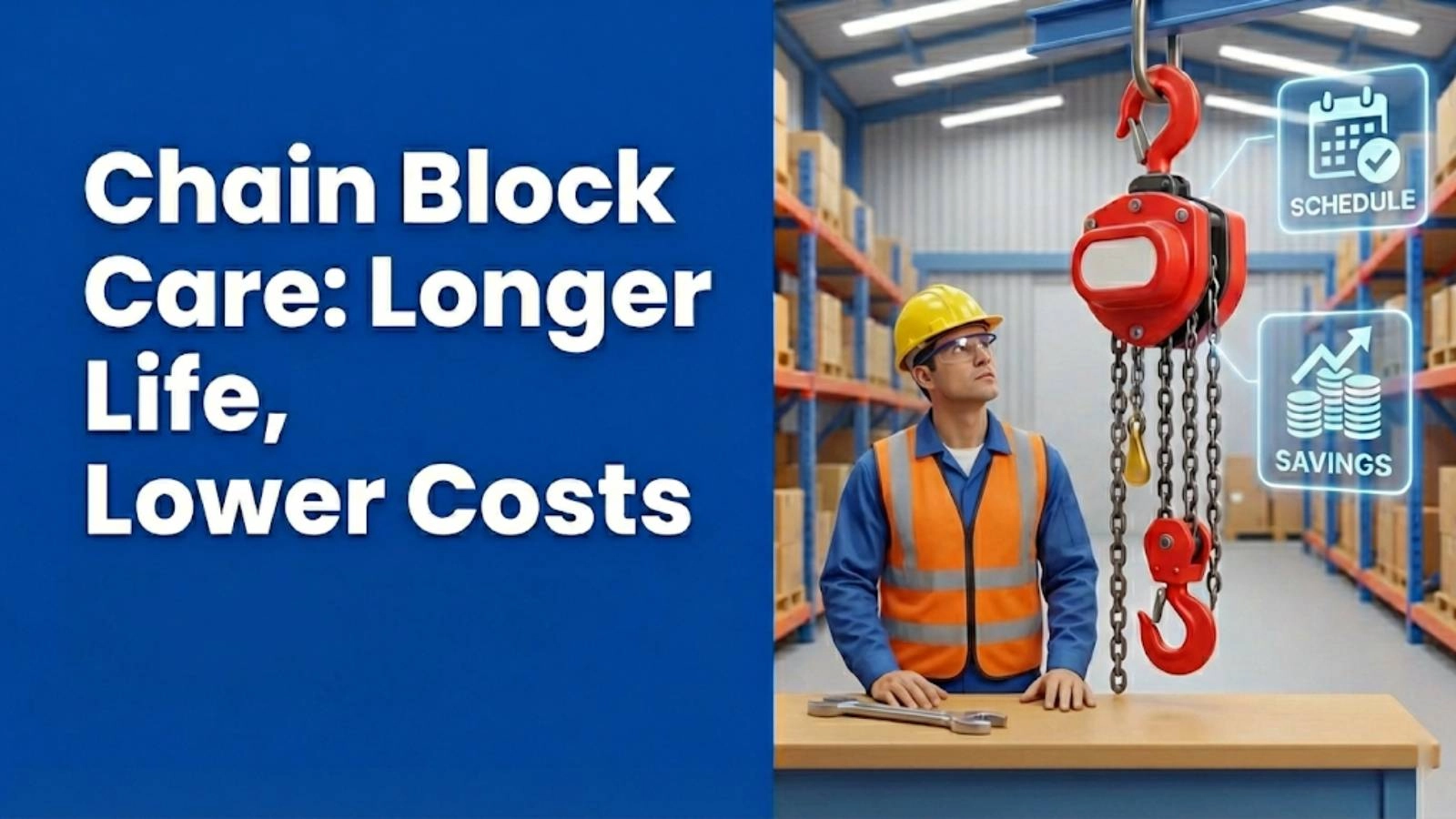
Chain block maintenance is crucial for ensuring the safe and efficient operation of your lifting equipment. A well-maintained chain block not only reduces the risk of accidents but also prolongs the lifespan of the equipment. At Safe and Secure Trading Company (SSTC), we understand the importance of regular and thorough maintenance. This comprehensive guide will walk you through each step of chain block maintenance, helping you keep your equipment in top condition and compliant with safety standards. Let’s dive in.
Why Chain Block Maintenance Matters
The High Cost of Neglect
Neglecting chain block maintenance can lead to significant financial repercussions. The cost of replacing a damaged chain block far exceeds the investment in regular maintenance. Furthermore, downtime caused by equipment failure can disrupt operations and result in lost productivity. As a technical instructor from SSTC, we’ve seen firsthand how preventative maintenance can save companies thousands of dollars. We had a client once who overlooked regular chain block maintenance, resulting in a complete failure during a critical lifting operation. The subsequent downtime and replacement costs were substantial, underscoring the importance of proactive maintenance. The long-term benefits of preventative maintenance far outweigh the initial costs.
Safety Implications of Poor Maintenance
The safety implications of poor chain block maintenance are severe. A malfunctioning chain block can lead to dropped loads, causing serious injuries or even fatalities. Regular maintenance helps identify and address potential safety hazards before they escalate into catastrophic failures. Safe lifting practices begin with ensuring that all equipment, including chain blocks, is in optimal working condition. Our team emphasizes that proper maintenance is not just a best practice; it’s a moral obligation to protect workers and prevent accidents. According to a recent study by the Industrial Safety Council, approximately 20% of all lifting-related accidents are attributable to equipment failure.
Prolonging the Life of Your Chain Block
Regular chain block maintenance significantly prolongs the life of your equipment. Proper lubrication, cleaning, and inspection prevent premature wear and tear, extending the operational lifespan of the chain block. A well-maintained chain block performs more efficiently, reducing strain on other components and minimizing the risk of breakdowns. Our operational presence helps us stay abreast of the latest maintenance techniques, ensuring that our clients benefit from the most effective practices. By following a consistent maintenance schedule, you can maximize the return on your investment and avoid costly replacements.
Common Mistakes in Chain Block Maintenance
Ignoring Manufacturer’s Guidelines
One of the most common mistakes in chain block maintenance is ignoring the manufacturer’s guidelines. Each chain block model has specific maintenance requirements outlined in the user manual. These guidelines provide crucial information on lubrication, inspection intervals, and replacement parts. Failing to adhere to these recommendations can void warranties and compromise the safety and performance of the equipment. Always consult the manufacturer’s manual before performing any maintenance tasks.
Improper Lubrication Practices
Improper lubrication practices can be detrimental to chain block performance. Using the wrong type of lubricant or applying it incorrectly can lead to premature wear and corrosion. Over-lubrication can attract dirt and grime, while under-lubrication can cause friction and overheating. It’s essential to use the recommended lubricant and apply it according to the manufacturer’s instructions. Our experience shows that many chain block failures are directly attributable to improper lubrication. We once encountered a situation where a client was using a general-purpose lubricant that was incompatible with the chain block’s components, resulting in rapid wear and eventual failure.
Overlooking Regular Inspections
Overlooking regular inspections is another common mistake in chain block maintenance. Inspections are crucial for identifying potential problems early, before they escalate into major issues. Regular inspections should include visual checks of the chain, hooks, housing, and brake mechanism. Neglecting these inspections can lead to undetected damage, increasing the risk of equipment failure. A comprehensive inspection schedule is essential for maintaining a safe and efficient lifting operation.
Using Incorrect Replacement Parts
Using incorrect replacement parts can compromise the integrity and safety of the chain block. Replacement parts should always match the manufacturer’s specifications to ensure proper fit and function. Using generic or substandard parts can lead to premature wear, reduced performance, and increased risk of failure. Always source replacement parts from reputable suppliers and verify their compatibility with your chain block model.
Step 1: Gathering Your Tools and Materials
Essential Tools Checklist: Wrenches, Lubricants, Cleaning Supplies
Before starting any chain block maintenance, it’s crucial to gather all the necessary tools and materials. This ensures that you can complete the task efficiently and effectively. Here’s a checklist of essential tools:
- Wrenches: A set of adjustable wrenches is essential for tightening and loosening bolts and nuts.
- Lubricants: Choose the appropriate lubricant for your chain block, as recommended by the manufacturer.
- Cleaning Supplies: Include brushes, rags, and cleaning solutions for removing dirt and grime.
- Screwdrivers: Both flathead and Phillips head screwdrivers are necessary for various tasks.
- Pliers: Pliers are useful for gripping and manipulating small parts.
- Wire Brush: A wire brush helps remove rust and corrosion from metal surfaces.
- Safety Glasses: Protect your eyes from debris and chemicals.
- Gloves: Wear gloves to protect your hands from dirt, grease, and chemicals.
Choosing the Right Lubricant for Your Chain Block
Choosing the right lubricant is critical for effective chain block maintenance. The lubricant should be compatible with the chain block’s components and provide adequate protection against wear and corrosion. Consider the following factors when selecting a lubricant:
- Viscosity: The lubricant’s viscosity should match the manufacturer’s recommendations.
- Temperature Range: Choose a lubricant that performs well within the operating temperature range of your chain block.
- Water Resistance: Select a lubricant that resists water washout to prevent corrosion.
- Extreme Pressure (EP) Additives: Lubricants with EP additives provide enhanced protection under heavy loads.
- Synthetic vs. Mineral: Synthetic lubricants generally offer superior performance and longer lifespan compared to mineral lubricants.
We recommend consulting the chain block’s manual or contacting the manufacturer for specific lubricant recommendations. Using the wrong lubricant can lead to premature wear and reduced performance.
Safety Gear: Gloves, Eye Protection, and Proper Clothing
Safety should always be a top priority when performing chain block maintenance. Wearing the appropriate safety gear protects you from potential hazards and ensures a safe working environment. Here’s a list of essential safety gear:
- Gloves: Wear gloves to protect your hands from dirt, grease, chemicals, and sharp edges.
- Eye Protection: Safety glasses or goggles protect your eyes from debris, chemicals, and flying particles.
- Proper Clothing: Wear appropriate work clothing that covers your arms and legs to protect your skin from abrasions and cuts.
- Safety Shoes: Wear safety shoes with steel toes to protect your feet from falling objects.
- Hearing Protection: If the maintenance environment is noisy, wear earplugs or earmuffs to protect your hearing.
- Respirator: If you’re working in a dusty or poorly ventilated area, wear a respirator to protect your lungs.
Step 2: Initial Inspection: Spotting Potential Problems
Visual Inspection of the Chain: Links, Wear, and Damage
The initial inspection should begin with a thorough visual examination of the chain. Look for signs of wear, damage, or corrosion. Pay close attention to the following:
- Stretched Links: Measure the chain’s length and compare it to the manufacturer’s specifications. Stretched links indicate excessive wear.
- Damaged Links: Inspect each link for cracks, dents, or deformities. Replace the chain if you find any damaged links.
- Corrosion: Look for signs of rust or corrosion, especially in areas exposed to moisture.
- Twisted Links: Check for twisted or distorted links, which can indicate overloading or improper use.
- Proper Lubrication: Ensure the chain is adequately lubricated. Dry or poorly lubricated chains are more prone to wear.
If you identify any of these issues, take the chain block out of service immediately and address the problem before further use. Regular chain inspections are essential for maintaining a safe lifting operation.
Checking the Hooks: Deformities, Cracks, and Security
The hooks are another critical component of the chain block that require careful inspection. Check for the following:
- Deformities: Inspect the hooks for bending, twisting, or spreading. Deformed hooks can indicate overloading or improper use.
- Cracks: Look for cracks, especially in high-stress areas such as the hook’s throat and shank.
- Latch Security: Ensure the hook latch is functioning properly and securely closes to prevent accidental disengagement.
- Wear: Check for wear on the hook’s bearing surfaces. Excessive wear can reduce the hook’s load-bearing capacity.
- Rotation: Verify that the hook rotates freely. Restricted rotation can indicate damage or binding.
Any hook that exhibits deformities, cracks, or latch problems should be replaced immediately. Hooks are critical safety components, and their integrity must be maintained.
Examining the Housing: Dents, Corrosion, and Overall Condition
The chain block housing protects the internal components and provides structural support. Inspect the housing for the following:
- Dents: Check for dents or other damage that could compromise the housing’s integrity.
- Corrosion: Look for signs of rust or corrosion, especially in areas exposed to moisture.
- Cracks: Inspect the housing for cracks, which can indicate structural weakness.
- Loose Fasteners: Ensure all fasteners are securely tightened.
- Overall Condition: Assess the overall condition of the housing, looking for any signs of wear or damage.
Damage to the housing can compromise the chain block’s structural integrity and increase the risk of component failure. Address any issues promptly to ensure safe operation.
Step 3: Cleaning Your Chain Block
Removing Dirt and Grime: Best Cleaning Practices
Cleaning your chain block is essential for removing dirt, grime, and contaminants that can accelerate wear and corrosion. Follow these best practices for cleaning:
- Disassemble the Chain Block: Carefully disassemble the chain block, following the manufacturer’s instructions.
- Remove Loose Debris: Use a brush or compressed air to remove loose dirt and debris from all components.
- Soak in Cleaning Solution: Soak the chain and other components in a cleaning solution to loosen stubborn grime.
- Scrub Thoroughly: Use a brush to scrub each component, removing dirt and grime from all surfaces.
- Rinse with Clean Water: Rinse all components with clean water to remove any remaining cleaning solution.
Proper cleaning helps maintain the chain block’s performance and prolongs its lifespan.
Choosing the Right Cleaning Solutions: Avoiding Damage
Choosing the right cleaning solutions is crucial to avoid damaging the chain block’s components. Avoid using harsh chemicals or abrasive cleaners that can corrode metal surfaces or damage seals and gaskets. Instead, opt for mild, non-corrosive cleaning solutions specifically designed for industrial equipment. Consider the following:
- Degreasers: Use a degreaser to remove grease and oil from the chain and other components.
- Rust Removers: Use a rust remover to remove rust and corrosion from metal surfaces.
- Mild Detergents: Use a mild detergent to clean the housing and other non-metallic components.
- Avoid Acids and Alkalis: Avoid using strong acids or alkalis, as they can damage metal surfaces.
Always test the cleaning solution on a small, inconspicuous area before applying it to the entire chain block to ensure it doesn’t cause any damage.
Drying the Chain Block Thoroughly: Preventing Rust
Drying the chain block thoroughly after cleaning is essential for preventing rust and corrosion. Moisture can accelerate corrosion and damage internal components. Follow these steps to ensure thorough drying:
- Wipe Down Components: Use a clean, dry cloth to wipe down all components, removing excess water.
- Air Dry: Allow the components to air dry in a well-ventilated area.
- Use Compressed Air: Use compressed air to blow out any remaining water from hard-to-reach areas.
- Apply a Corrosion Inhibitor: Apply a corrosion inhibitor to metal surfaces to provide added protection against rust.
Ensure all components are completely dry before reassembling the chain block.
Step 4: Lubricating the Chain Block Properly
Identifying Lubrication Points: Where to Apply Lubricant
Proper lubrication is crucial for maintaining the smooth and efficient operation of your chain block. Identifying the correct lubrication points ensures that all critical components receive adequate lubrication. Here are the key lubrication points:
- Chain: Lubricate the entire length of the chain, ensuring that the lubricant penetrates between the links.
- Hooks: Lubricate the hook’s bearing surfaces and swivel points.
- Gears: Lubricate the gears inside the housing to reduce friction and wear.
- Bearings: Lubricate the bearings to ensure smooth rotation and prevent overheating.
- Brake Mechanism: Lubricate the brake mechanism to ensure proper functionality and prevent sticking.
Refer to the manufacturer’s manual for specific lubrication points and recommendations.
Applying Lubricant Correctly: Avoiding Over-Lubrication
Applying lubricant correctly is just as important as choosing the right lubricant. Over-lubrication can attract dirt and grime, while under-lubrication can cause friction and wear. Follow these guidelines for proper lubricant application:
- Clean the Lubrication Points: Clean the lubrication points before applying lubricant to remove any dirt or debris.
- Apply Lubricant Sparingly: Apply lubricant sparingly, using just enough to coat the surfaces.
- Use a Grease Gun or Oil Can: Use a grease gun or oil can to apply lubricant to hard-to-reach areas.
- Wipe Off Excess Lubricant: Wipe off any excess lubricant to prevent it from attracting dirt and grime.
Choosing the Right Lubricant: Viscosity and Compatibility
Choosing the right lubricant involves considering its viscosity and compatibility with the chain block’s components. The lubricant’s viscosity should match the manufacturer’s recommendations to ensure proper lubrication without causing excessive drag. Consider the following:
- Viscosity Grade: Choose a lubricant with the appropriate viscosity grade for your chain block’s operating conditions.
- Compatibility: Ensure the lubricant is compatible with the chain block’s seals, gaskets, and other components.
- Extreme Pressure (EP) Additives: Lubricants with EP additives provide enhanced protection under heavy loads.
- Synthetic vs. Mineral: Synthetic lubricants generally offer superior performance and longer lifespan compared to mineral lubricants.
Refer to the chain block’s manual or contact the manufacturer for specific lubricant recommendations.
Step 5: Inspecting and Maintaining the Brake Mechanism
Checking Brake Pad Wear: Recognizing Signs of Wear
The brake mechanism is a critical safety component of the chain block, responsible for holding the load securely. Regular inspection and maintenance of the brake mechanism are essential. Check the brake pads for signs of wear, such as:
- Reduced Thickness: Measure the thickness of the brake pads and compare it to the manufacturer’s specifications.
- Cracks: Look for cracks or other damage to the brake pads.
- Contamination: Check for oil, grease, or other contaminants on the brake pads.
- Uneven Wear: Look for uneven wear patterns, which can indicate misalignment or other problems.
Replace the brake pads if they show signs of excessive wear or damage.
Adjusting the Brake: Ensuring Proper Functionality
Adjusting the brake ensures that it functions properly and provides adequate holding force. Follow these steps to adjust the brake:
- Loosen the Adjustment Nut: Loosen the adjustment nut on the brake mechanism.
- Tighten the Adjustment Screw: Tighten the adjustment screw until the brake engages firmly.
- Test the Brake: Test the brake by lifting a load and verifying that it holds securely.
- Adjust as Needed: Adjust the brake as needed until it provides the required holding force.
- Tighten the Adjustment Nut: Tighten the adjustment nut to secure the adjustment.
Refer to the manufacturer’s manual for specific brake adjustment procedures.
Replacing Worn Brake Components: When and How
Replacing worn brake components is necessary to maintain the chain block’s safety and performance. Replace the brake components if they show signs of excessive wear, damage, or contamination. Follow these steps to replace the brake components:
- Disassemble the Brake Mechanism: Carefully disassemble the brake mechanism, following the manufacturer’s instructions.
- Remove Worn Components: Remove the worn brake pads, springs, and other components.
- Install New Components: Install new brake pads, springs, and other components, ensuring they are properly aligned.
- Reassemble the Brake Mechanism: Reassemble the brake mechanism, following the manufacturer’s instructions.
- Adjust the Brake: Adjust the brake to ensure proper functionality.
Always use genuine replacement parts that match the manufacturer’s specifications.
Step 6: Load Testing and Functionality Check
Performing a Load Test: Ensuring Safe Operation
Performing a load test is crucial to ensure the chain block can safely handle its rated load. A load test verifies the chain block’s structural integrity and braking capacity. Follow these steps to perform a load test:
- Attach a Test Load: Attach a test load equal to the chain block’s rated capacity.
- Lift the Load: Lift the load a short distance and hold it for several minutes.
- Inspect for Deflection: Inspect the chain block for any signs of deflection or deformation.
- Check the Brake: Check the brake to ensure it holds the load securely without slippage.
- Lower the Load: Lower the load slowly and smoothly.
If the chain block exhibits any signs of weakness or failure during the load test, take it out of service immediately and address the problem.
Checking Upward and Downward Movement: Smoothness and Responsiveness
Checking the upward and downward movement ensures the chain block operates smoothly and responsively. The chain block should lift and lower the load without jerking or binding. Follow these steps:
- Lift the Load: Lift the load smoothly and steadily.
- Check for Jerky Movement: Check for any jerky or erratic movement.
- Lower the Load: Lower the load smoothly and steadily.
- Check for Binding: Check for any binding or resistance.
- Listen for Unusual Noises: Listen for any unusual noises, such as grinding or squealing.
Any issues with the upward or downward movement should be investigated and resolved.
Identifying and Addressing Any Issues: Troubleshooting Tips
Identifying and addressing any issues during the functionality check is crucial for maintaining safe and efficient operation. Here are some troubleshooting tips:
- Chain Slippage: If the chain slips, check for worn or damaged links, improper lubrication, or brake problems.
- Difficulty Lifting: If the chain block is difficult to lift, check for overloading, mechanical issues, or brake problems.
- Jerky Movement: If the chain block exhibits jerky movement, check for worn gears, improper lubrication, or brake problems.
- Unusual Noises: If the chain block makes unusual noises, check for worn bearings, damaged gears, or other mechanical issues.
Address any identified issues promptly to prevent further damage and ensure safe operation.
Step 7: Replacing Worn or Damaged Parts
Identifying Worn Components: Chains, Hooks, Gears
Identifying worn components is a critical part of chain block maintenance. Regular inspections will help you spot parts that need replacement before they cause a failure. The most common components that wear out are:
- Chains: Look for stretched, cracked, or corroded links. Measure the chain’s length to check for excessive stretching.
- Hooks: Inspect hooks for bending, cracks, or damaged latches. Check the hook’s throat opening to ensure it’s within acceptable limits.
- Gears: Examine gears for worn teeth, cracks, or excessive play. Worn gears can cause jerky movement and reduced lifting capacity.
- Brake Pads: Check brake pads for wear, cracks, or contamination. Worn brake pads can compromise the chain block’s ability to hold a load.
- Bearings: Listen for unusual noises or feel for excessive play in the bearings. Worn bearings can cause friction and overheating.
Replace any worn or damaged components immediately to maintain the chain block’s safety and performance.
Sourcing Replacement Parts: Quality and Compatibility
Sourcing replacement parts requires careful consideration of quality and compatibility. Using the wrong parts can compromise the chain block’s integrity and safety. Follow these guidelines:
- Use Genuine Parts: Whenever possible, use genuine replacement parts from the original manufacturer.
- Verify Compatibility: Ensure the replacement parts are compatible with your specific chain block model.
- Check Specifications: Verify that the replacement parts meet the required specifications for size, material, and load capacity.
- Purchase from Reputable Suppliers: Purchase replacement parts from reputable suppliers to ensure quality and reliability.
- Inspect New Parts: Inspect new replacement parts for any defects or damage before installation.
Proper Installation Techniques: Ensuring Correct Fit
Proper installation techniques are essential for ensuring that replacement parts fit correctly and function as intended. Follow these guidelines:
- Refer to the Manual: Refer to the manufacturer’s manual for specific installation instructions.
- Use the Right Tools: Use the right tools for the job to avoid damaging the parts or the chain block.
- Follow Torque Specifications: Follow torque specifications when tightening fasteners to ensure proper clamping force.
- Lubricate Moving Parts: Lubricate moving parts during installation to reduce friction and wear.
- Test After Installation: Test the chain block after installation to verify that the replacement parts are functioning correctly.
We have seen firsthand how improper installation can lead to premature failure and unsafe operating conditions. Pay close attention to detail and follow the manufacturer’s instructions carefully.
Step 8: Record Keeping and Maintenance Schedule
Creating a Maintenance Log: Tracking Inspections and Repairs
Creating a maintenance log is essential for tracking inspections and repairs, providing a valuable record of the chain block’s maintenance history. A well-maintained log helps you identify trends, predict future maintenance needs, and ensure compliance with safety regulations. Include the following information in your maintenance log:
- Date of Inspection: Record the date of each inspection.
- Inspector’s Name: Record the name of the person who performed the inspection.
- Chain Block Identification: Include the chain block’s model number, serial number, and location.
- Inspection Findings: Document any issues or problems identified during the inspection.
- Repairs Performed: Record the date, description, and cost of any repairs performed.
- Replacement Parts Used: List any replacement parts used, including the part number and supplier.
- Maintenance Schedule: Note the date of the next scheduled maintenance.
Maintaining a detailed maintenance log is a best practice that enhances safety and prolongs the life of your chain block.
Establishing a Maintenance Schedule: Regular Intervals
Establishing a maintenance schedule ensures that inspections and maintenance are performed at regular intervals. A proactive maintenance schedule helps prevent breakdowns and extends the life of your chain block. Consider the following factors when establishing a maintenance schedule:
- Manufacturer’s Recommendations: Follow the manufacturer’s recommendations for inspection and maintenance intervals.
- Usage Frequency: Increase the frequency of inspections and maintenance for chain blocks that are used more frequently.
- Operating Environment: Adjust the maintenance schedule based on the operating environment. Chain blocks used in harsh environments may require more frequent maintenance.
- Safety Regulations: Comply with all applicable safety regulations and standards.
A well-defined maintenance schedule is a critical component of a comprehensive chain block maintenance program.
Importance of Documentation: Ensuring Accountability
Documentation is essential for ensuring accountability and demonstrating compliance with safety regulations. Accurate records of inspections, maintenance, and repairs provide evidence that the chain block is being properly maintained. Documentation also helps identify trends, track maintenance costs, and make informed decisions about replacement or repair. Keep the following documents on file:
- Maintenance Logs: Detailed records of inspections, maintenance, and repairs.
- Inspection Reports: Written reports summarizing the findings of each inspection.
- Repair Orders: Records of all repair work performed.
- Replacement Part Invoices: Invoices for all replacement parts purchased.
- Load Test Certificates: Certificates verifying the results of load tests.
- Manufacturer’s Manuals: User manuals and maintenance guides.
Proper documentation is essential for maintaining a safe and compliant lifting operation.
Troubleshooting Common Chain Block Problems
Chain Slippage: Causes and Solutions
Chain slippage is a common problem that can compromise the chain block’s ability to lift and hold a load safely. The primary causes include:
- Worn Chain: Over time, the chain links can stretch or wear down, reducing their grip on the load wheel.
- Contaminated Chain: Grease, oil, or dirt can accumulate on the chain, causing it to slip.
- Worn Load Wheel: The load wheel’s grooves may wear down, reducing their ability to grip the chain.
- Brake Problems: A malfunctioning brake can cause the chain to slip, especially under heavy loads.
Here are some potential solutions:
- Replace the Chain: If the chain is excessively worn, replace it with a new one that meets the manufacturer’s specifications.
- Clean the Chain: Thoroughly clean the chain with a degreaser to remove any contaminants.
- Replace the Load Wheel: If the load wheel is worn, replace it with a new one.
- Repair the Brake: Inspect and repair the brake mechanism, replacing any worn or damaged components.
- Adjust the Brake: Adjust the brake to ensure it provides adequate holding force.
> “Always inspect the chain and load wheel for wear before each use. A little preventative care can save a lot of trouble.” – John Smith, Lead Safety Inspector
Difficulty Lifting: Addressing Overloads and Mechanical Issues
Difficulty lifting can indicate an overload or mechanical issue within the chain block. Common causes include:
- Overload: Exceeding the chain block’s rated capacity can strain the mechanism and make it difficult to lift the load.
- Binding: Friction or binding in the chain block’s components can increase the effort required to lift the load.
- Worn Gears: Worn gears can reduce the chain block’s mechanical advantage, making it harder to lift heavy loads.
- Lack of Lubrication: Insufficient lubrication can increase friction and make it difficult to lift the load.
To address these issues:
- Reduce the Load: Ensure the load is within the chain block’s rated capacity.
- Inspect for Binding: Check for any signs of binding in the chain, hooks, or gears.
- Lubricate the Mechanism: Apply lubricant to the chain, gears, and bearings to reduce friction.
- Replace Worn Gears: If the gears are worn, replace them with new ones.
Jerky Movement: Identifying and Resolving the Cause
Jerky movement can indicate worn gears, a damaged chain, or issues with the brake mechanism. The main culprits are:
- Worn Gears: Worn gear teeth can cause the chain to move in a jerky or uneven manner.
- Damaged Chain: Damaged or distorted chain links can cause the chain to bind or slip.
- Brake Problems: A sticking or malfunctioning brake can cause jerky movement during lifting or lowering.
- Improper Lubrication: Inadequate lubrication can increase friction and cause jerky movement.
Resolving jerky movement involves:
- Inspect the Chain: Carefully inspect the chain for damaged or distorted links.
- Replace Worn Gears: If the gears are worn, replace them with new ones.
- Repair the Brake: Inspect and repair the brake mechanism, ensuring it operates smoothly.
- Lubricate the Mechanism: Apply lubricant to the chain, gears, and bearings to reduce friction.
Link Bait: Did you know that routine preventative maintenance of your chain block can reduce downtime by up to 50%?
Best Practices for Chain Block Storage
Proper Storage Environment: Avoiding Moisture and Corrosion
Proper storage is crucial for prolonging the life of your chain block and preventing damage from moisture and corrosion. Follow these best practices:
- Store in a Dry Place: Store the chain block in a dry, well-ventilated area to prevent rust and corrosion.
- Avoid Extreme Temperatures: Avoid storing the chain block in areas with extreme temperatures, as this can damage the seals and gaskets.
- Protect from Direct Sunlight: Protect the chain block from direct sunlight, which can degrade the lubricant and cause the chain to rust.
- Keep Away from Chemicals: Keep the chain block away from corrosive chemicals that can damage the metal components.
- Elevate from the Floor: Elevate the chain block from the floor to prevent moisture from wicking up into the mechanism.
Protecting the Chain Block: Covers and Storage Containers
Protecting the chain block with covers or storage containers provides an extra layer of protection against dust, dirt, and moisture. Consider the following options:
- Canvas Covers: Use canvas covers to protect the chain block from dust and dirt.
- Plastic Containers: Store the chain block in a plastic container to protect it from moisture and corrosion.
- Custom-Fitted Covers: Use custom-fitted covers to provide a snug fit and maximum protection.
Regular Inspection Before Use: Ensuring Readiness
Regular inspection before use is essential for ensuring the chain block is ready for safe and reliable operation. Perform the following checks before each use:
- Visual Inspection: Visually inspect the chain, hooks, and housing for any signs of damage or wear.
- Functionality Check: Check the upward and downward movement to ensure it operates smoothly.
- Brake Check: Test the brake to ensure it holds the load securely.
- Lubrication Check: Ensure the chain is adequately lubricated.
These quick checks can help you identify potential problems before they lead to accidents or equipment failure.
Chain Block Maintenance Checklist: Your Quick Guide
Visual Inspection Checklist
Use this checklist to perform a visual inspection of your chain block:
- [ ] Chain: Check for stretched, cracked, or corroded links.
- [ ] Hooks: Inspect for bending, cracks, or damaged latches.
- [ ] Housing: Check for dents, corrosion, or cracks.
- [ ] Load Wheel: Inspect for wear or damage.
- [ ] Brake Mechanism: Check for worn or contaminated brake pads.
- [ ] Lubrication: Ensure the chain and other components are adequately lubricated.
Lubrication Checklist
Use this checklist to ensure proper lubrication of your chain block:
- [ ] Chain: Lubricate the entire length of the chain.
- [ ] Hooks: Lubricate the hook’s bearing surfaces and swivel points.
- [ ] Gears: Lubricate the gears inside the housing.
- [ ] Bearings: Lubricate the bearings to ensure smooth rotation.
- [ ] Brake Mechanism: Lubricate the brake mechanism to ensure proper functionality.
Functionality Checklist
Use this checklist to verify the functionality of your chain block:
- [ ] Upward Movement: Check for smooth and steady lifting.
- [ ] Downward Movement: Check for smooth and steady lowering.
- [ ] Brake Function: Ensure the brake holds the load securely.
- [ ] Unusual Noises: Listen for any unusual noises, such as grinding or squealing.
| Checklist Item |
Description |
Action |
| Visual Inspection |
Inspect the chain, hooks, and housing for damage. |
Repair or replace damaged parts. |
| Lubrication |
Lubricate all moving parts. |
Apply the correct type of lubricant. |
| Functionality Test |
Test the chain block under load. |
Adjust or repair if necessary. |
| Record Keeping |
Document all inspections and maintenance. |
Maintain a detailed maintenance log. |
Conclusion
By following this comprehensive guide, you can ensure that your chain block is properly maintained, enhancing safety, prolonging its lifespan, and maximizing its performance. Regular chain block maintenance is an investment in the safety of your operations and the longevity of your equipment. We at Safe and Secure Trading Company (SSTC) are committed to providing you with the knowledge and resources you need to maintain a safe and efficient lifting operation. Proper chain block maintenance is not merely a task; it’s a commitment to safety, efficiency, and the longevity of your equipment. Trust in SSTC’s expertise to ensure your operations are always safe and secure.
FAQ Section
Q: How often should I perform chain block maintenance?
A: The frequency of chain block maintenance depends on several factors, including usage frequency, operating environment, and manufacturer’s recommendations. As a general guideline, perform a visual inspection before each use, a thorough inspection monthly, and a comprehensive maintenance check annually.
Q: What type of lubricant should I use for my chain block?
A: The type of lubricant depends on the chain block’s design and operating conditions. Consult the manufacturer’s manual for specific recommendations. Generally, use a high-quality lubricant with extreme pressure (EP) additives for the chain, gears, and bearings.
Q: How do I know if the chain is worn and needs to be replaced?
A: Measure the chain’s length and compare it to the manufacturer’s specifications. If the chain has stretched beyond the allowable limit, it needs to be replaced. Also, look for signs of wear, such as cracked or corroded links.
Q: Can I repair a damaged chain link?
A: No, never attempt to repair a damaged chain link. Replace the entire chain if any links are damaged or worn.
Q: What should I do if the chain block is difficult to lift?
A: If the chain block is difficult to lift, check for overloading, binding, or mechanical issues. Ensure the load is within the chain block’s rated capacity and inspect the mechanism for any signs of binding. Lubricate the chain, gears, and bearings to reduce friction. If the problem persists, consult a qualified technician.
Q: How do I adjust the brake on my chain block?
A: The brake adjustment procedure varies depending on the chain block’s design. Consult the manufacturer’s manual for specific instructions. Generally, the brake is adjusted by tightening or loosening an adjustment nut or screw.
Q: What safety precautions should I take when performing chain block maintenance?
A: Always wear appropriate safety gear, including gloves, safety glasses, and proper clothing. Disconnect the chain block from the power source before performing any maintenance. Follow the manufacturer’s instructions carefully and use the right tools for the job.
Q: Where can I find replacement parts for my chain block?
A: Purchase replacement parts from reputable suppliers who offer genuine parts that meet the manufacturer’s specifications. Be sure to check the lifting equipment maintenance standards in your area.
Q: How important is chain block inspection?
A: Chain block inspection is extremely important. Chain block inspection is very important for chain block safety. A chain block inspection must be done regularly. A chain block inspection can help you spot problems early.
Q: What are safe lifting practices?
A: Safe lifting practices include using the right equipment for the job, inspecting equipment before use, never exceeding the rated capacity, and ensuring the load is properly balanced and secured.