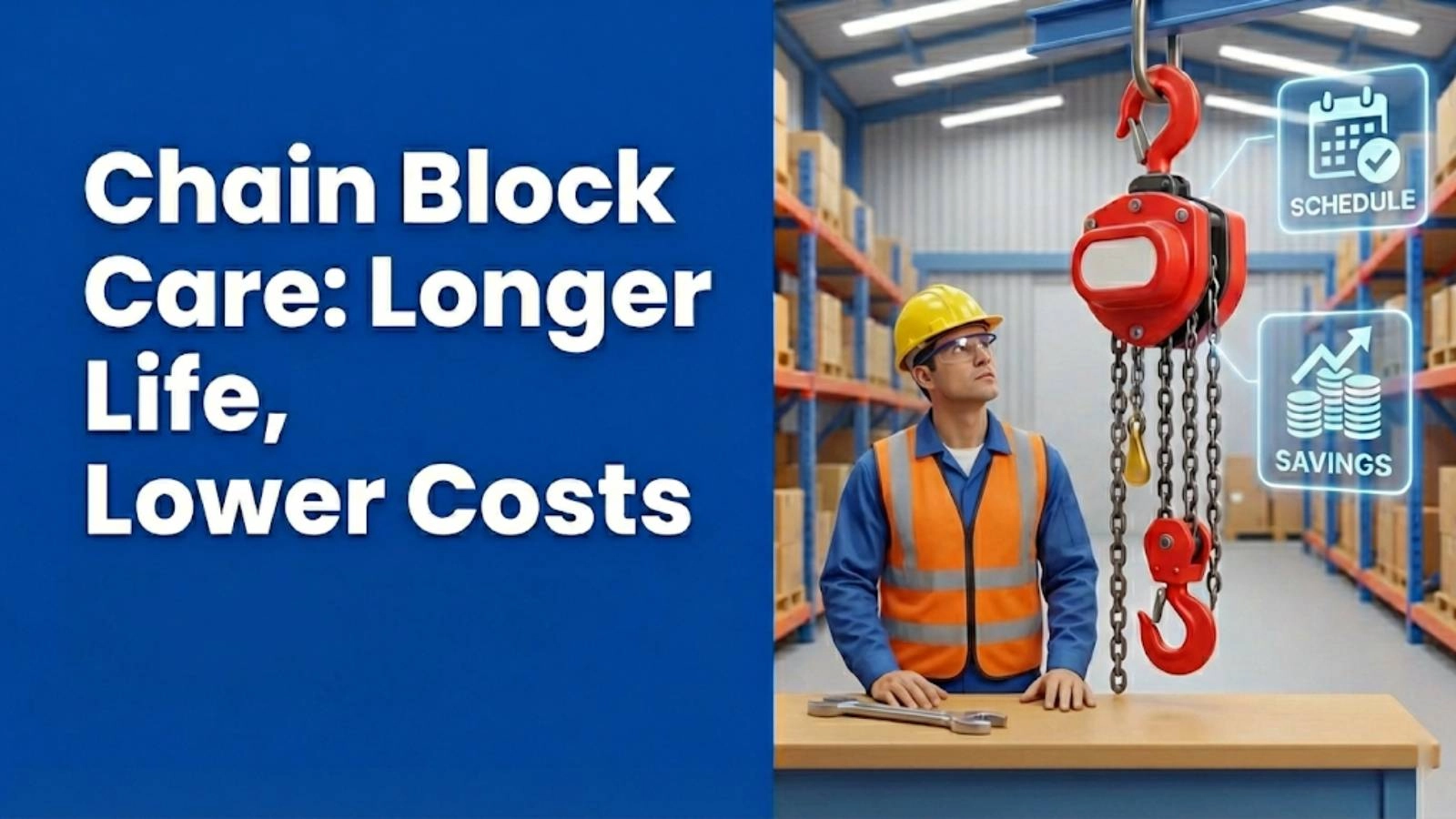
Chain Block Maintenance: Your Quick Guide
Chain blocks are indispensable tools in various industries, providing a safe and efficient way to lift heavy loads. However, their reliability hinges on consistent and thorough chain block maintenance. Neglecting maintenance can lead to equipment failure, accidents, and costly downtime.
Why Chain Block Maintenance Matters
The Importance of Regular Maintenance
Regular chain block maintenance is crucial for several reasons. First and foremost, it ensures safe lifting operations, protecting workers and preventing accidents. Consistent maintenance also prevents equipment failure, which can lead to unexpected downtime and expensive repairs. By properly maintaining your chain block, you extend its lifespan, maximizing your investment. Finally, regular maintenance helps maintain compliance with safety regulations, avoiding potential fines and legal issues. The safety of our team at SSTC depends on adherence to these protocols.
Potential Hazards of Neglecting Maintenance
Neglecting chain block maintenance can result in severe consequences. Load slippage and dropping are significant risks, potentially causing damage to property and injury to personnel. Chain breakage and component failure can occur due to wear and tear, leading to catastrophic accidents. Operator injury is a serious concern if the chain block malfunctions during operation. Furthermore, equipment downtime and repair costs can accumulate quickly if minor issues are left unaddressed. We at SSTC have witnessed firsthand the impact of neglected equipment, and the consequences are never worth the risk.
> “Regular inspection and maintenance are the cornerstones of safe lifting operations. Don’t compromise on these crucial aspects.” – John Smith, Lead Safety Inspector
Essential Tools and Materials for Chain Block Maintenance
Required Tools
To perform effective chain block maintenance, you’ll need a few essential tools. A wrench set with various sizes will be necessary for tightening and loosening bolts. A screwdriver set, including both Phillips head and flathead screwdrivers, is essential for accessing and adjusting components. A wire brush is useful for removing rust and debris from the chain and other parts. Clean rags are crucial for wiping down components and applying lubricants. Safety glasses and gloves are mandatory for protecting your eyes and hands during the maintenance process. Our team in Dubai always emphasizes the importance of proper PPE.
Recommended Materials
In addition to the essential tools, certain materials can significantly enhance your chain block maintenance efforts. A chain lubricant, specifically designed for chain blocks, is vital for reducing friction and preventing wear. A degreaser or cleaning solvent helps remove old grease and grime, ensuring optimal performance. A rust inhibitor can protect against corrosion, extending the lifespan of the chain block. Having spare parts on hand, if available, can expedite repairs and minimize downtime.
Here’s an HTML table summarizing the tools and materials for your convenience:
| Category |
Item |
Purpose |
| Tools |
Wrench Set |
Tightening/loosening bolts |
| Tools |
Screwdriver Set |
Accessing/adjusting components |
| Tools |
Wire Brush |
Removing rust and debris |
| Tools |
Clean Rags |
Wiping down components |
| Tools |
Safety Glasses & Gloves |
Personal Protection |
| Materials |
Chain Lubricant |
Reducing friction and wear |
| Materials |
Degreaser/Solvent |
Removing old grease and grime |
| Materials |
Rust Inhibitor |
Protecting against corrosion |
| Materials |
Spare Parts (Optional) |
Expediting repairs |
Step 1: Initial Inspection and Visual Check
Inspecting the Chain
Begin your chain block maintenance with a thorough inspection of the chain. Check for any kinks, twists, or damaged links, as these can weaken the chain and pose a safety hazard. Look for signs of rust or corrosion, which can compromise the chain’s integrity. Measure the chain wear to ensure it’s within acceptable limits, consulting the manufacturer’s specifications. A worn chain must be replaced immediately to prevent failure. We once encountered a client whose chain had stretched beyond the acceptable limit, causing the load to shift unexpectedly. Regular inspection could have prevented this near-miss.
Examining the Hooks
Next, carefully examine the hooks for any signs of damage. Inspect for cracks, bends, or deformation, which can significantly reduce the hook’s load-bearing capacity. Check the hook latch for proper operation, ensuring it securely closes and prevents the load from slipping. Ensure the safety clip is intact, providing an additional layer of security. Any damaged or malfunctioning hooks should be replaced promptly.
Checking the Housing and Load Sheave
Inspect the housing for dents, cracks, or other damage, as these can compromise the structural integrity of the chain block. Ensure the load sheave rotates freely, without any binding or resistance. Inspect the brake mechanism for wear or damage, as this is a critical safety component. Any issues with the housing, load sheave, or brake mechanism should be addressed immediately.
Step 2: Cleaning the Chain Block
Removing Dirt and Debris
Start the cleaning process by removing any dirt and debris from the chain block. Use a wire brush to remove surface rust and dirt from the chain and other components. Wipe down the chain and components with a clean rag to remove loose particles. Thorough cleaning is essential for proper lubrication and inspection.
Degreasing the Components
Apply a degreaser to remove old grease and grime from the chain block components. Allow the degreaser to soak for the recommended time, as specified by the manufacturer. This will help loosen stubborn deposits and ensure thorough cleaning. Wipe off the degreaser with a clean rag, removing any remaining residue.
Drying the Chain Block
After degreasing, dry the chain block thoroughly to prevent rust and corrosion. Use a clean, dry rag to wipe off any remaining moisture from the chain and components. Allow the chain block to air dry completely before proceeding to the next step. Ensure all parts are completely dry before applying lubricant.
Step 3: Lubricating the Chain Block
Applying Lubricant to the Chain
Apply a chain lubricant specifically designed for chain blocks to ensure optimal performance and longevity. Apply the lubricant evenly along the entire length of the chain, ensuring all links are coated. Work the lubricant into the chain links by hand, ensuring it penetrates all surfaces. Proper lubrication reduces friction and prevents wear, extending the lifespan of the chain. Our technicians in the field always emphasize the importance of using the correct type of lubricant.
Lubricating the Load Sheave and Hooks
Apply a small amount of lubricant to the load sheave bearings to ensure smooth rotation. Lubricate the hook swivel and latch mechanism to prevent binding and ensure proper operation. Use a lubricant that is compatible with the materials of the load sheave and hooks.
Wiping Off Excess Lubricant
After lubricating the chain block, wipe off any excess lubricant with a clean rag. Avoiding over-lubrication, which can attract dirt and debris, ultimately hindering performance. A thin, even coat of lubricant is sufficient for optimal performance.
Step 4: Inspecting the Brake Mechanism
Testing the Brake Functionality
The brake mechanism is a critical safety component of the chain block, and its functionality must be regularly tested. Lift a small load to test the brake’s holding ability, ensuring it can securely support the weight. Ensure the brake engages smoothly and securely, without any slipping or jerking. A properly functioning brake is essential for safe lifting operations.
Checking for Brake Wear
Inspect the brake pads or shoes for wear, as these components can degrade over time. Adjust the brake mechanism if necessary, following the manufacturer’s instructions. Proper brake adjustment ensures optimal performance and safety.
Listening for Unusual Noises
Pay attention to any squealing, grinding, or clicking sounds emanating from the brake mechanism. Investigate any unusual noises to identify potential problems, such as worn brake pads or damaged components. Addressing these issues promptly can prevent more serious damage and ensure safe operation.
Step 5: Testing the Chain Block
Performing a Load Test
After maintenance, perform a load test to verify the chain block’s functionality and safety. Lift a test load to the rated capacity of the chain block, as specified by the manufacturer. Observe the chain block for any signs of strain or instability, such as excessive bending or creaking. A successful load test confirms the chain block is safe for use.
Checking for Smooth Operation
Ensure the chain block operates smoothly and without binding, as this indicates proper lubrication and alignment. Verify that the load is lifted and lowered evenly, without any jerky or uneven movement. Smooth operation is essential for safe and efficient lifting.
Identifying Any Issues
During testing, carefully observe the chain block for any problems or concerns. Document any issues observed, such as slipping, binding, or unusual noises. Take the chain block out of service if any serious issues are identified, and arrange for professional repair.
Step 6: Troubleshooting Common Chain Block Problems
Chain Slippage
Chain slippage is a common problem that can compromise safety. Possible causes include a worn chain, contaminated lubricant, or brake issues. Solutions include replacing the chain, cleaning and re-lubricating the chain block, and adjusting or repairing the brake. Addressing chain slippage promptly is crucial for preventing accidents.
Difficulty Lifting Loads
Difficulty lifting loads can indicate a serious problem with the chain block. Possible causes include an overloaded chain block, damaged components, or brake drag. Solutions include reducing the load, inspecting and repairing damaged parts, and adjusting the brake. Never exceed the rated capacity of the chain block.
Jerky or Uneven Movement
Jerky or uneven movement can indicate a problem with the chain or other components. Possible causes include a kinked chain, worn gears, or lack of lubrication. Solutions include straightening the chain, replacing worn gears, and lubricating the chain block. Smooth, consistent movement is essential for safe lifting.
Step 7: Documenting Maintenance Activities
Creating a Maintenance Log
Maintaining a detailed maintenance log is crucial for tracking the service history of your chain block. Record the date and type of maintenance performed, such as cleaning, lubrication, or repairs. Note any parts replaced or repairs made, including the part number and supplier. Tracking the hours of use for the chain block can help anticipate future maintenance needs.
Keeping Inspection Records
Document the results of each inspection, including any findings or observations. Include any concerns or recommendations for future maintenance, such as the need for replacement parts or adjustments. Inspection records provide a valuable historical record of the chain block’s condition.
Storing Maintenance Records Safely
Keep the maintenance records in a secure location, protected from damage or loss. Make the records readily accessible for review by authorized personnel, such as safety inspectors or maintenance technicians. Properly stored maintenance records are essential for ensuring compliance and safety.
Step 8: Safety Precautions
Wearing Proper PPE
Always wear safety glasses and gloves when performing chain block maintenance. Use appropriate footwear and clothing to protect yourself from potential hazards. Personal protective equipment (PPE) is essential for preventing injuries. We at SSTC prioritize safety above all else.
Following Lockout/Tagout Procedures
Disconnect the chain block from any power source (if applicable) before performing maintenance. Apply lockout/tagout devices to prevent accidental operation during maintenance. Lockout/tagout procedures are crucial for preventing injuries.
Ensuring a Safe Work Area
Keep the work area clean and free of obstructions to prevent trips and falls. Provide adequate lighting to ensure good visibility. A safe work area is essential for preventing accidents during maintenance.
Step 9: Regular Inspection Schedule
Daily Checks
Perform a visual inspection of the chain, hooks, and housing before each use. Test brake functionality before each use to ensure it is working properly. Daily checks can help identify potential problems early on.
Monthly Checks
Lubricate the chain and load sheave monthly to ensure smooth operation. Inspect the brake mechanism for wear monthly, adjusting as needed. Monthly checks help maintain the chain block in optimal condition.
Annual Inspection
Schedule a comprehensive inspection by a qualified technician annually. Perform load testing to the rated capacity annually to verify the chain block’s safety. Annual inspections are essential for ensuring long-term reliability and safety. Regular inspection and maintenance, as outlined in this guide, can extend the lifespan of your chain block and minimize the risk of accidents. The table below summarizes a sample inspection checklist:
| Inspection Frequency |
Item |
Checklist |
| Daily |
Chain |
Visual inspection for damage, kinks, or corrosion |
| Daily |
Hooks |
Inspect for cracks, bends, or deformation |
| Daily |
Housing |
Check for dents, cracks, or other damage |
| Daily |
Brake |
Test functionality to ensure secure holding |
| Monthly |
Chain & Load Sheave |
Lubricate to reduce friction and wear |
| Monthly |
Brake Mechanism |
Inspect for wear and adjust as necessary |
| Annual |
Comprehensive Inspection |
Performed by a qualified technician |
| Annual |
Load Test |
Test to the rated capacity |
Conclusion
You’ve now gained a comprehensive understanding of chain block maintenance, encompassing everything from essential tools and step-by-step procedures to troubleshooting common issues and implementing a regular inspection schedule. By diligently following these guidelines, you’ll ensure the safe and efficient operation of your chain blocks, minimizing downtime and maximizing their lifespan. We’re confident that these practices will ensure a safe and productive work environment.
FAQ Section
Q: How often should I lubricate my chain block?
A: We recommend lubricating your chain block monthly as part of your regular maintenance routine. However, if the chain block is used frequently or in harsh environments, more frequent lubrication may be necessary.
Q: What type of lubricant should I use for my chain block?
A: Use a chain lubricant specifically designed for chain blocks. These lubricants are formulated to reduce friction, prevent wear, and protect against corrosion. Avoid using general-purpose lubricants, as they may not provide adequate protection.
Q: How do I know if my chain block needs repair?
A: Signs that your chain block may need repair include chain slippage, difficulty lifting loads, jerky or uneven movement, and unusual noises. If you observe any of these issues, take the chain block out of service and arrange for professional repair.
Q: Can I repair my chain block myself?
A: While some minor maintenance tasks can be performed by trained personnel, major repairs should be performed by a qualified technician. Improper repairs can compromise the safety of the chain block.
Q: What are the consequences of neglecting chain block maintenance?
A: Neglecting chain block maintenance can lead to equipment failure, accidents, and costly downtime. It can also result in operator injury and non-compliance with safety regulations. Regular maintenance is essential for ensuring safe and efficient lifting operations.
Q: Where can I find more information about chain block maintenance?
A: You can find more information about chain block maintenance in the manufacturer’s instructions, industry safety standards, and online resources. Consult with a qualified technician for specific guidance.