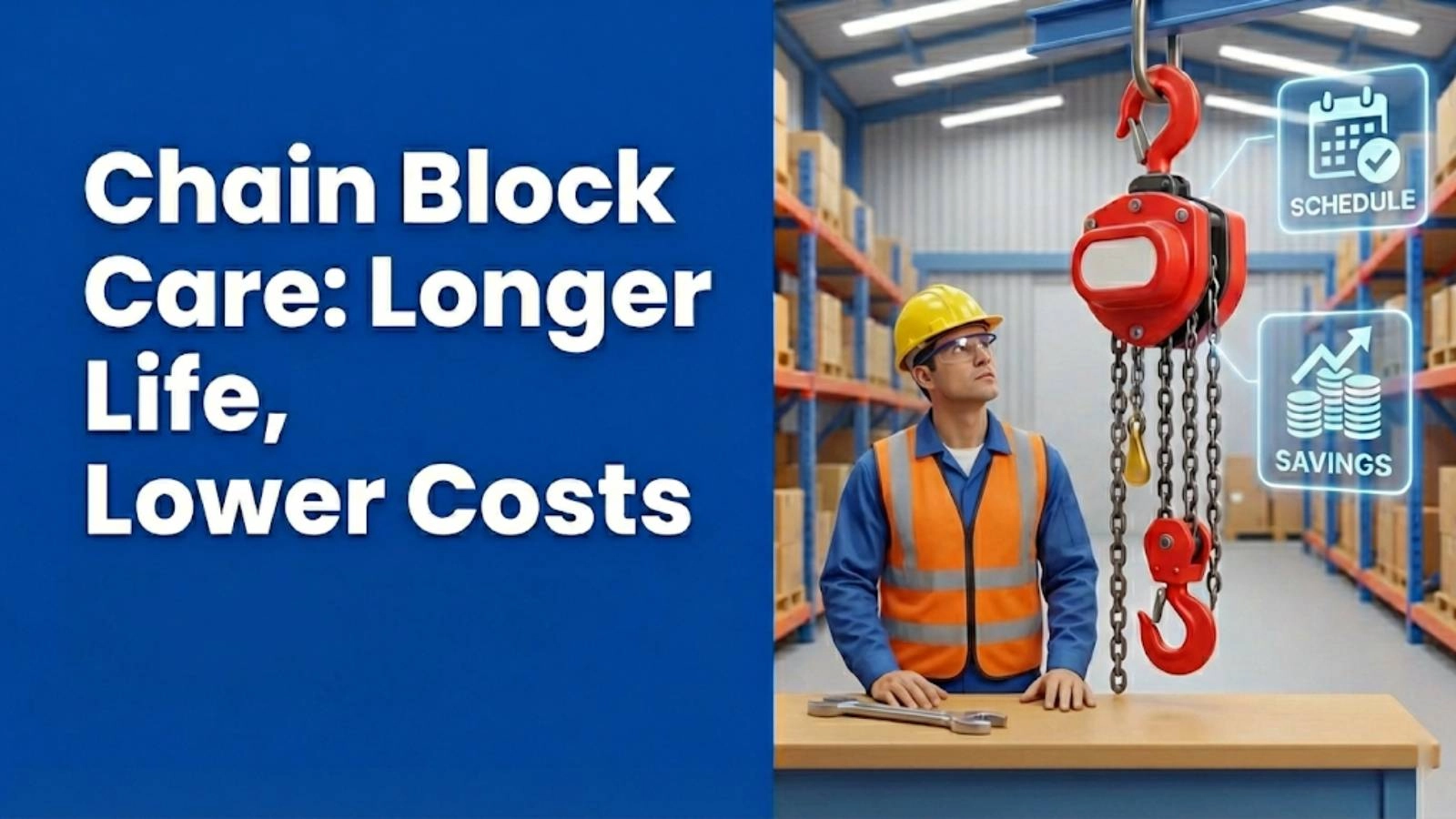
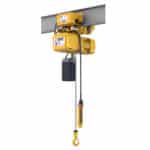
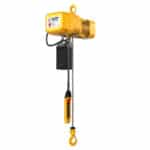
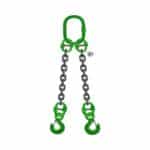
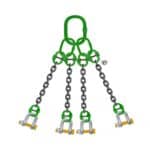
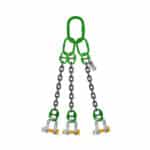
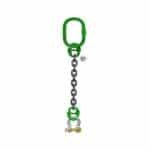
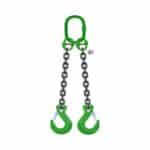
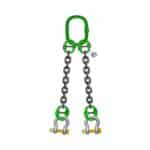
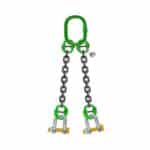
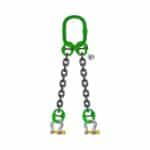
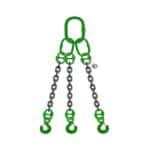
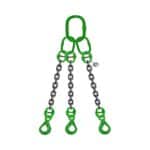
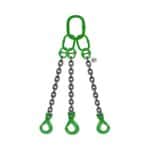
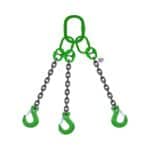
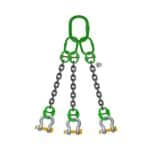
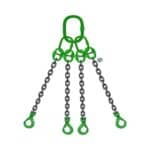
Chain blocks are indispensable tools in various industries, from construction to manufacturing, enabling the lifting and maneuvering of heavy loads with relative ease. However, their ubiquitous presence often leads to a dangerous underestimation of the potential hazards associated with their use. A seemingly minor chain block mistake can have severe consequences, ranging from equipment damage and project delays to serious injuries and even fatalities.
I recall a near-miss incident on a construction site in Dammam that underscored the importance of vigilance. A chain block, seemingly in good condition, was being used to lift a heavy steel beam. Suddenly, the chain slipped, sending the beam crashing down precariously close to several workers. A subsequent investigation revealed that the chain block had not been properly inspected prior to use, and a critical lubrication point had been missed during the last maintenance cycle.
Chain blocks are essential for lifting heavy loads. Their simple design belies the forces they endure. Overlooking basic safety procedures is a recipe for disaster. Identifying and avoiding these chain block mistakes is not just a matter of compliance; it is a fundamental responsibility for ensuring workplace safety and operational efficiency. We believe in taking proactive measures to prevent incidents before they occur.
1. Ignoring Pre-Use Inspections: The Fatal Flaw
✅ A thorough pre-use inspection is the cornerstone of safe chain block operation. We cannot overstate the importance of meticulously examining the chain block before each and every lift. This is a critical step often overlooked in the rush to get the job done, but skipping it can have catastrophic consequences. A seemingly minor defect, if left undetected, can quickly escalate into a major failure under load.
Failing to inspect is a recipe for disaster. We recommend implementing a standardized pre-use inspection checklist to ensure consistency and completeness. This checklist should cover all critical components of the chain block, including the chain, hooks, block body, and load-limiting devices. Let’s delve deeper into the specifics of what this inspection should entail.
Checking for chain wear, damage, and lubrication.
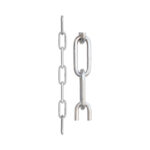
Regularly checking the chain is crucial to ensure that there is no significant wear or tear. Chain wear can be determined by measuring the length of multiple links. If the length exceeds the manufacturer’s specifications, then the chain must be replaced. Also, it is essential to look for any signs of damage, such as cracks, corrosion, or deformation of the links. Proper lubrication is key to reducing friction and preventing premature wear, making the chain run smoothly and reliably.
Examining hooks for cracks, deformation, and proper latch function.
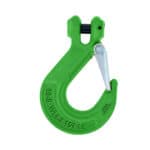
Hooks are another critical component that must be inspected before each use. Look carefully for any signs of cracks, bending, or deformation. Also, check the hook latch to make sure it is working properly. The latch is designed to keep the sling or load from slipping off the hook. A malfunctioning latch can create a serious safety hazard. If you observe any of these issues, the hook must be replaced immediately.
Inspecting the block body for any signs of damage or corrosion.
The block body should be thoroughly inspected for any signs of damage, such as cracks, dents, or corrosion. Any damage to the block body can compromise the structural integrity of the chain block, leading to potential failure. Corrosion can weaken the metal, making it more susceptible to cracking or breaking under load. If any damage or corrosion is detected, the chain block should be taken out of service and inspected by a qualified technician.
Consequences of skipping inspections can be dire. A compromised load capacity, sudden failures, and accidents can all be linked to inadequate inspection procedures. We advise that our clients prioritize safety at all times, making sure every chain block is thoroughly checked before use.
A real-life example highlights the importance of pre-use inspections. A collapsed chain block caused by undetected chain wear led to a serious injury. The incident occurred because the operator failed to inspect the chain block before lifting a heavy piece of machinery. The undetected wear caused the chain to snap under load, resulting in the machinery falling and striking a worker. This incident underscores the critical need for rigorous pre-use inspections.
2. Exceeding the Weight Limit: A Recipe for Disaster
✅ Exceeding the weight limit, also known as the Working Load Limit (WLL), is one of the most common chain block mistakes, and one of the most dangerous. Every chain block is designed and manufactured to safely lift a specific maximum weight. Exceeding this limit can lead to catastrophic failure of the equipment, resulting in serious injuries or fatalities.
Understanding the chain block’s Working Load Limit (WLL) is critical. The WLL is the maximum weight that the chain block is designed to lift safely. This limit is clearly marked on the chain block itself, and it is essential that operators understand and adhere to this limit at all times. Overloading the chain block puts excessive stress on its components, which can lead to failure.
How to identify the WLL on the chain block.
The WLL is typically marked on the chain block body, either stamped directly into the metal or on an affixed label. The marking usually includes the weight in kilograms (kg) or tons (t), and sometimes in pounds (lbs). Look for markings such as “WLL,” “Maximum Load,” or “Rated Capacity,” followed by the weight value. Make sure the markings are clear and legible. If the markings are not visible, the chain block should not be used until the WLL can be positively identified.
Why exceeding the WLL is extremely dangerous.
Exceeding the WLL is extremely dangerous because it puts excessive stress on the chain, hooks, and other critical components of the chain block. This can cause these components to deform, crack, or even break, leading to sudden failure of the chain block. Such failures can cause the load to drop unexpectedly, posing a significant risk of injury or death to workers in the area. Always ensure that the load weight is within the specified WLL.
Common mistakes in estimating load weight.
One of the common mistakes we see is inaccurately estimating the weight of the load. This can occur due to a variety of factors, such as lack of accurate information about the load, miscalculation of the weight, or failure to account for additional weight from rigging or other equipment. Always use accurate weighing methods to determine the weight of the load before lifting it with a chain block. If the weight is unknown, it is best to err on the side of caution and use a chain block with a higher WLL.
The physics of overloading involve stress, strain, and potential failure points. Overloading a chain block subjects its components to forces beyond their design capacity. This leads to excessive stress and strain, which can cause the metal to deform or fracture. The weakest points of the chain block, such as the chain links, hooks, and load-bearing pins, are particularly susceptible to failure under overload conditions. These failures can occur suddenly and without warning.
We have encountered several case studies illustrating the dangers of overloading. In one instance, a project was significantly delayed due to a worker overloading a chain block, resulting in equipment damage and lost time. The incident occurred when the crew attempted to lift a piece of machinery that was heavier than the chain block’s WLL. The chain block failed under the load, causing the machinery to fall and damaging both the machinery and the chain block. This incident not only caused significant financial losses but also put the workers at risk of injury.
3. Improper Sling Use: Compromising Stability
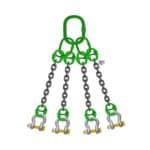
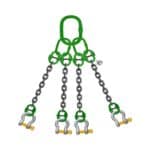
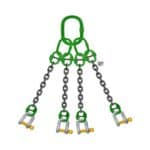
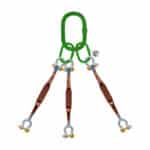
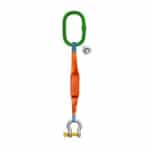
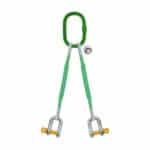
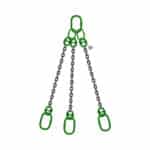
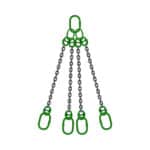
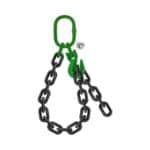
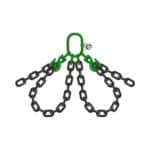
✅ Improper sling use is another significant factor contributing to chain block accidents. Slings are used to connect the load to the chain block, and their proper selection and use are critical for ensuring stability and preventing accidents. Using the wrong type of sling, using damaged slings, or using slings incorrectly can create a hazardous situation.
The correct way to use slings with chain blocks involves selecting the appropriate sling for the load, ensuring proper sling angle and load distribution, and avoiding sharp edges and abrasive surfaces. We advise our clients to prioritize this aspect to avoid accidents. Proper sling use ensures that the load is securely and safely attached to the chain block.
Selecting the right type of sling for the load (chain, wire rope, synthetic).
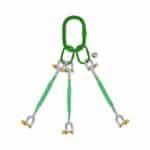
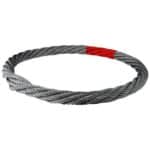
Selecting the right type of sling for the load is essential for safe lifting. Chain slings are strong and durable and resistant to abrasion and high temperatures. They are ideal for heavy loads and harsh environments. Wire rope slings are also strong and durable, but they are more flexible than chain slings. They are suitable for loads that require more gentle handling. Synthetic slings, such as nylon or polyester slings, are lightweight and easy to handle. They are ideal for delicate loads that could be damaged by chain or wire rope slings.
Ensuring proper sling angle and load distribution.
Sling angle and load distribution play a critical role in the stability of the load. The angle between the slings and the load should be minimized to reduce the tension on the slings. As the sling angle increases, the tension on the slings also increases. Uneven load distribution can also create instability. Ensure that the load is evenly distributed among the slings to prevent any one sling from being overloaded.
Avoiding sharp edges and abrasive surfaces.
Sharp edges and abrasive surfaces can damage slings, reducing their strength and increasing the risk of failure. Protect slings from sharp edges by using padding or edge protectors. Avoid dragging slings over abrasive surfaces, as this can wear them down. Regularly inspect slings for any signs of damage, such as cuts, abrasions, or deformation.
Common mistakes include using damaged slings, incorrect sling angles, and creating uneven load distribution. These mistakes can compromise the stability of the load and increase the risk of accidents. For example, using a sling with cuts or abrasions can cause it to fail under load. Using an incorrect sling angle can overload the slings. Creating uneven load distribution can cause the load to shift or fall.
Here’s an example of how improper sling usage caused an incident. A load shifted and nearly fell due to improper sling usage. The incident occurred when the crew used slings that were too long, creating an excessive sling angle. As the load was lifted, it began to sway, causing one of the slings to slip off the load. Fortunately, the load was quickly lowered before it could fall completely. This incident highlights the importance of using the correct slings and ensuring proper sling angles.
4. Neglecting Proper Chain Block Maintenance: A Slow Decline
✅ Neglecting proper chain block maintenance is a surefire way to shorten its lifespan and increase the risk of failure. Chain blocks are precision machines that require regular cleaning, lubrication, and inspection to ensure optimal performance and safety. Failure to maintain them properly can lead to increased friction, reduced efficiency, and premature failure.
The importance of regular cleaning, lubrication, and maintenance cannot be overstated. Regular cleaning removes dirt, grime, and other contaminants that can cause wear and tear on the chain block components. Lubrication reduces friction, making the chain block easier to operate and preventing premature wear. Regular inspection allows you to identify and address potential problems before they can lead to failure.
Recommended maintenance schedule for chain blocks.
A recommended maintenance schedule for chain blocks should include daily, monthly, and annual inspections. Daily inspections should include a visual check of the chain, hooks, and block body for any signs of damage or wear. Monthly inspections should include a more thorough examination of all components, including lubrication of the chain and moving parts. Annual inspections should be performed by a qualified technician and should include a load test to verify the chain block’s load capacity.
Proper lubrication techniques and suitable lubricants.
Proper lubrication is essential for maintaining the smooth operation of the chain block. Use a high-quality lubricant specifically designed for chain blocks. Apply the lubricant to the chain, hooks, and other moving parts, following the manufacturer’s recommendations. Avoid using excessive lubricant, as this can attract dirt and grime. Wipe off any excess lubricant after application.
Identifying signs of wear and tear that require replacement.
Identifying signs of wear and tear is critical for preventing chain block failures. Look for signs of chain wear, such as elongated links, cracks, or corrosion. Check the hooks for any signs of bending, deformation, or cracks. Inspect the block body for any signs of damage, such as cracks, dents, or corrosion. If any of these signs are detected, the chain block should be taken out of service and inspected by a qualified technician.
The consequences of neglecting maintenance are increased friction, reduced efficiency, and premature failure. Increased friction makes the chain block harder to operate, requiring more effort to lift the load. Reduced efficiency means that the chain block may not be able to lift as much weight as it is rated for. Premature failure can lead to accidents and injuries.
One of our clients in Jubail doubled the lifespan of their chain blocks through consistent maintenance. They implemented a comprehensive maintenance program that included daily inspections, monthly lubrication, and annual load testing. As a result, they were able to extend the lifespan of their chain blocks significantly, saving them money and reducing the risk of accidents. We’ve seen maintenance work wonders.
5. Operating Without Proper Training: A Dangerous Gamble
✅ Operating a chain block without proper training is akin to playing a dangerous game with workplace safety. Chain blocks, while seemingly simple in design, require a thorough understanding of their operation, limitations, and safety protocols. Untrained operators are more likely to make mistakes, engage in unsafe practices, and increase the risk of accidents.
The need for comprehensive training for chain block operators cannot be overemphasized. Training should cover all aspects of chain block operation, including pre-use inspections, safe lifting practices, load handling, and emergency procedures. Operators should also be trained to recognize potential hazards and how to mitigate them.
Key elements of a chain block operator training program.
A comprehensive chain block operator training program should include the following key elements: basic principles of chain block operation, pre-use inspection procedures, safe lifting practices, load handling techniques, emergency procedures, hazard recognition, and regulatory requirements. The training should be a combination of classroom instruction and hands-on practice.
Understanding safe operating procedures and emergency protocols.
Operators must be trained in safe operating procedures, including proper lifting techniques, load control, and communication protocols. They should also be trained in emergency protocols, such as what to do in the event of a chain block failure, load shift, or other emergency situation. Understanding these procedures and protocols is crucial for preventing accidents and minimizing the consequences of any incidents.
Recognizing potential hazards and how to mitigate them.
Training should also focus on recognizing potential hazards associated with chain block operation. These hazards can include overloading, improper sling use, damaged equipment, environmental factors, and human error. Operators should be trained to identify these hazards and take appropriate measures to mitigate them, such as using the correct equipment, following safe operating procedures, and communicating potential risks to the team.
Risks associated with untrained operators are incorrect operation, unsafe practices, and increased accident risk. Untrained operators may not know how to properly inspect the chain block, how to safely lift a load, or how to respond to an emergency situation. This can lead to accidents and injuries.
“Effective training is paramount. Operators must understand the equipment’s limitations and safety protocols to prevent accidents.” – Eng. Aali, Safety Manager, SSTC Training Division.
6. Environmental Factors: Ignoring the Impact
✅ Environmental factors can significantly affect chain block performance and longevity. Exposure to corrosive substances, extreme temperatures, and dusty environments can all contribute to premature wear and tear, increasing the risk of failure. Ignoring these environmental factors can shorten the lifespan of your chain blocks and compromise their safety.
How the environment affects chain block performance and longevity is a critical consideration. Chain blocks used in harsh environments require more frequent maintenance and may need to be replaced more often. We always ensure our clients are aware of this fact when offering our recommendations.
Exposure to corrosive substances (chemicals, saltwater).
Exposure to corrosive substances such as chemicals and saltwater can cause rapid corrosion of chain block components. Corrosion weakens the metal, making it more susceptible to cracking or breaking under load. Chain blocks used in these environments should be made from corrosion-resistant materials and should be cleaned and lubricated frequently.
Extreme temperatures (heat, cold).
Extreme temperatures can also affect chain block performance. High temperatures can cause the lubricant to break down, increasing friction and wear. Cold temperatures can cause the metal to become brittle, making it more susceptible to cracking. Chain blocks used in extreme temperatures should be made from materials that are resistant to temperature changes and should be lubricated with a lubricant that is designed for those temperatures.
Dusty and abrasive environments.
Dusty and abrasive environments can cause wear and tear on chain block components. Dust and abrasive particles can get into the moving parts of the chain block, causing friction and wear. Chain blocks used in these environments should be cleaned and lubricated frequently.
Mitigation strategies include protective coatings, regular cleaning, and proper storage. Protective coatings can help to protect chain block components from corrosion and abrasion. Regular cleaning removes dirt, grime, and other contaminants that can cause wear and tear. Proper storage protects chain blocks from environmental factors when they are not in use.
Chain blocks used in marine environments require specialized maintenance to prevent corrosion. Saltwater is highly corrosive and can quickly damage chain block components. Chain blocks used in these environments should be made from corrosion-resistant materials and should be cleaned and lubricated frequently with a lubricant specifically designed for marine environments.
7. Shortcuts and Improvisation: Bypassing Safety Protocols
✅ Taking shortcuts and improvising lifting setups are dangerous practices that can lead to serious accidents. Bypassing safety protocols to save time or effort can compromise the safety of the entire operation. It is important to always follow established safety procedures and to never take shortcuts when working with chain blocks.
The dangers of taking shortcuts to save time or effort are numerous. Shortcuts can lead to accidents, injuries, and even fatalities. They can also damage equipment and delay projects. It is never worth taking a shortcut when it comes to safety.
Using makeshift rigging solutions.
Using makeshift rigging solutions is a common shortcut that can have serious consequences. Makeshift rigging solutions are often not strong enough to handle the load, and they can fail unexpectedly. Always use certified rigging equipment that is designed for the specific lifting application.
Ignoring established safety procedures.
Ignoring established safety procedures is another dangerous shortcut. Safety procedures are in place to protect workers from hazards. Ignoring these procedures can increase the risk of accidents and injuries. Always follow established safety procedures when working with chain blocks.
Bypassing safety interlocks or mechanisms.
Bypassing safety interlocks or mechanisms is a particularly dangerous shortcut. Safety interlocks and mechanisms are designed to prevent accidents. Bypassing these devices can disable important safety features, increasing the risk of accidents. Never bypass safety interlocks or mechanisms.
The slippery slope of complacency is how shortcuts can lead to accidents. Complacency can cause workers to become less vigilant and less likely to follow safety procedures. This can lead to a gradual increase in the risk of accidents. It is important to always remain vigilant and to never become complacent when working with chain blocks.
We’ve seen numerous case studies illustrating the dangers of shortcuts. A near-fatal incident was caused by a worker improvising a lifting setup. The worker attempted to lift a heavy load using a chain block and a makeshift sling. The sling failed under the load, causing the load to fall and nearly strike the worker. This incident highlights the importance of using certified rigging equipment and following established safety procedures.
8. Inadequate Storage Practices: Inviting Damage
✅ Inadequate storage practices can significantly reduce the lifespan of chain blocks and increase the risk of equipment failure. Improper storage can expose chain blocks to moisture, dust, and other contaminants, leading to corrosion, damage to chains and hooks, and reduced lifespan. Proper storage methods are essential for protecting chain blocks from damage and ensuring their longevity.
Proper storage methods are important to protect chain blocks from damage. These methods include storing chain blocks in a clean, dry environment, protecting chain blocks from impacts and abrasion, and using dedicated storage racks or containers. We tell our clients here in Dammam that following these steps will improve safety and productivity.
Storing chain blocks in a clean, dry environment.
Storing chain blocks in a clean, dry environment is essential for preventing corrosion and damage. Moisture can cause corrosion, which weakens the metal and increases the risk of failure. Dust and other contaminants can get into the moving parts of the chain block, causing friction and wear. Store chain blocks in a clean, dry environment to protect them from these hazards.
Protecting chain blocks from impacts and abrasion.
Impacts and abrasion can damage chain block components, such as the chain, hooks, and block body. Store chain blocks in a way that protects them from impacts and abrasion. Avoid dropping chain blocks or dragging them across rough surfaces.
Using dedicated storage racks or containers.
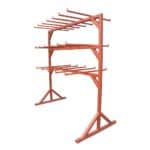
Using dedicated storage racks or containers can help to protect chain blocks from damage and keep them organized. Storage racks provide a safe and secure place to store chain blocks, preventing them from being damaged or lost. Containers can help to protect chain blocks from moisture, dust, and other contaminants.
Consequences of poor storage include corrosion, damage to chains and hooks, and reduced lifespan. Corrosion weakens the metal, making it more susceptible to cracking or breaking under load. Damage to chains and hooks can compromise the safety of the chain block. Reduced lifespan means that the chain block will need to be replaced more often, increasing costs.
Here’s an example of how proper storage helps maximize longevity. We visited a warehouse where chain blocks are neatly stored on dedicated racks, maximizing their lifespan. The warehouse implemented a comprehensive storage program that included cleaning and lubricating the chain blocks before storing them, storing them in a clean, dry environment, and using dedicated storage racks. As a result, they were able to extend the lifespan of their chain blocks significantly.
9. Lack of Communication and Coordination: The Human Factor
✅ Lack of communication and coordination during lifting operations can lead to serious accidents and injuries. Clear communication and teamwork are essential for ensuring the safety of all involved personnel. Establishing clear hand signals, coordinating lifting operations, and communicating potential hazards are all critical for preventing accidents.
The importance of clear communication and teamwork during lifting operations cannot be overstated. Clear communication ensures that everyone is on the same page and that potential hazards are identified and addressed. Teamwork ensures that the lifting operation is performed safely and efficiently.
Establishing clear hand signals and communication protocols.
Establishing clear hand signals and communication protocols is essential for effective communication during lifting operations. Hand signals provide a visual means of communication between the operator, the rigger, and other personnel involved in the lifting operation. Communication protocols ensure that everyone understands the hand signals and that communication is clear and concise.
Coordinating lifting operations with all involved personnel.
Coordinating lifting operations with all involved personnel is essential for ensuring that the lifting operation is performed safely and efficiently. This includes coordinating the timing of the lift, the path of the load, and the placement of personnel. Everyone involved in the lifting operation should be aware of their roles and responsibilities.
Identifying potential hazards and communicating them to the team.
Identifying potential hazards and communicating them to the team is crucial for preventing accidents. Potential hazards can include overhead obstructions, unstable loads, and slippery surfaces. Everyone involved in the lifting operation should be trained to recognize these hazards and to communicate them to the team.
Miscommunication can lead to accidents and injuries. For example, if the operator does not understand the rigger’s hand signals, the operator may lift the load incorrectly, causing it to shift or fall. If the team is not aware of potential hazards, they may be exposed to unnecessary risks.
Here is a scenario of a lifting operation gone wrong due to a breakdown in communication. The operator misunderstood the rigger’s hand signal, causing the load to swing unexpectedly. The load struck a nearby worker, causing a serious injury. This incident highlights the importance of clear communication and teamwork during lifting operations.
10. Ignoring Warning Signs: Missing the Signals
✅ Ignoring warning signs of chain block problems is a critical mistake that can lead to catastrophic failures. Chain blocks often exhibit early warning signs of impending problems, such as unusual noises, difficulty operating, or visible signs of wear and tear. Recognizing these warning signs and taking prompt action can prevent accidents and extend the lifespan of the chain block.
Recognizing early warning signs of chain block problems is crucial for preventing accidents. These warning signs can indicate that the chain block is in need of maintenance or repair. Ignoring these warning signs can lead to a sudden failure of the chain block, resulting in serious injuries or fatalities.
Unusual noises (grinding, clicking).
Unusual noises, such as grinding or clicking, can indicate that there is a problem with the internal components of the chain block. These noises may be caused by worn gears, damaged bearings, or a lack of lubrication. If you hear any unusual noises, stop operation and inspect the chain block.
Difficulty operating the chain block.
Difficulty operating the chain block can also indicate that there is a problem. If the chain block is difficult to pull or if the load is not lifting smoothly, there may be a problem with the chain, gears, or other components. Stop operation and inspect the chain block.
Visible signs of wear and tear.
Visible signs of wear and tear can also indicate that there is a problem with the chain block. Look for signs of chain wear, such as elongated links, cracks, or corrosion. Check the hooks for any signs of bending, deformation, or cracks. Inspect the block body for any signs of damage, such as cracks, dents, or corrosion.
Taking action when warning signs are detected means stopping operation, inspecting the chain block, and reporting the issue. If you detect any warning signs, stop operation immediately and inspect the chain block. If you are not qualified to inspect the chain block, report the issue to a qualified technician.
Here’s an example of a worker who identified a problem early, preventing a major failure. A worker noticed an unusual clicking sound while operating a chain block. He stopped operation immediately and inspected the chain block. He discovered that one of the gears was worn and cracked. He reported the issue to his supervisor, who took the chain block out of service and had it repaired. This worker’s quick thinking and prompt action prevented a major failure and potentially saved lives.
Conclusion: Mastering Chain Block Safety
Mastering chain block safety requires a comprehensive understanding of potential hazards and a commitment to following established safety procedures. The most common and dangerous chain block mistakes include ignoring pre-use inspections, exceeding the weight limit, improper sling use, neglecting proper maintenance, and operating without proper training. These mistakes can lead to serious accidents, injuries, and even fatalities.
Prioritizing training, inspection, and maintenance is essential for ensuring chain block safety. Comprehensive training equips operators with the knowledge and skills necessary to operate chain blocks safely. Regular inspections identify potential problems before they can lead to accidents. Proper maintenance extends the lifespan of chain blocks and reduces the risk of failure.
We, at Safe and Secure Trading Company, emphasize prioritizing safety in all lifting operations to ensure workplace safety. By avoiding common chain block mistakes and implementing comprehensive safety programs, we can create a safer working environment for everyone.
FAQ Section
Q: How often should chain blocks be inspected?
A: Chain blocks should be inspected before each use, monthly, and annually by a qualified technician. Pre-use inspections should include a visual check of the chain, hooks, and block body for any signs of damage or wear. Monthly inspections should include a more thorough examination of all components, including lubrication of the chain and moving parts. Annual inspections should include a load test to verify the chain block’s load capacity.
Q: What is the Working Load Limit (WLL)?
A: The Working Load Limit (WLL) is the maximum weight that a chain block is designed to lift safely. This limit is clearly marked on the chain block itself, and it is essential that operators understand and adhere to this limit at all times.
Q: What type of slings should be used with chain blocks?
A: The type of sling used with a chain block depends on the load and the environment. Chain slings are strong and durable and resistant to abrasion and high temperatures. Wire rope slings are also strong and durable, but they are more flexible than chain slings. Synthetic slings, such as nylon or polyester slings, are lightweight and easy to handle.
Q: How should chain blocks be stored?
A: Chain blocks should be stored in a clean, dry environment, protected from impacts and abrasion. Dedicated storage racks or containers can help to protect chain blocks from damage and keep them organized.
Q: What should I do if I detect a problem with a chain block?
A: If you detect any problems with a chain block, stop operation immediately and inspect the chain block. If you are not qualified to inspect the chain block, report the issue to a qualified technician. Do not use a damaged chain block.
Q: What are the consequences of using chain blocks incorrectly?
A: Consequences of using chain blocks incorrectly include:
- Accidents leading to injuries and even fatalities
- Equipment damage which could cause project delays and financial losses
- Damage to the load being lifted
- Increased wear and tear on the equipment leading to a reduced lifespan
Q: Where can I find more information on chain block safety?
A: More information on chain block safety can be found at Safe and Secure Trading Company (SSTC). We have qualified professionals who are dedicated to training individuals on the safe operating procedures involved with chain blocks and other lifting equipment.