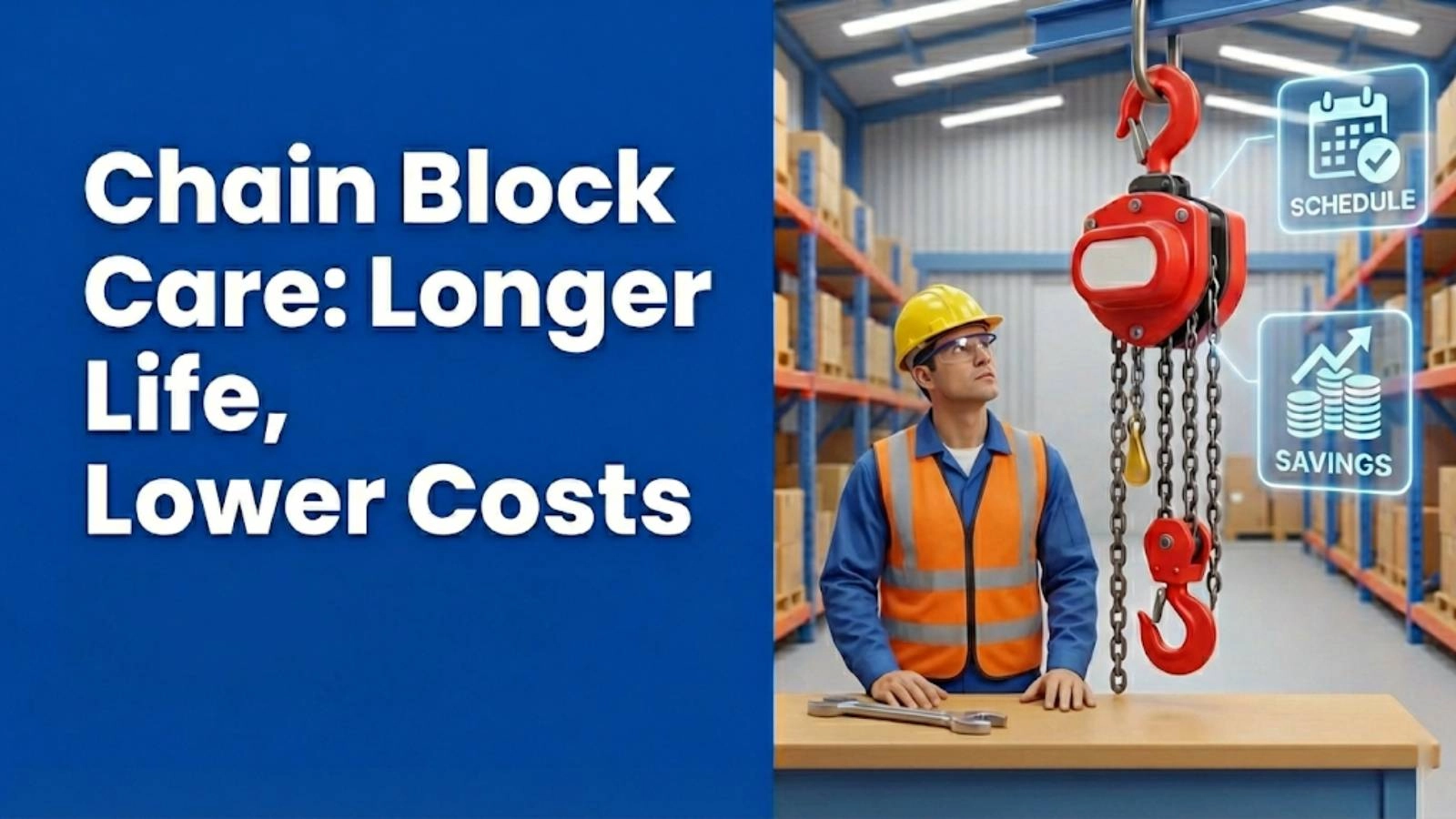
Chain blocks are indispensable tools in numerous industries, facilitating the lifting and lowering of heavy loads with precision and ease. However, their safe and efficient operation hinges on avoiding common mistakes that can lead to accidents, injuries, and equipment damage. At Safe and Secure Trading Company (SSTC), we are committed to promoting safe lifting practices and providing comprehensive solutions to mitigate risks associated with chain block usage. This article outlines critical chain block mistakes to avoid and highlights best practices to ensure safe and secure operations.
1. ❌ Ignoring Pre-Use Inspections (and ✅ Why They’re Crucial)
1.1. Common Mistake: Skipping the Visual Check
One of the most prevalent chain block mistakes is neglecting the initial visual inspection before each use. Workers often overlook this crucial step due to time constraints, complacency, or a lack of awareness regarding the importance of identifying potential issues. This oversight can have severe consequences, as undetected damage or wear can compromise the chain block’s integrity and lead to catastrophic failure during operation. We’ve observed that many users assume the equipment is safe if it was working fine the previous day, ignoring the fact that damage could have occurred in the interim.
1.2. The Risk: Undetected Damage and Potential Failure
The failure to conduct a thorough pre-use inspection can result in the use of a damaged or faulty chain block, significantly increasing the risk of accidents and injuries. Undetected cracks, corrosion, or worn components can weaken the chain block, making it susceptible to failure under load. Such failures can lead to dropped loads, equipment damage, and severe harm to personnel in the vicinity. In our experience, even seemingly minor defects can escalate rapidly under the stress of lifting heavy objects.
1.3. The Solution: Implementing a Pre-Use Checklist
To mitigate the risk of using a compromised chain block, it is essential to implement a comprehensive pre-use checklist. This checklist should include a visual inspection of the chain, hooks, body, and load-limiting devices. Look for signs of wear, corrosion, cracks, or deformation. Additionally, the checklist should include a function test to ensure the chain block operates smoothly and the braking mechanism is functioning correctly. This proactive approach helps identify potential problems before they escalate into hazardous situations.
1.4. SSTC Recommendation: Our Dammam clients find colored tags, updated daily, help verify inspections.
At SSTC, we understand the importance of visual aids in reinforcing safety protocols. For our clients in Dammam and beyond, we recommend implementing a system of colored tags that are updated daily to verify that pre-use inspections have been completed. This simple yet effective method provides a clear indication of the chain block’s status and helps prevent the use of uninspected equipment. This system, combined with regular training, significantly enhances workplace safety.
2. ⚠️ Exceeding the Weight Limit (and ✅ How to Calculate Load Capacity Accurately)
2.1. Common Mistake: Guessing the Load Weight
Another common and dangerous chain block mistake is estimating the weight of the load instead of accurately measuring it. Many workers rely on their judgment or experience to determine the load’s weight, which can lead to significant errors. This is particularly problematic when dealing with irregularly shaped or unfamiliar objects, where accurate estimation becomes even more challenging. Human perception is often unreliable, and even experienced personnel can underestimate or overestimate the weight of a load.
2.2. The Risk: Overloading the Chain Block and Causing Catastrophic Failure
Overloading a chain block beyond its rated capacity can have catastrophic consequences. Excessive weight can cause the chain, hooks, or other critical components to fail, resulting in a dropped load, equipment damage, and serious injury to personnel. The strain of overloading can also cause internal damage to the chain block, weakening it even if it doesn’t fail immediately, leading to future problems. Safe lifting practices always require a precise understanding of the load.
2.3. The Solution: Using Weighing Devices and Understanding Load Charts
To avoid overloading a chain block, it is imperative to use weighing devices to determine the precise weight of the load. Calibrated scales, load cells, and dynamometers provide accurate measurements, ensuring that the load does not exceed the chain block’s capacity. Additionally, it is crucial to understand and interpret load charts, which specify the maximum permissible load for different lifting configurations. This information should be readily available and clearly understood by all personnel involved in lifting operations.
2.4. The SSTC Approach: We provide training on accurate load assessment to all our clients.
At SSTC, we emphasize the importance of accurate load assessment. We provide comprehensive training programs to all our clients, equipping their personnel with the knowledge and skills necessary to determine load weights accurately. Our training includes instruction on using weighing devices, interpreting load charts, and applying safe lifting practices. By investing in training, our clients can significantly reduce the risk of overloading and enhance workplace safety.
3. ⛓️ Improper Chain Maintenance (and ✅ How to Keep Your Chain in Top Condition)
3.1. Common Mistake: Neglecting Lubrication and Cleaning
A frequent chain block mistake is neglecting regular lubrication and cleaning of the chain. Over time, dirt, debris, and moisture can accumulate on the chain, leading to corrosion, increased friction, and accelerated wear. This neglect can significantly reduce the chain’s lifespan and compromise its ability to safely lift loads. Many users underestimate the impact of a dirty or unlubricated chain on the overall performance of the chain block.
3.2. The Risk: Chain Wear and Reduced Lifting Capacity
Lack of lubrication and cleaning leads to chain wear, which directly impacts the chain block’s lifting capacity and overall safety. As the chain wears, its links become thinner and weaker, reducing its ability to withstand the rated load. This wear can also cause the chain to bind or jam, leading to jerky movements and potentially causing the load to swing or drop. Ultimately, a worn chain increases the risk of chain failure and accidents.
3.3. The Solution: Implementing a Regular Maintenance Schedule
To ensure optimal performance and longevity, it is crucial to implement a regular maintenance schedule for chain blocks. This schedule should include regular lubrication of the chain with a high-quality lubricant designed for lifting equipment. Cleaning the chain to remove dirt and debris is also essential. The frequency of lubrication and cleaning will depend on the chain block’s usage and environmental conditions, but a general guideline is to lubricate the chain at least monthly and clean it as needed.
3.4. SSTC Expertise: We offer maintenance programs tailored to specific chain block usage.
At SSTC, we offer customized maintenance programs tailored to the specific usage and environmental conditions of our clients’ chain blocks. Our experienced technicians can assess the chain block’s operating environment and develop a maintenance schedule that ensures optimal performance and longevity. Our maintenance programs include lubrication, cleaning, inspection, and repair services, providing our clients with peace of mind and reduced downtime.
4. 📍 Incorrect Sling and Hook Placement (and ✅ How to Ensure Secure Connections)
4.1. Common Mistake: Using Worn or Damaged Slings
A significant chain block mistake involves using worn or damaged slings when connecting the load to the chain block. Slings are a critical component of the lifting system, and their integrity is paramount to ensuring safe and secure lifting operations. Using slings that are frayed, cut, or otherwise damaged can lead to sling failure and dropped loads. Many users fail to recognize the subtle signs of sling damage, putting themselves and others at risk.
4.2. The Risk: Sling Failure and Dropped Loads
Sling failure can result in dropped loads, which can cause severe injuries, equipment damage, and even fatalities. The sudden release of a heavy load can create a dangerous environment, with the potential for crushing injuries, impact injuries, and other serious harm. Additionally, sling failure can damage the load itself, leading to costly repairs or replacement. Therefore, proper sling inspection and connection techniques are essential for preventing accidents.
4.3. The Solution: Proper Sling Inspection and Connection Techniques
To avoid sling failure, it is crucial to implement a rigorous sling inspection program. Slings should be inspected before each use for signs of wear, damage, or degradation. The inspection should include checking for cuts, abrasions, frays, corrosion, and deformation. Damaged slings should be immediately removed from service and replaced. Additionally, proper connection techniques should be followed to ensure that the sling is securely attached to both the load and the chain block.
4.4. Expert Quote:
“The weakest link determines the strength of the entire system. Always inspect your slings and hooks before each lift.” – John Doe, Certified Lifting Inspector
5. 🕹️ Using the Chain Block at an Angle (and ✅ Why Vertical Lifting is Essential)
5.1. Common Mistake: Pulling the Chain at an Angle
One frequent chain block mistake is pulling the chain at an angle, rather than directly vertically. This can occur when the operator is not positioned directly below the load or when the load is not properly aligned with the chain block. Pulling the chain at an angle can create uneven load distribution and excessive stress on the chain and other components, increasing the risk of failure. We have witnessed situations where operators, in an attempt to expedite the lifting process, disregard the importance of vertical alignment.
5.2. The Risk: Uneven Load Distribution and Chain Stress
When the chain is pulled at an angle, the load is not distributed evenly across the chain and other components. This can lead to excessive stress on one side of the chain, increasing the risk of chain breakage or slippage. Additionally, pulling at an angle can cause the load to swing or move unpredictably, creating a hazardous situation for personnel in the vicinity. It is crucial to maintain vertical alignment to ensure safe and controlled lifting.
5.3. The Solution: Ensuring Vertical Alignment
To avoid the risks associated with pulling the chain at an angle, it is essential to ensure vertical alignment between the chain block and the load. This can be achieved by positioning the operator directly below the load and using tag lines to control the load’s movement. Tag lines are ropes attached to the load that allow personnel to guide the load and prevent it from swinging or rotating. By maintaining vertical alignment and using tag lines, you can ensure safe and controlled lifting operations.
5.4. SSTC Tip: For many of our clients here in Dammam, we recommend using tag lines to control the load.
At SSTC, we strongly advocate the use of tag lines to control the load and maintain vertical alignment. For many of our clients here in Dammam, where wind conditions can be challenging, we recommend using longer tag lines and providing additional training on their proper use. Tag lines not only help control the load’s movement but also keep personnel at a safe distance from the load, reducing the risk of injury in case of equipment failure.
6. ⛔ Improper Storage of Chain Blocks (and ✅ Best Practices for Longevity)
6.1. Common Mistake: Leaving Chain Blocks Exposed to the Elements
A common chain block mistake is leaving them exposed to the elements when not in use. This neglect leads to rust and corrosion, particularly in humid or coastal environments. Many operators believe that occasional use justifies neglecting proper storage, failing to recognize the cumulative damage caused by exposure.
6.2. The Risk: Rust and Corrosion Leading to Weakened Components
Rust and corrosion are significant threats to the structural integrity of chain blocks. These elements weaken the chain, hooks, and other critical components, ultimately reducing the device’s lifting capacity and increasing the risk of failure. Corrosion can also seize moving parts, making the chain block difficult to operate and potentially leading to sudden breakdowns.
6.3. The Solution: Storing Chain Blocks in a Dry, Protected Environment
To prevent rust and corrosion, chain blocks should be stored in a dry, protected environment when not in use. This includes cleaning the chain block before storage to remove dirt, debris, and moisture. Ideally, the chain block should be stored indoors in a designated storage area. If indoor storage is not possible, the chain block should be covered with a waterproof tarp or other protective cover to shield it from the elements.
6.4. SSTC Recommendation: For long-term storage, apply a rust inhibitor to the chain.
At SSTC, we recommend applying a rust inhibitor to the chain before long-term storage. Rust inhibitors create a protective barrier that prevents moisture from reaching the chain, reducing the risk of corrosion. Additionally, we recommend inspecting the chain block regularly during storage to ensure that it remains in good condition. Proactive storage practices can significantly extend the lifespan of chain blocks and reduce maintenance costs.
7. 🚫 Neglecting Training and Certification (and ✅ Why Competency is Key)
7.1. Common Mistake: Allowing Untrained Personnel to Operate Chain Blocks
A dangerous chain block mistake is allowing untrained personnel to operate them. Operating a chain block requires specific knowledge and skills to ensure safe and efficient lifting operations. Allowing individuals without proper training to operate chain blocks increases the risk of accidents, injuries, and equipment damage. Many organizations underestimate the complexity of chain block operation and fail to provide adequate training to their personnel.
7.2. The Risk: Increased Risk of Accidents and Injuries
Inadequate training contributes to a higher incidence of accidents, injuries, and equipment damage. Untrained operators may not be aware of safe lifting practices, load capacity limits, or proper inspection procedures. They may also lack the skills to operate the chain block smoothly and safely, increasing the risk of dropped loads, collisions, and other hazardous situations. Comprehensive training is essential for ensuring safe and efficient chain block operation.
7.3. The Solution: Providing Comprehensive Training Programs
To mitigate the risks associated with untrained operators, it is crucial to provide comprehensive training programs for all personnel who operate chain blocks. These programs should cover topics such as safe lifting practices, load capacity limits, inspection procedures, and proper operating techniques. Training should include both classroom instruction and hands-on practice, allowing operators to develop the skills and knowledge necessary to operate chain blocks safely and efficiently.
7.4. SSTC Service: We provide comprehensive training and certification programs to ensure safe operation.
At SSTC, we offer comprehensive training and certification programs designed to ensure safe chain block operation. Our programs are conducted by experienced instructors and cover all aspects of chain block operation, from basic safety principles to advanced lifting techniques. Upon completion of our training program, operators receive certification, demonstrating their competency and commitment to safe lifting practices. We firmly believe that training is the cornerstone of a safe and productive workplace.
8. 📋 Inadequate Record Keeping (and ✅ The Benefits of a Detailed Log)
8.1. Common Mistake: Failing to Maintain Records of Inspections and Maintenance
A frequently overlooked chain block mistake is failing to maintain accurate records of inspections, maintenance, and repairs. Many organizations view record-keeping as an administrative burden and neglect to implement a comprehensive system for tracking equipment history. This lack of record-keeping can have serious consequences, making it difficult to monitor equipment performance and identify potential problems.
8.2. The Risk: Difficulty Tracking Equipment History and Identifying Potential Problems
Without proper record-keeping, it becomes challenging to track equipment history, identify recurring issues, and predict potential failures. This can lead to unexpected breakdowns, increased downtime, and higher maintenance costs. Additionally, the lack of records can make it difficult to demonstrate compliance with safety regulations and industry standards. A comprehensive record-keeping system is essential for managing chain block maintenance effectively.
8.3. The Solution: Implementing a Detailed Record-Keeping System
To overcome the challenges of inadequate record-keeping, it is crucial to implement a detailed record-keeping system. This system should track all inspections, maintenance, repairs, and usage data for each chain block. Records should include the date of the activity, the name of the person who performed the activity, a description of the work performed, and any findings or recommendations. Electronic record-keeping systems can streamline this process and provide easy access to equipment history.
8.4. SSTC Guidance: Our software helps clients track maintenance schedules and inspection records.
At SSTC, we provide our clients with software solutions that simplify record-keeping and enhance maintenance management. Our software allows clients to track maintenance schedules, inspection records, and repair history in a centralized database. This information can be used to generate reports, identify trends, and predict potential failures. By using our software, clients can improve equipment reliability, reduce downtime, and ensure compliance with safety regulations.
9. 🛠️ Using Makeshift Repairs (and ✅ Why Professional Service is Essential)
9.1. Common Mistake: Attempting DIY Repairs with Non-Genuine Parts
One of the most dangerous chain block mistakes is attempting DIY repairs using non-genuine parts or improvised methods. When a chain block malfunctions, the temptation to perform quick fixes with readily available materials can be strong. However, these makeshift repairs can compromise the safety and reliability of the equipment, potentially leading to catastrophic failures. Many operators underestimate the precision engineering involved in chain block construction and the critical role of genuine parts.
9.2. The Risk: Compromised Safety and Reduced Lifespan
Makeshift repairs undermine the safety and reliability of the chain block, increasing the risk of accidents and injuries. Non-genuine parts may not meet the required strength or quality standards, leading to premature failure. Improvised repair methods can also damage the chain block, further reducing its lifespan. It is crucial to use certified technicians and genuine replacement parts to ensure the safety and longevity of chain blocks.
9.3. The Solution: Utilizing Certified Technicians and Genuine Parts
To avoid the risks associated with makeshift repairs, it is essential to utilize certified technicians and genuine replacement parts for all repairs. Certified technicians have the training and expertise necessary to diagnose and repair chain block malfunctions safely and effectively. Genuine replacement parts are designed to meet the manufacturer’s specifications, ensuring proper fit and performance. By using certified technicians and genuine parts, you can maintain the safety and reliability of your chain blocks.
10. 📅 Ignoring Scheduled Maintenance (and ✅ Proactive Strategies)
10.1. Common Mistake: Only Performing Maintenance When Problems Arise
A common chain block mistake is only performing maintenance when problems arise. Waiting until a problem occurs before performing maintenance is a reactive and risky approach. This approach can lead to unexpected breakdowns, increased downtime, and higher repair costs. Preventative maintenance is essential for ensuring the safe and reliable operation of chain blocks. Many operators view maintenance as an unnecessary expense, failing to recognize its long-term benefits.
10.2. The Risk: Unexpected Breakdowns and Increased Downtime
Neglecting preventative maintenance can lead to unexpected breakdowns, which can disrupt operations, increase downtime, and incur significant costs. Unexpected breakdowns can also create hazardous situations, potentially leading to accidents and injuries. A proactive maintenance approach is essential for minimizing the risk of breakdowns and ensuring the safe operation of chain blocks.
10.3. The Solution: Adhering to a Strict Scheduled Maintenance Plan
To avoid the risks associated with reactive maintenance, it is crucial to adhere to a strict scheduled maintenance plan. This plan should be based on the manufacturer’s recommendations and usage conditions. The plan should include regular inspections, lubrication, cleaning, and replacement of worn parts. By following a scheduled maintenance plan, you can identify potential problems early and prevent them from escalating into costly breakdowns.
11. ⚖️ Shock Loading the Chain Block (and ✅ Techniques for Smooth Lifting)
11.1. Common Mistake: Jerky or Abrupt Lifting Motions
One critical chain block mistake is shock loading the system with jerky or abrupt lifting motions. These sudden movements can create dynamic forces that significantly exceed the static weight of the load, putting undue stress on the chain block’s components. Many operators are unaware of the hidden dangers of rapid acceleration and deceleration during lifting operations.
11.2. The Risk: Sudden Stress on Components and Potential Failure
Shock loading can cause sudden and extreme stress on the chain, hooks, and other critical components of the chain block. This can lead to immediate failure or, more insidiously, to hidden damage that weakens the components over time. Repeated shock loading can significantly shorten the lifespan of the chain block and increase the risk of accidents.
11.3. The Solution: Using Smooth, Controlled Lifting Techniques
To avoid shock loading, it is essential to use smooth, controlled lifting techniques. This involves gradually applying tension to the chain and avoiding sudden jerks or abrupt movements. Operators should also be trained to anticipate the load’s behavior and adjust their lifting speed accordingly. Smooth and controlled lifting minimizes stress on the chain block and ensures safe operation.
11.4. Fact: Shock loading can increase stress on a chain block by up to 500%.
12. 🧤 Not Wearing Appropriate PPE (and ✅ Why Safety Gear Matters)
12.1. Common Mistake: Neglecting Personal Protective Equipment (PPE)
A surprisingly frequent chain block mistake is neglecting to wear appropriate personal protective equipment (PPE) during lifting operations. This oversight can stem from complacency, discomfort, or a simple lack of awareness regarding the potential hazards involved. Many operators underestimate the importance of PPE in mitigating the risk of injury.
12.2. The Risk: Potential for Injuries from Dropped Objects or Equipment Failure
The failure to wear appropriate PPE can expose operators to a range of potential injuries, including those caused by dropped objects, equipment failure, or contact with hazardous materials. Injuries can range from minor cuts and bruises to severe fractures, head trauma, and even fatalities. PPE is a critical line of defense against workplace hazards.
12.3. The Solution: Using Gloves, Safety Glasses, and Hard Hats
To minimize the risk of injury, it is essential to wear appropriate PPE during all chain block operations. This includes gloves to protect hands from cuts and abrasions, safety glasses to protect eyes from flying debris, and hard hats to protect heads from dropped objects. Additional PPE may be required depending on the specific hazards present in the workplace. A comprehensive PPE program is essential for ensuring the safety of chain block operators.
Conclusion
Avoiding these common chain block mistakes is crucial for ensuring safe and efficient lifting operations. By implementing pre-use inspections, accurately calculating load capacity, maintaining the chain properly, and adhering to safe lifting practices, you can significantly reduce the risk of accidents and injuries. Remember, neglecting training, record-keeping, and proper maintenance can lead to unexpected breakdowns and increased downtime. Following these guidelines will help you extend the lifespan of your chain blocks and create a safer working environment. At Safe and Secure Trading Company, we are dedicated to providing comprehensive solutions that promote safe lifting practices and protect your personnel and equipment.
FAQ Section
Q: How often should I inspect my chain block?
A: Chain blocks should be inspected before each use and at regular intervals, such as monthly or quarterly, depending on the frequency of use and environmental conditions.
Q: What type of lubricant should I use on my chain block?
A: Use a high-quality lubricant specifically designed for lifting equipment. Avoid using general-purpose lubricants, as they may not provide adequate protection.
Q: How do I determine the load capacity of my chain block?
A: The load capacity is typically marked on the chain block itself. Refer to the manufacturer’s specifications and load charts for detailed information.
Q: What should I do if I suspect that my chain block is damaged?
A: Immediately remove the chain block from service and have it inspected by a certified technician. Do not attempt to repair the chain block yourself unless you are qualified to do so.
Q: Where can I find training on safe chain block operation?
A: Safe and Secure Trading Company offers comprehensive training and certification programs for chain block operators. Contact us for more information.
Q: How can I store my chain block properly?
A: Store chain blocks in a dry, protected environment when not in use. Clean the chain block before storage and apply a rust inhibitor to the chain.
Q: What PPE should I wear when operating a chain block?
A: Wear gloves, safety glasses, and a hard hat as a minimum. Additional PPE may be required depending on the specific hazards present in the workplace.
Q: What are the signs of chain wear on a chain block?
A: Signs of chain wear include elongated links, reduced chain thickness, and excessive corrosion. Inspect the chain regularly for these signs.
Q: How do I prevent shock loading on my chain block?
A: Use smooth, controlled lifting techniques. Avoid jerky or abrupt movements that can create dynamic forces.
Q: What should I do if my chain block fails during operation?
A: Immediately stop the lifting operation and lower the load safely. Inspect the chain block for damage and have it repaired by a certified technician before using it again.