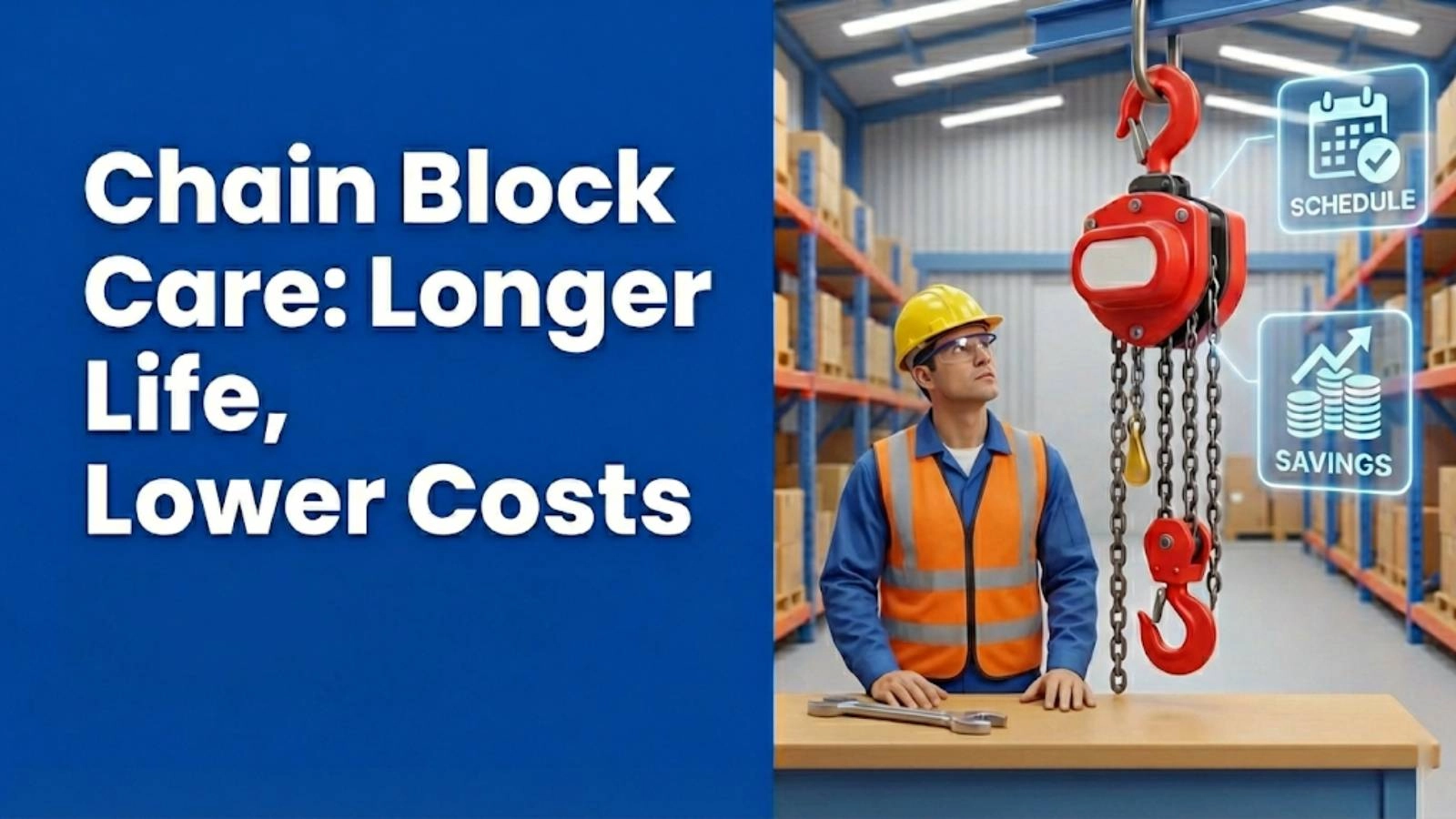
Chain blocks are indispensable tools in various industries, from construction and manufacturing to logistics and warehousing. However, their effectiveness and safety hinge on proper usage and maintenance. Neglecting crucial steps can lead to dangerous situations, equipment damage, and even fatalities. This article will explore common chain block mistakes that you must avoid to ensure safe and efficient lifting operations.
The Incident at the Steel Mill: A Real-Life Warning
Imagine a bustling steel mill, where workers were preparing to lift a massive I-beam. The manual chain block they were using seemed sturdy enough. However, a pre-use inspection was skipped, and the load was slightly above the rated capacity. As the beam was lifted, a critical component failed, sending the heavy load crashing down. Fortunately, no one was seriously injured, but the near miss served as a stark reminder of the potential consequences of overlooking basic safety protocols.
Why Chain Blocks are Essential But Risky
Chain blocks offer a reliable and portable solution for lifting heavy loads in situations where powered equipment is impractical or unavailable. Their simplicity and mechanical advantage make them invaluable tools. However, this simplicity can be deceptive. Users must understand the inherent risks associated with chain block operation, including overloading, improper rigging, and inadequate maintenance. Failure to recognize and mitigate these risks can quickly turn a routine lifting task into a hazardous event.
Setting the Stage: What This Guide Will Cover
This guide will delve into the most common chain block mistakes that operators make. We will cover critical areas such as pre-use inspections, weight limits, sling usage, side loading, and maintenance. We will provide practical advice and real-world examples to illustrate the importance of adhering to safe lifting practices. Our goal is to equip you with the knowledge and tools necessary to avoid these pitfalls and ensure the safety of your lifting operations. At Safe and Secure Trading Company (SSTC), we believe that preventing accidents starts with education and awareness.
1. Ignoring Pre-Use Inspection: The Silent Danger ✅
Skipping the pre-use inspection is one of the most common and dangerous chain block mistakes. This seemingly minor oversight can have catastrophic consequences. A quick visual check can reveal hidden damage, wear and tear, or other issues that could compromise the integrity of the chain block and lead to failure during a lift. It’s a critical step in ensuring lever block safety.
The Tale of the Rusty Hook: How Neglect Leads to Failure
Consider a scenario where a construction crew was preparing to lift a concrete form. The chain block had been lying unused in a damp storage area for several months. Without a proper inspection, the crew attached the block and began hoisting the form. As the load increased, the hook, weakened by rust and corrosion, suddenly snapped. The form crashed to the ground, narrowly missing a worker. This incident highlights the importance of identifying and addressing issues like rust before they lead to chain block failure.
Checklist Essentials: What to Inspect Before Each Lift
A thorough pre-use inspection should include the following:
- Chain: Look for signs of wear, stretching, kinking, twisting, nicks, gouges, or corrosion.
- Hooks: Check for cracks, deformation, wear, and proper functioning of the safety latch.
- Body: Inspect for any damage, cracks, or deformation.
- Load Chain: Examine the load chain inspection carefully for any signs of damage or wear.
- Markings: Ensure the rated capacity and other markings are legible.
- Brake: Verify the brake mechanism is functioning correctly.
- Sprocket Wheel: Check for any damage to the sprocket wheel.
Implementing this checklist will greatly reduce the possibility of chain hoist errors during operation.
Beyond the Obvious: Hidden Signs of Wear and Tear
While obvious damage like a cracked hook is easy to spot, other signs of wear and tear can be more subtle. These include:
- Excessive Wear: Look for thinning of the chain links or hook.
- Stiff Movement: Check for any binding or stiffness in the chain or mechanism.
- Unusual Noises: Listen for any grinding, clicking, or popping sounds during operation.
- Deformation: Check for slight bends or twists in the chain or hooks.
- Corrosion: Even small amounts of rust can weaken components over time.
Paying attention to these subtle signs is crucial for preventing chain block failure. For many of our clients here in Dammam, we’ve seen that frequent usage accelerates these wear indicators.
2. Exceeding the Weight Limit: A Recipe for Disaster ⚖️
Overloading a chain block is a dangerous practice that can lead to catastrophic failure. Every chain block is designed and rated for a specific maximum weight. Exceeding this limit puts excessive stress on the components, increasing the risk of breakage and accidents. Understanding the rated capacity and adhering to it is paramount for overhead lifting safety.
The Crushing Load: Understanding Rated Capacity
The rated capacity, also known as the working load limit (WLL), is the maximum weight a chain block is designed to lift safely. This information is clearly marked on the block and should never be exceeded. It’s essential to accurately estimate the weight of the load before attempting a lift. Guessing or assuming the weight can lead to dangerous situations.
Why “Just a Little More” is Never Okay
The temptation to lift “just a little more” than the rated capacity can be strong, especially when faced with a tight deadline or a difficult task. However, this seemingly small increase in weight can have a significant impact on the chain block‘s structural integrity. Even a slight overload can weaken components and increase the risk of sudden failure. It’s never worth risking safety for the sake of convenience.
Real-World Consequences: Stories of Overloaded Chain Blocks
There are numerous documented cases of chain block failure due to overloading. In one incident, a construction crew attempted to lift a precast concrete panel that was significantly heavier than the chain block‘s rated capacity. The chain snapped, sending the panel crashing down and causing severe injuries to a nearby worker. In another case, a manufacturing plant experienced a similar incident when a manual chain block failed while lifting a heavy machine component. The resulting damage to the machinery cost the company thousands of dollars in repairs and lost production time. These stories underscore the importance of respecting weight limits and prioritizing safe lifting practices.
3. Improper Sling Use: Cutting Corners Costs Lives 🔗
Using slings incorrectly is another common chain block mistake that can compromise the safety of lifting operations. Slings are essential components of a lifting system, and their proper selection, attachment, and use are crucial for ensuring a secure and stable lift. Improper sling use can lead to load instability, slippage, and even complete chain block failure.
The Tangled Web: How Incorrect Sling Attachment Weakens the System
Incorrect sling attachment can create uneven stress distribution and significantly reduce the sling’s lifting capacity. For example, using a choker hitch on a sling that is not designed for it can damage the sling and weaken its overall strength. Similarly, using multiple slings without proper load equalization can lead to one sling bearing the majority of the weight, exceeding its rated capacity.
Choosing the Right Sling: Matching Sling Type to the Load
Different types of slings are designed for different applications and load types. Wire rope slings are strong and durable, making them suitable for heavy loads and harsh environments. Chain slings offer excellent flexibility and resistance to abrasion. Synthetic web slings are lightweight and versatile but more susceptible to cuts and abrasions. Selecting the appropriate sling type for the specific load and lifting conditions is essential for material handling safety.
Angle Awareness: The Impact of Sling Angles on Lifting Capacity
The angle at which slings are used has a significant impact on their lifting capacity. As the angle between the slings increases, the tension on each sling also increases. This means that a sling used at a steep angle will have a lower lifting capacity than the same sling used at a shallower angle. It’s crucial to understand the relationship between sling angles and lifting capacity and to adjust the sling configuration accordingly. In our experience at SSTC, providing clear guidelines on sling angle calculations is a significant step towards accident prevention.
4. Side Loading: The Invisible Strain ➡️
Side loading occurs when a chain block is subjected to a force that is not aligned vertically with the load chain. This can happen when the load is pulled horizontally or when the chain block is used at an angle. Side loading puts undue stress on the chain block‘s components, increasing the risk of damage and failure. It’s a critical factor to consider for safe lifting practices.
The Bent Beam: A Visual Example of Side Loading’s Impact
Imagine a construction site where workers are using a chain block to pull a steel beam into place horizontally. The chain block is not designed for this type of force, and the side loading causes the beam to bend and deform. This visual example clearly illustrates the detrimental effects of side loading on structural components.
Understanding the Physics: Why Vertical Lifts are Crucial
Chain blocks are designed to operate with a vertical load. When a side load is applied, the force is distributed unevenly across the components, putting excessive stress on specific points. This can lead to bending, cracking, and ultimately, failure. Maintaining a vertical lift ensures that the load is distributed evenly and that the chain block operates within its designed parameters.
Creative Solutions: Techniques to Prevent Side Loading
Preventing side loading requires careful planning and execution. Here are some techniques to avoid it:
- Use a Spreader Bar: A spreader bar can help distribute the load evenly and prevent side loading when lifting long or flexible objects.
- Ensure Vertical Alignment: Make sure the chain block is directly above the load and that the lifting chain is aligned vertically.
- Use Tag Lines: Tag lines can be used to guide the load and prevent it from swinging or drifting sideways.
- Reposition the Lifting Point: If side loading is unavoidable, try repositioning the lifting point to achieve a more vertical lift.
By implementing these solutions, you can minimize the risk of side loading and ensure safer lifting operations.
5. Lack of Maintenance: The Slow Decline ⚙️
Neglecting regular maintenance is a surefire way to shorten the lifespan of a chain block and increase the risk of failure. Like any mechanical device, chain blocks require periodic inspection, lubrication, and servicing to ensure they operate safely and efficiently. A lack of maintenance can lead to corrosion, wear and tear, and ultimately, chain block failure.
The Seized Mechanism: How Neglect Leads to Total Failure
Consider a chain block that has been used for years without any maintenance. The internal mechanisms are now caked with dirt and grime, and the moving parts are stiff and difficult to operate. The chain is rusty and corroded, and the hooks are worn and deformed. When an attempt is made to lift a heavy load, the mechanism seizes completely, rendering the chain block useless. This scenario illustrates the importance of regular maintenance in preventing total failure.
Lubrication is Key: Preventing Rust and Corrosion
Lubrication is essential for preventing rust and corrosion and ensuring smooth operation of the chain block‘s moving parts. Regular lubrication reduces friction, minimizes wear and tear, and extends the lifespan of the equipment. Use a high-quality lubricant that is specifically designed for lifting equipment. Apply the lubricant to all moving parts, including the chain, hooks, gears, and bearings.
Regular Servicing: The Importance of Professional Inspection
In addition to regular lubrication, chain blocks should undergo periodic servicing by a qualified technician. A professional inspection can identify hidden damage, wear and tear, and other issues that may not be apparent during a visual inspection. The technician can also perform necessary repairs and adjustments to ensure the chain block is operating safely and efficiently. Regular servicing is a crucial aspect of hoist maintenance.
“Proper training on chain block operation and inspection is paramount. Many accidents occur due to a lack of knowledge and understanding of the equipment’s limitations and potential hazards.” – John Smith, Certified Lifting Equipment Inspector
Top 3 Mistakes to Avoid: A Quick Recap
To ensure safe lifting practices, here are the top three chain block mistakes to avoid:
Inspection First: Always Check Before Lifting
Before each lift, conduct a thorough inspection of the chain block to identify any signs of damage, wear and tear, or other issues. This includes checking the chain, hooks, body, and markings.
Respect the Limit: Never Exceed the Rated Capacity
Always know the weight of the load you are lifting and never exceed the chain block‘s rated capacity. Overloading can lead to catastrophic failure and serious accidents.
Maintenance Matters: Keep Your Chain Block in Top Condition
Implement a regular maintenance program that includes lubrication, inspection, and servicing by a qualified technician. This will help prevent corrosion, wear and tear, and ensure the chain block operates safely and efficiently.
Conclusion: Lifting Safely, Every Time
Avoiding these chain block mistakes is crucial for ensuring safe and efficient lifting operations. By prioritizing pre-use inspections, respecting weight limits, using slings properly, preventing side loading, and implementing regular maintenance, you can significantly reduce the risk of accidents and equipment damage.
Prioritizing Safety: It’s More Than Just a Checklist
Safety is not just a checklist of items to be ticked off; it’s a mindset that should permeate every aspect of your lifting operations. It requires a commitment to training, awareness, and continuous improvement. We at SSTC believe that fostering a culture of safety is the key to preventing accidents and ensuring the well-being of your workers.
Continuous Improvement: Staying Updated on Best Practices
The field of material handling safety is constantly evolving, with new technologies, techniques, and regulations emerging regularly. It’s essential to stay updated on the latest best practices and to adapt your lifting operations accordingly. This includes attending training courses, reading industry publications, and consulting with experts in the field.
SSTC’s Commitment: Supporting Safe Lifting Operations
At Safe and Secure Trading Company, we are committed to providing our clients with the highest quality lifting equipment and services. We offer a comprehensive range of chain blocks, slings, and other lifting accessories, as well as expert advice and training to help you ensure safe and efficient lifting operations. Our team of experienced professionals is dedicated to helping you identify and mitigate potential hazards, and to provide you with the support you need to maintain a safe working environment. We have a strong operational presence across key industrial hubs, and we are well-versed in tailoring safety solutions to meet the specific needs of our diverse clientele.
FAQ Section
Q: How often should I inspect my chain block?
A: You should inspect your chain block before each use, as well as periodically depending on the frequency and severity of use. A more thorough inspection should be conducted at least annually by a qualified technician.
Q: What are the signs of a worn-out chain?
A: Signs of a worn-out chain include stretching, kinking, twisting, nicks, gouges, corrosion, and excessive wear on the links. If you notice any of these signs, the chain should be replaced immediately.
Q: Can I repair a damaged chain block myself?
A: No, repairs to chain blocks should only be performed by qualified technicians. Attempting to repair a chain block yourself can be dangerous and may void the warranty.
Q: What type of lubricant should I use on my chain block?
A: Use a high-quality lubricant that is specifically designed for lifting equipment. Avoid using general-purpose lubricants, as they may not provide adequate protection against rust and corrosion.
Q: How do I determine the weight of the load I am lifting?
A: You can determine the weight of the load by consulting the manufacturer’s specifications, using a weighing scale, or estimating the weight based on the material and dimensions of the load. Always err on the side of caution and overestimate the weight if you are unsure.
Q: What is the proper way to store a chain block when it is not in use?
A: Store the chain block in a clean, dry place away from direct sunlight and extreme temperatures. Hang the chain block to prevent the chain from dragging on the ground and becoming damaged.
Q: What is the lifespan of a chain block?
A: The lifespan of a chain block depends on several factors, including the frequency and severity of use, the level of maintenance, and the environmental conditions. With proper care and maintenance, a chain block can last for many years.
Q: What is the difference between a chain block and a lever block?
A: A chain block uses a hand chain to lift and lower loads, while a lever block uses a lever to accomplish the same task. Lever blocks are often used for shorter lifts and in situations where space is limited.
Q: Are there specific training requirements for operating a chain block?
A: Yes, operators of chain blocks should receive proper training on chain block operation, inspection, and safe lifting practices. Training should cover topics such as weight limits, sling usage, side loading, and maintenance.
Q: How does SSTC ensure the quality and safety of its chain blocks?
A: At SSTC, we adhere to stringent quality control measures, conducting thorough testing and inspections of our chain blocks to ensure they meet or exceed industry safety standards. Our commitment to safety is unwavering, and we strive to provide our customers with reliable and durable lifting equipment.