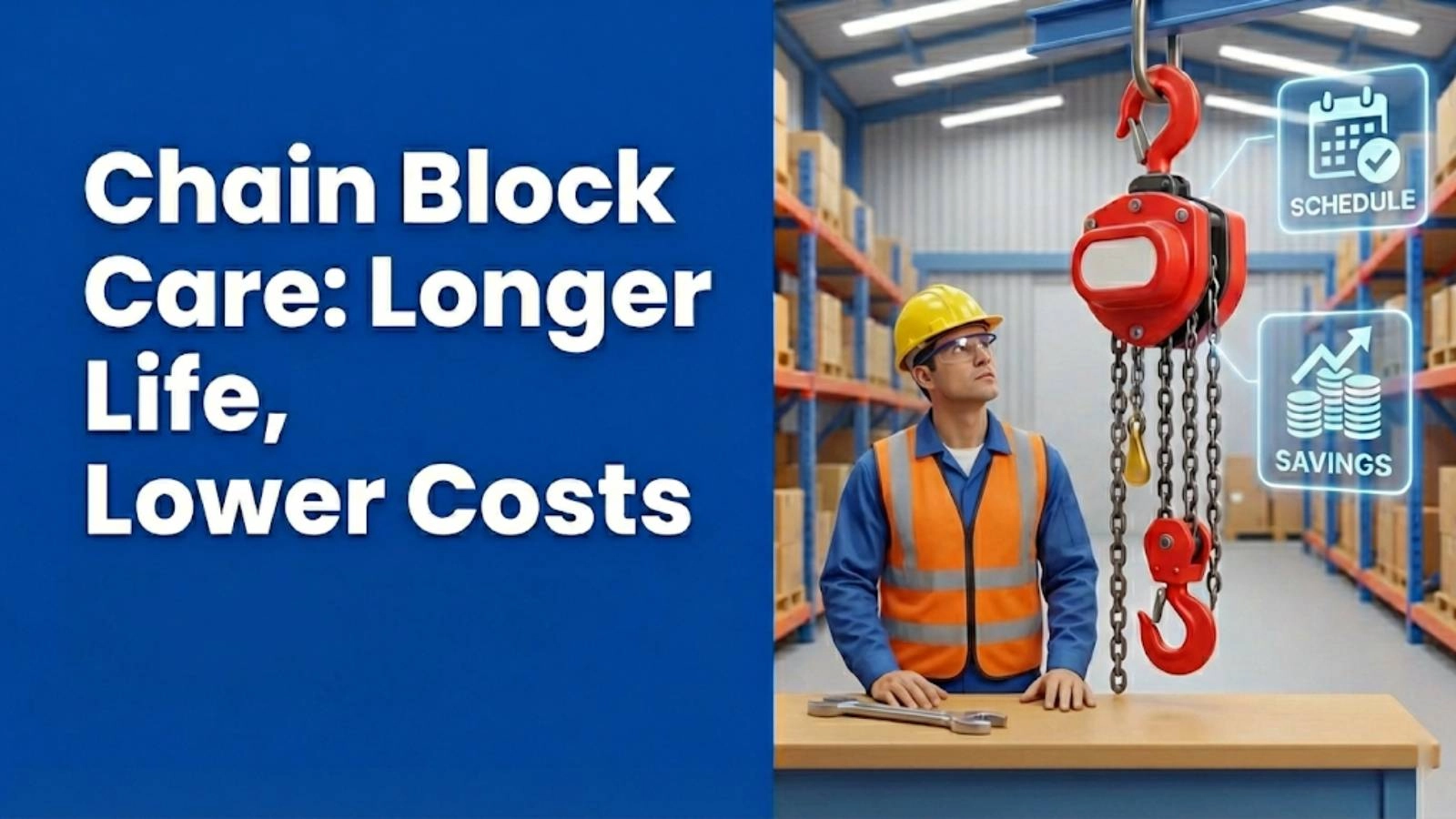
Chain Block Safety: Is Yours Up to the Task?
Chain blocks are indispensable tools in various industries, offering a reliable means for lifting heavy loads. However, their inherent power also brings potential risks. At Safe and Secure Trading Company (SSTC), we understand the critical importance of chain block safety. A single lapse can lead to severe injuries, equipment damage, or even fatalities. This comprehensive guide outlines essential safety measures and checklists to ensure your chain blocks are up to the task, helping you create a safer working environment.
1. Introduction to Chain Block Safety
1.1 Importance of Chain Block Safety
Chain blocks are essential for lifting heavy materials in construction, manufacturing, and warehousing. However, the misuse or inadequate maintenance of these tools can lead to serious accidents. At SSTC, we’ve seen firsthand the consequences of neglecting chain block safety. The risk of dropped loads, equipment malfunctions, and worker injuries is significant. Proper training, regular inspections, and adherence to safety protocols are vital to mitigating these hazards. For many of our clients here in Dammam, we’ve seen that regular safety audits have drastically reduced workplace incidents.
1.2 Scope of the Safety Checklist
This safety checklist aims to provide a comprehensive overview of the critical areas to consider when assessing chain block safety. Our checklist covers pre-operation inspections, operational safety procedures, maintenance protocols, environmental considerations, and regulatory compliance. It’s designed to help you identify potential hazards, implement preventive measures, and ensure your chain blocks are operating safely and efficiently. By following this checklist, you can significantly reduce the risk of accidents and create a safer working environment for your team.
2. Pre-Operation Inspection Checklist
2.1 Visual Inspection of the Chain
✅ Before each use, a thorough visual inspection of the chain is paramount. Examine the entire length of the chain for signs of wear, corrosion, cracks, or distortions. Pay close attention to individual links, looking for any stretching or damage. According to ANSI/ASME standards, chains should be replaced if wear exceeds a certain percentage of the original diameter. We recommend measuring the chain’s diameter at several points to ensure it’s within acceptable limits. This visual inspection is a cornerstone of chain block safety.
2.2 Hook Inspection
✅ Both the top and bottom hooks are critical components that must be carefully inspected. Check for any signs of deformation, such as bending or stretching. Look closely for cracks, especially around the hook’s throat and shank. Ensure that the latch is functioning correctly, securely closing to prevent accidental load slippage. Any hook showing signs of damage or malfunction should be immediately removed from service and replaced with a certified replacement. We advise our clients to keep spare hooks on hand to minimize downtime. Hook inspection is a basic step toward ensuring lifting equipment safety.
2.3 Load Chain Wheel and Housing
✅ The load chain wheel and housing are integral to the smooth and safe operation of the chain block. Inspect the load chain wheel for signs of wear, such as grooves or sharp edges, which can damage the chain. Check the housing for any cracks, dents, or deformities that could compromise its structural integrity. Ensure that the chain runs smoothly over the wheel without any binding or excessive friction. Any damage to these components should be addressed immediately to prevent potential failures.
2.4 Brake Mechanism Check
✅ The brake mechanism is essential for holding the load securely and preventing accidental slippage. Before each lift, test the brake by lifting a small load and verifying that it holds firmly when the pulling force is released. Ensure that the brake engages smoothly and without any jerking or slipping. Listen for any unusual noises, such as squealing or grinding, which could indicate a problem with the brake linings or other components. A properly functioning brake is crucial for chain block safety. We always recommend a physical test of the brake mechanism before beginning work for the day.
2.5 Functionality of the Overload Protection Device (if applicable)
✅ Some chain blocks are equipped with an overload protection device designed to prevent lifting loads beyond the rated capacity. If your chain block has this feature, it’s essential to verify its functionality regularly. Follow the manufacturer’s instructions to test the overload protection system, ensuring that it activates at the specified load limit. Do not attempt to override or disable the overload protection device, as this can create a dangerous situation. The presence of an overload protection device greatly improves chain block safety.
3. Operational Safety Procedures
3.1 Load Capacity and Weight Assessment
✅ Before any lifting operation, it’s crucial to accurately determine the weight of the load and verify that it does not exceed the chain block’s rated capacity. Never guess the weight of a load; instead, use a calibrated scale or consult the manufacturer’s specifications. Clearly mark the chain block with its rated capacity, and ensure that all personnel are aware of this limit. Overloading a chain block is a leading cause of accidents and can result in catastrophic failure. Accurate weight assessment is a key aspect of lifting equipment safety.
3.2 Proper Lifting Techniques
✅ Using proper lifting techniques is essential for ensuring chain block safety. Avoid side loading, which occurs when the load is pulled at an angle rather than directly in line with the chain block. This can put excessive stress on the chain and hooks, increasing the risk of failure. Avoid sudden jerks or impact loading, which can also damage the chain block. Lift loads smoothly and gradually, maintaining control at all times. Proper training is essential for all personnel involved in lifting operations.
3.3 Load Stability and Balance
✅ Ensuring load stability and balance is crucial for preventing accidents during lifting operations. Use tag lines to control the load and prevent it from swinging or rotating. Position the chain block directly above the center of gravity of the load to maintain balance. Use appropriate rigging techniques to distribute the load evenly and prevent uneven stress on the chain block. Unstable loads can shift suddenly, leading to loss of control and potential injuries.
3.4 Clear Communication and Signaling
✅ Clear communication and signaling between the operator and other personnel involved in the lifting operation are essential for chain block safety. Establish a set of standard hand signals that everyone understands. Use a spotter to monitor the load and provide guidance to the operator. Ensure that all personnel are aware of the lifting plan and their roles in the operation. Effective communication can help prevent misunderstandings and potential accidents.
3.5 Safe Zone and Exclusion Zones
✅ Establish a safe zone around the lifting area to protect personnel from potential hazards. Prevent unauthorized personnel from entering the exclusion zone, which is the area directly beneath the load. Use barriers, warning signs, and verbal warnings to keep people away from the lifting area. Ensure that all personnel are wearing appropriate personal protective equipment (PPE), such as hard hats and safety shoes. Creating a safe zone is a fundamental aspect of material handling safety.
4. Chain Block Maintenance Checklist
4.1 Lubrication of Moving Parts
✅ Proper lubrication is essential for maintaining the smooth and efficient operation of a chain block. Lubricate the chain, gears, and bearings regularly, following the manufacturer’s recommendations. Use a high-quality lubricant designed for heavy-duty applications. Lubrication reduces friction, prevents wear, and protects against corrosion. Neglecting lubrication can lead to increased wear and tear, reduced performance, and premature failure. We advise clients to check their chain blocks after each major use to make sure that the mechanisms are properly lubricated.
4.2 Chain Cleaning and Inspection
✅ Cleaning the chain regularly is essential for removing dirt, debris, and corrosion that can damage the chain and reduce its strength. Use a wire brush or solvent to clean the chain thoroughly. After cleaning, conduct a detailed inspection for wear, damage, and corrosion. Pay close attention to individual links, looking for any signs of stretching or cracking. A clean chain is easier to inspect and maintain, contributing to chain block safety.
4.3 Brake Adjustment and Maintenance
✅ The brake mechanism requires regular adjustment and maintenance to ensure proper functionality. Check the brake linings for wear and replace them as needed. Adjust the brake mechanism according to the manufacturer’s instructions to ensure that it engages smoothly and holds the load securely. A properly adjusted brake is crucial for preventing load slippage and ensuring chain block safety.
4.4 Hook Maintenance and Replacement
✅ Hooks should be inspected regularly for damage, such as bending, cracking, or deformation. Lubricate the hooks to prevent corrosion and ensure smooth operation. Replace hooks that show signs of wear or damage, using only certified replacement parts. Properly maintained hooks are essential for preventing load slippage and ensuring chain fall safety.
> “Regular inspection and maintenance are the cornerstones of chain block safety. Neglecting these aspects can lead to catastrophic failures and severe injuries.” – John Smith, Lead Safety Inspector
5. Environmental Considerations
5.1 Chain Block Operation in Extreme Temperatures
✅ Extreme temperatures can affect the performance and safety of chain blocks. In hot environments, the lubricant can thin out, reducing its effectiveness and increasing wear. In cold environments, the lubricant can thicken, making it difficult for the chain block to operate smoothly. Follow the manufacturer’s recommendations for operating chain blocks in extreme temperatures. Use lubricants designed for the specific temperature range. For many of our clients here in Dammam, we’ve had to adjust the ways in which we lubricate our chain blocks to fit the temperature in the region.
5.2 Corrosive Environments
✅ Corrosive environments, such as marine or chemical processing facilities, can accelerate the corrosion of chain blocks. Use chain blocks made from corrosion-resistant materials, such as stainless steel. Apply protective coatings to the chain and other components to prevent corrosion. Inspect chain blocks more frequently in corrosive environments, and replace components as needed. Corrosion can significantly weaken the chain block, increasing the risk of failure.
6. Regulatory Compliance
6.1 OSHA Standards and Regulations
✅ OSHA (Occupational Safety and Health Administration) has established standards and regulations related to chain block safety. These regulations cover inspection, maintenance, operator training, and other safety requirements. Comply with all applicable OSHA standards to ensure a safe working environment. Failure to comply with OSHA regulations can result in fines and penalties. For example, OSHA 1926.1431 covers general requirements for hoisting.
6.2 ANSI/ASME Standards
✅ ANSI (American National Standards Institute) and ASME (American Society of Mechanical Engineers) have developed standards for chain blocks, covering design, manufacturing, and testing requirements. These standards ensure that chain blocks meet certain performance and safety criteria. Comply with all applicable ANSI/ASME standards to ensure that your chain blocks are safe and reliable.
6.3 Local and Regional Regulations
✅ In addition to OSHA and ANSI/ASME standards, local and regional safety regulations may also apply to chain block operation and maintenance. These regulations may vary depending on your location and industry. Comply with all applicable local and regional regulations to ensure a safe working environment.
7. Operator Training and Competency
7.1 Requirements for Certified Operators
✅ Operating a chain block safely requires proper training and competency. Some jurisdictions require operators to be certified, demonstrating that they have met certain training and experience requirements. Check with your local authorities to determine if certification is required in your area. Even if certification is not required, it’s essential to provide adequate training to all operators.
7.2 Training Content and Curriculum
✅ Chain block operator training programs should cover key topics such as safety procedures, inspection techniques, maintenance requirements, and operational best practices. Training should include both classroom instruction and hands-on experience. Operators should be able to demonstrate their competency in all aspects of chain block operation.
7.3 Refresher Training and Updates
✅ Refresher training and updates are essential for ensuring that operators stay current with the latest safety practices and regulations. Provide refresher training regularly, especially when new equipment or procedures are introduced. Keep operators informed of any changes to OSHA, ANSI/ASME, or local regulations. Continuous learning is key to maintaining chain block safety.
8. Common Chain Block Accidents and How to Prevent Them
8.1 Overloading Accidents
✅ Overloading is a leading cause of chain block accidents. Prevent overloading by accurately assessing the weight of the load and verifying that it does not exceed the chain block’s rated capacity. Use a calibrated scale or consult the manufacturer’s specifications to determine the weight of the load. Never guess the weight of a load.
8.2 Chain Failure Accidents
✅ Chain failure can result from wear, corrosion, improper maintenance, or overloading. Prevent chain failure by conducting regular inspections, lubricating the chain, and replacing worn or damaged chains. Follow the manufacturer’s recommendations for chain maintenance and replacement.
8.3 Hook Failure Accidents
✅ Hook failure can occur due to deformation, cracks, or latch malfunctions. Prevent hook failure by inspecting hooks regularly, lubricating them, and replacing damaged hooks. Use only certified replacement hooks.
8.4 Load Dropping Accidents
✅ Load dropping accidents can result from brake failure, improper rigging, or operator error. Prevent load dropping accidents by maintaining the brake mechanism, using proper rigging techniques, and providing adequate operator training. Ensure that the load is properly secured before lifting.
Top 3 Chain Block Safety Measures:
1. Regular Inspections: Catching wear and tear early prevents failures.
2. Proper Training: Ensures operators know how to use equipment safely.
3. Load Capacity Awareness: Prevents overloading and potential accidents.
9. Emergency Procedures
9.1 Responding to Chain Block Failure
✅ In the event of a chain block failure, the first priority is to secure the area and prevent further injuries. Clear the area around the chain block and warn others of the potential hazard. Assess the damage and determine the cause of the failure. Implement corrective actions to prevent future failures.
9.2 Load Lowering Techniques in Emergency Situations
✅ In emergency situations, such as brake failure or power outage, it may be necessary to lower the load manually. Use controlled lowering techniques to prevent the load from dropping suddenly. If possible, use a backup chain block or other lifting device to support the load while it is being lowered.
10. Record Keeping and Documentation
10.1 Inspection Logs
✅ Maintain detailed inspection logs for all chain blocks. Record the date of each inspection, the findings, and any corrective actions taken. Keep the inspection logs readily available for review. Inspection logs provide a valuable record of the chain block’s condition and maintenance history.
10.2 Maintenance Records
✅ Keep accurate maintenance records for all chain blocks. Record all lubrication, repairs, and replacements. Include the date of each maintenance activity, the parts used, and the name of the person who performed the maintenance. Maintenance records provide a valuable record of the chain block’s maintenance history.
10.3 Training Records
✅ Maintain training records for all chain block operators. Record the date of training, the content covered, and the assessment results. Keep the training records readily available for review. Training records demonstrate that operators have received adequate training and are competent to operate chain blocks safely.
11. Advanced Chain Block Technologies
11.1 Electric Chain Hoists
Electric chain hoists offer several advantages over manual chain blocks, including increased lifting speed, reduced operator fatigue, and improved precision. However, electric chain hoists also have their own safety considerations, such as electrical hazards and the risk of motor failure. Ensure that electric chain hoists are properly grounded and that operators are trained to recognize and avoid electrical hazards.
11.2 Smart Chain Blocks with Load Monitoring
Smart chain blocks with load monitoring capabilities provide real-time data on the load weight, lifting height, and other parameters. This data can be used to prevent overloading, optimize lifting operations, and improve safety. Smart chain blocks may also include features such as overload protection and data logging.
| Feature |
Manual Chain Block |
Electric Chain Hoist |
Smart Chain Block |
| Power Source |
Manual |
Electric |
Electric/Manual |
| Lifting Speed |
Slow |
Fast |
Fast |
| Load Monitoring |
No |
No |
Yes |
| Overload Protection |
Optional |
Optional |
Standard |
| Data Logging |
No |
No |
Yes |
12. Conclusion: Chain Block Safety Best Practices
12.1 Summary of Key Safety Tips
In summary, chain block safety depends on several key factors: regular inspections, proper maintenance, accurate load assessment, safe operating procedures, and adequate operator training. By following these best practices, you can significantly reduce the risk of accidents and create a safer working environment. We at SSTC are dedicated to providing the best tools and resources to improve material handling safety for your workplace.
12.2 Importance of Continuous Improvement
Continuous improvement is essential for maintaining chain block safety. Regularly review your safety procedures, implement new technologies, and provide ongoing training to operators. Stay informed of any changes to OSHA, ANSI/ASME, or local regulations. By continuously striving to improve your safety practices, you can create a culture of safety and prevent accidents before they happen. We are confident that by partnering with SSTC, your operations will be safer and more secure for 2026 and beyond.
FAQ Section
Q: How often should I inspect my chain block?
A: We recommend inspecting your chain block before each use and conducting a more thorough inspection at least monthly. The frequency of inspections may need to be increased in harsh environments or with frequent use.
Q: What are the signs of a worn or damaged chain?
A: Look for signs of wear, corrosion, cracks, or distortions in the chain links. Measure the chain’s diameter to ensure it is within acceptable limits. Replace the chain if it shows any signs of damage or excessive wear.
Q: How do I determine the weight of a load?
A: Use a calibrated scale or consult the manufacturer’s specifications to determine the weight of the load. Never guess the weight of a load. If you are unsure of the weight, it is always best to overestimate to avoid overloading the chain block.
Q: What should I do if my chain block fails during a lift?
A: Secure the area and prevent further injuries. Assess the damage and determine the cause of the failure. Implement corrective actions to prevent future failures.
Q: Where can I get my chain block repaired?
A: We at Safe and Secure Trading Company offer comprehensive chain block repair and maintenance services. Contact us for more information.
Q: How can I ensure my operators are properly trained?
A: Provide comprehensive training on safety procedures, inspection techniques, maintenance requirements, and operational best practices. Ensure that operators are able to demonstrate their competency in all aspects of chain block operation.