Chain Block Safety: A Comprehensive Guide
The use of chain blocks is integral to numerous industries, from construction and manufacturing to entertainment and logistics. Chain blocks provide a mechanical advantage, allowing workers to lift heavy loads with significantly less effort. However, this power comes with inherent risks. Chain block safety is paramount to prevent accidents, injuries, and equipment damage. This guide provides detailed information and practical advice to ensure the safe operation, inspection, and maintenance of chain blocks.
The Importance of Chain Block Safety in Lifting Operations
Chain blocks are indispensable tools, but their misuse or inadequate maintenance can lead to catastrophic failures. Accidents involving chain blocks can result in serious injuries to personnel, damage to property, and costly downtime. A commitment to chain block safety is not only a legal and ethical imperative but also a sound business practice. Proper training, regular inspections, and adherence to safe operating procedures are essential to mitigate these risks. We have seen firsthand how a single lapse in safety protocols can lead to severe consequences. Investing in comprehensive safety measures ensures a safer working environment and protects valuable assets.
Scope and Objectives of This Comprehensive Guide
This comprehensive guide aims to provide a thorough understanding of chain block safety, covering various aspects from selection and inspection to maintenance and troubleshooting. Our objective is to equip you with the knowledge and skills necessary to operate chain blocks safely and efficiently. We will delve into different types of chain blocks, pre-use inspection procedures, safe operating practices, maintenance protocols, and relevant safety standards and regulations. By following the guidelines outlined in this guide, you can significantly reduce the risk of accidents and ensure a safer workplace. We at Safe and Secure Trading Company (SSTC) have developed this guide as part of our commitment to promoting safe lifting practices across all industries.
Understanding Potential Hazards Associated with Chain Blocks
Several potential hazards are associated with the use of chain blocks. Overloading, improper rigging, inadequate inspection, and lack of maintenance are among the most common causes of accidents. Overloading a chain block beyond its rated capacity can lead to catastrophic failure, resulting in the load dropping and potentially causing severe injuries or fatalities. Improper rigging techniques, such as using damaged slings or incorrect hitch configurations, can also compromise the stability of the load. Regular inspections are crucial to identify and address any signs of wear, damage, or corrosion. Neglecting maintenance tasks, such as lubrication and chain cleaning, can lead to premature component failure. Understanding these potential hazards is the first step in implementing effective safety measures. When our team in Dubai tackles this issue, they often find that operators underestimate the importance of regular inspection, leading to increased risk.
Chain Block Types and Selection Criteria
Choosing the right chain block for a specific application is crucial for ensuring safety and efficiency. Different types of chain blocks are designed for various load capacities, lifting heights, and operating environments. Understanding the distinctions between these types and the factors to consider when selecting a chain block can help prevent accidents and optimize performance. The chain block capacity must always exceed the weight of the load to be lifted, and the chain block operation should be smooth and reliable.
Lever Hoists vs. Hand Chain Hoists: A Comparative Analysis
Lever hoists and hand chain hoists are two common types of chain blocks, each with its own advantages and disadvantages. Hand chain hoists, also known as manual chain hoists, use a hand chain to operate the lifting mechanism. They are typically used for vertical lifting applications and are ideal for situations where precision and control are essential. Lever hoists, on the other hand, use a lever to raise and lower the load. They are more versatile than hand chain hoists and can be used for both vertical and horizontal pulling applications. Lever hoists are often preferred in confined spaces or where the operator needs to apply force from a distance. The choice between a lever hoist and a hand chain hoist depends on the specific requirements of the lifting task.
Lever hoists generally offer more flexibility in terms of operation, as the lever can be used in various positions, making them suitable for tight spaces. However, hand chain hoists provide smoother and more controlled lifting, especially for heavy loads. For instance, we once had a client who was struggling with precise positioning in a manufacturing plant. They found that switching to a hand chain hoist improved their control and reduced the risk of damaging sensitive equipment. Selecting the appropriate hoist type can significantly enhance both safety and efficiency.
Capacity Rating and Safety Factors: Ensuring Adequate Load Handling
The capacity rating of a chain block is the maximum weight it is designed to lift safely. It is crucial to select a chain block with a capacity rating that exceeds the weight of the load to be lifted. Safety factors are incorporated into the design of chain blocks to account for uncertainties and variations in load conditions. These factors provide an additional margin of safety and help prevent overloading. For example, a chain block with a 5-ton capacity may have a safety factor of 4:1, meaning that the actual breaking strength of the chain and components is four times the rated capacity. Understanding and adhering to capacity ratings and safety factors are essential for safe lifting operations. Always consult the manufacturer’s specifications and guidelines when selecting a chain block. Ignoring these ratings can lead to catastrophic failures.
Using a chain block with an adequate safety factor is a fundamental aspect of overhead lifting safety. The safety factor accounts for dynamic loading, shock loads, and other unexpected stresses that may occur during lifting operations. It is also important to consider the angle of the lift, as this can affect the effective capacity of the chain block. For instance, lifting a load at an angle increases the stress on the chain and components, reducing the overall capacity. Safe and Secure Trading Company (SSTC) always advises our clients to use a chain block with a capacity rating that is significantly higher than the expected load to account for these factors.
Identifying the Right Chain Block for Specific Applications (e.g., confined spaces, heavy loads)
Different applications require different types of chain blocks. For confined spaces, lever hoists are often preferred due to their compact design and ability to operate in tight quarters. For heavy loads, hand chain hoists with higher capacity ratings are typically used. In corrosive environments, chain blocks with corrosion-resistant coatings and components are essential. When selecting a chain block, consider the specific requirements of the lifting task, including the weight and size of the load, the lifting height, the operating environment, and any space constraints. Consulting with a qualified lifting equipment supplier can help ensure that you select the right chain block for your application. Always prioritize safety and choose a chain block that is designed to meet the demands of the job.
Consider the material being lifted as well. If you’re handling sensitive materials, you might need a chain block with a specialized coating to prevent damage. For example, in the aerospace industry, where precision and material integrity are paramount, chain blocks with non-marring hooks and chains are often used. Similarly, in the food processing industry, stainless steel chain blocks are preferred due to their corrosion resistance and hygienic properties.
Pre-Use Inspection Procedures: A Detailed Checklist
Before each use, a thorough inspection of the chain block is essential to identify any signs of wear, damage, or corrosion. Pre-use inspections help prevent accidents by ensuring that the chain block is in safe working condition. A detailed checklist should be followed to ensure that all critical components are inspected. The manual chain hoist safety relies heavily on this critical step.
Visual Inspection of Chain, Hooks, and Load Sheave
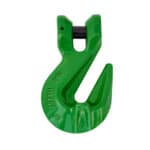
The visual inspection should include a careful examination of the chain, hooks, and load sheave. Check the chain for any signs of wear, damage, or corrosion. Look for stretched links, cracks, or other deformities. Inspect the hooks for any signs of bending, twisting, or cracking. Ensure that the hook latch is functioning properly and that it securely engages the hook. Examine the load sheave for any signs of wear or damage. Make sure that the sheave rotates freely and that the chain is properly seated in the sheave groove. Any defects identified during the visual inspection should be addressed before using the chain block.
Pay close attention to the areas where stress is concentrated, such as the points where the chain links connect and the base of the hooks. These areas are more susceptible to wear and damage. Use a magnifying glass to inspect for hairline cracks or other subtle defects. A small crack that is overlooked during the visual inspection can propagate and lead to a catastrophic failure under load. We advise our clients to train their personnel on how to properly conduct visual inspections and to provide them with the necessary tools, such as magnifying glasses and inspection mirrors.
Checking for Wear, Damage, and Corrosion
Wear, damage, and corrosion can significantly compromise the integrity of a chain block. Check for excessive wear on the chain links, hooks, and load sheave. Look for any signs of damage, such as dents, gouges, or cracks. Inspect for corrosion, especially in areas exposed to moisture or chemicals. Corrosion can weaken the metal components and make them more susceptible to failure. Any signs of wear, damage, or corrosion should be addressed promptly. Replace any worn or damaged components before using the chain block. Regular cleaning and lubrication can help prevent corrosion and extend the life of the chain block.
Consider the environment in which the chain block is used. In marine environments, saltwater can accelerate corrosion. In industrial environments, exposure to chemicals and abrasive materials can cause wear and damage. Select chain blocks that are designed for the specific environment in which they will be used and implement appropriate maintenance procedures to mitigate the effects of these factors. Proper chain block maintenance is crucial for ensuring safe and reliable operation.
Functional Testing: Ensuring Smooth Operation and Brake Engagement
Functional testing is an essential part of the pre-use inspection process. Operate the chain block to ensure that it functions smoothly and properly. Check the brake mechanism to ensure that it engages properly and holds the load securely. Raise and lower the load slightly to verify that the chain moves freely and without binding. Listen for any unusual noises or vibrations that may indicate a problem. If the chain block does not operate smoothly or if the brake mechanism is not functioning properly, do not use it. Contact a qualified technician for inspection and repair.
Test the chain block under a light load to simulate real-world operating conditions. This will help identify any issues that may not be apparent during a no-load test. Pay attention to the feel of the chain and the smoothness of the lifting action. Any jerky movements or unusual resistance can indicate a problem with the chain, gears, or brake mechanism. Functional testing is a critical step in ensuring that the chain block is safe to use.
Safe Operating Procedures: Step-by-Step Guide
Following safe operating procedures is essential to prevent accidents and injuries. A step-by-step guide should be followed to ensure that the chain block is operated safely and efficiently. Chain block operation demands strict adherence to these protocols.
Proper Rigging Techniques: Avoiding Common Mistakes
Proper rigging techniques are crucial for safe lifting operations. Use appropriate slings, shackles, and other rigging hardware that are rated for the weight of the load. Ensure that the slings are properly attached to the load and the chain block. Avoid using damaged or worn rigging hardware. Do not exceed the rated capacity of the rigging hardware or the chain block. Ensure that the load is balanced and stable before lifting. Avoid sudden starts and stops. Lower the load slowly and carefully. Common rigging mistakes include using incorrect hitch configurations, overloading slings, and neglecting to inspect rigging hardware. Avoiding these mistakes can help prevent accidents and injuries.
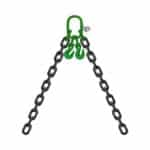
Always use the correct type of sling for the load being lifted. Chain slings are suitable for heavy loads and harsh environments, while synthetic slings are more flexible and can protect delicate surfaces. Ensure that the slings are properly padded to prevent damage from sharp edges. When using multiple slings, ensure that they are evenly distributed to prevent overloading any one sling. Proper rigging techniques are essential for safe and efficient lifting operations.
Load Balancing and Distribution: Preventing Overloads
Load balancing and distribution are essential for preventing overloads and ensuring stability. Ensure that the load is evenly distributed across the slings and that the center of gravity is directly below the chain block. Avoid lifting loads that are unevenly distributed or that are likely to shift during lifting. If necessary, use spreader bars or other load-balancing devices to distribute the load evenly. Overloading one side of the chain block can lead to instability and increase the risk of accidents. Always take the time to properly balance the load before lifting.
Consider the shape and size of the load when planning the lift. Irregularly shaped loads can be difficult to balance and may require specialized rigging techniques. Large loads may require multiple chain blocks to distribute the weight evenly. Always consult with a qualified rigging professional when lifting complex or нестандартни loads. Proper load balancing and distribution are crucial for preventing overloads and ensuring the safety of personnel and equipment.
Communication and Signaling: Ensuring Clear Coordination
Clear communication and signaling are essential for ensuring clear coordination during lifting operations. Establish a clear communication protocol before starting the lift. Use hand signals or radio communication to communicate between the operator, the rigger, and other personnel involved in the lift. Ensure that all personnel understand the signals and that they are used consistently. Avoid distractions and maintain constant communication throughout the lift. Clear communication and signaling can help prevent misunderstandings and ensure that the lift is performed safely and efficiently.
Designate a signal person who is responsible for communicating with the operator. The signal person should have a clear view of the load and the surrounding area and should be trained in the proper use of hand signals. The operator should only respond to signals from the designated signal person. If communication is lost or unclear, the lift should be stopped immediately until communication is re-established. Effective communication and signaling are essential for ensuring clear coordination and preventing accidents.
Load Chain Inspection and Maintenance
The load chain is a critical component of the chain block, and its integrity is essential for safe lifting operations. Regular inspection and maintenance of the load chain can help identify and address any signs of wear, damage, or corrosion. A well-maintained load chain will ensure smooth and reliable operation. The load chain inspection is crucial for maintaining overall chain block safety.
Identifying Different Types of Chain Wear and Damage
Several types of chain wear and damage can compromise the integrity of the load chain. These include:
- Wear: Gradual reduction in the diameter of the chain links due to friction and abrasion.
- Stretch: Elongation of the chain links due to overloading or repeated stress.
- Cracks: Hairline fractures in the chain links that can propagate and lead to failure.
- Corrosion: Rust or oxidation that weakens the metal and reduces its load-bearing capacity.
- Deformation: Bending, twisting, or other distortions of the chain links.
Regular inspection can help identify these types of wear and damage before they become critical. Replace any chains that show signs of excessive wear, stretch, cracks, corrosion, or deformation.
> “Regular inspection and proper lubrication are the keys to extending the life of your load chain and ensuring safe lifting operations.” – John Smith, Lead Safety Inspector
Lubrication and Cleaning: Maintaining Chain Integrity
Lubrication and cleaning are essential for maintaining the integrity of the load chain. Lubrication reduces friction and wear between the chain links, extending the life of the chain. Cleaning removes dirt, grime, and other contaminants that can accelerate wear and corrosion. Use a high-quality chain lubricant that is specifically designed for lifting applications. Apply the lubricant evenly to the entire length of the chain. Clean the chain regularly with a brush and a mild detergent. Rinse thoroughly with water and allow to dry completely before lubricating. Regular lubrication and cleaning can help prevent premature failure of the load chain. When our team in Dubai tackles this issue, they often find that consistent lubrication is overlooked, leading to premature chain wear.
Choose a lubricant that is appropriate for the operating environment. In dusty or abrasive environments, use a lubricant with a high viscosity to prevent contaminants from penetrating the chain links. In corrosive environments, use a lubricant with corrosion inhibitors to protect the chain from rust and oxidation. Always follow the manufacturer’s recommendations for lubrication and cleaning.
Replacement Criteria for Worn or Damaged Chains
Chains that are worn or damaged must be replaced immediately to prevent accidents. The following criteria should be used to determine when a chain needs to be replaced:
- Wear: If the diameter of the chain links has been reduced by more than 10% due to wear.
- Stretch: If the length of the chain has increased by more than 5% due to stretch.
- Cracks: If any cracks are visible in the chain links.
- Corrosion: If the chain is severely corroded and the metal is weakened.
- Deformation: If any chain links are bent, twisted, or otherwise deformed.
Always use a replacement chain that is of the same size, grade, and type as the original chain. Consult with a qualified lifting equipment supplier to ensure that you select the correct replacement chain. Replacing worn or damaged chains is essential for maintaining the safety of the chain block.
Here’s a summary checklist for load chain maintenance:
- ✅ Inspect the chain regularly for wear, damage, and corrosion.
- ✅ Lubricate the chain regularly with a high-quality chain lubricant.
- ✅ Clean the chain regularly with a brush and a mild detergent.
- ✅ Replace any chains that show signs of excessive wear, stretch, cracks, corrosion, or deformation.
Hook Inspection and Maintenance
The hooks are another critical component of the chain block, and their integrity is essential for safe lifting operations. Regular inspection and maintenance of the hooks can help identify and address any signs of wear, damage, or deformation. A well-maintained hook will ensure secure and reliable load attachment. Chain block safety hinges on the integrity of the hooks.
Identifying Hook Deformities: Bending, Twisting, and Cracking
Several types of hook deformities can compromise the integrity of the hooks. These include:
- Bending: Distortion of the hook shape due to overloading or impact.
- Twisting: Rotation of the hook body relative to the shank.
- Cracking: Hairline fractures in the hook that can propagate and lead to failure.
Regular inspection can help identify these types of hook deformities before they become critical. Replace any hooks that show signs of bending, twisting, or cracking.
Measuring Hook Throat Opening: Detecting Overloading
The hook throat opening is the distance between the hook tip and the hook body. An increase in the hook throat opening can indicate that the hook has been overloaded. Measure the hook throat opening regularly using a caliper or a hook gauge. Compare the measurement to the manufacturer’s specifications. If the hook throat opening has increased by more than 5%, the hook should be replaced. Measuring the hook throat opening is a simple but effective way to detect overloading.
If you don’t have a hook gauge, you can use a simple ruler or tape measure to get an approximate measurement. Mark the original throat opening with a permanent marker when the hook is new, and then compare subsequent measurements to the original mark. This can help you quickly identify any changes in the hook’s shape. Always err on the side of caution and replace any hooks that show signs of deformation.
Proper Hook Latch Functionality and Replacement
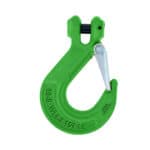
The hook latch is a safety device that prevents the sling or load from slipping off the hook. Ensure that the hook latch is functioning properly and that it securely engages the hook. Check the latch for any signs of damage or wear. Replace the latch if it is bent, broken, or missing. The hook latch should automatically close and lock when the load is applied. If the latch does not function properly, the hook should be removed from service until it is repaired or replaced. Proper hook latch functionality is essential for preventing accidents.
There are different types of hook latches available, including spring-loaded latches and self-closing latches. Choose a hook latch that is appropriate for the application and that meets the relevant safety standards. Ensure that the latch is properly installed and that it is compatible with the hook. Regular inspection and maintenance of the hook latch can help prevent accidents and injuries.
Brake Mechanism Inspection and Maintenance
The brake mechanism is a critical component of the chain block, and its proper functioning is essential for safe lifting operations. The brake mechanism holds the load in place when the chain is not being operated. Regular inspection and maintenance of the brake mechanism can help identify and address any signs of wear or malfunction. A well-maintained brake mechanism will ensure reliable load holding.
Understanding Different Types of Brake Mechanisms (e.g., Weston brake)
Several types of brake mechanisms are used in chain blocks. The Weston brake, also known as a load brake, is a common type of brake mechanism that uses friction to hold the load in place. The Weston brake consists of a series of friction discs and ratchet wheels that engage when the load is applied. Other types of brake mechanisms include mechanical brakes and electromagnetic brakes. Understanding the type of brake mechanism used in your chain block is essential for proper inspection and maintenance.
The Weston brake is a self-adjusting brake that automatically compensates for wear. However, it is still important to inspect the brake components regularly for signs of wear or damage. Mechanical brakes use a system of levers and linkages to apply braking force. Electromagnetic brakes use an electromagnetic field to engage the brake. Each type of brake mechanism has its own advantages and disadvantages. Choose a chain block with a brake mechanism that is appropriate for the application and that meets the relevant safety standards.
Checking for Brake Slippage and Wear
Brake slippage is a common problem that can compromise the safety of the chain block. Check for brake slippage by raising the load slightly and then releasing the chain. If the load slips or drifts downward, the brake is not functioning properly. Inspect the brake components for signs of wear, such as worn friction discs or damaged ratchet wheels. Replace any worn or damaged brake components before using the chain block. Regular inspection can help prevent brake slippage.
To further test for brake slippage, try applying a slight downward force to the load after it has been raised. If the brake holds the load securely, it is functioning properly. If the load slips or moves downward, the brake needs to be inspected and repaired. Always err on the side of caution and address any brake slippage issues immediately.
Adjustment and Repair Procedures for Brake Components
Adjustment and repair procedures for brake components vary depending on the type of brake mechanism. Consult the manufacturer’s instructions for specific adjustment and repair procedures. In general, adjustment procedures involve tightening or loosening the brake components to achieve the proper braking force. Repair procedures may involve replacing worn or damaged brake components. If you are not qualified to perform adjustment and repair procedures, contact a qualified technician for assistance. Proper adjustment and repair of brake components are essential for maintaining the safety of the chain block.
Before performing any adjustment or repair procedures, disconnect the chain block from the power source and ensure that the load is safely supported. Use the correct tools and equipment for the job. Follow all safety precautions and wear appropriate personal protective equipment. If you are unsure about any aspect of the adjustment or repair procedure, seek assistance from a qualified technician. Safe and Secure Trading Company (SSTC) recommends that all brake repairs be performed by qualified professionals to ensure proper functionality.
Regular Maintenance and Record Keeping
Regular maintenance and record keeping are essential for ensuring the long-term safety and reliability of the chain block. A preventive maintenance schedule should be established and followed to ensure that all critical components are inspected and maintained on a regular basis. Detailed inspection and maintenance records should be maintained to track the condition of the chain block and to identify any recurring problems. The chain block maintenance is a continuous process, not a one-time event.
Establishing a Preventive Maintenance Schedule
A preventive maintenance schedule should be established based on the manufacturer’s recommendations and the operating environment. The schedule should include regular inspections, lubrication, cleaning, and component replacement. The frequency of maintenance tasks should be adjusted based on the usage and the severity of the operating environment. A well-designed preventive maintenance schedule can help prevent premature failure of the chain block and ensure safe lifting operations.
Consider the following factors when establishing a preventive maintenance schedule:
- The type of chain block.
- The frequency of use.
- The severity of the operating environment.
- The manufacturer’s recommendations.
- Relevant safety standards and regulations.
Maintaining Detailed Inspection and Maintenance Records
Detailed inspection and maintenance records should be maintained to track the condition of the chain block and to identify any recurring problems. The records should include the date of the inspection, the name of the inspector, the findings of the inspection, and any maintenance tasks performed. The records should be stored in a secure location and should be readily accessible. Maintaining detailed records can help identify trends and prevent future problems.
Use a standardized inspection form to ensure that all critical components are inspected consistently. The form should include a checklist of items to be inspected and a space for recording the findings of the inspection. The form should be signed and dated by the inspector. Review the inspection records regularly to identify any recurring problems. Take corrective action to address any problems that are identified.
The Role of Training and Competency in Ensuring Chain Block Safety
Training and competency are essential for ensuring chain block safety. Operators, inspectors, and maintenance personnel should be properly trained and competent in the safe operation, inspection, and maintenance of chain blocks. Training should include classroom instruction, hands-on training, and on-the-job training. Competency should be assessed through testing and observation. Regular refresher training should be provided to ensure that personnel maintain their skills and knowledge. Trained and competent personnel are more likely to operate chain blocks safely and efficiently.
Training should cover the following topics:
- Chain block types and selection criteria.
- Pre-use inspection procedures.
- Safe operating procedures.
- Load chain inspection and maintenance.
- Hook inspection and maintenance.
- Brake mechanism inspection and maintenance.
- Relevant safety standards and regulations.
Understanding and Adhering to Relevant Standards and Regulations
Understanding and adhering to relevant standards and regulations is essential for ensuring chain block safety. Several organizations and government agencies have established standards and regulations for the design, manufacture, inspection, and operation of chain blocks. Compliance with these standards and regulations is mandatory in many jurisdictions. Failure to comply can result in fines, penalties, and legal liability.
OSHA Requirements for Overhead Lifting Equipment
The Occupational Safety and Health Administration (OSHA) has established requirements for overhead lifting equipment, including chain blocks. These requirements are designed to protect workers from hazards associated with lifting operations. OSHA regulations cover various aspects of chain block safety, including inspection, maintenance, training, and operation. Employers are responsible for ensuring that their employees comply with OSHA regulations. Failure to comply can result in fines and penalties. The hoist safety regulations outlined by OSHA are critical for workplace safety.
OSHA requires that all overhead lifting equipment be inspected regularly by a competent person. The inspections must be documented, and the records must be maintained for a specified period of time. OSHA also requires that employees be trained in the safe operation of overhead lifting equipment. The training must cover the hazards associated with lifting operations and the proper use of equipment.
ANSI/ASME Standards for Chain Blocks
The American National Standards Institute (ANSI) and the American Society of Mechanical Engineers (ASME) have developed standards for chain blocks. These standards provide detailed requirements for the design, manufacture, testing, and inspection of chain blocks. Compliance with ANSI/ASME standards is voluntary, but it is widely recognized as a best practice. Many employers require their employees to comply with ANSI/ASME standards.
ANSI/ASME standards cover various aspects of chain block safety, including:
- Capacity ratings.
- Safety factors.
- Materials.
- Design requirements.
- Testing procedures.
- Inspection requirements.
International Safety Standards (e.g., EN standards)
In addition to OSHA and ANSI/ASME standards, several international organizations have developed safety standards for chain blocks. The European Committee for Standardization (EN) has developed EN standards for chain blocks that are widely recognized in Europe and other parts of the world. These standards provide detailed requirements for the design, manufacture, testing, and inspection of chain blocks. Compliance with EN standards is mandatory in many European countries.
EN standards cover various aspects of chain block safety, including:
- Capacity ratings.
- Safety factors.
- Materials.
- Design requirements.
- Testing procedures.
- Inspection requirements.
Troubleshooting Common Chain Block Problems
Even with proper maintenance and care, chain blocks can sometimes experience problems. Troubleshooting common issues can help you identify and resolve problems quickly and efficiently. Addressing problems promptly can prevent further damage and ensure safe operation.
Chain Jamming or Binding: Causes and Solutions
Chain jamming or binding is a common problem that can occur with chain blocks. This problem can be caused by several factors, including:
- Dirt, grime, or other contaminants in the chain.
- Worn or damaged chain links.
- Misalignment of the chain sheave.
- Overloading the chain block.
To resolve chain jamming or binding, first, clean the chain thoroughly with a brush and a mild detergent. Then, inspect the chain for any signs of wear or damage. Replace any worn or damaged chain links. Check the alignment of the chain sheave and adjust as necessary. Ensure that the chain block is not overloaded. If the problem persists, contact a qualified technician for assistance.
Chain jamming can also be caused by improper lubrication. Use a high-quality chain lubricant that is specifically designed for lifting applications. Apply the lubricant evenly to the entire length of the chain. Regular lubrication can help prevent chain jamming.
Brake Failure: Diagnosing and Rectifying the Issue
Brake failure is a serious problem that can compromise the safety of the chain block. This problem can be caused by several factors, including:
- Worn or damaged brake components.
- Contamination of the brake components.
- Improper adjustment of the brake mechanism.
- Overloading the chain block.
To diagnose brake failure, first, check for brake slippage. If the load slips or drifts downward, the brake is not functioning properly. Inspect the brake components for signs of wear or damage. Clean the brake components with a suitable cleaner to remove any contamination. Adjust the brake mechanism according to the manufacturer’s instructions. Ensure that the chain block is not overloaded. If the problem persists, contact a qualified technician for assistance.
Brake failure can also be caused by moisture or corrosion. Protect the brake components from moisture and corrosion. Store the chain block in a dry location. Apply a corrosion inhibitor to the brake components.
Hook or Chain Slippage: Identifying and Correcting the Problem
Hook or chain slippage can occur if the load is not properly secured or if the chain or hook is worn or damaged. To identify and correct the problem, first, ensure that the load is properly secured to the hook with a suitable sling or shackle. Inspect the hook for any signs of bending, twisting, or cracking. Inspect the chain for any signs of wear, stretch, cracks, corrosion, or deformation. Replace any worn or damaged hooks or chains. Ensure that the hook latch is functioning properly and that it securely engages the hook. If the problem persists, contact a qualified technician for assistance.
Hook or chain slippage can also be caused by improper rigging techniques. Use appropriate slings, shackles, and other rigging hardware that are rated for the weight of the load. Ensure that the slings are properly attached to the load and the chain block. Avoid using damaged or worn rigging hardware.
Advanced Safety Measures and Considerations
In addition to the basic safety measures discussed above, several advanced safety measures and considerations can further enhance chain block safety. These measures include using load monitoring devices, implementing lockout/tagout procedures, and considering ergonomic factors.
Using Load Monitoring Devices for Overload Prevention
Load monitoring devices can be used to prevent overloading of the chain block. These devices measure the weight of the load and provide a warning if the load exceeds the rated capacity of the chain block. Load monitoring devices can be installed on the chain block or on the lifting structure. These devices can help prevent accidents and injuries caused by overloading.
There are different types of load monitoring devices available, including electronic load cells and mechanical overload indicators. Choose a load monitoring device that is appropriate for the application and that meets the relevant safety standards. Ensure that the device is properly calibrated and maintained.
Implementing Lockout/Tagout Procedures During Maintenance
Lockout/tagout procedures should be implemented during maintenance to prevent accidental start-up of the chain block. These procedures involve disconnecting the chain block from the power source and attaching a lock and tag to the disconnect switch. The lock and tag prevent the chain block from being accidentally energized during maintenance. Lockout/tagout procedures are required by OSHA and are essential for protecting maintenance personnel.
Implement a written lockout/tagout program that includes the following elements:
- Procedures for disconnecting the chain block from the power source.
- Procedures for attaching locks and tags to the disconnect switch.
- Procedures for verifying that the chain block is de-energized.
- Training requirements for maintenance personnel.
Ergonomic Considerations for Chain Block Operation
Ergonomic considerations should be taken into account when operating chain blocks to prevent strain and injury. Operate the chain block from a comfortable position. Avoid reaching or stretching excessively. Use proper lifting techniques when handling the chain and load. Provide adequate lighting and ventilation. Take breaks to prevent fatigue. Ergonomic considerations can help prevent musculoskeletal disorders and other injuries.
Consider the following ergonomic factors when operating chain blocks:
- The height of the chain block.
- The weight of the chain.
- The distance to the load.
- The frequency of use.
- The posture of the operator.
Conclusion: Prioritizing Chain Block Safety for a Safer Workplace
Chain block safety is a critical aspect of workplace safety, and it requires a comprehensive approach that includes proper selection, inspection, maintenance, and operation. By following the guidelines outlined in this comprehensive guide, you can significantly reduce the risk of accidents and injuries associated with chain blocks. Remember to prioritize safety in all lifting operations and to continuously improve your safety practices.
Recap of Key Safety Guidelines
In this guide, we covered several key safety guidelines, including:
- Selecting the right chain block for the application.
- Performing pre-use inspections.
- Following safe operating procedures.
- Maintaining the load chain and hooks.
- Inspecting and maintaining the brake mechanism.
- Establishing a preventive maintenance schedule.
- Understanding and adhering to relevant standards and regulations.
- Troubleshooting common chain block problems.
- Implementing advanced safety measures and considerations.
The Importance of Continuous Improvement in Safety Practices
Safety is an ongoing process that requires continuous improvement. Regularly review your safety practices and procedures to identify areas for improvement. Stay up-to-date on the latest safety standards and regulations. Encourage employee participation in safety programs. By continuously improving your safety practices, you can create a safer and more productive workplace.
We at Safe and Secure Trading Company (SSTC) are committed to providing you with the knowledge and resources you need to ensure chain block safety. We believe that a safe workplace is a productive workplace, and we are dedicated to helping you achieve both.
FAQ Section
Q: How often should I inspect my chain block?
A: Chain blocks should be inspected before each use and on a regular basis, as part of a preventive maintenance program. The frequency of inspections should be based on the usage and the severity of the operating environment.
Q: What should I look for during a pre-use inspection?
A: During a pre-use inspection, you should check the chain, hooks, and load sheave for any signs of wear, damage, or corrosion. You should also check the brake mechanism to ensure that it is functioning properly.
Q: How do I know if my chain block is overloaded?
A: You can use a load monitoring device to measure the weight of the load and provide a warning if the load exceeds the rated capacity of the chain block. You can also visually inspect the chain and hooks for any signs of deformation.
Q: How do I maintain my chain block?
A: You should maintain your chain block by regularly lubricating the chain, cleaning the chain and components, and inspecting the brake mechanism. You should also replace any worn or damaged components.
Q: What are the OSHA requirements for chain block safety?
A: OSHA requires that all overhead lifting equipment be inspected regularly by a competent person. OSHA also requires that employees be trained in the safe operation of overhead lifting equipment.
Q: What are the ANSI/ASME standards for chain blocks?
A: ANSI/ASME standards provide detailed requirements for the design, manufacture, testing, and inspection of chain blocks. Compliance with ANSI/ASME standards is voluntary, but it is widely recognized as a best practice.
Q: How do I troubleshoot chain jamming or binding?
A: To troubleshoot chain jamming or binding, first, clean the chain thoroughly with a brush and a mild detergent. Then, inspect the chain for any signs of wear or damage. Replace any worn or damaged chain links. Check the alignment of the chain sheave and adjust as necessary. Ensure that the chain block is not overloaded.
Q: How do I diagnose brake failure?
A: To diagnose brake failure, first, check for brake slippage. If the load slips or drifts downward, the brake is not functioning properly. Inspect the brake components for signs of wear or damage. Clean the brake components with a suitable cleaner to remove any contamination. Adjust the brake mechanism according to the manufacturer’s instructions. Ensure that the chain block is not overloaded.
Q: What are lockout/tagout procedures?
A: Lockout/tagout procedures are used to prevent accidental start-up of the chain block during maintenance. These procedures involve disconnecting the chain block from the power source and attaching a lock and tag to the disconnect switch.
Q: What are some ergonomic considerations for chain block operation?
A: Ergonomic considerations include operating the chain block from a comfortable position, avoiding reaching or stretching excessively, using proper lifting techniques, providing adequate lighting and ventilation, and taking breaks to prevent fatigue.
Safe and Secure Trading Company (SSTC) is dedicated to ensuring your workplace safety through providing expert advice and top-quality equipment. Chain block safety is not just a requirement; it’s a commitment to the well-being of your team. We are confident that by implementing these guidelines, you will create a safer and more efficient working environment.