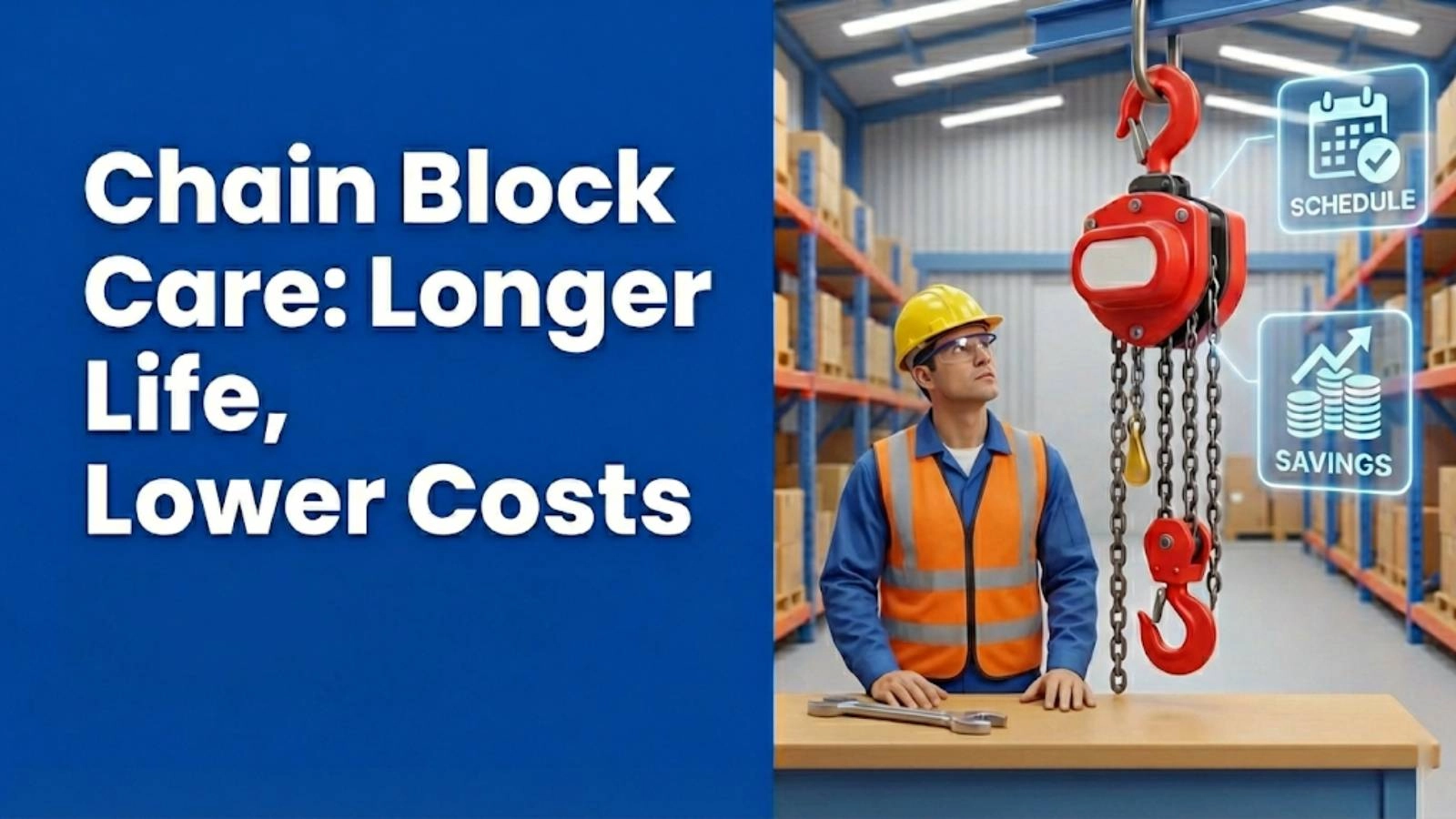
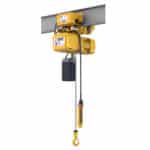
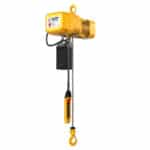
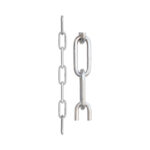
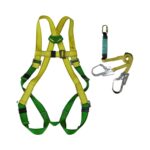
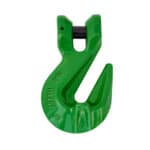
Chain block safety is paramount in any industry that involves lifting heavy loads. A chain block, also known as a manual chain block or hoist, is a simple yet crucial piece of lifting equipment used to raise and lower heavy objects using a gear mechanism. The reliability and safety of these devices directly impact workplace safety and productivity. Accidents involving chain blocks can lead to serious injuries, equipment damage, and project delays. Therefore, a comprehensive understanding of chain block safety practices, including proper inspection, maintenance, and operation, is essential for all personnel involved in lifting operations.
Key Takeaways: Chain Block Safety Essentials 🚀
- Regular inspections are CRUCIAL.
- Proper training REDUCES accidents.
- Correct load assessment PREVENTS failures.
- Immediate repairs are ESSENTIAL for safety.
Understanding Chain Block Hazards ⚠️
Common causes of chain block accidents
Chain block accidents can stem from a variety of factors, often interconnected. Overloading is a primary culprit. Exceeding the weight limit not only puts undue stress on the hoist itself, potentially causing catastrophic failure, but also creates an inherently unstable and dangerous situation. Improper slinging techniques also contribute significantly. If rigging isn’t done correctly, the load can shift, slip, or even fall, endangering anyone in the vicinity. Lack of inspections can lead to unnoticed wear and tear, corrosion, or damage compromising the structural integrity of the chain block. Inadequate training further exacerbates these risks. Untrained personnel may not be aware of proper operating procedures, load limits, or potential hazards, increasing the likelihood of accidents.
- Overloading: The dangers of exceeding the weight limit are significant. Overloading a chain block places excessive stress on its components, leading to potential failure. This can result in the load dropping unexpectedly, causing severe injuries or fatalities. Always ensure that the load weight is within the Safe Working Load (SWL) of the chain block.
- Improper Slinging: Incorrect rigging techniques can cause the load to become unstable and fall. Using damaged or inappropriate slings, failing to properly secure the load, or creating excessive sling angles can all contribute to accidents. It’s crucial to use the correct type of sling, ensure it’s in good condition, and follow proper rigging procedures.
- Lack of Inspections: Neglecting routine checks allows wear and tear, corrosion, and other damage to go unnoticed. These issues can weaken the chain block, increasing the risk of failure during operation. Regular inspections are essential for identifying potential problems before they lead to accidents.
- Inadequate Training: The impact of untrained personnel using chain blocks cannot be overstated. Untrained operators may not understand the proper operating procedures, load limits, or potential hazards associated with chain blocks. This lack of knowledge increases the risk of accidents and injuries. Comprehensive training is necessary to ensure that operators are competent and aware of safety protocols.
Identifying Potential Risks
Beyond the direct causes of accidents, several underlying risks can contribute to chain block-related incidents. Environmental factors, such as extreme temperatures, humidity, or exposure to corrosive substances, can degrade the chain block’s components and increase the risk of failure. Load instability, if not properly addressed, can lead to the load shifting or falling, endangering workers and damaging equipment. Equipment defects, such as worn chains, damaged hooks, or malfunctioning brakes, can compromise the chain block’s safety and reliability. Finally, human error plays a significant role. Operator mistakes, such as improper slinging, overloading, or using the chain block incorrectly, can lead to accidents.
- Environmental Factors: How weather and working conditions affect chain block operation. Exposure to harsh weather conditions, such as rain, snow, or extreme temperatures, can accelerate corrosion and wear on chain block components. Corrosive substances, such as chemicals or saltwater, can also damage the chain and other parts. It’s essential to protect chain blocks from these environmental factors and to regularly inspect them for signs of damage. For many of our clients here in Dammam, Saudi Arabia, we’ve seen that high humidity and heat can significantly impact the lifespan of lifting equipment.
- Load Instability: Recognizing and preventing unstable loads. An unstable load can shift or fall during lifting, causing serious accidents. Factors that contribute to load instability include an uneven weight distribution, improper slinging, and failure to secure the load properly. Before lifting, ensure that the load is balanced and properly secured. Use appropriate slings and rigging techniques to maintain stability.
- Equipment Defects: Spotting signs of wear and tear or damage is critical. Worn chains, damaged hooks, and malfunctioning brakes can all compromise the chain block’s safety. Regular inspections should include a thorough examination of these components. Any signs of damage or wear should be addressed immediately by taking the equipment out of service until it is repaired.
- Human Error: Addressing the role of operator mistakes in accidents. Human error is a significant contributing factor in many chain block accidents. Operator mistakes, such as improper slinging, overloading, or using the chain block incorrectly, can lead to serious incidents. Proper training and adherence to safe operating procedures are essential for minimizing human error.
Pre-Operation Chain Block Inspection Checklist ✅
A thorough pre-operation inspection is one of the most critical steps in ensuring chain block safety. This inspection should be conducted before each use to identify any potential problems that could compromise the chain block’s safety and reliability. The inspection should include both a visual examination of the chain block’s components and a functional test to verify its proper operation.
Visual Inspection: Step-by-Step Guide
The visual inspection should cover all critical components of the chain block, including the chain, hooks, brake, and housing. Each component should be examined for signs of wear, damage, or corrosion. Any identified issues should be addressed before using the chain block.
- Chain Condition: Checking for wear, corrosion, or damage to the chain links. The chain is a critical component of the chain block, and its condition directly affects the safety of the lifting operation. Inspect each chain link for signs of wear, stretching, corrosion, or damage. Look for any cracks, nicks, or gouges on the chain links. If any damage is found, the chain block should be taken out of service until the chain is replaced.
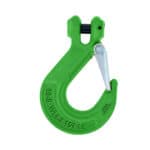
- Hook Integrity: Inspecting hooks for cracks, bends, or deformation. The hooks are another critical component of the chain block. Inspect the hooks for any cracks, bends, or deformation. Pay close attention to the hook’s throat opening, as any increase in the opening indicates that the hook has been overloaded. The hook latch should also be inspected to ensure that it is functioning correctly.
- Brake Functionality: Testing the brake to ensure it holds the load securely. The brake is essential for holding the load in place and preventing it from slipping or falling. Test the brake by lifting a small load and then releasing the chain. The brake should hold the load securely without any slippage. If the brake is not functioning correctly, the chain block should be taken out of service until the brake is repaired.
- Housing Examination: Looking for cracks or damage to the chain block housing. The housing protects the internal components of the chain block. Inspect the housing for any cracks, dents, or other damage. If any damage is found, the chain block should be taken out of service until the housing is repaired or replaced.
Functional Testing Before Use
In addition to the visual inspection, a functional test should be performed to verify the chain block’s proper operation. This test should include a load test to verify the chain block’s capacity, a check of the chain movement, and a test of any limit switches or emergency stop mechanisms.
- Load Testing: Performing a test lift with a known weight to verify capacity. Before using the chain block for a lifting operation, perform a test lift with a known weight that is within the chain block’s Safe Working Load (SWL). This test will verify that the chain block can handle the load safely and that the brake is functioning correctly. Carefully monitor the chain block during the test lift for any signs of strain or malfunction.
- Chain Movement: Ensuring smooth and unrestricted chain movement. The chain should move smoothly and without any binding or jerking. Any resistance or unusual noises during chain movement could indicate a problem with the chain or the internal components of the chain block. If any issues are observed, the chain block should be taken out of service until the problem is resolved.
- Limit Switch Operation: Testing the limit switch (if equipped) for proper function. Some chain blocks are equipped with limit switches that prevent the chain from being over-traveled. If the chain block has limit switches, test them to ensure that they are functioning correctly. The limit switches should stop the chain movement before it reaches the upper or lower limits of travel.
- Emergency Stop: Verifying the functionality of the emergency stop mechanism (if equipped). Some chain blocks are equipped with an emergency stop mechanism that allows the operator to quickly stop the chain movement in case of an emergency. If the chain block has an emergency stop mechanism, verify that it is functioning correctly. The emergency stop should immediately halt the chain movement when activated.
Safe Operating Procedures for Chain Blocks 👷
Following safe operating procedures is crucial for preventing accidents and ensuring the safe use of chain blocks. These procedures cover various aspects of chain block operation, including proper lifting techniques, load management best practices, and communication protocols.
Proper Lifting Techniques
Proper lifting techniques are essential for minimizing the risk of accidents during chain block operation. These techniques include using vertical lifts only, maintaining a controlled lifting speed, avoiding jerky movements, and establishing clear communication between the operator and signal person.
- Vertical Lifts Only: Emphasizing the importance of avoiding side pulls. Chain blocks are designed for vertical lifts only. Side pulls can place excessive stress on the chain block’s components and increase the risk of failure. Always ensure that the load is directly below the chain block and that the lifting force is applied vertically.
- Controlled Lifting Speed: Maintaining a slow and steady pace. A controlled lifting speed is essential for maintaining stability and preventing sudden movements that could cause the load to shift or fall. Avoid lifting the load too quickly, as this can create a hazardous situation.
- Avoiding Jerky Movements: Preventing sudden starts and stops. Jerky movements can place excessive stress on the chain block and rigging, increasing the risk of failure. Lift and lower the load smoothly and gradually to avoid sudden starts and stops.
- Communication: Using clear signals between the operator and signal person. Clear communication is essential for coordinating lifting operations and preventing misunderstandings that could lead to accidents. Use standardized hand signals or a two-way radio to communicate between the operator and signal person.
Load Management Best Practices
Effective load management is crucial for ensuring the safe lifting and handling of heavy objects. This includes accurately calculating load weight, ensuring the load’s center of gravity is properly positioned, selecting the appropriate slings, and securing the load effectively.
- Calculating Load Weight: Accurately determining the weight of the load. Before lifting any load, accurately determine its weight. Never exceed the chain block’s Safe Working Load (SWL). If the weight of the load is unknown, use a calibrated scale or other reliable method to determine its weight.
- Center of Gravity: Ensuring the load is balanced and stable. The load’s center of gravity should be directly below the lifting point to ensure stability. If the center of gravity is not properly positioned, the load may tilt or shift during lifting, increasing the risk of an accident. Adjust the lifting point or use multiple slings to ensure that the load is balanced.
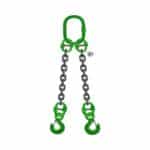
- Using Appropriate Slings: Selecting the right type and size of sling for the load. The slings used to lift the load should be appropriate for the weight, size, and shape of the load. Inspect the slings for any damage or wear before use. Never use damaged or worn slings.
- Load Securing: Properly securing the load to prevent shifting or falling. Secure the load properly to prevent it from shifting or falling during lifting. Use appropriate tie-down straps, chains, or other securing devices. Ensure that the securing devices are in good condition and properly attached to the load.
The Importance of Regular Chain Block Training 👨🏫
Training is paramount to ensuring operators and personnel understand chain block safety and are competent in using the equipment. Comprehensive training programs should cover theoretical knowledge, practical skills, certification requirements, and refresher courses.
Comprehensive Training Programs
Comprehensive training programs are essential for equipping operators with the knowledge and skills necessary to operate chain blocks safely. These programs should cover a range of topics, including theoretical knowledge, practical training, certification requirements, and refresher courses.
- Theoretical Knowledge: Understanding chain block operation, safety regulations, and load limits. A solid understanding of chain block operation, safety regulations, and load limits is essential for safe operation. Training programs should cover these topics in detail, providing operators with the knowledge they need to make informed decisions.
- Practical Training: Hands-on experience with chain block operation and maintenance. Hands-on experience is crucial for developing the skills necessary to operate chain blocks safely. Training programs should include practical exercises that allow operators to practice using chain blocks under the supervision of experienced instructors.
- Certification Requirements: Meeting industry standards and regulatory requirements. Certification demonstrates that an operator has met certain industry standards and regulatory requirements. Training programs should prepare operators for certification exams and ensure that they meet all necessary requirements.
- Refresher Courses: Maintaining competency through periodic retraining. Refresher courses are essential for maintaining competency and ensuring that operators stay up-to-date on the latest safety procedures and regulations. These courses should be conducted periodically to reinforce knowledge and skills.
Promoting a Safety Culture
Creating a safety culture within the workplace is essential for promoting chain block safety and preventing accidents. This involves employee involvement, safety meetings, leadership commitment, and positive reinforcement of safe work practices.
- Employee Involvement: Encouraging employees to report safety concerns. Encourage employees to report any safety concerns they may have, without fear of reprisal. Create a system for reporting safety concerns and ensure that all reports are investigated and addressed promptly.
- Safety Meetings: Discussing safety topics and reviewing incidents. Conduct regular safety meetings to discuss safety topics, review recent incidents, and reinforce safe work practices. These meetings provide an opportunity for employees to share their experiences and learn from each other.
- Leadership Commitment: Demonstrating a commitment to safety from management. Leadership must demonstrate a commitment to safety by providing the resources and support necessary to create a safe working environment. Management should also actively participate in safety meetings and promote safe work practices.
- Positive Reinforcement: Recognizing and rewarding safe work practices. Recognize and reward employees who follow safe work practices and contribute to a safe working environment. This can be done through incentive programs, awards, or other forms of recognition.
Maintenance and Repair: Extending Chain Block Lifespan 🛠️
Regular maintenance and timely repairs are essential for extending chain block lifespan and ensuring safe operation. Scheduled maintenance tasks include lubrication, cleaning, chain inspection, and brake adjustment.
Scheduled Maintenance Tasks
Scheduled maintenance tasks are crucial for preventing breakdowns and ensuring the chain block’s continued safe operation. These tasks should be performed regularly, according to the manufacturer’s recommendations.
- Lubrication: Applying appropriate lubricants to moving parts. Lubrication reduces friction and wear on moving parts, extending their lifespan and ensuring smooth operation. Apply appropriate lubricants to the chain, gears, and other moving parts, according to the manufacturer’s recommendations.
- Cleaning: Removing dirt, debris, and contaminants. Dirt, debris, and contaminants can interfere with the chain block’s operation and accelerate wear. Clean the chain block regularly to remove any dirt, debris, or contaminants.
- Chain Inspection: Detailed inspection for wear and damage. A detailed chain inspection should be performed regularly to identify any signs of wear or damage. Inspect each chain link for stretching, corrosion, or cracks. Replace the chain if any damage is found. The manual chain block requires careful attention and a schedule of inspection.
- Brake Adjustment: Ensuring proper brake function. The brake is essential for holding the load in place and preventing it from slipping or falling. Adjust the brake regularly to ensure that it is functioning correctly.
Identifying and Addressing Common Problems
Addressing common problems promptly can prevent more serious issues and extend the life of the chain block. These problems include chain slippage, brake failure, hook damage, and unusual noises.
- Chain Slippage: Troubleshooting chain slippage and wear. Chain slippage can occur due to worn chain links, a malfunctioning brake, or overloading. Inspect the chain for wear and replace it if necessary. Check the brake and adjust it if it is not functioning correctly. Ensure that the load is within the chain block’s Safe Working Load (SWL).
- Brake Failure: Diagnosing and repairing brake malfunctions. Brake failure can be caused by worn brake pads, a contaminated brake surface, or a malfunctioning brake mechanism. Inspect the brake pads and replace them if they are worn. Clean the brake surface if it is contaminated. Repair or replace the brake mechanism if it is malfunctioning.
- Hook Damage: Replacing damaged or deformed hooks. Damaged or deformed hooks can compromise the safety of the lifting operation. Inspect the hooks for cracks, bends, or deformation. Replace any damaged or deformed hooks immediately.
- Unusual Noises: Investigating and resolving unusual noises. Unusual noises can indicate a problem with the chain block’s internal components. Investigate any unusual noises and resolve the underlying problem promptly.
> “Regular maintenance and inspection are not just best practices, they are essential for ensuring the safe and reliable operation of chain blocks.” – John Smith, Lead Safety Inspector
Understanding Load Limits and Capacity ⚖️
Understanding load limits and capacity is paramount for preventing accidents caused by overloading. Determining Safe Working Load (SWL) involves reading the nameplate, considering all factors, and avoiding overloading.
Determining Safe Working Load (SWL)
The Safe Working Load (SWL) is the maximum load that a chain block is designed to lift safely. It’s crucial to understand how to determine the SWL and to never exceed it.
- Reading the Nameplate: Locating and understanding the information on the chain block nameplate. The chain block nameplate contains important information about the chain block, including its Safe Working Load (SWL), serial number, and manufacturer’s name. Locate the nameplate and understand the information it provides.
- Considering All Factors: Accounting for sling angles, load distribution, and environmental conditions. When determining the Safe Working Load (SWL), consider all factors that could affect the chain block’s capacity. These factors include sling angles, load distribution, and environmental conditions. Reduce the SWL if necessary to account for these factors.
- Avoiding Overloading: Never exceeding the SWL of the chain block. Overloading a chain block places excessive stress on its components and increases the risk of failure. Never exceed the chain block’s Safe Working Load (SWL).
Implementing Overload Protection
Overload protection measures can help prevent accidents caused by overloading. These measures include using load monitoring devices, employing shear pin mechanisms, and conducting regular inspections.
- Load Monitoring Devices: Using load cells or other devices to monitor the load. Load monitoring devices, such as load cells, can be used to monitor the load and prevent overloading. These devices provide a visual indication of the load weight, allowing the operator to ensure that it is within the chain block’s Safe Working Load (SWL).
- Shear Pin Mechanisms: Employing shear pin mechanisms to prevent overloading. Shear pin mechanisms are designed to break or shear when the load exceeds the chain block’s Safe Working Load (SWL). This prevents the chain block from being overloaded and protects its components from damage.
- Regular Inspections: Checking for signs of overloading. Regular inspections should include checking for signs of overloading, such as deformed hooks, stretched chain links, or a bent housing. If any signs of overloading are found, the chain block should be taken out of service and inspected by a qualified technician.
Regulatory Compliance and Standards 📜
Adhering to regulatory compliance and industry standards is vital for maintaining chain block safety. Key areas include OSHA requirements, ANSI standards, ISO standards, and local regulations.
OSHA Requirements for Chain Blocks
OSHA (Occupational Safety and Health Administration) sets specific requirements for chain block safety. These include inspection standards, training requirements, and maintenance guidelines.
- Inspection Standards: Meeting OSHA requirements for regular inspections. OSHA requires that chain blocks be inspected regularly by a qualified inspector. These inspections should include a thorough examination of all critical components, including the chain, hooks, brake, and housing.
- Training Requirements: Complying with OSHA training standards. OSHA requires that operators be trained in the safe operation of chain blocks. This training should cover topics such as load limits, proper slinging techniques, and emergency procedures.
- Maintenance Requirements: Adhering to OSHA maintenance guidelines. OSHA requires that chain blocks be maintained in good working condition. This includes regular lubrication, cleaning, and adjustment of the brake.
ANSI and Other Industry Standards
In addition to OSHA requirements, other industry standards, such as ANSI (American National Standards Institute) and ISO (International Organization for Standardization), provide guidance on chain block safety.
- ANSI Standards: Understanding and complying with ANSI standards for chain blocks. ANSI standards provide detailed specifications for the design, construction, and testing of chain blocks. Complying with these standards helps ensure that chain blocks are safe and reliable.
- ISO Standards: Adhering to ISO standards for quality and safety. ISO standards provide a framework for quality management and safety. Adhering to these standards helps ensure that chain blocks are manufactured to a high level of quality and that they are used safely.
- Local Regulations: Meeting local safety regulations and codes. In addition to OSHA, ANSI and ISO standards, it’s important to be aware of and comply with any local safety regulations and codes that may apply to chain block safety in your area.
Emergency Procedures and Response 🚨
Having well-defined emergency procedures and a rapid response plan is essential for minimizing the impact of accidents. This includes developing an emergency plan, establishing communication protocols, and training employees on emergency response.
Developing an Emergency Plan
Developing a comprehensive emergency plan is crucial for responding effectively to accidents and minimizing their impact. This plan should include procedures for identifying potential emergencies, establishing communication protocols, and training employees on emergency response.
- Identifying Potential Emergencies: Planning for potential accidents, such as chain breakage or load drops. Identify potential emergencies that could occur during chain block operation, such as chain breakage, load drops, or equipment malfunction. Develop procedures for responding to these emergencies.
- Establishing Communication Protocols: Setting up clear communication channels. Establish clear communication channels to ensure that all personnel are aware of any emergencies and that they can communicate effectively during an emergency. This may include using two-way radios, cell phones, or other communication devices.
- Training Employees: Training employees on emergency procedures. Train employees on emergency procedures so that they know how to respond in the event of an accident. This training should include topics such as first aid, evacuation procedures, and incident reporting.
Responding to Accidents
A quick and effective response to accidents is essential for minimizing injuries and preventing further damage. This includes providing first aid, reporting the incident, conducting a root cause analysis, and implementing corrective actions.
- First Aid: Providing immediate first aid to injured personnel. Provide immediate first aid to any injured personnel. Ensure that first aid supplies are readily available and that employees are trained in first aid procedures.
- Incident Reporting: Documenting the incident and reporting it to the appropriate authorities. Document the incident and report it to the appropriate authorities, such as OSHA or the local fire department. This reporting is essential for investigating the cause of the accident and preventing future occurrences.
- Root Cause Analysis: Investigating the cause of the accident to prevent recurrence. Conduct a root cause analysis to determine the underlying cause of the accident. This analysis should identify any contributing factors, such as equipment failure, human error, or inadequate training.
- Corrective Actions: Implementing corrective actions to address the root cause. Implement corrective actions to address the root cause of the accident. These actions may include repairing or replacing equipment, providing additional training, or revising safety procedures.
Case Studies: Learning from Past Accidents 📚
Analyzing past accidents can provide valuable insights into the causes of chain block-related incidents and help prevent future occurrences. Analyzing real-world incidents can offer lessons for improving training programs, enhancing inspection procedures, and reinforcing safe work practices.
Analyzing Real-World Incidents
Analyzing real-world incidents can help identify common causes of chain block accidents and develop strategies for preventing them. Examples of accidents resulting from overloading, incorrect rigging, and lack of maintenance are powerful lessons.
- Overloading Accidents: Case studies of accidents caused by overloading. Overloading accidents often result in equipment failure, load drops, and serious injuries. Analyze case studies of overloading accidents to understand the factors that contribute to these incidents and to develop strategies for preventing them.
- Improper Rigging Accidents: Examples of accidents resulting from incorrect rigging. Improper rigging can cause the load to become unstable and fall, leading to serious accidents. Analyze case studies of improper rigging accidents to understand the common mistakes that are made and to develop strategies for preventing them.
- Lack of Maintenance Accidents: Instances where neglecting maintenance led to accidents. Neglecting maintenance can lead to equipment failure and accidents. Analyze case studies of accidents caused by lack of maintenance to understand the importance of regular maintenance and inspection.
Implementing Lessons Learned
Implementing lessons learned from past accidents can help improve chain block safety and prevent future incidents. Incorporating lessons learned into training programs, enhancing inspection procedures, and reinforcing safe work practices are key steps.
- Improving Training Programs: Incorporating lessons learned into training programs. Incorporate lessons learned from past accidents into training programs to ensure that operators are aware of the potential hazards and that they know how to operate chain blocks safely.
- Enhancing Inspection Procedures: Strengthening inspection protocols. Enhance inspection procedures to ensure that all critical components are inspected regularly and that any potential problems are identified and addressed promptly.
- Reinforcing Safe Work Practices: Promoting adherence to safe work practices. Reinforce safe work practices to ensure that operators follow the correct procedures and that they are aware of the potential hazards.
Chain Block Safety: A Summary Table 📊
| Safety Aspect |
Best Practice |
Why It’s Important |
| Inspection |
Regular visual and functional checks |
Detects wear, damage, and potential failures |
| Training |
Comprehensive training for operators |
Ensures proper operation and risk awareness |
| Load Limits |
Adhering to Safe Working Load (SWL) |
Prevents overloading and equipment failure |
| Maintenance |
Scheduled maintenance and lubrication |
Extends lifespan and prevents malfunctions |
| Emergency Procedures |
Clear emergency plan and training |
Enables quick and effective response to accidents |
Conclusion
In summary, chain block safety is a multifaceted discipline that requires a thorough understanding of potential hazards, rigorous inspection protocols, adherence to safe operating procedures, comprehensive training programs, and a commitment to ongoing maintenance and repair. By prioritizing chain block safety, organizations can significantly reduce the risk of accidents, protect their employees, and ensure the smooth and efficient operation of their lifting equipment. Remember, workplace safety is everyone’s responsibility. We at SSTC are ready to partner with you to improve your company’s chain block safety.
FAQ Section
How often should chain blocks be inspected?
Chain blocks should be inspected before each use and regularly by a qualified inspector. The frequency of regular inspections depends on the usage and environmental conditions but should generally be performed at least quarterly.
What is the Safe Working Load (SWL)?
The SWL is the maximum load that a chain block is designed to lift safely. It should never be exceeded. Always refer to the chain block’s nameplate for the specific SWL.
What should I do if I find damage on a chain block?
Remove the chain block from service immediately and tag it as “Out of Service.” Have it inspected and repaired by a qualified technician before it is used again. Never attempt to repair a damaged chain block yourself unless you are a qualified technician.
How can I ensure my employees are properly trained?
Provide comprehensive training programs that cover both theoretical knowledge and practical skills. Conduct refresher courses regularly to maintain competency. Ensure that the training programs meet industry standards and regulatory requirements.
Where can I find more information about chain block safety regulations?
Consult OSHA guidelines, ANSI standards, ISO standards, and local safety regulations for specific requirements in your area. These resources provide detailed information on chain block safety and compliance.