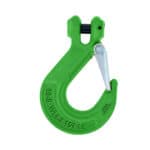
Chain blocks are indispensable tools in numerous industries, from construction and manufacturing to warehousing and logistics. They provide a reliable and efficient means of lifting heavy loads, but their safe operation is paramount. A lack of understanding or negligence in following safety protocols can lead to serious accidents, injuries, and costly damage.
This article focuses on the common mistakes made when using chain blocks and provides practical solutions to avoid them. At Safe and Secure Trading Company (SSTC), we have observed that many incidents stem from a lack of awareness and insufficient training. By addressing these common pitfalls, we aim to promote a safer working environment and ensure the longevity of your lifting equipment. Let’s dive into how to ensure proper chain block safety.
Mistake #1: Neglecting Pre-Use Inspections
Pre-use inspections are the first line of defense against accidents and equipment failure. These inspections identify potential problems before they escalate into hazardous situations. A quick visual check can reveal signs of wear, damage, or malfunction that might otherwise go unnoticed.
Failing to conduct these inspections regularly puts operators and those around them at significant risk. In our experience, neglecting pre-use inspections is one of the most common causes of chain block related incidents.
Common signs of wear and tear often missed include deformed hooks, damaged chains, and malfunctioning brakes. Ignoring these warning signs can lead to catastrophic failures during operation.
How to properly inspect the chain for kinks or damage
Inspecting the chain requires careful attention to detail. Look for:
- Kinks: These can weaken the chain and cause it to jam.
- Twists: Similar to kinks, twists can compromise the chain’s integrity.
- Wear: Excessive wear reduces the chain’s diameter and strength.
- Corrosion: Rust and corrosion can weaken the chain links.
- Cracks: Even small cracks can lead to chain failure under load.
Run your hand along the entire length of the chain, feeling for any irregularities. Pay close attention to areas where the chain comes into contact with the load or the chain block’s body, as these are often subject to the most wear.
Checking the hook for cracks and deformation
The hook is another critical component that requires thorough inspection. Look for:
- Cracks: Use a magnifying glass to check for small cracks, particularly around the hook’s throat and shank.
- Deformation: The hook should maintain its original shape. Any bending or distortion indicates that it has been overloaded.
- Latch Function: Ensure the safety latch is present and functions correctly to prevent the load from slipping off.
- Wear: Check for wear on the hook’s bearing surface, which can reduce its load-bearing capacity.
Remember, a damaged hook can fail suddenly, causing the load to drop unexpectedly.
Documenting inspections provides a record of the chain block’s condition over time. This allows you to track wear patterns and identify potential problems before they become critical. This information is invaluable for planning maintenance and replacement schedules.
Solution: Establish a clear inspection checklist and schedule. This checklist should include all critical components and specify the frequency of inspections. Ensure that all operators are trained on how to perform these inspections properly. Our team in Dubai often emphasizes the importance of visual aids and hands-on training to reinforce inspection procedures.
Mistake #2: Exceeding the Working Load Limit (WLL)
Understanding the Working Load Limit (WLL) is crucial for chain block safety. The WLL represents the maximum load that a chain block is designed to lift safely. Exceeding this limit can lead to equipment failure, property damage, and serious injuries.
The WLL is typically marked on the chain block itself, often on a nameplate or tag. It’s usually expressed in kilograms (kg) or tons (t). Ensure that everyone using the chain block understands how to locate and interpret this information.
Consequences of overloading a chain block can be severe. Overloading can cause the chain to stretch or break, the hook to deform, and the internal mechanisms to fail. This can result in the load dropping unexpectedly, potentially causing catastrophic damage or injury.
How to accurately estimate load weight is critical to avoiding overloads. Guessing is never a reliable method. Always use accurate weighing methods to determine the load’s weight before lifting.
Using load cells and other weighing devices
Load cells are electronic devices that measure the force exerted by a load. They provide a precise weight reading, allowing you to determine whether the load is within the chain block’s WLL.
Other weighing devices, such as crane scales and dynamometers, can also be used to accurately measure load weight. Ensure that these devices are calibrated regularly to maintain their accuracy.
Training personnel on load estimation
Training personnel on load estimation is essential, especially when precise weighing is not possible. Teach them how to estimate weight based on the material, dimensions, and other relevant factors.
Provide them with reference charts and tables that list the weights of common materials. Emphasize the importance of erring on the side of caution when estimating weight.
Solution: Implementing load monitoring procedures and providing training can prevent overloading incidents. Load monitoring procedures should include weighing the load before lifting and comparing it to the chain block’s WLL. Training should cover load estimation techniques, the consequences of overloading, and the proper use of weighing devices.
Mistake #3: Using Damaged or Unsuitable Slings and Rigging
The slings and rigging used in conjunction with chain blocks are just as important as the chain block itself. Damaged or unsuitable slings and rigging can fail under load, leading to accidents and injuries.
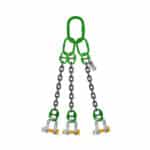
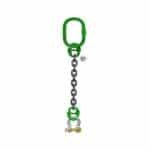
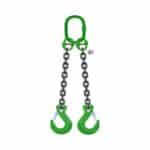
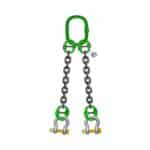
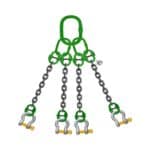
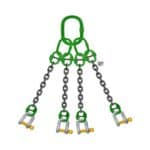
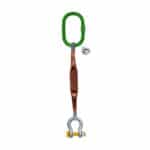
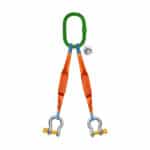
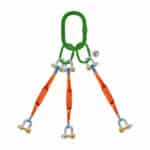
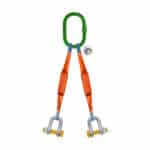
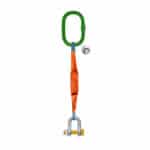
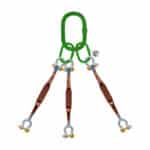
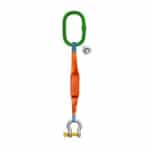
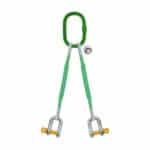
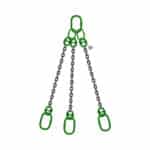
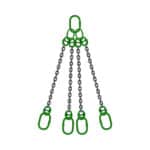
The importance of proper sling selection cannot be overstated. Slings come in various materials and configurations, each designed for specific types of loads and lifting conditions. Using the wrong type of sling can compromise its strength and stability.
Common sling damage includes cuts, abrasions, kinks, and corrosion. Any of these defects can significantly reduce the sling’s load-bearing capacity. Regularly inspect slings for these signs of damage and remove them from service if any are found.
Mismatched or incompatible rigging hardware can also pose a serious risk. Ensure that all rigging components, such as shackles, eye bolts, and hooks, are properly rated for the load and are compatible with the slings and chain block being used.
How to correctly select slings based on the load weight and configuration
Selecting the right slings requires careful consideration of several factors:
- Load Weight: The sling’s WLL must be equal to or greater than the weight of the load.
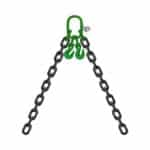
- Load Configuration: The shape and size of the load will determine the type of sling needed. For example, a round sling might be suitable for lifting pipes, while a chain sling might be necessary for lifting objects with sharp edges.
- Lifting Angle: The angle at which the sling is used affects its load capacity. As the angle increases, the load on each sling leg also increases.
- Environmental Conditions: Consider the environmental conditions in which the sling will be used. For example, synthetic slings are not suitable for use in high-temperature environments.
Identifying the different types of slings and their limitations
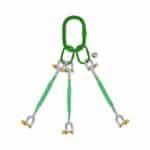
Different types of slings include:
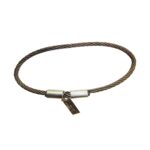
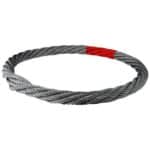
- Wire Rope Slings: Strong and durable, but can be susceptible to kinking and abrasion.
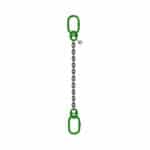
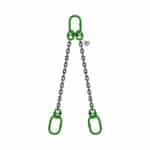
- Chain Slings: Highly resistant to abrasion and high temperatures, but can be heavy and difficult to handle.
- Synthetic Slings: Lightweight and flexible, but can be damaged by sharp edges and high temperatures.
- Web Slings: A type of synthetic sling that is strong and durable.
Each type of sling has its own limitations. Understanding these limitations is crucial for safe sling selection.
Solution: Regular sling inspections and proper rigging training can significantly reduce the risk of accidents. Inspections should be conducted before each use, and training should cover sling selection, inspection procedures, and safe rigging practices. We at Safe and Secure Trading Company (SSTC) always advise that our clients conduct regular inspections to ensure chain fall safety.
Mistake #4: Improper Chain Block Installation and Mounting
The way a chain block is installed and mounted is critical for its safe operation. Incorrectly securing the chain block to the supporting structure can cause it to fall, resulting in serious accidents.
Using inadequate or damaged mounting points can also compromise the chain block’s stability. The mounting point must be strong enough to support the weight of the chain block and the load being lifted.
Failing to consider the angle of the lift can also create problems. Lifting at an angle can put undue stress on the chain block and the mounting point, potentially leading to failure.
The impact of the lifting angle on the load capacity
The lifting angle has a significant impact on the load capacity of the chain block and the slings. As the lifting angle increases, the tension on the slings also increases. This means that the slings must be rated for a higher load capacity than the actual weight of the load.
For example, if you are using two slings to lift a 1000 kg load at a 45-degree angle, each sling will be subjected to a tension of approximately 707 kg. If the angle is increased to 60 degrees, the tension on each sling will increase to 1000 kg.
Best practices for selecting appropriate mounting points
When selecting mounting points, consider the following:
- Strength: The mounting point must be strong enough to support the weight of the chain block and the load.
- Stability: The mounting point must be stable and free from movement.
- Location: The mounting point should be located directly above the load to minimize the lifting angle.
- Inspection: Inspect the mounting point for any signs of damage or weakness before using it.
Solution: Following manufacturer’s guidelines and seeking professional advice can help ensure proper chain block installation and mounting. The manufacturer’s guidelines provide specific instructions on how to install and use the chain block safely. If you are unsure about any aspect of the installation, seek advice from a qualified professional.
Mistake #5: Neglecting Proper Chain Block Maintenance
Regular maintenance is essential for keeping chain blocks in good working condition and ensuring their safe operation. Neglecting maintenance can lead to premature wear, corrosion, and eventual failure. We’ve found that proper chain block maintenance can dramatically extend the lifespan of your rigging equipment.
The importance of regular lubrication and cleaning cannot be overstated. Lubrication reduces friction and wear, while cleaning removes dirt and debris that can damage the chain block’s internal mechanisms.
Ignoring signs of corrosion or rust can also lead to serious problems. Corrosion weakens the metal components of the chain block, reducing its load-bearing capacity.
Lack of scheduled professional maintenance can also compromise the chain block’s safety. Professional maintenance involves a thorough inspection, cleaning, and lubrication of the chain block, as well as the replacement of any worn or damaged parts.
How to lubricate the chain block properly
To lubricate the chain block properly:
- Use a high-quality lubricant that is specifically designed for chain blocks.
- Apply the lubricant to all moving parts, including the chain, gears, and bearings.
- Wipe off any excess lubricant to prevent dirt and debris from accumulating.
- Follow the manufacturer’s recommendations for lubrication frequency.
Developing a preventive maintenance schedule
A preventive maintenance schedule should include the following:
- Daily Inspections: Visual inspections for signs of wear, damage, or leaks.
- Monthly Lubrication: Lubrication of all moving parts.
- Annual Professional Maintenance: A thorough inspection, cleaning, and lubrication by a qualified technician.
Solution: Implementing a maintenance schedule and training personnel can help ensure that chain blocks are properly maintained. The maintenance schedule should be based on the manufacturer’s recommendations and the frequency of use. Personnel should be trained on how to perform basic maintenance tasks, such as lubrication and cleaning.
Mistake #6: Allowing Untrained Personnel to Operate Chain Blocks
Allowing untrained personnel to operate chain blocks is a recipe for disaster. Untrained operators are more likely to make mistakes that can lead to accidents, injuries, and equipment damage.
The dangers of untrained operators include:
- Incorrect Operation: Using the chain block improperly can damage the equipment and create hazardous situations.
- Overloading: Failing to understand the WLL can lead to overloading, which can cause the chain block to fail.
- Improper Rigging: Using damaged or unsuitable slings and rigging can result in the load dropping unexpectedly.
- Lack of Awareness: Failing to recognize potential hazards can put themselves and others at risk.
Essential training topics for chain block operators include:
- Chain Block Operation: Proper techniques for lifting and lowering loads.
- Load Estimation: Methods for accurately estimating load weight.
- Sling Selection: Choosing the right slings for the load and lifting conditions.
- Rigging Practices: Safe techniques for attaching slings and rigging to the load and the chain block.
- Inspection Procedures: Identifying signs of wear, damage, or malfunction.
- Safety Regulations: Understanding and complying with relevant safety regulations.
Lack of understanding of safety procedures is a common problem among untrained operators. They may not be aware of the potential hazards associated with chain block operation or know how to mitigate them.
What should be included in a chain block operator training program?
A comprehensive chain block operator training program should include:
- Classroom Instruction: Covering the principles of chain block operation, load estimation, sling selection, rigging practices, inspection procedures, and safety regulations.
- Hands-on Training: Providing operators with the opportunity to practice using chain blocks under the supervision of a qualified instructor.
- Written and Practical Exams: Assessing operators’ understanding of the material and their ability to operate chain blocks safely.
The importance of refresher courses and certifications
Refresher courses and certifications help ensure that operators maintain their knowledge and skills over time. They also provide a way to track operators’ training and competency.
Solution: Mandatory training and certification for all operators can significantly reduce the risk of accidents. Training should be conducted by qualified instructors and should cover all aspects of chain block operation and safety. Certification should be renewed periodically to ensure that operators maintain their competency. In our years of experience in overhead lifting safety we have noted that certified operators work more efficiently and safely.
Mistake #7: Ignoring Environmental Factors
Environmental factors can significantly impact chain block performance and safety. Ignoring these factors can lead to premature wear, corrosion, and even equipment failure.
The impact of extreme temperatures on chain block performance can be significant. High temperatures can reduce the strength of the metal components, while low temperatures can make them brittle.
Corrosive environments can also damage chain blocks. Exposure to chemicals, salt water, or other corrosive substances can cause the metal components to rust and corrode, weakening them over time.
Working in wet or dusty conditions can also create problems. Water can cause the chain and internal mechanisms to rust, while dust can clog the moving parts and cause them to wear out prematurely.
How to protect chain blocks from environmental damage
To protect chain blocks from environmental damage:
- Store them in a dry, protected location when not in use.
- Clean them regularly to remove dirt, dust, and debris.
- Lubricate them frequently to prevent rust and corrosion.
- Use chain blocks that are specifically designed for use in harsh environments.
Selecting chain blocks suitable for specific environments
When selecting chain blocks for specific environments, consider the following:
- Temperature Range: Choose a chain block that is designed to operate within the expected temperature range.
- Corrosion Resistance: Select a chain block with corrosion-resistant components if it will be used in a corrosive environment.
- Dust and Water Resistance: Choose a chain block that is sealed to protect it from dust and water if it will be used in wet or dusty conditions.
Solution: Selecting appropriate chain blocks and implementing protective measures can help mitigate the impact of environmental factors. Protective measures may include storing the chain blocks in a dry location, cleaning them regularly, and lubricating them frequently.
Mistake #8: Failing to Use Personal Protective Equipment (PPE)
Personal Protective Equipment (PPE) is essential for protecting operators from injuries while using chain blocks. Failing to use PPE can result in serious injuries, such as cuts, bruises, and eye injuries.
The importance of wearing gloves, safety glasses, and hard hats cannot be overstated. Gloves protect hands from cuts and pinches, safety glasses prevent eye injuries from debris, and hard hats protect the head from falling objects.
Protecting hands from chain cuts and pinches is crucial. Chain blocks have many moving parts that can pinch or cut hands if they are not properly protected.
Preventing eye injuries from debris is also important. Dust, dirt, and other debris can be kicked up during chain block operation, potentially causing eye injuries.
What PPE is required when operating a chain block?
The required PPE when operating a chain block typically includes:
- Gloves: To protect hands from cuts, pinches, and abrasions.
- Safety Glasses: To protect eyes from dust, dirt, and debris.
- Hard Hat: To protect the head from falling objects.
- Safety Shoes: To protect feet from dropped objects and other hazards.
The consequences of not using PPE
The consequences of not using PPE can be severe, including:
- Cuts and Bruises: From contact with the chain, hooks, or other parts of the chain block.
- Eye Injuries: From dust, dirt, or debris.
- Head Injuries: From falling objects.
- Foot Injuries: From dropped objects or other hazards.
Solution: Enforcing PPE requirements and providing adequate equipment can help prevent injuries. PPE requirements should be clearly communicated to all operators, and supervisors should ensure that operators are wearing the required PPE.
Mistake #9: Rushing the Lifting Process
Rushing the lifting process is a common mistake that can lead to accidents and injuries. Taking shortcuts and neglecting safety precautions can have serious consequences.
The dangers of hasty lifting operations include:
- Loss of Control: Rushing can cause operators to lose control of the load.
- Equipment Damage: Hasty movements can damage the chain block or the load.
- Injuries: Rushing can increase the risk of injuries to operators and others in the vicinity.
Importance of planning and communication: Before beginning any lifting operation, it is essential to plan the lift carefully and communicate the plan to all involved personnel. This includes identifying potential hazards, selecting the appropriate equipment, and establishing clear communication signals.
Neglecting to clear the area of obstacles can also create problems. Obstacles can interfere with the lifting operation and increase the risk of accidents.
Developing a lift plan and communicating it effectively
A lift plan should include the following:
- Load Weight and Dimensions: Accurately determine the weight and dimensions of the load.
- Lifting Path: Identify the path the load will take during the lift.
- Potential Hazards: Identify any potential hazards along the lifting path.
- Equipment Selection: Select the appropriate chain block, slings, and rigging.
- Communication Signals: Establish clear communication signals between the operator and other personnel.
The lift plan should be communicated to all involved personnel before the lift begins.
How to ensure a safe lifting zone
To ensure a safe lifting zone:
- Clear the area of all obstacles.
- Establish a perimeter around the lifting zone.
- Post warning signs to alert others to the lifting operation.
- Ensure that only essential personnel are allowed within the lifting zone.
Solution: Emphasizing slow, controlled movements and thorough planning can help prevent accidents. Operators should be trained to lift loads slowly and smoothly, avoiding sudden movements or jerks. They should also be trained to plan each lift carefully and to communicate the plan to all involved personnel.
> “Chain block safety is not just about following rules; it’s about fostering a culture of awareness and responsibility.” – John Smith, Lead Safety Inspector
Conclusion: Ensuring Chain Block Safety for a Safer Workplace
In conclusion, chain block safety is paramount for a safe and productive workplace. By avoiding common mistakes such as neglecting pre-use inspections, exceeding the WLL, using damaged rigging, improper installation, neglecting maintenance, allowing untrained personnel to operate the equipment, ignoring environmental factors, failing to use PPE, and rushing the lifting process, we can significantly reduce the risk of accidents and injuries.
Prioritizing chain block safety not only protects workers but also prevents costly equipment damage and downtime. Understanding chain block regulations and ensuring adherence to them is also vital. Remember, a proactive approach to safety is always more effective than a reactive one. By implementing the solutions outlined in this article, you can create a safer and more efficient working environment for everyone.
FAQ Section
Q: How often should chain blocks be inspected?
A: Chain blocks should be inspected before each use and at regular intervals, such as monthly or quarterly, depending on the frequency of use and the severity of the operating conditions. A comprehensive lifting equipment inspection should be carried out by a competent person.
Q: What is the most important thing to check during a pre-use inspection?
A: The most important things to check during a pre-use inspection are the chain for damage or wear, the hooks for cracks or deformation, and the brake mechanism for proper function. Don’t forget to check for the visibility and legibility of the WLL marking.
Q: What should I do if I find damage during an inspection?
A: If you find any damage during an inspection, remove the chain block from service immediately and tag it for repair or replacement. Do not attempt to use a damaged chain block.
Q: How do I determine the correct WLL for my lifting application?
A: The WLL should be clearly marked on the chain block. To determine the correct WLL, you must first accurately estimate the weight of the load you will be lifting. The chain block’s WLL must be equal to or greater than the weight of the load.
Q: What type of lubricant should I use on my chain block?
A: Use a high-quality lubricant that is specifically designed for chain blocks. Avoid using general-purpose lubricants, as they may not provide adequate protection.
Q: How often should I lubricate my chain block?
A: Lubricate your chain block at regular intervals, such as monthly or quarterly, depending on the frequency of use and the operating conditions. Follow the manufacturer’s recommendations for lubrication frequency. Proper chain block maintenance is critical.
Q: What type of training is required for chain block operators?
A: Chain block operators should receive comprehensive training that covers chain block operation, load estimation, sling selection, rigging practices, inspection procedures, and safety regulations.
Q: What is the purpose of PPE when operating a chain block?
A: PPE is designed to protect operators from injuries while using chain blocks. Required PPE typically includes gloves, safety glasses, and a hard hat.
Q: How can I prevent overloading a chain block?
A: To prevent overloading, accurately estimate the weight of the load before lifting and ensure that the chain block’s WLL is equal to or greater than the weight of the load. Use load cells or other weighing devices to verify the load weight.
Q: What are some common environmental factors that can affect chain block performance?
A: Common environmental factors that can affect chain block performance include extreme temperatures, corrosive environments, and wet or dusty conditions.
Q: What are chain block regulations I should know about?
A: Chain block regulations vary by region and industry, but typically include requirements for inspection, maintenance, training, and safe operating procedures. Consult with your local safety authority to determine the specific regulations that apply to your operations.