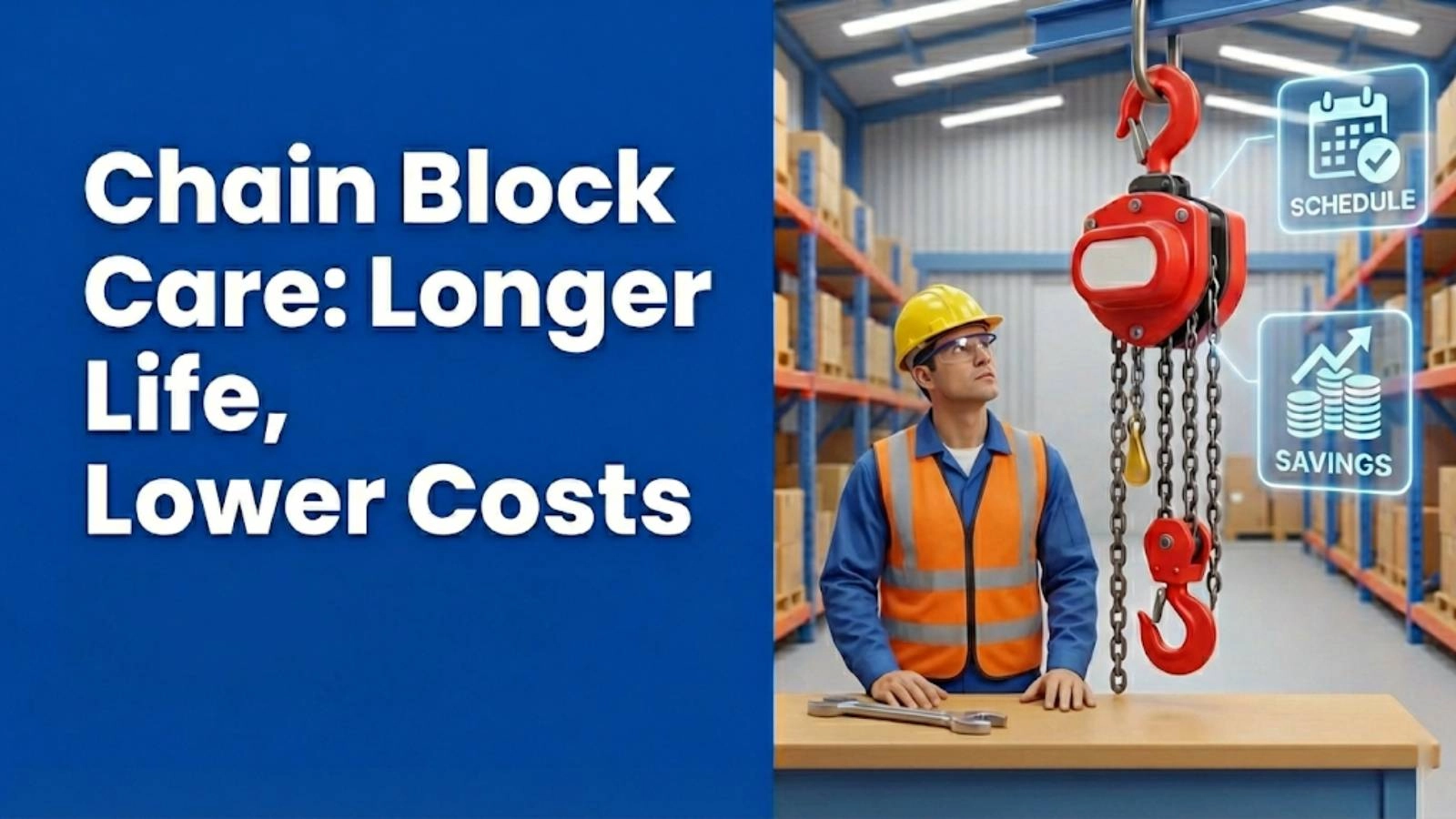
Chain Block Troubleshooting
Introduction: Understanding Chain Block Basics
What is a Chain Block and How Does It Work?
A chain block, also known as a manual chain hoist, is a mechanical lifting device used to raise and lower heavy loads using a chain. It operates on a simple principle: applying a small force over a longer distance to lift a much heavier load over a shorter distance. The power comes from the user pulling on the hand chain, which then drives a series of gears to lift the load chain. This gear system provides a significant mechanical advantage, making it possible to lift very heavy objects with minimal effort.
The core of the mechanism is a series of gears with different sizes, interconnected to multiply the force applied on the hand chain. When you pull the hand chain, it turns a smaller gear that drives a larger gear. This process continues through several gear reductions, increasing the lifting force at each step. This mechanical advantage allows a single person to lift objects weighing hundreds or even thousands of pounds.
The key components of a chain block include the load chain, hand chain, upper and lower hooks, gears, braking mechanism, and the housing that encloses and protects all these parts. The load chain is specifically designed to bear heavy loads, while the hand chain is used by the operator to apply force. The hooks are used to attach the chain block to the load and the support structure. The gears provide the mechanical advantage, and the braking mechanism ensures that the load remains in place when the hand chain is released. The housing protects the internal components from damage and environmental factors.
Chain blocks find typical applications across various industries, including construction sites, workshops, manufacturing plants, and automotive repair shops. In construction, they are used for lifting materials such as steel beams, concrete blocks, and machinery components. In workshops and manufacturing plants, they are used for positioning heavy equipment, assembling products, and loading/unloading items. Automotive repair shops use chain blocks to lift engines and other heavy parts for maintenance and repair. Their versatility and ease of use make them invaluable tools in any setting where heavy lifting is required.
Why Proper Chain Block Maintenance Matters
Proper chain block maintenance is not just about keeping your equipment running smoothly; it’s fundamentally about safety. A neglected chain block can pose significant risks to workers and equipment. Failure to maintain these tools can lead to unexpected failures, resulting in dropped loads, injuries, or even fatalities. Regular inspections and maintenance help identify and address potential problems before they escalate into dangerous situations. By ensuring that all components are in good working order, you minimize the risk of accidents and create a safer working environment for everyone involved.
Beyond safety, preventative maintenance is key to cost savings. Addressing minor issues early on can prevent them from turning into major, expensive repairs. For example, a lack of lubrication can cause excessive wear on gears and chains, leading to premature failure. Replacing a worn chain or gear is far more costly than regularly lubricating the chain block. By investing in routine maintenance, you can avoid costly downtime, reduce the need for frequent repairs, and extend the overall lifespan of your equipment.
Furthermore, consistent chain block maintenance significantly extends the lifespan of your equipment. Like any mechanical device, a chain block is subject to wear and tear over time. Regular cleaning, lubrication, and inspection can help mitigate these effects, keeping your chain block operating efficiently for years to come. By proactively caring for your equipment, you maximize your investment and avoid the need for premature replacement. This also ensures that the chain block maintains its lifting capacity and reliability, providing consistent performance throughout its operational life.
Common Chain Block Problems and Solutions
Problem 1: Chain Slipping or Jerking
Identifying the Cause of Chain Slipping
Chain slippage or jerking is a common issue with chain blocks, and identifying the root cause is essential for effective troubleshooting. One frequent cause is worn chain links. Visually inspect the chain for signs of wear, such as elongated links, thinning, or corrosion. A worn chain will not properly engage with the gears, leading to slippage. SSTC’s team in Dubai often sees this issue in older chain blocks that have been used extensively without regular chain block maintenance.
Grease or oil contamination can also cause chain slippage. While lubrication is necessary, excessive grease or oil can reduce friction between the chain and gears. This is because the lubricant can attract dirt and debris, creating a slippery film that prevents proper engagement. Inspect the chain and gears for excessive lubricant or contaminants. Cleanliness is crucial for maintaining optimal performance.
Overloading is another significant cause of chain slippage. Every chain block has a specific weight limit, and exceeding this limit can cause the chain to slip or jerk. Check the chain block’s load capacity and compare it to the weight of the load. Using a load cell can help accurately determine the weight of the load, ensuring that you are not exceeding the chain block’s capacity. Overloading not only causes slippage but can also lead to permanent damage to the chain block.
Quick Fixes for Chain Slipping
Cleaning the chain is often the first step in addressing chain slippage. Use a degreaser and a brush to remove any dirt, grease, or contaminants from the chain. Rinse the chain thoroughly with water and allow it to dry completely. This process helps restore the chain’s ability to properly engage with the gears. A clean chain provides better grip and reduces the likelihood of slippage.
After cleaning, lubricating the chain with the right lubricant is essential. Use a light, penetrating oil specifically designed for chains. Apply the lubricant evenly along the entire length of the chain, ensuring that it penetrates the links. Avoid using heavy grease, as it can attract dirt and cause further problems. Proper lubrication reduces friction and ensures smooth operation.
If overloading is suspected, immediately reduce the load to within the chain block’s specified weight limit. Use a load cell to accurately measure the weight of the load. Distribute the weight evenly to prevent uneven strain on the chain. Ensuring that the load is within the safe operating range is crucial for preventing chain slippage and protecting the chain block from damage. “We once had a client who ignored the weight limit and faced significant equipment damage. Always double-check the load,” advises John Smith, Lead Safety Inspector.
Problem 2: Chain Block Jamming
Diagnosing the Reason for Jamming
Chain block jamming can be a frustrating and potentially dangerous issue. One of the most common causes is a kinked or twisted chain. Inspect the chain carefully for any visible kinks, twists, or bends. These deformities can prevent the chain from moving smoothly through the gears. Attempting to force the chain through can cause further damage to the chain block. Addressing these issues promptly can prevent more serious problems.
Debris or rust inside the block is another frequent cause of jamming. Over time, dirt, dust, and rust can accumulate inside the chain block, obstructing the movement of the chain and gears. Common signs of debris or rust include difficulty pulling the chain, unusual noises, and visible particles around the chain. Regular cleaning and lubrication can help prevent the buildup of debris and rust.
Internal gear damage can also lead to chain block jamming. Symptoms of gear damage include grinding noises, difficulty lifting, and visible wear or breakage on the gears. Gear damage can be caused by overloading, lack of lubrication, or general wear and tear. If you suspect gear damage, it is crucial to have the chain block inspected by a qualified technician. Ignoring gear damage can lead to complete failure of the chain block.
Unjamming Your Chain Block: A Step-by-Step Guide
Before attempting to unjam a chain block, it’s critical to prioritize safety. Wear appropriate personal protective equipment (PPE), including gloves and eye protection. Ensure that the load is properly supported by an alternative means, such as a crane or additional supports, to prevent it from dropping unexpectedly. Never attempt to unjam a chain block while it is under load. Safe and Secure Trading Company always emphasizes safety first.
Next, try to loosen the chain gently. Avoid using excessive force, as this can cause further damage. Inspect the chain for any obvious obstructions or kinks. If possible, try to manually realign the chain to allow it to move more freely. Apply a penetrating lubricant to the chain to help loosen any rust or debris. Patience is key to avoiding further damage.
Once the chain is loosened, focus on cleaning and lubricating the internal parts. Disassemble the chain block carefully, following the manufacturer’s instructions. Use a solvent to remove any dirt, rust, or debris from the gears and other internal components. Apply a light, penetrating oil to all moving parts. Reassemble the chain block, ensuring that all parts are properly aligned. Regular cleaning and lubrication can prevent future jamming issues.
Problem 3: Difficulty Lifting or Excessive Effort Required
Finding the Root Cause of Hard Lifting
Difficulty lifting or requiring excessive effort when using a chain block can stem from several underlying issues. A primary cause is often a lack of lubrication. Without adequate lubrication, friction increases between the chain, gears, and other moving parts, making it harder to lift the load. Check all lubrication points and ensure they are properly greased or oiled.
Internal damage or wear to components like gears, bearings, or the chain itself can significantly increase the effort required for lifting. Inspect these components for signs of wear, such as pitting, corrosion, or deformation. Worn or damaged parts create additional friction and reduce the efficiency of the chain block. Addressing internal damage promptly can prevent further problems.
An incorrect chain path can also cause hard lifting. Ensure that the chain is properly aligned and routed through the chain block’s mechanism. A misaligned chain can create excessive friction and prevent smooth operation. Check the manufacturer’s instructions for the correct chain path and make any necessary adjustments. Proper chain alignment is essential for efficient lifting.
Solutions for Hard Lifting
A complete lubrication of the chain block can often resolve issues related to hard lifting. Use a high-quality lubricant specifically designed for chain blocks. Apply the lubricant to all moving parts, including the chain, gears, and bearings. Ensure that the lubricant penetrates all critical areas to reduce friction. Regular lubrication is crucial for maintaining smooth and efficient operation.
Check and correct the chain path to ensure that the chain is properly aligned within the chain block. Follow the manufacturer’s instructions to verify the correct routing. Remove any twists, kinks, or obstructions that may be hindering the chain’s movement. A properly aligned chain path minimizes friction and allows for easier lifting.
However, there are times when professional assistance is necessary. If you’ve addressed lubrication and chain path issues but the problem persists, it may be time to call a professional for repairs. Internal damage or wear may require specialized tools and expertise to fix. Attempting to repair complex issues yourself can lead to further damage or injury. Knowing your limits is crucial for maintaining safety and protecting your equipment.
Preventative Maintenance: Keeping Your Chain Block in Top Shape
Daily Inspection Checklist
A daily inspection is the first line of defense in preventing chain block problems. Start with visual checks for any signs of damage, wear, and adequate lubrication. Look for cracks, dents, or corrosion on the housing, hooks, and chain. Ensure that all parts are properly lubricated and free from excessive dirt or debris. Addressing minor issues early on can prevent them from escalating into major problems.
Test the chain for smooth operation by pulling it through the chain block mechanism. Check for any signs of stiffness, binding, or unusual noises. A smoothly operating chain indicates that the internal components are in good condition. Any resistance or abnormalities should be investigated further.
Verify that the load limits are clearly marked on the chain block and are still legible. Ensure that the safety mechanisms, such as the braking system and load limiter, are functioning properly. Overloading or using a chain block with faulty safety mechanisms can be extremely dangerous. Regular verification of load limits and safety features is essential for preventing accidents.
Weekly/Monthly Maintenance Tasks
Deep cleaning and lubrication should be performed on a weekly or monthly basis, depending on the frequency of use and the operating environment. Disassemble the chain block and clean all parts thoroughly with a solvent to remove any dirt, grease, or contaminants. Apply a fresh coat of high-quality lubricant to all moving parts. Regular deep cleaning and lubrication prevent wear and corrosion.
Check for rust and corrosion on all metal surfaces, including the chain, hooks, and housing. Remove any rust with a wire brush and apply a rust inhibitor. Corrosion can weaken the chain block’s components and compromise its structural integrity. Addressing rust and corrosion promptly can extend the lifespan of the equipment.
Inspect the hooks and safety latches for any signs of damage, such as cracks, bends, or wear. Ensure that the safety latches are functioning properly and securely close. Damaged or malfunctioning hooks and safety latches can pose a serious safety risk. Replacing damaged hooks and latches immediately is crucial for preventing accidents.
Long-Term Storage Best Practices
Before storing a chain block for an extended period, it’s essential to clean and lubricate it thoroughly. Remove any dirt, grease, or contaminants from all parts. Apply a generous coat of lubricant to protect against rust and corrosion. Proper cleaning and lubrication prevent damage during storage.
Store the chain block in a dry, protected environment away from direct sunlight and extreme temperatures. Moisture and temperature fluctuations can accelerate corrosion and degrade the chain block’s components. A clean, dry storage environment helps preserve the equipment’s condition.
During storage, conduct regular inspections to check for any signs of rust, corrosion, or damage. Re-lubricate the chain block as needed. Regular inspections ensure that the chain block remains in good working order and is ready for use when needed.
Safety First: Important Precautions When Using Chain Blocks
Proper Lifting Techniques
Avoiding side pulls and angled lifts is crucial for safe chain block operation. Side pulls and angled lifts can place excessive stress on the chain block’s components, leading to damage or failure. Always ensure that the load is directly below the chain block and that the lifting force is applied vertically. Using proper lifting techniques prevents accidents and prolongs the life of the equipment.
Using the correct sling and rigging is essential for securing the load and preventing it from slipping or falling. Choose slings and rigging with appropriate load capacities and in good condition. Inspect slings and rigging for any signs of damage, such as cuts, frays, or corrosion. Secure the load properly to prevent it from shifting during lifting.
Maintaining a safe distance from the load is vital for protecting yourself from potential hazards. Avoid standing directly under the load or in the path of its movement. Keep a safe distance to avoid being struck by the load if it were to fall. Safe positioning is crucial for preventing injuries.
Understanding Load Limits and Overload Protection
Clearly marking load limits on the chain block is essential for preventing overloading. The load limit should be prominently displayed and easily visible. Ensure that all operators are aware of the load limit and understand its importance. Clear load limit markings help prevent accidents caused by overloading.
Using overload protection devices, such as load limiters or shear pins, can help prevent overloading. These devices are designed to prevent the chain block from lifting loads that exceed its capacity. Ensure that overload protection devices are functioning properly and are regularly inspected. Overload protection devices add an extra layer of safety to prevent accidents.
Training operators on safe lifting practices is crucial for ensuring that chain blocks are used correctly and safely. Training should cover proper lifting techniques, load limit awareness, and the importance of regular inspections. Properly trained operators are more likely to use chain blocks safely and effectively. Safe and Secure Trading Company provides comprehensive training programs to ensure operators are well-versed in chain block safety.
Recognizing and Avoiding Hazards
Identifying potential pinch points is important for preventing injuries. Pinch points are areas where body parts can be caught or crushed between moving parts. Be aware of pinch points around the chain, hooks, and gears. Keep hands and fingers clear of pinch points during operation.
Ensuring proper lighting and visibility is essential for safe chain block operation. Adequate lighting allows operators to see the load, the chain block, and the surrounding area clearly. Good visibility reduces the risk of accidents caused by poor judgment or miscalculations. Proper lighting and visibility are crucial for preventing accidents.
Wearing appropriate PPE (Personal Protective Equipment), such as gloves, safety glasses, and steel-toed boots, can protect against potential hazards. Gloves protect hands from cuts and abrasions, safety glasses protect eyes from debris, and steel-toed boots protect feet from falling objects. PPE provides an additional layer of protection against workplace hazards.
Advanced Troubleshooting: When to Call a Professional
Recognizing Signs of Irreparable Damage
Cracked or broken housings indicate severe damage that often cannot be repaired. The housing protects the internal components of the chain block, and any compromise to its integrity can affect its overall performance and safety. A cracked or broken housing should be a clear sign to retire the chain block.
Severely worn or damaged gears can also render a chain block irreparable. Gears are critical for the lifting mechanism, and significant wear or damage can prevent smooth and efficient operation. If the gears are excessively worn, chipped, or broken, it’s time to replace the entire unit. Trying to operate with damaged gears can lead to complete failure and potential injury.
Chain stretch beyond acceptable limits is another indicator of irreparable damage. Over time, the chain can stretch due to repeated use and heavy loads. Excessive chain stretch can cause the chain to slip or break, posing a significant safety risk. Use a chain gauge to measure chain stretch and compare it to the manufacturer’s specifications. If the chain exceeds the acceptable limit, it should be replaced immediately.
Finding Qualified Repair Services
Checking certifications and experience is essential when selecting a repair service. Look for repair technicians who are certified by recognized organizations and have extensive experience working with chain blocks. Certifications and experience demonstrate that the technicians have the necessary knowledge and skills to perform repairs correctly and safely.
Getting multiple quotes for repairs can help ensure that you are getting a fair price and quality service. Contact several repair services and ask for detailed quotes, including the cost of parts and labor. Compare the quotes carefully and choose a service that offers a balance of affordability and expertise.
Ensuring warranty coverage for repairs can protect you from unexpected costs if the repairs fail or the chain block experiences further problems. Ask the repair service about their warranty policy and make sure you understand the terms and conditions. Warranty coverage provides peace of mind and protects your investment.
Conclusion: Maintaining Safe and Efficient Lifting Operations
In this guide, we’ve covered essential troubleshooting steps for addressing common chain block problems, from chain slipping and jamming to difficulty lifting. We emphasized the importance of preventative maintenance, including daily inspections, regular cleaning and lubrication, and proper storage practices. By following these guidelines, you can significantly extend the lifespan of your chain blocks and ensure safe and efficient lifting operations. Remember, safety should always be the top priority when working with heavy equipment. By understanding the potential hazards and taking appropriate precautions, you can minimize the risk of accidents and injuries. At Safe and Secure Trading Company, we are committed to providing you with the knowledge and resources you need to maintain a safe and productive work environment. We are here to help you every step of the way.
FAQ Section
Q: How often should I lubricate my chain block?
A: Lubrication frequency depends on usage. For daily use, lubricate weekly. For occasional use, lubricate monthly. Always use a high-quality, penetrating lubricant.
Q: What type of lubricant should I use on my chain block?
A: Use a light, penetrating oil specifically designed for chains and lifting equipment. Avoid heavy grease, as it can attract dirt and debris.
Q: How do I know if my chain block is overloaded?
A: Check the chain block’s load capacity and compare it to the weight of the load. Use a load cell to accurately determine the weight. Also, look for signs of strain, such as chain slipping or difficulty lifting.
Q: What should I do if my chain block is jammed?
A: First, ensure the load is safely supported. Inspect the chain for kinks or obstructions. Gently try to loosen the chain. If necessary, disassemble, clean, and lubricate the internal parts.
Q: How do I inspect the chain for wear?
A: Visually inspect the chain for elongated links, thinning, corrosion, or any other signs of damage. Use a chain gauge to measure chain stretch and compare it to the manufacturer’s specifications.
Q: Can I repair a damaged chain link?
A: No, never attempt to repair a damaged chain link. Replace the entire chain with a new one that meets the chain block’s specifications.
Q: What PPE should I wear when using a chain block?
A: Wear gloves, safety glasses, and steel-toed boots. These items protect against potential hazards such as cuts, falling objects, and eye injuries.
Q: How do I store a chain block properly?
A: Clean and lubricate the chain block before storing it. Store it in a dry, protected environment away from direct sunlight and extreme temperatures.
Q: What are the signs that my chain block needs professional repair?
A: Signs include cracked or broken housings, severely worn or damaged gears, chain stretch beyond acceptable limits, and persistent jamming or difficulty lifting.
Q: Where can I find a qualified chain block repair service?
A: Check certifications and experience. Get multiple quotes for repairs. Ensure warranty coverage. Contact local industrial equipment suppliers or search online for certified repair services. We recommend seeking out certified technicians for specialized repairs.