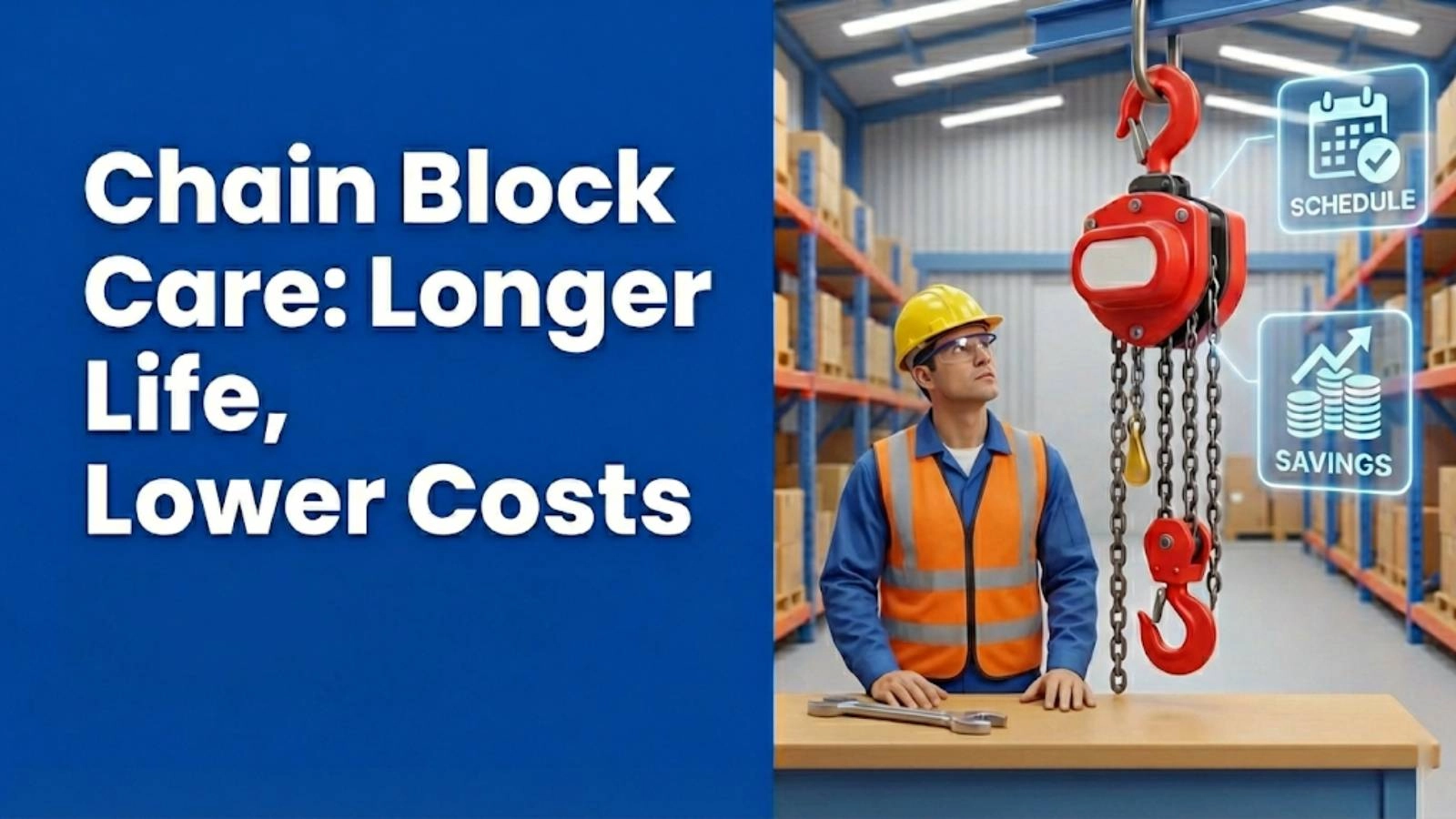
When it comes to lifting heavy loads in industrial environments, choosing the right equipment is crucial. Two common options are the manual chain block and the electric hoist. While both serve the same basic purpose, they operate differently and are suited for different applications. Selecting the wrong one can lead to safety hazards, inefficiencies, and increased costs. This guide will help you avoid common mistakes when choosing between a chain block and an electric hoist, ensuring you select the best solution for your needs.
Key Takeaways
- Understand the lifting capacity needs of your operations to avoid overloading or underutilizing equipment.
- Consider the duty cycle requirements to choose an electric hoist that can handle the frequency of lifts.
- Prioritize safety features such as overload protection and limit switches to prevent accidents.
- Ensure proper installation and regular maintenance to maximize the lifespan and safety of your lifting equipment.
- Provide adequate training to operators to prevent misuse and ensure safe operation.
Understanding the Basics ⚙️
Before diving into the mistakes, let’s establish a clear understanding of what each piece of equipment entails. This foundational knowledge will make it easier to grasp the nuances and potential pitfalls associated with each.
Manual Chain Block: A Quick Overview
A manual chain block, often referred to simply as a chain block, is a mechanical lifting device that uses a series of gears to provide a mechanical advantage. This allows an operator to lift heavy loads with relatively little effort by pulling on a hand chain.
- What it is, how it works (mechanical advantage). A chain block consists of two wheels mounted on a common axle, connected by a gear train. One wheel is connected to the load chain, which supports the weight being lifted, and the other is connected to the hand chain. When the operator pulls the hand chain, the gears rotate, causing the load chain to lift the load. The mechanical advantage is determined by the ratio of the number of teeth on the gears.
- Common uses and limitations. Manual chain block are commonly used in situations where electricity is not readily available, or for infrequent lifting tasks. They are ideal for maintenance work, construction sites, and other applications where portability and simplicity are valued. However, they are limited by the physical strength of the operator and the speed at which loads can be lifted.
- Why choosing it might be a mistake. While chain block are cost-effective and simple, they can be inefficient for high-volume lifting operations. They also require more physical exertion from the operator, which can lead to fatigue and potential injuries over time.
Electric Hoist: A Quick Overview
An electric hoist is a lifting device that uses an electric motor to raise and lower loads. It offers several advantages over manual chain block, including increased speed, reduced operator fatigue, and the ability to lift heavier loads.
- What it is, how it works (electric motor-powered). An electric hoist consists of an electric motor, a gearbox, a drum or chain sprocket, and a control system. The electric motor provides the power to drive the gearbox, which in turn rotates the drum or chain sprocket. This causes the lifting cable or chain block to wind or unwind, raising or lowering the load.
- Common uses and advantages. Electric hoist are commonly used in manufacturing plants, warehouses, and other industrial settings where frequent and heavy lifting is required. They offer increased efficiency, precision, and safety compared to manual chain block. The lifting capacity can also be significantly higher.
- Why choosing it might be a mistake. Electric hoist are more expensive than manual chain block, both in terms of initial cost and maintenance. They also require a reliable power source and may not be suitable for all environments. For very infrequent use, the cost may outweigh the benefits.
Mistake #1: Ignoring Lifting Capacity Needs 🏋️♀️
One of the most critical considerations when selecting a hoist or chain block is the lifting capacity. Ignoring this factor can lead to dangerous situations and equipment failure. Always accurately assess the weight requirements of your loads.
Overestimating the Load
Overestimating the load can lead to unnecessary expenses and inefficiencies. Choosing a hoist with a significantly higher lifting capacity than required means you’re paying for capabilities you won’t use.
- Why it’s dangerous. While it might seem safer to overestimate, using an oversized hoist can create a false sense of security. Operators might become complacent, and the equipment might not be as responsive or precise as needed for lighter loads.
- Consequences: hoist failure, injury. Although the hoist itself is unlikely to fail, using an oversized hoist can lead to other problems. For example, if the hoist is part of an overhead crane system, the crane structure itself might be subjected to unnecessary stress.
- How to accurately assess weight requirements. To accurately assess weight requirements, weigh the heaviest load you’ll be lifting. Add a safety margin of at least 20% to account for variations in weight and potential overloads. Document these calculations and keep them readily available for reference.
Underestimating the Load
Underestimating the load is a far more dangerous mistake. Attempting to lift a load that exceeds the lifting capacity of the hoist or chain block can have catastrophic consequences.
- Choosing an undersized hoist/block. Selecting a hoist or chain block with insufficient lifting capacity puts excessive strain on the equipment and poses a serious safety risk. It’s a gamble that is never worth taking.
- The strain on the equipment. When a hoist is overloaded, its components are subjected to stresses beyond their design limits. This can lead to premature wear, deformation, and eventual failure. The chain block might show signs of stretching or bending.
- How to ensure sufficient capacity. To ensure sufficient lifting capacity, always choose a hoist or chain block that meets or exceeds the maximum weight requirement. Consult with a qualified engineer or equipment supplier to determine the appropriate lifting capacity for your specific application. Always err on the side of caution.
> “Always double-check your weight calculations and never exceed the rated capacity of your lifting equipment. Safety should always be your top priority.” – John Smith, Lead Safety Inspector
Mistake #2: Neglecting Duty Cycle Considerations ⏱️
Duty cycle refers to the amount of time a hoist can operate safely within a given period. Neglecting this factor can lead to overheating, premature wear, and eventual failure of the equipment, especially for electric hoist.
What is Duty Cycle?
Understanding duty cycle is crucial for selecting the right electric hoist for your specific application. It ensures the hoist can handle the demands of your operations without overheating or experiencing premature wear.
- Defining duty cycle (on/off time). Duty cycle is typically expressed as a percentage, representing the amount of time the hoist can operate continuously within a 10-minute period. For example, a hoist with a 25% duty cycle can operate for 2.5 minutes out of every 10 minutes.
- Why it matters for electric hoist. Electric hoist generate heat during operation. If the duty cycle is exceeded, the motor can overheat, causing damage to the windings and other components. This can lead to costly repairs and downtime.
Choosing the Wrong Class of Hoist
Electric hoist are classified according to their duty cycle and intended use. Choosing the wrong class of hoist can result in inefficiencies, premature wear, and potential safety hazards.
- Light duty vs. heavy duty hoist. Light-duty electric hoist are designed for infrequent use and lighter loads. Heavy-duty electric hoist are built to withstand frequent use and heavier loads. Using a light-duty hoist for a heavy-duty application will significantly reduce its lifespan.
- Matching the hoist to the frequency of use. To match the hoist to the frequency of use, analyze your lifting requirements and determine the average number of lifts per hour, as well as the average duration of each lift. Consult with an equipment supplier to select a hoist with the appropriate duty cycle rating.
- The impact of exceeding duty cycle. Exceeding the duty cycle of an electric hoist can lead to overheating, motor damage, and eventual failure. It can also void the warranty and create a dangerous situation for operators.
Mistake #3: Overlooking Safety Features ⚠️
Safety should always be the top priority when operating lifting equipment. Overlooking essential safety features can increase the risk of accidents, injuries, and fatalities.
Essential Safety Features of Electric Hoists
Electric hoist are equipped with several safety features designed to protect operators and prevent accidents. Familiarizing yourself with these features and ensuring they are functioning properly is crucial.
- Overload protection. Overload protection is a critical safety feature that prevents the hoist from lifting loads that exceed its rated lifting capacity. This feature typically uses a load-sensing device that automatically stops the hoist when an overload is detected.
- Limit switches. Limit switches prevent the hoist from traveling too far in either direction, preventing damage to the equipment and the surrounding structure. Upper limit switches prevent the hoist from raising the load too high, while lower limit switches prevent the hoist from lowering the load too far.
- Emergency stop buttons. Emergency stop buttons provide a quick and easy way to immediately stop the hoist in the event of an emergency. These buttons should be clearly labeled and easily accessible to operators.
Neglecting Safety Certifications
Safety certifications provide assurance that the equipment has been tested and meets certain safety standards. Neglecting to check for valid safety certifications can expose you to substandard and potentially dangerous equipment.
- Importance of CE, UL, or other relevant certifications. CE (Conformité Européenne) and UL (Underwriters Laboratories) are two of the most common safety certifications for electric hoist. These certifications indicate that the equipment meets the safety requirements of the European Union and the United States, respectively. Other relevant certifications may include CSA (Canadian Standards Association) and ANSI (American National Standards Institute).
- Checking for valid certifications. Before purchasing or using an electric hoist, always check for valid safety certifications. Look for the certification mark on the equipment and verify that the certification is current and applicable to the specific type of hoist.
- Risks of using non-certified equipment. Using non-certified equipment can expose you to several risks, including equipment failure, electric shock, fire, and other hazards. Non-certified equipment may not have been tested to meet safety standards and may be made with substandard materials.
Mistake #4: Incorrect Installation Procedures 🛠️
Proper installation is essential for ensuring the safe and reliable operation of both chain block and electric hoist. Incorrect installation can lead to equipment failure, accidents, and injuries.
Improper Mounting
Improper mounting can compromise the stability of the hoist and increase the risk of accidents. Ensuring a secure and level installation is crucial for safe operation.
- Consequences of insecure mounting. Insecure mounting can cause the hoist to shift, vibrate, or even fall during operation. This can damage the equipment, the load, and the surrounding structure, as well as pose a serious risk to operators.
- Ensuring a stable and level installation. To ensure a stable and level installation, follow the manufacturer’s instructions carefully. Use appropriate mounting hardware and ensure that the supporting structure is strong enough to support the weight of the hoist and the load.
- Using the correct mounting hardware. Using the correct mounting hardware is essential for a secure and reliable installation. Use bolts, nuts, and washers that are specifically designed for the type of hoist and the supporting structure. Ensure that the hardware is properly tightened and that it is not corroded or damaged.
Electrical Wiring Errors
Electrical wiring errors can create a serious safety hazard, especially with electric hoist. Incorrect wiring can lead to electric shock, fire, and damage to the equipment.
- Common wiring mistakes. Common wiring mistakes include incorrect voltage connections, improper grounding, and loose connections. These mistakes can create a dangerous situation for operators and can damage the hoist.
- Risks of incorrect wiring (fire, electric shock). Incorrect wiring can cause a short circuit, which can lead to a fire or electric shock. It can also damage the hoist motor and other electrical components.
- Importance of qualified electricians. To ensure proper electrical wiring, always use a qualified electrician. A qualified electrician has the knowledge, skills, and experience to safely and correctly wire an electric hoist.
Mistake #5: Inadequate Operator Training 👨🏫
Proper operator training is essential for ensuring the safe and efficient use of both chain block and electric hoist. Untrained personnel are more likely to make mistakes that can lead to accidents and injuries.
Untrained Personnel
Allowing untrained personnel to operate lifting equipment is a recipe for disaster. Proper training is essential for understanding the equipment’s capabilities, limitations, and safety procedures.
- Dangers of untrained operators. Untrained operators may not understand the proper lifting techniques, the lifting capacity of the equipment, or the potential hazards involved. This can lead to accidents, injuries, and damage to the equipment.
- Proper lifting techniques. Proper lifting techniques include using the correct slings and attachments, ensuring the load is balanced, and avoiding sudden movements. Operators should also be trained to inspect the equipment before each use and to report any problems immediately.
- Understanding hoist controls. Operators should be thoroughly familiar with the hoist controls and how to use them safely and effectively. They should also be trained to recognize and respond to emergency situations.
Lack of Regular Refresher Training
Even experienced operators can benefit from regular refresher training. This helps to reinforce safe operating procedures and to keep operators up-to-date on new equipment and safety regulations.
- Importance of staying up-to-date on safety procedures. Safety procedures are constantly evolving. Regular refresher training ensures that operators are aware of the latest safety regulations and best practices.
- Addressing new hazards and equipment updates. New hazards and equipment updates may require operators to adjust their operating procedures. Refresher training provides an opportunity to address these changes and to ensure that operators are prepared to handle them safely.
- Benefits of continuous training. Continuous training helps to create a culture of safety and to reduce the risk of accidents and injuries. It also demonstrates a commitment to employee well-being and can improve morale and productivity.
Mistake #6: Ignoring Environmental Factors 🌧️
The environment in which a hoist or chain block is used can significantly impact its performance and lifespan. Ignoring environmental factors can lead to premature wear, corrosion, and equipment failure.
Indoor vs. Outdoor Use
Hoist designed for indoor use may not be suitable for outdoor applications. Outdoor environments can expose the equipment to moisture, dust, and extreme temperatures, which can accelerate wear and corrosion.
- Selecting hoist designed for specific environments. When selecting a hoist for outdoor use, choose a model that is specifically designed for that environment. Look for features such as weather-resistant enclosures, corrosion-resistant coatings, and sealed electrical components.
- Considerations for moisture, dust, and temperature. Moisture can cause corrosion and electrical shorts. Dust can clog moving parts and reduce efficiency. Extreme temperatures can affect the performance of the motor and other components.
- Impact of environment on hoist lifespan. Using a hoist in an environment for which it is not designed can significantly reduce its lifespan and increase the risk of failure.
Corrosion and Weather Damage
Corrosion and weather damage can weaken the hoist components and increase the risk of accidents. Regular inspections and preventive measures are essential for protecting the equipment.
- Protecting hoist from corrosion. To protect hoist from corrosion, apply a corrosion-resistant coating to all exposed metal surfaces. Regularly clean the equipment to remove dirt, dust, and other contaminants.
- Regular inspections for weather-related damage. Regularly inspect the hoist for signs of corrosion, rust, and other weather-related damage. Pay particular attention to the lifting cable or chain block, hooks, and other critical components.
- Implementing preventive measures. Preventive measures include storing the hoist in a dry, protected location when not in use, applying a lubricant to moving parts, and replacing worn or damaged components promptly.
Mistake #7: Skimping on Maintenance ⚙️🔧
Regular maintenance is essential for ensuring the safe and reliable operation of both chain block and electric hoist. Skimping on maintenance can lead to equipment failure, accidents, and costly repairs.
Neglecting Regular Inspections
Regular inspections allow you to identify potential problems early, before they can lead to major repairs or accidents. Creating a maintenance schedule ensures that inspections are performed on a regular basis.
- Importance of routine inspections. Routine inspections can help you identify worn or damaged components, loose connections, and other potential problems. This allows you to address these issues before they become serious.
- Identifying potential problems early. Early detection of potential problems can save you time and money in the long run. It can also prevent accidents and injuries.
- Creating a maintenance schedule. Create a maintenance schedule that outlines the frequency and scope of inspections. Follow the manufacturer’s recommendations for maintenance procedures and intervals.
Ignoring Warning Signs
Ignoring warning signs can allow minor problems to escalate into major repairs. Addressing issues promptly can prevent further damage and ensure the continued safe operation of the equipment.
- Unusual noises, vibrations, or movements. Unusual noises, vibrations, or movements can indicate a problem with the hoist or chain block. Investigate these signs immediately and take corrective action.
- Addressing issues promptly. Promptly addressing issues can prevent minor problems from becoming major repairs. It can also prevent accidents and injuries.
- Preventing minor problems from becoming major repairs. By addressing minor problems promptly, you can prevent them from escalating into major repairs. This can save you time and money in the long run.
Mistake #8: Using the Wrong Sling or Lifting Accessories 🔗
Using the wrong sling or lifting accessories can compromise the safety of the lifting operation and increase the risk of accidents. Always ensure that the slings and accessories are compatible with the hoist and the load.
Sling Compatibility
Slings are an essential part of the lifting system. Choosing the wrong sling or using a damaged sling can lead to serious accidents.
- Matching slings to the hoist and load. Match the slings to the hoist and the load. Consider the weight, size, and shape of the load, as well as the type of hoist being used.
- Inspecting slings for damage. Inspect slings for damage before each use. Look for cuts, abrasions, kinks, and other signs of wear. Replace damaged slings immediately.
- Using the correct sling angle. Use the correct sling angle. Sling angle affects the lifting capacity of the sling. As the sling angle decreases, the lifting capacity decreases.
Overloading Slings and Accessories
Overloading slings and accessories can cause them to fail, resulting in dropped loads and serious accidents. Understanding load limits and using the correct lifting gear is crucial for safe operation.
- Understanding load limits. Understand the load limits of the slings and accessories. Never exceed the rated lifting capacity.
- Consequences of overloading. Overloading slings and accessories can cause them to fail, resulting in dropped loads and serious accidents.
- Proper use of shackles and other lifting gear. Use shackles and other lifting gear properly. Ensure that they are the correct size and type for the application. Inspect them for damage before each use.
| Accessory |
Common Use |
Inspection Frequency |
Rejection Criteria |
| Wire Rope Slings |
General lifting |
Daily before use |
Kinks, birdcaging, broken wires |
| Chain Slings |
High-temperature environments |
Monthly |
Stretched links, cracks, deformation |
| Synthetic Slings |
Delicate loads |
Daily before use |
Cuts, abrasions, chemical damage |
| Shackles |
Connecting slings to loads |
Daily before use |
Deformation, cracks, bent pins |
| Eyebolts |
Lifting points on equipment |
Monthly |
Bent or damaged threads, cracks |
Mistake #9: Failing to Document Inspections and Maintenance 📝
Failing to document inspections and maintenance can make it difficult to track the condition of the equipment and to identify potential problems. Proper record-keeping is essential for ensuring compliance with safety regulations.
Importance of Record Keeping
Record-keeping provides a valuable history of the equipment’s condition and maintenance activities. This information can be used to identify trends, predict potential problems, and ensure compliance with safety regulations.
- Tracking inspections and maintenance activities. Tracking inspections and maintenance activities allows you to monitor the condition of the equipment over time. This can help you identify potential problems before they become serious.
- Identifying trends and potential problems. By analyzing inspection and maintenance records, you can identify trends and potential problems. For example, you may notice that certain components are wearing out more quickly than expected, or that certain types of failures are occurring more frequently.
- Ensuring compliance with safety regulations. Safety regulations often require employers to maintain records of inspections and maintenance activities. Proper record-keeping can help you demonstrate compliance with these regulations.
Creating a Detailed Log
A detailed maintenance log provides a comprehensive record of all inspections and maintenance activities. This log should include all relevant information, such as the date of the inspection, the findings, and the corrective actions taken.
- What to include in the maintenance log. The maintenance log should include the date of the inspection, the name of the inspector, a description of the equipment being inspected, the findings of the inspection, and the corrective actions taken.
- Using digital tools for record keeping. Digital tools can simplify record-keeping and make it easier to track the condition of the equipment. Spreadsheets, databases, and specialized maintenance management software can all be used to create and maintain a detailed maintenance log.
- Benefits of organized documentation. Organized documentation provides a valuable resource for tracking the condition of the equipment, identifying potential problems, and ensuring compliance with safety regulations.
Conclusion
Avoiding these mistakes is crucial for ensuring the safe, efficient, and cost-effective operation of your lifting equipment. By carefully considering your lifting capacity needs, duty cycle requirements, safety features, installation procedures, operator training, environmental factors, maintenance practices, sling compatibility, and record-keeping, you can make informed decisions that will protect your workers, your equipment, and your bottom line. We, at Safe and Secure Trading Company, have helped countless clients in Dammam and throughout KSA optimize their lifting operations. Trust our experience to guide you toward the best solutions for your specific needs.
FAQ Section
Q: How often should I inspect my electric hoist or chain block?
A: Inspections should be performed regularly, ideally before each use and at least monthly. More frequent inspections may be necessary depending on the frequency and severity of use.
Q: What are the key things to look for during an inspection?
A: Look for signs of wear, damage, corrosion, and loose connections. Pay particular attention to the lifting cable or chain block, hooks, slings, and electrical components.
Q: How do I determine the appropriate lifting capacity for my needs?
A: Weigh the heaviest load you’ll be lifting and add a safety margin of at least 20%. Consult with a qualified engineer or equipment supplier to determine the appropriate lifting capacity for your specific application.
Q: What is the duty cycle of an electric hoist, and why is it important?
A: Duty cycle refers to the amount of time an electric hoist can operate safely within a given period. Exceeding the duty cycle can lead to overheating, premature wear, and eventual failure of the equipment.
Q: What safety certifications should I look for when purchasing an electric hoist?
A: Look for CE, UL, or other relevant certifications. These certifications indicate that the equipment meets certain safety standards.
Q: How important is operator training?
A: Operator training is essential for ensuring the safe and efficient use of both chain block and electric hoist. Untrained personnel are more likely to make mistakes that can lead to accidents and injuries.
Q: What are some common environmental factors that can affect the performance of lifting equipment?
A: Common environmental factors include moisture, dust, temperature, and corrosion. These factors can accelerate wear and reduce the lifespan of the equipment.
Q: Why is it important to keep records of inspections and maintenance?
A: Record-keeping provides a valuable history of the equipment’s condition and maintenance activities. This information can be used to identify trends, predict potential problems, and ensure compliance with safety regulations.
Q: What should I do if I suspect that my electric hoist or chain block is not working properly?
A: Immediately stop using the equipment and contact a qualified technician for inspection and repair. Do not attempt to repair the equipment yourself unless you are properly trained and qualified.
Q: Can I use a chain block for frequent, heavy lifting?
A: While possible, it’s not recommended. A chain block is better suited for infrequent lifting due to the manual labor involved. An electric hoist is generally a better choice for frequent, heavy lifting to reduce operator fatigue and increase efficiency.