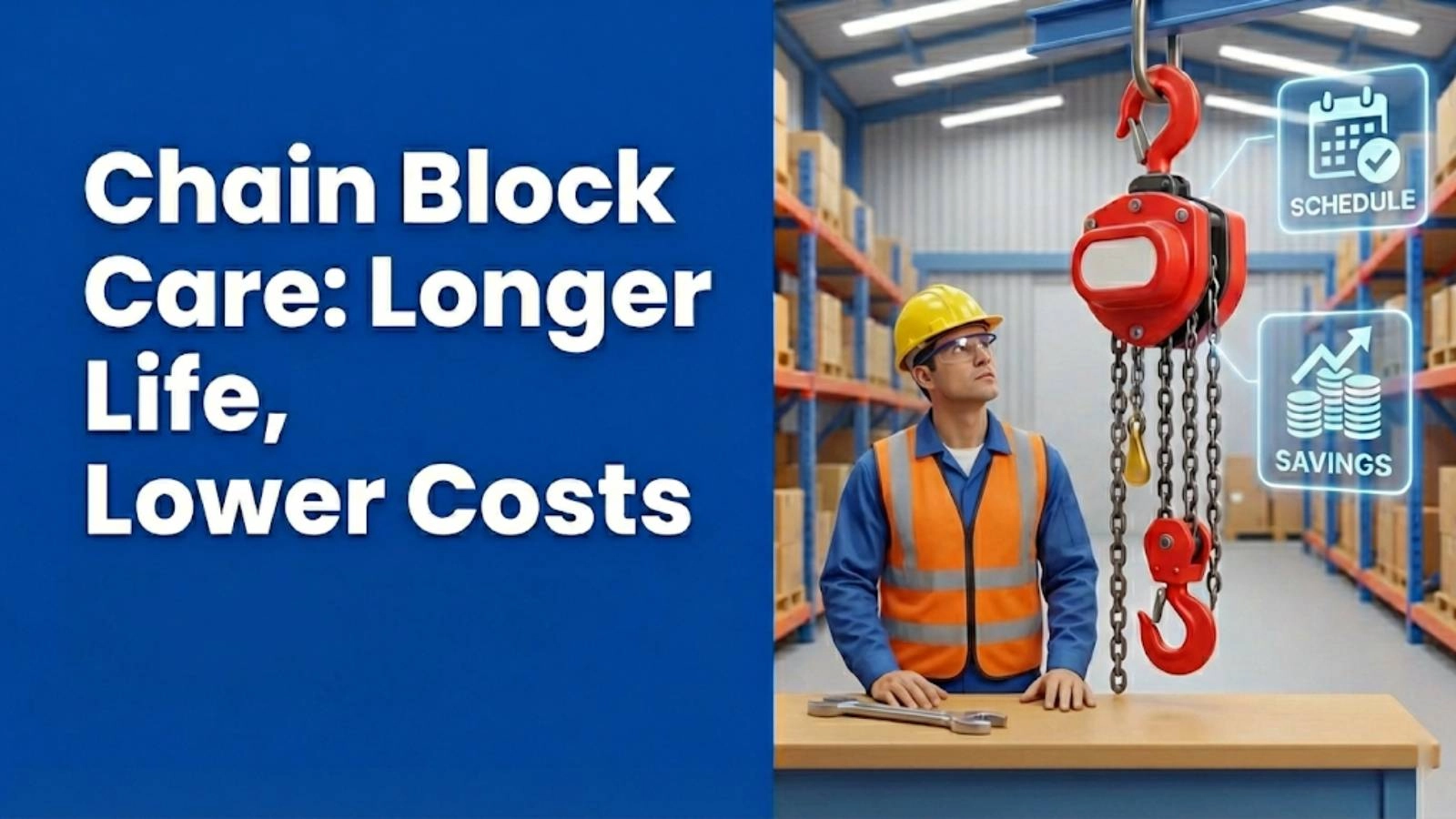
Electric hoist, chain block, manual hoist, electric chain hoist, lifting equipment, material handling, hoist comparison, industrial hoist, overhead crane, hoist safety, hoist maintenance, lifting capacity, hoist types
Introduction: Lifting Technology in 2026
Lifting equipment is essential in various industries, from construction and manufacturing to warehousing and logistics. Two common types of lifting equipment are chain blocks and electric hoists. Chain blocks are manually operated devices that use a chain and gear system to lift heavy loads, while electric hoists utilize an electric motor to provide the lifting power. The choice between the two often depends on factors such as the required lifting capacity, frequency of use, and the availability of electrical power.
There is a growing trend towards electric hoists due to their increased efficiency and enhanced safety features. With advancements in technology, electric hoists offer precise control, higher lifting speeds, and reduced manual labor. This shift reflects a broader move towards automation and improved ergonomics in the workplace. Many companies are finding that the initial investment in an electric hoist pays off in the long run through increased productivity and reduced risk of worker injury.
Choosing the right lifting equipment is crucial for both productivity and safety. Selecting a hoist that is not suited for the task can lead to inefficiencies, equipment damage, and potential accidents. A thorough assessment of your lifting needs, including the weight and size of the loads, the frequency of lifts, and the working environment, will help you make an informed decision. We at Safe and Secure Trading Company (SSTC) understand the importance of this decision and strive to provide our clients with the best possible solutions.
Chain Blocks: The Reliable Manual Option
Chain blocks are simple, manually operated lifting devices that have been used for decades in various industries. They rely on a mechanical advantage system to lift heavy loads with minimal effort. The operator pulls on a hand chain, which rotates a series of gears within the block, ultimately lifting the load chain and the attached load. This mechanical advantage allows a single person to lift loads that would otherwise be impossible to move manually.
The working principle of a chain block is straightforward. The hand chain is connected to a series of gears, which multiply the force applied by the operator. This force is then transferred to the load chain, which is directly connected to the load. The gears are designed to provide a significant mechanical advantage, typically ranging from 4:1 to 40:1, depending on the size and capacity of the chain block.
Advantages of Chain Blocks:
- ✅ Lower initial cost: Chain blocks are generally more affordable than electric hoists, making them a budget-friendly option for smaller operations or those with limited lifting needs.
- ✅ Portability and ease of use: Chain blocks are lightweight and easy to transport, allowing them to be used in various locations without the need for specialized equipment. Their simple design also makes them easy to operate, requiring minimal training.
- ✅ No electrical power required: Chain blocks can be used in remote locations or areas where electrical power is not readily available, making them ideal for field work or emergency situations.
Disadvantages of Chain Blocks:
- ❌ Manual labor intensive: Chain blocks require manual operation, which can be physically demanding and lead to operator fatigue, especially when lifting heavy loads repeatedly. This can impact productivity and increase the risk of injury.
- ❌ Slower lifting speeds: The lifting speed of a chain block is limited by the operator’s physical strength and endurance. This can result in slower lifting cycles compared to electric hoists, especially for heavier loads.
- ❌ Limited lifting height and capacity: Chain blocks typically have a limited lifting height and capacity compared to electric hoists. This can restrict their use in applications requiring higher lifts or heavier loads. For many of our clients here in Dammam, we’ve seen the limitations of chain blocks become apparent as their operations grow.
Electric Hoists: Power and Precision
Electric hoists are advanced lifting devices that utilize electric motors to lift and lower heavy loads. Unlike chain blocks, which require manual operation, electric hoists provide powered lifting, resulting in increased efficiency, precision, and reduced operator fatigue. They are widely used in manufacturing plants, warehouses, construction sites, and other industrial settings where heavy lifting is a regular part of the operation.
Electric hoists operate by using an electric motor to drive a gear system, which in turn lifts or lowers a load chain or wire rope. The motor is controlled by a pendant or remote control, allowing the operator to precisely control the lifting and lowering speed, as well as the position of the load. Some electric hoists also feature advanced control systems, such as variable frequency drives (VFDs), which provide even greater control over the motor speed and torque.
Advantages of Electric Hoists:
- ✅ Increased lifting speed and efficiency: Electric hoists offer significantly faster lifting speeds compared to chain blocks, allowing for quicker lifting cycles and increased productivity. The powered lifting also reduces operator fatigue, enabling them to work more efficiently throughout the day.
- ✅ Reduced manual labor and strain: By automating the lifting process, electric hoists reduce the physical strain on operators, minimizing the risk of musculoskeletal injuries and improving overall workplace safety. This is particularly beneficial in industries where heavy lifting is a frequent and demanding task.
- ✅ Precise control and positioning: Electric hoists offer precise control over the lifting and lowering process, allowing operators to accurately position loads with minimal effort. This is especially important in applications where delicate or sensitive materials are being handled.
- ✅ Higher lifting capacities: Electric hoists are available in a wide range of lifting capacities, from a few hundred pounds to several tons, making them suitable for a variety of heavy-duty lifting applications. This versatility makes them a valuable asset in many industrial settings.
Disadvantages of Electric Hoists:
- ❌ Higher initial cost: Electric hoists typically have a higher initial cost compared to chain blocks due to their more complex design and the inclusion of an electric motor and control system. However, the long-term benefits in terms of increased productivity and reduced labor costs can often offset this initial investment.
- ❌ Requires electrical power source: Electric hoists require a reliable electrical power source to operate, which may not be readily available in all locations. This can limit their use in remote areas or situations where power outages are common.
- ❌ Less portable than chain blocks: Electric hoists are generally heavier and less portable than chain blocks due to their larger size and the inclusion of an electric motor. This can make them less suitable for applications requiring frequent relocation.
Deep Dive: Key Differences & Features
Understanding the specific differences in features between chain blocks and electric hoists is essential for making the right choice. Here’s an in-depth look at their key features.
Lifting Capacity:
Chain blocks and electric hoists differ significantly in their lifting capacities. This is a crucial factor to consider when selecting the appropriate equipment for your lifting needs.
- Chain blocks: Chain blocks typically have a lifting capacity ranging from 500 lbs to 10 tons. While this is sufficient for many applications, it may not be adequate for heavy-duty lifting tasks. The lifting capacity of a chain block is limited by the strength of the chain and the gear system.
- Electric hoists: Electric hoists offer a wider range of lifting capacities, from 250 lbs to 50 tons or more. This makes them suitable for a broader range of applications, including heavy-duty lifting in manufacturing plants, construction sites, and other industrial settings. Some specialized electric hoists can even handle loads exceeding 100 tons.
Lifting Speed:
Lifting speed is another critical difference between chain blocks and electric hoists, impacting the overall efficiency of lifting operations.
- Chain blocks: The lifting speed of a chain block is entirely dependent on the operator’s manual effort. This can result in slower lifting cycles, especially for heavier loads. The operator must pull on the hand chain to raise the load, which can be physically demanding and time-consuming.
- Electric hoists: Electric hoists offer variable speed controls, allowing operators to adjust the lifting speed to match the specific requirements of the task. This results in faster lifting cycles and increased productivity. Some electric hoists also feature two-speed or variable frequency drive (VFD) controls, providing even greater flexibility and precision.
Ease of Use:
The ease of use is an important factor to consider, especially for operations where different personnel may be operating the equipment.
- Chain blocks: Chain blocks are relatively simple to use, requiring minimal training. Their straightforward design and manual operation make them accessible to a wide range of users. However, the manual effort required can be tiring, especially for prolonged use.
- Electric hoists: Electric hoists offer remote control options, allowing operators to control the lifting process from a safe distance. This can improve safety and reduce the risk of accidents. However, the operation of an electric hoist can be more complex than a chain block, requiring proper training and familiarization with the controls. We once worked with a client choosing between A and B… They found B was better for their specific workflow because…
Power Requirements:
The power source is a fundamental difference that affects where and how each type of hoist can be used.
- Chain blocks: Chain blocks do not require any electrical power, making them ideal for use in remote locations or areas where power is not readily available. This also eliminates the risk of electrical hazards.
- Electric hoists: Electric hoists require a reliable electrical power source to operate. They are available in various voltage options, including 110V, 220V, and 480V, to accommodate different electrical systems. Power consumption can be a significant factor, especially for high-volume lifting operations.
| Feature |
Chain Block |
Electric Hoist |
| Lifting Capacity |
500 lbs – 10 tons |
250 lbs – 50+ tons |
| Lifting Speed |
Manual, slower |
Variable, faster |
| Ease of Use |
Simple, minimal training |
Remote control options, requires training |
| Power Requirements |
None |
Electrical power required |
| Initial Cost |
Lower |
Higher |
| Portability |
High |
Lower |
| Maintenance |
Minimal |
More complex |
| Best For |
Occasional lifting, remote locations |
High-volume lifting, precise control |
Safety Considerations: A Modern Perspective
Safety should always be a top priority when using any type of lifting equipment. Both chain blocks and electric hoists have specific safety considerations that must be addressed to prevent accidents and injuries.
Chain Block Safety:
Chain blocks, while simple in design, require careful attention to safety protocols.
- Importance of regular inspections and maintenance: Regular inspections are crucial to identify any signs of wear, damage, or corrosion. Chains, hooks, and other components should be inspected for cracks, deformation, or excessive wear. Lubrication is also essential to ensure smooth operation and prevent premature wear.
- Proper lifting techniques and load limits: It is essential to use proper lifting techniques to prevent accidents. The load must be properly secured and balanced before lifting. Exceeding the load limit of the chain block can lead to equipment failure and serious injuries. Operators should be trained on the proper use of chain blocks and the importance of adhering to load limits.
Electric Hoist Safety:
Electric hoists, with their powered operation, introduce additional safety considerations.
- Electrical safety precautions and grounding: Electrical safety is paramount when using electric hoists. All electrical connections must be properly grounded to prevent electric shock. The power cord and wiring should be inspected regularly for damage or wear.
- Emergency stop mechanisms and overload protection: Electric hoists should be equipped with emergency stop mechanisms that can quickly halt the lifting operation in case of an emergency. Overload protection devices are also essential to prevent the hoist from lifting loads that exceed its capacity.
- Newest smart features: load monitoring, automated shut-off: Modern electric hoists are increasingly incorporating smart features to enhance safety. Load monitoring systems can provide real-time feedback on the weight being lifted, preventing overloads. Automated shut-off systems can automatically stop the hoist if an unsafe condition is detected.
Cost Analysis: Initial vs. Long-Term
A thorough cost analysis is essential when choosing between chain blocks and electric hoists. This analysis should consider both the initial investment and the long-term operational costs.
Chain Block Cost Factors:
Chain blocks generally have a lower initial cost, but it is important to consider the long-term implications as well.
- Purchase price and minimal maintenance: The purchase price of a chain block is typically lower than that of an electric hoist. Maintenance costs are also generally minimal, as chain blocks have fewer moving parts and do not require electrical maintenance.
Electric Hoist Cost Factors:
Electric hoists come with a higher upfront investment, but they can offer long-term cost savings.
- Purchase price, installation, and electrical costs: The purchase price of an electric hoist is higher than that of a chain block. Installation costs can also be significant, as electric hoists may require specialized wiring and mounting. Electrical costs, including power consumption, should also be factored into the equation.
- Long-term savings from increased efficiency and reduced labor: Electric hoists can provide long-term cost savings through increased efficiency and reduced labor costs. The faster lifting speeds and reduced manual effort can significantly improve productivity, leading to higher output and lower labor costs.
ROI Calculation: When Does an Electric Hoist Pay for Itself?
The return on investment (ROI) for an electric hoist depends on several factors, including the frequency of use, the weight of the loads being lifted, and the cost of labor. In high-volume lifting operations, an electric hoist can pay for itself in a relatively short period of time. The increased efficiency and reduced labor costs can quickly offset the initial investment. 2026 data shows that companies that switch to electric hoists see an average of 20% increase in efficiency.
Ideal Applications: Matching the Tool to the Task
The ideal application for a chain block or electric hoist depends on the specific requirements of the lifting task. Understanding the strengths and limitations of each type of equipment is crucial for making the right choice.
When to Use Chain Blocks:
Chain blocks are well-suited for certain applications where their simplicity and portability are advantageous.
- Small workshops and occasional lifting needs: Chain blocks are a cost-effective solution for small workshops or operations with occasional lifting needs. Their lower initial cost and minimal maintenance requirements make them a good fit for businesses with limited budgets.
- Remote locations without power access: Chain blocks can be used in remote locations or areas where electrical power is not readily available. Their manual operation makes them ideal for field work or emergency situations.
When to Use Electric Hoists:
Electric hoists excel in demanding environments where efficiency and precision are paramount.
- High-volume production environments: Electric hoists are the preferred choice for high-volume production environments where heavy lifting is a frequent and demanding task. Their faster lifting speeds and reduced manual effort can significantly improve productivity.
- Heavy-duty lifting applications: Electric hoists are available in a wide range of lifting capacities, making them suitable for heavy-duty lifting applications. Their robust design and powerful motors can handle even the most challenging lifting tasks.
- Situations requiring precise control and positioning: Electric hoists offer precise control over the lifting and lowering process, allowing operators to accurately position loads with minimal effort. This is especially important in applications where delicate or sensitive materials are being handled.
- Client Story: We once had a client in a remote mining location. Initially, they relied solely on chain blocks. However, as their operation scaled, the labor costs and slow lifting speeds became a bottleneck. Switching to portable electric hoists powered by generators significantly improved their productivity and reduced worker fatigue.
Maintenance and Longevity: Maximizing Your Investment
Proper maintenance is essential for maximizing the lifespan and performance of both chain blocks and electric hoists. Regular inspections, lubrication, and component replacements can prevent costly repairs and ensure safe operation.
Chain Block Maintenance:
Chain blocks require relatively simple maintenance procedures to ensure their longevity.
- Regular cleaning and lubrication: Regular cleaning and lubrication are essential to prevent corrosion and ensure smooth operation. The chain and gears should be cleaned with a degreaser and lubricated with a suitable oil or grease.
- Inspection of chains and hooks: The chains and hooks should be inspected regularly for signs of wear, damage, or corrosion. Any damaged or worn components should be replaced immediately.
Electric Hoist Maintenance:
Electric hoists, with their more complex design, require more comprehensive maintenance procedures.
- Motor maintenance and electrical component checks: The electric motor should be inspected regularly for signs of overheating, vibration, or unusual noise. Electrical components, such as wiring, switches, and contactors, should be checked for damage or wear.
- Wire rope inspection and replacement: The wire rope should be inspected regularly for signs of wear, damage, or corrosion. Any frayed or damaged wire rope should be replaced immediately.
- Preventative maintenance schedules for extended lifespan: A preventative maintenance schedule should be established to ensure that all necessary maintenance tasks are performed on a regular basis. This schedule should include inspections, lubrication, component replacements, and other preventative measures.
Emerging Trends in Hoist Technology (2026)
The field of hoist technology is constantly evolving, with new innovations emerging to improve efficiency, safety, and performance.
- Smart hoists: integration with IoT and data analytics: Smart hoists are equipped with sensors and communication devices that allow them to be integrated with the Internet of Things (IoT). This enables real-time monitoring of hoist performance, load weight, and other critical parameters. Data analytics can be used to identify trends, predict maintenance needs, and optimize lifting operations.
- Wireless controls and remote monitoring capabilities: Wireless controls offer greater flexibility and convenience for operators, allowing them to control the hoist from a safe distance. Remote monitoring capabilities enable supervisors to track hoist usage, identify potential problems, and ensure that safety protocols are being followed.
- Energy-efficient electric hoist designs: Energy-efficient electric hoist designs are becoming increasingly popular as companies seek to reduce their energy consumption and environmental impact. These designs incorporate features such as variable frequency drives (VFDs) and regenerative braking to minimize energy waste.
- Advanced safety features and predictive maintenance: Advanced safety features, such as load monitoring systems and automated shut-off systems, are becoming increasingly common in electric hoists. Predictive maintenance technologies use data analytics to predict when maintenance is needed, reducing downtime and preventing costly repairs.
Expert Opinion
“Electric hoists are rapidly becoming the standard in industries prioritizing efficiency and safety. The initial investment is higher, but the long-term benefits in terms of productivity and reduced labor costs are undeniable.” – John Davis, Certified Lifting Equipment Inspector
Final Verdict: Which Hoist is Right for You?
Choosing between a chain block and an electric hoist depends on your specific needs and priorities. Both types of lifting equipment have their advantages and disadvantages, and the best choice will depend on factors such as the lifting capacity, frequency of use, budget, and available power.
- For Small Businesses/DIYers: Chain blocks remain a cost-effective solution for light-duty, infrequent lifting. Their simplicity, portability, and lower initial cost make them a good fit for small workshops and occasional lifting tasks.
- For Medium to Large Businesses: Electric hoists offer a significant advantage in terms of efficiency, safety, and productivity, particularly for high-volume lifting operations. While the initial investment is higher, the long-term benefits in terms of reduced labor costs and increased output can make them a worthwhile investment.
- At Safe and Secure Trading Company (SSTC), we understand that every business has unique lifting needs. Our team of experts can help you assess your requirements and select the best lifting solution for your specific application. We are committed to providing our clients with the highest quality lifting equipment and the best possible service.
FAQ Section
Q: What is the main difference between a chain block and an electric hoist?
A: The main difference is that a chain block is manually operated, while an electric hoist uses an electric motor to lift loads. This results in electric hoists offering faster lifting speeds and reduced manual effort.
Q: Which is more cost-effective, a chain block or an electric hoist?
A: Chain blocks generally have a lower initial cost, but electric hoists can offer long-term cost savings through increased efficiency and reduced labor costs.
Q: What are the safety considerations for using a chain block?
A: Safety considerations for chain blocks include regular inspections, proper lifting techniques, and adherence to load limits.
Q: What are the safety considerations for using an electric hoist?
A: Safety considerations for electric hoists include electrical safety precautions, emergency stop mechanisms, overload protection, and load monitoring systems.
Q: Which type of hoist is better for remote locations without power access?
A: Chain blocks are better suited for remote locations without power access, as they do not require any electrical power to operate.
Q: What are some emerging trends in hoist technology?
A: Emerging trends in hoist technology include smart hoists, wireless controls, energy-efficient designs, and advanced safety features.
Q: How often should I inspect my chain block or electric hoist?
A: Chain blocks and electric hoists should be inspected regularly, ideally before each use, to identify any signs of wear, damage, or corrosion.
Q: Can I use a chain block or electric hoist to lift people?
A: No, chain blocks and electric hoists are designed for lifting materials and should never be used to lift people.
Q: What is the typical lifespan of a chain block or electric hoist?
A: The lifespan of a chain block or electric hoist depends on factors such as the frequency of use, the weight of the loads being lifted, and the quality of maintenance. With proper maintenance, both types of equipment can last for many years.