Chain Sling Inspection: A Complete Guide
Introduction to Chain Sling Inspection
Chain slings are indispensable tools in various industries, from construction and manufacturing to logistics and rigging. Their strength and flexibility make them ideal for lifting heavy loads. However, the very nature of their use exposes them to significant wear and tear. A damaged or weakened chain sling can lead to catastrophic accidents, resulting in property damage, severe injuries, or even fatalities. Therefore, regular and thorough chain sling inspection is not just a best practice—it’s a necessity. This guide provides a comprehensive overview of how to conduct a chain sling inspection, ensuring the safety and efficiency of your lifting operations.
Importance of Regular Chain Sling Inspection
Regular chain sling inspection is paramount for identifying potential hazards before they escalate into serious problems. Inspections help detect wear, damage, or defects that could compromise the sling’s integrity. By catching these issues early, you can prevent equipment failure, protect personnel, and maintain a safe working environment. We at Safe and Secure Trading Company (SSTC) understand the importance of a safe workplace. Regular inspections play a vital role in a comprehensive safety program.
Legal and Regulatory Requirements for Chain Sling Inspection
Many countries and regions have specific legal and regulatory requirements for chain sling inspection. These regulations often mandate periodic inspections, documentation of inspection results, and removal of damaged or defective slings from service. Compliance with these standards is not only a legal obligation but also a moral one. Failure to adhere to these requirements can result in hefty fines, legal liabilities, and, most importantly, avoidable accidents. For example, our team in Dubai ensures compliance with local regulations, often finding that adherence to global standards is a great starting point. Always consult local and national regulations to ensure full compliance.
Consequences of Neglecting Chain Sling Inspection
The consequences of neglecting chain sling inspection can be devastating. A chain sling failure can cause a load to drop unexpectedly, resulting in serious injuries or fatalities to workers in the vicinity. Additionally, equipment damage, project delays, and legal repercussions can all stem from a single unchecked sling. We have seen firsthand the impact of seemingly minor defects on critical operations. “We once had a client who skipped a routine inspection, only to have a sling fail during a critical lift. Fortunately, no one was hurt, but the downtime and repair costs were significant,” recalls John Smith, Lead Safety Inspector. It is far more cost-effective and responsible to invest in regular inspections than to risk the potential fallout of a failure.
Understanding Chain Sling Components
Before conducting a chain sling inspection, it’s essential to understand the various components that make up a chain sling and their respective functions. Each component plays a critical role in the overall integrity and safety of the sling. A thorough understanding allows for a more focused and effective inspection.
Master Links: Types and Inspection Criteria
The master link is the primary attachment point of the chain sling. It connects the sling to the lifting hook or other rigging hardware. Master links come in various types, including single-leg, two-leg, and four-leg configurations. They can also be pear-shaped or oblong. When inspecting a master link, check for any signs of deformation, wear, cracks, or elongation. Pay close attention to the weld areas, as these are common points of failure. A properly functioning master link is critical for distributing the load evenly across the sling legs. For example, if there are cracks around the weld, the whole sling should be decommissioned.
Sling Legs: Chain Grade and Configuration
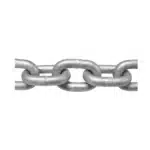
Sling legs are the chains that extend from the master link to the load-bearing hooks or connecting links. These chains are typically made of high-strength alloy steel and come in various grades. Each grade has a specific working load limit (WLL), which must be clearly marked on the sling. The configuration of the sling legs (single-leg, two-leg, three-leg, or four-leg) determines its lifting capacity and stability. During inspection, examine the sling legs for any signs of wear, stretching, twisting, or damage. A lifting chain inspection is an essential part of ensuring the sling leg’s integrity.
Hooks: Types and Safety Latches
Hooks are used to connect the chain sling to the load being lifted. There are different types of hooks, including clevis hooks, grab hooks, and self-locking hooks. Each type is designed for specific applications. Safety latches are critical components of hooks, preventing the sling from accidentally disengaging from the load. When inspecting hooks, check for any signs of bending, cracking, or wear. Ensure that the safety latch is functioning properly and securely closes the hook opening. The hook is a critical point for potential failures, so close inspection is necessary.
Connecting Links: Proper Assembly and Inspection
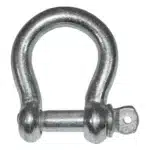
Connecting links, also known as coupling links or mechanical links, are used to join sections of chain or to attach hooks or other hardware to the chain sling. These links must be properly assembled and securely closed to maintain the sling’s integrity. During inspection, verify that the connecting links are not deformed, worn, or cracked. Ensure that the locking mechanism is functioning correctly and that the link is securely closed. Improperly assembled or damaged connecting links can significantly reduce the sling’s load capacity.
Preparing for a Chain Sling Inspection
Proper preparation is crucial for conducting an effective and safe chain sling inspection. This involves gathering the necessary tools and equipment, reviewing relevant documentation, and establishing a safe inspection environment. Rushing into an inspection without proper preparation can lead to missed defects and potential hazards.
Gathering Necessary Tools and Equipment
Before starting a chain sling inspection, gather the following tools and equipment:
- Calipers: Used to measure chain link diameter and detect wear.
- Measuring Tape: Used to measure chain length and detect elongation.
- Visual Aids: Flashlight and magnifying glass to inspect for cracks and defects.
- Inspection Checklist: To document findings and ensure thoroughness (a sling inspection checklist is essential).
- Cleaning Supplies: Wire brush or cloth to remove dirt and debris.
- Personal Protective Equipment (PPE): Safety glasses, gloves, and appropriate footwear.
Having these tools readily available will streamline the inspection process and improve accuracy.
Reviewing Chain Sling Documentation and Certifications
Before inspecting the chain sling, review its documentation and certifications. This includes the manufacturer’s specifications, working load limit (WLL), grade, and inspection history. Verify that the sling is certified for the intended application and that the documentation is up-to-date. Understanding the sling’s specifications is essential for determining acceptable wear limits and identifying potential discrepancies. Ensure that you understand the chain sling safety requirements before you start the inspection.
Establishing a Safe Inspection Environment
Choose a well-lit and clean area for conducting the chain sling inspection. Ensure that the area is free from obstructions and hazards. If possible, suspend the sling to allow for easier access and inspection of all components. Barricade the area to prevent unauthorized access and protect personnel from potential hazards. A safe inspection environment minimizes the risk of accidents and ensures a thorough examination.
Step-by-Step Chain Sling Inspection Checklist
The following checklist provides a step-by-step guide to conducting a comprehensive chain sling inspection. Each step is crucial for identifying potential defects and ensuring the sling’s safety.
Visual Inspection for Obvious Damage
Begin by conducting a thorough visual inspection of the entire chain sling. Look for any obvious signs of damage, such as cracks, nicks, gouges, corrosion, or heat damage. Pay close attention to areas that are subject to high stress, such as welds and connection points. A visual inspection of chain slings is an essential part of the inspection process.
Checking for Cracks, Nicks, and Gouges
Cracks, nicks, and gouges can significantly weaken the chain sling and increase the risk of failure. Use a flashlight and magnifying glass to carefully examine each link, hook, and connecting link for any signs of surface defects. Cracks can propagate over time, leading to catastrophic failure. Nicks and gouges can create stress concentrations, making the sling more susceptible to breakage. Any detected cracks, nicks, or gouges should be documented, and the sling should be removed from service.
Examining for Corrosion and Rust
Corrosion and rust can compromise the integrity of the chain sling by reducing its cross-sectional area and weakening the metal. Inspect the sling for any signs of surface rust or pitting. Pay close attention to areas that are exposed to moisture or chemicals. If corrosion is detected, assess the extent of the damage and determine if the sling should be removed from service. Light surface rust may be removed with a wire brush, but severe corrosion warrants replacement.
Identifying Heat Damage (Discoloration)
Heat damage can alter the metallurgical properties of the chain sling, making it more brittle and prone to failure. Inspect the sling for any signs of discoloration, such as a blue or purple tint. Heat damage can occur if the sling is exposed to excessive temperatures, such as during welding or grinding. If heat damage is suspected, the sling should be removed from service and inspected by a qualified professional.
Measuring Chain Link Wear
Chain link wear is a common issue that can reduce the sling’s load capacity. Measuring chain link wear accurately is essential for determining if the sling is within acceptable limits.
Using Calipers to Measure Link Diameter
Use calipers to measure the diameter of several chain links along the sling. Measure the diameter at the point of maximum wear, which is typically on the inner surface of the link. Record the measurements and compare them to the original diameter specified by the manufacturer. Consistent measurements are essential for accuracy.
Calculating Percentage of Wear
Calculate the percentage of wear by subtracting the measured diameter from the original diameter, dividing the result by the original diameter, and multiplying by 100. The formula is:
Percentage of Wear = ((Original Diameter – Measured Diameter) / Original Diameter) * 100
This calculation will give you a clear indication of the amount of wear on the chain links.
Understanding Acceptable Wear Limits
Most manufacturers specify acceptable wear limits for chain slings. These limits are typically expressed as a percentage of the original diameter. For example, a common wear limit is 10%. If the percentage of wear exceeds the acceptable limit, the sling should be removed from service. Adhering to these wear limits ensures that the sling maintains its rated load capacity.
Inspecting for Chain Elongation
Chain elongation occurs when the chain links stretch over time due to repeated loading. Excessive elongation can indicate that the chain has been subjected to overloading or fatigue.
Measuring Chain Length Over a Specified Number of Links
Measure the length of the chain over a specified number of links, typically 5 to 10 links. Use a measuring tape or ruler to obtain an accurate measurement. Ensure that the chain is taut but not under tension during measurement. Document the number of links you measured and the length.
Comparing Measured Length to Original Length
Compare the measured length to the original length specified by the manufacturer. If the original length is not available, compare the measured length to a section of the chain that is not subject to wear or elongation. Any difference can indicate excessive elongation.
Determining if Elongation Exceeds Allowable Limits
Most manufacturers specify allowable elongation limits for chain slings. These limits are typically expressed as a percentage of the original length. For example, a common elongation limit is 3% to 5%. If the elongation exceeds the allowable limit, the sling should be removed from service. Excessive chain elongation can compromise the sling’s strength and stability.
Hook and Latch Inspection
Hooks and latches are critical components that must be inspected carefully. Damage or malfunction can lead to dropped loads and serious accidents.
Checking for Hook Deformations (Opening, Twisting)
Inspect the hooks for any signs of deformation, such as opening or twisting. Use calipers to measure the hook opening and compare it to the original dimensions. Any significant deviation from the original dimensions indicates that the hook has been overloaded or damaged. Twisting can also compromise the hook’s strength and stability.
Inspecting Latch Functionality and Security
Ensure that the safety latch is functioning properly and securely closes the hook opening. The latch should move freely and engage fully with the hook tip. Check for any signs of damage to the latch, such as bending, cracking, or wear. A malfunctioning latch can allow the sling to accidentally disengage from the load.
Examining Hook Throat Opening
The hook throat opening is the distance between the hook tip and the hook body. Measure the throat opening and compare it to the original dimensions. An increased throat opening indicates that the hook has been stretched or deformed. Excessive throat opening can reduce the hook’s load capacity and increase the risk of failure.
Master Link and Connecting Link Inspection
The master link and connecting links are critical for maintaining the sling’s structural integrity. Inspect these components carefully for any signs of damage or wear.
Checking for Deformations and Wear
Inspect the master link and connecting links for any signs of deformation, such as bending, cracking, or flattening. Use calipers to measure the dimensions and compare them to the original specifications. Wear can occur at the points of contact between the links and other hardware.
Ensuring Proper Closure and Security
Verify that the connecting links are properly closed and secured. Check the locking mechanism to ensure that it is functioning correctly. A loose or improperly closed connecting link can compromise the sling’s load capacity and increase the risk of failure.
Inspecting Welds for Cracks
Inspect the welds on the master link and connecting links for any signs of cracks. Use a flashlight and magnifying glass to carefully examine the weld areas. Cracks in the welds can significantly weaken the sling and lead to catastrophic failure. Any detected cracks should be documented, and the sling should be removed from service.
Tag and Identification Verification
The tag and identification markings on the chain sling provide essential information about its load capacity, grade, and inspection history. Ensure that the tag is present, legible, and contains accurate information.
Ensuring Tag is Present and Legible
Verify that the tag is securely attached to the chain sling and that it is legible. The tag should not be damaged or obscured. A missing or illegible tag can make it difficult to determine the sling’s load capacity and inspection history.
Verifying Load Capacity Information
Verify that the load capacity information on the tag matches the manufacturer’s specifications. The load capacity should be clearly marked in pounds or kilograms. Ensure that the load capacity is appropriate for the intended application. Never exceed the sling’s rated load capacity.
Confirming Inspection Date and Results
Check the tag for the most recent inspection date and results. The inspection date should be within the required inspection interval. The results should indicate that the sling passed inspection. If the inspection date is overdue or the results are not available, the sling should be removed from service until it can be inspected.
Documenting Chain Sling Inspection Results
Proper documentation of chain sling inspection results is essential for compliance and safety management. Accurate records provide a history of the sling’s condition and help track wear and damage over time.
Completing a Detailed Inspection Report
Complete a detailed inspection report for each chain sling inspection. The report should include the following information:
- Date of inspection
- Sling identification number
- Inspector’s name
- Inspection findings (including any defects or damage)
- Measurements of link diameter and chain length
- Assessment of hook and latch functionality
- Recommendations for repair or replacement
- Signature of inspector
A well-documented inspection report provides a comprehensive record of the sling’s condition.
Maintaining Inspection Records for Compliance
Maintain inspection records for compliance with legal and regulatory requirements. Store the records in a secure location and make them readily accessible for audits or inspections. Inspection records should be retained for a specified period, typically several years. Proper record-keeping demonstrates a commitment to safety and compliance.
Tagging Defective Slings for Removal from Service
If a chain sling fails inspection, tag it immediately for removal from service. The tag should clearly indicate that the sling is defective and should not be used. Store the defective sling in a designated area until it can be repaired or disposed of properly. Tagging defective slings prevents accidental use and ensures that they are not put back into service until they have been repaired or replaced.
Establishing a Chain Sling Inspection Schedule
Establishing a regular chain sling inspection schedule is crucial for maintaining a safe working environment. The frequency of inspections should be based on the sling’s usage, environmental conditions, and regulatory requirements.
Determining Inspection Frequency Based on Usage
Determine the inspection frequency based on the sling’s usage. Slings that are used frequently or in harsh environments should be inspected more often. Slings that are used infrequently or in controlled environments may require less frequent inspections. A risk assessment can help determine the appropriate inspection frequency.
Integrating Chain Sling Inspection into Overall Safety Program
Integrate chain sling inspection into the overall safety program. Ensure that all personnel are aware of the inspection requirements and procedures. Provide training on how to conduct inspections and identify potential hazards. Regularly review and update the inspection program to ensure its effectiveness. Integrating chain sling inspection into the overall safety program reinforces a culture of safety and prevents accidents.
Training Personnel on Proper Inspection Procedures
Provide training to personnel on proper chain sling inspection procedures. The training should cover the following topics:
- Understanding chain sling components and their functions
- Identifying common types of damage and wear
- Using inspection tools and equipment
- Documenting inspection results
- Tagging defective slings for removal from service
- Legal and regulatory requirements for chain sling inspection
Properly trained personnel are better equipped to conduct thorough and accurate inspections.
Chain Sling Repair and Replacement Criteria
Knowing when to repair or replace a chain sling is essential for maintaining safety and compliance. Repair should only be performed by qualified professionals using approved methods. Replacement is necessary when the sling is damaged beyond repair or when it no longer meets safety standards.
When to Repair vs. Replace a Chain Sling
Determine when to repair or replace a chain sling based on the extent of the damage and the manufacturer’s recommendations. Minor damage, such as light surface rust or small nicks, may be repairable. Major damage, such as cracks, deformations, or excessive wear, typically requires replacement. Always consult with a qualified professional to determine the appropriate course of action.
Approved Repair Methods and Procedures
Only use approved repair methods and procedures for chain slings. Repairs should be performed by qualified professionals who are familiar with the sling’s specifications and the proper techniques. Welding should only be performed by certified welders using approved welding procedures. After repair, the sling should be inspected and tested to ensure that it meets safety standards.
Proper Disposal of Damaged Chain Slings
Dispose of damaged chain slings properly to prevent them from being put back into service. Cut the sling into pieces to render it unusable. Dispose of the pieces in accordance with local regulations. Proper disposal prevents accidental use of defective slings and ensures that they are not a safety hazard.
Advanced Inspection Techniques (NDT)
In addition to visual inspections and measurements, advanced inspection techniques, also known as Non-Destructive Testing (NDT), can be used to detect hidden defects in chain slings. These techniques can help identify cracks, voids, and other internal flaws that are not visible to the naked eye.
Magnetic Particle Testing (MPI)
Magnetic Particle Testing (MPI) is a non-destructive testing method used to detect surface and subsurface cracks in ferromagnetic materials. The chain sling is magnetized, and then magnetic particles are applied to the surface. The particles are attracted to any cracks or discontinuities, making them visible under ultraviolet light. MPI is a sensitive technique that can detect very small cracks.
Dye Penetrant Inspection (DPI)
Dye Penetrant Inspection (DPI) is a non-destructive testing method used to detect surface cracks and discontinuities in non-porous materials. A dye penetrant is applied to the surface of the chain sling, and then excess penetrant is removed. A developer is then applied, which draws the penetrant out of any cracks, making them visible. DPI is a simple and cost-effective technique for detecting surface defects.
Ultrasonic Testing (UT)
Ultrasonic Testing (UT) is a non-destructive testing method used to detect internal flaws and discontinuities in materials. High-frequency sound waves are transmitted into the chain sling, and the reflected waves are analyzed. Changes in the reflected waves can indicate the presence of cracks, voids, or other internal flaws. UT is a powerful technique that can detect defects deep within the material.
“Regular chain sling inspection is not just a best practice, it’s a critical safety measure that can prevent accidents and save lives.” – Michael Brown, Certified Safety Engineer
| Inspection Item |
Acceptable Condition |
Unacceptable Condition |
| Chain Link Diameter |
Within manufacturer’s wear limits |
Exceeds manufacturer’s wear limits |
| Chain Elongation |
Within manufacturer’s elongation limits |
Exceeds manufacturer’s elongation limits |
| Hook Deformation |
No visible deformation or twisting |
Visible deformation or twisting |
| Latch Functionality |
Latch functions properly and securely |
Latch is damaged or does not function properly |
| Master Link |
No cracks, wear, or deformation |
Cracks, wear, or deformation present |
| Tag Legibility |
Tag is present and legible |
Tag is missing or illegible |
Troubleshooting
1. Difficulty Measuring Chain Link Diameter: Ensure that the calipers are properly calibrated and that the measurements are taken at the point of maximum wear. Use a consistent measurement technique to ensure accuracy. Clean the chain link before measuring to remove dirt and debris.
2. Unclear Documentation: If the manufacturer’s specifications or inspection history are unclear or unavailable, consult with a qualified professional or contact the manufacturer for assistance. Do not use the sling if the documentation is missing or incomplete.
3. Identifying Heat Damage: Heat damage can be difficult to identify without specialized equipment. If heat damage is suspected, remove the sling from service and have it inspected by a qualified professional. Look for discoloration, such as a blue or purple tint, which can indicate heat damage.
Conclusion
By following this comprehensive guide, you can conduct thorough and effective chain sling inspections, ensuring the safety and efficiency of your lifting operations. Regular chain sling inspection, including lifting chain inspection, is not just a regulatory requirement but a crucial component of any robust safety program. We at Safe and Secure Trading Company are committed to providing you with the knowledge and tools necessary to maintain a safe working environment. Remember, visual inspection of chain slings, as well as diligent attention to chain wear limits, can significantly reduce the risk of accidents. You have successfully learned how to perform a complete chain sling inspection, helping prevent equipment failure and protecting your team.
FAQ Section
Q: How often should chain slings be inspected?
A: Chain slings should be inspected regularly, with the frequency based on usage, environmental conditions, and regulatory requirements. A pre-use inspection should be conducted before each use, and a more thorough inspection should be performed at least annually. Slings used frequently or in harsh environments may require more frequent inspections.
Q: What are the key things to look for during a chain sling inspection?
A: The key things to look for during a chain sling inspection include cracks, nicks, gouges, corrosion, heat damage, wear, elongation, hook deformation, latch functionality, and tag legibility. Measure chain link diameter and chain length to detect wear and elongation. Ensure that the master link and connecting links are properly closed and secured.
Q: What should I do if I find a defect during a chain sling inspection?
A: If you find a defect during a chain sling inspection, tag the sling immediately for removal from service. Do not use the sling until it has been repaired or replaced. Document the defect in a detailed inspection report and maintain inspection records for compliance.
Q: Can chain slings be repaired?
A: Chain slings can be repaired, but only by qualified professionals using approved repair methods and procedures. Welding should only be performed by certified welders using approved welding procedures. After repair, the sling should be inspected and tested to ensure that it meets safety standards.
Q: How do I know when a chain sling needs to be replaced?
A: A chain sling needs to be replaced when it is damaged beyond repair or when it no longer meets safety standards. Major damage, such as cracks, deformations, or excessive wear, typically requires replacement. Always consult with a qualified professional to determine the appropriate course of action.
Q: What is the importance of a sling inspection checklist?
A: A sling inspection checklist ensures that all critical components and aspects of the chain sling are thoroughly inspected. It helps prevent oversight and ensures consistency in the inspection process, contributing to a safer working environment. The sling inspection checklist should include all the points mentioned in this guide, and you should refer to it frequently.
Q: What is chain sling maintenance, and why is it important?
A: Chain sling maintenance involves keeping the slings clean, properly stored, and lubricated. This helps prevent corrosion and wear, extending the life of the sling. Regular chain sling maintenance is crucial for ensuring that the slings remain in good working condition and are safe to use. Chain sling maintenance should be integrated into your business as part of a safe working environment.
Q: How do I determine the acceptable wear limits for a chain sling?
A: The acceptable wear limits for a chain sling are typically specified by the manufacturer. These limits are usually expressed as a percentage of the original diameter of the chain links. Consult the manufacturer’s specifications or contact a qualified professional for assistance in determining the acceptable wear limits.
Q: What are the legal requirements for chain sling inspection?
A: The legal requirements for chain sling inspection vary depending on the country and region. Many jurisdictions have specific regulations that mandate periodic inspections, documentation of inspection results, and removal of damaged or defective slings from service. Consult local and national regulations to ensure full compliance.