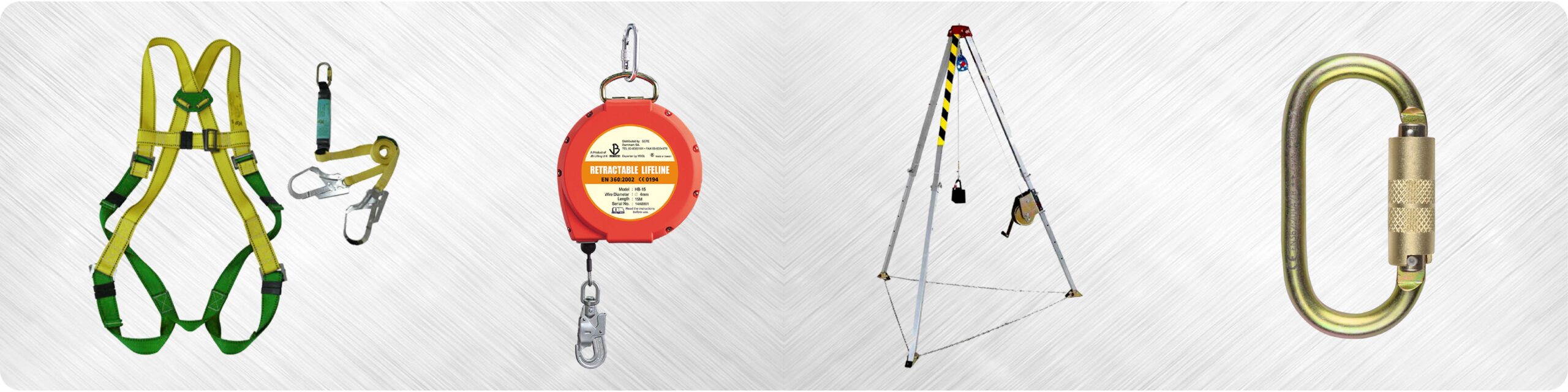
Construction sites, with their inherent complexities and dynamic environments, pose significant risks to worker safety. Among these risks, falls are consistently a leading cause of serious injuries and fatalities. Therefore, implementing robust fall protection measures is not merely a regulatory requirement but a moral imperative. This article delves into the essential aspects of construction fall protection systems, offering a comprehensive guide to ensuring a safer working environment.
1. ✅ Introduction: Why Fall Protection is Non-Negotiable
Falls in construction are preventable. By understanding the risks, implementing proactive strategies, and fostering a strong safety culture, we can significantly reduce the number of fall-related incidents and protect the lives of construction workers. Safe and Secure Trading Company is dedicated to providing the resources and expertise needed to create safer construction sites.
1.1. The Sobering Statistics: Falls in Construction
The statistics surrounding falls in construction are alarming. According to the Occupational Safety and Health Administration (OSHA), falls are the leading cause of death in the construction industry, accounting for a significant percentage of all construction fatalities each year. These numbers underscore the urgent need for effective fall protection measures.
Falls consistently top the list of OSHA’s “Fatal Four,” the most common causes of construction worker deaths. The financial toll is also considerable, with injuries resulting in lost productivity, increased insurance costs, and potential legal liabilities. For our clients in Riyadh, we emphasize that investing in fall protection is not just a matter of compliance, but a sound business decision.
1.2. The Human Cost: Beyond the Numbers
Beyond the statistics, it’s crucial to remember the human cost of falls. Each incident represents a worker, a family member, and a community affected by tragedy. Serious fall injuries can lead to long-term disabilities, chronic pain, and emotional distress.
The psychological impact on coworkers who witness or are involved in fall incidents can also be significant. We, at Safe and Secure Trading Company, recognize that a strong safety culture not only protects workers from physical harm but also supports their mental well-being. The emotional well-being of your staff can be greatly improved with the proper safety equipment.
1.3. A Proactive Approach: Shifting from Reaction to Prevention
The most effective approach to preventing falls is to shift from a reactive mindset to a proactive one. This involves identifying potential construction hazards before they lead to incidents, implementing comprehensive fall prevention strategies, and continuously improving safety practices. We advocate for a proactive safety culture that empowers workers to identify and report potential hazards without fear of reprisal.
This proactive approach includes regular site inspections, thorough training programs, and the consistent use of appropriate safety equipment. By prioritizing worker safety at every stage of a project, we can create a safer and more productive work environment. It is essential to focus on preventing falls, rather than dealing with the consequences after they occur.
2. 💡 Harnessing the Power of Personal Fall Arrest Systems (PFAS)
Personal Fall Arrest Systems (PFAS) are a critical component of fall protection. These systems are designed to stop a worker from falling to a lower level, minimizing the risk of serious injury or death. Understanding the components of a PFAS and ensuring their proper use and maintenance is essential for effective fall protection.
2.1. The Anatomy of a PFAS: Harness, Lanyard, and Anchorage
A PFAS consists of three main components: a full-body harness, a lanyard or lifeline, and an anchorage point. The harness distributes the impact force of a fall across the worker’s body, minimizing the risk of injury. The lanyard connects the harness to the anchorage point, and must be of appropriate length and material to arrest a fall safely. The anchorage point must be capable of supporting at least 5,000 pounds per worker attached.
Each component plays a vital role in the effectiveness of the system. The harness must fit properly and be correctly adjusted to ensure it functions as intended. The lanyard must be compatible with the harness and anchorage point, and must be inspected regularly for signs of wear or damage. The anchorage point must be securely attached to the structure and capable of withstanding the forces generated during a fall. Our team in Jeddah can guide you through selecting and implementing the correct PFAS components for your specific needs.
2.2. Proper Inspection and Maintenance: A Daily Ritual
Regular inspection and maintenance are essential for ensuring the continued effectiveness of a PFAS. Before each use, workers should inspect their harness, lanyard, and anchorage point for any signs of damage, wear, or deterioration. Any component that shows signs of damage should be immediately removed from service and replaced.
Proper storage of PFAS components is also important. Harnesses and lanyards should be stored in a clean, dry environment away from direct sunlight and extreme temperatures. They should also be protected from exposure to chemicals or other substances that could damage the materials. By making inspection and maintenance a daily ritual, we can significantly reduce the risk of PFAS failure and ensure worker safety.
2.3. The Latest Innovations: Self-Retracting Lifelines (SRLs) and Smart Harnesses
Technological advancements are constantly improving the effectiveness and usability of PFAS. Self-Retracting Lifelines (SRLs) offer greater freedom of movement than traditional lanyards, allowing workers to move more easily while remaining protected. Smart harnesses incorporate sensors and communication technology to monitor worker safety and provide real-time alerts in the event of a fall.
SRLs automatically adjust the length of the lifeline, minimizing the free fall distance and reducing the impact force on the worker. Smart harnesses can detect falls and automatically send alerts to supervisors, allowing for rapid response and potentially life-saving intervention. These innovations represent a significant step forward in fall protection technology, and we are committed to offering our clients the latest and most effective solutions.
3. ➡️ Guardrails: Your First Line of Defense
Guardrails are a passive fall protection system that provides a physical barrier between workers and fall hazards. They are often the preferred method of fall protection because they do not require workers to wear or use any additional equipment. Properly designed and installed guardrail systems can effectively prevent falls and protect workers from serious injury.
3.1. Establishing Effective Guardrail Systems: Height, Strength, and Placement
To be effective, guardrail systems must meet specific height, strength, and placement requirements. OSHA regulations require that guardrails be at least 42 inches tall, with a midrail positioned approximately halfway between the top rail and the walking/working surface. The system must be capable of withstanding a force of at least 200 pounds applied in any direction at any point on the top rail.
The placement of guardrails is also critical. They should be installed as close as possible to the edge of the walking/working surface to minimize the risk of a worker falling over or around the barrier. Guardrails should also be installed around all floor openings, holes, and other potential fall hazards. Proper installation of fall protection systems is extremely important.
3.2. Portable Guardrail Systems: Adaptability on the Go
Portable guardrail systems offer a flexible and adaptable solution for fall protection in situations where fixed guardrails are not practical or feasible. These systems can be easily moved and reconfigured to accommodate changing site conditions and work activities. Portable guardrails are ideal for temporary fall hazards, such as roof edges during maintenance or repair work.
They are typically made of lightweight materials and can be quickly assembled and disassembled. However, it’s important to ensure that portable guardrail systems meet the same height, strength, and placement requirements as fixed guardrails. Regular inspection and maintenance are also essential to ensure their continued effectiveness.
3.3. The Digital Edge: Smart Guardrail Systems with Integrated Sensors
The integration of technology into guardrail systems is creating new opportunities for enhancing fall protection. Smart guardrail systems incorporate sensors and communication technology to monitor the integrity of the system and provide real-time alerts in the event of a breach or failure. These systems can detect impacts, monitor the tension of cables, and alert supervisors to any potential hazards.
Smart guardrail systems can also be integrated with site safety management systems to provide a comprehensive view of fall protection measures across the entire job site. This allows for proactive intervention and can help prevent falls before they occur. As technology continues to evolve, we can expect to see even more innovative fall protection solutions emerge.
4. ✨ Safety Nets: Catching the Unthinkable
Safety nets are a passive fall protection system that can be used to catch workers who fall from heights. They are typically used in situations where other fall protection methods, such as guardrails or PFAS, are not feasible or practical. Safety nets provide a safety cushion, which reduces the risk of serious injury or death in the event of a fall.
4.1. When to Deploy Safety Nets: Ideal Scenarios
Safety nets are particularly useful in situations where workers are performing tasks at heights without a stable working surface, such as during bridge construction or steel erection. They can also be used in situations where there is a risk of falling objects, such as during demolition work. The decision to deploy safety nets should be based on a thorough hazard assessment of the job site.
In situations where guardrails are impractical due to the nature of the work, or where PFAS anchorage points are unavailable or unreliable, safety nets provide a valuable layer of protection. For our clients across the Gulf region, we often recommend safety nets for projects involving complex structural work at considerable heights.
4.2. Installation and Testing: Ensuring Net Integrity
Proper installation and testing are essential for ensuring the integrity of safety nets. The nets must be installed by qualified personnel and in accordance with the manufacturer’s instructions. Before use, the nets should be tested to ensure they can withstand the expected impact forces. Regular inspections should also be conducted to identify any signs of damage, wear, or deterioration.
Testing typically involves dropping a weighted object onto the net to simulate a fall. The net should be able to catch the object without tearing or breaking. Inspections should focus on checking for holes, tears, or weakened areas in the net material. Any damaged nets should be immediately removed from service and repaired or replaced.
4.3. Advanced Net Materials: High-Tensile Fabrics and Enhanced Durability
Advancements in material science have led to the development of high-performance safety nets that offer enhanced durability and impact resistance. High-tensile fabrics, such as polyethylene and nylon, are used to construct nets that can withstand significant forces without tearing or stretching. These materials are also resistant to UV degradation and chemical exposure, extending the lifespan of the nets.
Some safety nets also incorporate energy-absorbing elements that further reduce the impact force on the worker. These advanced materials and designs are making safety nets an even more effective and reliable fall protection solution. The use of safety equipment made with modern materials leads to better protection for workers.
5. 🚧 Hole Covers: Simple Solutions, Significant Impact
Hole covers are a simple but effective fall protection measure that can prevent workers from falling through floor openings, holes, and other potential hazards. These covers provide a physical barrier that prevents accidental falls and protects workers from serious injury. Implementing a systematic approach to identifying and securing floor openings is essential for maintaining a safe work environment.
5.1. Identifying and Securing Floor Openings: A Systematic Approach
A systematic approach to identifying and securing floor openings involves conducting regular site inspections to identify all potential hazards. Once identified, floor openings should be immediately covered with a secure and properly sized hole cover. The covers should be clearly marked to indicate the presence of a hole and to prevent workers from accidentally removing them.
The covers should be made of durable materials that can withstand the expected loads and traffic. They should also be securely fastened to prevent them from being dislodged or moved accidentally. Regular inspections should be conducted to ensure that the covers remain in place and are in good condition.
5.2. Load-Bearing Requirements: Ensuring Cover Strength
Hole covers must be strong enough to support the expected loads and traffic on the job site. OSHA regulations require that hole covers be capable of supporting at least twice the weight of employees, equipment, and materials that may be imposed on the cover at any one time. The covers should be designed and constructed to meet these load-bearing requirements.
The load-bearing capacity of a hole cover should be clearly marked on the cover itself. Regular inspections should be conducted to ensure that the covers remain in good condition and are capable of supporting the expected loads. Any covers that show signs of damage or weakness should be immediately replaced.
5.3. Smart Hole Covers: Integration with Site Safety Management Systems
The integration of technology into hole covers is creating new opportunities for enhancing fall protection. Smart hole covers incorporate sensors and communication technology to monitor the integrity of the cover and provide real-time alerts in the event of a breach or failure. These systems can detect impacts, monitor the weight on the cover, and alert supervisors to any potential hazards.
Smart hole covers can also be integrated with site safety management systems to provide a comprehensive view of fall protection measures across the entire job site. This allows for proactive intervention and can help prevent falls before they occur.
6. 🤖 Integrating Technology: Wearable Sensors and Real-Time Monitoring
Wearable sensors and real-time monitoring technologies are revolutionizing fall protection in the construction industry. These technologies provide real-time data on worker location, movement, and physiological state, enabling proactive intervention and preventing falls before they occur. The integration of technology into fall protection strategies is transforming the way we ensure worker safety.
6.1. Wearable Technology: Enhancing Worker Awareness
Wearable technology, such as smartwatches and sensor-embedded clothing, can enhance worker awareness of potential fall hazards. These devices can provide real-time alerts when a worker enters a hazardous area or is at risk of a fall. They can also track worker movement and provide feedback on posture and body mechanics, helping to reduce the risk of slips, trips, and falls.
Some wearable devices also incorporate emergency alert systems that allow workers to quickly summon help in the event of a fall or other emergency. These technologies can significantly improve worker safety and provide a valuable layer of protection.
6.2. Real-Time Monitoring: Proactive Intervention
Real-time monitoring systems use sensors and communication technology to track worker location, movement, and physiological state. This data is transmitted to a central monitoring station, where supervisors can monitor worker safety and intervene proactively to prevent falls. For example, if a worker is detected in a hazardous area without proper fall protection, the supervisor can immediately alert the worker and take corrective action.
Real-time monitoring systems can also be used to track the condition of fall protection equipment, such as harnesses and lanyards. This allows for proactive maintenance and replacement of equipment, ensuring that it is always in good working order. This type of fall prevention is crucial to ensuring your workers make it home safe.
6.3. Data Analytics: Identifying Trends and Preventing Incidents
The data collected by wearable sensors and real-time monitoring systems can be analyzed to identify trends and patterns that can help prevent future incidents. For example, data analysis might reveal that falls are more likely to occur in certain areas of the job site or during certain times of day. This information can be used to implement targeted fall prevention measures and improve overall worker safety.
Data analytics can also be used to identify workers who are at higher risk of falls, such as those with a history of injuries or those who are working in hazardous conditions. These workers can then be provided with additional training and support to help them stay safe.
7. 📚 Comprehensive Training Programs: Empowering Your Workforce
Comprehensive training programs are essential for empowering your workforce with the knowledge and skills they need to work safely at heights. Training should cover all aspects of fall protection, including hazard identification, proper use of safety equipment, and emergency procedures. Effective training programs can significantly reduce the risk of falls and improve overall worker safety.
7.1. Hands-On Training: Practical Application and Skill Development
Hands-on training is a critical component of any comprehensive fall protection program. This type of training allows workers to practice using safety equipment and performing work tasks in a safe and controlled environment. Hands-on training can help workers develop the skills and confidence they need to work safely at heights.
Hands-on training should include demonstrations of proper harness fitting, lanyard connection, and anchorage selection. Workers should also be given the opportunity to practice using different types of fall protection equipment, such as guardrails, safety nets, and hole covers.
7.2. Regular Refresher Courses: Staying Up-to-Date on Best Practices
Regular refresher courses are essential for ensuring that workers stay up-to-date on the latest fall protection best practices. OSHA regulations and industry standards are constantly evolving, so it’s important to provide workers with ongoing training to keep them informed of these changes. Refresher courses should also be used to reinforce key concepts and address any gaps in knowledge or skills.
Refresher courses can be delivered in a variety of formats, including classroom training, online modules, and toolbox talks. The frequency of refresher courses should be determined based on the complexity of the work tasks and the level of risk involved.
7.3. Gamified Learning: Engaging and Effective Training Methods
Gamified learning is an innovative approach to training that uses game-like elements to engage workers and improve learning outcomes. Gamified training can make learning more fun and interactive, which can lead to increased retention of information and improved worker safety. Gamified learning can be used to teach a variety of fall protection concepts, such as hazard identification, proper use of safety equipment, and emergency procedures.
Examples of gamified learning activities include quizzes, simulations, and virtual reality experiences. These activities can be used to test worker knowledge, assess their skills, and provide feedback on their performance.
8. 📜 Understanding and Complying with OSHA Regulations
Understanding and complying with OSHA regulations is essential for ensuring a safe and compliant work environment. OSHA regulations provide specific requirements for fall protection in the construction industry, including requirements for guardrails, safety nets, personal fall arrest systems, and other fall protection measures. Failure to comply with OSHA regulations can result in significant financial penalties and reputational damage.
8.1. Key OSHA Standards for Fall Protection: A Detailed Overview
OSHA has established several key standards for fall protection in construction. These standards outline the specific requirements for different types of fall protection equipment and practices, including:
- 1926.501: Duty to have fall protection. This standard specifies when fall protection is required and what types of fall protection are acceptable.
- 1926.502: Fall protection systems criteria and practices. This standard outlines the specific requirements for guardrails, safety nets, personal fall arrest systems, and other fall protection measures.
- 1926.503: Training requirements. This standard requires employers to provide training to workers on fall hazards and the proper use of fall protection equipment.
8.2. Recent Updates and Enforcement Trends: Staying Ahead of the Curve
OSHA regularly updates its fall protection standards and enforcement policies to reflect changes in technology, industry best practices, and accident data. It’s important for employers to stay informed of these updates and to ensure that their fall protection programs are in compliance with the latest requirements. OSHA also publishes enforcement trends, which can provide insights into the agency’s priorities and areas of focus.
Staying ahead of the curve on OSHA regulations can help employers avoid costly penalties and ensure that their workers are protected from fall hazards. One particular construction hazard that has been under scrutiny lately is the use of outdated or damaged safety harness equipment.
8.3. The Cost of Non-Compliance: Financial and Reputational Risks
The cost of non-compliance with OSHA regulations can be significant. OSHA can issue citations for violations of its standards, and these citations can carry substantial financial penalties. In addition to financial penalties, non-compliance can also lead to reputational damage, which can make it difficult to attract and retain workers and customers.
In some cases, non-compliance can even result in criminal charges. Employers who knowingly and willfully violate OSHA regulations can be prosecuted for criminal offenses, which can result in fines and imprisonment.
“html
| Violation Type |
Potential Fine |
| Serious Violation |
Up to $15,625 per violation |
| Willful or Repeated Violation |
Up to $156,259 per violation |
| Failure to Abate |
Up to $15,625 per day beyond the abatement date |
“
9. 📊 The Rise of Prefabrication: Built-In Safety Measures
Prefabrication is a construction technique that involves assembling building components in a factory setting and then transporting them to the job site for installation. Prefabrication can offer several advantages over traditional construction methods, including improved safety, reduced costs, and faster construction times. One of the key safety benefits of prefabrication is the ability to integrate fall protection measures into the prefabricated components.
9.1. Integrating Fall Protection into Prefabricated Components
Prefabricated components can be designed and manufactured with built-in fall protection measures, such as guardrails, anchorage points, and safety nets. This can significantly reduce the risk of falls during the installation process. For example, prefabricated roof panels can be manufactured with integrated guardrails, eliminating the need for workers to install temporary guardrails on the job site.
Integrating fall protection into prefabricated components can also improve the quality and consistency of fall protection measures. In a factory setting, fall protection measures can be installed with greater precision and accuracy than on a construction site.
9.2. Reduced On-Site Hazards: A Safer Construction Process
Prefabrication can reduce on-site construction hazards by shifting much of the construction work from the job site to a controlled factory environment. This can reduce the number of workers exposed to fall hazards and other safety risks. Prefabrication can also reduce the amount of time workers spend working at heights, which can further reduce the risk of falls.
In addition, prefabrication can reduce the amount of waste generated on the job site, which can help to prevent slips, trips, and falls. By reducing on-site construction hazards, prefabrication can create a safer and more productive work environment.
9.3. Case Studies: Demonstrating the Effectiveness of Prefabrication
Several case studies have demonstrated the effectiveness of prefabrication in improving worker safety. For example, one study found that prefabrication reduced the number of fall-related injuries on a construction project by 50%. Another study found that prefabrication reduced the amount of time workers spent working at heights by 75%.
These case studies provide strong evidence that prefabrication can be an effective strategy for improving worker safety and reducing the risk of falls. As prefabrication becomes more widely adopted, we can expect to see even greater improvements in construction safety.
10. 🤝 Creating a Safety Culture: Leadership and Accountability
Creating a strong safety culture is essential for preventing falls and ensuring worker safety. A safety culture is a shared set of beliefs, values, and attitudes that prioritize safety above all else. In a strong safety culture, workers are empowered to identify and report potential hazards, and management is committed to providing the resources and support needed to create a safe work environment.
10.1. Management Commitment: Setting the Tone from the Top
Management commitment is critical for creating a strong safety culture. When management prioritizes safety and demonstrates a genuine concern for worker safety, it sends a clear message to workers that safety is important. Management can demonstrate its commitment to safety by:
- Providing adequate resources for fall protection
- Implementing comprehensive fall protection programs
- Holding regular safety meetings
- Recognizing and rewarding safe behavior
- Taking disciplinary action against workers who violate safety rules
10.2. Employee Involvement: Fostering a Sense of Ownership
Employee involvement is also essential for creating a strong safety culture. When workers are involved in the development and implementation of fall protection programs, they are more likely to take ownership of their own safety and the safety of their coworkers. Employee involvement can be fostered by:
- Soliciting worker feedback on fall protection programs
- Involving workers in hazard assessments
- Providing workers with training on fall protection
- Encouraging workers to report potential hazards
- Recognizing and rewarding workers who identify and report hazards
10.3. Regular Safety Audits: Identifying and Addressing Potential Hazards
Regular safety audits are an important tool for identifying and addressing potential hazards. Safety audits involve a systematic review of fall protection programs, work practices, and equipment to identify areas for improvement. Safety audits should be conducted by qualified personnel and should include a review of:
- Fall protection plans
- Fall protection equipment
- Work practices
- Training records
- Incident reports
11. 🗺️ Site-Specific Fall Protection Plans: Tailoring Strategies to Unique Challenges
Every construction site is unique, with its own set of hazards and challenges. Therefore, it’s essential to develop site-specific fall protection plans that are tailored to the specific conditions of each job site. A site-specific fall protection plan should address all potential fall hazards on the site and should outline the specific fall protection measures that will be implemented to mitigate those hazards.
11.1. Conducting a Thorough Hazard Assessment: Identifying Potential Risks
The first step in developing a site-specific fall protection plan is to conduct a thorough hazard assessment. A hazard assessment involves identifying all potential fall hazards on the site, such as:
- Unprotected edges and openings
- Scaffolds and platforms
- Ladders and stairways
- Roofs
- Excavations
The hazard assessment should also consider the specific tasks that will be performed on the site and the potential fall hazards associated with those tasks.
11.2. Developing a Customized Fall Protection Plan: A Step-by-Step Guide
Once the hazard assessment has been completed, the next step is to develop a customized fall protection plan. The fall protection plan should outline the specific fall protection measures that will be implemented to mitigate the identified hazards. The fall protection plan should also include:
- A description of the fall protection equipment that will be used
- Procedures for inspecting and maintaining fall protection equipment
- Training requirements for workers
- Emergency procedures
- A process for reviewing and updating the fall protection plan
11.3. Review and Revision: Adapting to Changing Site Conditions
Construction sites are dynamic environments, and site conditions can change rapidly. Therefore, it’s important to review and revise the fall protection plan regularly to ensure that it remains effective and up-to-date. The fall protection plan should be reviewed and revised whenever there are changes in site conditions, work tasks, or OSHA regulations.
The review and revision process should involve input from workers, supervisors, and safety professionals. By regularly reviewing and revising the fall protection plan, we can ensure that it continues to provide effective fall protection for all workers on the site.
> “Effective fall protection is not just about compliance; it’s about creating a culture where every worker understands the risks and is empowered to prevent falls.” – John Miller, Lead Safety Inspector
12. ✍️ Conclusion: Prioritizing Fall Protection for a Safer Future
Fall protection measures are not just about compliance, they are about creating a work environment where every employee feels safe, valued, and protected. Falls are preventable, and by implementing the strategies outlined in this article, we can significantly reduce the risk of falls and protect the lives of construction workers.
12.1. The Key Takeaways: Essential Fall Protection Measures
The essential fall protection measures discussed in this article include:
1. Personal Fall Arrest Systems (PFAS): Providing workers with properly fitted harnesses, lanyards, and anchorages.
2. Guardrails: Installing guardrails around unprotected edges and openings.
3. Safety Nets: Deploying safety nets in situations where other fall protection methods are not feasible.
These measures, combined with comprehensive training programs and a strong safety culture, can create a safer work environment for all.
12.2. Investing in Safety: A Long-Term Strategy for Success
Investing in fall protection is not just a cost, it’s an investment in the long-term success of your business. By reducing the risk of falls, you can reduce worker injuries, improve productivity, and lower insurance costs. A strong safety record can also improve your company’s reputation and make it easier to attract and retain workers and customers.
We, at Safe and Secure Trading Company, believe that worker safety is paramount, and we are committed to providing our clients with the resources and expertise they need to create safer construction sites.
FAQ Section
Q: What are the most common causes of falls in construction?
A: The most common causes of falls in construction include unprotected edges and openings, scaffolds and platforms, ladders and stairways, roofs, and excavations.
Q: What are the key components of a personal fall arrest system (PFAS)?
A: The key components of a PFAS are a full-body harness, a lanyard or lifeline, and an anchorage point.
Q: How often should fall protection equipment be inspected?
A: Fall protection equipment should be inspected before each use and at least annually by a qualified person.
Q: What are the OSHA requirements for guardrail height?
A: OSHA requires that guardrails be at least 42 inches tall, with a midrail positioned approximately halfway between the top rail and the walking/working surface.
Q: What is the role of management in creating a strong safety culture?
A: Management commitment is critical for creating a strong safety culture. Management can demonstrate its commitment to safety by providing adequate resources for fall protection, implementing comprehensive fall protection programs, holding regular safety meetings, and recognizing and rewarding safe behavior.