Construction Fall Protection: Stay Compliant
Construction is a high-risk industry, and falls are consistently one of the leading causes of serious injuries and fatalities. Ensuring proper fall protection construction is not just a matter of compliance; it’s about protecting human lives. We at Safe and Secure Trading Company (SSTC) are dedicated to providing the knowledge and resources necessary to create a safer work environment.
Understanding Fall Protection in Construction: An Overview
Fall protection construction encompasses a range of measures designed to prevent falls from heights on construction sites. These measures include everything from personal protective equipment (PPE) to engineering controls and administrative procedures. A comprehensive approach is essential to effectively mitigate fall hazards and maintain a safe working environment.
Why Fall Protection Matters Now More Than Ever
The construction industry is experiencing significant growth, leading to more projects and increased workforce demands. This expansion, however, also raises the potential for more fall-related incidents if safety measures are not prioritized. We have observed, unfortunately, an uptick in incidents reported in our operational regions.
The consequences of non-compliance with OSHA fall protection standards can be severe. Financial penalties, legal battles, and damage to a company’s reputation are all potential outcomes. Moreover, accidents can lead to project delays and increased insurance costs. Investing in robust fall protection measures is a sound business decision that protects both employees and the bottom line. Beyond the legal and financial considerations, there is a fundamental ethical obligation to provide workers with a safe working environment. Every employee deserves to return home safely at the end of the day, and effective fall protection construction plays a crucial role in achieving that goal.
The Legal Landscape: OSHA’s Role in Fall Protection
OSHA (Occupational Safety and Health Administration) is the primary regulatory body responsible for ensuring workplace safety in the United States. Its fall protection standards, outlined in 29 CFR 1926 Subpart M, provide detailed requirements for preventing falls on construction sites. These standards cover a wide range of topics, including guardrails, safety nets, personal fall arrest systems (PFAS), scaffolding, and ladder safety. Understanding and adhering to these regulations is critical for compliance.
OSHA periodically updates its regulations to reflect advancements in safety technology and best practices. Keeping abreast of these changes is essential for maintaining compliance. Failure to comply with construction safety regulations can result in significant fines, ranging from thousands to hundreds of thousands of dollars per violation. In cases of willful or repeated violations, the penalties can be even more severe, potentially leading to criminal charges.
> “Safety isn’t expensive, it’s priceless. Investing in fall protection is an investment in your workforce and your company’s future.” – Emily Carter, Safety Consultant
Key Legal Obligations for Fall Protection Construction
Construction companies have numerous legal obligations related to fall protection construction, stemming from OSHA regulations and general legal principles. These obligations encompass a wide range of activities, from hazard identification and risk assessment to training, equipment maintenance, and documentation.
Duty to Provide a Safe Working Environment
The most fundamental obligation is the duty to provide a safe working environment for all employees. This includes taking all reasonable steps to identify and eliminate or control hazards that could cause falls. This begins with implementing a comprehensive fall prevention plan that outlines specific safety measures and procedures. The plan should be tailored to the specific hazards present on the construction site and should be regularly reviewed and updated.
Regular site inspections are essential for identifying potential fall hazards and ensuring that safety measures are properly implemented. These inspections should be conducted by competent persons who are trained to recognize fall hazards and recommend corrective actions. All safety measures, including training records, inspection reports, and equipment maintenance logs, should be thoroughly documented. This documentation serves as evidence of compliance and can be invaluable in the event of an accident or OSHA inspection.
Identifying Fall Hazards
Identifying potential fall hazards is a critical step in preventing falls on construction sites. Common fall hazards include unprotected edges, holes, floor openings, and improperly constructed scaffolding. Identifying these hazards requires a systematic approach, including regular site inspections and hazard assessments. A Job Hazard Analysis (JHA) is a systematic process for identifying potential hazards associated with specific tasks. The JHA should outline the steps involved in the task, the potential hazards associated with each step, and the control measures that will be implemented to mitigate those hazards.
Checklists and risk assessment tools can be valuable aids in identifying fall hazards. These tools provide a structured framework for evaluating potential risks and ensuring that all relevant factors are considered. SSTC utilizes a comprehensive digital platform that allows our clients to accurately identify and assess risks.
Implementing Fall Protection Systems
Once fall hazards have been identified, the next step is to implement appropriate fall protection systems to mitigate those hazards. There are several different types of fall protection systems available, each with its own advantages and limitations. The selection of the appropriate system depends on the specific hazards present and the nature of the work being performed. Guardrails are a passive fall protection system that provides a physical barrier to prevent workers from falling. They are typically used on open sides and edges of elevated surfaces.
Safety nets are another passive fall protection system that can be used to catch workers in the event of a fall. They are typically used in situations where guardrails are not feasible or practical. Personal Fall Arrest Systems (PFAS) are active fall protection systems that consist of a harness, lanyard, and anchorage point. They are designed to arrest a worker’s fall and prevent them from hitting the ground or other objects. When our team in Dubai tackles this issue, they often emphasize the importance of proper anchorage assessment. The hierarchy of fall protection controls prioritizes eliminating the hazard first, followed by passive protection systems, and finally, personal protective equipment.
Providing Adequate Training and Education
Providing adequate training and education is essential for ensuring that workers understand fall hazards and know how to protect themselves. Training should cover a range of topics, including hazard identification, fall prevention techniques, and the proper use of fall protection equipment. Workers should be trained on how to recognize fall hazards, such as unprotected edges, holes, and slippery surfaces. They should also be trained on how to use fall protection equipment, such as harnesses, lanyards, and anchorage connectors.
All training sessions should be thoroughly documented, including the date of the training, the topics covered, and the names of the workers who attended. Workers should also be required to demonstrate their understanding of the material through written or practical assessments. Regular refresher courses are essential for reinforcing fall protection protocols and ensuring that workers stay up-to-date on the latest safety practices. These courses should be conducted at least annually, or more frequently if there are changes in work procedures or equipment.
Personal Fall Arrest Systems (PFAS): Proper Use and Maintenance
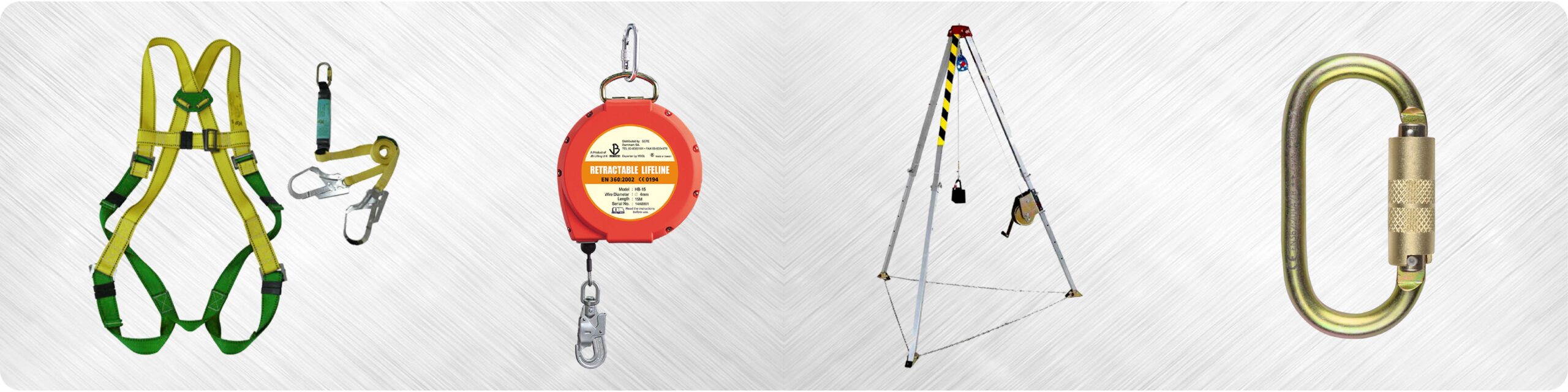
Personal Fall Arrest Systems (PFAS) are a critical component of fall protection on many construction sites. These systems are designed to protect workers from serious injury or death in the event of a fall. Selecting the right harness, lanyard, and anchorage point is crucial for ensuring the effectiveness of the PFAS. The harness should fit snugly but comfortably and should be appropriate for the worker’s size and weight. The lanyard should be of the appropriate length for the task and should be compatible with the harness and anchorage point. The anchorage point should be capable of supporting at least 5,000 pounds per worker.
Properly fitting and inspecting the PFAS before each use is essential for identifying any defects or damage that could compromise its effectiveness. The harness should be inspected for cuts, tears, and other signs of wear and tear. The lanyard should be inspected for fraying, kinks, and broken stitching. The anchorage point should be inspected for corrosion, cracks, and other signs of damage. Understanding the limitations of PFAS and calculating fall clearance is crucial for ensuring that the system will function properly in the event of a fall. The fall clearance is the distance required for the PFAS to arrest a worker’s fall without them hitting the ground or other objects. This calculation must take into account the length of the lanyard, the deceleration distance of the harness, and the worker’s height.
| PFAS Component |
Inspection Checklist |
Action if Defective |
| Harness |
Check for cuts, tears, abrasions, chemical damage, and proper fit. Ensure D-rings are not distorted. |
Remove from service immediately. Replace the harness. |
| Lanyard |
Inspect for cuts, burns, fraying, kinks, and chemical damage. Check snap hooks and carabiners for proper function. |
Remove from service immediately. Replace the lanyard. |
| Anchorage Connector |
Inspect for corrosion, cracks, bends, and proper attachment. Ensure compatibility with other components. |
Remove from service immediately. Have a qualified person inspect the anchorage. |
| Self-Retracting Lanyard (SRL) |
Test retraction and locking mechanism. Check for frayed cable or webbing. |
Remove from service immediately. Send for professional repair or replace. |
| Overall System |
Verify compatibility of all components. Check for proper setup and clearance. |
Correct any misconfigurations. Ensure adequate fall clearance. |
Scaffold Safety: A Critical Component
Scaffolds are widely used on construction sites to provide temporary work platforms at elevated heights. However, they can also be a significant source of fall hazards if they are not properly erected, maintained, and used. Ensuring scaffolds are erected and inspected by competent persons is essential for preventing collapses and other accidents. Competent persons are individuals who have the training and experience to identify scaffold hazards and recommend corrective actions.
Providing guardrails, midrails, and toeboards on scaffolds is crucial for preventing workers from falling off the platform. Guardrails should be at least 42 inches high, midrails should be halfway between the guardrail and the platform, and toeboards should be at least 3.5 inches high. Addressing common scaffold hazards, such as overloading and instability, is essential for maintaining a safe working environment. Scaffolds should never be loaded beyond their maximum rated capacity, and they should be properly braced and leveled to prevent them from becoming unstable.
Ladder Safety: Best Practices and Regulations
Ladders are another common tool used on construction sites to access elevated areas. However, they can also be a source of fall hazards if they are not used properly. Selecting the right ladder for the job is crucial for ensuring safety. Ladders should be of the appropriate length for the task and should be rated for the weight of the worker and any tools or materials they will be carrying. Inspecting ladders for defects before each use is essential for identifying any damage that could compromise their safety. Ladders should be inspected for cracked or broken rungs, loose steps, and damaged side rails.
Proper ladder setup and climbing techniques are essential for preventing falls. Ladders should be placed on a stable and level surface and should be secured at the top and bottom to prevent them from slipping. Workers should always maintain three points of contact with the ladder (two hands and one foot, or two feet and one hand) when climbing.
Staying Ahead of the Curve: Proactive Fall Protection Strategies
Effective fall protection construction requires a proactive approach that goes beyond simply complying with regulations. It involves implementing comprehensive strategies to identify and mitigate fall hazards before they can cause accidents.
Implementing a Fall Prevention Plan
Developing a written plan outlining fall hazards and control measures is a crucial step in preventing falls on construction sites. The plan should identify potential fall hazards, such as unprotected edges, holes, and slippery surfaces. It should also outline the control measures that will be implemented to mitigate those hazards, such as guardrails, safety nets, and personal fall arrest systems. The fall prevention plan should assign specific responsibilities for implementing fall protection measures. This ensures that everyone on the construction site knows their role in preventing falls.
Regularly reviewing and updating the plan is essential for ensuring that it remains effective. The plan should be reviewed and updated whenever there are changes in work procedures, equipment, or site conditions. We once had a client who got stuck because they didn’t update their fall prevention plan after a major site modification. They quickly learned the importance of staying current.
Utilizing Technology for Enhanced Fall Protection
Technology is playing an increasingly important role in enhancing fall protection construction. Wearable sensors and monitoring systems can provide real-time fall detection, alerting supervisors and emergency personnel immediately in the event of a fall. This can significantly reduce the time it takes to respond to an accident, potentially saving lives. Drones can be used for remote site inspections and hazard identification, allowing safety professionals to identify potential fall hazards from a safe distance.
Virtual reality (VR) training simulations can provide workers with realistic fall prevention training in a safe and controlled environment. These simulations can help workers develop the skills and knowledge they need to prevent falls on the job. SSTC is currently investing in research to deliver cutting-edge training solutions.
Fostering a Culture of Safety
Creating a strong safety culture is essential for preventing falls on construction sites. This involves encouraging worker participation in safety programs. Workers should be encouraged to report potential fall hazards and to participate in safety training and meetings. Recognizing and rewarding safe behaviors can help to reinforce a culture of safety. Workers who consistently follow safety procedures and report potential hazards should be recognized for their efforts.
Promoting open communication about safety concerns is crucial for creating a safe working environment. Workers should feel comfortable reporting safety concerns without fear of retaliation. Supervisors should be responsive to these concerns and should take prompt action to address them.
Resources for Further Information and Compliance
Staying informed about OSHA fall protection standards and best practices is crucial for maintaining a safe working environment and ensuring compliance.
OSHA’s Fall Protection Resources
OSHA’s website provides a wealth of information on fall protection, including regulations, guidance documents, and training materials. The website also includes information on OSHA’s enforcement activities, including recent citations and penalties related to fall protection violations. OSHA also offers a variety of training resources and outreach programs to help employers and workers understand fall hazards and prevent falls. These resources include online training courses, workshops, and on-site consultations.
Industry Associations and Safety Organizations
Several industry associations and safety organizations provide valuable resources and support for workplace safety compliance. The American Society of Safety Professionals (ASSP) is a professional organization for safety professionals. ASSP offers a variety of resources, including training courses, conferences, and publications. The National Safety Council (NSC) is a non-profit organization dedicated to preventing injuries and deaths at work, at home, and on the road. NSC offers a variety of resources, including training courses, safety materials, and advocacy programs. The Associated General Contractors of America (AGC) is a trade association representing construction contractors. AGC offers a variety of resources, including safety training programs, publications, and advocacy efforts.
Troubleshooting Common Fall Protection Issues
Even with the best planning and training, challenges can arise in implementing effective fall protection construction measures. Here are some common issues and how to address them:
- Inadequate Anchorage Points: _Problem:_ Finding suitable anchorage points that meet OSHA requirements can be difficult on some construction sites. _Solution:_ Conduct a thorough site assessment to identify potential anchorage points before work begins. If necessary, install engineered anchorage points that are certified to meet OSHA standards. Ensure that workers are trained to properly inspect and use anchorage points.
- Worker Resistance to Using PFAS: _Problem:_ Some workers may resist using personal fall arrest systems due to discomfort, perceived inconvenience, or a belief that they are not necessary. _Solution:_ Provide workers with comfortable and well-fitting harnesses. Emphasize the importance of PFAS through training and education, explaining how they can prevent serious injury or death in the event of a fall. Enforce the use of PFAS through regular monitoring and disciplinary action, if necessary.
- Equipment Misuse or Neglect: _Problem:_ Improper use or neglect of fall protection equipment can compromise its effectiveness. _Solution:_ Provide workers with thorough training on the proper use, inspection, and maintenance of fall protection equipment. Conduct regular inspections of equipment to identify any defects or damage. Replace damaged or defective equipment immediately.
- Changing Site Conditions: _Problem:_ Construction sites are dynamic environments, and conditions can change rapidly, creating new fall hazards. _Solution:_ Conduct regular site inspections to identify new fall hazards as they arise. Update the fall prevention plan as needed to address these hazards. Communicate changes in site conditions to workers promptly.
Conclusion
Effective fall protection construction is essential for protecting workers from serious injuries and fatalities. By understanding the legal obligations, implementing appropriate safety measures, and fostering a culture of safety, construction companies can create a safer working environment for their employees. From implementing a robust fall prevention plan to utilizing advanced technology and providing comprehensive training, every step contributes to minimizing risk. We at Safe and Secure Trading Company are committed to providing the expertise and resources you need to achieve this goal. Remember, a safe construction site is a productive construction site. We’re here to help you build both, safely and securely.
FAQ Section
Q: What is the most important element of a fall protection plan?
A: The most important element is a thorough hazard assessment that identifies all potential fall hazards on the construction site. This assessment should be used to develop specific control measures to mitigate those hazards.
Q: How often should fall protection equipment be inspected?
A: Fall protection equipment should be inspected before each use to ensure that it is in good working condition and free of defects. Additionally, a competent person should conduct a more thorough inspection at least annually.
Q: What are the different types of fall protection systems?
A: The main types of fall protection systems include guardrails, safety nets, personal fall arrest systems (PFAS), positioning device systems, and warning line systems.
Q: Who is responsible for ensuring fall protection on a construction site?
A: The employer is ultimately responsible for ensuring construction site safety, including providing fall protection for their employees. However, everyone on the construction site has a role to play in preventing falls, including supervisors, workers, and safety professionals.
Q: What should I do if I see a fall hazard on a construction site?
A: If you see a fall hazard on a construction site, you should report it to your supervisor or safety professional immediately. Do not attempt to correct the hazard yourself unless you are properly trained and authorized to do so.
Q: What is the minimum height at which fall protection is required?
A: In general industry, OSHA requires fall protection at 4 feet. However, in construction, fall protection is generally required at 6 feet. This can vary by specific task or location.
Q: What are some common causes of falls in construction?
A: Some common causes of falls in construction include unprotected edges, holes, slippery surfaces, improper ladder use, and scaffolding accidents.
Q: How can technology help prevent falls in construction?
A: Technology can help prevent falls in construction through the use of wearable sensors, drones, and virtual reality training simulations. These technologies can help to identify fall hazards, monitor worker safety, and provide realistic training.
Q: What is the role of a competent person in fall protection?
A: A competent person is someone who is capable of identifying existing and predictable hazards in the surroundings or working conditions which are unsanitary, hazardous, or dangerous to employees, and who has authorization to take prompt corrective measures to eliminate them. In the context of fall protection construction, a competent person is responsible for inspecting fall protection equipment, identifying fall hazards, and ensuring that fall protection measures are properly implemented.
Q: How does Safe and Secure Trading Company (SSTC) assist with fall protection compliance?
A: Safe and Secure Trading Company offers a range of services to assist with workplace safety compliance, including safety consulting, training programs, equipment supply, and site inspections. We work with construction companies to develop and implement comprehensive fall protection programs that meet OSHA standards and protect workers from falls. Our operational presence allows us to provide support and expertise tailored to your specific needs and challenges.