Construction Fall Protection: Your Guide
Falls are a leading cause of injury and death in the construction industry. Ensuring adequate fall protection for construction workers is not just a matter of regulatory compliance but a moral imperative. This comprehensive guide provides an in-depth look at fall protection for construction, covering everything from hazard identification to equipment selection and training.
Key Takeaways for Construction Fall Protection
- Understand the critical role of fall protection in preventing injuries and fatalities on construction sites.
- Learn about the different types of fall protection systems available and how to choose the right one for your specific needs.
- Gain practical knowledge of OSHA regulations and compliance standards related to fall protection.
- Master the proper inspection, maintenance, and use of fall protection equipment.
- Implement effective fall protection training programs for all construction workers.
Understanding Fall Hazards in Construction 🚧
Construction sites are inherently dangerous environments, and falls are among the most significant construction hazards. Understanding the common scenarios that lead to falls and appreciating the gravity of their impact is crucial for developing effective fall prevention strategies.
Identifying Common Fall Scenarios
Falls in construction can occur in a variety of situations. One of the most frequent is from unprotected edges, where workers are exposed to open sides or edges of a building or structure without any fall protection in place. Scaffolding issues, such as improperly erected scaffolding or the lack of guardrails, also contribute significantly to fall incidents. Ladder misuse, including using the wrong type of ladder for the job or failing to secure it properly, is another common cause.
Analyzing site-specific hazards is also essential. Unique building designs, such as unusual roof angles or complex structural elements, can present unique challenges. Weather conditions, such as rain, ice, or high winds, can increase the risk of slips and falls. Simultaneous operations, where multiple tasks are being performed in the same area, can create distractions and increase the likelihood of accidents. In our experience, a thorough hazard assessment, conducted before work begins, is the most effective way to identify and mitigate potential fall hazards.
The Gravity of the Situation: Statistics and Impact
The statistics on fall-related injuries and fatalities in construction are alarming. Falls consistently rank as one of the “Fatal Four” causes of construction worker deaths, according to OSHA. These incidents not only result in severe injuries or fatalities for workers but also carry significant financial and legal consequences for companies. The costs associated with fall accidents can include workers’ compensation claims, medical expenses, legal fees, and increased insurance premiums. Furthermore, companies may face OSHA fines and potential lawsuits, damaging their reputation and hindering their ability to secure future contracts. We’ve seen clients struggle to recover from the combined financial and reputational damage after a serious fall accident on their site. Implementing robust fall protection measures is, therefore, a business imperative as much as a moral one.
OSHA’s Role in Fall Protection: Compliance Basics 📜
The Occupational Safety and Health Administration (OSHA) plays a critical role in regulating fall protection in the construction industry. Understanding OSHA’s standards and implementing a compliant fall protection program are essential for ensuring worker safety and avoiding costly penalties.
Navigating OSHA Standards: A Beginner’s Guide
OSHA’s regulations related to fall protection are primarily outlined in 29 CFR 1926 Subpart M. This section covers a wide range of requirements, including the use of fall protection systems, training requirements, and inspection procedures. One of the key concepts in OSHA’s fall protection standards is the trigger height. In construction, fall protection is generally required when workers are exposed to a fall hazard of 6 feet or more above a lower level. However, certain activities, such as steel erection, may have different trigger heights. We advise familiarizing yourself with the specific requirements outlined in Subpart M to ensure compliance.
Implementing a Compliant Fall Protection Program
Creating a written fall protection plan tailored to your construction site is a crucial step in implementing a compliant fall protection program. This plan should identify potential fall hazards, outline the fall protection systems to be used, and describe the procedures for inspecting and maintaining equipment. Documentation is also essential. Companies must maintain records of hazard assessments, equipment inspections, and training activities. These records demonstrate a commitment to safety and can be invaluable in the event of an OSHA inspection or accident investigation. For many of our clients here in Dammam, Saudi Arabia, we’ve seen that clear, documented procedures are essential for maintaining a safe work environment.
Choosing the Right Fall Protection System ⚙️
Selecting the appropriate fall protection system is critical for ensuring worker safety. There are several different types of systems available, each with its own advantages and limitations. The best choice will depend on the specific hazards present at the construction site and the nature of the work being performed.
Personal Fall Arrest Systems (PFAS): The Basics
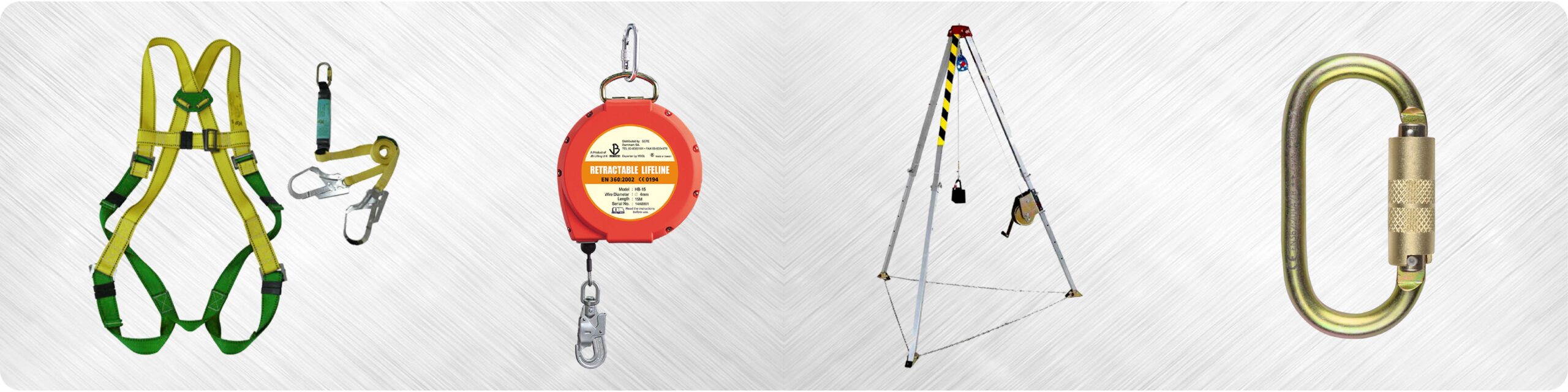
Personal Fall Arrest Systems (PFAS) are a common type of fall protection used in construction. A PFAS consists of three main components: an anchorage, a body harness, and a connecting device (lanyard or lifeline). The anchorage is a secure point of attachment capable of supporting the force of a fall. The body harness distributes the impact forces across the worker’s body, minimizing the risk of injury. The connecting device, such as a lanyard or lifeline, connects the harness to the anchorage. Proper fitting and adjustment of harnesses are essential for ensuring their comfort and effectiveness. A harness that is too loose or too tight can be uncomfortable to wear and may not provide adequate protection in the event of a fall. We often emphasize the importance of training workers on how to properly fit and adjust their harnesses.
Guardrails and Safety Nets: Collective Protection Measures
Guardrails and safety nets are collective protection measures that provide a barrier between workers and fall hazards. Guardrail systems typically consist of a top rail, mid-rail, and posts, and are used to prevent workers from falling off edges or platforms. Guardrails are effective in preventing falls, but they may not be practical in all situations. Safety nets are another type of collective protection that can be used to catch workers in the event of a fall. Safety nets are particularly useful in areas where guardrails are not feasible, such as during bridge construction or demolition work. The installation and maintenance of safety nets are critical to ensure their effectiveness.
Controlled Access Zones and Warning Line Systems
Controlled access zones and warning line systems are alternative fall protection methods that can be used in certain situations. A controlled access zone is a designated area where certain work activities can take place without conventional fall protection. Controlled access zones are typically used in areas where workers are performing tasks that are infrequent and of short duration. Warning line systems consist of ropes, wires, or chains that are used to warn workers of a fall hazard. Warning line systems are typically used in conjunction with a monitor, who is responsible for ensuring that workers stay within the warning line. It’s important to understand the purpose and limitations of warning line systems, as they do not physically prevent falls.
Mastering the Use of Fall Protection Equipment 🧰
Proper use of fall protection equipment is essential for ensuring its effectiveness. This includes conducting pre-use inspections, following proper donning and doffing procedures, and understanding anchorage point requirements.
Pre-Use Inspection: A Critical Step
A pre-use inspection is a critical step in ensuring that fall protection equipment is in good working condition. Before each use, workers should inspect their harnesses, lanyards, and other equipment for any signs of damage or wear. A checklist for inspecting harnesses should include checking for cuts, tears, abrasions, and discoloration. Lanyards should be inspected for frayed edges, broken strands, and damaged hardware. Any equipment that shows signs of damage or wear should be immediately removed from service and replaced. In our experience with clients, consistently following a pre-use inspection checklist significantly reduces the risk of equipment failure.
Proper Donning and Doffing Procedures
Correctly putting on and taking off a harness is essential for ensuring a proper fit and maximum safety. Step-by-step instructions for donning and doffing a harness should be included in fall protection training programs. Workers should be trained on how to adjust the harness straps to achieve a snug and comfortable fit. Ensuring proper fit and adjustments is crucial for preventing the harness from slipping or shifting during a fall. A common mistake we help businesses fix is failing to provide workers with adequate training on proper harness adjustment.
Anchorage Points: What You Need to Know
Anchorage points are the secure points of attachment that connect the PFAS to a structure. Understanding anchorage point requirements is essential for ensuring that the system can withstand the force of a fall. Anchorage points must be capable of supporting at least 5,000 pounds per worker attached, or be designed by a qualified person. Suitable anchorage points on a construction site may include structural steel members, concrete columns, or designated anchor points. It’s crucial to identify suitable anchorage points before work begins and to ensure that workers are properly trained on how to connect to them.
Ladder Safety: Preventing Falls from Heights 🪜
Ladders are a common source of falls in construction. Choosing the right ladder for the job, following safe setup and usage practices, and performing regular inspections are essential for preventing ladder-related accidents.
Choosing the Right Ladder for the Job
Different types of ladders are designed for different purposes. Step ladders are suitable for reaching moderate heights, while extension ladders are used for reaching higher elevations. Understanding ladder duty ratings and weight capacity is also important. Ladder duty ratings indicate the maximum weight that a ladder can safely support. Overloading a ladder can cause it to fail, resulting in a fall.
Safe Ladder Setup and Usage Practices
Safe ladder setup and usage practices are critical for preventing falls. Ladders should be placed on a stable and level surface. The angle of ladder placement is also important. The base of the ladder should be placed one foot away from the wall for every four feet of height. Maintaining three points of contact is essential when climbing a ladder. This means that workers should have two hands and one foot, or two feet and one hand, in contact with the ladder at all times. Never reaching or overextending while on a ladder can cause a loss of balance and a fall.
Ladder Inspection and Maintenance Tips
Regularly checking ladders for damage or defects is essential for ensuring their safety. Ladders should be inspected for cracked or broken rungs, loose hardware, and other signs of wear. Proper storage and handling of ladders can also help to prevent damage. Ladders should be stored in a dry place and protected from the elements.
Scaffolding Safety: Working at Elevated Heights 🏗️
Scaffolding provides a temporary platform for workers to perform tasks at elevated heights. Understanding the different types of scaffolding, following safe erection and dismantling procedures, and inspecting scaffolding for defects are crucial for preventing scaffolding-related accidents.
Scaffolding Types and Their Specific Hazards
Various types of scaffolding are used in construction, including supported scaffolds, suspended scaffolds, and mobile scaffolds. Each type of scaffolding has its own potential hazards. Supported scaffolds, which are supported by the ground, can collapse if they are not properly erected or if they are overloaded. Suspended scaffolds, which are suspended from above, can swing or sway if they are not properly secured. Mobile scaffolds, which are mounted on wheels, can tip over if they are used on uneven surfaces.
Safe Erection and Dismantling Procedures
Following manufacturer’s instructions for safe scaffolding assembly is essential. Scaffolding should be erected by competent persons who are trained in safe scaffolding practices. Ensuring proper bracing and stability is also critical. Scaffolding should be braced to prevent it from swaying or collapsing. We’ve consistently seen that inadequate training on scaffolding erection is a major contributor to accidents.
Inspecting Scaffolding for Defects
Daily inspection checklists for scaffolding components should be used to identify any damage or unsafe conditions. Scaffolding should be inspected for cracked or broken planks, loose connections, and missing guardrails. Any damage or unsafe conditions should be reported immediately and corrected before work begins.
Fall Protection Training: Empowering Your Workforce 🧑🏫
Providing comprehensive fall protection training is essential for empowering your workforce to work safely at heights. Training should cover hazard recognition, equipment use, and relevant regulations.
Developing a Comprehensive Training Program
Key topics to cover in fall protection training include hazard recognition, equipment use, and OSHA regulations. Hands-on training and practical exercises can help workers to develop the skills and knowledge they need to work safely at heights. Training should be tailored to the specific hazards and equipment used at the construction site.
Regular Refresher Training: Reinforcing Knowledge
Periodic refresher training is important for reinforcing knowledge and keeping skills sharp. Updates on new regulations and best practices should be included in refresher training. Refresher training can also be used to address any specific issues or concerns that have arisen on the construction site.
Documenting Training Records: Maintaining Compliance
Maintaining accurate records of all fall protection training activities is essential for maintaining compliance with OSHA regulations. Training records should include the names of the workers who were trained, the date of the training, and the topics covered. Ensuring that all workers have received adequate training is a crucial step in preventing falls.
Creating a Culture of Safety 🤝
Creating a culture of safety is essential for promoting fall protection and preventing accidents. This involves fostering management commitment, employee involvement, and continuous improvement.
Management Commitment: Setting the Tone from the Top
Demonstrating leadership support for fall protection initiatives is crucial. Management should provide the resources and encouragement needed to support safe work practices. When management prioritizes safety, it sends a clear message to workers that fall protection is important.
Employee Involvement: Fostering Ownership
Encouraging workers to identify and report fall hazards can help to prevent accidents. Involving employees in the development of fall protection procedures can also foster a sense of ownership and commitment to safety. We once worked with a client who implemented a “near miss” reporting system. By actively encouraging workers to report potential hazards, they saw a significant decrease in fall-related incidents.
Continuous Improvement: Tracking and Analyzing Data
Tracking fall-related incidents and near misses can help to identify areas for improvement. Analyzing data to identify root causes and implementing corrective actions is also essential. Continuous improvement is an ongoing process that involves regularly reviewing and updating fall protection procedures.
“Fall protection is not just a set of rules, it’s a mindset. A commitment to protecting every worker, every day.” – John Smith, Lead Safety Inspector
Emergency Response Planning: Preparing for the Worst 🚑
Even with the best fall protection measures in place, accidents can still happen. Developing an emergency response plan is essential for preparing for the worst.
Developing a Rescue Plan
Procedures for rescuing a worker who has fallen and is suspended in a harness should be in place. Having necessary rescue equipment on site is also important. Rescue equipment may include a descent device, a rope grab, and a rescue pole.
First Aid and Medical Assistance
Ensuring that workers are trained in basic first aid and CPR is essential. Having a plan for transporting injured workers to medical facilities is also important. The plan should include the location of the nearest medical facility and the procedures for contacting emergency medical services.
Post-Incident Investigation: Learning from Mistakes
Conducting thorough investigations of fall incidents can help to identify root causes and prevent future accidents. Identifying root causes and implementing corrective actions is essential. Post-incident investigations should be conducted by a qualified person who is trained in accident investigation techniques.
Conclusion
Implementing a robust fall protection program is not just about compliance; it’s about protecting lives. By understanding the construction hazards, choosing the right fall protection systems, and providing thorough training, you can create a safer work environment for everyone on your construction site. We at SSTC have assisted countless clients in implementing these strategies, enhancing their fall prevention programs and construction safety. With our team’s expertise and your commitment, falls can become a thing of the past.
FAQ Section
Q: What height requires fall protection in construction?
A: OSHA requires fall protection for construction workers at heights of 6 feet or greater.
Q: What are the main components of a Personal Fall Arrest System (PFAS)?
A: A PFAS consists of an anchorage, a body harness, and a connecting device (lanyard or lifeline).
Q: How often should fall protection equipment be inspected?
A: Fall protection equipment should be inspected before each use and at least annually by a competent person.
Q: What is a controlled access zone?
A: A controlled access zone is a designated area where certain work activities can take place without conventional fall protection.
Q: Why is fall protection training important?
A: Fall protection training equips workers with the knowledge and skills to recognize construction hazards, use equipment properly, and prevent falls.