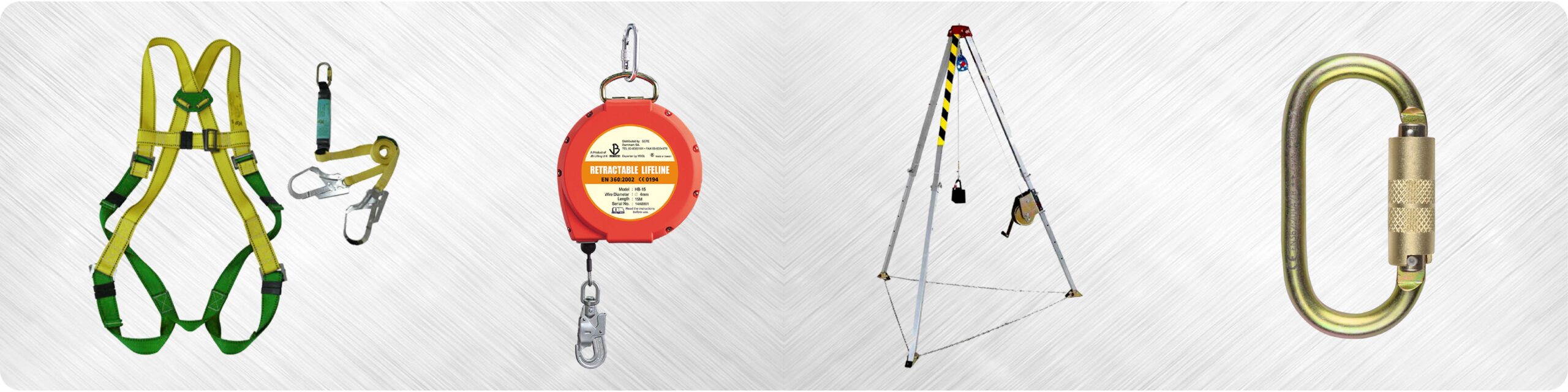
Falls from height are a significant hazard in many industries, and using the right fall protection harness is crucial for worker safety. A fall protection harness is a vital piece of personal protective equipment (PPE) designed to prevent serious injury or death in the event of a fall. This comprehensive guide will walk you through everything you need to know about fall protection harnesses, from selecting the right type to proper inspection and maintenance.
Key Takeaways
- Selecting the right fall protection harness is crucial for preventing workplace accidents.
- Proper fit and regular inspection are essential for harness effectiveness.
- Understanding different harness types ensures optimal protection for specific tasks.
- OSHA compliance is a legal requirement and vital for worker safety.
Understanding the Need for Fall Protection Harnesses 👷
The High Stakes of Falls from Height
Falls are a leading cause of workplace fatalities and injuries across various industries. According to the 2026 data from the Bureau of Labor Statistics, falls from height accounted for a significant percentage of all workplace deaths. These incidents not only result in tragic loss of life but also lead to substantial financial burdens for businesses.
Falls can lead to a range of injuries, from minor sprains and fractures to severe head trauma and spinal cord damage. The human cost of these accidents is immeasurable, impacting workers and their families. Additionally, companies face increased insurance premiums, workers’ compensation claims, and potential legal liabilities.
The financial impact extends beyond direct medical expenses. Lost productivity, equipment damage, and project delays can all contribute to significant losses. A comprehensive fall protection program, including the use of a fall protection harness, is essential to mitigate these risks and protect both workers and the bottom line.
When is a Fall Protection Harness Required?
OSHA regulations mandate the use of fall protection equipment, including fall protection harnesses, in specific industries and situations. Generally, fall protection is required any time a worker is exposed to a fall hazard of six feet or more in general industry, four feet or more in general industry, or any height in certain other cases, such as when working near dangerous equipment or hazards.
Specific industries that commonly require fall protection harnesses include construction, manufacturing, warehousing, and telecommunications. Within these industries, tasks such as roofing, scaffolding, working on elevated platforms, and operating aerial lifts often necessitate the use of harnesses. For many of our clients here in Dammam, Saudi Arabia, we’ve seen that a clear understanding of these regulations drastically reduces workplace accidents.
Employers have a legal and ethical responsibility to provide a safe working environment for their employees. This includes conducting hazard assessments, implementing fall protection measures, providing appropriate PPE, and training workers on proper safety procedures. Failure to comply with OSHA regulations can result in hefty fines and legal repercussions.
Common Problems with Incorrect Harness Selection and Usage 🤕
Problem #1: Choosing the Wrong Type of Harness
Different tasks require different types of fall protection harnesses. Using the wrong type of harness can compromise safety and increase the risk of injury. For example, a basic full-body harness may be suitable for general fall protection, but it may not be appropriate for confined space entry or suspension work.
Confined space harnesses are designed with specific features for entry and retrieval in tight spaces. Suspension harnesses, on the other hand, provide added comfort and support for workers who are suspended for extended periods. Choosing the correct harness type is crucial for ensuring optimal protection and comfort.
We once worked with a client who struggled with consistent harness selection for specific jobs. By implementing a clear protocol for assessing task-specific needs, they saw a 20% decrease in reported discomfort and near-miss incidents.
Problem #2: Poor Harness Fit
A properly fitted fall protection harness is essential for both comfort and safety. A loose harness can shift during a fall, potentially causing injury. Conversely, an overly tight harness can restrict movement and lead to discomfort, reducing worker productivity and compliance.
The ideal harness fit should be snug but not restrictive. Workers should be able to move freely and perform their tasks without feeling constrained. Adjustable straps are essential for achieving a customized fit that accommodates different body types and sizes.
In our experience with clients, a common mistake we help businesses fix is neglecting to provide a range of harness sizes to accommodate all employees. Ensuring a proper fit for everyone significantly improves comfort and safety.
Problem #3: Lack of Regular Inspections
Fall protection equipment, including fall protection harnesses, must be regularly inspected to ensure their integrity and functionality. Over time, materials can degrade, and hidden damage can compromise the harness’s ability to protect the worker. Neglecting inspection schedules can lead to accidents and injuries.
Daily inspections should be conducted before each use, and periodic inspections should be performed by a competent person. Inspections should include checking for cuts, tears, abrasions, and any signs of wear and tear. Buckles, D-rings, and other hardware should also be examined for damage.
We’ve consistently seen that companies with well-documented inspection programs have fewer incidents related to faulty equipment. Implementing a clear inspection schedule and maintaining detailed records are crucial for maintaining a safe working environment.
Problem #4: Incorrect Adjustment and Donning
Even with the right harness type and a proper fit, incorrect adjustment and donning can render a fall protection harness ineffective. Confusion about strap placement and buckle fastening can compromise the harness’s ability to arrest a fall safely.
Proper adjustment ensures that the harness distributes the force of a fall evenly across the body, minimizing the risk of injury. Incorrect donning can lead to straps being improperly positioned, buckles not being fully fastened, and the harness not being securely attached to the body.
When our team in KSA tackles this issue, they often find that providing clear, step-by-step instructions and hands-on training can significantly improve worker understanding and compliance.
Selecting the Right Fall Protection Harness: A Step-by-Step Guide ✅
Step 1: Identify the Specific Hazards and Work Environment
Before selecting a fall protection harness, it’s essential to conduct a thorough assessment of the specific hazards and work environment. This includes evaluating the fall distance, potential obstacles, and environmental factors.
The fall distance will determine the type of lanyard or self-retracting lifeline (SRL) needed to ensure adequate fall clearance. Potential obstacles, such as sharp edges or protruding objects, may require additional protection. Environmental factors, such as heat, chemicals, or moisture, can affect the harness materials and should be considered when selecting a harness.
We always advise our clients to involve workers in the hazard assessment process. Their firsthand experience can provide valuable insights into potential risks and challenges.
Step 2: Understanding Different Types of Fall Protection Harnesses
Understanding the different types of fall protection harnesses is crucial for selecting the right harness for the job. Each type is designed for specific applications and offers varying levels of protection and comfort.
- Full-Body Harnesses: The most common type, providing comprehensive fall protection. They distribute the force of a fall across the body, minimizing the risk of injury.
- Confined Space Harnesses: Designed for entry and retrieval in confined spaces. They often feature D-rings on the shoulders for vertical lifting.
- Suspension Harnesses: Used for comfortable suspension during tasks like window cleaning. They provide added support and padding for extended periods of suspension.
- Rescue Harnesses: Equipped with specialized features for emergency extraction. They often include attachment points for rescue ropes and equipment.
Step 3: Prioritizing Comfort and Fit
Comfort and fit are essential considerations when selecting a fall protection harness. A comfortable harness is more likely to be worn correctly and consistently, improving worker safety and productivity.
Adjustable straps allow for a customized fit that accommodates different body types and sizes. Padding in key areas, such as the shoulders and legs, can reduce pressure points and enhance comfort. Breathable materials can help to keep workers cool and dry in hot environments.
In our experience, investing in comfortable harnesses is a worthwhile investment. Workers who are comfortable are more likely to focus on their tasks and less likely to experience fatigue or discomfort.
Step 4: Checking for Compliance and Certifications
Ensuring that a fall protection harness meets relevant safety standards and certifications is crucial for ensuring its quality and reliability. Look for harnesses that comply with ANSI, OSHA, and other applicable standards.
Check for proper labeling and documentation, including the manufacturer’s name, model number, and certification information. Verify the manufacturer’s reputation and warranty to ensure that you are purchasing a high-quality product from a reputable source.
We always recommend purchasing fall protection equipment from trusted suppliers who can provide documentation and support. This helps to ensure that you are getting a product that meets your needs and complies with all relevant regulations.
Proper Harness Fitting and Adjustment: A Visual Guide 👁️
Donning the Harness Correctly
Donning a fall protection harness correctly is essential for ensuring its effectiveness. Follow these step-by-step instructions:
1. Hold the harness by the D-ring and shake it to allow the straps to fall into place.
2. Inspect the harness for any damage or wear and tear.
3. Put on the harness like a vest, ensuring that the straps are not twisted or tangled.
4. Connect the leg straps, ensuring that they are snug but not too tight.
5. Connect the chest strap, ensuring that it is positioned in the middle of the chest.
6. Adjust the shoulder straps to achieve a snug but not restrictive fit.
Adjusting the Leg Straps, Chest Strap, and Shoulder Straps
Proper adjustment of the leg straps, chest strap, and shoulder straps is crucial for achieving a comfortable and secure fit.
The leg straps should be snug but not so tight that they restrict movement. The chest strap should be positioned in the middle of the chest and should not be too tight or too loose. The shoulder straps should be adjusted to distribute the weight of the harness evenly across the shoulders.
A good rule of thumb is to ensure that you can fit a flat hand between the straps and your body. This indicates that the straps are snug but not overly tight.
The Importance of a Suspension Tolerance Test
A suspension tolerance test is a valuable tool for verifying harness fit and comfort. This test involves suspending the worker in the harness for a short period to simulate a fall.
During the test, the worker should be monitored for any signs of discomfort or restricted movement. The harness should be adjusted as needed based on the test results. If the worker experiences significant discomfort or restricted movement, a different size or type of harness may be required.
This test is especially useful when rolling out new safety harness models, or when onboarding new team members.
Inspecting Your Fall Protection Harness: A Detailed Checklist 📝
Pre-Use Inspection: What to Look For
A pre-use inspection should be conducted before each use of a fall protection harness. This inspection should include the following:
- Checking for cuts, tears, abrasions, and fraying on the webbing.
- Examining buckles, D-rings, and other hardware for damage or corrosion.
- Verifying the integrity of stitching and webbing.
- Ensuring that the harness is clean and free from dirt and grime.
Any harness that shows signs of damage or wear and tear should be removed from service immediately and replaced.
Regular Inspections: Establishing a Schedule
In addition to pre-use inspections, regular inspections should be conducted by a competent person. These inspections should be more thorough and should be documented.
A typical inspection schedule may include:
- Daily inspections before each use.
- Monthly inspections by a competent person.
- Annual inspections by a qualified safety professional.
Inspection records should be maintained and readily available for review.
Retirement Criteria: When to Replace Your Harness
A fall protection harness should be retired and replaced under the following circumstances:
- The harness has exceeded its lifespan, as per the manufacturer’s recommendations.
- The harness has been subjected to a fall arrest event.
- The harness shows signs of significant wear and tear, such as cuts, tears, or abrasions.
- The harness has been exposed to chemicals or extreme temperatures that may have damaged the materials.
It’s always better to err on the side of caution and replace a harness if there is any doubt about its integrity.
Maintaining and Storing Your Fall Protection Harness 🧰
Cleaning Procedures
Proper cleaning is essential for maintaining the integrity of a fall protection harness. Use mild soap and water to remove dirt and grime. Avoid harsh chemicals that can damage the harness materials.
Rinse the harness thoroughly with clean water and allow it to air dry. Do not use a dryer or expose the harness to direct sunlight, as this can damage the materials.
Proper Storage Techniques
Proper storage is crucial for protecting a fall protection harness from damage and degradation. Store the harness in a clean, dry environment away from direct sunlight and extreme temperatures.
Hang the harness to prevent creasing and damage. Protect the harness from exposure to chemicals and other contaminants.
OSHA Compliance and Fall Protection Standards 🏛️
Understanding Relevant OSHA Regulations
OSHA has specific regulations regarding fall protection in various industries. These regulations outline the requirements for fall protection equipment, training, and procedures.
Employers are responsible for ensuring that their employees are properly trained and equipped to work safely at height. Failure to comply with OSHA regulations can result in hefty fines and legal repercussions.
> “Compliance with OSHA standards is not just a legal requirement; it’s a moral imperative to protect workers from harm.” – John Smith, Lead Safety Inspector
Developing a Comprehensive Fall Protection Plan
A comprehensive fall protection plan should include the following elements:
- Identifying fall hazards and implementing control measures.
- Providing training to employees on proper harness use and inspection.
- Establishing a system for regular inspections and maintenance of fall protection equipment.
- Developing rescue procedures in case of a fall.
- Regularly reviewing and updating the fall protection plan.
Advanced Fall Protection Techniques and Systems 💡
Using Lanyards and Self-Retracting Lifelines (SRLs)
Lanyards and self-retracting lifelines (SRLs) are essential components of a fall protection system. Lanyards connect the worker’s fall protection harness to an anchor point, while SRLs provide a retractable lifeline that allows for greater mobility.
Selecting the appropriate lanyard or SRL for the task is crucial for ensuring adequate fall clearance. Anchor points must be strong enough to withstand the force of a fall.
Implementing Fall Restraint Systems
Fall restraint systems prevent workers from reaching fall hazards. These systems typically consist of a lanyard connected to an anchor point, preventing the worker from reaching the edge of a roof or platform.
Fall restraint systems are a proactive approach to fall protection, eliminating the risk of a fall altogether.
Rescue Planning and Procedures
A rescue plan should be developed in case of a fall. This plan should outline the steps to be taken to rescue a worker who has fallen, including:
- Contacting emergency services.
- Providing first aid.
- Retrieving the worker safely.
Employees should be trained on rescue techniques and equipment.
Case Studies: Real-World Examples of Harness Effectiveness 📚
Example 1: Preventing a Serious Injury on a Construction Site
A construction worker was working on a scaffold when he slipped on a wet surface. Fortunately, he was wearing a properly fitted fall protection harness that was connected to a secure anchor point. The harness arrested his fall, preventing him from hitting the ground and sustaining serious injuries.
This case highlights the importance of wearing a fall protection harness even in seemingly low-risk situations.
Example 2: Confined Space Rescue
A worker became incapacitated in a confined space due to a lack of oxygen. His colleagues were able to use a specialized confined space harness to extract him from the confined space quickly and safely. The worker was then provided with medical attention and made a full recovery.
This case demonstrates the effectiveness of harnesses in challenging environments.
| Harness Type |
Typical Use |
Key Features |
| Full-Body Harness |
General fall protection |
D-rings at back and/or chest, adjustable straps |
| Confined Space Harness |
Entry/retrieval in confined spaces |
Shoulder D-rings for vertical lifting |
| Suspension Harness |
Suspension work (e.g., window cleaning) |
Padded seat, multiple D-rings |
| Rescue Harness |
Emergency extraction |
Attachment points for rescue ropes |
Conclusion
Investing in a high-quality fall protection harness, understanding its proper use, and implementing a comprehensive fall protection program are essential for ensuring worker safety at height. From harness selection to harness inspection, every step is critical. We at Safe and Secure Trading Company (SSTC) are dedicated to providing the knowledge, equipment, and support you need to create a safe and secure working environment. By prioritizing industrial safety and construction safety, you can protect your workers, reduce your liability, and improve your bottom line. We’ve seen firsthand how a commitment to PPE and safety at height can transform a company’s safety culture.
FAQ Section
- Q: How often should I inspect my fall protection harness?
A: You should inspect your safety harness before each use and have it inspected periodically by a competent person.
- Q: What should I do if my harness has been subjected to a fall arrest?
A: Immediately remove the harness from service and replace it.
- Q: How do I know if my harness fits properly?
A: The harness should fit snugly but not restrict movement. You should be able to perform a suspension tolerance test to verify the fit.
- Q: Where can I find more information on OSHA fall protection standards?
A: Visit the OSHA website or consult with a qualified safety professional.