Unmasking the Hidden Dangers of Fall Protection Myths
Fall protection is paramount in preventing workplace injuries and fatalities. Falls are consistently among the leading causes of workplace accidents, making it crucial to understand and implement effective safety measures. However, despite the well-documented risks, fall protection myths persist, often leading to inadequate safety practices and increased hazards. These misconceptions can create a false sense of security, putting workers at risk.
The purpose of this article is to debunk three critical fall protection myths. By exposing these misconceptions and providing actionable safety information, we aim to empower beginners and seasoned professionals alike to enhance their fall protection strategies and create a safer work environment. At Safe and Secure Trading Company (SSTC), we are committed to promoting workplace safety through education and reliable fall protection equipment.
1. Myth: “Fall Protection is Only Necessary at High Heights”
💡 This is one of the most pervasive and dangerous fall protection myths. It’s easy to assume that falls from lower heights don’t pose a significant risk, but this couldn’t be further from the truth. The reality is that falls from even a few feet can result in serious injuries, including fractures, sprains, and head trauma. Ignoring fall protection at lower heights can have devastating consequences.
1.1. Debunking the Height Myth: The Four-Foot Rule
Falls from as low as four feet can indeed cause serious injuries or fatalities. The human body is surprisingly vulnerable, and even a short fall can generate enough force to cause significant harm. This is why OSHA standards and regulations often require fall protection at relatively low heights, recognizing the potential for injury. For example, general industry typically requires fall protection at four feet, while construction often has a six-foot trigger height.
1.2. The Reality of Low-Height Falls: Slips, Trips, and Uneven Surfaces
Slips, trips, and falls on the same level or from low heights are surprisingly common and can be just as dangerous as falls from greater elevations. These incidents often occur due to uneven surfaces, cluttered work areas, or slippery conditions. Consider a worker stepping off a loading dock or tripping over cables – these seemingly minor incidents can lead to serious injuries if proper precautions are not in place.
1.3. Prevention Strategies for Low-Height Falls: Housekeeping and Awareness
Maintaining a clean and organized work environment is crucial for preventing slips and trips. Good housekeeping practices, such as promptly cleaning up spills, removing clutter, and ensuring adequate lighting, can significantly reduce the risk of low-height falls. Promoting situational awareness and hazard identification is also essential. Workers should be trained to recognize potential fall hazards and take appropriate precautions to mitigate them. At SSTC, we emphasize these practices in our workplace safety training modules.
2. Myth: “Any Safety Harness Will Do”
✅ Another dangerous misconception is the belief that all safety harnesses are created equal. The truth is that selecting the right harness for the job is crucial for ensuring worker safety. A poorly fitted or inappropriate harness can be ineffective in the event of a fall, potentially leading to serious injury or even death. Harness selection must take into account the specific tasks and hazards involved.
2.1. The Importance of Proper Harness Selection: Fit and Functionality
Not all safety harnesses are created equal. Selecting a harness that fits properly and is designed for the specific task is essential. A harness that is too loose or too tight can be uncomfortable and ineffective in arresting a fall. Proper fit and adjustment ensure that the harness distributes the impact forces evenly across the body, minimizing the risk of injury. For many of our clients here in Dammam, we’ve seen that taking the time to properly fit each worker’s harness pays dividends in terms of both safety and comfort.
2.2. Understanding Harness Types and Ratings: ANSI Standards and Compliance
There are different types of safety harnesses available, each designed for specific applications. Full-body harnesses are the most common type and are suitable for a wide range of fall protection needs. Chest harnesses and body belts are less common and are typically used only in specific situations where a full-body harness is not practical. ANSI standards and compliance are critical for ensuring harness quality and performance. These standards set minimum requirements for harness strength, durability, and functionality.
2.3. Inspection and Maintenance: Ensuring Harness Integrity
Regular harness inspections are essential for identifying signs of wear, damage, or deterioration. Before each use, workers should inspect their harnesses for cuts, tears, abrasions, and other signs of damage. Proper harness maintenance and storage can prolong its lifespan and ensure its continued effectiveness. Harnesses should be stored in a clean, dry place away from direct sunlight and extreme temperatures.
3. Myth: “Once You’re Tied Off, You’re Completely Safe”
➡️ This myth can create a false sense of security and lead to complacency. While being tied off is an essential step in fall protection, it doesn’t guarantee complete safety. The effectiveness of a fall protection system depends on several factors, including the strength and positioning of the anchor point, the potential for swing fall hazards, and adequate fall clearance. Workers need to be aware of these factors and take appropriate precautions to mitigate the risks.
3.1. The Role of Anchor Points: Strength and Positioning
A safety harness is only as good as its anchor point. The anchor point must be strong enough to withstand the force of a fall and positioned correctly to minimize swing fall hazards. A weak or poorly positioned anchor point can fail in the event of a fall, rendering the entire fall protection system ineffective. When selecting an anchor point, consider factors such as its structural integrity, location, and compatibility with the fall protection equipment being used.
3.2. Swing Fall Hazards: Understanding the Dangers of Horizontal Movement
Swing fall hazards occur when a worker is anchored to a point that is not directly above their work area. In the event of a fall, the worker can swing like a pendulum, potentially colliding with obstacles or suffering serious injuries. Swing falls can significantly increase the severity of a fall and should be avoided whenever possible. To minimize swing fall hazards, anchor points should be positioned as close as possible to the worker’s center of gravity.
3.3. Calculating Fall Clearance: Ensuring Adequate Distance
Calculating fall clearance is crucial for ensuring there is enough unobstructed space below the worker to arrest a fall safely. Fall clearance is the vertical distance required to stop a fall before the worker strikes a lower level or object. The calculation must take into account the length of the lanyard, the deceleration distance of the energy absorber, and the worker’s height. Failing to calculate fall clearance can result in serious injuries or fatalities. We’ve seen numerous accidents that could have been avoided with proper clearance calculations.
> “Fall protection isn’t just about equipment; it’s about a culture of safety and awareness.” – John Smith, Lead Safety Inspector
4. The Critical Role of Fall Protection Training: Beyond the Basics
Effective fall protection goes far beyond simply providing equipment. Comprehensive training is essential for ensuring that workers understand the hazards associated with falls and how to use fall protection equipment correctly. Training should cover a wide range of topics, including hazard identification, equipment inspection, proper use techniques, and emergency procedures. Ongoing training and reinforcement are also crucial for maintaining a strong safety culture.
4.1. OSHA’s Training Requirements: Meeting Compliance Standards
OSHA has specific requirements for fall protection training. These requirements outline the topics that must be covered and the frequency of training. Employers are responsible for ensuring that all workers who may be exposed to fall hazards receive adequate training. Documenting training is also essential for demonstrating compliance with OSHA regulations. SSTC offers a variety of OSHA-compliant training programs to help employers meet these requirements.
4.2. Hands-On Training: Practicing Proper Techniques
Hands-on training sessions are invaluable for reinforcing proper fall protection techniques. Workers should have the opportunity to practice using fall protection equipment correctly and under the supervision of a qualified instructor. Simulations of fall scenarios can also be helpful for reinforcing proper techniques and building confidence. This type of practical training helps workers develop the skills and knowledge they need to respond effectively in the event of a fall.
4.3. Identifying and Correcting Unsafe Practices: Continuous Improvement
Promoting a culture of continuous improvement is essential for maintaining a safe work environment. Workers should be encouraged to identify and report unsafe practices related to fall protection. Procedures should be established for addressing reported concerns and implementing corrective actions. Regular safety meetings and audits can also help identify and correct unsafe practices.
5. Selecting the Right Fall Protection Equipment: A Beginner’s Guide
Choosing the right fall protection equipment is crucial for ensuring worker safety. There are many different types of equipment available, each designed for specific applications. Understanding the features and benefits of each type of equipment is essential for making informed decisions. This guide provides a basic overview of some of the most common types of fall protection equipment.
5.1. Full Body Harnesses: The Foundation of Fall Arrest
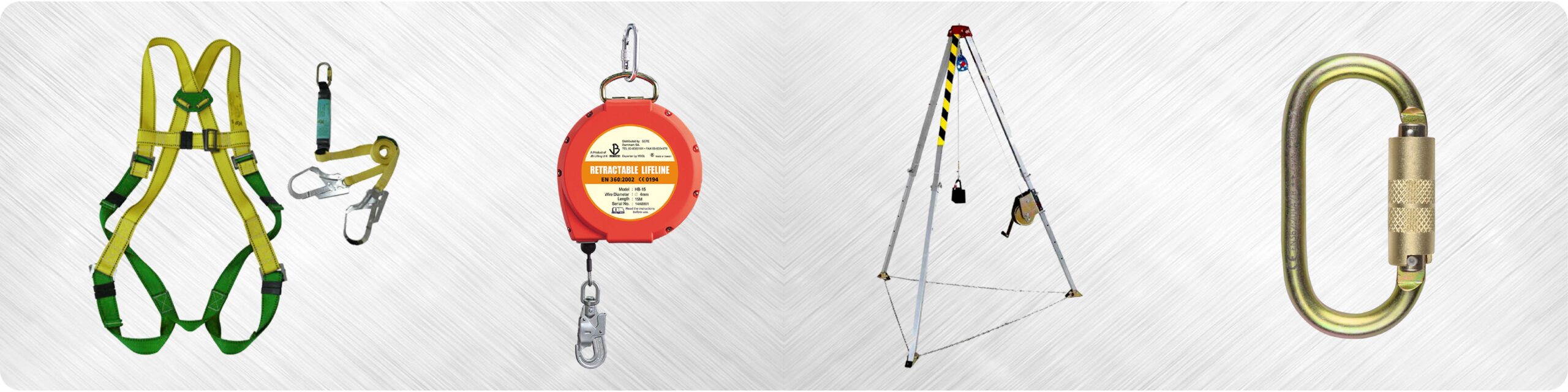
Full body harnesses are the foundation of any fall arrest system. They are designed to distribute the impact forces of a fall evenly across the body, minimizing the risk of injury. Full body harnesses come in a variety of styles and sizes to accommodate different workers and work environments. Proper fit and adjustment are essential for ensuring that the harness functions effectively in the event of a fall.
5.2. Lanyards and Connectors: Choosing the Right Attachment
Lanyards and connectors are used to connect the full body harness to an anchor point. There are different types of lanyards available, including shock-absorbing lanyards and self-retracting lanyards. Shock-absorbing lanyards are designed to reduce the impact forces of a fall, while self-retracting lanyards provide greater freedom of movement. Connectors, such as snap hooks and carabiners, are used to attach the lanyard to the anchor point.
5.3. Anchor Points: Ensuring a Secure Connection
Anchor points provide a secure connection for the fall protection system. There are different types of anchor points available, including fixed anchors and portable anchors. Fixed anchors are permanently installed and are typically used in areas where fall protection is required on a regular basis. Portable anchors can be moved from one location to another and are often used in temporary work areas.
6. Understanding Fall Arrest Systems vs. Fall Restraint Systems
Fall arrest systems and fall restraint systems are two different approaches to fall protection. Fall arrest systems are designed to stop a fall after it has occurred, while fall restraint systems are designed to prevent a fall from happening in the first place. Understanding the differences between these two types of systems is crucial for selecting the appropriate fall protection for a given task.
6.1. Fall Arrest: Stopping a Fall in Progress
Fall arrest systems are designed to stop a fall after it has occurred. These systems typically consist of a full body harness, a lanyard, and an anchor point. In the event of a fall, the lanyard will extend and the energy absorber will deploy, reducing the impact forces on the worker’s body. Fall arrest systems are typically used in situations where there is a risk of falling from a height.
6.2. Fall Restraint: Preventing a Fall Before it Happens
Fall restraint systems are designed to prevent workers from reaching a fall hazard. These systems typically consist of a full body harness, a lanyard, and an anchor point. The lanyard is adjusted to a length that prevents the worker from reaching the edge of the fall hazard. Fall restraint systems are typically used in situations where workers need to work near the edge of a roof or other elevated surface.
6.3. Choosing the Right System: Matching the System to the Task
Selecting the appropriate fall protection system is essential for ensuring worker safety. Factors to consider include the fall distance, the potential for swing fall hazards, and the worker’s mobility. Fall arrest systems are typically used when there is a risk of falling from a height, while fall restraint systems are typically used when workers need to work near the edge of a roof or other elevated surface. We can help you assess your workplace and recommend the best system for your needs.
7. The Importance of Regular Equipment Inspections: A Checklist
Regular equipment inspections are essential for ensuring that fall protection equipment is in good working condition. Inspections should be conducted before each use and periodically by a competent person. Damaged or defective equipment should be immediately removed from service. A comprehensive inspection program can help prevent accidents and ensure that fall protection equipment is ready to perform when needed.
7.1. Pre-Use Inspections: Catching Problems Before They Happen
Pre-use inspections should be conducted before each shift to identify any obvious signs of damage or wear. Workers should inspect their harnesses, lanyards, connectors, and anchor points for cuts, tears, abrasions, and other signs of damage. Any equipment that is found to be damaged or defective should be immediately removed from service. We provide detailed inspection checklists to our clients to ensure thoroughness.
7.2. Periodic Inspections: Identifying Wear and Tear
Periodic inspections should be conducted by a competent person at regular intervals. These inspections should be more thorough than pre-use inspections and should include a detailed examination of all fall protection equipment. The competent person should document their findings and take corrective actions as needed.
7.3. Removing Damaged Equipment from Service: Preventing Accidents
Damaged or defective equipment should be immediately removed from service to prevent its reuse. The equipment should be tagged and disposed of properly to ensure that it is not accidentally used again. Replacing damaged equipment promptly is essential for maintaining a safe work environment.
8. Addressing the “It Won’t Happen to Me” Mentality
One of the biggest challenges in fall protection is addressing the “it won’t happen to me” mentality. This mindset can lead to complacency and unsafe practices. It’s important to educate workers about the real risks of falls and to promote a culture of safety where everyone takes responsibility for their own safety and the safety of others.
8.1. The Dangers of Complacency: A False Sense of Security
Complacency can lead to a false sense of security and a disregard for safety procedures. Workers who become complacent may take shortcuts or ignore potential hazards. Sharing real-life examples of fall accidents that could have been prevented with proper fall protection can help workers understand the importance of following safety procedures.
8.2. Promoting a Safety Culture: Making Safety a Priority
Fostering a safety culture where workers are encouraged to prioritize safety over productivity is essential. This requires leadership commitment to safety and a willingness to invest in fall protection training and equipment. Regular safety meetings and open communication can also help promote a strong safety culture.
8.3. Encouraging Open Communication: Speaking Up About Concerns
Promoting open communication and encouraging workers to speak up about safety concerns without fear of reprisal is crucial. Workers should feel comfortable reporting potential hazards and suggesting improvements to safety procedures. Establishing channels for reporting concerns and ensuring that they are addressed promptly and effectively can help create a more proactive safety environment.
9. The Financial Impact of Falls: Beyond the Human Cost
Falls not only cause human suffering but also have a significant financial impact on businesses. The costs associated with fall accidents can include medical expenses, workers’ compensation claims, lost productivity, and reputational damage. Investing in effective fall protection measures can help reduce these costs and improve a company’s bottom line.
9.1. Direct Costs: Medical Expenses and Workers’ Compensation
The direct costs of fall accidents can include medical expenses, workers’ compensation claims, and legal fees. These costs can be substantial, especially in cases involving serious injuries or fatalities. Implementing effective fall protection measures can help reduce the number of fall accidents and lower these direct costs.
9.2. Indirect Costs: Lost Productivity and Reputational Damage
The indirect costs of fall accidents can include lost productivity, project delays, and reputational damage. When a worker is injured in a fall, it can disrupt workflow and delay project completion. Fall accidents can also damage a company’s reputation, making it more difficult to attract and retain customers and employees.
9.3. The ROI of Fall Protection: Investing in Safety
Investing in fall protection is not only the right thing to do but also a smart business decision. The return on investment (ROI) of implementing effective fall protection measures can be significant. By reducing the number of fall accidents, companies can lower their direct and indirect costs, improve productivity, and protect their reputation.
Here’s an example of a table showing potential cost savings with effective fall protection:
| Cost Category |
Without Fall Protection |
With Fall Protection |
Potential Savings |
| Medical Expenses |
$50,000 |
$10,000 |
$40,000 |
| Workers’ Compensation |
$100,000 |
$20,000 |
$80,000 |
| Lost Productivity |
$75,000 |
$15,000 |
$60,000 |
| Reputational Damage |
$25,000 |
$5,000 |
$20,000 |
| Total |
$250,000 |
$50,000 |
$200,000 |
10. Debunking Common Ladder Safety Myths
Ladders are a common source of falls in many workplaces. Many accidents involving ladders could be prevented by dispelling common myths and promoting safe practices. Understanding the proper use and limitations of ladders is crucial for preventing injuries. It’s important to replace old ladders, regularly inspect them, and enforce ladder safety rules with all of your employees.
10.1. Myth: “Leaning Ladders Against Unstable Surfaces is Okay”
Leaning ladders against unstable surfaces is extremely dangerous. Surfaces that are slippery, uneven, or not structurally sound can cause the ladder to shift or collapse, leading to a fall. Examples of unsafe surfaces include loose gravel, stacked boxes, and wet floors. Always ensure the ladder is placed on a stable, level surface before climbing.
10.2. Myth: “Reaching Far From a Ladder is Acceptable”
Overreaching from a ladder can cause a loss of balance and a fall. When you reach too far to the side, you shift your center of gravity, making the ladder unstable. It is crucial to reposition the ladder as needed to keep your body centered between the side rails. The “belt buckle rule” advises keeping your belt buckle within the ladder rails.
10.3. Myth: “Inspecting Ladders Before Each Use is Unnecessary”
Inspecting ladders before each use is critical for identifying potential hazards. Cracks, loose rungs, and damaged feet can compromise the ladder’s structural integrity. A quick inspection can prevent accidents caused by faulty equipment. Key items to check include rungs, side rails, feet, and locking mechanisms.
11. Scaffold Safety: Common Myths and Best Practices
Scaffolds provide elevated work platforms, but they also pose significant fall risks if not properly erected and maintained. Common myths about scaffold safety can lead to dangerous practices and increase the likelihood of accidents. Understanding and adhering to best practices is essential for ensuring a safe work environment when using scaffolds.
11.1. Myth: “Guardrails are Optional on Scaffolds”
Guardrails are essential safety components on scaffolds and are not optional. They provide a barrier to prevent workers from falling off the platform. OSHA regulations mandate guardrails on scaffolds at specific heights, typically around 42 inches. Neglecting to install guardrails significantly increases the risk of falls.
11.2. Myth: “Scaffolds Don’t Need Regular Inspections”
Regular scaffold inspections by a competent person are crucial for identifying potential hazards. Inspections should be conducted before each shift and after any alterations or incidents. The inspector should check for stability, proper bracing, and secure connections. Neglecting inspections can lead to undetected issues that cause scaffold collapse.
11.3. Myth: “Using Makeshift Components on Scaffolds is Safe”
Using makeshift components on scaffolds is dangerous and strictly prohibited. Scaffolds are engineered systems, and using non-approved parts can compromise their structural integrity. Only approved scaffold components should be used to ensure safety. Makeshift components can fail under load, leading to scaffold collapse and serious injuries.
Conclusion: Prioritizing Fall Protection to Save Lives
In this article, we’ve debunked three critical fall protection myths that can put workers at risk: the belief that fall protection is only necessary at high heights, the misconception that any safety harness will do, and the false sense of security that comes with simply being tied off. We’ve emphasized the importance of proper fall protection training, equipment selection, and regular inspections to create a safer work environment.
Remember, falls are a leading cause of workplace injuries and fatalities, but they are preventable with the right knowledge and practices. By prioritizing fall protection, we can save lives and create a safer work environment for everyone. We are dedicated to providing the resources and support you need to implement effective fall protection programs.
FAQ Section
Q: At what height is fall protection required?
A: The height at which fall protection is required varies depending on the industry and specific regulations. In general industry, OSHA requires fall protection at four feet.
Q: What are the different types of fall protection systems?
A: The two main types of fall protection systems are fall arrest systems and fall restraint systems. Fall arrest systems stop a fall after it has occurred, while fall restraint systems prevent a fall from happening in the first place.
Q: How often should fall protection equipment be inspected?
A: Fall protection equipment should be inspected before each use and periodically by a competent person.
Q: What should be included in a fall protection training program?
A: A fall protection training program should cover hazard identification, equipment inspection, proper use techniques, and emergency procedures.
Q: What is a swing fall hazard?
A: A swing fall hazard occurs when a worker is anchored to a point that is not directly above their work area. In the event of a fall, the worker can swing like a pendulum, potentially colliding with obstacles or suffering serious injuries.
Q: What are the costs associated with fall accidents?
A: The costs associated with fall accidents can include medical expenses, workers’ compensation claims, lost productivity, and reputational damage.
Q: How can I promote a safety culture in my workplace?
A: You can promote a safety culture by prioritizing safety over productivity, investing in fall protection training and equipment, encouraging open communication, and establishing channels for reporting concerns.
Q: Why is ladder safety important?
A: Ladder safety is crucial because ladders are a common source of falls in many workplaces, and many accidents could be prevented with proper use.
Q: What are some common ladder safety myths?
A: Some common ladder safety myths include that leaning ladders against unstable surfaces is okay, reaching far from a ladder is acceptable, and inspecting ladders before each use is unnecessary.
Q: Why are guardrails important on scaffolds?
A: Guardrails are essential safety components on scaffolds because they provide a barrier to prevent workers from falling off the platform.