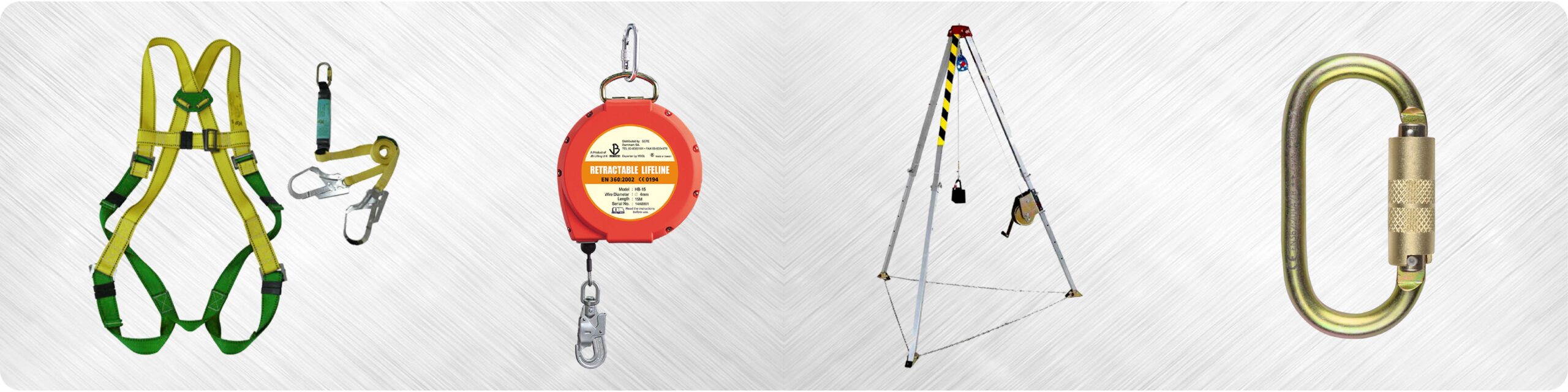
In the realm of workplace safety, especially in industries like construction and roofing, few topics are as critical as fall protection. Yet, despite its importance, the field is rife with misconceptions and myths that can jeopardize worker safety. These fall protection myths can lead to inadequate safety measures, increased risk of accidents, and even fatalities. At Safe and Secure Trading Company (SSTC), we’re dedicated to debunking these dangerous beliefs and promoting evidence-based practices that keep workers safe.
1. Introduction: The Peril of Misinformation in Fall Protection
Misinformation in any safety-critical domain is dangerous, but when it comes to fall protection, the stakes are exceptionally high. Relying on fall protection myths can create a false sense of security, leading individuals to underestimate risks and bypass necessary safety protocols. This is why at SSTC, we emphasize the importance of continuous education and training based on verifiable data and regulatory standards.
1.1. Defining “Myth” in a Safety Context
In the context of safety, a “myth” isn’t just a harmless story; it’s a deeply ingrained belief that contradicts established facts and best practices. These myths often arise from outdated information, anecdotal experiences, or simply a lack of understanding of the complex dynamics of fall hazards. Disseminating this misinformation can have devastating consequences. For example, workers might believe they are safe using a particular piece of equipment, when in reality, that equipment is not suitable for the task or is being used incorrectly.
1.2. The Real-World Consequences of Believing Fall Protection Myths
The consequences of believing fall protection myths are far from theoretical. They translate directly into increased accident rates, severe injuries, and even fatalities. When workers operate under false assumptions, they are more likely to take unnecessary risks, neglect essential safety procedures, and use equipment improperly. According to OSHA regulations, employers are responsible for providing a safe working environment, and part of that responsibility includes dispelling these myths through comprehensive training.
1.3. Establishing the Importance of Evidence-Based Fall Protection Practices
To combat the dangers of fall protection myths, it’s crucial to embrace evidence-based practices grounded in scientific research, engineering principles, and real-world data. At SSTC, we advocate for a data-driven approach to fall protection, using incident reports, safety audits, and performance metrics to identify vulnerabilities and implement effective solutions. This includes staying up-to-date with the latest safety standards and technological advancements in the field.
2. Myth #1: “Fall Protection is Only Necessary Above 6 Feet”
✅ This is one of the most pervasive and dangerous fall protection myths. The belief that fall protection is only needed above six feet is a dangerous oversimplification that ignores the reality of workplace injuries. While OSHA does have specific regulations related to heights above six feet in general industry (four feet in general industry), falls from lower heights can still result in serious harm. For our clients, we always emphasize that any height presents a risk, and a thorough assessment is vital.
2.1. OSHA Regulations and Height Requirements: A Closer Look
While OSHA regulations often cite specific height thresholds for mandatory fall protection, these should be viewed as minimum requirements, not absolute limits. The regulations outline requirements for fall protection based on industry but it is also up to the company to establish safe regulations. These regulations set a baseline, but responsible employers should go further by conducting comprehensive risk assessments and implementing controls that address all potential fall hazards, regardless of height.
2.2. The Reality of Injuries at Lower Heights: Statistics and Case Studies
Numerous studies and incident reports demonstrate that falls from heights below six feet can cause significant injuries, including fractures, sprains, and head trauma. The severity of an injury depends on various factors, such as the surface being landed on, the angle of impact, and the individual’s physical condition. We have seen firsthand in Dammam how complacency about lower-height falls can lead to preventable accidents, underscoring the need for a proactive approach.
2.3. Comprehensive Hazard Assessment: Considering All Fall Risks, Regardless of Height
A comprehensive hazard assessment is the cornerstone of any effective fall protection program. This assessment should identify all potential fall hazards, regardless of height, and evaluate the likelihood and severity of potential injuries. Factors to consider include the type of work being performed, the presence of slippery surfaces, the use of ladders or scaffolding, and the proximity to dangerous equipment.
2.4. Mitigating Risks Below 6 Feet: Implementing Alternative Safety Measures
Even when falls from heights above six feet do not seem possible, there are still steps to take for safety. Fall protection is not only needed when working from heights. There is also a need to protect workers who are doing their duties at ground level. For falls under six feet, a range of alternative safety measures can be implemented. These include:
- Using guardrails or safety nets to prevent falls from edges or openings.
- Implementing administrative controls, such as safe work procedures and training programs.
- Providing personal protective equipment (PPE), such as non-slip footwear and fall restraint systems.
- Ensuring proper housekeeping to eliminate slip, trip, and fall hazards.
3. Myth #2: “Any Harness Will Do”
💡 Believing that any safety harness is adequate is another dangerous myth. The truth is that different harnesses are designed for specific tasks and body types. Using the wrong harness, or one that doesn’t fit properly, can significantly reduce its effectiveness and even increase the risk of injury. Choosing the right safety harness and ensuring it is in good repair is key to safety.
3.1. Understanding Different Types of Harnesses and Their Intended Uses
Not all harnesses are created equal. There are different types of harnesses designed for specific applications, each with its own features and limitations. Some common types include:
- Full-body harnesses: These are the most versatile type of harness, providing comprehensive fall protection for a wide range of activities.
- Positioning harnesses: These harnesses are designed to support workers in a specific position, such as when working on a utility pole.
- Retrieval harnesses: These harnesses include features that allow for the safe retrieval of a worker after a fall.
3.2. The Importance of Proper Fit and Adjustment for Harness Effectiveness
A properly fitted harness is essential for ensuring its effectiveness. A harness that is too loose or too tight can cause discomfort, restrict movement, and even lead to serious injury in the event of a fall. The harness should fit snugly around the worker’s body, with the D-ring positioned correctly between the shoulder blades. Straps should be adjusted to allow for a full range of motion without compromising safety.
3.3. Inspection and Maintenance of Harnesses: A Critical Routine
Regular inspection and maintenance are crucial for ensuring the continued effectiveness of safety harnesses. Before each use, workers should inspect their harnesses for any signs of damage, such as cuts, tears, or frayed straps. Harnesses should also be cleaned and stored properly to prevent deterioration. Any harness that is damaged or shows signs of wear should be immediately removed from service and replaced.
3.4. The Risks of Using Damaged or Inappropriate Harnesses
Using a damaged or inappropriate harness can have catastrophic consequences. A damaged harness may fail to arrest a fall, resulting in serious injury or death. An inappropriate harness may not provide adequate support or protection for the specific task being performed, increasing the risk of accidents. It’s essential to prioritize proper harness selection, inspection, and maintenance to ensure worker safety.
4. Myth #3: “Fall Protection Training is a One-Time Event”
➡️ Thinking that fall protection training is a one-time event is a dangerous oversight. The reality is that work environments, safety standards, and equipment evolve constantly. Regular refresher training is essential to keep workers up-to-date and reinforce safe work practices. SSTC recommends annual refresher courses for all workers who are exposed to fall hazards.
4.1. The Dynamic Nature of Work Environments and Evolving Safety Standards
Work environments are constantly changing, with new hazards emerging as projects progress and conditions shift. Safety standards and regulations also evolve over time, reflecting new research, technological advancements, and lessons learned from past incidents. One-time training is simply not sufficient to keep workers informed about these changes and ensure they are equipped to work safely in dynamic environments.
4.2. Reinforcement Training: Why Regular Refreshers are Crucial
Regular reinforcement training is crucial for maintaining worker competency and reinforcing safe work practices. Refresher courses provide an opportunity to review key concepts, address any knowledge gaps, and introduce new information or procedures. These courses also serve as a reminder of the importance of fall protection and the consequences of non-compliance.
4.3. Adapting Training to Specific Job Tasks and Site Conditions
Generic fall protection training is often insufficient to address the specific hazards encountered on a particular job site or during a specific task. Training should be tailored to the unique conditions and challenges of each work environment, providing workers with the knowledge and skills they need to work safely in their specific roles. This may involve hands-on training, simulations, or demonstrations that replicate real-world scenarios.
4.4. Documenting Training and Maintaining Employee Competency Records
Proper documentation of fall protection training is essential for demonstrating compliance with regulatory requirements and ensuring that workers have received the necessary instruction. Employers should maintain records of all training activities, including the dates of training, the topics covered, and the names of the participants. These records should be readily available for inspection by regulatory agencies or safety auditors.
5. Myth #4: “A Lanyard Can Be Attached to Any Anchor Point”
⚠️ The assumption that a lanyard can be attached to any anchor point is a critical misconception. Anchor points must meet specific strength requirements to safely arrest a fall. Using an inadequate anchor point can render the entire fall protection system ineffective, putting workers at serious risk. At SSTC, we provide guidance on selecting and inspecting appropriate anchor points for various applications.
5.1. Anchor Point Strength Requirements: Understanding Load Capacity
Anchor points are a critical component of any fall protection system, providing a secure attachment point for lanyards and other connecting devices. To be effective, anchor points must be capable of withstanding the forces generated during a fall. OSHA regulations specify minimum strength requirements for anchor points, typically requiring them to support at least 5,000 pounds per worker attached.
5.2. Identifying Suitable Anchor Points: Permanent vs. Temporary Solutions
Suitable anchor points can be either permanent or temporary, depending on the specific work environment and the duration of the task. Permanent anchor points are typically installed as part of the building structure, while temporary anchor points can be installed on a temporary basis using specialized equipment. It’s important to select anchor points that are appropriate for the intended use and that meet all applicable strength requirements.
5.3. Calculating Fall Distance and Clearance: Avoiding Swing Falls and Ground Contact
Calculating fall distance and clearance is essential for ensuring that a fall protection system will effectively arrest a fall before the worker strikes the ground or another obstacle. Fall distance is the total vertical distance a worker could fall, including the length of the lanyard, the deceleration distance of the energy absorber, and any additional distance due to harness stretch or body sag. Clearance is the vertical distance between the worker’s feet and the nearest obstruction below.
5.4. The Role of Qualified Persons in Anchor Point Selection and Inspection
A qualified person plays a critical role in the selection, inspection, and installation of anchor points. A qualified person is someone with the knowledge, training, and experience to identify fall hazards, assess anchor point suitability, and ensure that anchor points meet all applicable safety standards. Employers should designate qualified persons to oversee all aspects of anchor point management.
6. Myth #5: “Using a Personal Fall Arrest System (PFAS) Guarantees Safety”
⛔ Believing that using a Personal Fall Arrest System (PFAS) guarantees safety is a dangerous oversimplification. While PFAS is an essential component of fall protection, it is not a foolproof solution. The effectiveness of a PFAS depends on proper selection, inspection, and use of all components, as well as a comprehensive rescue plan in case of a fall. We, at SSTC, emphasize a holistic approach to fall protection that goes beyond simply providing PFAS.
6.1. The Limitations of PFAS: Understanding Potential Failure Points
While PFAS can significantly reduce the risk of injury in a fall, they are not without limitations. Potential failure points include:
- Improper harness fit: A loose or improperly adjusted harness can reduce its effectiveness and increase the risk of injury.
- Damaged or worn equipment: Cuts, tears, or corrosion can compromise the strength of PFAS components.
- Inadequate anchor points: Anchor points that do not meet strength requirements can fail to arrest a fall.
- Incorrect lanyard length: A lanyard that is too long can increase the fall distance and the risk of striking the ground or another obstacle.
6.2. Proper Use of PFAS Components: Lanyards, Connectors, and Lifelines
Proper use of PFAS components is essential for ensuring their effectiveness. This includes:
- Lanyards: Selecting the appropriate lanyard length for the specific work environment and ensuring that it is properly connected to the harness and anchor point.
- Connectors: Using compatible connectors that are designed for the specific application and ensuring that they are securely attached.
- Lifelines: Selecting lifelines that are appropriate for the height and type of work being performed and ensuring that they are properly installed and maintained.
6.3. Rescue Planning and Preparedness: What Happens After a Fall?
A comprehensive rescue plan is an essential component of any fall protection program. This plan should outline the procedures for rescuing a worker who has fallen while using a PFAS, including how to provide first aid, how to lower the worker to the ground safely, and how to transport the worker to medical care. Rescue plans should be practiced regularly to ensure that workers are prepared to respond effectively in the event of an emergency.
6.4. The Importance of Medical Evaluations and Fit for Duty Assessments
Medical evaluations and fit for duty assessments are important for ensuring that workers are physically capable of performing their job duties safely while using a PFAS. These assessments can identify underlying medical conditions that may increase the risk of injury in a fall, such as heart conditions, respiratory problems, or musculoskeletal disorders. Workers who are not fit for duty should be assigned alternative tasks that do not involve exposure to fall hazards.
7. Common Misconceptions about Fall Clearance
Another area where fall protection myths proliferate involves fall clearance. Many workers and even some supervisors underestimate the amount of clear space needed below a work area to safely arrest a fall. Misjudging this distance can lead to severe injuries, even when a PFAS is used correctly.
7.1 Understanding swing fall hazards
Swing falls occur when a worker moves horizontally away from their anchor point while connected to a lanyard. In the event of a fall, the worker will swing like a pendulum, potentially colliding with nearby objects. Understanding swing fall hazards is crucial for positioning anchor points and minimizing the risk of injury.
7.2. How to calculate adequate fall distance
Calculating adequate fall distance involves several factors, including:
- Lanyard length
- Deceleration distance of the energy absorber
- Harness stretch
- Body height below the D-ring
Failing to account for all these factors can result in an underestimation of the required clearance, leading to a potentially fatal impact.
7.3 The importance of considering lanyard length and deceleration device deployment
Lanyard length directly impacts the total fall distance. Shorter lanyards reduce the potential fall distance, but they may also restrict movement. Deceleration devices, such as shock absorbers, are designed to deploy during a fall, dissipating energy and reducing the impact force on the worker. The deployment distance of these devices must be factored into the overall fall clearance calculation.
8. Addressing the “It Won’t Happen to Me” Attitude
One of the biggest challenges in promoting fall protection is overcoming the “it won’t happen to me” attitude. This mindset can lead workers to take unnecessary risks, disregard safety procedures, and underestimate the potential for accidents. Addressing this attitude requires a multi-faceted approach that focuses on education, engagement, and cultural change.
8.1. Psychological Factors in Safety Compliance
Psychological factors play a significant role in safety compliance. Workers may be influenced by factors such as:
- Risk perception: Underestimating the likelihood or severity of potential hazards.
- Complacency: Becoming desensitized to risks over time.
- Peer pressure: Feeling pressured to take risks to fit in with colleagues.
- Overconfidence: Overestimating their own abilities and judgment.
8.2. Promoting a Culture of Safety Through Leadership and Engagement
A strong safety culture is essential for promoting fall protection and preventing accidents. This culture should be driven by leadership commitment, employee engagement, and a shared belief that safety is everyone’s responsibility. Leaders should actively promote safety, provide resources for training and equipment, and hold workers accountable for following safety procedures.
8.3. Near-Miss Reporting and Incident Investigation: Learning from Mistakes
Near-miss reporting and incident investigation are valuable tools for identifying potential hazards and preventing future accidents. Near misses are incidents that could have resulted in injury or damage but did not. Investigating these incidents can help identify the root causes of safety failures and implement corrective actions.
8.4. The Role of Peer-to-Peer Mentoring in Fostering Safe Work Practices
Peer-to-peer mentoring can be an effective way to promote safe work practices and reinforce fall protection principles. Experienced workers can serve as mentors to newer employees, sharing their knowledge, skills, and experiences. Mentors can also provide support and encouragement, helping to create a more positive and safety-conscious work environment.
9. Advanced Fall Protection Technologies and Innovations
The field of fall protection is constantly evolving, with new technologies and innovations emerging to improve worker safety. These advancements offer enhanced protection, greater flexibility, and improved ease of use.
9.1. Self-Retracting Lifelines (SRLs): Advantages and Limitations
Self-Retracting Lifelines (SRLs) are a type of fall protection device that automatically extends and retracts, allowing workers to move freely while maintaining continuous fall protection. SRLs offer several advantages over traditional lanyards, including:
- Reduced fall distance
- Increased mobility
- Automatic locking mechanism
However, SRLs also have some limitations, such as:
- Higher cost
- Potential for malfunction
- Need for regular inspection and maintenance
9.2. Horizontal Lifeline Systems: Design Considerations and Installation Best Practices
Horizontal Lifeline Systems (HLLs) are used to provide fall protection for workers who need to move horizontally across a work area. HLLs consist of a cable or rail that is anchored at both ends and a trolley or shuttle that allows workers to move along the line while remaining connected. Designing and installing HLLs requires careful consideration of factors such as:
- Anchor point strength
- Cable sag
- System clearance
- Worker capacity
9.3. Smart Fall Protection: Wearable Sensors and Real-Time Monitoring
Smart fall protection systems utilize wearable sensors and real-time monitoring to enhance worker safety. These systems can detect falls, alert supervisors, and provide data on worker movements and potential hazards. Smart fall protection can help to improve response times in the event of a fall and provide valuable insights for preventing future accidents.
9.4. Emerging Technologies: Exoskeletons and Fall Prevention Systems
Emerging technologies such as exoskeletons and fall prevention systems are showing promise for further reducing the risk of falls in the workplace. Exoskeletons can provide physical support and reduce strain on workers’ bodies, while fall prevention systems can actively detect and prevent falls before they occur. These technologies are still in the early stages of development, but they have the potential to revolutionize fall protection in the future.
10. Legal and Regulatory Landscape: Navigating OSHA Standards
Understanding and complying with OSHA standards is essential for ensuring workplace safety and avoiding costly fines and penalties. OSHA regulations outline specific requirements for fall protection in various industries, including construction, general industry, and maritime.
10.1. Understanding Key OSHA Fall Protection Regulations (e.g., 1926.500, 1926.501)
Key OSHA fall protection regulations include:
- 1926.500: Fall Protection (general requirements)
- 1926.501: Duty to Have Fall Protection
- 1926.502: Fall Protection Systems Criteria and Practices
- 1926.503: Training Requirements
These regulations specify when fall protection is required, what types of fall protection systems are acceptable, and what training must be provided to workers.
10.2. The Cost of Non-Compliance: Fines, Penalties, and Legal Liabilities
Non-compliance with OSHA fall protection regulations can result in significant fines, penalties, and legal liabilities. OSHA can issue citations for violations, ranging from minor infractions to serious or willful violations. The cost of these citations can be substantial, and employers may also face legal action from injured workers or their families.
10.3. Staying Up-to-Date with Regulatory Changes and Enforcement Trends
It’s important to stay up-to-date with regulatory changes and enforcement trends related to fall protection. OSHA regularly updates its regulations and issues new guidance documents to address emerging hazards and improve worker safety. Employers should subscribe to OSHA updates, attend safety conferences, and consult with safety professionals to stay informed about the latest developments.
10.4. Developing a Comprehensive Fall Protection Program for Compliance
A comprehensive fall protection program is essential for ensuring compliance with OSHA regulations and protecting workers from fall hazards. This program should include:
- A written fall protection plan
- Hazard assessments
- Training programs
- Equipment selection and inspection procedures
- Rescue plans
- Incident investigation procedures
11. Case Studies: Learning from Real-World Fall Protection Failures
Analyzing real-world case studies of fall protection failures can provide valuable lessons for preventing future accidents. By examining incident reports, identifying root causes, and sharing lessons learned, we can improve our understanding of fall hazards and implement more effective safety measures.
11.1. Analyzing Incident Reports: Identifying Root Causes and Contributing Factors
Incident reports provide detailed information about the circumstances surrounding a fall, including the type of work being performed, the equipment being used, the environmental conditions, and the actions of the worker. Analyzing these reports can help identify the root causes of the fall, such as inadequate training, equipment failure, or unsafe work practices.
11.2. Sharing Lessons Learned: Preventing Similar Incidents in the Future
Sharing lessons learned from incident investigations is crucial for preventing similar incidents in the future. This can be done through safety meetings, training programs, or online forums. By sharing our experiences and insights, we can help to raise awareness of fall hazards and promote safer work practices.
11.3. The Importance of Transparency and Open Communication in Safety Management
Transparency and open communication are essential for effective safety management. Workers should feel comfortable reporting hazards, near misses, and incidents without fear of reprisal. Management should be transparent about safety performance, sharing data on incident rates, near-miss reports, and corrective actions.
12. Conclusion: Prioritizing Fall Protection and Continuous Improvement
By debunking fall protection myths and embracing evidence-based practices, we can create safer work environments and prevent tragic accidents. A proactive and comprehensive approach to fall protection is not just a legal requirement; it’s a moral imperative.
12.1. Key Takeaways: Debunking the Myths and Embracing Best Practices
The key takeaways from this article include:
- Fall protection is necessary at all heights, not just above 6 feet.
- Not all harnesses are created equal; select the right harness for the job.
- Fall protection training is an ongoing process, not a one-time event.
- Anchor points must meet specific strength requirements.
- PFAS is not a guarantee of safety; proper use and maintenance are essential.
12.2. A Call to Action: Implementing a Proactive and Comprehensive Fall Protection Program
We encourage all employers and workers to take a proactive and comprehensive approach to fall protection. This includes:
- Conducting thorough hazard assessments
- Developing and implementing a written fall protection plan
- Providing comprehensive training to all workers
- Selecting and maintaining appropriate fall protection equipment
- Implementing rescue plans
- Promoting a culture of safety
12.3. Resources for Further Learning and Support
For further learning and support, we recommend consulting the following resources:
- OSHA website
- National Safety Council
- American Society of Safety Professionals
- Safe and Secure Trading Company’s Fall Protection Experts
We believe that by working together, we can eliminate fall protection myths and create safer workplaces for everyone.
FAQ Section
Q: What is the most common fall protection myth you encounter?
A: One of the most frequent fall protection myths we encounter is the belief that fall protection is only required above a certain height, like six feet. This overlooks the fact that serious injuries can occur from falls at lower heights, especially if there are sharp objects or hard surfaces below. A thorough risk assessment is always necessary, regardless of the height.
Q: How often should fall protection equipment be inspected?
A: Fall protection equipment, including safety harnesses and lanyards, should be inspected before each use. A competent person should also conduct a more thorough inspection at least annually. Regular inspections help identify any damage or wear that could compromise the equipment’s effectiveness.
Q: What are the key elements of a comprehensive fall protection training program?
A: A comprehensive fall protection training program should cover hazard identification, proper use of fall protection equipment, inspection procedures, rescue techniques, and relevant OSHA regulations. Training should be hands-on and specific to the tasks and environments workers will be exposed to. It is important to adapt training to specific job tasks and site conditions
Q: How can employers create a stronger safety culture related to fall protection?
A: Employers can foster a stronger safety culture by demonstrating visible leadership commitment, actively involving workers in safety processes, providing ongoing training and education, recognizing and rewarding safe behavior, and continuously improving safety systems based on feedback and incident analysis. Promoting a culture of safety through leadership and engagement is key.
Q: What is the role of a “qualified person” in fall protection?
A: A “qualified person” has specific training and experience in fall protection and is responsible for tasks such as inspecting and certifying anchor points, designing fall protection systems, and providing specialized training. Their expertise ensures that fall protection measures are adequate and compliant with safety standards. The role of qualified persons in anchor point selection and inspection is very important
Q: How does Safe and Secure Trading Company help businesses improve their fall protection programs?
A: At Safe and Secure Trading Company, we offer a range of services to help businesses improve their fall protection programs, including:
- Providing fall protection training
- Conducting site assessments
- Supplying high-quality fall protection equipment, including safety harness and fall arrest systems
- Developing customized fall protection plans to meet specific needs. For many of our clients here in Dammam, we’ve seen that our holistic approach results in significant improvements in workplace safety.
Q: What should be included in a fall rescue plan?
A: A fall rescue plan should outline the steps to take immediately after a fall incident, including how to safely retrieve the fallen worker, provide first aid, and transport them to medical care. The plan should also identify designated rescuers, necessary equipment, and communication protocols.
Q: How do I ensure that my company stays compliant with the most up-to-date OSHA regulations regarding fall protection?
A: To ensure ongoing compliance, regularly review OSHA’s website for updates to safety standards.