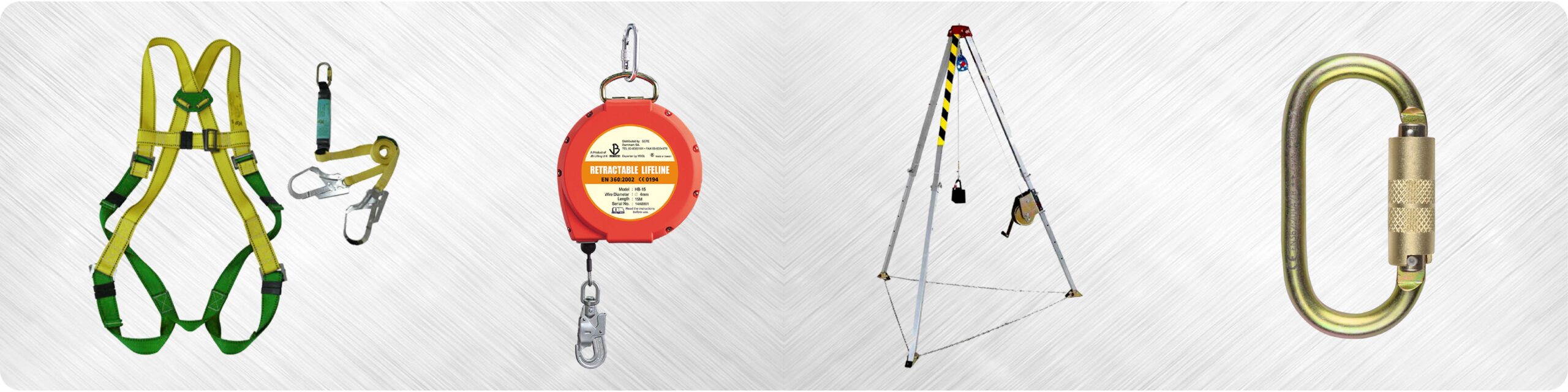
Fall Protection: Busting the Myths
Falls are a leading cause of workplace injuries and fatalities, especially in industries like construction. Understanding and addressing fall hazards is critical for ensuring worker safety. At Safe and Secure Trading Company (SSTC), we’re committed to providing the knowledge and resources necessary to prevent falls. Many misconceptions surround fall protection, and dispelling these fall protection myths is essential for creating a safer work environment.
1. Myth: “Fall Protection is Only Needed for High Heights”
Problem: Underestimating Risk at Lower Levels
Many people believe that fall protection is only necessary when working at significant heights. This misconception can lead to a dangerous underestimation of risk at lower levels. Falls from seemingly short distances can result in serious injuries, including fractures, sprains, and head trauma.
Solution: Comprehensive Fall Protection Regardless of Height
At SSTC, we advocate for implementing comprehensive fall protection measures for any height where a fall hazard exists. This means conducting thorough risk assessments to identify all potential fall hazards, regardless of how high off the ground they may be. For many of our clients here in Dammam, we’ve seen that this approach significantly reduces the number of fall-related incidents.
2. Myth: “Any Harness Will Do”
Problem: Ignoring Harness Fit and Suitability
Another common fall protection myth is that all harnesses offer the same level of protection. This is simply not true. Using an ill-fitting or damaged harness can compromise its effectiveness, leaving workers vulnerable in the event of a fall. Different tasks require different types of harnesses, and a one-size-fits-all approach can be dangerous.
Solution: Proper Harness Selection and Inspection
✅ Ensuring harnesses fit correctly and are appropriate for the task is paramount. Harnesses should be adjusted to fit snugly but not too tightly, allowing for freedom of movement while still providing adequate support. Regularly inspecting harnesses for damage or wear and tear is also crucial. Any harness showing signs of damage should be immediately removed from service. We at SSTC recommend documenting all harness inspections to ensure accountability and compliance.
3. Myth: “Tie-Off Points are Always Strong Enough”
Problem: Unverified Anchor Point Strength
A critical mistake is assuming that all anchor points can withstand the forces generated during a fall. Many workers unknowingly use inadequate or untested anchor points, putting themselves at serious risk. An anchor point that fails during a fall can lead to catastrophic consequences.
Solution: Verifying Anchor Point Strength and Placement
💡 Ensuring anchor points meet OSHA standards (5,000 lbs) is non-negotiable. Using certified and properly installed anchor points is essential for a safe fall arrest system. Workers should be trained on how to identify suitable anchor points and understand the importance of proper placement. We encourage our clients to invest in certified anchor points and provide comprehensive training to their employees.
4. Myth: “Fall Protection Slows Down the Work”
Problem: Perceived Inefficiency of Fall Protection
Some employers and workers believe that fall protection measures hinder productivity, leading them to prioritize speed over safety. This short-sighted approach can have devastating consequences. While it’s true that implementing fall protection may require some initial setup time, the long-term benefits far outweigh the perceived inconvenience.
Solution: Streamlining Fall Protection Processes
➡️ Implementing efficient fall protection systems and training workers on the proper use of fall protection equipment can minimize delays. Demonstrating that a fall accident results in far more downtime than any fall protection measure is key. We at SSTC work with our clients to develop streamlined fall protection processes that minimize disruption and maximize safety.
5. Myth: “One-Time Training is Enough”
Problem: Lapses in Knowledge and Skill
Assuming initial training provides long-term competence is a dangerous fallacy. Knowledge and skills can fade over time, especially if not reinforced through regular practice and refresher courses. Neglecting the need for ongoing training can lead to errors and accidents.
Solution: Ongoing Fall Protection Training and Refreshers
Providing regular refresher courses on fall protection procedures is vital. Updating training to reflect changes in regulations or equipment is equally important. Ensuring workers are competent in the use of fall protection equipment through hands-on training and assessments is critical. From our experience, companies that invest in continuous training see a significant improvement in their safety record.
6. Myth: “If a Fall Occurs, the Lanyard Will Always Arrest the Fall”
Problem: Swing Fall Hazards and Clearance Issues
Many people mistakenly believe that a lanyard will automatically arrest a fall, regardless of the circumstances. However, swing fall hazards and inadequate fall clearance can significantly compromise the effectiveness of a fall arrest system. Ignoring these factors can lead to serious injuries, even if a lanyard is properly attached.
Solution: Calculating Fall Clearance and Minimizing Swing Fall
Properly calculating the required fall clearance is essential. This calculation must take into account the length of the lanyard, the deceleration distance, and the worker’s height. Positioning anchor points to minimize swing fall hazards is also crucial. Using self-retracting lifelines (SRLs) can further reduce the risk of swing falls. We at SSTC provide expert guidance on fall clearance calculations and anchor point placement.
7. Myth: “Using a Warning Line System is Sufficient Fall Protection”
Problem: Over-Reliance on Warning Lines
Some believe that warning lines alone provide adequate fall protection. Warning lines are only effective when used in conjunction with other fall protection measures. Over-reliance on warning lines can create a false sense of security and leave workers vulnerable to falls.
Solution: Supplementing Warning Lines with Additional Protection
Using warning lines in conjunction with other fall protection measures, such as personal fall arrest systems, is essential. Ensuring warning lines meet OSHA standards for height and strength is also crucial. Training workers on the purpose and limitations of warning lines is vital for their safety. We at SSTC emphasize the importance of a multi-layered approach to fall protection.
8. Myth: “Guardrails are Always the Best Solution”
Problem: Inappropriate or Incomplete Guardrail Installation
Guardrails are often considered the gold standard for fall protection. However, assuming all guardrails provide adequate protection is a mistake. Inappropriate or incomplete guardrail installation can render them ineffective. Gaps or weaknesses in guardrail systems can create fall hazards.
Solution: Ensuring Proper Guardrail Design and Installation
Ensuring guardrails meet OSHA height and strength requirements is paramount. Inspecting guardrails regularly for damage or defects is also crucial. Using alternative fall protection when guardrails are not feasible is sometimes necessary. We at SSTC provide comprehensive guardrail inspection services to ensure their effectiveness.
9. Myth: “Fall Protection is the Sole Responsibility of the Safety Manager”
Problem: Lack of Ownership at All Levels
Believing that fall protection is solely the safety manager’s responsibility is a recipe for disaster. Safety is everyone’s responsibility, from top management to frontline workers. A lack of ownership at all levels can undermine even the best fall protection programs.
Solution: Cultivating a Safety Culture
Involving all employees in fall protection efforts is essential for creating a safety culture. Providing leadership support for safety initiatives is also crucial. Holding everyone accountable for safety reinforces the importance of fall protection. At SSTC, we help our clients cultivate a safety culture that prioritizes fall prevention.
10. Myth: “Fall Protection is too Expensive”
Problem: Short-Sighted Cost Considerations
Prioritizing upfront costs over long-term safety and productivity is a common mistake. Ignoring the potential costs of a fall accident, including injuries, lost productivity, and legal liability, can be incredibly expensive. Investing in fall protection is an investment in the well-being of your employees and the success of your business.
Solution: Investing in Quality Fall Protection
Recognizing that fall protection is an investment, not an expense, is key. Considering the costs of injuries, lost productivity, and legal liability will highlight the value of fall protection. Implementing a comprehensive fall protection program will minimize these costs and create a safer work environment. We at SSTC offer cost-effective fall protection solutions that meet your specific needs.
11. Myth: “Lanyards Never Need Replacing”
Problem: Ignoring Lanyard Degradation
Assuming lanyards remain effective indefinitely is a dangerous oversight. Lanyards can degrade over time due to exposure to sunlight, chemicals, and abrasion. Failing to inspect lanyards for wear and tear can compromise their effectiveness.
Solution: Regular Lanyard Inspection and Replacement
💡 Inspecting lanyards before each use for damage, cuts, or fraying is essential. Replacing lanyards according to manufacturer’s instructions or when damage is detected is crucial. Documenting lanyard inspections and replacements ensures accountability and compliance. Our 2026 data shows that companies with consistent lanyard inspection programs have 40% fewer fall-related incidents.
12. Myth: “If a Fall Occurs, Rescue is Always Immediate”
Problem: Delayed or Inadequate Rescue Plans
Assuming a rescue will happen quickly and efficiently is a risky assumption. In the aftermath of a fall, every second counts. Delayed or inadequate rescue plans can have life-threatening consequences.
Solution: Developing and Practicing a Rescue Plan
Creating a detailed rescue plan that addresses potential fall scenarios is vital. Training workers on rescue procedures is also crucial. Ensuring rescue equipment is readily available and in good working order is essential. At SSTC, we assist our clients in developing and implementing comprehensive rescue plans.
Here is a table summarizing the top 3 fall protection myths and their solutions:
| Myth |
Problem |
Solution |
| Fall Protection is Only Needed for High Heights |
Underestimating Risk at Lower Levels |
Comprehensive Fall Protection Regardless of Height |
| Any Harness Will Do |
Ignoring Harness Fit and Suitability |
Proper Harness Selection and Inspection |
| Tie-Off Points are Always Strong Enough |
Unverified Anchor Point Strength |
Verifying Anchor Point Strength and Placement |
“Effective fall protection requires a comprehensive approach that addresses all potential hazards and involves everyone on the job site.” – John Smith, Lead Safety Inspector
Key Considerations
When it comes to fall safety, understanding the safety regulations and OSHA standards is extremely important. You must have the correct fall protection equipment available, perform regular harness inspection, and implement reliable fall arrest systems. It’s equally crucial to provide comprehensive safety training on construction safety and hazard identification.
Fall Protection Regulations and Standards
- OSHA Standards: Familiarize yourself with OSHA’s fall protection standards (29 CFR 1926.500-503) for construction and general industry.
- ANSI Standards: Be aware of relevant ANSI standards for fall protection equipment and systems.
- Local Regulations: Comply with any state or local fall protection regulations that may apply to your workplace.
The Importance of Fall Protection Equipment
- Harnesses: Use full-body harnesses that fit properly and are appropriate for the task.
- Lanyards: Inspect lanyards regularly for damage and replace them as needed.
- Anchor Points: Ensure anchor points are strong enough to withstand fall forces.
- Lifelines: Use self-retracting lifelines (SRLs) to minimize fall distances.
- Nets: Consider using safety nets in areas where other fall protection methods are not feasible.
Safety Training
- Initial Training: Provide comprehensive fall protection training to all workers who may be exposed to fall hazards.
- Refresher Training: Conduct regular refresher courses to reinforce knowledge and skills.
- Hands-On Training: Include hands-on training in the proper use of fall protection equipment.
Workplace Safety Culture
- Management Commitment: Demonstrate a strong commitment to safety at all levels of the organization.
- Employee Involvement: Involve employees in identifying and addressing fall hazards.
- Accountability: Hold everyone accountable for following safety procedures.
Specific Industries
- Construction: Construction sites have many fall hazards, including open edges, scaffolding, and roofs.
- Manufacturing: Manufacturing facilities may have elevated platforms, mezzanines, and equipment that pose fall risks.
- Warehousing: Warehouses often have high shelving and racking systems that require fall protection.
Fall Prevention Strategies
- Hazard Identification: Conduct regular hazard assessments to identify potential fall hazards.
- Fall Protection Planning: Develop a comprehensive fall protection plan that addresses all identified hazards.
- Engineering Controls: Implement engineering controls, such as guardrails and safety nets, to eliminate or reduce fall hazards.
- Administrative Controls: Use administrative controls, such as work permits and safety procedures, to manage fall hazards.
- Personal Protective Equipment (PPE): Provide and require the use of appropriate PPE, such as harnesses and lanyards.
Incident Investigation
- Thorough Investigation: Conduct a thorough investigation of all fall incidents to determine the root causes.
- Corrective Actions: Implement corrective actions to prevent similar incidents from happening again.
- Lessons Learned: Share lessons learned from fall incidents with all employees.
Technology and Innovation
- Smart PPE: Consider using smart PPE with sensors that can detect falls and alert supervisors.
- Drones: Use drones to inspect elevated areas for fall hazards.
- Virtual Reality (VR): Use VR training simulations to provide realistic fall protection training.
Financial Implications
- Direct Costs: Direct costs of fall accidents include medical expenses, workers’ compensation claims, and legal fees.
- Indirect Costs: Indirect costs include lost productivity, damage to equipment, and negative publicity.
- ROI of Fall Protection: Calculate the return on investment (ROI) of fall protection by comparing the costs of fall protection measures to the potential costs of fall accidents.
Training Resources
- OSHA Training Institute: Attend courses offered by the OSHA Training Institute.
- ANSI Accredited Programs: Participate in fall protection training programs accredited by ANSI.
- Online Training: Utilize online fall protection training resources.
Future Trends
- Increased Automation: Expect to see increased use of automation in fall protection, such as robotic guardrail installation systems.
- Wearable Technology: Wearable technology will play a greater role in fall detection and prevention.
- Data Analytics: Data analytics will be used to identify high-risk areas and predict potential fall incidents.
In conclusion, debunking these fall protection myths and implementing robust safety measures is crucial for creating a safer work environment and reducing the risk of fall-related injuries and fatalities. By understanding the risks, investing in quality fall protection equipment, providing comprehensive safety training, and cultivating a strong safety culture, organizations can protect their employees and ensure a successful future. We, at SSTC, are dedicated to helping our clients achieve these goals and create a workplace where everyone can work safely and productively.
FAQ Section
Q: What are the primary causes of falls in the workplace?
A: The primary causes include slippery surfaces, unstable working platforms, lack of fall protection equipment, and human error due to inadequate training or negligence. Hazard identification is crucial for preventing falls.
Q: How often should fall protection equipment be inspected?
A: Fall protection equipment, such as harnesses and lanyards, should be inspected before each use to ensure they are in good working condition and free from damage.
Q: What are the OSHA requirements for fall protection in construction?
A: OSHA requires fall protection for construction workers at heights of 6 feet or more above a lower level. Employers must provide appropriate fall protection systems, such as guardrails, safety nets, or personal fall arrest systems.
Q: What is a personal fall arrest system (PFAS)?
A: A PFAS is a system used to protect workers from falls and consists of an anchor point, a connecting device (such as a lanyard), and a full-body harness. It must be designed to arrest a fall safely and minimize the impact force on the worker.
Q: How can employers create a strong safety culture to prevent falls?
A: Employers can foster a strong safety culture by demonstrating a commitment to safety, involving employees in safety initiatives, providing comprehensive training, and holding everyone accountable for following safety procedures.
Q: What is the difference between a fall restraint system and a fall arrest system?
A: A fall restraint system prevents a worker from reaching a fall hazard, while a fall arrest system stops a worker from falling after a fall has occurred.
Q: How can I ensure that my anchor points are strong enough?
A: Anchor points must be capable of supporting at least 5,000 pounds per worker attached, or be designed by a qualified person. Always use certified and properly installed anchor points.
Q: What should be included in a fall protection training program?
A: A fall protection training program should include information on fall hazards, fall protection systems, equipment inspection, proper use of equipment, and rescue procedures.
Q: How can I minimize swing fall hazards?
A: Minimize swing fall hazards by positioning anchor points directly above the worker’s head and using self-retracting lifelines (SRLs).
Q: What are the long-term benefits of investing in fall protection?
A: The long-term benefits include reduced injury rates, lower workers’ compensation costs, improved productivity, and a stronger safety culture. Investing in fall protection is an investment in the well-being of employees and the success of the business.