A fall protection plan is more than just a set of rules; it’s a comprehensive strategy designed to prevent injuries and save lives. Every workplace, especially those involving heights, must prioritize the safety of its workers by implementing a robust fall protection plan. Without such a plan, businesses expose themselves to significant legal and financial risks, not to mention the devastating impact on human lives. Our goal at Safe and Secure Trading Company (SSTC) is to guide you through the essential steps to create an effective fall protection plan that safeguards your employees and ensures compliance with all relevant regulations.
The Silent Threat: Why Fall Protection Plans Matter
Falls are a leading cause of workplace injuries and fatalities, particularly in industries like construction, manufacturing, and warehousing. A well-structured fall protection plan is not merely a suggestion but a necessity for any organization where employees work at heights. It provides a framework for identifying, assessing, and mitigating fall hazards, ensuring that workers have the knowledge, equipment, and procedures to perform their tasks safely. Effective fall protection significantly reduces the likelihood of accidents, protecting both workers and the company’s bottom line.
A Story from the Field: Avoiding Tragedy
We once consulted with a construction company in Houston that initially viewed fall protection as an unnecessary expense. They had a few harnesses and some basic guidelines, but nothing truly comprehensive. During a routine inspection, one of their workers, while installing roofing panels, lost his footing on a wet surface. Fortunately, he was wearing a properly fitted harness connected to a secure anchor point. The PFAS (Personal Fall Arrest System) arrested his fall, preventing serious injury. This incident served as a wake-up call, and the company promptly invested in a comprehensive fall protection plan, including updated equipment, enhanced training, and rigorous safety procedures. This real-world example illustrates the critical importance of having a proactive and well-executed fall protection plan in place.
The Human Cost of Neglecting Fall Protection
Neglecting fall protection can have devastating consequences. Falls can result in severe injuries such as fractures, spinal cord damage, traumatic brain injuries, and even death. Beyond the immediate physical trauma, victims and their families often face long-term emotional and financial hardships. Furthermore, workplace falls can significantly impact employee morale and productivity, creating a climate of fear and anxiety. Implementing a robust fall protection plan demonstrates a commitment to employee well-being, fostering a safer and more positive work environment.
Laying the Foundation: Understanding OSHA Standards
Understanding and adhering to Occupational Safety and Health Administration (OSHA) standards is crucial for developing an effective fall protection plan. OSHA sets the baseline requirements for workplace safety, and compliance is not optional. Failure to meet these standards can result in hefty fines, legal liabilities, and reputational damage. The agency’s regulations outline specific requirements for fall protection equipment, training, and procedures, tailored to different industries and work environments. By thoroughly understanding OSHA standards, businesses can ensure their fall protection plans are both compliant and effective.
Navigating OSHA 1926 Subpart M: Your Legal Compass
OSHA 1926 Subpart M specifically addresses fall protection in the construction industry. This section outlines the requirements for providing fall protection in various construction activities, including roofing, scaffolding, and steel erection. It specifies when fall protection is required (typically at heights of 6 feet or more), the types of fall protection systems that are acceptable (e.g., guardrails, safety nets, personal fall arrest systems), and the training requirements for employees who work at heights. Navigating this complex regulation requires a thorough understanding of its provisions and how they apply to your specific operations. Our team in Dubai frequently assists clients in interpreting and implementing these standards.
Key Definitions: What You Need to Know (Fall Hazard, Fall Protection)
Before diving into the specifics of a fall protection plan, it’s essential to understand some key definitions.
- Fall Hazard: Any condition on a worksite that could cause an unplanned loss of balance or bodily support and result in a fall. This could include unprotected edges, holes in floors, slippery surfaces, or unstable work platforms.
- Fall Protection: Measures taken to prevent workers from falling or to minimize the severity of injuries if a fall occurs. This includes both active measures like harnesses and lanyards and passive measures like guardrails and safety nets.
Understanding these definitions is crucial for accurately identifying hazards and implementing appropriate fall protection measures.
Step 1: The All-Seeing Eye: Conducting a Thorough Hazard Assessment
The first step in creating an effective fall protection plan is to conduct a thorough hazard assessment. This involves systematically identifying all potential fall hazards in the workplace. The assessment should be comprehensive, considering all areas where employees work at heights, including roofs, scaffolds, ladders, and elevated platforms. A detailed hazard assessment is the foundation upon which all subsequent fall protection measures are built. Without it, you risk overlooking critical safety issues and leaving your workers vulnerable.
Identifying Fall Hazards: Walk the Site, Talk to the Team
Identifying fall hazards requires a multi-faceted approach. Start by physically walking the worksite, carefully observing all areas where employees work at heights. Look for unprotected edges, holes in floors, slippery surfaces, inadequate lighting, and unstable work platforms. Engage with workers to gather their insights and experiences. They may be aware of hazards that are not immediately obvious to management. Encourage open communication and create a culture where employees feel comfortable reporting potential hazards. Regularly re-evaluate the site to ensure continuous fall prevention.
Documenting Your Findings: Creating a Comprehensive Report
Once you have identified the fall hazards, it’s crucial to document your findings in a comprehensive report. This report should include a detailed description of each hazard, its location, the potential consequences of a fall, and the number of employees potentially exposed. Include photographs or diagrams to visually illustrate the hazards. This report will serve as a valuable reference point for developing and implementing your fall protection plan.
Prioritizing Risks: Addressing the Most Critical Hazards First
Not all fall hazards pose the same level of risk. Some hazards may be more likely to cause serious injuries or affect a larger number of employees. Prioritize risks based on their severity and frequency. Focus on addressing the most critical hazards first, implementing immediate measures to mitigate the risks. This approach ensures that your fall protection efforts are focused on the areas where they will have the greatest impact.
Step 2: Choosing the Right Tools: Selecting Fall Protection Equipment
Selecting the right fall protection equipment is crucial for ensuring the safety of your workers. Different types of equipment are appropriate for different work environments and tasks. It’s important to carefully consider the specific hazards and requirements of each job when selecting fall protection equipment. Providing workers with the right tools and ensuring they know how to use them properly is a fundamental aspect of a successful fall protection plan.
Personal Fall Arrest Systems (PFAS): Harnesses, Lanyards, and Lifelines
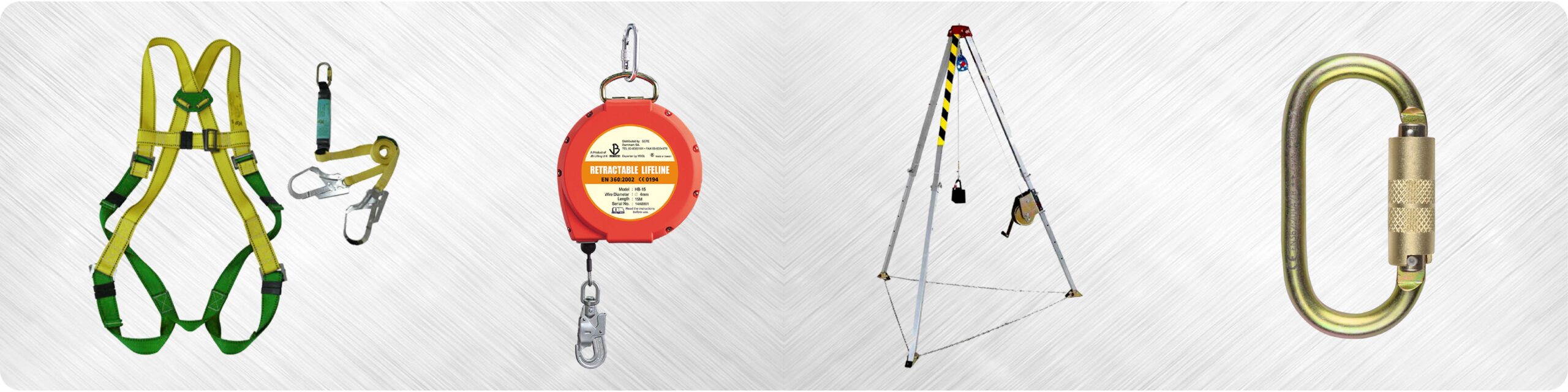
Personal Fall Arrest Systems (PFAS) are a common type of fall protection equipment. These systems consist of three main components: a full-body harness, a lanyard, and an anchor point. The harness distributes the force of a fall across the worker’s body, minimizing the risk of injury. The lanyard connects the harness to the anchor point, limiting the distance of the fall. Anchor points must be capable of supporting at least 5,000 pounds per worker. When our team here assesses the workplace safety, we always inspect the PFAS equipment to ensure all the elements are functioning properly.
Guardrails and Safety Nets: Collective Protection Measures
Guardrails and safety nets are examples of collective fall protection measures. Guardrails provide a physical barrier that prevents workers from falling off edges or into holes. Safety nets are used to catch workers if they do fall, reducing the severity of injuries. These measures are often preferred over personal fall arrest systems because they protect multiple workers simultaneously and do not require individual workers to wear harnesses or lanyards.
The Importance of Regular Inspection: Keeping Equipment in Top Shape
Fall protection equipment must be regularly inspected to ensure it is in good working condition. Harnesses and lanyards should be inspected before each use for signs of wear, damage, or deterioration. Anchor points should be inspected periodically to ensure they are securely attached and capable of supporting the required load. Any damaged or defective equipment should be immediately removed from service and replaced. Regular inspection and maintenance are essential for ensuring the continued effectiveness of your fall protection equipment.
Step 3: Engineering Controls: Building Safety into the Design
Engineering controls involve modifying the workplace or equipment to eliminate or reduce fall hazards. This is often the most effective way to prevent falls because it addresses the root cause of the hazard rather than relying on personal protective equipment. Implementing engineering controls requires careful planning and design, but the long-term benefits in terms of workplace safety and reduced risk can be substantial.
Designing Out Hazards: Eliminating Fall Risks at the Source
Whenever possible, design out fall hazards during the planning and construction phases of a project. This could involve relocating equipment to eliminate the need for workers to work at heights, using pre-fabricated components to reduce on-site assembly, or designing structures with built-in fall protection features. By addressing fall prevention at the design stage, you can significantly reduce the risk of falls throughout the life of the facility.
Implementing Passive Fall Protection: Guardrails and Covers
Passive fall protection measures, such as guardrails and covers, provide a physical barrier that prevents workers from falling without requiring any active intervention. Guardrails can be installed around unprotected edges, while covers can be used to close off holes in floors or roofs. These measures are particularly effective because they are always in place and do not rely on workers to remember to use them.
Step 4: Creating a Written Plan: Documenting Your Strategy
A written fall protection plan is a comprehensive document that outlines your organization’s strategy for preventing falls. This plan should include a detailed description of the fall hazards present in the workplace, the fall protection measures that will be used to mitigate those hazards, and the procedures that workers must follow to ensure their safety. A well-written fall protection plan serves as a roadmap for preventing falls and ensuring compliance with OSHA regulations.
Detailing Procedures: Step-by-Step Instructions for Workers
The written fall protection plan should include detailed, step-by-step instructions for workers to follow when working at heights. These procedures should cover all aspects of fall protection, including how to inspect equipment, how to properly use personal fall arrest systems, and how to report potential hazards. The instructions should be clear, concise, and easy to understand.
Emergency Response: What to Do in Case of a Fall
The fall protection plan must also include a section on emergency response. This section should outline the procedures to follow in the event of a fall, including how to rescue the injured worker, how to provide first aid, and how to report the incident. It’s important to have a well-defined emergency response plan in place to ensure that workers are rescued quickly and effectively in the event of a fall.
Regular Review and Updates: Keeping the Plan Current
The fall protection plan should be regularly reviewed and updated to ensure it remains current and effective. Changes in the workplace, new equipment, or new regulations may require adjustments to the plan. At Safe and Secure Trading Company, we typically advise our clients to review the plan at least annually, or more frequently if significant changes occur.
Step 5: Training is Key: Equipping Your Team for Success
Training is a critical component of any fall protection plan. Workers must be properly trained on how to identify fall hazards, how to use fall protection equipment, and how to follow safe work procedures. Training should be comprehensive, covering all aspects of fall protection relevant to their job duties. Effective training empowers workers to protect themselves and their colleagues from falls.
Comprehensive Training Programs: Covering All Aspects of Fall Protection
Comprehensive training programs should cover all aspects of fall protection, including:
- Identifying fall hazards
- Selecting and inspecting fall protection equipment
- Properly using personal fall arrest systems
- Following safe work procedures
- Reporting potential hazards
- Emergency response procedures
The training should be tailored to the specific needs of the workers and the hazards they face.
Hands-On Practice: Ensuring Workers Can Use Equipment Correctly
In addition to classroom instruction, training should include hands-on practice. Workers should have the opportunity to practice using fall protection equipment under the supervision of a qualified instructor. This hands-on experience helps to reinforce the training and ensure that workers are comfortable and confident using the equipment.
Ongoing Education: Reinforcing Safety Knowledge
Fall protection training should not be a one-time event. Ongoing education is essential for reinforcing safety knowledge and keeping workers up-to-date on the latest regulations and best practices. Regular refresher courses, safety meetings, and toolbox talks can help to keep fall protection top of mind and prevent complacency.
Step 6: Implementing Safe Work Procedures: Establishing Daily Routines
Implementing safe work procedures is essential for creating a culture of workplace safety. These procedures should outline the specific steps that workers must follow to safely perform their tasks at heights. Safe work procedures should be clear, concise, and easy to understand. They should be regularly reviewed and updated to ensure they remain effective.
Daily Inspections: Spotting Potential Problems Before They Arise
Daily inspections are a critical component of safe work procedures. Workers should be trained to inspect their work area and fall protection equipment before each shift. This includes checking for potential hazards, such as slippery surfaces or damaged equipment. By identifying and addressing potential problems before they arise, workers can prevent falls and injuries.
Proper Equipment Use: Enforcing Safe Practices
Enforcing proper equipment use is essential for ensuring the effectiveness of your fall protection plan. Workers must be required to use fall protection equipment whenever they are working at heights. Supervisors should regularly monitor workers to ensure they are following safe work procedures and using equipment correctly. Disciplinary action should be taken against workers who violate safety rules.
Communication and Reporting: Encouraging Workers to Speak Up
Encouraging open communication and reporting is critical for identifying and addressing potential hazards. Workers should be encouraged to report any unsafe conditions or practices they observe. Management should promptly investigate all reports and take corrective action as necessary. Creating a culture of open communication and reporting helps to foster a safer work environment.
Step 7: Regular Inspections and Maintenance: Keeping Your Plan Alive
Regular inspections and maintenance are essential for keeping your fall protection plan alive and effective. Inspections should be conducted on a regular basis to identify any deficiencies in the plan or equipment. Maintenance should be performed as needed to ensure that equipment is functioning properly. Thorough record keeping is also crucial for tracking inspections and maintenance activities.
Scheduled Inspections: Identifying and Addressing Deficiencies
Scheduled inspections should be conducted by a qualified person who is familiar with fall protection regulations and best practices. The inspections should cover all aspects of the fall protection plan, including the work environment, fall protection equipment, and safe work procedures. Any deficiencies identified during the inspections should be promptly addressed.
Maintaining Equipment: Ensuring It Functions Properly
Fall protection equipment should be maintained in accordance with the manufacturer’s instructions. This may include cleaning, lubricating, and repairing equipment as needed. Any damaged or defective equipment should be immediately removed from service and replaced. Proper maintenance is essential for ensuring that fall protection equipment functions properly when it is needed.
Record Keeping: Tracking Inspections and Maintenance Activities
Accurate record keeping is essential for tracking inspections and maintenance activities. Records should include the date of the inspection or maintenance, the name of the person who performed the work, any deficiencies identified, and the corrective action taken. These records can be used to identify trends, track the effectiveness of the fall protection plan, and demonstrate compliance with OSHA regulations.
Step 8: Continuous Improvement: Learning from Experience
A fall protection plan should not be viewed as a static document. It should be continuously improved based on experience, feedback, and changes in the workplace. By learning from past incidents, adapting the plan to address new hazards, and staying up-to-date on the latest regulations and technology, you can ensure that your fall protection plan remains effective and relevant.
Post-Incident Analysis: Investigating Falls and Near Misses
Any falls or near misses should be thoroughly investigated to determine the root cause of the incident. The investigation should identify any deficiencies in the fall protection plan, equipment, or procedures that contributed to the incident. Corrective action should be taken to prevent similar incidents from occurring in the future. Post-incident analysis is a valuable tool for identifying areas for improvement in your fall protection program.
Adapting the Plan: Incorporating Lessons Learned
The fall protection plan should be adapted to incorporate the lessons learned from post-incident analysis, worker feedback, and changes in the workplace. This may involve revising procedures, updating equipment, or providing additional training. By continuously adapting the plan, you can ensure that it remains relevant and effective in preventing falls.
Staying Up-to-Date: Monitoring Changes in Regulations and Technology
Fall protection regulations and technology are constantly evolving. It’s important to stay up-to-date on the latest changes and advancements to ensure that your fall protection plan is compliant and effective. Subscribe to industry newsletters, attend safety conferences, and consult with fall protection experts to stay informed.
Step 9: The Safety Culture: Fostering a Proactive Mindset
A strong safety culture is essential for the success of any fall protection plan. This culture should be characterized by a proactive mindset, where safety is valued and prioritized at all levels of the organization. A strong safety culture empowers workers to take ownership of their own safety and to actively participate in the fall protection process.
Leadership Commitment: Setting the Tone from the Top
Leadership commitment is essential for creating a strong safety culture. Leaders must demonstrate their commitment to safety by setting a positive example, providing resources for fall protection, and holding employees accountable for following safety rules. When leaders prioritize safety, it sends a clear message to employees that safety is valued and expected.
Worker Involvement: Empowering Employees to Take Ownership of Safety
Worker involvement is critical for fostering a proactive safety mindset. Workers should be empowered to participate in the fall protection process by identifying hazards, suggesting improvements, and reporting unsafe conditions. When workers feel like they have a voice in safety matters, they are more likely to take ownership of their own safety and to actively participate in the fall protection program.
Celebrating Successes: Recognizing Safe Practices and Achievements
Recognizing and celebrating successes is a powerful way to reinforce safe practices and achievements. Publicly acknowledge workers who have demonstrated a commitment to safety or who have made significant contributions to the fall protection program. This can help to create a positive feedback loop and encourage others to follow suit.
Conclusion
By following these nine steps, you can create and implement an effective fall protection plan that safeguards your workers, ensures OSHA compliance, and fosters a strong safety culture. From conducting thorough hazard assessments to providing comprehensive training, each step is crucial for minimizing the risk of falls and creating a safer work environment. We at Safe and Secure Trading Company are committed to helping you achieve your workplace safety goals. With a robust fall protection plan, you can significantly reduce the risk of falls, protect your employees, and ensure the long-term success of your business.
FAQ Section
Q: How often should I review and update my fall protection plan?
A: We recommend reviewing and updating your fall protection plan at least annually, or more frequently if significant changes occur in the workplace, such as new equipment, processes, or regulations.
Q: What should I do if a worker refuses to use fall protection equipment?
A: Refusal to use fall protection equipment should be addressed immediately. First, try to understand the reason for the refusal. It could be discomfort, lack of proper training, or a perceived inconvenience. Address the concern and reiterate the importance of fall protection. If the refusal persists, disciplinary action may be necessary, as non-compliance poses a serious safety risk.
Q: What is the minimum height at which fall protection is required by OSHA?
A: In general industry, OSHA requires fall protection at 4 feet above a lower level. In the construction industry, this height is 6 feet. However, some situations may require fall protection at even lower heights, depending on the specific hazards involved.
Q: How do I choose the right type of fall protection equipment for my workplace?
A: Choosing the right fall protection equipment depends on a variety of factors, including the type of work being performed, the height of the work area, the presence of any obstructions, and the weight and size of the worker. Conduct a thorough hazard assessment to identify the specific hazards present in your workplace and then select equipment that is appropriate for those hazards. We are here to help assess your specific needs and identify the most appropriate solutions.
Q: What are the key elements of a good safety training program?
A: A good safety training program should be comprehensive, covering all aspects of fall protection relevant to the workers’ job duties. It should include both classroom instruction and hands-on practice. The training should be tailored to the specific needs of the workers and the hazards they face. It should also be ongoing, with regular refresher courses and safety meetings to reinforce safety knowledge.
Q: Where can I find more information about OSHA standards for fall protection?
A: You can find detailed information about OSHA standards for fall protection on the OSHA website (www.osha.gov). The specific standard for fall protection in construction is 29 CFR 1926 Subpart M. The general industry standards are found in 29 CFR 1910. In addition, Safe and Secure Trading Company offers consulting services to help you understand and comply with OSHA regulations.
Q: What is the difference between fall prevention and fall protection?
A: Fall prevention refers to measures taken to prevent workers from falling in the first place. This includes things like engineering controls, safe work procedures, and good housekeeping practices. Fall protection refers to measures taken to protect workers if they do fall. This includes things like personal fall arrest systems, guardrails, and safety nets. The best approach is to prioritize fall prevention whenever possible, and to use fall protection as a backup measure.
Q: How does a strong safety culture improve fall protection?
A: A strong safety culture fosters a proactive mindset where safety is valued and prioritized at all levels of the organization. It empowers workers to take ownership of their own safety and to actively participate in the fall protection process. In a strong safety culture, workers are more likely to follow safety rules, report potential hazards, and suggest improvements to the fall protection program. This leads to a safer work environment and a reduction in the number of falls and injuries.
Q: What are the legal consequences of not having a fall protection plan?
A: The legal consequences of not having a fall protection plan can be severe. OSHA can issue citations and fines for fall protection violations. In the event of a fall resulting in serious injury or death, the employer may face criminal charges. Additionally, the employer may be liable for damages in civil lawsuits filed by injured workers or their families.
Q: How does risk management play a role in fall protection planning?
A: Risk management is integral to fall protection planning. It involves identifying, assessing, and prioritizing risks associated with fall hazards. By systematically evaluating the likelihood and severity of potential falls, organizations can allocate resources effectively to mitigate the most critical risks. This proactive approach helps prevent incidents, minimize liabilities, and ensure a safer working environment.