Introduction: The Unexpected ROI of Fall Protection
A comprehensive fall protection plan is essential for any business where employees work at height. While some may view safety measures as merely an added expense, a well-structured fall protection plan is an investment that yields significant returns. This article will explore how a robust fall protection plan can lead to substantial cost savings and improved overall business performance. We will delve into the direct and indirect costs associated with falls, the core components of an effective plan, and real-world examples of companies that have reaped the financial benefits of prioritizing fall prevention.
Understanding the Direct Costs of Falls
The immediate financial impact of falls can be devastating. These costs are often the most obvious, but it’s important to understand the full extent of the financial burden they impose.
Workers’ Compensation Claims
Falls are a leading cause of workplace injuries, resulting in significant workers’ compensation claims. These claims cover medical expenses, lost wages, and potential disability payments. The cost of a single fall-related injury can easily run into tens of thousands of dollars. According to the National Safety Council, the average cost of a workers’ compensation claim for a fall injury is around $40,000. Investing in fall prevention is a direct way to mitigate these expenses.
Medical Expenses
Fall injuries can range from minor bruises and sprains to severe fractures, head trauma, and even fatalities. The medical expenses associated with these injuries can be substantial, including costs for hospitalization, surgery, rehabilitation, and long-term care. Even seemingly minor falls can result in significant medical expenses, impacting your bottom line.
Litigation and Legal Fees
In addition to workers’ compensation claims, businesses can face lawsuits and legal fees following a fall accident, especially if negligence is proven. Regulatory bodies like OSHA can also impose substantial fines for violations of fall protection standards. Defending against lawsuits and paying fines can be extremely costly, further highlighting the importance of proactive fall prevention measures and OSHA compliance. When our team in Dubai deals with safety compliance for our global clients, the local regulations add to the challenge of comprehensive risk management.
Unveiling the Indirect Costs
While the direct costs of falls are readily apparent, the indirect costs can be just as significant and often overlooked. These costs can have a ripple effect throughout the organization, impacting productivity, morale, and overall profitability.
Lost Productivity
A fall accident can disrupt work and lead to significant lost productivity. Not only is the injured employee unable to work, but other employees may also be affected as they assist the injured worker or investigate the incident. The downtime can impact project deadlines, delay deliveries, and damage the business’s reputation. A strong fall protection plan minimizes these disruptions and ensures a more consistent workflow.
Training Replacement Workers
When an employee is injured in a fall, the business may need to hire and train a replacement worker. This involves recruitment costs, training expenses, and the time it takes for the new employee to become fully proficient. Furthermore, the business loses the institutional knowledge and experience of the injured worker. Investing in fall prevention reduces the need for replacement workers and preserves valuable expertise.
Damage to Equipment and Materials
Falls can also cause damage to equipment and materials. For example, tools, machinery, or building materials dropped from a height can be damaged or destroyed, requiring costly repairs or replacements. This can further contribute to lost productivity and increase overall expenses. A comprehensive fall protection plan includes measures to secure equipment and materials, preventing them from becoming fall hazards.
Increased Insurance Premiums
A history of fall accidents can lead to increased insurance premiums. Insurers view businesses with frequent accidents as higher risk and charge them more for coverage. Conversely, a proactive fall protection plan demonstrates a commitment to safety, which can lead to lower premiums and significant cost savings. Effective risk management is crucial for maintaining favorable insurance rates.
The Core Components of an Effective Fall Protection Plan
A comprehensive fall protection plan encompasses several key elements designed to prevent falls and protect employees working at height.
Hazard Identification and Risk Assessment
The first step in developing an effective fall protection plan is to identify potential fall hazards in the workplace. This involves conducting a thorough hazard assessment to identify areas where employees are at risk of falling. Once hazards are identified, a risk assessment should be performed to determine the likelihood and severity of potential falls. This information is crucial for prioritizing fall prevention measures. We once worked with a client who consistently overlooked a specific area on their factory floor, leading to several near-miss incidents. A detailed hazard assessment helped them recognize and address this critical blind spot.
Engineering Controls
Engineering controls are physical changes to the workplace that eliminate or reduce fall hazards. Examples include guardrails, safety nets, and covered floor openings. These controls are the most effective way to prevent falls because they eliminate the hazard at the source. Implementing engineering controls should be a priority in any fall protection plan.
Personal Protective Equipment (PPE)
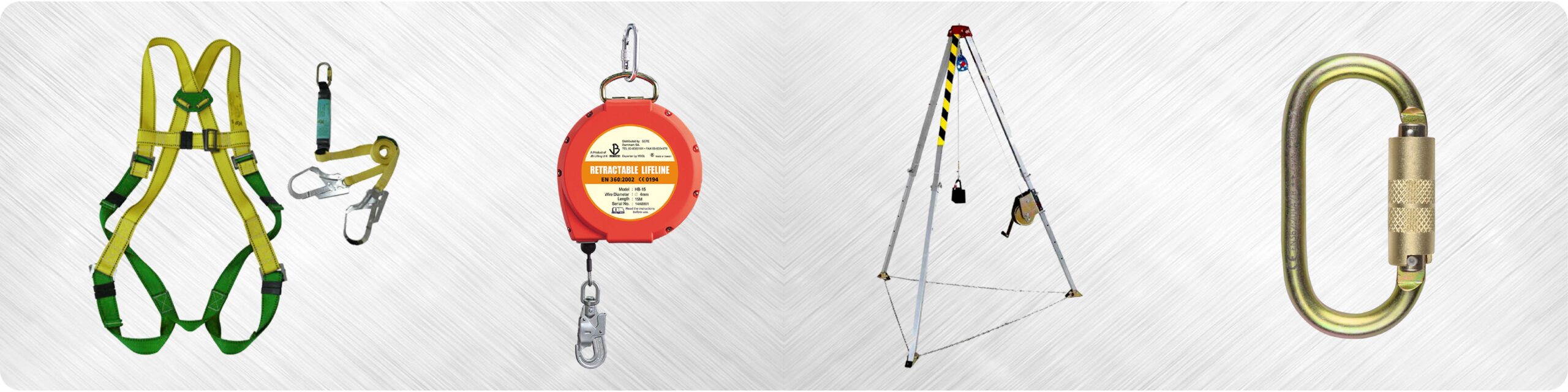
Personal Protective Equipment (PPE), such as harnesses, lanyards, and helmets, provides a secondary layer of protection when engineering controls are not feasible or do not completely eliminate the risk of falls. It is crucial to select the right safety equipment for the job and ensure that employees are properly trained on its use and maintenance. Regular inspection of PPE is also essential to ensure its effectiveness.
Administrative Controls
Administrative controls are policies, procedures, and work practices designed to minimize fall hazards. Examples include safety training, written fall protection procedures, and regular safety inspections. These controls are essential for creating a safety culture and ensuring that employees are aware of the risks associated with working at height.
Investing in Fall Protection Equipment: A Cost-Benefit Analysis
Investing in high-quality safety equipment may seem expensive, but a cost-benefit analysis reveals that it is a worthwhile investment in the long run.
Comparing Equipment Costs
The cost of fall protection equipment can vary depending on the type and quality of the equipment. While cheaper options may be tempting, investing in high-quality equipment offers several advantages. High-quality equipment is more durable, reliable, and comfortable, which can lead to increased employee compliance and reduced maintenance costs. In the long term, investing in high-quality equipment is more cost-effective.
Maintenance and Inspection
Regular equipment maintenance and inspection are crucial for extending the lifespan of fall protection equipment and ensuring its effectiveness. Proper maintenance can prevent equipment failures and reduce the risk of accidents. Regular inspections can identify wear and tear or damage that may compromise the equipment’s safety. By investing in maintenance and inspection, businesses can avoid costly replacements and ensure that their safety equipment is always in optimal condition.
Training and Education: Empowering Employees
Training and education are essential components of any effective fall protection plan. Empowering employees with the knowledge and skills they need to work safely at height is crucial for preventing falls and creating a strong safety culture.
Comprehensive Training Programs
Comprehensive training programs should cover all aspects of fall protection, including hazard identification, risk assessment, the proper use of safety equipment, and emergency procedures. Training should be tailored to the specific tasks and environments in which employees work. Hands-on training is particularly effective for ensuring that employees understand how to use safety equipment correctly.
Competent Person Designation
A competent person is an individual who has the knowledge, training, and experience to identify fall hazards and implement corrective actions. Designating a competent person is crucial for ensuring that the fall protection plan is effectively implemented and maintained. The competent person should be responsible for conducting regular safety inspections, providing ongoing training to employees, and investigating accidents.
Ongoing Education and Refresher Courses
Ongoing education and regular refresher courses are essential for reinforcing safety practices and keeping employees up-to-date on the latest regulations and best practices. Fall protection technology and regulations are constantly evolving, so it is important to provide employees with opportunities to learn about new developments. Refresher courses can also help to address any knowledge gaps or bad habits that may have developed over time.
OSHA Compliance: Avoiding Costly Penalties
OSHA compliance is not just a legal requirement; it is also a smart business decision. A proactive fall protection plan can help businesses avoid costly OSHA citations and fines.
Understanding OSHA Standards
OSHA has specific fall protection standards that businesses must comply with. These standards cover a wide range of industries and work environments. Understanding these standards is crucial for developing an effective fall protection plan. OSHA provides resources and guidance to help businesses understand and comply with its regulations. We advise all our clients to review these standards thoroughly and seek expert guidance to ensure full OSHA compliance.
Avoiding Citations and Fines
Failure to comply with OSHA fall protection standards can result in costly citations and fines. The amount of the fine can vary depending on the severity of the violation and the business’s history of OSHA compliance. A proactive fall protection plan can help businesses avoid these penalties and demonstrate a commitment to safety.
The Financial Impact of Non-Compliance
The financial impact of non-compliance with OSHA standards can be significant. In addition to fines, businesses may also face increased insurance premiums, legal fees, and damage to their reputation. Investing in OSHA compliance is a cost-effective way to protect the business’s bottom line and ensure the safety of its employees.
Case Studies: Real-World Examples of Cost Savings
Real-world examples demonstrate the financial benefits of implementing a comprehensive fall protection plan.
Company A: Reduced Workers’ Compensation Claims
Company A, a construction firm, implemented a comprehensive fall protection plan that included hazard identification, engineering controls, PPE, and training. As a result, the company significantly reduced its workers’ compensation claims related to falls. The company saved an estimated $500,000 in workers’ compensation costs over a three-year period. This case study demonstrates the direct financial benefits of investing in fall prevention.
Company B: Avoided OSHA Fines
Company B, a manufacturing plant, proactively addressed fall hazards by implementing a comprehensive fall protection plan. During an OSHA inspection, the company was found to be in full compliance with fall protection standards. As a result, the company avoided potential OSHA fines that could have totaled tens of thousands of dollars. This case study highlights the importance of proactive OSHA compliance.
> “Investing in fall protection isn’t just about compliance; it’s about protecting your most valuable asset: your employees.” – Emily Carter, Safety Consultant
Measuring the ROI of Your Fall Protection Plan
Measuring the ROI of your fall protection plan is essential for demonstrating its value and justifying ongoing investments in safety.
Tracking Key Metrics
To measure the ROI of your fall protection plan, it is important to track key metrics such as incident rates, workers’ compensation costs, and insurance premiums. These metrics provide valuable insights into the effectiveness of your fall prevention efforts. By tracking these metrics over time, you can identify trends and areas for improvement.
Calculating the Return on Investment
The ROI of a fall protection plan can be calculated using the following formula:
ROI = (Cost Savings – Cost of Investment) / Cost of Investment
Where:
- Cost Savings = Reduction in workers’ compensation costs, insurance premiums, OSHA fines, and other related expenses.
- Cost of Investment = Cost of fall protection equipment, training, hazard assessments, and other related expenses.
By using this formula, you can quantify the financial benefits of your fall protection plan and demonstrate its value to stakeholders.
Here’s an example of how to create a table to present the data for calculating the ROI of a Fall Protection Plan:
| Category |
Description |
Amount ($) |
| Cost Savings |
Reduction in Workers’ Compensation Costs |
50,000 |
| Cost Savings |
Reduction in Insurance Premiums |
10,000 |
| Cost Savings |
Avoided OSHA Fines |
20,000 |
| Cost Savings |
Other Related Expenses Reduction |
5,000 |
| Total Cost Savings |
|
85,000 |
| Cost of Investment |
Fall Protection Equipment |
15,000 |
| Cost of Investment |
Training Programs |
5,000 |
| Cost of Investment |
Hazard Assessments |
2,000 |
| Cost of Investment |
Other Related Expenses |
3,000 |
| Total Cost of Investment |
|
25,000 |
| ROI Calculation |
(85,000 – 25,000) / 25,000 |
2.4 (240%) |
Continuous Improvement
Continuous improvement is essential for maximizing the effectiveness of your fall protection plan. Regularly evaluate the plan and make adjustments as needed based on data, feedback, and changes in the workplace. By continuously improving your fall protection plan, you can ensure that it remains effective and continues to deliver a positive ROI.
Conclusion: Investing in Safety, Investing in Your Future
A comprehensive fall protection plan is not just an expense; it is an investment in the safety and well-being of your employees and the financial health of your business. By implementing a proactive fall protection plan, you can reduce the risk of falls, lower workers’ compensation costs, avoid OSHA fines, and improve overall productivity. Remember, investing in safety is investing in your future. We’re here to help you build a safer and more profitable business.
FAQ Section
Q: What are the key elements of a comprehensive fall protection plan?
A: The key elements include hazard identification and risk assessment, engineering controls, PPE, administrative controls, training and education, and OSHA compliance.
Q: How can I measure the ROI of my fall protection plan?
A: You can measure the ROI by tracking key metrics such as incident rates, workers’ compensation costs, and insurance premiums, and then using the formula: ROI = (Cost Savings – Cost of Investment) / Cost of Investment.
Q: What is the role of a competent person in fall protection?
A: A competent person has the knowledge, training, and experience to identify fall hazards and implement corrective actions. They are responsible for conducting regular safety inspections, providing ongoing training to employees, and investigating accidents.
Q: How often should fall protection training be conducted?
A: Fall protection training should be conducted initially for all employees who work at height and then regularly as refresher courses to reinforce safety practices and keep employees up-to-date on the latest regulations.
Q: What are some examples of engineering controls for fall protection?
A: Examples of engineering controls include guardrails, safety nets, covered floor openings, and fall arrest systems.
Q: What types of personal protective equipment (PPE) are used for fall protection?
A: Common types of PPE for fall protection include harnesses, lanyards, self-retracting lifelines, and safety helmets. It’s important to select safety equipment appropriate to the work being done.
Q: How does OSHA compliance contribute to cost savings?
A: OSHA compliance helps businesses avoid costly citations and fines, reduces the risk of accidents and injuries, and lowers insurance premiums. OSHA compliance is a necessary step in overall risk management.
Q: What is the first step in creating a fall protection plan?
A: The first step is to conduct a thorough hazard assessment to identify potential fall hazards in the workplace.
Q: What should be included in a fall protection training program?
A: The program should cover hazard identification, risk assessment, the proper use of safety equipment, relevant regulations, and emergency procedures. Safety training should be hands-on and tailored to the specific work environment.
Q: How can a company improve its fall protection plan over time?
A: A company can improve its fall protection plan through continuous evaluation, data analysis, employee feedback, and by staying informed about the latest regulations and best practices. This is part of a comprehensive risk management strategy.