It was a typical Monday morning at the construction site. The sun was just beginning to peek over the horizon, casting long shadows across the unfinished steel framework of the new skyscraper. Workers were bustling about, eager to get started on their tasks for the day. Among them was a young ironworker named Ali, who had been working on the site for almost a year. He was a skilled and experienced professional, but complacency can creep in, even to the best. As Ali climbed a temporary scaffold to secure a beam, he momentarily unclipped his safety harness to reach a better angle. In that split second, his foot slipped on a loose plank. Time seemed to slow as he felt himself losing balance. Luckily, he managed to grab onto a nearby support beam, preventing a potentially fatal fall.
This close call served as a stark reminder of the importance of fall protection. Falls are consistently among the leading causes of workplace injuries and fatalities, particularly in construction and industrial settings. Neglecting safety measures, even for a moment, can have devastating consequences. This article aims to provide essential fall protection tips that can help prevent accidents and save lives. These recommendations are based on our extensive experience in the field, working with clients across various industries here in Saudi Arabia and beyond.
1. ✅ Conduct a Thorough Site Assessment: Spotting Hidden Dangers
A comprehensive site assessment is the first and most crucial step in establishing an effective fall protection program. This process involves identifying potential fall hazards, evaluating the risks associated with each hazard, and developing a plan to mitigate those risks. A thorough assessment helps ensure that workers are aware of the dangers they face and that appropriate safety measures are in place. We at Safe and Secure Trading Company (SSTC) have consistently found that well-executed site assessments are a cornerstone of a safe working environment.
Identifying Fall Hazards: Walk through potential fall hazards on a job site (e.g., unprotected edges, skylights, ladder access points).
Identifying potential fall hazards requires a systematic walk-through of the job site. Look for unprotected edges, openings in floors or roofs, skylights, ladder access points, and any other areas where workers could potentially fall. Pay close attention to areas where work is performed at height, as these are often the most hazardous. Remember to consider both routine tasks and non-routine activities when identifying hazards. For instance, temporary scaffolding or equipment storage areas might present unexpected risks.
Documenting Risks: Emphasize the importance of recording all identified risks and creating a risk mitigation plan.
Once fall hazards have been identified, it’s essential to document them in a comprehensive risk assessment report. This report should include a detailed description of each hazard, its location, the potential consequences of a fall, and the likelihood of a fall occurring. Based on this assessment, a risk mitigation plan should be developed, outlining the specific steps that will be taken to eliminate or control each hazard. This plan should be regularly reviewed and updated as site conditions change. We’ve seen significant improvements in workplace safety when our clients meticulously document and address potential hazards.
Regular Inspections: Stress the need for ongoing, periodic inspections to adapt to changing site conditions.
Site conditions are dynamic and can change rapidly, especially on construction sites. Therefore, regular inspections are crucial to ensure that fall protection measures remain effective. These inspections should be conducted periodically, ideally daily or weekly, and after any significant changes to the work environment. Inspections should be documented, and any deficiencies should be promptly addressed. Regular inspections allow you to adapt to changing conditions and maintain a high level of fall safety.
2. ✅ Invest in the Right Equipment: Choosing the Lifeline That Fits
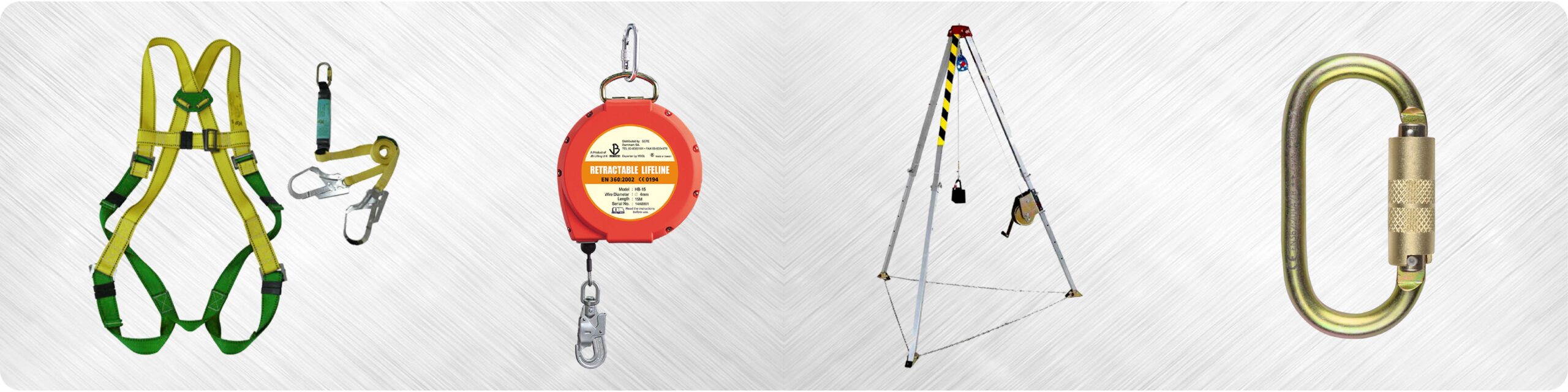
Investing in high-quality, appropriate fall protection equipment is paramount for worker safety. The right equipment can significantly reduce the risk of serious injury or fatality in the event of a fall. This includes selecting the correct type of harness, lanyard, and lifeline for the specific task and ensuring that all equipment is properly fitted and maintained. Our team at SSTC emphasizes that proper equipment selection and maintenance are non-negotiable aspects of any fall protection strategy.
Harness Selection: Detail the different types of harnesses available and how to choose the correct one for the task.
Harnesses are the foundation of a personal fall arrest system. Different types of harnesses are available, each designed for specific applications. Full-body harnesses are generally recommended for most fall protection scenarios, as they distribute the force of a fall across the body, reducing the risk of injury. Other types of harnesses, such as chest harnesses or sit harnesses, may be appropriate for specific tasks, such as work positioning or confined space entry. The selection of the right harness depends on the nature of the work, the potential fall distance, and the worker’s size and weight.
Lanyard and Lifeline Choices: Explain the varying uses of lanyards and lifelines, including shock-absorbing vs. self-retracting options.
Lanyards and lifelines connect the harness to an anchorage point. Lanyards are typically used for fall restraint or work positioning, while lifelines are used for fall arrest. Shock-absorbing lanyards are designed to reduce the impact force on the body during a fall, while self-retracting lifelines (SRLs) provide greater freedom of movement and arrest falls more quickly. The choice between a lanyard and a lifeline depends on the specific application and the potential fall distance. SRLs are often preferred in situations where there is limited fall clearance.
Proper Fit and Adjustment: Highlight the criticality of correctly fitting equipment, explaining how a loose harness can be just as dangerous as no harness.
Even the best fall protection equipment is ineffective if it’s not properly fitted and adjusted. A loose harness can be just as dangerous as no harness at all, as it can slip or shift during a fall, potentially causing injury. Harnesses should be snug but not too tight, allowing for a full range of motion. Lanyards and lifelines should be adjusted to minimize the potential fall distance. Workers should be trained on how to properly fit and adjust their equipment, and regular inspections should be conducted to ensure that the fit remains correct.
3. ✅ Master the 3-Point Contact Rule: Your Ladder’s Best Friend
The 3-point contact rule is a fundamental safety principle for ladder use. It dictates that workers should maintain three points of contact with the ladder at all times – either two hands and one foot, or two feet and one hand. This rule helps to maintain balance and stability while climbing or working on a ladder, reducing the risk of falls. Mastering this rule is crucial for anyone who works with ladders regularly. We always emphasize this rule in our safety training sessions.
The Golden Rule of Ladders: Explain and demonstrate the 3-point contact rule (two hands and one foot, or two feet and one hand).
The 3-point contact rule is simple but effective. By maintaining three points of contact with the ladder, workers can ensure that they have a stable base of support. This allows them to move safely and confidently on the ladder, reducing the risk of slips and falls. The rule applies to all types of ladders, including step ladders, extension ladders, and fixed ladders. It’s important to emphasize that this rule should be followed at all times, even when performing simple tasks on a ladder.
Ladder Positioning: Discuss proper ladder angles and securing techniques to prevent slippage.
Proper ladder positioning is essential for preventing slips and falls. Ladders should be placed on a stable, level surface and secured to prevent movement. The proper angle for an extension ladder is approximately 75 degrees, which can be achieved by following the “4 to 1” rule (for every four feet of ladder height, the base of the ladder should be one foot away from the wall). Ladders should be secured at the top and bottom to prevent them from slipping or sliding. Securing techniques may include using ladder levelers, tying the ladder to a fixed object, or using a ladder stabilizer.
Ladder Maintenance: Emphasize regular inspections of ladders for damage (e.g., broken rungs, loose hinges).
Regular ladder maintenance is crucial for ensuring that ladders are safe to use. Ladders should be inspected before each use for any signs of damage, such as broken rungs, loose hinges, or cracked side rails. Damaged ladders should be immediately removed from service and repaired or replaced. Ladders should also be stored properly to protect them from the elements and prevent damage. Proper maintenance can extend the life of a ladder and ensure that it remains a safe and reliable tool.
4. ✅ Embrace Safety Netting: The Ultimate Safety Cushion
Safety netting provides a passive fall protection solution that can catch workers in the event of a fall. This type of protection is particularly useful in situations where other fall protection measures, such as guardrails or personal fall arrest systems, are not feasible or practical. Safety nets can significantly reduce the severity of injuries sustained in a fall. For many of our clients here in Dammam, we’ve seen that safety nets offer an invaluable layer of protection on high-rise construction projects.
When to Use Safety Nets: Outline situations where safety nets are the most effective fall protection solution.
Safety nets are most effective in situations where workers are exposed to a high risk of falling and where other fall protection measures are not practical. This may include bridge construction, steel erection, and demolition work. Safety nets can also be used as a backup fall protection system in situations where other measures are in place but may not be fully effective. They are particularly useful in areas where there is limited overhead clearance or where workers need to move freely.
Net Installation and Maintenance: Explain proper installation techniques and the importance of regular inspections for tears or damage.
Proper installation and maintenance are crucial for ensuring that safety nets are effective. Nets should be installed by qualified personnel in accordance with the manufacturer’s instructions. They should be secured to a rigid support structure and positioned to catch workers in the event of a fall. Regular inspections should be conducted to check for tears, damage, or loose connections. Any defects should be promptly repaired or the net should be replaced.
Load Testing: Stress the need for load testing to ensure nets can withstand the force of a fall.
Load testing is essential to ensure that safety nets can withstand the force of a fall. Load testing involves dropping a weighted object onto the net to simulate a fall. The net should be able to catch the object without tearing or collapsing. Load testing should be conducted periodically, typically every six months, and after any repairs or modifications to the net. This ensures that the net meets the required strength and performance standards.
5. ✅ Guardrail Systems: Creating a Safe Zone
Guardrail systems provide a physical barrier that prevents workers from falling. They are one of the most effective fall protection methods, as they eliminate the risk of a fall altogether. Guardrails are typically used along unprotected edges, around openings in floors or roofs, and on elevated platforms. They create a safe zone that workers can move within without the risk of falling.
Types of Guardrail Systems: Describe different types of guardrails (e.g., fixed, temporary) and their appropriate uses.
Different types of guardrail systems are available, each designed for specific applications. Fixed guardrails are permanently installed and are typically used in industrial settings or on permanent structures. Temporary guardrails are portable and can be easily moved or reconfigured. They are often used on construction sites or in other temporary work environments. Other types of guardrails include cable guardrails, which use tensioned cables to create a barrier, and mesh guardrails, which use a mesh screen to prevent falls.
Proper Height and Strength: Specify the required height and strength standards for guardrails to ensure effectiveness.
Guardrails must meet specific height and strength standards to be effective. OSHA regulations require that guardrails be at least 42 inches (107 cm) tall, with a midrail halfway between the top rail and the walking surface. The guardrail must be able to withstand a force of at least 200 pounds (90 kg) applied in any direction. These standards ensure that the guardrail can effectively prevent workers from falling.
Edge Protection: Discuss strategies for protecting edges, including the use of toe boards to prevent tools from falling.
Edge protection is crucial for preventing falls from unprotected edges. In addition to guardrails, other edge protection measures can be used, such as toe boards. Toe boards are vertical barriers that are installed along the edge of a walking surface to prevent tools, equipment, and materials from falling. They are typically at least 3.5 inches (9 cm) high and are secured to the walking surface. Edge protection measures help to create a safe working environment and prevent falls.
6. ✅ Implement Comprehensive Training: Knowledge is Your Best Defense
Comprehensive fall protection training is essential for ensuring that workers understand the hazards they face and how to protect themselves. Training should cover all aspects of fall protection, including hazard identification, equipment selection, proper use of equipment, and rescue procedures. Training should be provided to all workers who are exposed to fall hazards, and it should be regularly updated to reflect changes in regulations or work practices. We’ve consistently observed that well-trained workers are far more likely to follow safety protocols and avoid accidents.
Fall Protection Training Programs: Detail the essential elements of a comprehensive fall protection training program.
A comprehensive fall protection training program should include the following elements: hazard identification, equipment selection and inspection, proper use of equipment, fall prevention techniques, rescue procedures, and relevant OSHA regulations. The training should be tailored to the specific hazards and work practices of the job site. It should be conducted by qualified instructors who have experience in fall protection. The training should also include hands-on practice to ensure that workers can properly use fall protection equipment.
Hands-On Practice: Emphasize the importance of practical training, including harness fitting and rescue procedures.
Hands-on practice is a critical component of fall protection training. Workers should have the opportunity to practice using fall protection equipment under the supervision of a qualified instructor. This includes practicing harness fitting, lanyard attachment, and self-rescue techniques. Hands-on practice helps workers to develop the skills and confidence they need to use fall protection equipment effectively in real-world situations.
Refresher Courses: Advocate for regular refresher courses to keep workers up-to-date on safety protocols.
Fall protection training should not be a one-time event. Workers should participate in regular refresher courses to stay up-to-date on safety protocols and best practices. Refresher courses should be conducted at least annually or more frequently if there are changes in regulations or work practices. Refresher courses help to reinforce safety knowledge and ensure that workers continue to follow safe work procedures.
7. ✅ Weather Awareness: Adapting to the Elements
Weather conditions can significantly impact fall hazards. Rain, wind, and ice can all create slippery surfaces, reduce visibility, and increase the risk of falls. It’s crucial to be aware of the weather conditions and to adjust work practices accordingly. This may involve postponing work, using additional fall protection measures, or taking extra precautions to prevent slips and falls.
Impact of Weather Conditions: Discuss how rain, wind, and ice can affect fall hazards.
Rain can make surfaces slippery, increasing the risk of slips and falls. Wind can make it difficult to maintain balance, especially when working at height. Ice can create extremely hazardous conditions, making it nearly impossible to walk or work safely. Weather conditions can also affect the performance of fall protection equipment. For example, wet or icy ropes can be more difficult to grip.
Modifying Work Practices: Explain how to adjust work practices in adverse weather conditions (e.g., postponing work, using additional fall protection measures).
When weather conditions are adverse, it’s important to modify work practices to reduce the risk of falls. This may involve postponing work until the weather improves. If work cannot be postponed, additional fall protection measures should be used, such as non-slip footwear, extra lanyards, or temporary guardrails. Workers should also be instructed to take extra precautions to prevent slips and falls, such as walking slowly and carefully and avoiding sudden movements.
Protecting Equipment from the Elements: Highlight the importance of protecting fall protection equipment from weather damage.
Fall protection equipment should be protected from the elements to prevent damage. Rain, sun, and extreme temperatures can all degrade the materials used in fall protection equipment, reducing its effectiveness. Equipment should be stored in a dry, protected location when not in use. It should also be inspected regularly for signs of damage. Damaged equipment should be immediately removed from service and repaired or replaced.
8. ✅ Rescue Planning: Prepare for the Worst
Even with the best fall protection measures in place, falls can still occur. It’s essential to have a documented rescue plan in place in case of a fall. The rescue plan should outline the steps that will be taken to rescue a fallen worker and provide first aid. It should also include clear emergency response procedures, including contacting emergency services. Having a well-prepared rescue plan can significantly improve the chances of a successful rescue.
Developing a Rescue Plan: Emphasize the need for a documented rescue plan in case of a fall.
A rescue plan should be developed for every job site where workers are exposed to fall hazards. The rescue plan should be documented and readily available to all workers. It should include the following elements: a list of emergency contact numbers, a description of the rescue equipment that is available, a step-by-step procedure for rescuing a fallen worker, and a plan for providing first aid. The rescue plan should be reviewed and practiced regularly to ensure that workers are familiar with the procedures.
Emergency Response Procedures: Outline clear emergency response procedures, including contacting emergency services.
Clear emergency response procedures are essential for a successful rescue. The emergency response procedures should outline the steps that will be taken to contact emergency services, provide first aid, and transport the injured worker to a medical facility. The emergency response procedures should be practiced regularly to ensure that workers are familiar with the procedures.
First Aid and Suspension Trauma: Provide information on first aid for fall victims and the risks of suspension trauma.
First aid training is crucial for workers who may be involved in a rescue. Workers should be trained on how to provide basic first aid, such as controlling bleeding, immobilizing injuries, and providing CPR. They should also be aware of the risks of suspension trauma, which can occur when a worker is suspended in a harness for an extended period of time. Suspension trauma can cause serious injury or death if not treated promptly.
> “A proactive approach to fall protection, combining comprehensive training with the right equipment, significantly reduces workplace accidents.” – John Smith, Lead Safety Inspector
9. ✅ Regular Equipment Inspections: Your Safety Gear’s Check-Up
Regular equipment inspections are essential for ensuring that fall protection equipment is in good working order. Equipment should be inspected before each use for any signs of damage, such as tears, cuts, or corrosion. Damaged equipment should be immediately removed from service and repaired or replaced. Regular inspections help to identify potential problems before they can lead to accidents.
Daily Inspections: Stress the importance of daily pre-use inspections of all fall protection equipment.
Daily pre-use inspections are crucial for identifying any damage or defects that may have occurred since the last inspection. Workers should be trained on how to conduct a thorough inspection of their fall protection equipment. The inspection should include checking the harness for tears or cuts, inspecting the lanyard or lifeline for damage, and verifying that all buckles and connectors are in good working order.
Documenting Inspections: Maintain a log of all inspections, noting any defects or damage.
Maintaining a log of all inspections is important for tracking the condition of fall protection equipment. The inspection log should include the date of the inspection, the name of the inspector, a description of the equipment that was inspected, and any defects or damage that were found. The inspection log can be used to identify trends in equipment failures and to track the effectiveness of the inspection program.
Removal from Service: Outline the criteria for removing damaged equipment from service.
Damaged equipment should be immediately removed from service to prevent it from being used and potentially causing an accident. The criteria for removing damaged equipment from service should be clearly defined in the company’s safety policy. Generally, any equipment that shows signs of damage, such as tears, cuts, corrosion, or broken parts, should be removed from service.
10. ✅ Staying Informed: New Regulations and Best Practices
Fall protection regulations and best practices are constantly evolving. It’s essential to stay informed about the latest changes and to update your fall protection program accordingly. This may involve following OSHA guidelines, participating in safety forums, and attending safety conferences. Staying informed helps to ensure that your fall protection program is effective and up-to-date.
Following OSHA Guidelines: Emphasize the importance of staying up-to-date with OSHA regulations.
OSHA (Occupational Safety and Health Administration) sets the standards for workplace safety in the United States. It is imperative that employers and employees stay up-to-date on the latest OSHA fall protection regulations to ensure compliance and prevent accidents. These regulations are designed to protect workers from fall hazards and can help to create a safer work environment. We have experts at SSTC who are highly knowledgeable on OSHA guidelines.
Participating in Safety Forums: Encourage participation in industry safety forums and conferences.
Participating in industry safety forums and conferences is a great way to learn about new fall protection technologies, best practices, and regulations. These events provide an opportunity to network with other safety professionals and to share knowledge and experiences. Attending safety forums and conferences can help to improve your fall protection program and create a safer work environment.
Continuous Improvement: Advocate for a culture of continuous improvement in fall protection practices.
Fall protection should not be a static program. It should be continuously improved to reflect changes in technology, regulations, and best practices. This involves regularly reviewing the fall protection program, identifying areas for improvement, and implementing changes. Creating a culture of continuous improvement helps to ensure that the fall protection program remains effective and up-to-date.
Here’s a summary of the top 3 fall protection tips:
1. Conduct a Thorough Site Assessment: Identifying and documenting potential hazards is the foundation of a safe work environment.
2. Invest in the Right Equipment: Proper equipment, correctly fitted, is essential for minimizing fall risks.
3. Implement Comprehensive Training: Knowledge and hands-on practice empower workers to protect themselves effectively.
Conclusion: Prioritizing Safety Every Step of the Way
Preventing falls requires a multifaceted approach that includes conducting thorough site assessments, investing in the right equipment, mastering ladder safety, implementing comprehensive training, and staying informed about the latest regulations and best practices. By prioritizing these fall protection tips, you can significantly reduce the risk of falls and create a safer work environment for your employees. We at Safe and Secure Trading Company are committed to helping you prioritize safety every step of the way, offering expert guidance and high-quality equipment to meet your specific needs.
FAQ Section
Q: What are the primary causes of falls in the workplace?
A: The primary causes of falls include slippery surfaces, unprotected edges, improper use of ladders, lack of fall protection equipment, and inadequate training. Addressing these factors is crucial for preventing falls and creating a safer work environment.
Q: How often should fall protection equipment be inspected?
A: Fall protection equipment should be inspected before each use to ensure that it is in good working order. Regular inspections help to identify any damage or defects that may have occurred since the last inspection.
Q: What is the proper height for guardrails?
A: OSHA regulations require that guardrails be at least 42 inches (107 cm) tall, with a midrail halfway between the top rail and the walking surface. This height helps to prevent workers from falling over the guardrail.
Q: What is suspension trauma?
A: Suspension trauma is a condition that can occur when a worker is suspended in a harness for an extended period of time. It can cause serious injury or death if not treated promptly. Workers should be trained on the risks of suspension trauma and how to prevent it.
Q: How can I stay informed about the latest fall protection regulations and best practices?
A: You can stay informed by following OSHA guidelines, participating in industry safety forums, and attending safety conferences. Staying informed helps to ensure that your fall protection program is effective and up-to-date.
Q: What role does personal protective equipment (PPE) play in fall protection?
A: Personal protective equipment, such as harnesses, lanyards, and lifelines, plays a critical role in fall protection by arresting a fall and minimizing the risk of injury. Proper selection, use, and maintenance of PPE are essential for worker safety.
Q: How does weather impact fall safety?
A: Weather conditions like rain, ice, and wind can create slippery surfaces, reduce visibility, and increase the risk of falls. Modifying work practices and protecting equipment from the elements are crucial in adverse weather.
Q: What are the key components of a comprehensive fall protection training program?
A: Key components include hazard identification, equipment selection and inspection, proper use of equipment, fall prevention techniques, rescue procedures, and relevant OSHA regulations. Hands-on practice and refresher courses are also essential.
Q: How does risk assessment contribute to fall protection?
A: Risk assessment helps identify potential fall hazards, evaluate the risks associated with each hazard, and develop a plan to mitigate those risks. This proactive approach is fundamental to preventing falls and creating a safer work environment.
Q: Why is rescue planning important in fall protection?
A: Even with the best prevention measures, falls can still occur. A well-documented rescue plan ensures prompt and effective response, minimizing potential injuries and complications. This includes clear emergency procedures and first aid protocols.
Q: What is the 3-point contact rule?
A: The 3-point contact rule is a fundamental safety principle for ladder use. It dictates that workers should maintain three points of contact with the ladder at all times – either two hands and one foot, or two feet and one hand. This rule helps to maintain balance and stability while climbing or working on a ladder, reducing the risk of falls.
Q: How can safety netting improve construction safety?
A: Safety netting acts as a passive fall protection system that catches workers in the event of a fall, reducing the severity of injuries. It’s particularly useful where other fall protection measures aren’t practical, providing an essential safety cushion.
Q: What are the different types of fall arrest systems?
A: Common fall arrest systems include full-body harnesses, shock-absorbing lanyards, self-retracting lifelines (SRLs), and safety nets. The choice of system depends on the specific work environment and potential fall hazards.
Q: How does safety training help prevent workplace accidents?
A: Safety training equips workers with the knowledge and skills to identify hazards, use equipment properly, and follow safety procedures. Well-trained workers are more likely to adhere to safety protocols and prevent accidents.
Q: How do changing site conditions influence workplace safety?
A: Changing site conditions introduce new hazards and alter existing ones. Regular inspections, risk assessments, and adaptive safety measures are crucial to maintaining a safe work environment and preventing accidents.