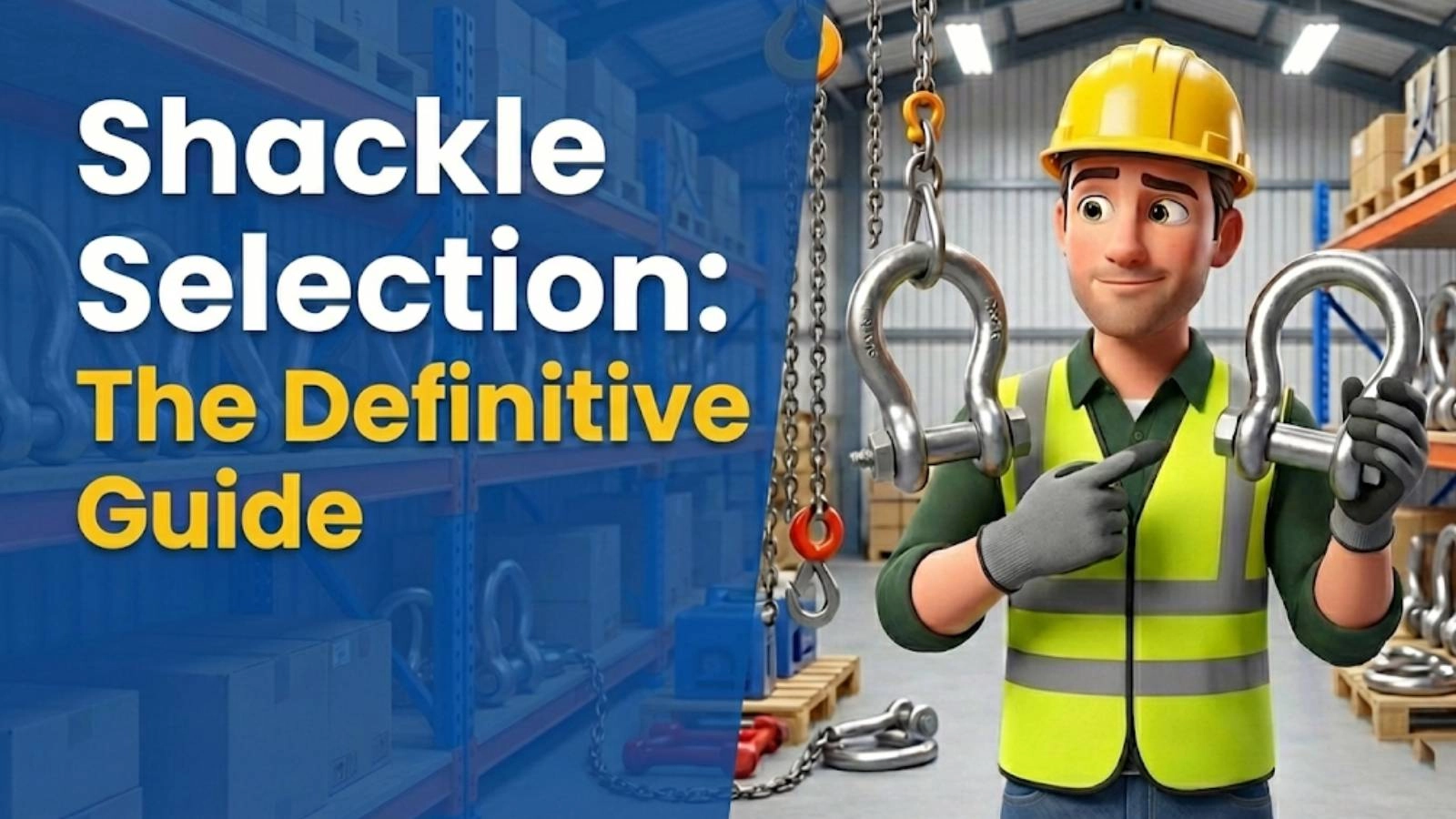
Lifting shackles are indispensable components in various industries, from construction and manufacturing to maritime and entertainment. These seemingly simple devices play a critical role in securing and lifting heavy loads. However, their reliability hinges on proper care and maintenance. Neglecting lifting shackle maintenance can lead to catastrophic failures, resulting in severe injuries, property damage, and significant financial losses.
At Safe and Secure Trading Company (SSTC), we understand the high stakes involved in lifting operations. That’s why we’ve developed a comprehensive guide to help you extend the life of your shackles and avoid costly mistakes. This tutorial focuses on three proven methods: regular inspections, proper lubrication, and adherence to safe lifting practices. By implementing these strategies, you can significantly reduce the risk of shackle failure and ensure the safety of your operations.
Mistake #1: Ignoring Regular Shackle Inspections
Visual inspections are the first line of defense against potential shackle failures. These inspections allow you to identify early signs of wear, damage, or corrosion before they compromise the shackle’s integrity. Regular checks are not merely a formality; they are a critical safety measure that can prevent accidents and save lives. Our experience at SSTC has shown us that companies that prioritize regular inspections experience significantly fewer incidents related to lifting equipment failure.
Why Visual Inspections are Crucial for Identifying Potential Problems
Visual inspections offer a non-destructive way to assess the condition of a shackle. They help detect surface flaws, deformations, and other anomalies that may indicate underlying weaknesses. Identifying these problems early allows you to take corrective action, such as removing the shackle from service or performing necessary repairs, before a failure occurs. Remember, a seemingly minor imperfection can quickly escalate into a major safety hazard under load.
Common Inspection Mistakes
Several common mistakes can undermine the effectiveness of shackle inspections. Let’s examine these pitfalls to ensure you avoid them:
- Failing to Check for Deformation or Bending: Shackles subjected to excessive loads or misuse can become deformed or bent. These deformations can weaken the shackle’s structure and reduce its load-bearing capacity. Over time, such deformations can render the shackle unsafe for use. A shackle gauge is a valuable tool to help measure any deformation present.
- Overlooking Cracks, Nicks, or Gouges: Surface cracks, nicks, or gouges can act as stress concentrators, increasing the likelihood of fatigue failure. These imperfections may be difficult to spot with the naked eye, so close attention to detail is essential. Even small cracks can propagate rapidly under cyclic loading.
- Ignoring Corrosion or Rust: Corrosion weakens the metal and reduces its cross-sectional area, diminishing its strength. Rust can also mask underlying cracks or other damage. In marine environments or areas with high humidity, corrosion is a particularly significant concern. Our team in Dubai often emphasizes the importance of corrosion prevention due to the region’s harsh climate.
- Missing Wear at Load-Bearing Points (Bow and Pin): The bow and pin are the primary load-bearing points of a shackle. Wear in these areas can significantly reduce the shackle’s strength. Pay close attention to the threads of the pin and the inner surface of the bow where the pin makes contact.
How to Perform Thorough Shackle Inspections
Performing thorough shackle inspections requires a systematic approach and a keen eye for detail. Here’s a step-by-step guide to help you conduct effective inspections:
- Detailed Step-by-Step Visual Inspection Process:
1. Clean the Shackle: Remove any dirt, grease, or debris from the shackle’s surface. This will allow you to see any imperfections more clearly.
2. Inspect the Bow: Carefully examine the bow for any signs of deformation, bending, cracks, nicks, gouges, or corrosion. Pay particular attention to the areas where the bow contacts the pin.
3. Inspect the Pin: Inspect the pin for any signs of bending, cracks, nicks, gouges, or corrosion. Check the threads for damage or wear. Ensure the pin is straight and fits properly into the bow.
4. Check the Shackle Markings: Verify that the shackle markings, including the Working Load Limit (WLL) and manufacturer’s identification, are legible. If the markings are illegible, remove the shackle from service.
5. Examine the Shackle Body: Look for any signs of weld defects, especially around the eye or any other welded areas.
- Using a Shackle Gauge to Measure Wear and Deformation: A shackle gauge is a specialized tool designed to measure the wear and deformation of shackles. Using a gauge allows you to quantify the extent of any damage and determine whether the shackle is still within acceptable tolerances. The gauge typically measures the diameter of the bow and pin at various points to identify areas of excessive wear.
- Documenting Inspection Findings and Maintaining Records: Maintaining accurate records of shackle inspections is crucial for tracking the condition of your lifting equipment and identifying potential trends. Your records should include the date of the inspection, the inspector’s name, the shackle’s identification number, a detailed description of any findings, and any corrective actions taken. A well-maintained inspection record can also be valuable in the event of an accident investigation. A digital log can ensure that these records are kept safe and secure, in case a hard copy is lost.
Mistake #2: Improper Lubrication and Corrosion Prevention
Lubrication and corrosion prevention are essential for extending the life of lifting shackles and ensuring their reliable performance. Friction and corrosion can cause significant wear and damage, leading to premature failure. A proactive approach to lubrication and corrosion prevention can significantly reduce these risks.
The Importance of Lubrication in Reducing Friction and Wear
Lubrication reduces friction between moving parts, such as the pin and the bow. This reduces wear and tear, extending the shackle’s lifespan. Lubrication also helps to prevent galling, a form of adhesive wear that can occur when two metal surfaces slide against each other under high pressure.
Common Lubrication Mistakes
Many common mistakes can render lubrication efforts ineffective or even detrimental. These include:
- Using the Wrong Type of Lubricant (or No Lubricant at All): Using an inappropriate lubricant can be worse than using no lubricant at all. Some lubricants may be incompatible with the shackle material, causing corrosion or other damage. Always use a lubricant specifically designed for lifting equipment. Using no lubricant will accelerate wear and corrosion.
- Neglecting to Clean Shackles Before Lubricating: Applying lubricant to a dirty or contaminated shackle can trap abrasive particles, accelerating wear. Always clean the shackle thoroughly before applying lubricant.
- Over-Lubricating, Attracting Dirt and Debris: Applying too much lubricant can attract dirt and debris, creating a grinding paste that accelerates wear. Apply lubricant sparingly and wipe off any excess.
Proper Lubrication Techniques
Effective lubrication requires the right techniques and the right products. Here’s how to lubricate your shackles properly:
- Choosing the Correct Lubricant for the Shackle Material and Environment: Select a lubricant that is compatible with the shackle material (e.g., alloy steel) and the operating environment. For marine environments, use a waterproof, corrosion-resistant lubricant. For high-temperature applications, use a high-temperature grease. Consult with a lubricant supplier or refer to the shackle manufacturer’s recommendations.
- Cleaning and Degreasing Shackles Before Applying Lubricant: Before applying lubricant, clean the shackle thoroughly with a degreaser to remove any dirt, grease, or contaminants. Use a wire brush to remove any rust or corrosion. Rinse the shackle with clean water and allow it to dry completely.
- Applying Lubricant to All Moving Parts (Pin Threads, Bow Contact Points): Apply lubricant to all moving parts, including the pin threads, the bow contact points, and any other areas where friction may occur. Use a brush or grease gun to apply the lubricant evenly. Ensure that the lubricant penetrates all areas requiring lubrication.
Corrosion Prevention Strategies
Corrosion can significantly weaken shackles, especially in harsh environments. Here are some strategies for preventing corrosion:
- Applying Protective Coatings (e.g., Rust Inhibitors): Apply a protective coating, such as a rust inhibitor, to the shackle’s surface. These coatings create a barrier between the metal and the environment, preventing corrosion. Reapply the coating periodically, especially after exposure to moisture or corrosive substances.
- Proper Storage in Dry Environments: Store shackles in a dry, well-ventilated environment when not in use. This will help to prevent corrosion and extend their lifespan. Avoid storing shackles in direct contact with the ground or in areas where they may be exposed to moisture or corrosive fumes.
Mistake #3: Overloading and Misusing Lifting Shackles
Overloading and misusing lifting shackles are among the most common causes of shackle failure. Understanding the Working Load Limit (WLL) and adhering to safe lifting practices are crucial for preventing accidents and ensuring the safety of your operations. Always remember that a shackle is only as strong as its weakest link.
Understanding Working Load Limit (WLL) and Safety Factors
The Working Load Limit (WLL) is the maximum load that a shackle is designed to carry safely. This limit is typically marked on the shackle itself. Safety factors are incorporated into the WLL to account for uncertainties in material properties, manufacturing tolerances, and operating conditions. Exceeding the WLL can lead to catastrophic failure.
Common Overloading and Misuse Mistakes
Several common mistakes can lead to overloading or misuse of shackles:
- Exceeding the WLL of the Shackle: This is the most obvious and dangerous mistake. Always verify the WLL of the shackle before each lift and ensure that the load does not exceed this limit. Consider the total weight of the load, including any rigging equipment.
- Using Shackles at Angles that Reduce Their Load Capacity: When a shackle is used at an angle, its load capacity is significantly reduced. The greater the angle, the lower the capacity. Consult the shackle manufacturer’s specifications for load capacity reductions at different angles.
- Shock Loading or Sudden Jerks: Shock loading occurs when a load is suddenly applied to a shackle, creating a momentary overload. Sudden jerks can also subject shackles to excessive stress. Avoid shock loading and sudden jerks by lifting and lowering loads smoothly.
- Using Shackles for Unintended Purposes (e.g., Pulling Instead of Lifting): Shackles are designed for lifting loads vertically. Using them for pulling or dragging loads horizontally can subject them to stresses they were not designed to withstand. Always use the appropriate equipment for the task at hand.
How to Avoid Overloading and Misuse
Preventing overloading and misuse requires careful planning and adherence to safe lifting practices:
- Always Verify the WLL of the Shackle Before Each Lift: Before each lift, double-check the WLL of the shackle and ensure that it is adequate for the load. If you are unsure, consult with a qualified rigging professional.
- Use Appropriate Rigging Techniques to Distribute the Load Evenly: Use proper rigging techniques to distribute the load evenly among multiple shackles. This will help to prevent overloading any single shackle. Ensure that the load is balanced and that the shackles are aligned correctly.
- Employ Softeners When Using Synthetic Slings to Prevent Damage to Shackle: Synthetic slings can be damaged by sharp edges on shackles. Use softeners, such as wear pads or rounded shackles, to protect the slings from abrasion. This will extend the life of both the shackles and the slings.
- Avoid Shock Loading and Sudden Jerks: Lift and lower loads smoothly to avoid shock loading and sudden jerks. Use controlled movements and avoid rapid acceleration or deceleration.
Expert Quote: Understanding WLL
“Always consult the shackle’s documentation and understand the WLL. Remember that the WLL decreases significantly when the shackle is used at an angle. Neglecting this is a recipe for disaster.” – John Smith, Certified Rigging Inspector
Real-World Example: A Preventable Accident
We at SSTC once investigated an incident involving a construction crew that was lifting a large steel beam. They chose a shackle for the lift, assuming it was rated for the weight. However, due to faded markings and a lack of proper inspection, they unknowingly used a shackle with a WLL significantly lower than the beam’s weight.
During the lift, the shackle snapped under the strain, causing the beam to fall. Fortunately, no one was seriously injured, but the incident resulted in significant property damage and project delays. A subsequent investigation revealed that regular lifting shackle maintenance and pre-lift inspections were not part of the crew’s standard operating procedures.
This accident could have been easily prevented by implementing a simple shackle inspection program and verifying the WLL before each lift. This real-world example underscores the critical importance of following the guidelines outlined in this tutorial.
Troubleshooting Common Shackle Problems
Even with proper maintenance, you may encounter occasional problems with shackles. Here are some common issues and their solutions:
- Problem: Difficulty Removing the Shackle Pin:
Solution: Lubricate the threads with penetrating oil and use a pin punch or hammer to gently tap the pin out. Avoid excessive force, which could damage the threads.
- Problem: Excessive Rust or Corrosion:
Solution: Remove rust with a wire brush or abrasive pad. Apply a rust converter to neutralize any remaining rust. Then, apply a protective coating and lubricate the shackle.
- Problem: Shackle Appears Bent or Deformed:
Solution: Remove the shackle from service immediately and replace it. A bent or deformed shackle is unsafe and should not be used under any circumstances.
- Problem: Shackle Pin Threads Damaged:
Solution: Remove the shackle from service immediately and replace it. Damaged threads can compromise the pin’s ability to secure the load safely.
Shackle Maintenance Checklist: A Quick Reference Guide
Here’s a handy checklist to help you stay on top of lifting shackle maintenance:
| Item |
Frequency |
Action |
| Visual Inspection |
Before each lift |
Check for deformation, cracks, corrosion, and wear. Verify legible markings. |
| Lubrication |
Monthly (or more frequently in harsh environments) |
Clean and degrease shackle. Apply appropriate lubricant to pin threads and bow contact points. |
| Load Limit Verification |
Before each lift |
Verify the WLL of the shackle and ensure it is adequate for the load. |
| Storage |
When not in use |
Store in a dry, well-ventilated environment. |
| Shackle Gauge Measurement |
Every 3 months |
Use a shackle gauge to accurately measure the shackle for wear, deformation, and/or damage. |
Statistics on Shackle Failure
Studies show that approximately 30% of lifting equipment failures are due to inadequate maintenance. This statistic highlights the critical importance of implementing a proactive maintenance program for shackles and other lifting equipment. Proper rigging gear maintenance saves lives and prevents costly accidents.
Conclusion: Recap of Achievement
In this tutorial, we’ve explored three essential methods for extending shackle life: regular inspection, proper lubrication and corrosion prevention, and avoiding overloading and misuse. By diligently following these guidelines, you can significantly reduce the risk of shackle failure, enhance the safety of your lifting operations, and save your company money in the long run. We at Safe and Secure Trading Company are committed to providing you with the knowledge and resources you need to maintain a safe and efficient workplace.
FAQ Section
Q: How often should I inspect my shackles?
A: You should perform a visual inspection of your shackles before each lift. A more thorough inspection, including the use of a shackle gauge, should be conducted at least every three months, or more frequently in harsh environments.
Q: What type of lubricant should I use on my shackles?
A: Use a lubricant specifically designed for lifting equipment. Choose a lubricant that is compatible with the shackle material and the operating environment. For marine environments, use a waterproof, corrosion-resistant lubricant.
Q: How do I know if a shackle is overloaded?
A: If a shackle shows signs of deformation, bending, or cracking, it has likely been overloaded. However, it is always best to verify the load with a calibrated scale and compare it to the shackle’s WLL. Never rely solely on visual inspection to determine if a shackle has been overloaded.
Q: Can I repair a damaged shackle?
A: No. Damaged shackles should never be repaired. Remove them from service immediately and replace them with new ones. Attempting to repair a damaged shackle can compromise its strength and lead to catastrophic failure.
Q: What is the importance of alloy steel shackles?
A: Alloy steel shackles are known for their high strength and durability. They are often used in heavy-duty lifting applications where safety is critical. The specific alloy composition provides enhanced resistance to deformation and fracture compared to standard carbon steel.
Q: How does the use of synthetic slings affect shackle maintenance?
A: Synthetic slings, while offering flexibility and ease of use, can be susceptible to damage from abrasion against shackle surfaces. Implementing measures such as using shackle softeners or wear pads helps protect the slings. Also, the use of these slings requires careful matching of the shackle size to ensure proper fit and load distribution, which affects the overall lifting equipment safety.
Q: Where can I find the Working Load Limit (WLL) on a shackle?
A: The WLL is typically marked on the shackle itself, usually on the bow. It may be stamped, engraved, or printed on the shackle. If the markings are illegible, remove the shackle from service.
Q: What factors should I consider when choosing a shackle for a specific lifting application?
A: Consider the weight of the load, the lifting angle, the environmental conditions, and the type of sling being used. Always choose a shackle with a WLL that is adequate for the load and the application. Consult with a qualified rigging professional if you are unsure.
Q: How should I store shackles when they are not in use?
A: Store shackles in a dry, well-ventilated environment, away from direct sunlight and corrosive substances. Avoid storing shackles in direct contact with the ground.
Q: What role does shackle lubrication play in corrosion prevention?
A: Shackle lubrication is not only for reducing friction, but it also creates a barrier against moisture and corrosive elements, protecting the shackle’s material and helping to maintain its structural integrity over time.