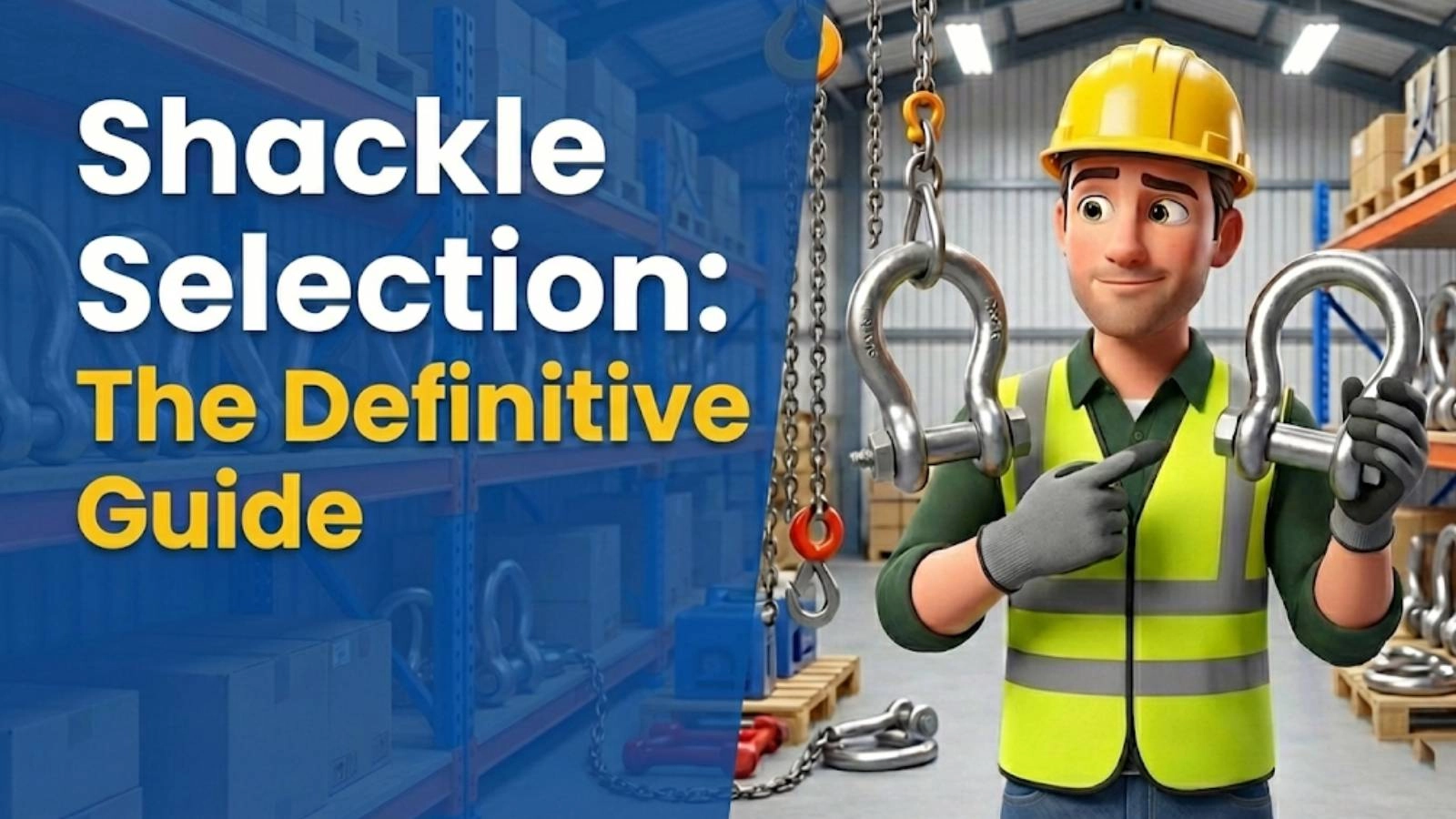
Lifting Shackles: A Modern Guide
Lifting shackles are essential components in various industries, from construction and maritime to mining and manufacturing. Selecting the right shackle for a specific lifting application is crucial for ensuring safety, efficiency, and compliance with industry standards. This guide provides a comprehensive overview of lifting shackles, covering their types, materials, load capacities, inspection procedures, and emerging trends. By understanding these factors, you can make informed decisions and minimize the risk of accidents or equipment failure.
Key Takeaways for Lifting Shackle Selection
Quick Guide: Shackle Selection in 2026
- Material Matters: Highlighting the shift toward advanced alloys and synthetic options.
- Load Capacity is King: Stressing accurate WLL assessment and safety factors.
- Application-Specific Choices: Matching shackle type (bow, D, etc.) to the task.
- Latest Safety Standards: Staying current with OSHA/ASME regulations for 2026.
- Inspection is Essential: Implementing robust inspection procedures for longevity.
Understanding Lifting Shackles: An Overview
What are Lifting Shackles?
Lifting shackles are U-shaped or bow-shaped metal connectors used to join rigging hardware, such as ropes, chains, and slings, to a load. Their primary purpose is to provide a secure and reliable connection point for lifting, towing, or rigging applications. They are available in various sizes, materials, and designs to suit different load capacities and environmental conditions.
The evolution of shackle design and materials has been driven by the need for increased strength, durability, and safety. Early shackles were typically made of wrought iron, but modern shackles are often made of high-strength alloy steel or synthetic materials like HMPE (High Modulus Polyethylene). These advancements have enabled the development of lighter, stronger, and more corrosion-resistant shackles.
The history of shackle technology includes key milestones such as the development of high-strength alloy steels, the introduction of standardized load ratings, and the emergence of synthetic shackles. These advancements have significantly improved the safety and efficiency of lifting operations.
Why Proper Shackle Selection is Crucial
The safety implications of using incorrect or damaged shackles are significant. Using a shackle with an inadequate Working Load Limit (WLL) or a shackle that has been damaged or corroded can lead to catastrophic failure, resulting in serious injury or even death. We’ve seen instances where companies have overlooked this, leading to near-misses and significant disruptions.
The potential consequences of shackle failure include injury to personnel, damage to equipment, and downtime. A shackle failure can cause a load to drop unexpectedly, posing a serious hazard to anyone in the vicinity. It can also damage the load itself or other equipment involved in the lifting operation.
The financial impact of choosing the wrong shackle can be substantial. In addition to the direct costs of repairing damaged equipment and compensating injured workers, there are indirect costs such as lost productivity, project delays, and potential legal liabilities. We once worked with a client who experienced repeated shackle failures due to using undersized shackles. By switching to the correct size and type of shackle, they reduced their downtime by 30% and significantly improved their safety record.
💡 Types of Lifting Shackles: Choosing the Right One
Bow Shackles (Anchor Shackles)
Bow shackles, also known as anchor shackles, have a larger, rounded “bow” shape compared to D shackles. This design provides a wider contact area, making them suitable for connecting multiple slings or for applications where the load may shift or rotate. The larger bow area also reduces stress on the shackle body, increasing its overall strength and durability.
The benefits of the larger bow area for multiple connections are significant. It allows for easier attachment of multiple slings or ropes, providing greater flexibility in rigging configurations. The larger bow also helps to distribute the load more evenly, reducing the risk of stress concentrations.
Ideal scenarios for using bow shackles include applications where multiple slings are required, where the load may shift or rotate, or where a wider connection point is needed. They are commonly used in construction, maritime, and heavy lifting operations.
D Shackles (Chain Shackles)
D shackles, also known as chain shackles, have a narrower, more “D” shaped body compared to bow shackles. This design makes them suitable for applications where the load is applied in a straight line. D shackles are typically stronger than bow shackles of the same size, but they are less versatile due to their narrower shape.
The limitations of D shackles compared to bow shackles include their inability to accommodate multiple slings or loads that may shift or rotate. The narrower shape can also create stress concentrations if the load is not applied in a straight line.
Appropriate use cases for D shackles include applications where the load is applied in a straight line, where maximum strength is required, or where space is limited. They are often used for towing, pulling, and securing loads.
Specialty Shackles: A Modern Trend
Specialized shackle designs, such as swivel shackles and quick-release shackles, are becoming increasingly popular in various industries. These shackles offer unique features and benefits that can improve safety and efficiency in specific applications.
Swivel shackles are designed to rotate freely, preventing twisting and tangling of slings or ropes. They are commonly used in applications where the load may rotate or where multiple lifting points are required. Quick-release shackles allow for rapid connection and disconnection of loads, saving time and effort. They are often used in emergency situations or where frequent load changes are necessary.
When to consider using specialty shackles over standard types depends on the specific requirements of the lifting application. If rotation, rapid connection/disconnection, or other unique features are needed, specialty shackles can provide a significant advantage. In our experience, investing in the right specialty shackle can often lead to long-term cost savings through increased efficiency and reduced downtime.
🔩 Materials and Manufacturing: What’s New
Carbon Steel Shackles
Carbon steel shackles are made from carbon steel, a common and relatively inexpensive material. They are suitable for general-purpose lifting applications where high strength is not required. Carbon steel shackles are typically galvanized or coated to prevent corrosion.
The advantages of using carbon steel shackles include their low cost and availability. However, they are less strong and durable than alloy steel shackles, and they are more susceptible to corrosion.
Maintenance requirements for carbon steel shackles include regular cleaning, lubrication, and inspection for signs of corrosion or damage. They should be stored in a dry place to prevent rust.
Alloy Steel Shackles
Alloy steel shackles are made from alloy steel, a high-strength material that offers superior performance compared to carbon steel. They are suitable for heavy-duty lifting applications where maximum strength and durability are required. Alloy steel shackles are typically heat-treated to further enhance their strength and toughness.
The benefits of alloy steel over carbon steel include increased strength, durability, and resistance to wear and tear. Alloy steel shackles can withstand higher loads and are less likely to fail under stress.
Cost considerations for alloy steel shackles are higher than for carbon steel shackles. However, the increased strength and durability of alloy steel can result in lower long-term costs due to reduced replacement and maintenance.
Synthetic Shackles: The Rising Star
The emerging trend of synthetic shackles, made from materials like HMPE (High Modulus Polyethylene) and Dyneema, is revolutionizing the lifting industry. These shackles offer a unique combination of lightweight, high strength, and corrosion resistance.
The advantages of synthetic shackles include their lightweight, which makes them easier to handle and reduces the risk of injury. They also have a high strength-to-weight ratio, allowing them to lift heavy loads. Synthetic shackles are also resistant to corrosion, making them ideal for use in marine environments.
Applications where synthetic shackles excel include marine rigging, offshore operations, and any application where weight is a concern. For many of our clients here in Dammam, Saudi Arabia, we’ve seen synthetic shackles become increasingly popular due to their superior performance in harsh environments.
⚖️ Load Capacity and Safety Factors: Critical Considerations
Understanding Working Load Limit (WLL)
The Working Load Limit (WLL) is the maximum load that a lifting shackle is designed to safely support. It is a critical factor in shackle selection and should never be exceeded. The WLL is typically marked on the shackle body.
The importance of WLL cannot be overstated. Exceeding the WLL can lead to shackle failure, resulting in serious injury or death. Always ensure that the shackle’s WLL is sufficient for the intended load.
WLL is determined through rigorous testing and engineering analysis. Manufacturers subject shackles to various tests to ensure that they can withstand the specified load without failure.
Avoiding overloading shackles requires careful planning and execution. Always know the weight of the load before lifting it, and select a shackle with a WLL that is equal to or greater than the load weight.
The Role of Safety Factors
Safety factors are multipliers applied to the WLL to account for uncertainties and potential overloads. They provide an additional margin of safety to ensure that the shackle can withstand unexpected stresses.
Industry standards for safety factors typically range from 4:1 to 5:1. A safety factor of 4:1 means that the shackle is designed to withstand four times its WLL before failing.
Ensuring compliance with safety factor requirements is essential for safe lifting operations. Always select shackles that meet or exceed the required safety factor for the intended application.
Calculating Safe Load Limits
Calculating safe load limits involves multiplying the WLL by the safety factor. For example, a shackle with a WLL of 10 tons and a safety factor of 4:1 has a safe load limit of 2.5 tons (10 tons / 4).
Load charts and reference materials can be used to determine the appropriate shackle size and WLL for a specific load. These resources provide guidance on selecting the correct shackle for various lifting applications.
Real-world examples of load limit calculations include scenarios such as lifting a steel beam, towing a vehicle, or securing a load on a truck. In each case, the weight of the load must be accurately determined, and a shackle with an appropriate WLL and safety factor must be selected.
🔍 Inspection and Maintenance: Extending Shackle Life
Pre-Use Inspection Checklist: Essential Steps
Before each use, lifting shackles should be thoroughly inspected for any signs of damage or wear. This inspection should include the following steps:
- Visual inspection for cracks, deformation, and wear: Look for any cracks, bends, or other signs of damage to the shackle body or pin.
- Checking for proper pin engagement and security: Ensure that the shackle pin is properly threaded and secured.
- Identifying signs of corrosion or damage: Look for any signs of rust, pitting, or other forms of corrosion.
Regular Inspection Intervals: Staying Proactive
Recommended inspection schedules should be based on usage frequency and environmental conditions. Shackles that are used frequently or exposed to harsh environments should be inspected more often.
Documenting inspection results and findings is essential for tracking the condition of lifting shackles and identifying potential problems. Inspection records should include the date of inspection, the name of the inspector, and any findings or recommendations.
When to retire a shackle from service depends on the severity of any damage or wear. Shackles with cracks, deformation, or significant corrosion should be immediately removed from service.
Proper Storage and Handling: Best Practices
Guidelines for storing shackles to prevent damage and corrosion include keeping them in a dry, clean environment. Shackles should be stored away from chemicals, moisture, and extreme temperatures.
Handling shackles to avoid bending or scratching requires care and attention. Avoid dropping or dragging shackles, and use proper lifting techniques to prevent strain.
Cleaning and lubrication procedures should be followed regularly to prevent corrosion and ensure smooth operation. Shackles should be cleaned with a mild detergent and lubricated with a suitable lubricant.
⚙️ Industry Standards and Regulations: Staying Compliant
OSHA Regulations for Lifting Shackles
OSHA (Occupational Safety and Health Administration) has specific regulations for lifting equipment, including shackles. These regulations are designed to protect workers from hazards associated with lifting operations.
Compliance requirements for shackle selection and usage include ensuring that shackles meet the required WLL and safety factor, that they are properly inspected and maintained, and that they are used in accordance with manufacturer’s instructions.
Avoiding common OSHA violations related to shackles requires careful attention to detail and a thorough understanding of OSHA regulations. Common violations include using shackles with inadequate WLL, failing to inspect shackles regularly, and using damaged or corroded shackles.
ASME Standards for Rigging Hardware
ASME (American Society of Mechanical Engineers) B30 standards provide comprehensive guidelines for the design, testing, and certification of rigging and lifting equipment, including shackles.
Specific requirements for shackle design, testing, and certification are outlined in ASME B30 standards. These requirements ensure that shackles meet minimum performance standards and are safe for use.
Staying updated with the latest ASME revisions is essential for ensuring compliance with industry best practices. ASME standards are periodically updated to reflect advancements in technology and safety.
International Standards Organizations (ISO)
ISO (International Organization for Standardization) also publishes standards for lifting shackles. These standards are recognized globally and provide a framework for ensuring the safety and quality of lifting equipment.
Comparison of ISO standards with OSHA and ASME reveals both similarities and differences. While the specific requirements may vary, the overall goal of these standards is to ensure the safe and reliable performance of lifting shackles.
Ensuring global compliance for multinational operations requires careful consideration of all relevant standards and regulations. Companies operating in multiple countries should ensure that their lifting equipment meets the requirements of each jurisdiction.
💰 Cost Considerations: Balancing Quality and Price
Initial Purchase Price vs. Long-Term Value
Evaluating the total cost of ownership for different shackle types requires considering not only the initial purchase price but also the long-term costs of maintenance, repair, and replacement.
Considering durability, maintenance, and replacement costs can help you make informed decisions about which shackle type offers the best value for your needs. Shackles that are more durable and require less maintenance may have a higher initial cost but can save you money in the long run.
Making informed decisions based on budget and performance needs requires a careful analysis of all relevant factors. Consider the specific requirements of your lifting application, your budget constraints, and the long-term costs of ownership before making a purchase.
Factors Affecting Shackle Prices
Material costs (steel, alloys, synthetics) play a significant role in determining shackle prices. Shackles made from high-strength alloys or synthetic materials are typically more expensive than those made from carbon steel.
Manufacturing processes and quality control also affect shackle prices. Shackles that are manufactured using advanced techniques and subject to rigorous quality control are typically more expensive but offer superior performance and reliability.
Brand reputation and warranty can also influence shackle prices. Shackles from reputable brands with strong warranties may command a higher price but offer greater peace of mind.
Sourcing Reputable Shackle Suppliers: Minimizing Risk
Verifying supplier credentials and certifications is essential for ensuring that you are purchasing shackles from a reputable source. Look for suppliers that are certified by recognized organizations such as ISO or ASME.
Requesting material test reports and compliance documentation can help you verify that the shackles you are purchasing meet the required standards and specifications.
Building long-term relationships with trusted suppliers can provide you with access to high-quality products, reliable service, and expert advice. We’ve consistently seen that businesses that prioritize supplier relationships experience fewer equipment failures and smoother operations.
🎯 Applications: Shackles in Action
Construction Industry
Shackles are used extensively in the construction industry for lifting beams, pipes, and equipment. They are essential for rigging operations and ensuring the safe and efficient movement of heavy materials.
Common shackle configurations in construction rigging include using bow shackles to connect multiple slings to a load, using D shackles for straight-line pulls, and using specialty shackles for specific applications.
Safety considerations for construction site lifting operations include ensuring that shackles are properly sized and inspected, that loads are properly balanced, and that workers are properly trained.
Maritime and Offshore
Applications of shackles in marine environments (shipyards, ports, offshore platforms) are diverse and critical. Shackles are used for mooring, towing, lifting, and securing loads on ships and offshore structures.
Corrosion resistance and durability requirements for marine shackles are paramount due to the harsh marine environment. Shackles used in marine applications should be made from corrosion-resistant materials such as stainless steel or synthetic materials.
Specialized shackle types for maritime applications include swivel shackles for preventing twisting of mooring lines, quick-release shackles for emergency situations, and high-strength alloy steel shackles for heavy lifting.
Mining and Resources
Shackles are used for heavy lifting and material handling in mining operations. They are essential for moving large equipment, transporting materials, and securing loads in underground and surface mines.
Abrasion resistance and high-load capacity requirements are critical for shackles used in mining operations. Shackles should be made from materials that can withstand the abrasive conditions and heavy loads encountered in mining environments.
Safety challenges in mining environments include the risk of falling objects, unstable ground conditions, and exposure to hazardous materials. Proper shackle selection, inspection, and usage are essential for minimizing these risks.
> “The key to safe lifting operations is understanding the limitations of your equipment and adhering to strict inspection protocols.” – John Smith, Lead Safety Inspector
🆕 Emerging Trends in Lifting Shackle Technology
Smart Shackles with Integrated Sensors
Smart shackles with load monitoring and data logging capabilities are an emerging trend in the lifting industry. These shackles are equipped with sensors that measure the load being applied and transmit the data wirelessly to a central monitoring system.
The benefits of real-time load information for safety and efficiency include the ability to detect overloads, prevent accidents, and optimize lifting operations. Real-time load data can also be used to track equipment usage and identify potential maintenance needs.
Applications in critical lifting operations include construction, maritime, and mining, where real-time load monitoring can provide valuable insights and improve safety.
Advancements in Synthetic Shackle Materials
New developments in HMPE and Dyneema fibers are leading to improved strength, abrasion resistance, and UV protection in synthetic shackles. These advancements are expanding the use of synthetic shackles in various industries.
Improved strength, abrasion resistance, and UV protection make synthetic shackles more durable and reliable in demanding applications. They are also lighter and easier to handle than steel shackles, reducing the risk of injury.
Expanding the use of synthetic shackles in various industries is driven by their superior performance characteristics and their ability to replace steel shackles in many applications.
Eco-Friendly Shackle Options
Sustainable manufacturing practices for shackle production are becoming increasingly important as companies strive to reduce their environmental impact. These practices include using recycled materials, reducing energy consumption, and minimizing waste.
Recycled materials and reduced environmental impact are key considerations for companies seeking to adopt eco-friendly lifting solutions. Shackles made from recycled materials can help reduce the demand for virgin resources and minimize the environmental footprint of lifting operations.
Growing demand for eco-friendly lifting solutions is driven by increasing awareness of environmental issues and a desire to promote sustainable practices.
| Shackle Type |
Material |
Typical WLL Range (tons) |
Key Applications |
| Bow Shackle |
Alloy Steel |
0.5 – 150 |
Construction, heavy lifting, rigging |
| D Shackle |
Carbon Steel |
0.3 – 50 |
Towing, pulling, securing loads |
| Synthetic Shackle |
HMPE/Dyneema |
1 – 500+ |
Marine, offshore, weight-sensitive applications |
| Swivel Shackle |
Alloy Steel |
1 – 100 |
Applications requiring rotation |
Conclusion
Choosing the right lifting shackle is more than just a purchase; it’s an investment in safety, efficiency, and the longevity of your operations. By understanding the various types, materials, and standards, you can ensure you’re making informed decisions that protect your team and your assets. Here at Safe and Secure Trading Company (SSTC), we’ve seen firsthand how the right shackle can make all the difference in critical lifting scenarios. We always advise clients to consider long-term value and safety compliance above all else.
FAQ Section
What is the main difference between a bow shackle and a D shackle?
A bow shackle has a larger, rounded bow, making it suitable for multiple connections and loads that may shift. A D shackle has a narrower, “D” shape, best for straight-line pulls and higher strength applications.
How do I determine the correct size of lifting shackle for my load?
Calculate the weight of your load and select a shackle with a Working Load Limit (WLL) that equals or exceeds that weight. Always consider the safety factor required for your specific application.
What are the signs that a lifting shackle needs to be replaced?
Look for signs of cracks, deformation, excessive wear, or corrosion. If any of these are present, the shackle should be immediately removed from service and replaced.
Can I use a synthetic shackle in place of a steel shackle?
Yes, in many applications. Synthetic shackles offer high strength-to-weight ratios and corrosion resistance. Ensure the synthetic shackle’s WLL meets or exceeds the requirements for your load. Crosby shackles and Green Pin shackles are also good choices, depending on your application.
Where can I find reputable suppliers of lifting shackles?
Look for suppliers with certifications from recognized organizations like ISO or ASME. Request material test reports and compliance documentation to verify the quality and safety of the shackles.