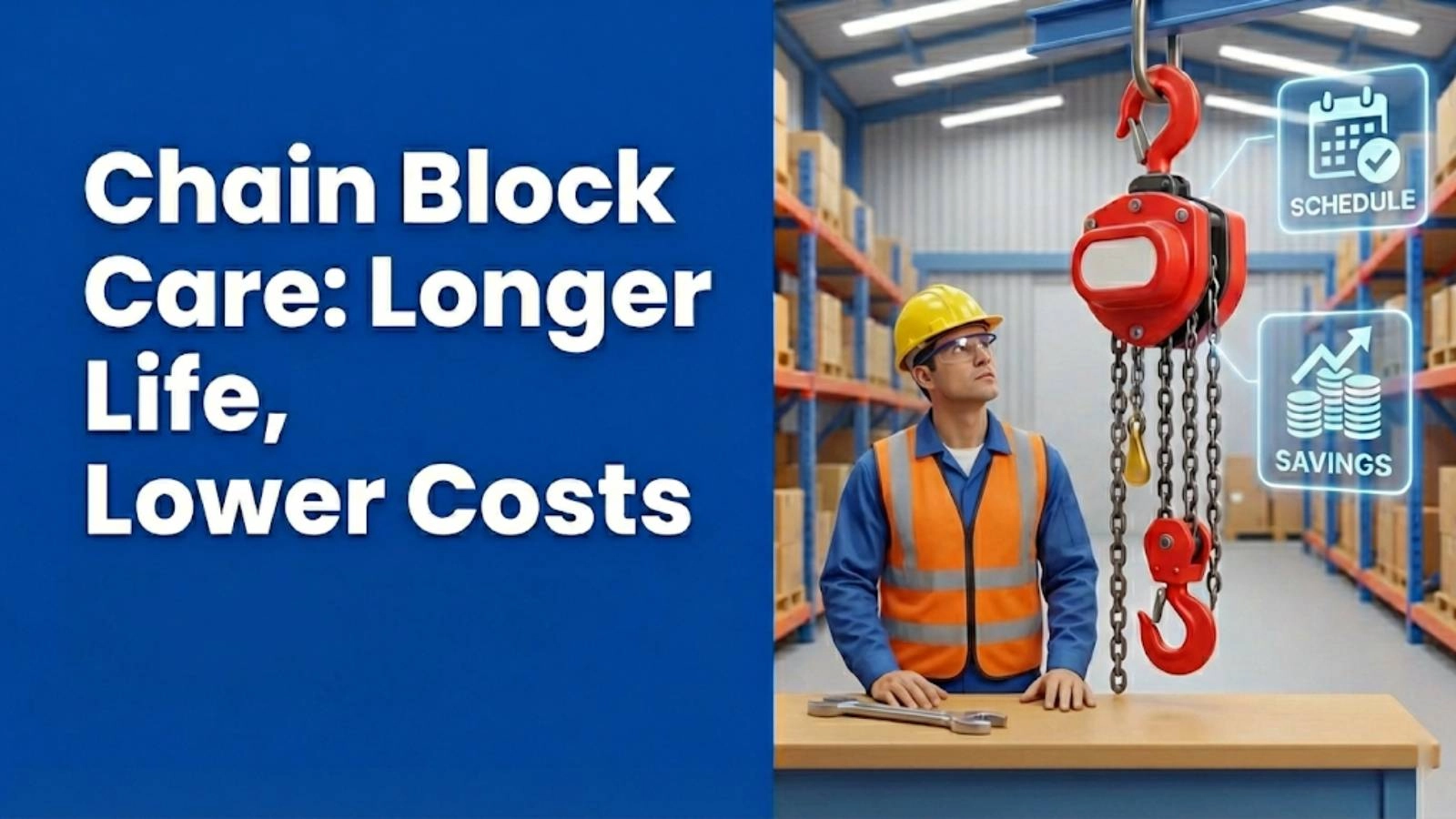
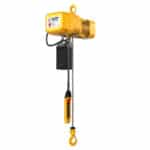
Manual chain blocks are indispensable tools in various industries, offering a reliable and efficient method for lifting heavy loads. These devices, also known as chain hoists or manual hoists, provide a mechanical advantage, making lifting tasks more manageable and safer. From construction sites to manufacturing plants, manual chain blocks are essential for tasks that require precision, portability, and cost-effectiveness.
The primary function of a manual chain block is to lift heavy objects by converting a small manual force into a larger lifting force. This is achieved through a system of gears and pulleys, allowing operators to lift substantial loads with relative ease. The simplicity of their design and operation makes them a popular choice across different sectors.
This article explores the top reasons why manual chain blocks are beneficial for various applications. We will delve into their cost-effectiveness, portability, ease of maintenance, safety features, and precision capabilities, providing a comprehensive understanding of the advantages they offer. Whether you’re in construction, manufacturing, or any industry requiring lifting solutions, understanding the benefits of a manual chain block can significantly enhance your operational efficiency and safety.
1. Cost-Effectiveness
One of the most significant advantages of a manual chain block is its cost-effectiveness. Compared to electric hoists, the initial investment for a manual chain block is considerably lower. Electric hoists often require more complex installation procedures and additional electrical infrastructure, contributing to higher upfront costs. With a manual chain block, the installation is straightforward, reducing both time and expenses. We find that for many of our clients, especially those in smaller operations, this lower initial cost makes a manual chain block a more accessible option.
Moreover, the reduced maintenance expenses associated with manual chain blocks contribute to long-term cost savings. Unlike electric hoists with numerous electrical and mechanical components, manual chain blocks have fewer moving parts. This simplicity translates to less frequent repairs and replacements. Additionally, there are no electricity costs associated with operating a manual chain block, further reducing operational expenses. For our clients here in Dammam, we often emphasize the importance of considering these long-term savings when evaluating lifting solutions.
> “The total cost of ownership for a manual chain block is often significantly lower than that of an electric hoist, making it a smart investment for many businesses.” – John Smith, Lead Safety Inspector
2. Portability and Versatility
✅ Portability and versatility are crucial benefits of using a manual chain block. These devices are lightweight and compact, making them easy to transport to different job sites. Unlike electric hoists, which require a power source and can be cumbersome to move, manual chain blocks can be quickly relocated to wherever they are needed. This portability is particularly advantageous for industries that require frequent movement of equipment, such as construction and maintenance.
The versatility of manual chain blocks extends to their suitability for remote locations where power is unavailable. In areas without access to electricity, a manual chain block provides a reliable lifting solution. They are ideal for various applications, including construction sites, maintenance tasks in remote facilities, and even agricultural operations. Their ability to function independently of a power source makes them an invaluable tool in diverse environments. We’ve seen our clients use them effectively in situations where electric hoists simply wouldn’t be feasible.
3. Simple Operation and Maintenance
💡 The straightforward mechanical design of a manual chain block ensures ease of use for operators of all skill levels. The operating mechanism is simple: pull the hand chain, and the load lifts; release the chain, and the load stays in place. This simplicity reduces the learning curve and minimizes the potential for operational errors. Even inexperienced workers can quickly learn to operate a manual chain block safely and effectively.
Maintaining a manual chain block is also relatively simple. Regular lubrication of the chain is essential to ensure smooth operation and prevent corrosion. Visual inspections for wear and tear should be conducted regularly to identify any potential issues before they become major problems. Proper storage to prevent corrosion is also important, especially in humid or corrosive environments. These basic maintenance tips can significantly extend the lifespan of a manual chain block, providing years of reliable service.
4. Safety and Reliability
➡️ Safety and reliability are paramount when it comes to lifting equipment, and manual chain blocks are designed with these considerations in mind. They incorporate built-in safety mechanisms, such as overload protection, to prevent exceeding the capacity of the hoist. This feature ensures that the hoist will not lift loads beyond its safe working limit, reducing the risk of accidents and equipment damage. The durable chain and hook construction further enhance the safety and reliability of these devices.
Manual chain blocks are known for their reliability in demanding environments. Their robust construction and simple design make them less susceptible to breakdowns compared to more complex electric hoists. Additionally, manual chain blocks must comply with stringent safety standards, such as those set by OSHA (Occupational Safety and Health Administration) and ASME (American Society of Mechanical Engineers). These standards ensure that the hoists are designed and manufactured to meet specific safety requirements, providing users with added assurance.
5. Precision and Control
One of the key advantages of a manual chain block is its ability to provide precise lifting and lowering capabilities. The manual operation allows for fine-tuned control over the movement of the load, making it ideal for delicate tasks that require accuracy. Unlike electric hoists, which can sometimes be jerky or difficult to control, manual chain blocks offer a smooth and consistent operation.
This precision is particularly beneficial for positioning heavy loads accurately. For example, when installing machinery or equipment, a manual chain block allows operators to carefully align the components before securing them in place. Similarly, when aligning structural components during construction, the precise control offered by a manual chain block ensures that everything fits together correctly. We have countless stories from our clients about how this level of control has saved them time and reduced errors on the job.
6. Environmental Friendliness
🌿 Choosing a manual chain block is an environmentally friendly decision. Since these devices do not consume electricity, they help reduce the carbon footprint of your operations. In a world increasingly focused on sustainability, this is a significant advantage. By opting for a manual chain block, you can contribute to a greener work environment while still achieving your lifting needs.
Additionally, manual chain blocks produce minimal noise pollution compared to electric hoists. This is particularly beneficial in environments where noise levels need to be kept low, such as residential areas or indoor workspaces. The long lifespan and durability of manual chain blocks also mean that they need to be replaced less frequently, further reducing their environmental impact. Our commitment to sustainability extends to recommending these eco-friendly options to our clients.
7. Increased Mechanical Advantage
A manual chain block excels at providing increased mechanical advantage. This means it significantly reduces the effort required to lift heavy objects. The system of gears and pulleys within the hoist multiplies the force applied by the operator, allowing them to lift loads that would otherwise be impossible to move manually. This principle is fundamental to the functionality and efficiency of a manual chain block.
Consider the example of lifting engines in auto shops. Without a manual chain block, lifting an engine would require immense physical strength and multiple people. However, with a manual chain block, a single operator can lift the engine safely and efficiently. Similarly, in warehouses, manual chain blocks can be used to move heavy equipment with minimal force, reducing the risk of strain and injury to workers. We often demonstrate this mechanical advantage to our clients to showcase the practical benefits of using a manual chain block.
8. Durability in Harsh Conditions
☀️ The durability of a manual chain block makes it suitable for use in harsh conditions. These devices are designed to withstand extreme temperatures and weather, making them ideal for outdoor use in construction sites and other demanding environments. Their robust construction materials, such as heat-treated steel components and corrosion-resistant finishes, ensure that they can withstand the rigors of daily use.
The ability to operate reliably in various weather conditions is a significant advantage. Whether it’s extreme heat, cold, or wet conditions, a manual chain block will continue to perform effectively. This durability reduces the risk of equipment failure and ensures that operations can continue without interruption. Our clients appreciate the peace of mind that comes with knowing their lifting equipment can handle whatever the environment throws at it.
9. Reduced Downtime
Reducing downtime is a critical factor in any operation, and manual chain blocks contribute to this goal. Their quick setup and takedown process means that they can be put into service rapidly, minimizing delays. Unlike more complex lifting systems that require extensive setup, a manual chain block can be installed and ready to use in a matter of minutes.
The minimal maintenance requirements of manual chain blocks also help to reduce downtime. With fewer moving parts and a simple design, there is less that can go wrong, reducing the likelihood of unexpected breakdowns. This reliability ensures that operations can continue smoothly, without the disruptions caused by equipment failures. We understand the importance of minimizing downtime, and we recommend manual chain blocks as a reliable solution for achieving this.
10. Suitable for Confined Spaces
One of the significant advantages of a manual chain block is its suitability for use in confined spaces. The compact design of these devices allows them to fit into tight areas where larger lifting equipment cannot operate. This is particularly useful in scenarios such as inside tunnels or within storage facilities where space is limited. The ability to operate in confined spaces expands the range of applications for manual chain blocks, making them a versatile tool for various industries.
In situations where electric hoists are not feasible due to space constraints, a manual chain block provides a practical alternative. Its compact size and manual operation allow it to be used in areas where access is limited or where there is no power source available. This adaptability makes it an invaluable asset for tasks that need to be performed in challenging environments.
11. Comparison Table: Manual vs. Electric Hoists
| Feature |
Manual Chain Hoist |
Electric Hoist |
| Cost |
Lower initial cost, reduced maintenance |
Higher initial cost, more complex maintenance |
| Portability |
Lightweight, easy to transport |
Heavier, requires a power source |
| Maintenance |
Simple, less frequent |
More complex, more frequent |
| Power Source |
Manual |
Electric |
| Safety |
Built-in overload protection |
Built-in overload protection, may have additional features |
| Ease of Use |
Simple mechanical operation |
Push-button operation |
Conclusion
In summary, manual chain blocks offer a multitude of benefits, making them an essential tool for various industries. Their cost-effectiveness, portability, simple operation, safety features, precision capabilities, and environmental friendliness make them a superior choice for many lifting applications. From construction sites to manufacturing plants, manual chain blocks provide a reliable and efficient solution for lifting heavy loads.
We at Safe and Secure Trading Company are committed to providing high-quality lifting equipment that meets the needs of our clients. Our range of manual chain blocks is designed to offer the best combination of performance, durability, and value. We believe that understanding the benefits of these devices is crucial for making informed decisions about your lifting needs.
FAQ Section
Q: What is a manual chain block?
A: A manual chain block, also known as a hand chain hoist, is a mechanical device used to lift heavy objects by using a geared mechanism. It multiplies the force applied to the hand chain, allowing operators to lift loads with minimal effort. It is a type of portable hoist commonly used in construction, manufacturing, and maintenance.
Q: How does a manual chain block work?
A: A manual chain block works by using a system of gears and pulleys to provide mechanical advantage. The operator pulls on the hand chain, which turns a series of gears that lift the load chain. This system reduces the amount of force needed to lift heavy objects, making it easier to move substantial loads.
Q: What are the main benefits of using a manual chain block?
A: The main benefits of using a manual chain block include cost-effectiveness, portability, simple operation, safety, and precision. They are also environmentally friendly since they do not require electricity. A chain hoist is a versatile piece of lifting equipment.
Q: What industries commonly use manual chain blocks?
A: Manual chain blocks are commonly used in a wide range of industries, including construction, manufacturing, maintenance, automotive repair, and warehousing. Their versatility and portability make them suitable for various applications in these sectors.
Q: How do I maintain a manual chain block?
A: To maintain a manual chain block, regularly lubricate the chain, inspect it for wear and tear, and store it properly to prevent corrosion. Regular maintenance ensures smooth operation and extends the lifespan of the manual chain block.
Q: Are manual chain blocks safe to use?
A: Yes, manual chain blocks are designed with safety in mind. They typically include overload protection to prevent exceeding the safe working load. Always follow the manufacturer’s instructions and safety guidelines when operating a manual chain block. Ensuring safe lifting practices is paramount.
Q: Can I use a manual chain block in remote locations without power?
A: Yes, one of the key advantages of a manual chain block is that it does not require a power source. This makes it ideal for use in remote locations where electricity is unavailable.
Q: How does a manual chain block compare to an electric hoist?
A: Compared to electric hoists, manual chain blocks are more cost-effective, portable, and require less maintenance. However, electric hoists may be more suitable for tasks that require frequent lifting of very heavy loads, but come with more complex installation and power requirements.
Q: What is the weight capacity of a typical manual chain block?
A: The weight capacity of a manual chain block can vary depending on the model. They are available in a range of capacities, from a few hundred kilograms to several tons. Always check the manufacturer’s specifications to ensure that the manual chain block is suitable for the intended load.
Q: What safety standards do manual chain blocks comply with?
A: Manual chain blocks typically comply with safety standards such as those set by OSHA (Occupational Safety and Health Administration) and ASME (American Society of Mechanical Engineers). These standards ensure that the hoists are designed and manufactured to meet specific safety requirements. Always check the product specifications to verify compliance with relevant safety standards.
Q: What is mechanical advantage and how does it relate to a manual chain block?
A: Mechanical advantage is the ratio of the force produced by a machine to the force applied to it. A manual chain block uses a system of gears and pulleys to create mechanical advantage, allowing a user to lift heavy loads with less effort than if they were lifting the load directly. The design allows a user to pull on the hand chain hoist with a manageable force to lift a much heavier load.
Q: What materials are manual chain blocks typically made from?
A: Manual chain blocks are often constructed from durable materials like heat-treated steel. This ensures the components can withstand heavy loads and harsh conditions. The steel is often treated to be corrosion-resistant for extended durability.
Q: Where can I find a reliable manual chain block for industrial use?
A: Safe and Secure Trading Company offers a range of high-quality manual chain blocks designed for various industrial applications. Our products are designed for reliability and safety.