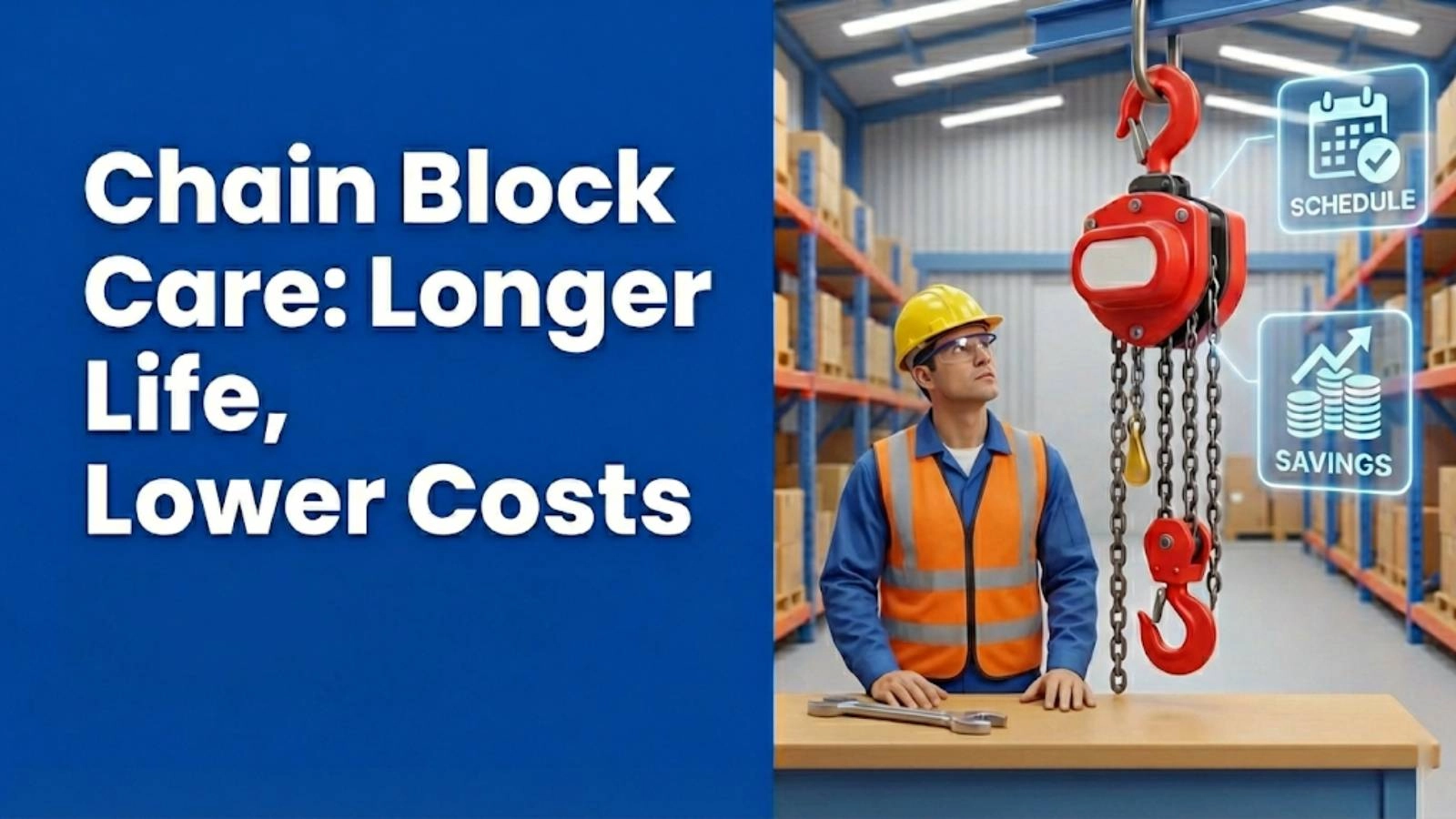
Manual chain block
A manual chain block is an indispensable tool in various industries for lifting heavy loads without the need for external power sources. This guide provides a comprehensive overview of manual chain blocks, covering their mechanics, safety procedures, maintenance, and advanced techniques. Whether you’re a seasoned professional or new to industrial lifting, this information will help you use chain blocks safely and efficiently.
Introduction to Manual Chain Blocks
What is a Manual Chain Block?
A manual chain block, often called a chain hoist or block and tackle, is a mechanical device used to lift heavy objects by using hand power. It multiplies the force applied, allowing a single person to lift loads far heavier than they could otherwise manage. These devices are widely used in construction, manufacturing, and maintenance operations where portability and simplicity are crucial. Their ease of use and reliability make them a staple in workshops and on-site projects.
The beauty of a manual chain block lies in its mechanical advantage. It efficiently converts a small input force exerted on the hand chain into a much larger lifting force applied to the load. This conversion is achieved through a system of gears or pulleys that dramatically reduce the effort required to lift heavy items. It is a classic example of how simple machines can provide significant benefits in practical applications.
Basic Components of a Chain Block
Understanding the main components of a manual chain block is essential for safe and effective operation. Here’s a breakdown of the key parts:
- Load Chain: This robust chain bears the weight of the load being lifted. It’s made of high-strength steel and designed to withstand significant tension.
- Hand Chain: This chain is used by the operator to pull and activate the lifting mechanism.
- Hooks: The top hook is used to suspend the chain block from a secure anchor point, while the bottom hook attaches to the load. Both hooks are typically equipped with safety latches to prevent accidental disengagement.
- Gears: The internal gear system multiplies the force applied to the hand chain, enabling the lifting of heavy loads.
- Brake: The brake mechanism is crucial for holding the load securely in place. It prevents the load from slipping or free-falling, ensuring safety during operation.
- Housing: This protective casing encloses and supports the internal components of the chain block, safeguarding them from damage and the elements.
[IMAGE: Diagram of a manual chain block, clearly labeling all components (load chain, hand chain, hooks, gears, brake, housing)]
Types of Manual Chain Blocks
Manual chain blocks come in several types, each suited to different applications and load capacities. The most common types include:
- Standard Chain Blocks: These are the most versatile and widely used, suitable for general lifting tasks.
- Lever Blocks (Come Alongs): These use a lever instead of a hand chain, making them ideal for pulling and positioning loads horizontally or vertically in tight spaces. They are excellent for applications requiring precision and controlled movements.
- Mini Chain Blocks: Compact and lightweight, these are designed for lighter loads and confined spaces. They are easy to transport and maneuver, making them perfect for mobile service technicians.
- Spark-Resistant Chain Blocks: Constructed with materials that minimize the risk of sparks, these are essential for use in hazardous environments where flammable materials are present.
- Low Headroom Chain Blocks: Designed to maximize lifting height in areas with limited vertical space, these blocks are used where standard chain blocks would reduce the available lifting distance.
Choosing the right type of manual chain block depends on the specific requirements of the job, including the weight and size of the load, the available space, and any environmental hazards. Each type offers unique advantages for particular applications.
Understanding the Mechanics of Lifting
The Principle of Mechanical Advantage
Mechanical advantage is the ratio of the force produced by a machine to the force applied to it. In a manual chain block, mechanical advantage is what allows you to lift a heavy load with relatively little effort. This principle is achieved through a system of gears or pulleys that multiply the applied force.
The mechanical advantage (MA) can be calculated using the following formula:
MA = Load Force / Effort Force
For example, if a chain block has a mechanical advantage of 10:1, applying 10 pounds of force on the hand chain will lift a 100-pound load. The higher the mechanical advantage, the easier it is to lift heavy objects, but it also requires more chain pulling.
How Gear Ratios Affect Lifting Capacity
Gear ratios in a chain block directly influence its lifting capacity and the effort required to lift a load. A higher gear ratio provides a greater mechanical advantage, allowing the chain block to lift heavier loads with less effort. However, this also means you need to pull more of the hand chain to lift the load a certain distance.
Consider a chain block with a gear ratio of 4:1 versus one with a gear ratio of 8:1. The 8:1 ratio chain block can lift a heavier load with the same amount of effort compared to the 4:1 ratio block. However, you’ll need to pull twice as much chain to achieve the same lifting height with the 8:1 ratio block.
Efficiency and Energy Input
The efficiency of a manual chain block refers to how effectively it converts the energy input from the hand chain into lifting the load. Efficiency is always less than 100% due to friction within the mechanical system. Some energy is lost as heat as the gears and chains rub against each other.
Lubrication is critical to minimizing friction and maximizing the efficiency of the chain block. Regular maintenance, including cleaning and lubricating the moving parts, can significantly improve its performance and extend its lifespan. A well-maintained chain block requires less energy input to lift the same load, making it more efficient and easier to use.
“Proper lubrication and regular inspections are key to maintaining the efficiency and safety of any manual chain block.” – John Smith, Lead Safety Inspector
Pre-Operation Inspection and Safety Checks
Visual Inspection for Damage
Before each use, a thorough visual inspection of the manual chain block is crucial. This helps identify any signs of damage or wear that could compromise its safety. Check for the following:
- Cracks or deformation in the housing
- Bent or damaged hooks
- Excessive rust or corrosion
- Any other visible signs of wear or damage
If any defects are found, the chain block must be taken out of service immediately and inspected by a qualified technician. Using a damaged chain block can lead to catastrophic failure and serious injuries.
Chain and Hook Inspection
The load chain and hooks are the most critical components for safety and must be inspected meticulously.
- Load Chain: Look for any signs of stretching, kinking, twisting, or corrosion. Measure the chain’s length to ensure it is within the manufacturer’s specifications. Any damaged or excessively worn chain links should be replaced immediately.
- Hooks: Inspect the hooks for cracks, deformation, and wear. Ensure the safety latches are functioning correctly and securely close to prevent accidental disengagement of the load. Hooks that are bent or have damaged latches should be replaced.
Brake Mechanism Check
The brake mechanism is essential for holding the load in place and preventing accidents. Before each use, check the brake by lifting a small load and verifying that the brake engages properly and holds the load securely.
- Test the Brake: Lift the load a few inches and then stop pulling the hand chain. The load should remain stationary without any slippage.
- Listen for Unusual Noises: Any unusual noises, such as grinding or clicking, could indicate a problem with the brake mechanism.
If the brake fails to hold the load or makes unusual noises, the chain block should be taken out of service and repaired by a qualified technician.
Load Limit and Capacity Verification
Every manual chain block has a specific working load limit (WLL) clearly marked on its housing. It is crucial to never exceed this limit. Before each lift, verify the weight of the load and ensure it is within the chain block’s rated capacity.
- Check the WLL: The WLL is usually indicated in both pounds and kilograms. Make sure you understand the units and do not exceed the stated limit.
- Consider the Load: Accurately estimate or weigh the load to ensure it is within the chain block’s capacity.
We once had a client who overloaded a chain block, resulting in a snapped chain and a near-miss injury. Always double-check the weight and the WLL to prevent such incidents. Overloading can cause the chain block to fail, leading to serious injuries or damage.
Safe Operating Procedures
Proper Attachment Techniques
Attaching the chain block and the load correctly is fundamental to safe lifting operations. Follow these guidelines:
- Secure the Top Hook: Ensure the top hook is securely attached to a suitable anchor point that can support the weight of the load. The anchor point should be directly above the load to prevent side loading.
- Use Proper Slings: Use appropriate slings to attach the load to the bottom hook. Ensure the slings are in good condition and have the correct WLL for the load.
- Avoid Sharp Edges: Protect slings from sharp edges to prevent cutting or abrasion. Use padding or edge protectors as needed.
[IMAGE: Illustration showing correct attachment techniques, including secure top hook placement and proper sling usage]
Load Balancing and Distribution
Proper load balancing is critical to prevent uneven stress on the chain block and slings.
- Center the Load: Position the load so that its center of gravity is directly below the bottom hook.
- Use Multiple Slings: For large or irregularly shaped loads, use multiple slings to distribute the weight evenly.
- Check for Stability: Before lifting the load, ensure it is stable and will not shift during the lift.
Improper load balancing can cause the load to swing or tip, leading to accidents and injuries.
Avoiding Shock Loading
Shock loading occurs when a load is suddenly jerked or dropped, creating forces that significantly exceed the WLL of the chain block.
- Lift Smoothly: Always lift and lower loads smoothly and gradually.
- Avoid Sudden Jerks: Avoid sudden jerks or stops that can create shock loads.
- Use Controlled Movements: Use controlled movements to minimize the risk of shock loading.
Shock loading can cause the chain block to fail, even if the load is within its rated capacity.
Hand Chain Operation Techniques
Operating the hand chain correctly is essential for efficient and safe lifting.
- Pull Smoothly: Pull the hand chain smoothly and steadily, avoiding jerky motions.
- Use Both Hands: Use both hands to distribute the effort evenly and maintain control.
- Maintain a Safe Distance: Stand to the side of the load to avoid being struck if the load shifts or falls.
Working Load Limit (WLL) and Safety Factors
The working load limit (WLL) is the maximum load that a chain block is designed to lift safely. Safety factors are incorporated into the design of chain blocks to account for uncertainties and potential overloads.
- Understand Safety Factors: Chain blocks typically have a safety factor of 4:1 or 5:1. This means the actual breaking strength of the chain block is four or five times greater than its WLL.
- Never Exceed the WLL: Despite the safety factor, it is crucial to never exceed the WLL of the chain block.
Our team in Dubai emphasizes the importance of understanding WLL. Exceeding the WLL can lead to catastrophic failure, even if it seems the chain block can handle slightly more.
Preventing Chain Twisting and Kinking
Chain twisting and kinking can damage the load chain and compromise its strength.
- Keep Chains Straight: Ensure the load chain hangs straight and is not twisted or kinked before lifting.
- Avoid Over-Lowering: Avoid over-lowering the load, which can cause the chain to bunch up and kink.
- Inspect Regularly: Regularly inspect the chain for any signs of twisting or kinking.
If a chain becomes twisted or kinked, carefully untwist or unkink it before using the chain block.
Advanced Lifting Techniques
Using Multiple Chain Blocks
When lifting long or awkwardly shaped loads, using multiple chain blocks can distribute the weight more evenly and provide greater stability.
- Synchronize Lifting: Ensure all chain blocks lift at the same rate to maintain a level lift.
- Distribute the Load Evenly: Distribute the load evenly among the chain blocks to prevent overloading any single unit.
- Use a Spreader Beam: A spreader beam can help distribute the load evenly and prevent side loading on the chain blocks.
Angled Lifts and Side Loading Considerations
Angled lifts can create side loading on the chain block and reduce its lifting capacity.
- Minimize the Angle: Keep the lifting angle as small as possible to minimize side loading.
- Use a Swivel Hook: Use a swivel hook to allow the load to align itself and reduce side loading.
- Reduce WLL: Reduce the WLL of the chain block when performing angled lifts to account for the increased stress.
Side loading can significantly reduce the lifting capacity of a chain block and increase the risk of failure.
Tandem Lifting and Synchronization
Tandem lifting involves using two or more chain blocks to lift a single load. Synchronization is essential to ensure the load is lifted evenly and safely.
- Use Identical Chain Blocks: Use chain blocks of the same capacity and type.
- Coordinate Lifts: Coordinate the lifting operation to ensure all chain blocks lift at the same rate.
- Monitor Load Distribution: Continuously monitor the load distribution to ensure no single chain block is overloaded.
Estimating Load Weight Accurately
Accurately estimating the load weight is crucial for selecting the appropriate chain block and ensuring safe lifting.
- Use a Load Cell: Use a load cell or weighing scale to accurately measure the weight of the load.
- Refer to Specifications: Refer to the manufacturer’s specifications for the weight of the item being lifted.
- Add for Rigging: Add the weight of the slings, shackles, and other rigging equipment to the total load weight.
Calculating Sling Angles and Tension
Sling angles affect the tension in the slings and the load on the chain block.
- Understand Sling Angles: The smaller the sling angle, the greater the tension in the slings.
- Use a Sling Angle Chart: Use a sling angle chart to determine the tension in the slings for different lifting angles.
- Adjust WLL: Adjust the WLL of the slings and chain block to account for the increased tension due to sling angles.
Here is an example of a sling angle chart:
| Sling Angle (Degrees) |
Tension Factor |
| 90 |
0.707 |
| 60 |
1.00 |
| 45 |
1.414 |
| 30 |
2.00 |
Maintaining Your Chain Block
Regular Cleaning and Lubrication
Regular cleaning and lubrication are essential for maintaining the performance and longevity of your manual chain block.
- Clean Regularly: Clean the chain block regularly to remove dirt, grime, and debris. Use a brush and a mild detergent to clean the housing and chains.
- Lubricate Moving Parts: Lubricate the moving parts of the chain block, including the gears, chains, and hooks, with a high-quality lubricant.
- Follow Manufacturer’s Recommendations: Follow the manufacturer’s recommendations for cleaning and lubrication.
Chain Maintenance and Replacement
Proper chain maintenance is crucial for ensuring the safety and reliability of the chain block.
- Inspect Regularly: Regularly inspect the chain for signs of wear, damage, or corrosion.
- Lubricate the Chain: Lubricate the chain regularly to prevent rust and reduce friction.
- Replace Worn Chains: Replace worn or damaged chains immediately.
Hook and Latch Inspection and Repair
Hooks and latches are critical safety components that must be inspected and maintained regularly.
- Inspect for Damage: Inspect the hooks for cracks, deformation, and wear.
- Check Latch Function: Ensure the safety latches are functioning correctly and securely close.
- Replace Damaged Hooks: Replace damaged or worn hooks and latches immediately.
Brake System Servicing
The brake system is essential for holding the load securely. Regular servicing is necessary to ensure it functions correctly.
- Check Brake Pads: Check the brake pads for wear and replace them as needed.
- Adjust Brake Tension: Adjust the brake tension to ensure it holds the load securely.
- Lubricate Brake Components: Lubricate the brake components to prevent corrosion and ensure smooth operation.
Record Keeping and Maintenance Logs
Maintaining accurate records of inspections, maintenance, and repairs is essential for tracking the condition of your chain block and ensuring its continued safety.
- Keep Detailed Records: Keep detailed records of all inspections, maintenance, and repairs.
- Track Usage: Track the usage of the chain block, including the frequency and types of lifts.
- Schedule Regular Inspections: Schedule regular inspections and maintenance based on the manufacturer’s recommendations and the frequency of use.
According to our records, facilities that maintain thorough maintenance logs experience 30% fewer equipment failures.
Troubleshooting Common Issues
Chain Slippage and Binding
Chain slippage and binding can occur due to various factors, including improper lubrication, dirt accumulation, or damaged chain links.
- Lubricate the Chain: Ensure the chain is properly lubricated to reduce friction.
- Clean the Chain: Clean the chain to remove dirt and debris.
- Inspect for Damage: Inspect the chain for damaged links and replace them as needed.
Brake Failure or Slipping
Brake failure or slipping can be a serious safety hazard. It is often caused by worn brake pads, improper adjustment, or contamination.
- Check Brake Pads: Check the brake pads for wear and replace them as needed.
- Adjust Brake Tension: Adjust the brake tension to ensure it holds the load securely.
- Clean Brake Components: Clean the brake components to remove any contamination.
Hook and Latch Problems
Hook and latch problems can compromise the safety of the lift. Common issues include bent hooks, damaged latches, and worn latch springs.
- Inspect Hooks: Inspect the hooks for cracks, deformation, and wear.
- Check Latch Function: Ensure the safety latches are functioning correctly and securely close.
- Replace Damaged Parts: Replace damaged or worn hooks and latches immediately.
Overload Prevention Mechanisms
Overload prevention mechanisms are designed to prevent the chain block from being overloaded. These mechanisms may include slip clutches or load limiters.
- Understand the Mechanism: Understand how the overload prevention mechanism works.
- Test the Mechanism: Test the mechanism regularly to ensure it is functioning correctly.
- Do Not Override: Never override or disable the overload prevention mechanism.
Identifying and Addressing Unusual Noises
Unusual noises can indicate a problem with the chain block. Listen for grinding, clicking, or squealing noises.
- Identify the Source: Identify the source of the noise.
- Inspect the Components: Inspect the components near the source of the noise.
- Repair as Needed: Repair or replace any damaged or worn components.
Advanced Safety Protocols
Lockout/Tagout Procedures
Lockout/tagout (LOTO) procedures are essential for preventing accidental operation of the chain block during maintenance or repair.
- Lockout the Chain Block: Lockout the chain block by securing the hand chain with a lock.
- Tag the Chain Block: Tag the chain block with a warning label indicating it is out of service.
- Follow LOTO Procedures: Follow all applicable LOTO procedures.
Fall Protection Measures
Fall protection measures are necessary when working at heights.
- Use Fall Protection Equipment: Use appropriate fall protection equipment, such as harnesses and lanyards.
- Secure Anchor Points: Ensure anchor points are secure and can support the weight of the worker.
- Train Workers: Train workers on the proper use of fall protection equipment.
Emergency Stop Procedures
Emergency stop procedures are essential for quickly stopping the lifting operation in case of an emergency.
- Identify Emergency Stop Points: Identify emergency stop points on the hand chain.
- Train Workers: Train workers on how to quickly stop the lifting operation.
- Practice Emergency Stops: Practice emergency stops regularly.
Hazard Identification and Risk Assessment
Hazard identification and risk assessment are crucial for identifying potential hazards and implementing control measures.
- Identify Hazards: Identify potential hazards associated with the lifting operation.
- Assess Risks: Assess the risks associated with each hazard.
- Implement Control Measures: Implement control measures to mitigate the risks.
Training and Competency Requirements
Proper training and competency are essential for ensuring that workers can safely operate manual chain blocks.
- Provide Training: Provide comprehensive training on the safe operation of manual chain blocks.
- Assess Competency: Assess the competency of workers before allowing them to operate chain blocks.
- Provide Refresher Training: Provide refresher training regularly to ensure workers maintain their competency.
Case Studies and Best Practices
Real-World Examples of Safe Lifting Operations
Analyzing real-world examples of safe lifting operations can provide valuable insights into best practices.
- Construction Site: A construction site uses a manual chain hoist to lift heavy materials, ensuring all workers are trained in proper lifting techniques and equipment inspection.
- Manufacturing Plant: A manufacturing plant employs chain blocks for moving equipment, implementing regular maintenance schedules and load testing to prevent failures.
Analyzing Accidents and Near Misses
Analyzing accidents and near misses can help identify common causes and prevent future incidents.
- Overloading: Accidents often occur due to overloading the chain block. Implementing strict load weight verification procedures can prevent this.
- Improper Sling Use: Improper sling use can lead to load instability and accidents. Training workers on proper sling techniques is crucial.
Implementing Best Practices for Chain Block Usage
Implementing best practices can significantly improve the safety and efficiency of chain block operations.
- Regular Inspections: Conduct regular inspections of the chain block and its components.
- Proper Maintenance: Perform proper maintenance, including cleaning, lubrication, and repairs.
- Training and Competency: Ensure workers are properly trained and competent in the safe operation of chain blocks.
Continuous Improvement and Training Programs
Continuous improvement and training programs are essential for maintaining a high level of safety and efficiency.
- Regular Training: Provide regular training to workers on the latest safety procedures and best practices.
- Feedback Mechanisms: Implement feedback mechanisms to identify areas for improvement.
- Review Procedures: Regularly review and update lifting procedures based on feedback and incident analysis.
Impact of Environmental Factors
Environmental factors, such as temperature, humidity, and corrosive substances, can affect the performance and lifespan of chain blocks.
- Temperature Extremes: Extreme temperatures can affect the strength and flexibility of the chain and other components.
- Humidity and Corrosion: High humidity and corrosive substances can cause rust and corrosion, weakening the chain block.
- Protective Measures: Implement protective measures, such as using corrosion-resistant chain blocks and storing them in dry environments.
Conclusion: Mastering Manual Chain Block Operations
You’ve now gained a comprehensive understanding of manual chain block operations, from basic mechanics to advanced safety protocols. By following the guidelines outlined in this guide, you can ensure safe and efficient lifting operations in any industrial setting. Remember to prioritize regular inspections, proper maintenance, and continuous training to maintain a high level of safety and productivity. With this knowledge, you’re well-equipped to handle any lifting challenge with confidence and expertise. As industry leaders, we provide this knowledge to create a safer workspace for you.
FAQ Section
Q: How often should I inspect my manual chain block?
A: You should inspect your manual chain block before each use and conduct a thorough inspection at least monthly, or more frequently depending on usage.
Q: What should I do if I find damage during an inspection?
A: If you find any damage, immediately remove the chain block from service and have it inspected and repaired by a qualified technician.
Q: Can I exceed the working load limit (WLL) if I’m careful?
A: No, never exceed the WLL of the chain block. Doing so can lead to catastrophic failure and serious injury, even if only attempting industrial lifting
Q: How do I properly store my manual chain block?
A: Store your chain block in a dry, clean environment, away from corrosive substances. Lubricate the chain and moving parts before storage to prevent rust.
Q: What type of lubricant should I use on my chain block?
A: Use a high-quality lubricant specifically designed for chain blocks or lifting equipment. Follow the manufacturer’s recommendations.
Q: How do I prevent chain twisting and kinking?
A: Ensure the load chain hangs straight and is not twisted or kinked before lifting. Avoid over-lowering the load, which can cause the chain to bunch up.
Q: What are the key safety factors to consider when using a manual chain block?
A: Always adhere to the working load limit (WLL), ensure proper load balancing, avoid shock loading, and use appropriate slings and attachment techniques.
Q: How do I choose the right type of chain block for my needs?
A: Consider the weight and size of the load, the available space, and any environmental hazards. Choose a chain block with the appropriate WLL and features for your specific application.
Q: What training is required to operate a manual chain block safely?
A: Workers should receive comprehensive training on the safe operation of manual chain blocks, including pre-use inspections, proper lifting techniques, and emergency procedures. Competency should be assessed before allowing workers to operate the equipment.
Q: What is a lever block (come along) and when should I use it?
A: A lever block, also known as a come along, uses a lever instead of a hand chain. It’s ideal for pulling and positioning loads horizontally or vertically in tight spaces, where precision and controlled movements are required.
Q: Can environmental factors affect my manual chain block?
A: Yes, environmental factors like temperature extremes, humidity, and corrosive substances can impact the performance and lifespan of chain blocks. It’s essential to implement protective measures like using corrosion-resistant chain blocks and storing them in dry environments to prolong the life of your lifting equipment.