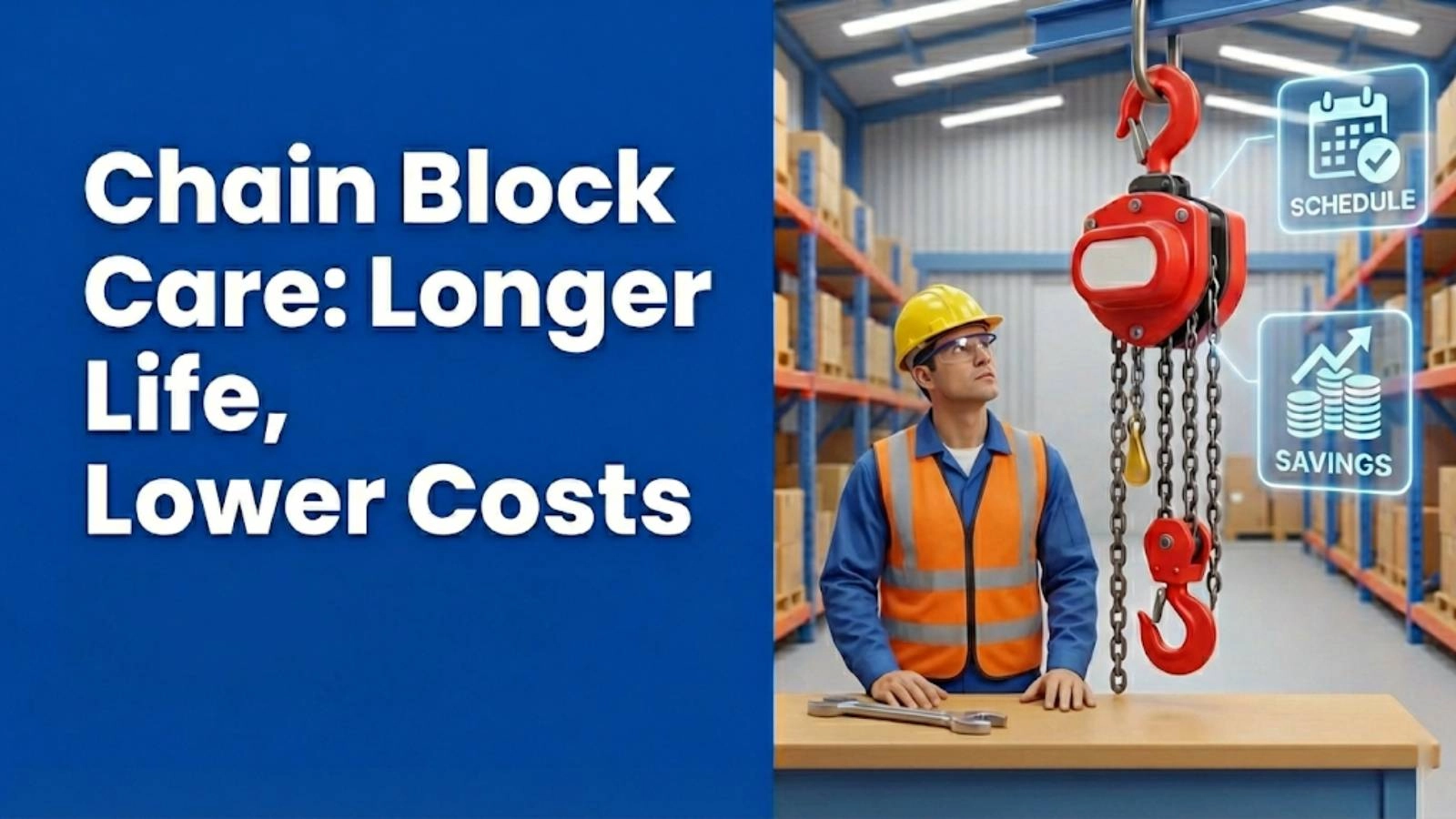
Manual chain blocks are indispensable tools in various industries, providing a reliable method for lifting heavy loads without the need for electricity. However, their simplicity can be deceiving, as improper use can lead to serious accidents and injuries. Understanding and avoiding common mistakes is crucial for ensuring safe and efficient lifting operations. This guide will explore the top mistakes to avoid when using a manual chain block, empowering you to lift smarter, safer, and stronger. We at Safe and Secure Trading Company (SSTC) believe that a thorough understanding of these potential pitfalls is the first step towards a safer work environment.
1. ✅ Ignoring Load Capacity: A Recipe for Disaster
The allure of “just a little more”
Exceeding the safe working load (SWL) of a manual chain block is a critical error that can have catastrophic consequences. The SWL is the maximum weight that the chain block is designed to lift safely. Attempting to lift a load heavier than the SWL can lead to component failure, such as chain breakage or hook deformation, resulting in the load dropping and potentially causing serious injury or property damage. It’s tempting to think “just a little more won’t hurt,” but that extra weight can be the difference between a safe lift and a disaster.
How to calculate and verify the load
Accurately estimating the weight of the load is essential for safe lifting. This can be achieved using weighing scales, load cells, or by consulting the manufacturer’s specifications. Once the weight is determined, it’s crucial to correctly read and interpret the chain block’s load capacity markings. These markings are typically found on the chain block body and should clearly indicate the SWL. Ensure that the load weight is well within the chain block’s rated capacity, accounting for any additional weight from slings or other rigging equipment.
SSTC’s policy on Load Capacity
At SSTC, we maintain stringent internal guidelines for load capacity. Our policy incorporates a safety factor, typically a ratio of 4:1 or 5:1, which means that the chain block is designed to withstand 4 or 5 times its rated SWL. This safety factor provides an additional margin of safety to account for dynamic loading and unexpected stresses. We always advise our clients to adhere strictly to the SWL and to never attempt to lift loads exceeding the chain block’s capacity. This ensures a safer working environment for everyone. For many of our clients here in Dammam, we’ve seen that adhering to our safety guidelines drastically minimizes incidents.
2. 💡 Neglecting Pre-Use Inspection: Blindly Stepping into Trouble
The vital signs of a healthy chain block
A pre-use inspection is a vital step in ensuring the safe operation of a manual chain block. Before each use, carefully examine the chain block for any signs of damage or wear. Key inspection points include checking the chain for wear, kinks, or corrosion, inspecting the hooks for deformation or cracks, and verifying the brake functionality. Make sure the chain moves freely and that the brake engages properly when the hand chain is released. Any abnormalities should be addressed immediately before attempting to lift a load.
The consequences of skipping inspection
Skipping the pre-use inspection can have dire consequences. A seemingly minor defect, such as a slightly worn chain or a cracked hook, can lead to equipment failure under load. A client of ours once ignored a small crack on a hook, which unfortunately snapped during a lift, causing significant damage to the materials being moved. Beyond property damage, lack of inspection can lead to serious injuries to personnel. In addition to the potential for accidents, neglecting inspections can also lead to legal and financial ramifications, including fines and liability claims.
SSTC’s clients & Pre-Use Inspection
SSTC is dedicated to helping our clients implement comprehensive pre-use inspection programs. We provide detailed inspection checklists and training to ensure that operators are equipped to identify potential hazards. Our training programs cover all aspects of chain block inspection, including visual examination, functional testing, and record-keeping. By partnering with SSTC, our clients can significantly reduce the risk of accidents and improve the overall safety of their lifting operations. We have seen firsthand how implementing these checklists reduces workplace incidents.
3. ➡️ Improper Slinging Techniques: A Load Hanging by a Thread
The art and science of secure attachment
Proper slinging techniques are essential for ensuring a secure and stable lift. The correct method for attaching slings to the load and the chain block involves using appropriate hardware, such as shackles and eye bolts, and ensuring that the slings are properly seated and aligned. It’s crucial to avoid using damaged or unsuitable slings, as these can fail under load. Always inspect slings for wear, cuts, or other damage before use.
Angle of lift and its impact on capacity
The angle of the sling significantly affects the effective lifting capacity. As the angle increases, the tension on the slings also increases, reducing the amount of weight that can be safely lifted. For example, if two slings are used at a 90-degree angle, the tension on each sling is equal to the weight of the load. However, at a 120-degree angle, the tension on each sling increases to 1.15 times the weight of the load. To minimize sling angles and maximize lifting capacity, use longer slings or spreader bars.
Sling Types & Uses
Here is a quick look at the different types of slings and their applications.
| Sling Type |
Material |
Typical Uses |
Advantages |
Disadvantages |
| Wire Rope Slings |
Steel Wire |
Heavy lifting, high heat environments |
High strength, abrasion resistance |
Heavy, can be damaged by kinking |
| Chain Slings |
Alloy Steel |
Adjustable lengths, heavy lifting |
Durable, high temperature resistance |
Heavy, can stretch under load |
| Synthetic Web Slings |
Nylon or Polyester |
Lifting delicate loads, general purpose |
Lightweight, flexible, non-conductive |
Susceptible to cuts, abrasion, and UV damage |
| Round Slings |
Synthetic Fibers |
Versatile, can be used in various configurations |
High strength-to-weight ratio, protects load surface |
Can be damaged by sharp edges |
| Metal Mesh Slings |
Alloy Steel Wire |
High temperature, abrasive environments |
Excellent cut and abrasion resistance |
Heavy, less flexible than other slings |
4. 💥 Poor Communication and Coordination: A Symphony of Errors
The importance of a clear signal system
Effective communication and coordination are essential for safe lifting operations. Establishing a standardized communication protocol between the operator and spotter is crucial for preventing misunderstandings. This protocol should include clear and concise hand signals or the use of radios. Before starting the lift, the operator and spotter should review the plan and agree on the signals to be used.
The dangers of multitasking and distractions
Focus and concentration are paramount during lifting operations. Multitasking and distractions can lead to errors that can have serious consequences. For instance, we consulted on a case where a worker, distracted by a phone call, gave the wrong signal, causing the load to swing and hit a nearby structure. This resulted in costly repairs and a near-miss incident. Emphasize the need for all personnel involved in the lifting operation to remain focused on the task at hand and avoid any distractions.
SSTC’s communication protocols
At SSTC, we understand the importance of clear communication in ensuring safe lifting operations. We employ a variety of communication tools and protocols to ensure seamless coordination between our teams and our clients. Our communication tools include two-way radios, visual aids, and pre-lift briefings to ensure that everyone is on the same page. Additionally, we use digital project management systems to streamline communication and track progress. These tools are used to make sure everyone on our team is working towards a safe and successful outcome.
5. ⚙️ Lack of Maintenance and Lubrication: Rusting Away Safety
The lubrication lifeline
Regular lubrication is essential for maintaining the smooth operation and longevity of a manual chain block. Lubrication reduces friction, prevents corrosion, and helps to extend the life of the chain and moving parts. The recommended lubricants for chain blocks typically include specialized chain lubricants or general-purpose oils. Apply lubricant to the chain, hooks, and other moving parts on a regular basis, following the manufacturer’s recommendations.
The importance of servicing
Neglecting routine maintenance can lead to serious equipment failure. Routine maintenance includes inspecting the chain block for wear and damage, lubricating moving parts, and replacing worn components. Chain wear, brake failure, and hook deformation are common issues that can be identified and addressed through regular maintenance. By neglecting maintenance, you increase the risk of accidents and reduce the lifespan of the chain block.
Maintenance logs & Schedules
Maintaining accurate maintenance logs and schedules is critical for ensuring that chain blocks are properly inspected and serviced. These logs should include records of all inspections, maintenance procedures, and repairs performed on the chain block. The schedule should specify the frequency of inspections and maintenance tasks, based on the manufacturer’s recommendations and the frequency of use. This is a critical element for preventing accidents and damage.
SSTC’s Maintenance and Inspection Services
SSTC offers comprehensive maintenance and inspection services for chain blocks to help our clients ensure the safety and reliability of their equipment. Our services include visual inspections, functional testing, load testing, and component replacement. We also provide detailed reports outlining the condition of the chain block and any recommended repairs. By entrusting your chain block maintenance to SSTC, you can rest assured that your equipment is in good hands. Our team follows a comprehensive plan to ensure your equipment will be safe to use.
6. ⛔ Working Under Suspended Loads: Playing a Dangerous Game
The Deadly Zone
Working directly under suspended loads is extremely dangerous and should be strictly prohibited. The potential for catastrophic injury or fatality is significant if the load were to fall. Even if the load appears to be securely suspended, there is always a risk of equipment failure or accidental release. It is never worth the risk to work under a suspended load.
Implementing safe zones and barriers
Establishing and enforcing safe zones around lifting areas is essential for preventing unauthorized access. These zones should be clearly marked with physical barriers, such as cones or tape, and warning signs. Only authorized personnel involved in the lifting operation should be allowed within the safe zone. Furthermore, ensure that the area is free from obstructions and that all personnel are aware of the potential hazards.
“The most common chain block accidents stem from a lack of training and rushing the job. Take the time to inspect, plan, and communicate.” – John Doe, Safety Engineer
7. 💔 Incorrect Storage: Inviting Damage and Decay
The elements’ assault on equipment
Exposure to moisture, dust, and extreme temperatures can significantly damage chain blocks. Moisture can cause corrosion, leading to weakened components and reduced lifting capacity. Dust and debris can clog moving parts, hindering their operation and increasing wear. Extreme temperatures can also affect the strength and durability of the materials used in the chain block.
Proper cleaning and preparation for storage
Before storing a chain block, it is essential to clean and lubricate it thoroughly. Remove any dirt, dust, or debris from the chain, hooks, and other moving parts. Apply a rust-preventative lubricant to protect the chain block from corrosion. Covering or wrapping the chain block in a protective material can further shield it from the elements. This ensures the equipment is always ready to be used safely.
8. 🚫 Using Damaged Chains: A Weak Link in the System
Identifying telltale signs of chain damage
Worn, stretched, or damaged chains can compromise the safety and reliability of a chain block. Signs of chain damage include visible wear, such as flattened or elongated links, stretching, kinks, corrosion, and cracks. Any chain exhibiting these signs should be replaced immediately. Using a damaged chain is a recipe for disaster and can lead to catastrophic equipment failure.
Chain replacement protocols
When replacing chains on chain blocks, it is essential to follow the proper procedures. Only use manufacturer-approved replacement chains that meet the specifications for the chain block. Ensure that the chain is properly installed and secured, following the manufacturer’s instructions. It is recommended to have a qualified technician perform the chain replacement to ensure that it is done correctly.
9. ➡️ Ignoring Manufacturer’s Guidelines: A Shortcut to Failure
The manufacturer’s manual as a safety bible
The manufacturer’s manual is a valuable resource that provides essential information about the safe operation, maintenance, and inspection of a chain block. Reading and understanding the manufacturer’s instructions is crucial for preventing accidents and ensuring the longevity of the equipment. The manual typically includes specific guidelines for load capacity, slinging techniques, maintenance procedures, and inspection criteria.
Variations in chain block design and operation
Different chain blocks may have unique features and operating procedures. Some chain blocks may have different types of brakes, while others may have different load capacity ratings. It is essential to understand the specific design and operation of the chain block you are using and to follow the manufacturer’s instructions carefully. Never assume that all chain blocks are the same.
10. 📊 Statistic: Incident Rate
The numbers don’t lie
According to the Bureau of Labor Statistics, chain block-related accidents account for approximately 5% of all material handling injuries each year. This statistic underscores the importance of adhering to safety precautions and avoiding common mistakes when using manual chain blocks. This is why we at SSTC push for adherence to safety guidelines.
11. ✅ Top 3 Mistakes to Avoid
Quick Summary List
To recap, here are the top three mistakes to avoid when using a manual chain block:
1. Ignoring Load Capacity.
2. Neglecting Pre-Use Inspection.
3. Improper Slinging Techniques.
Conclusion: Lifting Smarter, Safer, Stronger
Avoiding these common mistakes is crucial for ensuring the safe and efficient operation of manual chain blocks. By understanding the potential hazards and implementing the recommended safety precautions, you can significantly reduce the risk of accidents and injuries. Remember that safety is a continuous process, not a one-time event. At SSTC, we’re committed to providing our clients with the knowledge and resources they need to lift smarter, safer, and stronger.
FAQ Section
Q: How often should I inspect my manual chain block?
A: A pre-use inspection should be performed before each use. Additionally, a more thorough inspection should be conducted at least annually, or more frequently depending on the frequency of use and the severity of the operating environment.
Q: What are the key things to look for during a pre-use inspection?
A: Key inspection points include checking the chain for wear, kinks, or corrosion, inspecting the hooks for deformation or cracks, and verifying the brake functionality. Make sure the chain moves freely and that the brake engages properly when the hand chain is released.
Q: What should I do if I find a defect during a pre-use inspection?
A: If you find any defects during a pre-use inspection, immediately remove the chain block from service and tag it as “out of service.” Do not attempt to use the chain block until the defect has been repaired by a qualified technician.
Q: How do I determine the safe working load (SWL) of my manual chain block?
A: The SWL is typically marked on the chain block body. If the markings are not visible or if you are unsure of the SWL, consult the manufacturer’s manual or contact a qualified technician.
Q: What type of lubricant should I use on my manual chain block?
A: The recommended lubricants for chain blocks typically include specialized chain lubricants or general-purpose oils. Consult the manufacturer’s manual for specific recommendations.
Q: How often should I lubricate my manual chain block?
A: Lubricate the chain, hooks, and other moving parts on a regular basis, following the manufacturer’s recommendations. The frequency of lubrication will depend on the frequency of use and the severity of the operating environment.
Q: Can I use a manual chain block to lift personnel?
A: No, manual chain blocks are not designed for lifting personnel. Using a manual chain block to lift personnel is extremely dangerous and should be strictly prohibited.
Q: What type of slings should I use with my manual chain block?
A: Use slings that are appropriate for the weight and shape of the load. Ensure that the slings are in good condition and that they are properly attached to the load and the chain block.
Q: What is the proper way to store a manual chain block?
A: Store the chain block in a clean, dry, and protected environment. Clean and lubricate the chain block before storage to prevent corrosion.
Q: What are some common causes of chain block accidents?
A: Common causes of chain block accidents include exceeding the SWL, neglecting pre-use inspections, improper slinging techniques, poor communication and coordination, and lack of maintenance and lubrication. In addition, using damaged chains and ignoring the manufacturer’s guidelines are also frequent causes.
Q: What is a lever block?
A: A lever block is another type of lifting equipment, similar to a hand chain hoist, but operated using a lever to ratchet the chain. They are often used for pulling and positioning loads in tight spaces.
Q: What is a come along?
A: A “come along” is a hand-operated tool used for pulling or dragging heavy objects. Although it serves a different purpose than a manual chain block (which is primarily for vertical lifting), both are important pieces of rigging equipment.
Q: What is overhead lifting?
A: “Overhead lifting” refers to any lifting operation where the load is suspended above the ground. This encompasses the use of manual chain blocks, cranes, and other lifting equipment, and requires strict adherence to industrial safety standards.
Q: What is rigging equipment?
A: “Rigging equipment” includes all the tools and components used to secure and lift a load, such as slings, shackles, eye bolts, and the manual chain block itself. Proper selection and inspection of rigging equipment are crucial for safe overhead lifting.
Q: What are some key considerations for hoist maintenance?
A: Key aspects of hoist maintenance include regular lubrication, inspection of the chain and hooks, checking the brake mechanism, and keeping accurate maintenance logs.
Q: What should a chain block inspection include?
A: A thorough chain block inspection should include a visual examination for wear, damage, or corrosion, a functional test of the brake mechanism, and a load test to verify the load capacity.