Rigging screws are essential components in various industries, providing a reliable means to adjust tension and secure loads. At Safe and Secure Trading Company (SSTC), we understand the importance of load security and offer a comprehensive guide to maximizing rigging screw benefits for your specific needs. This tutorial will explore the core components, applications, selection criteria, and best practices for using rigging screws safely and effectively.
Introduction to Rigging Screws and Load Security
What are Rigging Screws?
Rigging screws, also known as turnbuckles or bottle screws, are mechanical devices used to adjust the tension or length of wire ropes, cables, tie rods, and other tensioning systems. They consist of a body, typically made of steel, and two end fittings that can be rotated to either tighten or loosen the connection. This adjustability makes rigging screws invaluable for ensuring load security in a wide range of applications. Rigging screws provide precise tensioning, allowing users to fine-tune the stability and safety of their loads.
The Importance of Load Security
Load security is paramount in any operation involving lifting, securing, or transporting heavy objects. Failure to properly secure a load can result in catastrophic accidents, including equipment damage, personal injury, and even fatalities. Proper load security methods minimize the risk of load shifting, falling, or otherwise becoming unstable during transit or operation. At SSTC, we emphasize the importance of using reliable and well-maintained rigging equipment to safeguard personnel and property. Choosing the correct rigging screw for the intended purpose is the first step in ensuring load security.
Scope of this Guide
This guide will provide you with a detailed overview of rigging screws and their role in enhancing load security. We will cover the core components of a rigging screw, discuss the specific benefits they offer, and explore various applications across different industries. You will also learn how to select the right rigging screw for your needs, implement best practices for safe usage, and troubleshoot common issues. Furthermore, we will examine real-world case studies and relevant industry standards to provide a comprehensive understanding of rigging screw benefits and applications. This guide will equip you with the knowledge to maximize the performance and safety of rigging screws in your operations.
Understanding the Core Components of a Rigging Screw
The Body (or Frame)
The body of a rigging screw is the central component that houses the threaded sections and provides structural integrity. It is typically made of high-strength steel or stainless steel to withstand significant tensile forces. The body’s design can vary depending on the type of rigging screw, but it generally features a central opening or barrel through which the threaded ends pass. The body is crucial for transferring load forces evenly and maintaining the overall stability of the rigging system. Careful attention to the body’s material and construction is essential for ensuring the rigging screw’s durability and performance.
The End Fittings (Eyes, Hooks, Jaws)
The end fittings of a rigging screw are the connection points that attach to the load and the anchor. Common types of end fittings include eyes, hooks, and jaws (also known as clevises or forks). Eye fittings are typically used for connecting to shackles or other closed-loop attachments. Hook fittings offer quick attachment and detachment capabilities, making them suitable for temporary or frequently adjusted setups. Jaw fittings provide a secure, fixed connection with the use of a bolt or pin. The choice of end fitting depends on the specific requirements of the application, including the type of load, the attachment method, and the need for adjustability.
The Threads and Adjustment Mechanism
The threads of a rigging screw are critical for its ability to adjust tension and secure loads. Rigging screws typically have left-hand and right-hand threads on opposite ends of the body. By rotating the body, both ends move simultaneously, either drawing the end fittings closer together (tightening) or further apart (loosening). This adjustment mechanism allows for precise control over the tension in the rigging system. The threads must be well-maintained and properly lubricated to ensure smooth operation and prevent wear or damage. Inspecting the threads regularly for signs of corrosion or deformation is crucial for maintaining the rigging screw’s functionality and safety.
Rigging Screw Benefits: Enhancing Load Security
Precise Tensioning and Adjustment
One of the primary rigging screw benefits is the ability to provide precise tensioning and adjustment. This is particularly important in applications where maintaining a specific level of tension is critical for stability and safety. Rigging screws allow users to fine-tune the tension in the system, ensuring that the load is properly secured and that any slack is eliminated. This level of control is essential for preventing load shifting or movement during transport or operation. We once had a client in our Dubai branch who struggled with securing heavy machinery on a cargo ship. By implementing rigging screws, they were able to precisely adjust the tension and prevent any movement during the voyage.
Enhanced Stability and Reduced Load Shift
Rigging screws contribute significantly to enhanced stability and reduced load shift. By providing a means to evenly distribute tension across the load, they minimize the risk of uneven stress or imbalance. This is especially important when dealing with irregularly shaped or heavy loads. The adjustability of rigging screws allows users to compensate for any variations in the load or the supporting structure, ensuring that the load remains stable and secure. Enhanced stability not only reduces the risk of accidents but also prolongs the lifespan of the equipment and materials being secured.
Prevention of Slack and Controlled Load Movement
Another significant rigging screw benefit is the prevention of slack and controlled load movement. Slack in a rigging system can lead to sudden jerks or impacts, which can damage equipment or cause the load to become unstable. Rigging screws allow users to eliminate slack by tightening the system to the appropriate tension. Furthermore, they enable controlled load movement by providing a means to gradually adjust the position of the load. This is particularly useful in applications where precise alignment or positioning is required.
Secure Connection Points and Reduced Risk of Slippage
Rigging screws provide secure connection points, reducing the risk of slippage and ensuring the integrity of the rigging system. The end fittings, such as eyes, hooks, or jaws, are designed to securely attach to the load and the anchor, preventing accidental disconnections. The adjustable tension provided by the rigging screw further enhances the security of the connection by maintaining a constant force that prevents slippage. Regular inspection and maintenance of the connection points are essential for ensuring their continued reliability and safety.
Applications of Rigging Screws in Load Security
Securing Cargo in Transportation
Rigging screws are widely used in the transportation industry to secure cargo on trucks, trains, and ships. They provide a reliable means to fasten loads to the vehicle or vessel, preventing them from shifting or falling during transit. Rigging screws are particularly useful for securing irregularly shaped or heavy items that cannot be easily restrained by other methods. By providing adjustable tension, they ensure that the cargo remains firmly in place, even under dynamic conditions such as bumpy roads or rough seas. When our team in Dubai tackles this issue, they often find that using multiple rigging screws in a strategic configuration provides the best load security.
Stabilizing Structures in Construction
In the construction industry, rigging screws are used to stabilize structures during assembly and erection. They can be used to temporarily support walls, beams, and other structural elements while they are being connected or permanently fastened. Rigging screws provide a means to fine-tune the alignment and position of these elements, ensuring that they are properly aligned and securely in place. They are also used to tension cables and tie rods, adding structural support to buildings and bridges. The precise adjustability of rigging screws makes them invaluable for ensuring the stability and safety of construction projects.
Supporting Temporary Installations
Rigging screws are ideal for supporting temporary installations such as stages, scaffolding, and signage. They provide a means to quickly and easily erect and dismantle these structures, while ensuring that they are securely supported. Rigging screws can be adjusted to compensate for uneven surfaces or variations in the load, maintaining stability and preventing collapses. They are also used to tension cables and ropes that support the structure, adding extra strength and security. The versatility and ease of use of rigging screws make them a popular choice for temporary installations in a variety of settings.
Heavy Lifting Operations
Rigging screws play a critical role in heavy lifting operations, providing a means to adjust and secure the load during lifting and positioning. They are often used in conjunction with cranes, hoists, and other lifting equipment to ensure that the load is lifted safely and precisely. Rigging screws can be used to level the load, adjust its center of gravity, and prevent it from swinging or rotating during the lift. They also provide a means to gradually lower the load into its final position, minimizing the risk of damage or injury. The ability to precisely control the load’s movement and position makes rigging screws essential for heavy lifting operations.
Selecting the Right Rigging Screw for Your Needs
Determining Safe Working Load (SWL) Requirements
Determining the Safe Working Load (SWL) is paramount when selecting a rigging screw. The SWL refers to the maximum load that a rigging screw is designed to safely handle. Exceeding the SWL can lead to catastrophic failure, resulting in equipment damage, personal injury, or even fatalities. The SWL should be clearly marked on the rigging screw, and it is essential to ensure that the selected rigging screw has a SWL that meets or exceeds the requirements of the application. When determining the SWL, it is important to consider not only the weight of the load but also any additional forces that may be applied, such as dynamic loading or shock loading.
Material Selection: Steel vs. Stainless Steel
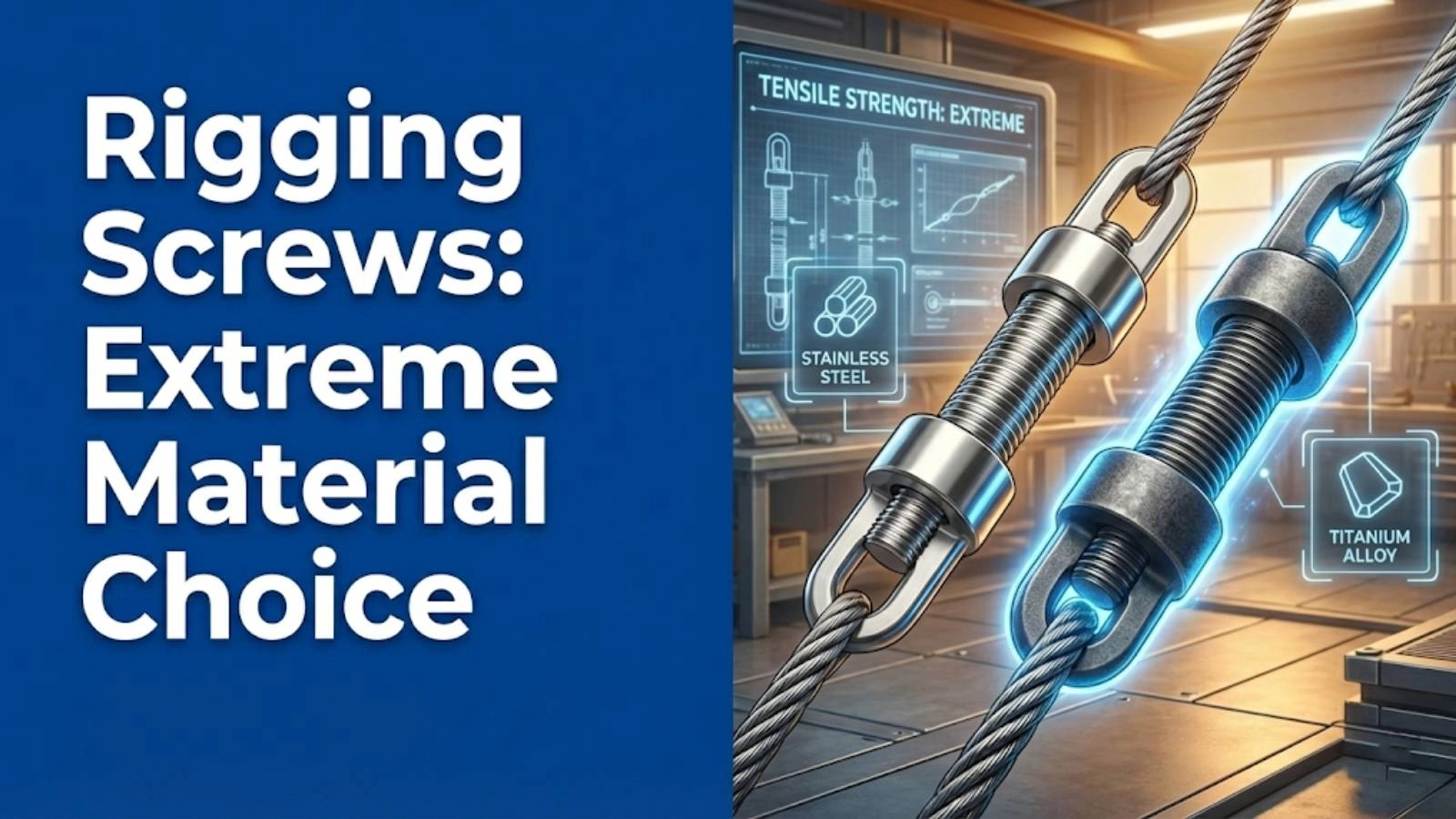
The choice of material is another critical factor when selecting a rigging screw. The two most common materials are steel and stainless steel. Steel rigging screws are typically made of high-strength carbon steel, which provides excellent strength and durability. However, steel is susceptible to corrosion, so it is important to protect it with a coating or finish. Stainless steel rigging screws offer superior corrosion resistance, making them ideal for use in harsh environments or applications where exposure to moisture or chemicals is likely. Stainless steel is also more aesthetically pleasing, which may be a consideration in some applications. The selection of material depends on the specific environmental conditions and the desired lifespan of the rigging screw.
End Fitting Types and Their Suitability
The type of end fitting is another important consideration when selecting a rigging screw. As previously mentioned, common types of end fittings include eyes, hooks, and jaws. Eye fittings are typically used for connecting to shackles or other closed-loop attachments, providing a secure and reliable connection. Hook fittings offer quick attachment and detachment capabilities, making them suitable for temporary or frequently adjusted setups. However, hooks are more susceptible to accidental disconnections than eyes. Jaw fittings provide a secure, fixed connection with the use of a bolt or pin, making them ideal for applications where a permanent connection is required. The selection of end fitting depends on the specific requirements of the application, including the type of load, the attachment method, and the need for adjustability.
Environmental Considerations (Corrosion Resistance)
Environmental considerations, particularly corrosion resistance, play a significant role in rigging screw selection. Environments with high humidity, saltwater exposure, or chemical presence can accelerate corrosion, weakening the rigging screw and compromising its load-bearing capacity. Stainless steel rigging screws are highly recommended for such environments due to their superior corrosion resistance. For steel rigging screws, protective coatings like galvanization or epoxy paints can provide a barrier against corrosion. Regularly inspect rigging screws for signs of rust or corrosion, and replace them if any degradation is observed to maintain safety and reliability.
Best Practices for Using Rigging Screws Safely
Inspection and Maintenance Procedures
Regular inspection and maintenance are essential for ensuring the safe and reliable operation of rigging screws. Before each use, rigging screws should be visually inspected for signs of damage, wear, or corrosion. This includes checking the threads for damage, examining the end fittings for cracks or deformation, and looking for signs of rust or corrosion on the body. Any rigging screw that shows signs of damage or wear should be removed from service immediately. In addition to visual inspections, rigging screws should be lubricated regularly to ensure smooth operation and prevent wear. A suitable lubricant should be applied to the threads and end fittings, following the manufacturer’s recommendations.
Proper Installation Techniques
Proper installation techniques are crucial for maximizing the performance and safety of rigging screws. When installing a rigging screw, it is important to ensure that the end fittings are properly aligned and securely connected to the load and the anchor. The rigging screw should be tightened gradually, avoiding excessive force or over-tightening. It is also important to ensure that the load is evenly distributed and that the rigging screw is not subjected to excessive bending or shear forces. Following the manufacturer’s instructions and guidelines for installation is essential for ensuring the safe and reliable operation of rigging screws.
Avoiding Overloading and Exceeding SWL
Overloading and exceeding the SWL is a major cause of rigging screw failure. It is essential to know the SWL of the rigging screw and to ensure that it is not exceeded under any circumstances. When lifting or securing a load, it is important to accurately estimate the weight of the load and to account for any additional forces that may be applied, such as dynamic loading or shock loading. If there is any doubt about the weight of the load, it is better to err on the side of caution and use a rigging screw with a higher SWL. Using multiple rigging screws to distribute the load can also help to prevent overloading.
Regular Monitoring and Adjustment
Regular monitoring and adjustment are necessary to maintain the proper tension and security of the rigging system. Over time, the tension in the system may decrease due to stretching, settling, or other factors. It is important to periodically check the tension in the rigging screw and to adjust it as needed to maintain the desired level of security. This can be done by visually inspecting the rigging system for signs of slack or by using a tension gauge to measure the tension in the rigging screw. Regular monitoring and adjustment will help to ensure that the rigging system remains safe and secure over time.
Advanced Techniques for Maximizing Load Security
Using Multiple Rigging Screws for Load Distribution
Using multiple rigging screws for load distribution is an effective technique to enhance load security, particularly for heavy or irregularly shaped loads. Distributing the load across multiple rigging screws reduces the stress on individual components and minimizes the risk of overloading. Ensure that all rigging screws are of the same type and SWL, and that they are evenly spaced to distribute the load equally. Regularly inspect all rigging screws to ensure consistent tension and prevent uneven load distribution, which can compromise the stability of the system.
Incorporating Load Cells for Real-Time Monitoring
Incorporating load cells for real-time monitoring provides valuable data on the tension and load distribution within the rigging system. Load cells are sensors that measure the force applied to them and transmit the data to a monitoring system. This allows users to continuously monitor the load on each rigging screw, ensuring that it remains within safe limits. Real-time monitoring can also help to detect any changes in load distribution, allowing for timely adjustments to prevent overloading or instability. Load cells are particularly useful in critical applications where precise control and monitoring of load forces are essential.
Applying Pre-Tensioning Techniques
Applying pre-tensioning techniques can significantly enhance the stability and security of a rigging system. Pre-tensioning involves applying a predetermined amount of tension to the rigging screws before the full load is applied. This helps to eliminate slack, reduce stress concentrations, and improve the overall stiffness of the system. Pre-tensioning can be achieved by using calibrated torque wrenches or hydraulic tensioning tools to apply a specific amount of force to the rigging screws. The amount of pre-tension should be carefully calculated based on the load requirements and the properties of the rigging system.
Troubleshooting Common Issues with Rigging Screws
Identifying Thread Damage and Wear
Identifying thread damage and wear is crucial for maintaining the integrity of rigging screws. Regularly inspect the threads for signs of corrosion, deformation, or stripping. Damaged threads can significantly reduce the rigging screw’s load-bearing capacity and increase the risk of failure. Use a thread gauge to check for proper thread dimensions and ensure they meet the manufacturer’s specifications. If thread damage is detected, replace the rigging screw immediately to prevent potential accidents. We once had a user who got stuck on this step. The trick to avoid this common issue is to use a magnifying glass for a closer inspection, especially in areas that are hard to reach.
Addressing Corrosion and Rust Problems
Corrosion and rust are common problems that can significantly weaken rigging screws. Address these issues promptly to maintain the safety and reliability of the equipment. Regularly clean rigging screws with a wire brush to remove surface rust and debris. Apply a corrosion-resistant lubricant or coating to protect the metal from further degradation. For severely corroded rigging screws, consider replacing them entirely to avoid potential failure. Using stainless steel rigging screws in corrosive environments can also help prevent rust and corrosion.
Resolving Difficulty in Adjustment
Difficulty in adjustment can indicate several underlying issues with rigging screws. Before attempting to adjust a rigging screw, ensure that the threads are clean and lubricated. Use a penetrating oil to loosen any rust or corrosion that may be binding the threads. Check for any signs of thread damage or deformation that may be hindering movement. If the rigging screw remains difficult to adjust, it may be necessary to replace it. Applying excessive force to a stuck rigging screw can cause further damage and compromise its structural integrity.
Correcting Misalignment and Improper Loading
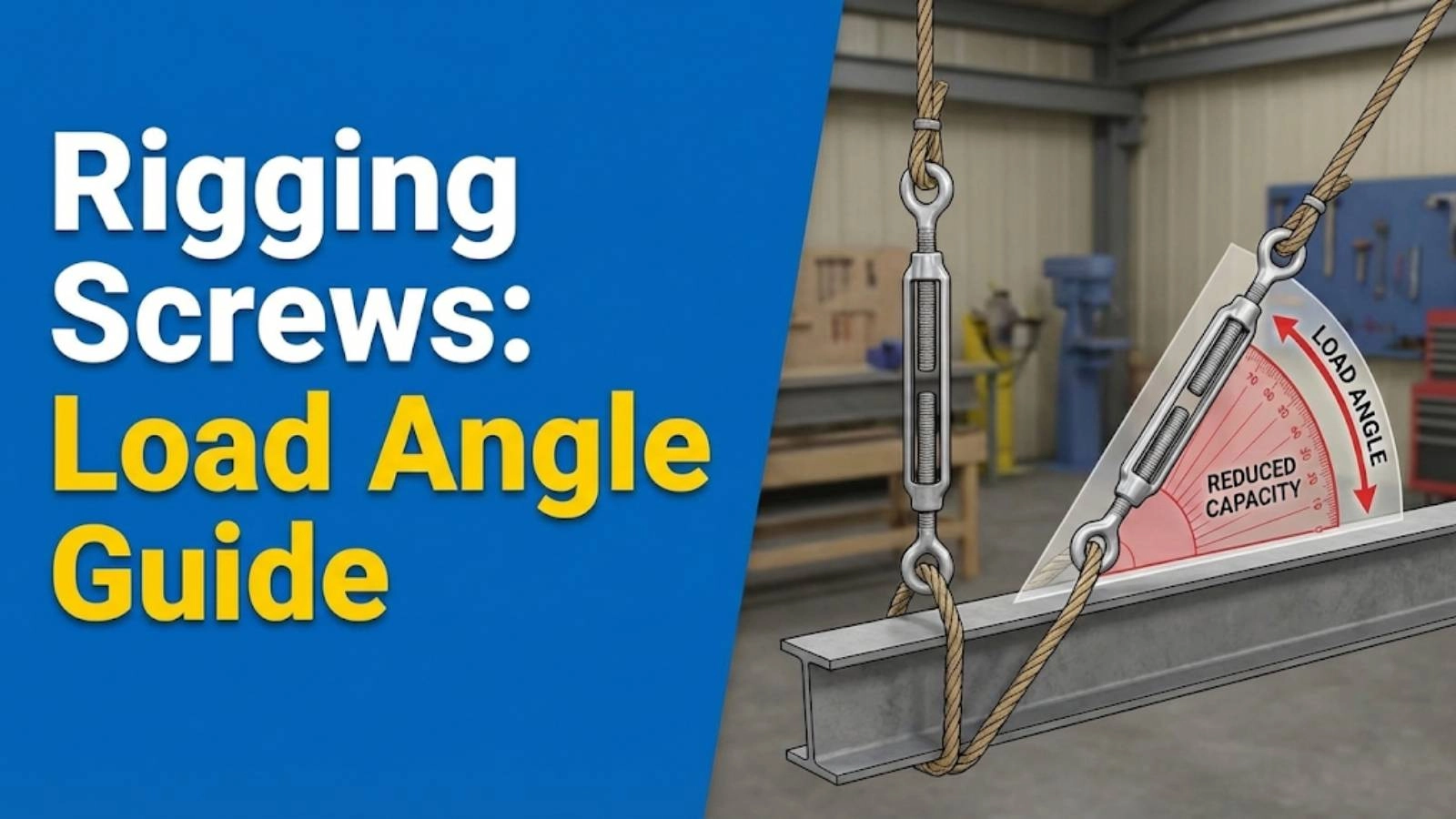
Misalignment and improper loading can place undue stress on rigging screws, leading to premature failure. Ensure that rigging screws are properly aligned with the load and anchor points to distribute the force evenly. Avoid side loading or bending, as this can significantly reduce the rigging screw’s load-bearing capacity. Use appropriate shackles or other hardware to connect the rigging screw to the load and anchor points, ensuring a secure and aligned connection. Regularly inspect the rigging system to identify and correct any signs of misalignment or improper loading.
“Regular inspections and proper maintenance are critical to ensuring the longevity and safety of rigging screws. Don’t compromise on safety—replace worn or damaged components immediately.” – John Smith, Lead Safety Inspector
Case Studies: Real-World Examples of Rigging Screw Applications
Securing Wind Turbine Components During Transport
Wind turbine components, such as blades and tower sections, are exceptionally large and heavy, requiring specialized load security methods during transportation. Rigging screws are used extensively to secure these components to transport vehicles, ensuring they remain stable and do not shift during transit. Precise tensioning is crucial to prevent damage from vibrations and movements. SSTC provides customized rigging solutions, ensuring safe transportation, adhering to stringent safety standards.
Stabilizing a Bridge Section During Construction
During bridge construction, rigging screws play a vital role in stabilizing bridge sections as they are lifted and positioned. These sections often weigh several tons, demanding robust and reliable rigging systems. Rigging screws allow for fine adjustments, ensuring accurate alignment and secure placement. The adjustable tension capability is particularly beneficial in compensating for slight variations in load distribution and environmental conditions. SSTC’s involvement in several bridge construction projects has highlighted the critical role rigging screws play in ensuring structural integrity and worker safety.
Supporting Stage Lighting Equipment in Theaters
In theaters and entertainment venues, rigging screws are essential for supporting stage lighting equipment. These lights are often suspended high above the stage, requiring secure and adjustable rigging systems. Rigging screws allow for precise positioning and alignment of the lights, ensuring optimal illumination for performances. The ability to easily adjust the tension and position of the lights makes rigging screws invaluable for creating dynamic and visually appealing stage setups.
Industry Standards and Regulations for Rigging Screws
OSHA Requirements for Lifting and Rigging
The Occupational Safety and Health Administration (OSHA) sets forth comprehensive requirements for lifting and rigging equipment to ensure workplace safety. These regulations cover the inspection, maintenance, and proper use of rigging screws, among other equipment. OSHA mandates regular inspections to identify any signs of damage or wear that could compromise the rigging screw’s integrity. Employers are responsible for training employees on safe rigging practices and ensuring that all equipment meets OSHA standards. Compliance with OSHA regulations is essential for preventing accidents and maintaining a safe working environment.
ASTM Standards for Material and Performance
ASTM International develops and publishes technical standards for a wide range of materials, products, systems, and services. ASTM standards for rigging screws specify the material requirements, performance criteria, and testing methods. These standards ensure that rigging screws are manufactured to meet specific strength and durability requirements. Compliance with ASTM standards provides assurance that the rigging screws are fit for their intended purpose and will perform safely under specified conditions. Manufacturers often use ASTM standards as a benchmark for product quality and performance.
ISO Standards for Quality and Safety
The International Organization for Standardization (ISO) develops and publishes international standards that promote quality, safety, and efficiency. ISO standards for rigging screws cover various aspects, including design, manufacturing, testing, and quality control. These standards help to ensure that rigging screws are produced to a consistent level of quality and that they meet international safety requirements. Compliance with ISO standards demonstrates a commitment to quality and safety, enhancing the credibility and reliability of rigging screw manufacturers and suppliers.
Conclusion
In summary, understanding and leveraging rigging screw benefits is crucial for enhancing load security across diverse industries. By selecting the right rigging screw, implementing best practices for safe usage, and adhering to industry standards, you can ensure the stability and security of your loads. We, at Safe and Secure Trading Company, are dedicated to providing high-quality rigging equipment and expert guidance to help you achieve optimal load security. Rigging screws offer precise tensioning, enhanced stability, and reduced risk of slippage, making them invaluable in securing cargo, stabilizing structures, and supporting heavy lifting operations. Remember to conduct regular inspections, avoid overloading, and maintain proper alignment to maximize the lifespan and safety of your rigging screws. We are committed to your safety and success.
FAQ Section
Q: What is the Safe Working Load (SWL) and why is it important?
A: The Safe Working Load (SWL) is the maximum load that a rigging screw is designed to safely handle. Exceeding the SWL can lead to catastrophic failure and is extremely dangerous. Always ensure the rigging screw’s SWL meets or exceeds the requirements of the application.
Q: How often should I inspect rigging screws?
A: Rigging screws should be inspected before each use for signs of damage, wear, or corrosion. Regular inspections are crucial for identifying potential issues and preventing accidents.
Q: What type of lubricant should I use on rigging screw threads?
A: Use a lubricant specifically designed for threaded metal components. A penetrating oil or grease can help to reduce friction and prevent corrosion.
Q: Can I use a steel rigging screw in a saltwater environment?
A: While possible, it is not recommended. Stainless steel rigging screws are more suitable for saltwater environments due to their superior corrosion resistance. If using steel rigging screws, ensure they are adequately coated and regularly inspected.
Q: What should I do if I encounter difficulty adjusting a rigging screw?
A: First, clean and lubricate the threads. If the rigging screw remains difficult to adjust, inspect for thread damage or deformation. If necessary, replace the rigging screw to avoid potential safety hazards.
Q: How do I ensure proper alignment when using rigging screws?
A: Use appropriate shackles or other hardware to connect the rigging screw to the load and anchor points. Ensure that the rigging screw is aligned with the load path and avoid side loading or bending.
Q: What are some common applications for rigging screws?
A: Common applications include securing cargo in transportation, stabilizing structures in construction, supporting temporary installations, and heavy lifting operations.
Q: How can I prevent corrosion on steel rigging screws?
A: Apply a corrosion-resistant coating, such as galvanization or epoxy paint. Regularly clean the rigging screws and reapply the coating as needed.
Q: What are the benefits of using multiple rigging screws for load distribution?
A: Using multiple rigging screws distributes the load evenly, reducing stress on individual components and minimizing the risk of overloading. This enhances the overall stability and security of the rigging system.
Q: What standards should I be aware of when selecting and using rigging screws?
A: Be aware of OSHA requirements for lifting and rigging, ASTM standards for material and performance, and ISO standards for quality and safety. Compliance with these standards helps ensure the safe and reliable operation of rigging screws.