Sling Load Limits: Are You Sure?
Ensuring safety in lifting operations hinges critically on understanding and adhering to sling load limits. At Safe and Secure Trading Company (SSTC), we emphasize that a miscalculation can lead to catastrophic consequences, including equipment damage, severe injuries, or even fatalities. This comprehensive guide details how to accurately calculate sling load limits, covering essential factors such as sling angle, load weight, and sling type.
Understanding the Importance of Sling Load Limits
The significance of adhering to sling load limits cannot be overstated. When rigging equipment is pushed beyond its intended capacity, the risk of failure increases exponentially. This is why we prioritize educating our clients on best practices for safe lifting.
The High Cost of Incorrect Calculations
Incorrect sling load calculations can lead to devastating outcomes. Overloaded slings are prone to breakage, which can cause the load to drop unexpectedly. This not only damages the load itself but also puts nearby workers at serious risk. We’ve seen instances where seemingly minor miscalculations have resulted in major incidents. For example, a client once underestimated the sling angle, leading to a tension overload that snapped a cable. We always stress the need for double-checking calculations. The consequences of neglecting the safety factor can be severe.
Overview of Sling Types and Their Applications
Understanding the different sling types is essential for selecting the right tool for the job. The most common sling types include chain slings, wire rope slings, and synthetic slings. Each type has unique properties that make it suitable for specific applications. Chain slings, for instance, are highly durable and resistant to abrasion, making them ideal for harsh environments. Wire rope slings offer a good balance of strength and flexibility, while synthetic slings are lightweight and easy to handle, perfect for delicate loads. Our team in Dubai often consults on projects where selecting the correct sling type is vital for operational success.
Understanding OSHA Regulations on Sling Loads
Compliance with OSHA regulations is not just a legal requirement but a moral imperative. OSHA sets specific guidelines for sling usage, inspection, and maintenance to ensure worker safety. These regulations cover aspects such as sling load limits, inspection frequency, and removal criteria for damaged slings. Staying up-to-date with these regulations is crucial for preventing accidents and maintaining a safe working environment. According to OSHA, all slings must have permanently affixed identification stating the sling type, rated capacity, and angle at which the rated capacity is based. We regularly conduct training sessions to help our clients understand and comply with OSHA standards.
Identifying Common Calculation Errors
Many accidents occur due to simple but critical errors in calculating sling load limits. Being aware of these potential pitfalls can help prevent accidents and ensure safer lifting operations.
Overlooking Sling Angle Effects
The sling angle significantly affects the tension on each sling leg. As the angle decreases, the tension increases dramatically. This is a common point of confusion. For example, a sling at a 30-degree angle experiences twice the tension compared to a sling at a vertical angle. We’ve seen that neglecting to account for sling angle is a frequent cause of overloads. Therefore, always accurately measure and incorporate the sling angle into your calculations.
Ignoring Sling Weight in Calculations
While often overlooked, the weight of the sling itself contributes to the overall load. This is particularly important when using heavy chain slings. Failing to include the sling weight in your calculations can lead to an underestimation of the total load. When our team conducts on-site assessments, we always make sure to include the sling weight in our calculations.
Neglecting Load Distribution
Uneven load distribution can create significant imbalances in sling tension. If the load is not properly balanced, one sling leg may bear a disproportionate share of the weight. This can easily overload a single sling, even if the overall load is within the sling load limits. Therefore, ensure that the load is evenly distributed and that each sling leg is carrying its fair share of the weight.
Mastering the Sling Load Limit Calculation
Accurate calculation of sling load limits is essential for safe lifting operations. This involves understanding the working load limit (WLL), applying the safety factor correctly, and calculating sling tension.
Calculating the Working Load Limit (WLL)
The working load limit (WLL), also known as the rated capacity, is the maximum weight that a sling can safely lift. This value is typically provided by the sling manufacturer and is clearly marked on the sling. It is crucial never to exceed the WLL. The WLL is determined by dividing the minimum breaking strength (MBS) by the safety factor. We advise always consulting the sling’s documentation or contacting the manufacturer if you are unsure about the WLL.
Applying the Safety Factor Correctly
The safety factor is a critical element in determining the WLL. It is a ratio that ensures the sling’s actual breaking strength is significantly higher than the maximum load it is expected to bear. Different sling types and applications require different safety factors. For example, overhead lifting typically requires a higher safety factor than non-overhead lifting. Using an insufficient safety factor can lead to premature sling failure. “The safety factor is your margin of error; never compromise on it,” says John Smith, Lead Safety Inspector.
Calculating Sling Tension: The Formula Explained
Calculating the tension on each sling leg is a critical step in determining whether the sling load limits are being observed. The formula for calculating sling tension is:
T = (W / N) (L / H)
Where:
- T = Tension on each sling leg
- W = Total load weight
- N = Number of sling legs supporting the load
- L = Length of the sling leg
- H = Vertical height from the load to the suspension point
This formula accounts for both the load weight and the sling angle. By accurately calculating the tension on each sling leg, you can ensure that it does not exceed the WLL.
Step-by-Step Guide to Calculating Sling Load Limits
This step-by-step guide provides a practical approach to calculating sling load limits, ensuring accuracy and safety in your lifting operations.
Step 1: Determine Load Weight Accurately
Accurately determining the load weight is the first and most crucial step in calculating sling load limits. Underestimating the load weight can lead to dangerous overloads, while overestimating it can result in unnecessary use of heavier rigging equipment. Use calibrated scales or load cells to measure the weight as precisely as possible. When dealing with irregularly shaped objects, consult engineering drawings or use estimation techniques, always erring on the side of caution. We once encountered a situation where a client underestimated the weight of a steel beam by nearly 20%, highlighting the importance of accurate measurement.
Step 2: Measure the Sling Angle Precisely
Measuring the sling angle precisely is vital because, as the sling angle decreases, the tension on each sling leg increases significantly. Use a protractor, inclinometer, or angle finder to measure the angle between the sling leg and the horizontal plane. Remember that angles closer to the horizontal plane result in higher tension. If you’re working with complex rigging setups, consider using laser measurement tools for increased accuracy. A seemingly small error in angle measurement can lead to a substantial difference in calculated tension.
Step 3: Calculate the Tension on Each Sling Leg
Using the formula mentioned earlier (T = (W / N) (L / H)), calculate the tension on each sling leg. Ensure that you are using consistent units of measurement (e.g., pounds or kilograms). Double-check your calculations to avoid errors. This step provides a clear understanding of the forces acting on each sling leg, allowing you to compare them to the WLL. This calculation is essential to confirm that no single sling is overloaded.
Step 4: Compare Calculated Tension to WLL
Compare the calculated tension on each sling leg to the WLL of the sling. The calculated tension must be less than or equal to the WLL. If the calculated tension exceeds the WLL, you must use a sling with a higher WLL or adjust the rigging configuration to reduce the tension. This comparison ensures that the rigging equipment is operating within its safe limits, preventing potential failures. If the tension is too close to the WLL, consider using a sling with a higher rated capacity to provide an extra margin of safety.
Advanced Considerations for Complex Lifts
Complex lifts require careful consideration of additional factors beyond the basic sling load limit calculations. These factors include uneven load distribution, load sharing principles when using multiple slings, and dynamic loading effects.
Uneven Load Distribution and Its Impact
Uneven load distribution occurs when the weight of the load is not evenly supported by the slings. This can happen due to the load’s geometry, the placement of the lifting points, or the flexibility of the load itself. Uneven load distribution can lead to one or more slings being overloaded while others are underutilized. To mitigate this, ensure that the lifting points are positioned to distribute the weight evenly. Use load equalizers or spreader beams to balance the load and prevent individual slings from being overloaded. Our engineering team often designs custom lifting solutions to address complex load distribution challenges.
Using Multiple Slings: Load Sharing Principles
When using multiple slings to lift a load, it is essential to understand the load-sharing principles. Ideally, each sling should carry an equal share of the load. However, in practice, this may not always be the case due to variations in sling length, elasticity, or rigging hardware. Use matched sets of slings with the same length and material properties to ensure equal load sharing. Regularly inspect the slings to identify any signs of uneven wear or elongation, which can indicate unequal load distribution. Proper load sharing is crucial for maximizing the safety and efficiency of multi-sling lifting operations.
Dynamic Loading and Shock Factors
Dynamic loading refers to the additional forces imposed on the slings due to sudden movements, starts, stops, or impacts. These dynamic loads can significantly increase the tension on the slings, potentially exceeding the WLL. To account for dynamic loading, apply a shock factor to the load weight. The shock factor depends on the severity of the dynamic loading conditions. For smooth, controlled lifts, a shock factor of 1.1 may be sufficient. For more dynamic conditions, such as those involving rapid acceleration or deceleration, a higher shock factor (e.g., 1.5 or 2.0) may be necessary. Always err on the side of caution when estimating shock factors.
Choosing the Right Sling for the Job
Selecting the appropriate sling type is crucial for ensuring safety and efficiency in lifting operations. Each sling type—chain, wire rope, and synthetic—has unique characteristics that make it suitable for specific applications.
Chain Slings: Advantages and Limitations
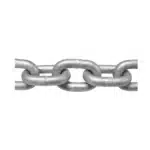
Chain slings are known for their durability, strength, and resistance to abrasion and high temperatures. They are ideal for heavy-duty lifting in harsh environments. However, chain slings are also heavy and can be more difficult to handle compared to other sling types. They are susceptible to corrosion and can be damaged by impact loading. Regularly inspect chain slings for signs of wear, elongation, or distortion. Chain slings are commonly used in construction, manufacturing, and rigging applications.
Wire Rope Slings: Strength and Flexibility
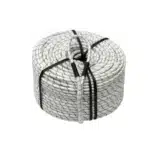
Wire rope slings offer a good balance of strength and flexibility. They are more flexible than chain slings but less resistant to abrasion and high temperatures. Wire rope slings are available in various constructions, each with different properties. For example, independent wire rope core (IWRC) slings offer higher strength and resistance to crushing compared to fiber core slings. Regularly inspect wire rope slings for signs of wire breaks, corrosion, or kinking. Wire rope slings are widely used in crane and rigging applications.
Synthetic Slings: Lightweight and Versatile
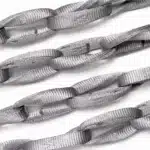
Synthetic slings, made from materials like nylon or polyester, are lightweight, easy to handle, and non-conductive. They are ideal for lifting delicate or finished loads that could be damaged by chain or wire rope slings. Synthetic slings are also resistant to chemical attack and moisture. However, they are susceptible to abrasion, cutting, and UV degradation. Regularly inspect synthetic slings for signs of cuts, tears, or fading. Synthetic slings are commonly used in the entertainment industry, aerospace, and applications where load protection is critical.
Implementing a Sling Inspection Program
A comprehensive sling inspection program is essential for identifying and removing damaged slings from service. Regular inspections help prevent accidents and ensure that rigging equipment is in safe operating condition.
Frequency and Scope of Inspections
Slings should be inspected regularly, with the frequency depending on the severity of the operating conditions. At a minimum, slings should be inspected before each use (pre-use inspection) and periodically (e.g., monthly or quarterly) by a qualified person. Pre-use inspections should focus on readily visible damage, such as cuts, tears, kinks, or corrosion. Periodic inspections should be more thorough and include detailed measurements and documentation. The scope of the inspection should cover the entire sling, including the body, end fittings, and any attachments. We recommend keeping a detailed log of all inspections.
Identifying and Removing Damaged Slings
Damaged slings should be immediately removed from service to prevent their use in lifting operations. Criteria for removing slings from service include:
- Cuts, tears, or abrasions exceeding allowable limits
- Kinks, crushing, or distortion
- Corrosion or pitting
- Broken wires or strands
- Damaged or deformed end fittings
- Missing or illegible identification tags
Any sling that exhibits these or other signs of damage should be taken out of service and either repaired (if permitted by the manufacturer) or discarded. We recommend using a tagging system to clearly identify slings that have been removed from service.
Maintaining Inspection Records
Maintaining accurate and detailed inspection records is crucial for tracking the condition of slings over time. Inspection records should include the date of the inspection, the name of the inspector, the sling identification number, the inspection findings, and any actions taken (e.g., removal from service, repair). These records can help identify trends in sling damage, allowing you to proactively address potential issues. Inspection records are also essential for demonstrating compliance with OSHA regulations.
Real-World Examples and Case Studies
Examining real-world examples and case studies can provide valuable insights into the importance of accurate sling load calculations and the potential consequences of errors.
Case Study 1: Preventing a Crane Accident through Proper Calculation
A construction company was lifting a large precast concrete panel using a crane and four-leg chain slings. The initial sling load calculation overlooked the sling angle, resulting in an underestimation of the tension on each sling leg. During the lift, one of the slings snapped, causing the concrete panel to swing violently. Fortunately, no one was injured, but the incident resulted in significant property damage and project delays. A subsequent investigation revealed that the sling had been overloaded due to the incorrect sling load calculation. This incident highlights the critical importance of accurately accounting for sling angle in load calculations.
Case Study 2: Optimizing Lifting Operations for Efficiency and Safety
A manufacturing facility was using oversized slings for all of its lifting operations, resulting in unnecessary costs and reduced efficiency. An assessment of their lifting operations revealed that many of the lifts could be safely performed using smaller, lighter slings. By implementing a sling load calculation program and selecting the appropriate slings for each lift, the facility was able to reduce its sling inventory, improve lifting efficiency, and enhance worker safety. This case study demonstrates the benefits of optimizing lifting operations through proper sling selection and load calculation.
Troubleshooting Common Sling Load Problems
Addressing common sling load problems proactively can help prevent accidents and ensure safe lifting operations.
Addressing Overloaded Slings
Overloaded slings are a primary cause of lifting accidents. If you suspect that a sling is overloaded, immediately stop the lifting operation and reassess the load weight, sling angle, and rigging configuration. Use a sling with a higher WLL or adjust the rigging to reduce the tension on each sling leg. Never attempt to continue a lift with an overloaded sling. Regularly train workers on how to identify overloaded slings and the proper procedures for addressing them.
Resolving Sling Slippage Issues
Sling slippage can occur due to improper sling selection, worn sling surfaces, or inadequate friction between the sling and the load. If you experience sling slippage, stop the lifting operation and inspect the sling for signs of wear or damage. Use slings with appropriate surface friction characteristics for the load being lifted. Apply friction-enhancing materials (e.g., rubber pads) between the sling and the load. Ensure that the load is properly balanced and that the sling is securely attached.
Preventing Sling Damage
Preventing sling damage is essential for extending the life of slings and ensuring their safe operation. Protect slings from sharp edges, abrasive surfaces, and extreme temperatures. Store slings properly when not in use, away from moisture, chemicals, and UV radiation. Regularly inspect slings for signs of damage and remove them from service if necessary. Train workers on proper sling handling and storage procedures.
Conclusion: Ensuring Safety with Accurate Sling Load Calculations
In conclusion, mastering sling load limits is paramount for ensuring safety and efficiency in all lifting operations. By understanding the factors that affect sling tension, accurately calculating load limits, and implementing a comprehensive inspection program, you can significantly reduce the risk of accidents and create a safer working environment. Remember, proper planning and attention to detail are key to successful and safe lifting operations. We are committed to providing you with the knowledge and resources necessary to achieve this.
FAQ Section
Q: What is the most important factor to consider when calculating sling load limits?
A: The most important factor is accurately determining the load weight and the sling angle. These two factors have the most significant impact on the tension on each sling leg.
Q: How often should slings be inspected?
A: Slings should be inspected before each use (pre-use inspection) and periodically (e.g., monthly or quarterly) by a qualified person. The frequency of periodic inspections should depend on the severity of the operating conditions.
Q: What should I do if I suspect that a sling is overloaded?
A: Immediately stop the lifting operation and reassess the load weight, sling angle, and rigging configuration. Use a sling with a higher WLL or adjust the rigging to reduce the tension on each sling leg. Never continue a lift with an overloaded sling.
Q: Can I repair a damaged sling?
A: Whether a damaged sling can be repaired depends on the type of sling and the nature of the damage. Some sling types (e.g., chain slings) may be repairable by qualified personnel, while others (e.g., synthetic slings) typically cannot be repaired. Always consult the sling manufacturer’s recommendations before attempting to repair a damaged sling.
Q: Where can I find the working load limit (WLL) of a sling?
A: The WLL is typically marked on the sling’s identification tag. If the tag is missing or illegible, consult the sling’s documentation or contact the manufacturer.