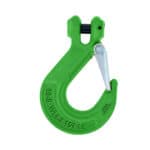
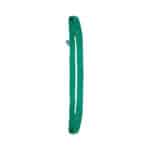
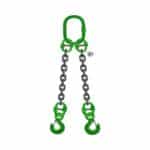
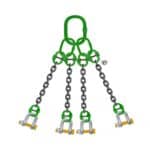
Sling storage longevity is a crucial aspect of maintaining safe and efficient lifting operations. Proper care and storage can significantly extend the lifespan of your slings, reducing replacement costs and ensuring the safety of your personnel. This guide, brought to you by Safe and Secure Trading Company (SSTC), will provide you with comprehensive instructions on how to maximize sling storage longevity.
Introduction: Why Sling Storage Matters
Investing in high-quality lifting slings is only half the battle. The way you store and maintain these slings plays a crucial role in their lifespan and overall safety. Neglecting proper storage can lead to premature wear, undetected damage, and potentially catastrophic failures. As we always say here at SSTC, safety starts with careful preparation.
The High Cost of Sling Replacement
Replacing damaged slings can be a significant financial burden for any organization. The cost of new slings, combined with the downtime caused by their replacement, can quickly add up. By implementing proper storage practices, you can significantly reduce the frequency of sling replacements and save money in the long run. For example, imagine a construction site needing to halt operations for half a day to replace a damaged sling – the lost productivity alone could be substantial.
Proper storage directly impacts your bottom line. A proactive approach to sling care minimizes unexpected expenses. Our team has seen companies reduce their annual sling replacement budget by as much as 30% simply by improving their storage and handling procedures.
Safety First: Preventing Accidents
The condition of your slings directly impacts workplace safety. Damaged or degraded slings are more likely to fail under load, potentially leading to serious accidents, injuries, or even fatalities. Improper sling storage can accelerate the degradation process, making slings unsafe for use.
Think about it – a sling stored improperly could develop hidden damage, like internal fiber weakening. This damage might not be visible during a quick inspection, but it could cause the sling to fail during a critical lift. At SSTC, we believe that safety is paramount. Proper sling storage is an essential component of any comprehensive safety program.
What This Guide Covers (Actionable Takeaways)
This guide provides practical, beginner-friendly advice on how to properly store and maintain your lifting slings. We will cover everything from understanding the different sling materials to choosing the right storage methods and implementing a sling rotation system. We’ll provide you with step-by-step instructions and expert tips to help you maximize the lifespan of your slings and ensure a safe working environment.
Here’s what you can expect to learn:
- Understanding the properties of different sling materials.
- Creating an ideal storage environment for your slings.
- Implementing effective sling cleaning and inspection procedures.
- Choosing the right storage method for your needs.
- Protecting slings from physical damage and environmental factors.
- Managing sling inventory and implementing a rotation system.
Understanding Web Sling Materials
The material composition of your web slings significantly influences their storage requirements. Understanding the properties of different materials will help you tailor your storage practices for optimal sling storage longevity.
Synthetic Web Slings: Nylon vs. Polyester
Synthetic web slings are typically made from either nylon or polyester. Each material has its own unique properties that affect its suitability for different applications and its storage needs.
- Nylon: Nylon slings offer excellent strength and elasticity, making them ideal for absorbing shock loads. However, nylon is susceptible to degradation from acids and should be stored away from such chemicals. It also stretches more than polyester, about 6-8% at rated capacity, which must be considered during lifting.
- Polyester: Polyester slings are more resistant to stretching and are less affected by acids, though they can be damaged by strong alkalis. They are a good choice for environments where chemical exposure is a concern. Polyester stretches less than nylon, only about 3% at rated capacity.
The properties of each material influence their storage needs. For example, nylon’s vulnerability to acids means that you must store nylon slings away from any potential acid exposure. Polyester’s greater resistance to chemicals makes it slightly more forgiving in certain environments.
Wire Rope Slings: Key Considerations
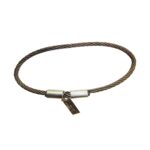
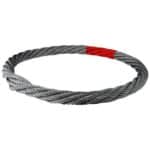
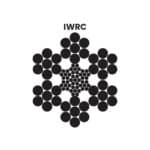
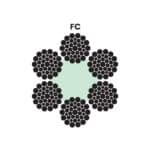
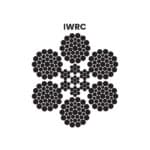
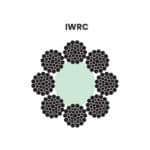
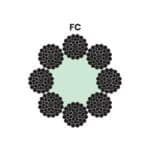
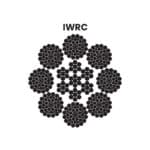
Wire rope slings are known for their strength and durability. However, they are susceptible to corrosion, especially in humid or marine environments. Proper lubrication and rust prevention are essential for maximizing the lifespan of wire rope slings.
Corrosion weakens the individual wires within the rope, reducing its overall strength and increasing the risk of failure. Regular inspection and maintenance are crucial for identifying and addressing corrosion before it becomes a serious problem.
When our team in Dubai tackles this issue, they often find that applying a quality rust inhibitor and storing wire rope slings in a dry environment dramatically extends their lifespan.
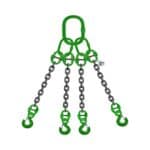
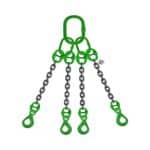
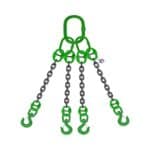
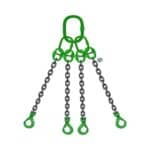
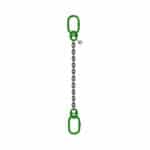
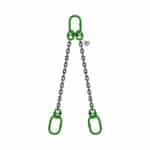
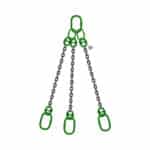
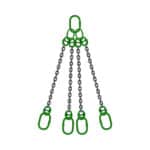
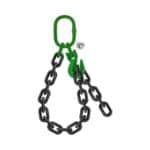
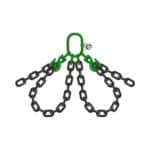
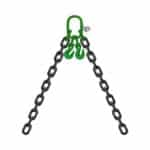
Chain Slings: Durability and Maintenance
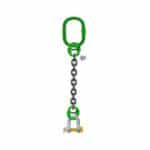
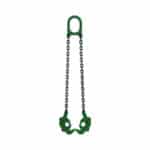
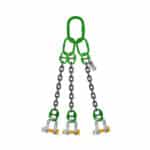
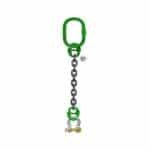
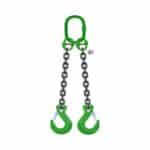
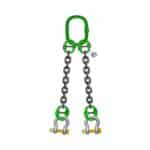
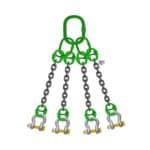
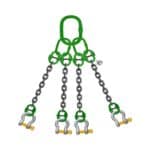
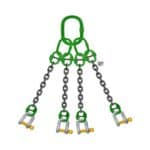
Chain slings are incredibly durable and resistant to many of the environmental factors that can damage web or wire rope slings. However, they are still susceptible to damage from impact, abrasion, and corrosion.
While chain slings don’t require the same level of stringent storage conditions as web slings, good storage practices can still extend their lifespan. Storing them in an organized manner, away from potential impact hazards, can prevent damage and make them easier to inspect and use.
For instance, avoid simply piling chain slings on top of each other or leaving them lying on the ground where they could be run over by equipment. A simple storage rack can make a big difference.
The Ideal Sling Storage Environment
Creating the right storage environment is critical for maximizing sling storage longevity. Controlling temperature, humidity, and exposure to harmful substances can significantly extend the lifespan of your slings.
Temperature and Humidity Control
Extreme temperatures can degrade sling materials, especially synthetic fibers. High temperatures can cause the fibers to weaken and become brittle, while low temperatures can make them stiff and inflexible. Humidity can also contribute to the degradation process, especially for wire rope slings, which are susceptible to corrosion.
Ideally, slings should be stored in a cool, dry environment with a stable temperature. Aim for a temperature range of 50-70°F (10-21°C) and a relative humidity of below 50%. A climate-controlled storage area is ideal, but even a well-ventilated indoor space can provide adequate protection.
Shielding from Direct Sunlight and UV Exposure
Ultraviolet (UV) radiation is a major enemy of synthetic slings. UV exposure can cause the fibers to break down and lose strength, leading to premature failure. Direct sunlight is a significant source of UV radiation.
To protect your slings from UV damage, store them indoors or in a shaded area. If outdoor storage is unavoidable, use UV-resistant covers to shield the slings from direct sunlight.
“We once had a user who got stuck on this step. They were storing slings under a tarp, thinking it was sufficient. However, the tarp itself was deteriorating and exposing the slings to UV light,” recalls John Smith, Lead Safety Inspector. The trick to avoid this is to use a dedicated UV-resistant cover specifically designed for sling protection.
Protection from Chemicals and Corrosive Substances
Exposure to chemicals and corrosive substances can severely damage slings, especially synthetic web slings. Acids, alkalis, solvents, and other chemicals can weaken the fibers and compromise the integrity of the sling.
Store slings away from chemical storage areas and any potential sources of chemical exposure. If slings are used in environments where chemical exposure is possible, clean them thoroughly after each use to remove any residual chemicals.
Here’s a list of common chemicals to avoid:
- Acids (e.g., sulfuric acid, hydrochloric acid)
- Alkalis (e.g., sodium hydroxide, potassium hydroxide)
- Solvents (e.g., acetone, toluene)
- Bleach
- Degreasers
Step-by-Step Guide to Sling Cleaning
Regular cleaning is an essential part of sling maintenance and can significantly contribute to sling storage longevity. Cleaning removes dirt, grime, and other contaminants that can accelerate wear and degradation.
Pre-Cleaning Inspection
Before cleaning any sling, it’s crucial to conduct a thorough inspection to identify any existing damage. Cleaning a damaged sling can actually make the damage worse or mask it, making it harder to detect later.
Look for the following signs of damage:
- Cuts
- Abrasions
- Chemical stains
- Broken stitches
- Distortions
If you find any significant damage, remove the sling from service immediately and do not attempt to clean it. Tag it appropriately and follow your company’s procedures for damaged sling removal.
Gentle Cleaning Methods for Web Slings
When cleaning web slings, use gentle methods to avoid damaging the fibers. Harsh chemicals or abrasive cleaners can weaken the sling and shorten its lifespan.
We recommend using mild soap and water. Mix a small amount of mild soap with warm water and use a soft brush or cloth to gently scrub the sling. Rinse thoroughly with clean water to remove all traces of soap.
Avoid using bleach or other harsh chemicals, as these can damage the synthetic fibers. Also, avoid using high-pressure washers, as they can force water into the core of the sling and make it difficult to dry properly.
Drying Techniques: Preventing Mildew and Rot
After cleaning, it’s essential to dry the sling thoroughly to prevent mildew and rot. Mildew can grow on damp synthetic fibers, weakening them and causing them to deteriorate.
Air-dry slings in a well-ventilated area. Hang them up or lay them flat on a clean surface, allowing air to circulate freely around them. Avoid using direct heat or sunlight to dry slings, as this can damage the fibers.
Make sure the sling is completely dry before storing it. This may take several days, depending on the humidity and temperature.
Sling Inspection Best Practices Before Storage
A thorough inspection before storing your slings is paramount. This practice ensures that damaged slings are identified and removed from service, preventing potential accidents and maximizing sling storage longevity.
Visual Inspection: What to Look For
A visual inspection is the first line of defense against damaged slings. It involves carefully examining the entire sling for any signs of wear, damage, or degradation.
Here’s a detailed checklist of what to look for:
- Cuts and Tears: Examine the entire sling for any cuts, tears, or punctures in the webbing. Pay close attention to the edges and areas that come into contact with loads.
- Abrasions: Look for areas where the webbing is worn or frayed. Abrasions can weaken the sling and make it more susceptible to failure.
- Chemical Damage: Inspect the sling for any signs of chemical exposure, such as discoloration, stiffness, or a sticky residue.
- Broken Stitches: Check the stitching for any broken or missing stitches. Broken stitches can compromise the strength of the sling.
- Distortions: Look for any distortions in the shape of the sling, such as kinks, twists, or bulges.
A sling should be rejected if it exhibits any of the following:
- Any cuts or tears that expose the core fibers
- Excessive abrasion that has significantly reduced the webbing thickness
- Significant chemical damage
- Broken or missing stitches that compromise the sling’s integrity
- Any distortions that indicate structural damage
Tactile Inspection: Feeling for Hidden Damage
In addition to visual inspection, a tactile inspection can help you detect hidden damage that may not be visible to the naked eye. This involves feeling the sling for any irregularities or stiffness.
Run your hands along the entire length of the sling, feeling for any lumps, bumps, or soft spots. Pay close attention to areas that are frequently exposed to loads or that may have come into contact with sharp edges.
Wear gloves during tactile inspection to protect your hands from sharp edges or splinters. Gloves also provide a better grip, making it easier to feel for subtle damage.
Documentation: Maintaining a Sling Inspection Log
Maintaining a sling inspection log is essential for tracking the condition of your slings and ensuring that they are inspected regularly. A log provides a record of inspection dates, findings, and any corrective actions taken.
Record the following information in your sling inspection log:
- Sling identification number
- Inspection date
- Inspector’s name
- Inspection findings (e.g., “minor abrasion,” “no damage”)
- Corrective actions taken (e.g., “sling removed from service”)
Use a digital or paper-based log, depending on your preference and company procedures. A digital log can be easier to search and analyze, while a paper-based log is often more convenient for use in the field.
> “Regular inspections and detailed record-keeping are the cornerstones of sling safety. Don’t skip this critical step!” – John Smith, Lead Safety Inspector
Choosing the Right Storage Method
Selecting the appropriate storage method is crucial for maintaining the condition and extending the sling storage longevity. Different methods offer varying levels of protection and convenience.
Hanging Slings: Benefits and Drawbacks
Hanging slings is an excellent way to prevent creasing, crushing, and other types of physical damage. When slings are hung, they are less likely to be compressed or rubbed against other objects, which can cause wear and tear.
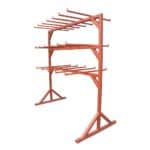
Use padded hooks or racks to hang slings. Padding prevents the slings from being damaged by sharp edges or rough surfaces. Ensure that the hooks or racks are strong enough to support the weight of the slings.
The drawback to hanging is that it requires dedicated space. If you have limited storage space, other methods may be more practical.
Coiling Slings: Proper Techniques
Coiling slings is a space-saving storage method that can be effective if done correctly. However, improper coiling can lead to kinking, twisting, and other types of damage.
To coil slings properly, start by laying the sling flat on the ground. Then, begin coiling it in a circular motion, being careful not to twist or kink the webbing. Secure the coiled sling with Velcro straps or rope to prevent it from uncoiling.
Avoid coiling slings too tightly, as this can compress the fibers and cause them to weaken. Also, avoid using wire or metal bands to secure coiled slings, as these can damage the webbing.
Using Designated Storage Racks or Cabinets
Designated storage racks or cabinets provide the best protection for slings. These solutions offer a dedicated space for storing slings, protecting them from physical damage, environmental factors, and chemical exposure.
Look for storage racks or cabinets with the following features:
- Ventilation: Ventilation helps to prevent mildew and rot by allowing air to circulate around the slings.
- Padding: Padding protects the slings from sharp edges and rough surfaces.
- Chemical resistance: Chemical-resistant materials prevent the slings from being damaged by chemical spills or fumes.
Specialized storage solutions may require a larger upfront investment, but the increased protection they provide can significantly extend the lifespan of your slings and reduce replacement costs.
Protecting Slings from Physical Damage
Protecting slings from physical damage is essential for maximizing their lifespan and ensuring their safety. Simple precautions can prevent abrasion, crushing, impact damage, and pest infestations, all contributing to sling storage longevity.
Preventing Abrasion and Cutting
Abrasion and cutting are common causes of sling damage. Storing slings near sharp edges or abrasive surfaces can quickly wear down the webbing and compromise its strength.
Store slings away from sharp edges, abrasive surfaces, and any other potential sources of friction. Use padding or protective sleeves to shield the slings from contact with these hazards.
Avoiding Crushing and Impact Damage
Crushing and impact damage can also weaken slings and make them unsafe for use. Storing slings in a location where they could be crushed by heavy objects or subjected to impacts can lead to internal fiber damage that is not immediately visible.
Store slings in a location where they won’t be crushed by heavy objects. This could be on a shelf, in a cabinet, or on a hanging rack. If slings are stored on the floor, make sure they are not in a high-traffic area where they could be stepped on or run over by equipment.
Pest Control: Preventing Damage from Rodents and Insects
Rodents and insects can also damage slings, especially synthetic web slings. Rodents may gnaw on the webbing, while insects may burrow into the fibers.
Store slings in a pest-free environment. This may require implementing pest control measures, such as setting traps or using insecticides. Regularly inspect your storage area for signs of pest activity and take action to eliminate any infestations.
Sling Rotation and Inventory Management
Implementing a sling rotation and inventory management system helps to ensure that all slings are used and inspected regularly, preventing some from sitting unused for extended periods while others are overused. This contributes to sling storage longevity and overall safety.
FIFO (First In, First Out) System
A FIFO (First In, First Out) system ensures that the oldest slings are used first. This prevents slings from sitting in storage for extended periods, which can lead to degradation and make them more susceptible to damage.
When a new sling is received, place it at the back of the storage area. When selecting a sling for use, always choose the one that has been in storage the longest.
Labeling and Identification
Clearly labeling slings with their load capacity and inspection date is essential for ensuring that they are used safely and inspected regularly. Labels should be durable, weather-resistant, and easy to read.
Include the following information on your sling labels:
- Sling identification number
- Load capacity
- Inspection date
- Material type
Use a color-coding system to further identify slings. For example, you could use different colored labels to indicate the sling’s material type or load capacity.
Regular Inventory Audits
Regular inventory audits help you keep track of your slings and identify any missing or damaged items. During an inventory audit, count all of your slings and compare the count to your inventory records.
Inspect each sling for damage and record any findings in your sling inspection log. Remove any damaged slings from service and replace them as needed.
Conduct inventory audits at least once a year, or more frequently if you have a large number of slings.
Advanced Tips for Sling Storage Longevity
Beyond the basics, several advanced techniques can further extend the lifespan of your slings and enhance their performance. These tips are particularly useful for high-value slings or those used in critical applications, contributing to sling storage longevity.
Consider Climate-Controlled Storage for High-Value Slings
For slings used in critical applications or those that represent a significant investment, consider storing them in a climate-controlled environment. This provides the ultimate protection against temperature extremes, humidity, and UV radiation.
A climate-controlled storage area can maintain a stable temperature and humidity level, preventing the degradation of sling materials. It can also filter out harmful UV radiation, further extending the lifespan of your slings.
While climate-controlled storage may not be feasible for all organizations, it is a worthwhile investment for those who rely on slings for critical operations.
Partner with a Sling Maintenance Specialist
Outsourcing sling inspection and maintenance to a professional can free up your internal resources and ensure that your slings are properly cared for. A sling maintenance specialist has the expertise and equipment to thoroughly inspect, clean, and repair slings, extending their lifespan and ensuring their safety.
A sling maintenance specialist can provide the following services:
- Detailed inspections using specialized equipment
- Cleaning and lubrication
- Minor repairs
- Certification
Partnering with a reputable sling maintenance specialist can provide peace of mind and ensure that your slings are always in top condition.
Stay Updated on Industry Best Practices
The field of sling storage and maintenance is constantly evolving, with new technologies and best practices emerging regularly. Staying informed about the latest guidelines can help you optimize your storage and maintenance procedures and ensure the safety of your operations.
Subscribe to industry newsletters, attend training courses, and participate in industry events to stay up-to-date on the latest developments.
“The best way to ensure the safety and longevity of your slings is to continuously learn and adapt,” says John Smith, Lead Safety Inspector.
Troubleshooting Common Sling Storage Problems
Even with the best storage practices, you may encounter some common problems. Here’s how to troubleshoot them and keep your slings in optimal condition, maximizing sling storage longevity.
Mildew Growth on Web Slings
Mildew can grow on damp web slings, weakening the fibers and causing them to deteriorate. To prevent mildew growth, ensure that slings are thoroughly dried after cleaning and stored in a well-ventilated area.
If mildew does grow on a sling, remove it as soon as possible. Use a mild mildew-resistant cleaning solution and a soft brush to gently scrub the affected area. Rinse thoroughly with clean water and allow the sling to air dry completely.
Rust Formation on Wire Rope Slings
Rust can form on wire rope slings, especially in humid environments. Rust weakens the wires and can lead to premature failure. To prevent rust formation, lubricate wire rope slings regularly with a rust inhibitor.
If rust does form on a sling, remove it with a wire brush. Apply a rust inhibitor to the affected area to prevent further corrosion. If the rust is severe, remove the sling from service.
Difficulty Identifying Sling Damage
Identifying sling damage can be challenging, especially for those who are not experienced in sling inspection. To improve your visual inspection skills, take a training course or consult with a sling maintenance specialist.
Use a magnifying glass or other inspection tools to help you see small details. Pay close attention to areas that are frequently exposed to loads or that may have come into contact with sharp edges.
Conclusion: Recap of Achievement
You’ve taken the first steps towards ensuring the safety and longevity of your lifting slings by learning about proper sling storage techniques. By implementing the tips and best practices outlined in this guide, you can significantly reduce replacement costs, prevent accidents, and maintain a safe working environment. Proper sling storage not only saves money but also protects your most valuable asset: your team.
Next Steps: Implementing Your Sling Storage Plan
Now it’s time to put what you’ve learned into practice. Develop a comprehensive sling storage plan that addresses the specific needs of your organization. Train your employees on proper storage and inspection procedures. And remember, commitment to sling storage longevity is an ongoing process.
We are confident that with the knowledge you’ve gained, you can create a safe and efficient lifting operation. Remember, at Safe and Secure Trading Company, we’re always here to help.
FAQ Section
Q: How often should I inspect my slings?
A: Slings should be inspected before each use and at least annually by a qualified person. More frequent inspections may be required depending on the frequency of use and the severity of the working environment.
Q: Can I repair a damaged sling?
A: Minor repairs may be possible, but only by a qualified sling repair technician. Never attempt to repair a sling yourself, as this could compromise its safety. It is always best to err on the side of caution.
Q: How long do slings typically last?
A: The lifespan of a sling depends on several factors, including the material, frequency of use, working environment, and storage conditions. With proper care and storage, slings can last for many years. However, it is essential to inspect them regularly and remove them from service if any damage is detected.
Q: What is the best way to clean a web sling?
A: The best way to clean a web sling is with mild soap and water. Avoid using harsh chemicals or abrasive cleaners, as these can damage the fibers. Rinse thoroughly with clean water and allow the sling to air dry completely.
Q: Where can I find more information about sling safety and storage?
A: Safe and Secure Trading Company offers a variety of resources on sling safety and storage, including training courses, inspection checklists, and technical guides. Contact us today to learn more.