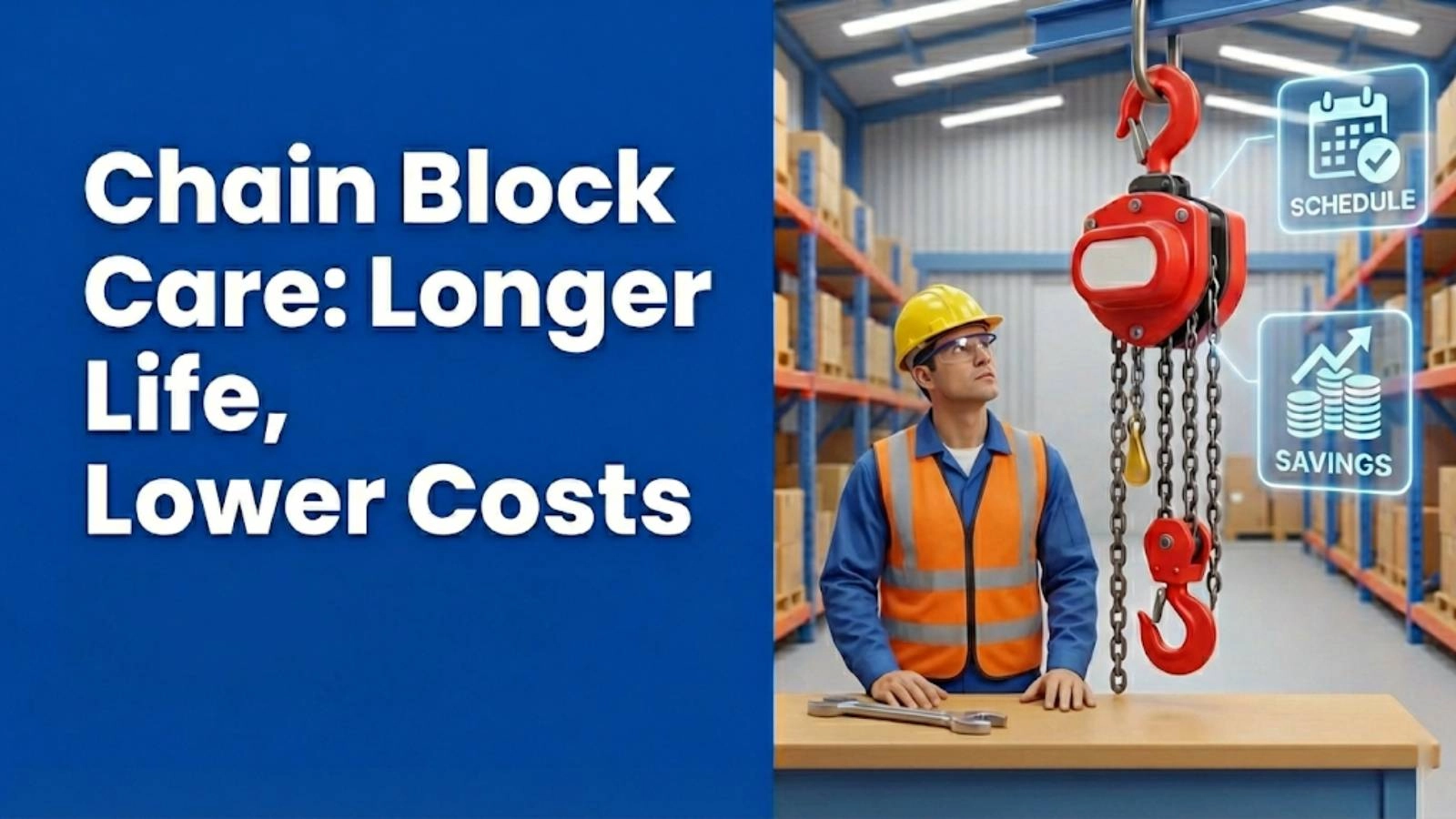
Here are common chain block mistakes and how to avoid them. Understanding these errors can help ensure safer and more efficient lifting operations. At Safe and Secure Trading Company (SSTC), we prioritize safety and efficiency in all lifting operations.
1. Neglecting Pre-Operation Inspection
💡 Daily pre-operation inspections are a cornerstone of safe lifting practices. These checks are essential for identifying potential issues early, preventing accidents, and ensuring the reliable performance of your lifting equipment. A quick but thorough inspection can save time and resources in the long run by preventing unexpected breakdowns.
1.1. Importance of Daily Inspection
Daily inspections are vital for detecting any signs of wear, damage, or malfunction before a chain block is put into use. By performing these checks, operators can proactively address minor issues before they escalate into major problems. For our clients in industrial settings, such as those in Jubail, we emphasize the importance of integrating these inspections into daily routines.
1.2. Key Components to Inspect
When conducting a pre-operation inspection, focus on critical components such as the load chain, hooks, and the overall body of the chain block. Look for signs of wear, corrosion, deformation, or cracks. Pay close attention to the hook latch to ensure it functions correctly. These components are essential for the safe and reliable operation of the manual chain hoist.
1.3. Documenting Inspections
Maintaining a log of inspections is crucial for tracking the condition of the chain block over time. Documenting the date, time, and findings of each inspection provides a valuable record for maintenance planning and troubleshooting. For example, we advise our clients to use a simple checklist to record their observations, which helps in identifying trends and potential issues.
1.4. Consequences of Skipping Inspections
Skipping pre-operation inspections can lead to unexpected failures during operation, potentially causing injuries and property damage. Undetected damage or wear can compromise the integrity of the chain block, leading to catastrophic failures under load. Here at Safe and Secure Trading Company, we always emphasize the high cost of neglecting these vital checks.
2. Exceeding the Working Load Limit (WLL)
✅ Overloading a chain block is one of the most dangerous chain block mistakes and can lead to catastrophic failure. Understanding the Working Load Limit (WLL) and adhering to it is crucial for safe lifting operations. Always ensure that the load weight is within the specified WLL to prevent accidents and equipment damage.
2.1. Understanding WLL and Safety Factors
The Working Load Limit (WLL) is the maximum load that a chain block is designed to lift safely. Safety factors are applied during the design and manufacturing process to account for variables and ensure a margin of safety. It’s essential to understand that exceeding the WLL can compromise the integrity of the chain block and lead to failure.
2.2. Identifying Load Weight Accurately
Accurately estimating the weight of the load before lifting is crucial for preventing overloads. Use calibrated scales or load cells to determine the weight of the load precisely. Never rely on guesswork or assumptions, as this can lead to dangerous situations. We often see incidents where a simple miscalculation leads to significant equipment damage.
2.3. Using Overload Protection Devices
Consider using chain blocks with built-in overload protection mechanisms. These devices are designed to prevent lifting if the load exceeds the WLL. Overload protection can significantly reduce the risk of accidents and equipment damage. It’s a feature we often recommend to our clients for added safety.
2.4. Risks of Overloading
Overloading significantly increases the risk of chain breakage and equipment failure. The stress on the chain, hooks, and other components can exceed their design limits, leading to sudden and catastrophic failure. Overloading can also cause permanent damage to the chain block, reducing its lifespan and reliability.
3. Improper Sling Usage
➡️ Sling usage is critical for safe and effective lifting. Selecting the right sling type, considering sling angles, and regularly inspecting slings for damage are essential steps. Improper sling usage can lead to load instability and potential accidents, highlighting the importance of proper training and technique.
3.1. Selecting the Right Sling Type
Choosing the appropriate sling material and configuration is vital for ensuring a safe lift. Different sling materials, such as wire rope, synthetic, and chain, have varying load capacities and resistance to wear and tear. Consider the specific requirements of the load and the environment when selecting a sling. We often advise using chain slings for heavy or abrasive loads.
3.2. Sling Angle Considerations
Sling angles significantly affect the load on each sling leg and the chain block. As the sling angle increases, the load on each leg also increases. It’s crucial to understand how sling angles impact the WLL and adjust accordingly. We remind our clients here in Dammam that steeper angles reduce the lifting capacity of the entire system.
3.3. Inspecting Slings for Damage
Regularly inspect slings for cuts, abrasions, and other forms of damage. Damaged slings can compromise the safety of the lift and lead to accidents. Remove any damaged slings from service immediately. We recommend establishing a sling inspection program as part of your overall safe lifting practices.
3.4. Safe Sling Attachment Techniques
Learn the correct methods for attaching slings to the load and the chain block hook. Ensure that the slings are properly seated in the hook and that the load is evenly distributed. Avoid using slings with knots or kinks, as these can weaken the sling and create stress points.
4. Ignoring Load Chain Maintenance
✨ Proper maintenance of the load chain is crucial for the longevity and safety of the chain block. Regular lubrication, inspection for wear, and proper storage are essential steps. Neglecting load chain maintenance can lead to corrosion, increased wear, and eventual failure.
4.1. Lubrication Best Practices
Regularly lubricating the load chain reduces friction and prevents corrosion. Use a high-quality lubricant specifically designed for chain blocks. Apply the lubricant to the entire length of the chain, ensuring that it penetrates into the links. We recommend lubricating the chain at least once a month, or more frequently in harsh environments.
4.2. Identifying Chain Wear and Elongation
Learn how to measure chain wear and elongation to determine when replacement is necessary. Excessive wear or elongation can indicate that the chain has been overloaded or is nearing the end of its service life. Use a chain gauge to measure the wear accurately. For many of our clients here in Dammam, we’ve seen that regular chain inspections extend the life of their equipment.
4.3. Proper Chain Storage
Store chain blocks in a clean, dry environment to prevent rust and corrosion. Avoid storing them in areas where they will be exposed to moisture, chemicals, or extreme temperatures. Properly coil the load chain to prevent tangling and kinking.
4.4. Chain Replacement Criteria
Understand the criteria for replacing a worn or damaged load chain. Replace the chain if it shows signs of excessive wear, elongation, or corrosion. Consult the manufacturer’s recommendations for specific replacement criteria. Replacing a worn chain is a small price to pay compared to the cost of an accident.
5. Operating with Damaged Hooks
➡️ Damaged hooks are a significant safety hazard and should be addressed immediately. Recognizing hook deformities, measuring hook throat opening, and ensuring proper latch functionality are crucial steps. Operating with damaged hooks can lead to load slippage and potential accidents.
5.1. Recognizing Hook Deformities
Learn to identify signs of hook damage, such as bending, cracks, and wear. Pay close attention to the hook tip and the area where the hook connects to the chain block body. Any signs of damage should be taken seriously. We advise our clients to train their operators to recognize these deformities.
5.2. Measuring Hook Throat Opening
Regularly measure the hook throat opening to detect signs of overloading or deformation. An increased throat opening indicates that the hook has been subjected to excessive stress. Use a hook gauge to measure the throat opening accurately.
5.3. Replacing Damaged Hooks Immediately
Never use a chain block with a damaged hook; replace it immediately. A damaged hook can fail under load, leading to a dangerous situation. Replacement hooks should be of the same type and capacity as the original hook.
5.4. Hook Latch Functionality
Ensure the hook latch is functioning correctly to prevent the load from slipping off. The latch should close securely and prevent the sling from disengaging from the hook. If the latch is damaged or missing, replace it immediately.
6. Neglecting Training and Certification
💡 Proper training and certification are essential for safe chain block operation. Formal training programs, understanding relevant safety standards, and hands-on practice are crucial components. Neglecting training can lead to improper usage and increased risk of accidents.
6.1. Importance of Formal Training Programs
Provide operators with formal training on the safe operation of chain blocks. Training should cover topics such as pre-operation inspections, load weight estimation, sling usage, and emergency procedures. Formal training programs ensure that operators have the knowledge and skills necessary to operate chain blocks safely.
6.2. Understanding Relevant Safety Standards
Familiarize operators with relevant safety standards and regulations. Standards such as ASME B30.16 provide guidelines for the safe operation and maintenance of overhead hoists. Understanding these standards helps operators comply with industry best practices and legal requirements.
6.3. Hands-On Practice and Competency Assessment
Include hands-on practice and competency assessments in training programs. Hands-on practice allows operators to apply their knowledge in a controlled environment. Competency assessments ensure that operators have mastered the necessary skills before operating chain blocks independently.
6.4. Refresher Training and Updates
Provide refresher training periodically to keep operators up-to-date on best practices. Safety standards and regulations can change over time, so it’s important to keep operators informed. Refresher training also helps reinforce safe operating procedures.
7. Performing Makeshift Repairs
✅ Makeshift repairs can compromise the safety and integrity of the chain block. Avoiding unauthorized modifications, using genuine replacement parts, and seeking professional repair services are crucial steps. Improper repairs can lead to equipment failure and potential accidents.
7.1. Avoiding Unauthorized Modifications
Never attempt to modify or repair a chain block without proper authorization and training. Unauthorized modifications can compromise the structural integrity of the equipment and void the manufacturer’s warranty. Always consult with a qualified technician before making any repairs.
7.2. Using Genuine Replacement Parts
Only use genuine replacement parts from the manufacturer to ensure compatibility and safety. Aftermarket parts may not meet the same quality standards as genuine parts, potentially leading to premature failure. Using genuine parts helps maintain the original design specifications of the chain block.
7.3. Documenting Repairs and Maintenance
Maintain a record of all repairs and maintenance performed on the chain block. This record provides a valuable history of the equipment’s condition and helps in identifying potential issues. Documentation should include the date of the repair, the nature of the repair, and the parts used.
7.4. Seeking Professional Repair Services
For complex repairs, seek the services of a qualified technician. Professional technicians have the knowledge, skills, and tools necessary to perform repairs safely and effectively. Attempting to perform complex repairs without proper training can lead to further damage or injury.
8. Uncontrolled Load Movement
➡️ Controlled load movement is essential for safe lifting operations. Emphasizing smooth lifting, avoiding jerky movements, using spotters, and employing load stabilization techniques are crucial steps. Uncontrolled load movement can lead to accidents and equipment damage.
8.1. Importance of Smooth, Controlled Lifting
Emphasize the need for smooth, controlled lifting and lowering of loads. Avoid sudden starts and stops, as these can create shock loads that exceed the WLL. Smooth lifting helps maintain stability and reduces the risk of accidents.
8.2. Avoiding Jerky Movements
Jerky movements can create shock loads that exceed the WLL and damage the equipment. These sudden forces can stress the chain, hooks, and other components beyond their design limits. Lift and lower loads gradually to minimize shock loads.
8.3. Spotter Communication and Hand Signals
Use spotters to guide the operator and ensure clear communication using standard hand signals. Spotters can provide valuable assistance in navigating obstacles and ensuring that the load is lifted safely. Establish clear communication protocols before starting the lift.
8.4. Load Stabilization Techniques
Employ techniques to stabilize the load and prevent swinging or tilting during lifting. Use tag lines to control the movement of the load and prevent it from swinging. Ensure that the load is balanced and properly secured before lifting.
9. Environmental Factors and Their Impact
✨ Environmental factors can significantly affect the performance and lifespan of chain blocks. Understanding the impact of temperature extremes, corrosive environments, dust contamination, and welding activities is crucial. Taking precautions to protect chain blocks from these factors can extend their service life and ensure safe operation.
9.1. Temperature Extremes
Understand how extreme temperatures can affect the strength and performance of the chain block. Extreme heat can weaken the metal components, while extreme cold can make them brittle. Consult the manufacturer’s recommendations for operating temperature limits.
9.2. Corrosive Environments
Take precautions to protect chain blocks from corrosive environments, such as those found in chemical plants or coastal areas. Corrosion can weaken the metal components and lead to premature failure. Use chain blocks made from corrosion-resistant materials and apply protective coatings. We’ve seen firsthand how quickly corrosion can damage equipment in coastal areas.
9.3. Dust and Debris Contamination
Keep chain blocks clean and free from dust and debris, which can accelerate wear and tear. Dust and debris can act as abrasives, causing increased friction and wear on moving parts. Regularly clean the chain block with a brush or compressed air.
9.4. Effects of Welding and Grinding Nearby
Shield chain blocks from sparks and debris generated by welding and grinding activities. Sparks can damage the chain and other components, while debris can contaminate the internal mechanisms. Use protective covers or barriers to shield the chain block from these hazards.
10. Improper Storage of Chain Blocks
✅ Proper storage is essential for maintaining the condition and longevity of chain blocks. Establishing designated storage areas, protecting from moisture, avoiding tangled chains, and maintaining regular inventory are crucial steps. Improper storage can lead to damage, corrosion, and loss.
10.1. Designated Storage Areas
Establish designated storage areas for chain blocks to prevent damage and loss. These areas should be clean, dry, and well-organized. Clearly label the storage areas and ensure that all employees know where to store chain blocks when not in use.
10.2. Protecting from Moisture and Corrosion
Store chain blocks in a dry environment to prevent rust and corrosion. Moisture can quickly lead to rust, which can weaken the metal components. Use desiccant packs or dehumidifiers to control moisture levels in the storage area.
10.3. Avoiding Tangled Chains
Properly coil and store the load chain to prevent tangling and kinking. Tangled chains can be difficult to untangle and can create stress points that weaken the chain. Use chain bags or racks to keep the chains organized and prevent tangling.
10.4. Regular Inventory and Accountability
Maintain a regular inventory of chain blocks to track their location and condition. This helps prevent loss and ensures that all chain blocks are accounted for. Conduct periodic inspections of the stored chain blocks to identify any signs of damage or deterioration.
11. Failure to Lockout/Tagout During Maintenance
➡️ Implementing lockout/tagout procedures is crucial for preventing accidents during maintenance. Identifying energy sources, applying locks and tags correctly, and verifying isolation are essential steps. Failure to lockout/tagout can lead to accidental activation of the chain block and potential injuries.
11.1. Lockout/Tagout Procedures
Implement lockout/tagout procedures to prevent accidental activation of the chain block during maintenance. These procedures involve isolating the chain block from its energy source and placing locks and tags to prevent it from being turned on. Lockout/tagout procedures are required by OSHA and other safety regulations.
11.2. Identifying Energy Sources
Identify all potential energy sources that could pose a hazard during maintenance. These energy sources may include electrical power, compressed air, or hydraulic pressure. Ensure that all energy sources are properly isolated before starting any maintenance work.
11.3. Applying Locks and Tags Correctly
Ensure that locks and tags are applied correctly and that all affected employees are notified. Locks and tags should be placed on the energy isolating devices in a way that prevents them from being turned on. All affected employees should be informed of the lockout/tagout procedure and the reasons for it.
11.4. Verifying Isolation Before Starting Work
Verify that the chain block is completely isolated before starting any maintenance work. This can be done by testing the chain block to ensure that it cannot be activated. Double-check all energy isolating devices to ensure that they are properly locked and tagged.
12. Using Chain Blocks for Unintended Purposes
💡 Chain blocks are designed for specific lifting tasks, and using them for unintended purposes can be dangerous. Sticking to the manufacturer’s intended use, avoiding side loading, and adhering to personnel lifting restrictions are crucial steps. Using chain blocks for unintended purposes can lead to equipment damage and potential accidents.
12.1. Sticking to Manufacturer’s Intended Use
Only use chain blocks for the purposes for which they were designed and intended. Do not use them for tasks that are outside their design capabilities. Consult the manufacturer’s instructions for specific usage guidelines.
12.2. Avoiding Side Loading
Never subject a chain block to side loading, as this can damage the equipment and create a safety hazard. Side loading occurs when the load is not directly below the chain block, causing the chain to pull at an angle. Use a spreader bar or other device to ensure that the load is directly below the chain block.
12.3. Pulling or Dragging Loads Horizontally
Do not use chain blocks to pull or drag loads horizontally. Chain blocks are designed for vertical lifting only. Pulling or dragging loads horizontally can overload the chain and other components, leading to failure.
12.4. Personnel Lifting Restrictions
Never use a chain block for lifting personnel unless it is specifically designed and certified for that purpose. Lifting personnel with a chain block that is not designed for that purpose is extremely dangerous and is prohibited by safety regulations. Use a personnel lifting platform or other device that is specifically designed for lifting personnel.
“Regular inspections and adherence to safety protocols are paramount in preventing accidents with chain blocks.” – John Smith, Lead Safety Inspector
Here is a summary of the top 3 most common and critical chain block mistakes:
1. Neglecting Pre-Operation Inspection
2. Exceeding the Working Load Limit (WLL)
3. Ignoring Load Chain Maintenance
By understanding and avoiding these common chain block mistakes, you can significantly enhance safety and efficiency in your lifting operations. Proper training, regular maintenance, and adherence to safety guidelines are essential for preventing accidents and ensuring the longevity of your equipment.
Conclusion
In conclusion, avoiding these chain block mistakes is paramount for ensuring safe and efficient lifting operations. From neglecting pre-operation inspections to overloading the chain block, each error carries significant risks. By prioritizing training, maintenance, and adherence to safety standards, we can create a safer working environment. We are here to help you elevate your safety standards!
FAQ Section
Q: How often should I inspect my chain block?
A: We recommend performing a pre-operation inspection before each use and a more thorough inspection at least monthly. The frequency may need to be increased depending on the severity of the working conditions.
Q: What do I do if I find a damaged component during inspection?
A: If you find a damaged component, immediately remove the chain block from service and tag it as “out of service.” Contact a qualified technician to perform the necessary repairs or replacements. Never attempt to use a chain block with damaged components.
Q: Can I use any type of lubricant on the load chain?
A: No, use a high-quality lubricant specifically designed for chain blocks. Avoid using general-purpose lubricants, as they may not provide adequate protection and can even damage the chain.
Q: How do I determine the correct sling angle for my lift?
A: Use a sling angle calculator or consult with a qualified rigging professional to determine the correct sling angle for your lift. Remember that steeper sling angles reduce the lifting capacity of the entire system.
Q: What is the Working Load Limit (WLL)?
A: The Working Load Limit (WLL) is the maximum load that a chain block is designed to lift safely. It is typically marked on the chain block and should never be exceeded.
Q: Where can I find chain block safety training?
A: We offer comprehensive chain block safety training programs. Contact us to learn more about our training offerings.
Q: What are the key regulations to keep in mind for overhead crane safety?
| Regulation |
Description |
| OSHA 1910.179 |
Sets comprehensive standards for overhead and gantry cranes, covering design, inspection, maintenance, and operation. |
| ASME B30.2 |
Provides guidelines for the construction, installation, inspection, maintenance, and operation of overhead and gantry cranes. |
| ANSI Z244.1 |
Specifies lockout/tagout procedures to prevent accidental energization or startup of machinery during maintenance or servicing. |