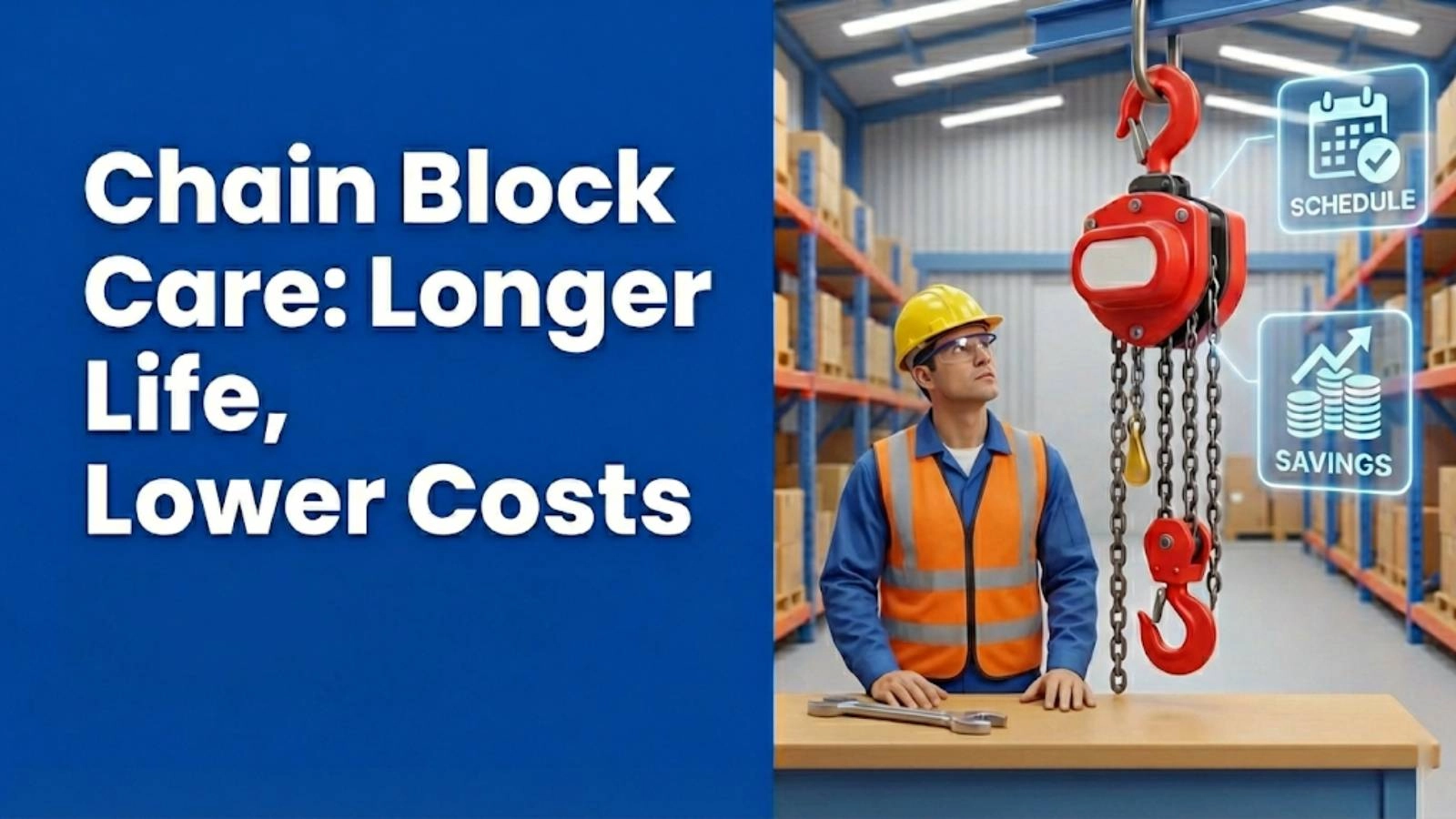
Inspecting your chain block is crucial to maintaining safe lifting practices on your site. The consequences of neglecting this vital piece of equipment can be devastating. Let’s dive into why chain block inspection is non-negotiable and how a proactive approach can save lives and prevent costly accidents.
1. Introduction: The Silent Dangers of Neglecting Chain Block Inspection
1.1 The Importance of Regular Inspections
Neglecting chain block inspection can lead to serious accidents, injuries, and even fatalities. Equipment damage and operational downtime are also significant risks. We at Safe and Secure Trading Company (SSTC) strongly emphasize the proactive approach to safety and regulatory compliance through regular, thorough inspections. Failing to identify a worn load chain or damaged hook could have dire consequences on your worksite.
1.2 Problem: Hidden Wear and Tear
Wear and tear on a chain block can often be invisible to the naked eye, especially without a trained eye. Subtle cracks in a hook, minute chain wear, or internal component degradation may not be immediately apparent. This creates a dangerous illusion of safety, where operators unknowingly rely on compromised equipment. It’s this hidden degradation that makes regular and thorough lifting equipment inspection essential.
1.3 Solution: A Proactive Inspection Checklist
Our recommended solution is a meticulous inspection checklist covering five critical points. Following a structured inspection process ensures that potential problems are identified early, mitigating the risk of accidents and equipment failure. This proactive approach not only enhances safety but also extends the lifespan of your chain blocks, providing a better return on investment.
2. Key Inspection Point #1: Load Chain Assessment
2.1 Problem: Chain Wear and Elongation
Over time, a chain block’s load chain experiences wear and elongation due to repeated use and stress. This wear reduces the chain’s load-bearing capacity, making it more susceptible to failure under normal operating conditions. Corrosion, often accelerated in humid environments, further weakens the chain’s integrity. Early detection is essential for maintaining safe lifting practices.
2.2 Solution: Visual and Measurement Checks
Visually inspect the load chain for signs of wear, corrosion, and damage such as pitting, gouges, or twisted links. A more precise assessment involves measuring individual chain link dimensions using calipers to identify elongation. Compare these measurements against the manufacturer’s specifications. For many of our clients here in Jubail, we’ve seen that implementing a regular chain wear inspection protocol significantly reduces equipment failures.
2.3 Acceptance Criteria
Acceptable wear limits for the load chain are typically defined in the manufacturer’s specifications and relevant industry standards like ASME B30.9. Generally, a chain is considered unsafe if elongation exceeds 3% or if there’s significant wear on individual links. If the chain exceeds these limits, immediate replacement is necessary. We always advise our clients to err on the side of caution; replacing a worn chain is far less costly than dealing with an accident.
3. Key Inspection Point #2: Hook Integrity
3.1 Problem: Hook Deformation and Cracks
Hooks are susceptible to deformation and cracking due to overloading, misuse, or fatigue. Even minor bends or cracks can significantly weaken the hook’s structure, increasing the risk of failure and dropped loads. The consequences of a hook failure can be catastrophic, making regular hook inspection vital.
3.2 Solution: Visual and Dimensional Inspection
Begin with a thorough visual inspection of the hook, looking for signs of bending, twisting, or cracks. Pay close attention to the hook’s throat and saddle areas, as these are common points of stress concentration. Use calipers to measure the hook opening and throat dimensions, comparing them against the manufacturer’s specifications. Any deviation indicates potential deformation.
3.3 Latch Mechanism Check
The hook latch is a critical safety component that prevents accidental disengagement of the load. Inspect the latch for proper function, ensuring it moves freely and securely engages the hook tip. Bent or broken latches must be replaced immediately. We’ve observed that a surprising number of accidents are linked to malfunctioning or missing latches, underscoring the importance of this seemingly minor detail.
4. Key Inspection Point #3: Housing and Frame Examination
4.1 Problem: Damage to the Chain Block Body
The housing and frame of the chain block provide structural support and protect internal components. Damage due to impacts, corrosion, or overloading can compromise the integrity of the entire unit, leading to internal component misalignment and potential failure. A seemingly minor dent can mask significant internal damage.
4.2 Solution: Thorough Visual Inspection
Conduct a thorough visual inspection of the housing and frame, looking for dents, cracks, and corrosion. Pay close attention to weld points and areas around load-bearing connections. Be wary of any signs of unauthorized welding repairs or modifications, as these can weaken the structure. According to John Smith, Lead Safety Inspector, “A seemingly insignificant crack in the housing can propagate rapidly under load, leading to catastrophic failure.”
4.3 Load Test Considerations
Based on the condition of the housing, a load test may be necessary to verify the structural integrity of the chain block. A load test involves applying a load greater than the rated capacity to the chain block and observing for any signs of deformation or failure. We recommend consulting with a qualified technician to determine if a load test is appropriate.
5. Key Inspection Point #4: Brake Mechanism Evaluation
5.1 Problem: Brake Slippage and Failure
The brake mechanism is crucial for holding the load in place and preventing uncontrolled descent. Brake slippage or failure due to wear, contamination, or improper adjustment can have serious safety implications. A failing brake can lead to dropped loads and potentially fatal accidents. Hoist maintenance includes routine brake checks.
5.2 Solution: Functional Testing and Adjustment
Test the brake by applying a load slightly below the rated capacity and verifying its holding ability. The load should remain stationary without any slippage. If slippage occurs, adjust the brake mechanism according to the manufacturer’s instructions. Ensure that all adjustments are made by qualified personnel following documented procedures.
5.3 Solution: Lubrication and Cleaning
Proper lubrication and cleaning are essential for maintaining brake performance. Contamination from dirt, grease, or other debris can reduce the brake’s holding power. Follow the manufacturer’s recommendations for lubrication intervals and cleaning procedures. For many of our clients in Riyadh, we’ve customized brake maintenance plans based on the operating environment.
6. Key Inspection Point #5: Gear Train and Internal Components
6.1 Problem: Wear and Damage to Internal Parts
The gears and other internal components of the chain block can wear down over time due to friction and stress. Contamination from dirt and moisture can accelerate wear and lead to corrosion. Damaged or worn internal components can cause inefficiency, reduced lifting capacity, and eventual failure.
6.2 Solution: Lubrication and Maintenance Schedules
Adhering to the manufacturer’s lubrication schedule is critical for maintaining the health of the gear train and internal components. Proper lubrication reduces friction, minimizes wear, and prevents corrosion. Be vigilant for signs of internal wear, such as unusual noises, excessive vibration, or jerky movements during operation.
6.3 Solution: Professional Inspection
A full disassembly and inspection by a qualified technician is necessary at regular intervals, or whenever signs of internal wear are detected. Professional inspection involves a thorough examination of all internal components, including gears, bearings, and shafts. This service is a core offering at SSTC to ensure comprehensive safety.
7. Documentation and Record Keeping
7.1 The Importance of Detailed Records
Accurate and detailed records of all inspections are crucial for safety, compliance, and liability management. Inspection records provide a historical overview of the chain block’s condition, allowing for trend analysis and proactive maintenance planning. Inadequate documentation can expose your company to significant legal and financial risks.
7.2 Components of a Comprehensive Inspection Record
Each inspection record should include the date of inspection, the inspector’s name and qualifications, a detailed description of the findings, any corrective actions taken, and the date of the next scheduled inspection. Include serial numbers and other identifying information for each chain block. We often advise our clients to create a standardized inspection form to ensure consistency and completeness.
7.3 Digital Solutions for Inspection Tracking
Digital platforms and apps are available for managing inspection records electronically. These solutions streamline the inspection process, improve data accuracy, and facilitate easy access to historical records. Features often include automated scheduling, mobile data entry, and customizable reporting. Moving to a digital system has greatly improved our lifting equipment inspection efficiency at SSTC.
8. Training and Competency
8.1 The Need for Qualified Inspectors
Chain block inspection should only be performed by trained and competent individuals who possess the knowledge and skills to identify potential hazards. Using unqualified personnel can lead to overlooked defects and increased risk of accidents. The cost of training is a small price to pay compared to the potential consequences of a failed inspection.
8.2 Training Programs and Certifications
Numerous training programs and certifications are available for chain block inspection. These programs cover inspection procedures, safety regulations, and maintenance practices. Formal training provides inspectors with the necessary skills and knowledge to perform thorough and reliable inspections. Look for certifications accredited by recognized industry organizations.
9. Common Mistakes to Avoid During Chain Block Inspection
9.1 Rushing the Inspection Process
One of the most common mistakes is rushing the inspection process and overlooking critical details. A thorough and methodical approach is essential for identifying all potential defects. Allocate sufficient time for each inspection and avoid distractions. Rushing can lead to missed problems, which creates a false sense of security.
9.2 Ignoring Minor Defects
Even seemingly minor defects can escalate into major problems if left unaddressed. Cracks, corrosion, and wear can all worsen over time, leading to equipment failure. Address all issues promptly, no matter how small they may seem. This proactive approach can prevent costly repairs and downtime.
9.3 Neglecting the Manufacturer’s Recommendations
The manufacturer’s instructions for inspection and maintenance are crucial for ensuring the safe and reliable operation of the chain block. Neglecting these recommendations can void warranties and increase the risk of equipment failure. Always follow the manufacturer’s guidelines for inspection intervals, lubrication, and replacement parts.
10. Regulatory Compliance and Standards
10.1 Overview of Relevant Standards and Regulations
Chain block inspection is governed by various standards and regulations, including OSHA, ASME, and ANSI. These standards outline the requirements for inspection, maintenance, and operation of chain blocks. Compliance with these regulations is essential for ensuring worker safety and avoiding legal penalties.
10.2 Staying Up-to-Date with Changes
It is crucial to stay informed about updates to standards and regulations. These standards are periodically revised to reflect new technologies, best practices, and lessons learned from past accidents. Subscribe to industry publications, attend training seminars, and consult with safety experts to stay current on the latest requirements.
11. The ROI of Proactive Maintenance and Inspection
11.1 Cost Savings Through Prevention
Proactive maintenance and chain block inspection can save money in the long run by preventing costly repairs, downtime, and accidents. Identifying and addressing potential problems early can prevent them from escalating into major failures. The cost of inspection and maintenance is a fraction of the cost of replacing damaged equipment or dealing with the aftermath of an accident. We can attest to this trend here at SSTC.
11.2 Improved Safety and Productivity
There is a direct link between safety, productivity, and proactive maintenance. A safe working environment reduces the risk of accidents and injuries, leading to increased employee morale and productivity. Well-maintained equipment operates more efficiently, reducing downtime and improving overall operational performance.
12. Conclusion: Ensuring Safe and Efficient Lifting Operations
12.1 Recap of Key Inspection Points
To recap, the five key inspection points for chain blocks are: load chain assessment, hook integrity, housing and frame examination, brake mechanism evaluation, and gear train and internal components. Each of these points requires a thorough visual and functional assessment to ensure the chain block is safe for operation. Regular manual hoist inspection can greatly increase the lifespan of your tools.
12.2 The Ongoing Commitment to Safety
Ongoing vigilance and a commitment to safety are essential for preventing accidents and ensuring the well-being of workers. Make chain block inspection a routine part of your operations and empower employees to report any potential safety concerns. Remember, safety is everyone’s responsibility.
We at SSTC are committed to helping our clients maintain safe and efficient lifting operations. By following these guidelines and implementing a proactive inspection program, you can significantly reduce the risk of accidents and ensure the longevity of your equipment.
FAQ Section
Q: How often should I inspect my chain blocks?
A: The frequency of chain block inspection depends on the intensity of use and the operating environment. As a general guideline, perform a pre-use inspection checklist before each shift and a more thorough inspection at least monthly. Chain blocks used in harsh environments or under heavy loads may require more frequent inspections.
Q: What are the most common causes of chain block failure?
A: The most common causes of failure include overloading, lack of lubrication, corrosion, wear and tear, and improper maintenance. Regular inspection and adherence to the manufacturer’s recommendations can help prevent these issues. According to Jane Doe, Senior Safety Consultant, “Overloading remains one of the most frequent causes of chain block failure, often due to a lack of proper load assessment.”
Q: Can I repair a damaged chain block myself?
A: It is generally not recommended to attempt repairs yourself unless you are a qualified technician. Improper repairs can compromise the safety and integrity of the chain block. Always consult with a qualified service provider for any necessary repairs. We’ve seen the dangers of DIY repairs, and it’s almost always best to get a professional opinion.
Q: What should I do if I find a defect during an inspection?
A: If you find a defect during an inspection, immediately remove the chain block from service and tag it as “Out of Service.” Do not attempt to use the chain block until the defect has been properly repaired or the component has been replaced. Document the defect and the corrective actions taken in the inspection record.
Q: Where can I find more information on chain block safety and inspection?
A: You can find more information on chain block safety and inspection from industry organizations such as OSHA, ASME, and ANSI. These organizations publish standards, guidelines, and training materials on safe lifting practices. You can also consult with safety experts and qualified service providers for additional guidance.
Q: How does environmental condition affect my chain block?
A: The operating environment can significantly impact the lifespan and performance of a chain block. Humid or corrosive environments can accelerate corrosion, while dusty or abrasive environments can increase wear and tear. Adjust your inspection and maintenance schedules accordingly to account for these environmental factors.