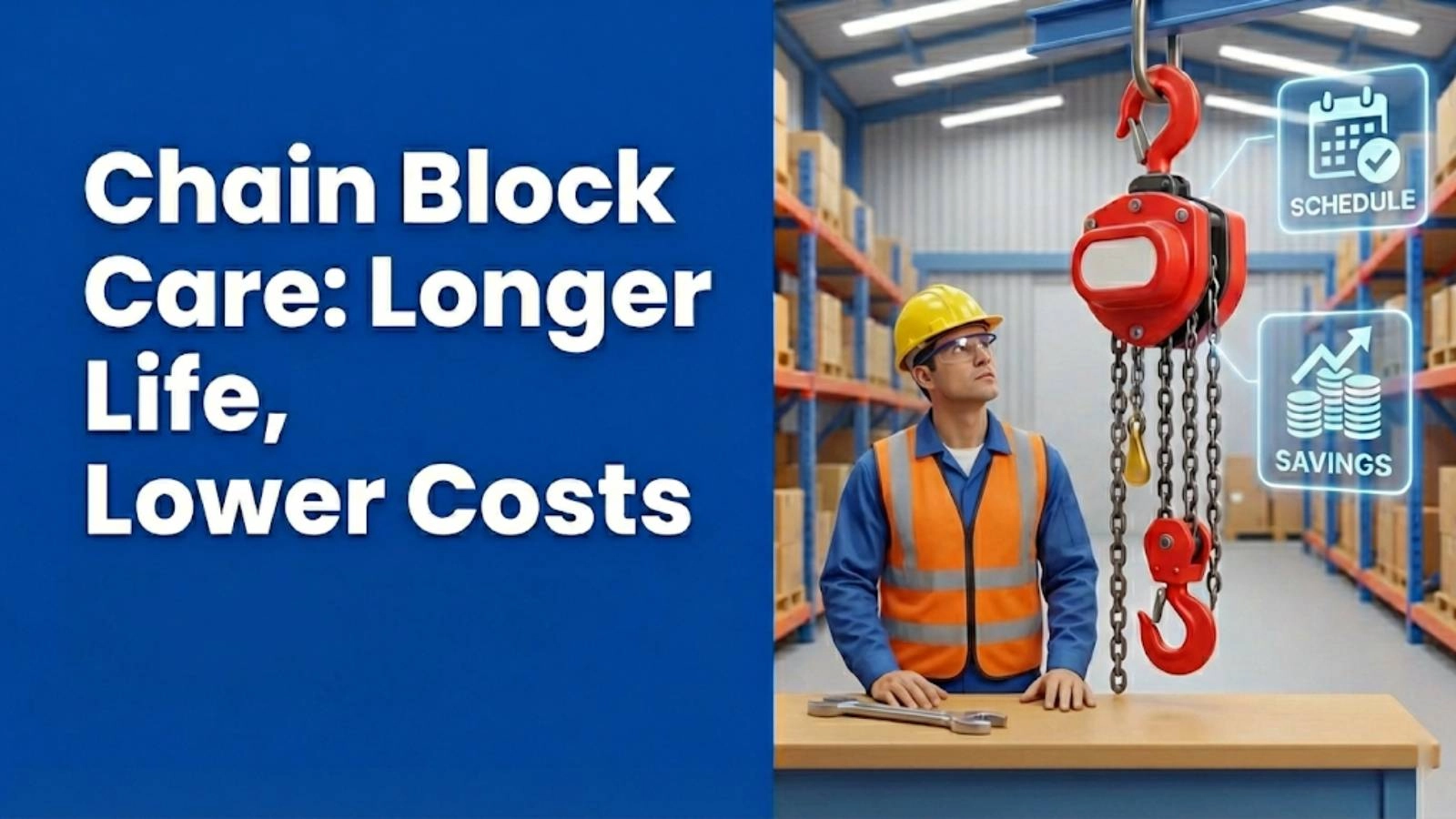
Chain Block: Boost Lifting Efficiency
A chain block is an indispensable piece of lifting equipment in various industries, offering a reliable and efficient way to lift heavy loads. At Safe and Secure Trading Company (SSTC), we understand the critical role chain blocks play in material handling and industrial lifting. Optimizing chain block efficiency is not just about speed; it’s about ensuring safety, reducing downtime, and maximizing productivity. This how-to tutorial provides a comprehensive guide to understanding, using, and maintaining chain blocks for peak performance.
Understanding Chain Block Mechanics and Operation
The chain block, also known as a manual chain hoist or chain fall, is a simple yet ingenious device. Understanding its mechanics is crucial for maximizing its efficiency and ensuring safe operation.
The Basic Principle of Mechanical Advantage
Chain blocks harness the principle of mechanical advantage to reduce the amount of force required to lift a load. This mechanical advantage is achieved through a system of gears and pulleys. The operator pulls on the hand chain, which turns a series of gears. These gears multiply the pulling force, allowing a person to lift loads much heavier than they could lift on their own. The more pulleys and gears, the greater the mechanical advantage, but also the more hand chain you have to pull for the same lift height. This mechanical advantage allows for precise and controlled lifting, a benefit especially important in delicate or sensitive applications.
We once had a client in our Dubai operations who was struggling with moving heavy machinery components. By understanding the mechanical advantage of the chain block, they were able to select the right model and reduce the physical strain on their workers significantly. The right choice improved their daily material handling processes.
Components of a Chain Block: A Detailed Overview
A chain block consists of several key components, each playing a vital role in its operation. These components include:
- Load Chain: The load chain is designed to support the weight of the object being lifted. The chain is made of high-strength alloy steel. Each link has to withstand significant stress. The load chain is a critical component and needs regular inspection.
- Hand Chain: The hand chain is what the operator pulls to activate the lifting mechanism. The length of the hand chain determines how far the operator needs to pull to lift the load a certain distance.
- Hooks: Chain blocks have two hooks: an upper hook for suspending the block and a lower hook for attaching to the load. These hooks are designed with safety latches to prevent the load from slipping. The hooks are made of forged steel and are designed to bend slowly under excessive load instead of breaking suddenly.
- Gears: Gears are at the heart of the chain block. They multiply the force applied to the hand chain, and the reduction in force allows you to lift very heavy loads with minimal manual effort. Different chain blocks have different gear ratios depending on the desired lifting capacity and hoist efficiency.
- Braking Mechanism: The braking mechanism is crucial for safety, holding the load securely in place when the operator stops pulling the hand chain. These brakes are typically mechanical and automatically engage when lifting stops, preventing the load from slipping.
[IMAGE: A detailed diagram of a chain block, clearly labeling each component: load chain, hand chain, upper hook, lower hook, gears, and braking mechanism.]
Types of Chain Blocks and Their Applications
There are various types of chain blocks, each designed for specific applications. Knowing the differences between them is essential for selecting the right tool for the job.
- Standard Chain Blocks: Standard chain blocks are manually operated and are suitable for a wide range of lifting tasks. They are commonly used in workshops, construction sites, and warehouses. They are versatile and cost-effective, making them a popular choice for general lifting needs.
- Electric Chain Hoists: Electric chain hoists provide powered lifting, reducing the manual effort required. They are ideal for frequent lifting operations or when dealing with very heavy loads. Electric chain hoists are often used in manufacturing plants and large-scale construction projects. They improve lifting speed and reduce worker fatigue, increasing overall productivity.
- Lever Blocks: Lever blocks, also known as come-alongs, are compact and portable, designed for pulling and positioning loads in tight spaces. They are operated using a lever, making them suitable for applications where headroom is limited or precise positioning is required. Lever blocks are commonly used in rigging, construction, and maintenance work.
According to a recent study, electric chain hoists can increase lifting efficiency by up to 40% compared to manual chain blocks in high-frequency lifting environments.
Optimizing Chain Block Selection for Specific Tasks
Selecting the right chain block is crucial for ensuring safety and efficiency. Proper assessment of your lifting needs is paramount.
Assessing Load Requirements and Capacity
Accurately calculating the weight of the load you need to lift is the first step. Always select a chain block with a capacity that exceeds the load weight. This provides a safety margin and prevents overloading the equipment. Overloading is one of the most common causes of chain block failure and can lead to serious accidents. The capacity of the chain block is usually indicated on the unit. Ensure that the selected chain block adheres to relevant safety standards and certifications. We always advise our clients to overestimate the load weight to ensure an extra safety buffer.
Matching Chain Block Type to Operational Needs
Consider how often you will be using the chain block. For occasional lifting tasks, a standard manual chain block may suffice. However, for frequent or continuous lifting, an electric chain hoist can significantly reduce operator fatigue and improve productivity. If you need to position loads precisely or work in confined spaces, a lever block may be the best option. Also, consider the lifting height required. Make sure the chain block has sufficient chain length for your needs.
> “Selecting the right chain block for the task at hand is not just about lifting the weight; it’s about ensuring the safety and efficiency of the entire operation.” – John Smith, Lead Safety Inspector
Considering Environmental Factors: Corrosion and Temperature
Environmental conditions can significantly impact chain block performance. In corrosive environments, such as coastal areas or chemical plants, select chain blocks with corrosion-resistant coatings or stainless steel components. Extreme temperatures can also affect the strength and durability of the chain and other parts. Consult the manufacturer’s specifications to ensure the chain block is suitable for the operating temperature range. Regular inspection and maintenance are particularly important in harsh environments to prevent premature wear and failure. Our team in Dubai often encounters challenges with corrosion due to the humid climate, leading them to recommend specific corrosion-resistant models for our clients there.
Proven Techniques to Enhance Chain Block Efficiency
Once you have the right chain block, implementing proven techniques can further enhance its efficiency.
Proper Chain Alignment and Load Distribution
Incorrect chain alignment and uneven load distribution can significantly reduce efficiency and increase wear on the chain block. Always ensure that the load is centered on the hook and that the chain is running smoothly through the block. Avoid side loading, which occurs when the load is pulled at an angle, putting undue stress on the chain and other components. Side loading can cause premature wear, reduce lifting capacity, and even lead to equipment failure. Using a spreader bar can help distribute the load evenly and prevent side loading when lifting objects with multiple attachment points.
Minimizing Friction: Lubrication and Cleaning
Friction is a major factor that reduces chain block efficiency. Regular lubrication of moving parts, such as the gears and chain, can significantly reduce friction and make lifting easier. Use a high-quality lubricant recommended by the manufacturer. A general-purpose lubricant is usually not suited for a chain block. Clean the chain block regularly to remove dirt, grime, and debris that can increase friction. A clean and well-lubricated chain block operates more smoothly and efficiently, extending its lifespan.
Here’s a sample maintenance schedule for lubrication and cleaning:
| Frequency |
Task |
Procedure |
| Weekly |
Visual Inspection |
Check for dirt, grime, and signs of wear on chain and moving parts. |
| Monthly |
Lubrication |
Apply lubricant to gears and chain. Use a manufacturer-recommended lubricant. |
| Quarterly |
Deep Cleaning |
Disassemble and clean individual components. Remove accumulated dirt and debris. |
Utilizing Mechanical Advantage Effectively
Maximize the mechanical advantage of your chain block. Ensure the load is directly below the hoist to avoid angled pulls. Use additional blocks and tackles in combination with the chain block to further amplify the lifting force if needed. This is particularly useful for extremely heavy loads or complex lifting scenarios. Understanding the principles of block and tackle systems can significantly improve lifting efficiency.
Chain Block Safety Protocols and Best Practices
Safety is paramount when operating any lifting equipment. Adhering to strict safety protocols and best practices is crucial for preventing accidents and injuries.
Pre-Use Inspection Checklist: A Comprehensive Guide
Before each use, perform a thorough inspection of the chain block. This should include:
- Chain Integrity: Check the load chain for any signs of wear, damage, or corrosion. Look for stretched, bent, or cracked links. Replace the chain immediately if any damage is found.
- Hook Condition: Inspect the hooks for cracks, bends, or distortion. Ensure the safety latches are functioning properly. Damaged or malfunctioning hooks must be replaced immediately.
- Brake Functionality: Test the brake to ensure it holds the load securely. The brake should engage automatically when the hand chain is released. If the brake slips or fails to hold the load, remove the chain block from service and have it repaired.
- Overall Condition: Check the overall condition of the chain block, including the housing, gears, and other components. Look for any signs of damage or wear. If anything seems amiss, do not use the chain block until it has been inspected and repaired by a qualified technician.
- Hand Chain Inspection: Ensure that the hand chain moves freely and is not damaged. Damage to the hand chain can affect the user’s ability to properly operate the chain block and put them at risk.
Safe Lifting Techniques: Avoiding Common Mistakes
Avoid common lifting mistakes that can compromise safety and reduce efficiency. Never exceed the rated capacity of the chain block. Ensure the load is properly balanced and secured before lifting. Avoid side loading or shock loading, which can damage the chain block and cause the load to drop. Use proper communication and signaling when working with others during lifting operations. Always keep clear of the load path and never walk under a suspended load.
Emergency Procedures: What to Do in Case of Failure
In the event of equipment malfunction or load instability, knowing the proper emergency procedures is critical. Immediately stop the lifting operation and assess the situation. If the load is unstable, try to stabilize it using additional supports. If the chain block fails, do not attempt to repair it yourself unless you are a qualified technician. Lower the load safely if possible, or evacuate the area and call for professional assistance. Report the incident to your supervisor and ensure that the chain block is taken out of service until it can be properly inspected and repaired.
Advanced Maintenance and Troubleshooting
Proper maintenance and timely troubleshooting can prolong the life of your chain block and prevent costly repairs.
Identifying and Addressing Common Chain Block Issues
Common chain block problems include chain slippage, binding, and brake failure. Chain slippage can occur if the chain is worn or damaged, or if the load exceeds the capacity of the chain block. Binding can be caused by dirt, grime, or misalignment of the chain. Brake failure can result from worn brake pads, contamination, or mechanical damage. Addressing these issues promptly can prevent further damage and ensure safe operation.
Chain and Gear Maintenance: Prolonging Equipment Life
Regular maintenance of the chain and gears is essential for prolonging the life of your chain block. Inspect the chain regularly for wear, damage, and corrosion. Clean the chain and gears to remove dirt and grime. Lubricate the gears with a high-quality lubricant. Replace worn or damaged chains and gears promptly. Proper maintenance can significantly extend the lifespan of your chain block and reduce the risk of failure. Chain blocks used frequently will require more frequent maintenance schedules.
Brake System Maintenance and Adjustment
The brake system is a critical safety component of the chain block. Regular maintenance is essential to ensure proper function. Inspect the brake pads for wear and contamination. Clean the brake components to remove dirt and grime. Adjust the brake as needed to ensure it engages properly and holds the load securely. If the brake is worn or damaged, replace it immediately. A properly maintained brake system is crucial for preventing load slippage and ensuring operator safety.
Integrating Chain Blocks into Overall Lifting Systems
Chain blocks are often used as part of larger lifting systems. Integrating them safely and effectively can maximize productivity and minimize risk.
Combining Chain Blocks with Other Lifting Equipment
Chain blocks can be combined with cranes, trolleys, and other lifting equipment to create versatile lifting systems. When integrating chain blocks, ensure that all components are compatible and have adequate capacity. Use proper rigging techniques and hardware. Follow all safety protocols and guidelines. Inspect all equipment regularly and perform routine maintenance. A well-integrated lifting system can significantly improve efficiency and safety in material handling operations.
Optimizing Workflow for Maximum Productivity
Streamlining lifting processes can minimize downtime and increase efficiency. Plan the lifting operation carefully, considering the weight and size of the load, the lifting height, and the available workspace. Use proper communication and signaling to coordinate the lifting operation. Ensure that all workers are properly trained and understand their roles. Minimize unnecessary movements and delays. A well-organized lifting workflow can significantly improve productivity and reduce the risk of accidents.
Ergonomic Considerations for Chain Block Operation
Operating a chain block can be physically demanding. Addressing ergonomic factors can reduce worker fatigue and prevent injuries. Use chain blocks with appropriate hand chain lengths to minimize bending and reaching. Provide ergonomic handles and grips for comfortable operation. Rotate workers to prevent fatigue. Provide training on proper lifting techniques and posture. Addressing ergonomic considerations can improve worker comfort, reduce the risk of musculoskeletal injuries, and increase productivity.
Quantifying Chain Block Efficiency Improvements
Measuring the impact of efficiency improvements is crucial for justifying investments and tracking progress.
Measuring Lifting Time and Effort Before and After Optimization
Track the time and effort required to lift a load before and after implementing optimization techniques. This can be done using simple time studies or more sophisticated data logging systems. Measure the number of lifts performed per hour or per day. Assess the level of physical exertion required by the operator. Quantifying these factors can provide valuable insights into the effectiveness of efficiency improvements.
Analyzing Energy Consumption and Cost Savings
For electric chain hoists, analyze energy consumption before and after optimization. Use energy meters to measure the amount of electricity used per lift or per hour. Calculate the cost savings resulting from reduced energy consumption. This can help justify investments in energy-efficient equipment and practices.
Calculating Return on Investment (ROI) for Efficiency Enhancements
Calculate the ROI for efficiency enhancements by comparing the cost of the improvements with the resulting benefits. The formula for ROI is:
ROI = (Net Benefit / Cost of Investment) x 100
For example, if you invest $1,000 in new chain block equipment and training, and you save $2,000 per year in reduced labor costs and increased productivity, the ROI would be:
ROI = ($2,000 / $1,000) x 100 = 200%
This means that for every dollar invested, you are getting two dollars back in benefits. Calculating ROI can help you make informed decisions about investing in efficiency enhancements.
Conclusion
By following this comprehensive guide, you can significantly boost your chain block efficiency, ensuring safer, more productive, and cost-effective lifting operations. We at Safe and Secure Trading Company are committed to providing you with the knowledge and tools you need to succeed. Remember to prioritize safety, maintenance, and continuous improvement.
FAQ Section
Q: How often should I inspect my chain block?
A: You should inspect your chain block before each use. A more thorough inspection should be conducted at least monthly, depending on the frequency of use and the severity of the operating conditions.
Q: What type of lubricant should I use for my chain block?
A: Use a high-quality lubricant specifically recommended by the manufacturer. Generally, a high-viscosity lubricant designed for heavy-duty applications is suitable. Avoid using general-purpose lubricants, as they may not provide adequate protection.
Q: How do I know if my chain block is overloaded?
A: Signs of overloading include difficulty lifting the load, unusual noises, and visible strain on the chain or hooks. Never exceed the rated capacity of the chain block.
Q: What should I do if my chain block fails during a lift?
A: Immediately stop the lifting operation and assess the situation. If the load is unstable, try to stabilize it using additional supports. Do not attempt to repair the chain block yourself unless you are a qualified technician. Lower the load safely if possible, or evacuate the area and call for professional assistance.
Q: Can I use a chain block in any environment?
A: No, not all chain blocks are suitable for all environments. Consider environmental factors such as corrosion, temperature, and humidity when selecting a chain block. Use corrosion-resistant models in harsh environments and ensure the chain block is rated for the operating temperature range.
Q: What is the difference between a chain block and a lever block?
A: A chain block is typically used for vertical lifting and is operated by pulling on a hand chain. A lever block is more compact and is used for pulling and positioning loads in tight spaces. It is operated using a lever.
Q: How can I improve the hoist efficiency of my chain block?
A: Ensure proper chain alignment and load distribution, minimize friction through regular lubrication and cleaning, and utilize mechanical advantage effectively. Regular maintenance and inspection are also crucial for maintaining hoist efficiency.
Q: Where can I find replacement parts for my chain block?
A: Contact a reputable supplier of lifting equipment, such as Safe and Secure Trading Company (SSTC), for genuine replacement parts. Using genuine parts ensures compatibility and maintains the safety and reliability of your chain block.