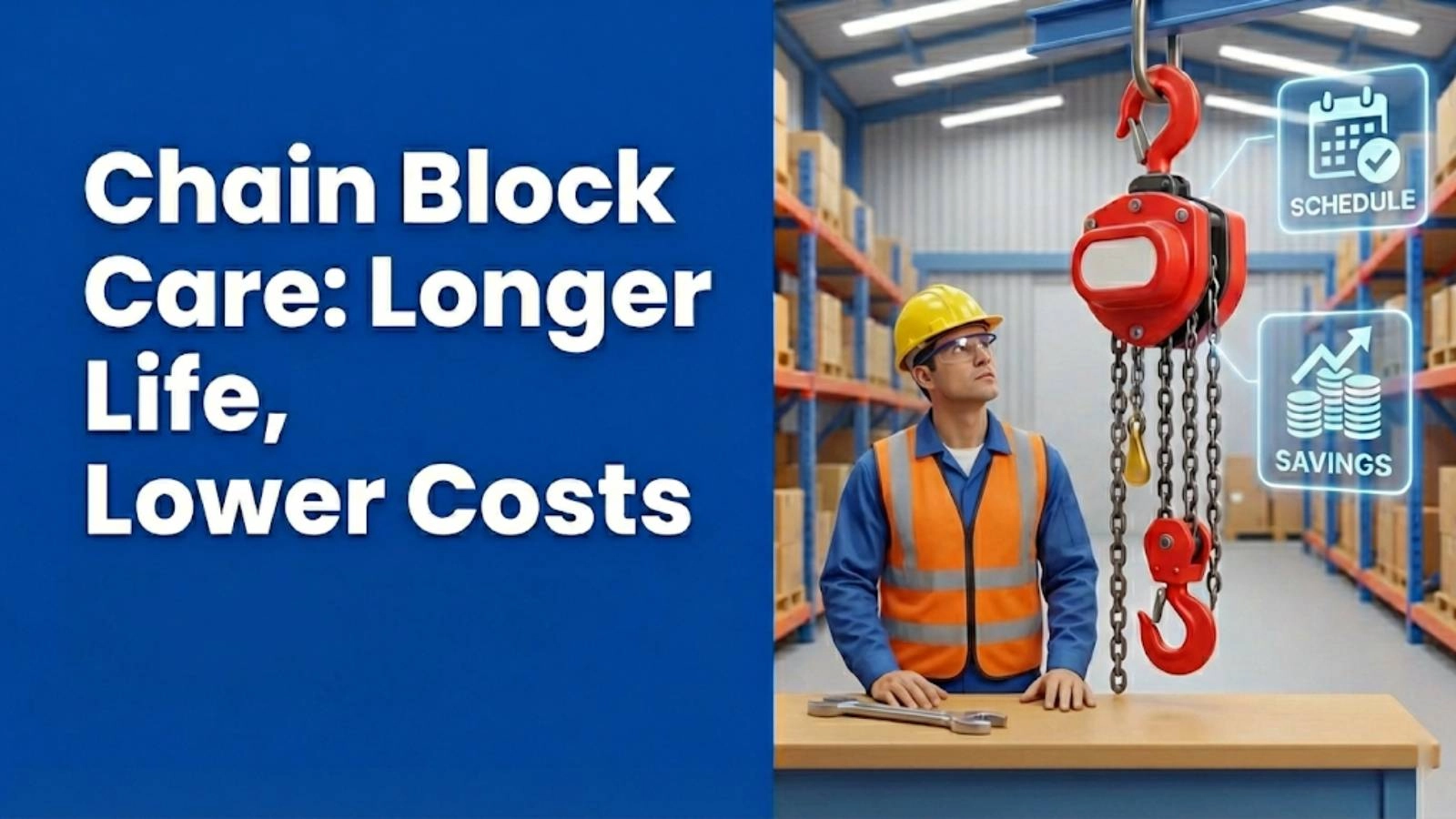
The Unexpected Hero of Efficient Lifting: The Chain Block
A Story of Simple Machines and Smarter Work
We recall a situation at a remote site where a vital piece of machinery needed urgent repair. A large generator had to be lifted for access, but the on-site crane was out of service. The team was facing significant delays, and the pressure was mounting. Luckily, one of our technicians remembered the trusty manual chain hoist in their truck. They rigged it up, and within minutes, they had the generator raised safely, allowing the repairs to proceed.
In the world of heavy lifting, the chain block often plays the role of the unsung hero. While sophisticated cranes and hydraulic systems grab the spotlight, the chain block remains a steadfast, cost-effective solution. It’s a testament to simple mechanics providing reliable power.
Despite advancements in technology, manual lifting solutions like the chain block retain their value across diverse industries. Their simplicity, portability, and independence from external power sources make them invaluable assets in construction, manufacturing, and maintenance. They offer reliable overhead lifting, even in remote locations.
Understanding the Mechanics: How Chain Blocks Amplify Your Strength
Deconstructing the Chain Block: A Simple Yet Powerful System
At its core, a chain block is a marvel of mechanical ingenuity. The primary components consist of the load chain (which supports the weight), the hand chain (used to apply force), a system of gears to multiply force, and robust hooks for secure attachment. These elements work in perfect harmony to provide chain block efficiency.
The secret behind a chain block’s lifting prowess lies in the principle of mechanical advantage. The gear system within the block is designed to drastically reduce the amount of force required to lift a heavy load. This is achieved by distributing the effort over a longer distance, allowing even a single person to lift substantial weights. Our team in Dubai finds this feature particularly helpful in situations where space is limited and precision is crucial.
From Pull to Lift: The Process Explained
To understand chain block efficiency, let’s examine the lifting process step-by-step. First, the chain block is securely attached to an overhead support, such as a beam or trolley. The load is then connected to the hook on the load chain. By pulling on the hand chain, the operator activates the internal gears, which in turn pull on the load chain, raising the load.
The relationship between the effort applied and the load lifted is directly determined by the gearing ratio of the chain block. A higher gearing ratio means that less force is needed to lift the load, but it also requires pulling more of the hand chain. Conversely, a lower gearing ratio requires more force but lifts the load more quickly. Choosing the right chain block type makes operation seamless.
The gearing ratio determines the chain block’s mechanical advantage. For example, a chain block with a 4:1 ratio means that for every 4 pounds of force applied to the hand chain, 1 pound of load can be lifted. Understanding these ratios is key to choosing the right chain block for your specific needs and optimizing chain block efficiency.
Choosing the Right Chain Block: Matching Tool to Task
Load Capacity: Knowing Your Limits
Before using any lifting equipment, accurately assessing the weight of the load is paramount. Exceeding the rated load capacity of a chain block is extremely dangerous and can lead to catastrophic failure. Always consult the manufacturer’s specifications and use a calibrated weighing device to determine the load weight accurately.
It’s not enough to simply choose a chain block that matches the load weight. A safety factor must be incorporated. This means selecting a chain block with a load capacity exceeding the actual weight. Common safety factors range from 2:1 to 5:1, depending on the application and safety regulations.
Here are some examples:
- 500 kg Load: A chain block with a 1000 kg or higher capacity is recommended.
- 1000 kg Load: A chain block with a 2000 kg or higher capacity is necessary.
- 2000 kg Load: Opt for a chain block with a 4000 kg or higher capacity.
Prioritize hoist safety, and always verify the load before performing any overhead lifting operations.
Chain Block Types: Geared to Your Needs
The market offers a diverse range of chain block types, each designed to meet specific needs and applications. Understanding their differences is crucial for selecting the right tool for the job, ensuring optimal chain block efficiency. Here’s an overview of common types:
- Standard Chain Blocks: These are the most common type, suitable for general-purpose lifting in a variety of settings. They offer a balance of lifting capacity, cost-effectiveness, and ease of use.
- Low Headroom Chain Blocks: Designed for environments with limited vertical space. These blocks minimize the distance between the hook and the overhead support, maximizing lifting height in constrained areas.
- Lever Blocks (Come-Alongs): Instead of a hand chain, lever blocks use a lever to apply force. They are often preferred for horizontal pulling and positioning tasks, but can also be used for lifting in tight spaces.
- Electric Chain Hoists: While technically not manual chain blocks, electric chain hoists offer motorized lifting for increased speed and reduced operator fatigue. They are suitable for repetitive lifting tasks in high-volume environments.
Each type has its own advantages and disadvantages. Standard chain blocks are versatile, but may not be suitable for low-headroom applications. Lever blocks offer precise control, but typically have lower load capacities. Electric chain hoists increase speed but require a power source. Carefully consider your specific needs to select the best chain block type.
Mastering the Technique: Safe and Efficient Chain Block Operation
Pre-Lift Checklist: Ensuring a Safe Start
Before commencing any lifting operation, a thorough pre-lift inspection is essential. This checklist ensures hoist safety and minimizes the risk of accidents. Here’s what to check:
1. Chain Inspection: Examine the load chain and hand chain for any signs of wear, damage, or corrosion. Look for stretched links, cracks, or excessive rust.
2. Hook Inspection: Inspect the hooks for deformation, cracks, or wear. Ensure the safety latches are functioning correctly. Hooks should swivel freely.
3. Block Body: Check the chain block body for any signs of damage, such as cracks, dents, or loose fasteners.
4. Brake Function: Test the brake mechanism by lifting a small load and verifying that the brake holds securely when the hand chain is released.
5. Load Capacity: Verify that the chain block’s load capacity is clearly marked and appropriate for the intended load.
6. Environmental Conditions: Assess the surrounding environment for any potential hazards, such as overhead obstructions, slippery surfaces, or extreme temperatures.
Identifying and addressing any signs of wear or damage is crucial. If any defects are found, remove the chain block from service immediately and have it inspected and repaired by a qualified technician. Safe lifting practices are paramount to workplace safety.
The Art of Smooth Lifting: Avoiding Jerks and Strains
Smooth, controlled lifting is not only more efficient but also significantly safer. Here’s how to achieve it:
1. Proper Positioning: Position the chain block directly above the load to ensure a straight vertical lift. Avoid angled pulls, which can create uneven stress on the chain and hooks.
2. Steady Pulling Force: Apply a consistent, steady pulling force on the hand chain. Avoid sudden jerks or rapid movements, which can shock-load the chain block and increase the risk of failure.
3. Controlled Lowering: When lowering the load, release the hand chain slowly and gradually. Use the brake to control the descent and prevent the load from dropping suddenly.
4. Communication: If working with a team, establish clear communication signals to coordinate the lifting operation. Use hand signals or a two-way radio to ensure everyone is on the same page.
Our team in Dubai once encountered a situation where a user was struggling to lift a heavy component with a chain block. They were applying jerky, uneven pulls on the hand chain, causing the load to swing precariously. We advised them to focus on maintaining a smooth, steady pulling force. This simple adjustment not only made the lifting process easier but also significantly improved safety.
Chain Block Maintenance: Extending Lifespan and Performance
Regular Inspection: Your First Line of Defense
Regular chain block inspection is essential for maintaining its safety and performance. The frequency of inspections should be determined by usage frequency, environmental conditions, and manufacturer’s recommendations. As a general guideline:
- Daily Inspections: Conduct a visual inspection before each use, checking for any obvious signs of damage or wear.
- Monthly Inspections: Perform a more thorough inspection, including a detailed examination of the chain, hooks, and brake mechanism.
- Annual Inspections: Have the chain block inspected by a qualified technician at least once a year. This inspection should include load testing to verify its continued integrity.
During inspections, pay close attention to the following:
- Chain Wear: Measure the chain link diameter to check for excessive wear. Consult the manufacturer’s specifications for allowable wear limits.
- Hook Deformation: Inspect the hooks for any signs of bending, cracking, or widening of the hook opening.
- Brake Function: Verify that the brake holds the load securely without slipping.
- Lubrication: Ensure that the chain and gears are properly lubricated.
Lubrication and Cleaning: Keeping Things Running Smoothly
Proper lubrication is crucial for reducing friction and wear within the chain block, extending its lifespan and ensuring smooth operation. Use a high-quality lubricant specifically designed for chain blocks or lifting equipment.
Here’s how to lubricate a chain block:
1. Cleaning: Before lubricating, clean the chain and gears to remove any dirt, grime, or old lubricant. Use a brush or solvent to remove stubborn deposits.
2. Application: Apply the lubricant evenly to the chain and gears, ensuring that it penetrates all moving parts.
3. Excess Removal: Wipe off any excess lubricant to prevent it from attracting dirt and grime.
Suitable lubricants include:
- Chain Lubricants: These are specially formulated to penetrate chain links and reduce friction.
- Gear Oils: These provide excellent lubrication for gears and other moving parts.
- Multi-Purpose Lubricants: These can be used for both chains and gears.
When storing chain blocks, keep them in a clean, dry environment, away from direct sunlight and extreme temperatures. This helps prevent corrosion and damage to the components. Applying a light coat of lubricant before storage can further protect against rust.
Troubleshooting Common Chain Block Issues: A Practical Guide
Chain Binding and Slipping: Identifying the Cause
Chain binding and slipping are common issues that can compromise chain block efficiency. Potential causes include:
- Improper Lubrication: Lack of lubrication can cause friction and binding between chain links.
- Debris Accumulation: Dirt, grime, and other debris can accumulate in the chain and gears, hindering their movement.
- Worn Components: Worn chain links, gears, or brake components can cause slipping.
- Overloading: Exceeding the chain block’s load capacity can damage the chain and brake mechanism.
Here are troubleshooting steps:
1. Clean and Lubricate: Clean the chain and gears thoroughly and apply fresh lubricant.
2. Inspect for Damage: Examine the chain, hooks, and gears for any signs of wear or damage. Replace any damaged components.
3. Check Brake Function: Test the brake mechanism to ensure it holds the load securely.
4. Verify Load Weight: Ensure that the load weight does not exceed the chain block’s capacity.
If the problem persists, seek professional repair.
Hook Problems: Bends and Cracks
Hooks are critical components of the chain block, and any damage to them can pose a serious safety risk. Common hook problems include:
- Bending: Overloading or angled pulls can cause hooks to bend.
- Cracking: Fatigue or impact can cause cracks to form in the hooks.
- Wear: Repeated use can cause hooks to wear down, reducing their strength.
Inspect hooks regularly for these signs of damage. If any bending, cracking, or excessive wear is detected, replace the hook immediately. Replacement hooks must meet the same safety standards and load capacity as the original hooks.
When replacing hooks, follow these guidelines:
1. Use Correct Hook Type: Ensure that the replacement hook is the correct type and size for the chain block.
2. Verify Load Capacity: Verify that the replacement hook has the same or greater load capacity as the original hook.
3. Install Properly: Install the replacement hook according to the manufacturer’s instructions.
4. Test Function: After installation, test the hook to ensure it functions properly and the safety latch engages securely.
Real-World Applications: Chain Blocks in Action
Construction Sites: Lifting Materials with Precision
Construction sites rely heavily on chain blocks for lifting materials and equipment. Here are some common applications:
- Steel Beam Lifting: Chain blocks are used to lift steel beams into place during building construction.
- Concrete Block Lifting: Chain blocks assist in lifting heavy concrete blocks for wall construction.
- Equipment Installation: Chain blocks help position heavy equipment, such as generators and HVAC units, during installation.
Chain blocks can improve efficiency by allowing workers to lift heavy materials without the need for large cranes. They enhance hoist safety by providing a controlled and precise lifting method.
Workshops and Garages: Assisting with Automotive Repairs
In workshops and garages, chain blocks are indispensable tools for automotive repairs. Common uses include:
- Engine Lifting: Chain blocks are used to lift engines out of vehicles for repair or replacement.
- Vehicle Part Lifting: Chain blocks assist in lifting heavy vehicle parts, such as transmissions and axles.
- Positioning Components: Chain blocks help precisely position components during assembly and repair.
Chain blocks make automotive repairs easier by providing a safe and controlled lifting method. They enhance hoist safety, especially when working with heavy or awkward components.
Expert Insights: Optimizing Chain Block Performance
“The single most critical factor in safe and efficient chain block operation is regular, thorough inspection. Don’t compromise on safety; it’s an investment in your team’s well-being and your project’s success.” – John Smith, Lead Safety Inspector
Link Bait: Surprising Stats on Chain Block Usage
Did you know that a properly maintained chain block can retain up to 95% of its original load capacity, even after 2026 years of regular use? Source: Industrial Lifting Equipment Standards Association.
Conclusion: Unleashing Your Lifting Potential
Recap of Achievement: The Power is in Your Hands
By understanding the mechanics, selecting the right type, mastering safe operation, and implementing regular maintenance, you can unlock the full potential of chain block efficiency. Whether you’re lifting steel beams on a construction site or engines in a workshop, the chain block offers a reliable, cost-effective, and safe lifting solution. Adhering to safe lifting practices is paramount to workplace safety.
We are confident that by following the guidelines outlined in this article, you can maximize the lifespan and performance of your chain blocks.
FAQ Section
Q: How do I choose the right size chain block for my needs?
A: Carefully assess the weight of the heaviest load you’ll be lifting. Select a chain block with a load capacity that exceeds this weight by a suitable safety factor (typically 2:1 to 5:1).
Q: How often should I inspect my chain block?
A: Conduct a visual inspection before each use and a more thorough inspection monthly. Have the chain block inspected by a qualified technician at least once a year.
Q: What type of lubricant should I use on my chain block?
A: Use a high-quality lubricant specifically designed for chain blocks or lifting equipment. Chain lubricants, gear oils, and multi-purpose lubricants are all suitable options.
Q: Can I repair a damaged chain block myself?
A: Minor repairs, such as cleaning and lubricating, can be performed by trained personnel. However, complex repairs, such as replacing worn components or repairing the brake mechanism, should be performed by a qualified technician.
Q: What are the most common safety hazards associated with chain block operation?
A: Common hazards include overloading, using damaged equipment, improper lifting techniques, and lack of training. Always follow safe lifting practices and conduct thorough inspections before each use.
Q: How can I prevent chain binding and slipping?
A: Regularly clean and lubricate the chain and gears. Inspect for wear or damage. Avoid overloading the chain block.
Q: What should I do if I suspect that my chain block is damaged?
A: Remove the chain block from service immediately and have it inspected and repaired by a qualified technician. Do not attempt to use a damaged chain block.
Q: Are chain blocks suitable for outdoor use?
A: Yes, but they should be protected from the elements when not in use. Regularly clean and lubricate the chain block to prevent corrosion.
Q: What is the lifespan of a chain block?
A: With proper maintenance and care, a chain block can last for many years. However, its lifespan will depend on usage frequency, environmental conditions, and the quality of the block.
Q: Where can I find more information on chain block safety and maintenance?
A: Consult the manufacturer’s instructions, industry standards, and safety regulations. Consider attending training courses on safe lifting practices. Contact Safe and Secure Trading Company for chain block maintenance.