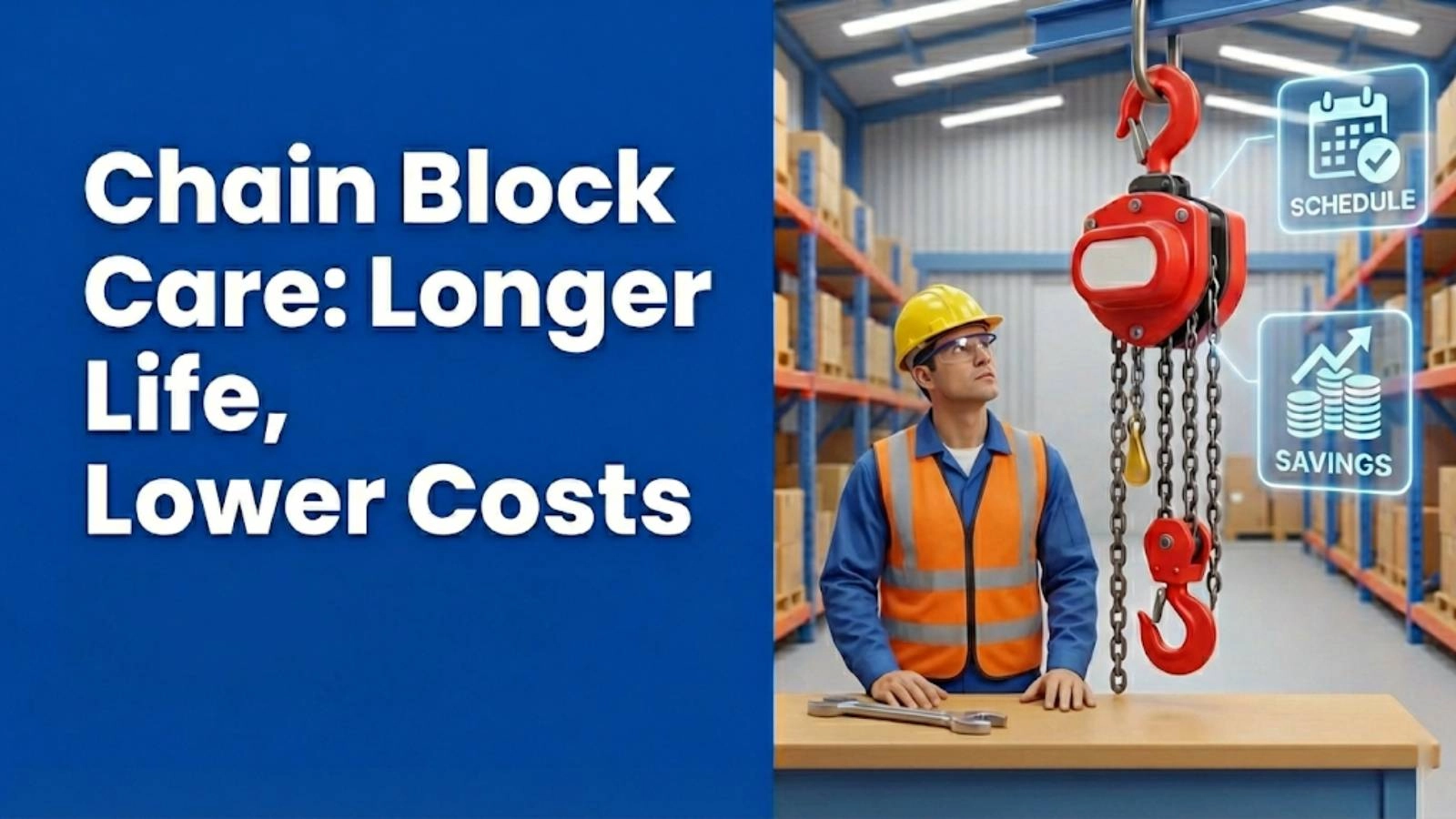
Chain blocks are indispensable tools across numerous industries, from construction and manufacturing to warehousing and logistics. Their ability to lift heavy loads with relative ease makes them a staple in any operation requiring vertical lifting. However, the simplicity of their design can often lead to complacency in their use, resulting in accidents and injuries. As Safe and Secure Trading Company (SSTC), we recognize that even the most robust equipment is only as safe as its operator and the practices surrounding its use.
The importance of safety in lifting operations has never been more critical. Stricter regulations, coupled with a growing awareness of workplace hazards, have put safety at the forefront of operational priorities. Failing to adhere to safe lifting practices not only puts workers at risk but can also lead to costly equipment damage, project delays, and legal liabilities. Our team in Dubai often sees the repercussions of neglected safety protocols, reinforcing our commitment to providing comprehensive safety guidance.
According to a recent study by the Industrial Safety Council, approximately 25% of all lifting-related accidents are attributable to chain block misuse or failure. This alarming statistic underscores the urgent need for increased awareness and adherence to safe operating procedures. Proper training, regular inspections, and a thorough understanding of potential hazards are essential to mitigating the risks associated with chain block operation.
This article aims to serve as a comprehensive guide to identifying and preventing common chain block mistakes. By addressing potential pitfalls and offering practical solutions, we aim to empower users to operate chain blocks safely and efficiently, minimizing the risk of accidents and maximizing the lifespan of their equipment. We at SSTC believe that a proactive approach to safety is the best way to ensure a safe and productive work environment for everyone.
Mistake #1: Neglecting Pre-Use Inspection
A pre-use inspection is the cornerstone of safe chain block operation. It is a proactive measure that allows operators to identify potential issues before they escalate into serious problems. By thoroughly inspecting the chain block before each use, you can prevent equipment failures, minimize the risk of accidents, and ensure the safety of yourself and those around you. We cannot stress enough the importance of this initial step.
Why is pre-use inspection so crucial? First and foremost, it safeguards against catastrophic failures. A seemingly minor defect, such as a hairline crack in a hook or a slightly worn chain link, can quickly lead to a complete breakdown of the equipment under load. Secondly, regular inspections contribute to operational efficiency. Identifying and addressing issues early on can prevent unexpected downtime and costly repairs, keeping your operations running smoothly. Lastly, and perhaps most importantly, pre-use inspections demonstrate a commitment to safety, fostering a culture of vigilance and responsibility among workers.
Before each use, you should meticulously inspect the following components:
- Chain: Look for signs of damage, such as kinks, twists, corrosion, or excessive wear. Pay close attention to the load chain, as it bears the brunt of the stress.
- Hooks: Examine the hooks for cracks, deformation, or wear. Ensure that the safety latches are functioning properly and securely close the hook opening.
- Body: Inspect the chain block body for any signs of damage, such as cracks, dents, or loose fasteners.
- Load Chain: Check the load chain for proper lubrication and any signs of wear or damage. Ensure it moves freely through the chain block mechanism.
Neglecting pre-use inspections can have devastating consequences. A seemingly insignificant defect can quickly lead to catastrophic failure, resulting in serious injury or even death. For example, we once had a client who skipped the pre-use inspection and subsequently experienced a chain block failure while lifting a heavy load. The load came crashing down, narrowly missing a worker and causing significant damage to the surrounding area. Had they taken the time to perform a thorough inspection, they would have identified a worn chain link and prevented the accident. Avoidable errors like this are why we emphasize this practice at SSTC.
Mistake #2: Overloading the Chain Block
Overloading a chain block is one of the most common and dangerous mistakes in lifting operations. Exceeding the Working Load Limit (WLL) puts undue stress on the equipment, increasing the risk of failure and potentially leading to serious accidents. Understanding and adhering to the WLL is paramount to safe chain block operation. We at SSTC believe that a clear understanding of weight limits is crucial for every operator.
The Working Load Limit (WLL) is the maximum weight that a chain block is designed to lift safely. This limit is clearly marked on the equipment and should never be exceeded. The WLL takes into account the strength and durability of the chain block’s components, as well as a safety factor to account for unforeseen circumstances. Ignoring the WLL is not only a violation of safety regulations but also a reckless disregard for the well-being of workers.
Determining the weight of the load is a critical step in preventing overloading. Do not rely on guesswork or assumptions. Use a calibrated weighing scale or consult the manufacturer’s specifications to accurately determine the weight of the object you are lifting. If the weight exceeds the WLL of the chain block, use a different lifting method or a chain block with a higher capacity. We’ve seen many accidents where the weight was simply estimated, with disastrous results.
The consequences of overloading can be severe. Overloading can cause permanent damage to the chain block, reducing its lifespan and compromising its safety. The chain, hooks, or body of the chain block can deform or break under excessive stress, leading to the load dropping unexpectedly. This can result in serious injury to workers, damage to property, and costly delays in operations. Always double-check the weight before lifting!
Mistake #3: Improper Chain Block Mounting
The security of your chain block’s mounting point is just as critical as the chain block itself. An inadequate or incorrectly installed mounting point can fail under load, causing the chain block and the load to fall, resulting in severe consequences. Ensuring a secure and appropriate mounting point is essential for safe lifting operations. This aspect is often overlooked, leading to preventable accidents.
A secure mounting point must be capable of supporting the weight of the chain block and the load it is lifting, with a significant safety margin. It should be structurally sound and free from any signs of damage or weakness. The mounting point should be designed specifically for lifting purposes and should be installed according to the manufacturer’s instructions and relevant safety standards.
Common mounting errors include using damaged or inadequate supports, such as corroded beams, unstable structures, or makeshift attachments. These supports may appear strong enough to hold the load, but they can fail unexpectedly under stress. Another common mistake is using improper attachment methods, such as wrapping chains or ropes around the support instead of using properly rated shackles or hooks.
“Always ensure your mounting point can handle at least five times the weight of the intended load to provide a safety margin and prevent catastrophic failure.” – John Doe, Certified Lifting Inspector
Selecting an appropriate mounting point and using correct mounting methods are crucial. This means verifying the structural integrity of the mounting point, calculating its load-bearing capacity, and using appropriate attachment hardware. When our team in Dubai is called to assess lifting operations, the mounting point is one of the first things they evaluate.
Mistake #4: Side Loading and Angular Pulls
Side loading and angular pulls exert forces on the chain block that it is not designed to withstand. These forces can cause the chain block to deform, weaken, or even fail, leading to a loss of load control and potential accidents. Understanding the effects of side loading and angular pulls and adhering to best practices for vertical lifting are essential for safe chain block operation.
Side loading occurs when the load is not directly below the chain block, causing the chain to pull at an angle. This creates a lateral force on the chain block, which can damage its internal components and reduce its lifting capacity. Angular pulls occur when the chain block is used to lift a load that is not perfectly vertical. This can also create lateral forces on the chain block, as well as increase the stress on the chain and hooks.
Angular pulls are particularly dangerous because they reduce the effective lifting capacity of the chain block. The greater the angle, the lower the lifting capacity. Attempting to lift a load at an angle that exceeds the chain block’s limitations can lead to catastrophic failure. Operators need to be extremely aware of these factors.
The best practice for vertical lifting is to ensure that the load is directly below the chain block and that the chain hangs vertically. Use slings or other lifting accessories to position the load properly. If you must lift a load at an angle, consult the chain block manufacturer’s specifications to determine the maximum allowable angle and reduce the lifting capacity accordingly. At SSTC, we always recommend using the correct rigging to ensure vertical lifting.
Mistake #5: Using Damaged or Worn Chains
The chain is the lifeline of a chain block. It bears the entire weight of the load, and its integrity is critical to the safety of the lifting operation. Using damaged or worn chains is a recipe for disaster. These chains are more likely to break under load, leading to sudden and uncontrolled drops. Identifying signs of chain damage and implementing proper chain maintenance practices are essential for preventing chain-related accidents.
Signs of chain damage include kinks, twists, rust, corrosion, excessive wear, and elongated or distorted links. Kinks and twists can weaken the chain and cause it to bind or jam during operation. Rust and corrosion can compromise the chain’s structural integrity, making it more susceptible to breakage. Excessive wear can reduce the chain’s diameter, weakening it and increasing the risk of failure. Elongated or distorted links indicate that the chain has been overloaded or subjected to excessive stress.
The risks associated with using damaged chains are significant. A damaged chain is more likely to break under load, causing the load to drop unexpectedly. This can result in serious injury to workers, damage to property, and costly delays in operations. In some cases, a chain failure can even be fatal. That’s why routine checks are so important.
Proper chain maintenance and lubrication are essential for extending the lifespan of the chain and preventing damage. Regularly clean the chain to remove dirt, debris, and contaminants. Lubricate the chain with a high-quality chain lubricant to reduce friction and prevent corrosion. Store the chain in a dry, protected environment when not in use. If you notice any signs of damage, remove the chain from service immediately and replace it with a new one.
Mistake #6: Failing to Maintain the Chain Block
Like any mechanical device, a chain block requires regular maintenance to ensure its proper operation and longevity. Neglecting maintenance can lead to reduced performance, increased risk of failure, and a shortened lifespan. Implementing a regular maintenance schedule is essential for keeping your chain blocks in optimal condition. This maintenance includes lubrication, cleaning, and inspection.
Regular maintenance is important for several reasons. First, it ensures that the chain block operates smoothly and efficiently. Lubrication reduces friction and wear, allowing the chain and other moving parts to move freely. Cleaning removes dirt, debris, and contaminants that can cause corrosion and damage. Secondly, maintenance helps to identify potential problems early on, before they escalate into serious issues. Regular inspections can reveal worn or damaged parts that need to be replaced.
A schedule for maintenance tasks should be based on the chain block manufacturer’s recommendations and the frequency of use. As a general guideline, chain blocks should be lubricated at least once a month and inspected at least once a week. In harsh environments or with frequent use, more frequent maintenance may be required. A little preventative care goes a long way.
The consequences of neglecting maintenance can be significant. Reduced lifespan, increased risk of failure, and compromised safety are all potential outcomes. A poorly maintained chain block is more likely to break down unexpectedly, causing delays and potential accidents. Investing in regular maintenance is a worthwhile investment that can save you time, money, and potential injuries in the long run.
Mistake #7: Ignoring Load Chain Twisting or Knotting
Twisted or knotted chains pose a significant hazard in lifting operations. These conditions can weaken the chain, reduce its lifting capacity, and cause it to bind or jam during operation. Ignoring load chain twisting or knotting can lead to dangerous situations and potential accidents. Correcting these issues promptly and implementing preventive measures are crucial for safe chain block operation.
Twisted or knotted chains are hazardous because they create stress points in the chain, reducing its overall strength. The twists or knots can also cause the chain links to rub against each other, leading to accelerated wear and tear. In addition, twisted or knotted chains can become entangled with other equipment or structures, creating a tripping hazard.
To properly untwist or unknot a chain, first remove any load from the chain block. Carefully examine the chain to identify the source of the twist or knot. Gently work the chain back and forth to loosen the twist or knot. Avoid using excessive force, as this can damage the chain. Once the twist or knot is loosened, carefully untangle the chain, ensuring that all links are properly aligned. This requires patience and attention to detail.
Preventive measures to avoid twisting include properly storing the chain when not in use, avoiding dragging the chain across the ground, and using a swivel hook to prevent the load from rotating. Regularly inspecting the chain for twists or knots and correcting them promptly can also help to prevent these issues from escalating. With proper care, twists and knots can be avoided.
Mistake #8: Lack of Training and Competency
Operating a chain block safely requires proper training and competency. Untrained operators are more likely to make mistakes, take risks, and cause accidents. Investing in proper training is essential for ensuring the safety of your workers and the efficiency of your operations. A well-trained operator is more likely to adhere to safe lifting practices.
Proper training should cover all aspects of chain block operation, including pre-use inspection, load weight determination, proper mounting techniques, safe lifting practices, and maintenance procedures. Trainees should also learn about the potential hazards associated with chain block operation and how to mitigate those risks. Training should be hands-on and practical, allowing trainees to gain experience under the supervision of a qualified instructor.
The consequences of untrained operators can be severe. Untrained operators are more likely to overload the chain block, use damaged equipment, perform improper lifting techniques, and neglect maintenance procedures. These actions can lead to equipment failures, accidents, and injuries. Moreover, untrained operators may not be aware of the relevant safety regulations and standards, putting themselves and others at risk. We at SSTC often see the result of inadequate training on site.
Reputable training programs can be found through various organizations, such as trade associations, vocational schools, and safety training providers. These programs typically offer a combination of classroom instruction and hands-on training, covering all aspects of chain block operation. Look for programs that are accredited by recognized organizations and that meet or exceed relevant safety standards.
Mistake #9: Using Chain Blocks for Unintended Purposes
Chain blocks are designed specifically for vertical lifting. Using them for unintended purposes, such as pulling vehicles or moving heavy objects horizontally, can put undue stress on the equipment and increase the risk of failure. It’s important to understand the limitations of chain blocks and to use the right tool for the right job. We at SSTC emphasize proper tool usage for all tasks.
Using chain blocks for tasks they aren’t designed for can lead to a variety of hazards. Pulling vehicles or moving heavy objects horizontally can subject the chain block to excessive side loading, which can damage its internal components and reduce its lifting capacity. This can also cause the chain to bind or jam, leading to loss of load control. In addition, using chain blocks for unintended purposes can create unstable lifting conditions, increasing the risk of accidents.
Examples of misuse include using chain blocks to pull vehicles out of mud, move heavy equipment across a shop floor, or lift objects at an angle. These tasks require specialized equipment, such as winches, hoists, or forklifts. Using a chain block for these tasks can not only damage the equipment but also put workers at risk of serious injury. Always use the correct tool for the job.
Emphasizing the importance of using the correct equipment is crucial for promoting a safe work environment. Provide workers with the tools and training they need to perform their jobs safely. Clearly communicate the limitations of chain blocks and other lifting equipment. Encourage workers to report any instances of misuse or unsafe practices.
Troubleshooting Common Chain Block Problems
Even with proper care and maintenance, chain blocks can sometimes experience problems. Being able to troubleshoot common issues can help you quickly resolve the problem and minimize downtime. Here are some common chain block problems and their potential solutions. Addressing problems promptly can prevent them from escalating.
- Chain slippage: Chain slippage can be caused by a worn or damaged chain, a dirty or contaminated chain, or a malfunctioning brake. To resolve chain slippage, first inspect the chain for wear or damage and replace it if necessary. Clean and lubricate the chain to remove dirt and contaminants. If the problem persists, have the brake inspected and repaired by a qualified technician.
- Difficulty lifting: Difficulty lifting can be caused by overloading the chain block, a binding or jammed chain, or a malfunctioning lifting mechanism. To resolve difficulty lifting, first ensure that the load does not exceed the chain block’s WLL. Inspect the chain for twists or knots and correct them if necessary. If the problem persists, have the lifting mechanism inspected and repaired by a qualified technician.
- Jammed mechanism: A jammed mechanism can be caused by dirt, debris, or corrosion. To address a jammed mechanism, carefully clean the chain block to remove dirt and debris. Apply a penetrating lubricant to loosen any corroded parts. If the mechanism remains jammed, have it inspected and repaired by a qualified technician.
In the event of any persistent or complex problems, it is always best to consult a qualified technician. Attempting to repair a chain block without the proper training and experience can be dangerous and may void the warranty. Prioritize safety and seek professional assistance when needed.
Conclusion: Mastering Chain Block Safety
In conclusion, mastering chain block safety involves understanding and avoiding common chain block mistakes. By diligently performing pre-use inspections, adhering to the WLL, ensuring proper mounting, avoiding side loading and angular pulls, maintaining the chain, addressing chain twisting, providing adequate training, and using chain blocks for their intended purposes, you can significantly reduce the risk of accidents and injuries in your lifting operations.
Continuous learning and improvement in safety practices are essential for maintaining a safe and productive work environment. Stay up-to-date on the latest safety regulations and standards. Attend training courses and workshops to enhance your knowledge and skills. Encourage open communication and feedback among workers to identify potential hazards and improve safety procedures. Remember, safety is a shared responsibility.
We at SSTC are committed to providing our customers with the highest quality chain blocks and lifting equipment, as well as the resources and support they need to operate safely and efficiently. We believe that by working together, we can create a safer and more productive work environment for everyone.
FAQ Section
Q: How often should I inspect my chain block?
A: You should perform a pre-use inspection before each use and a more thorough inspection at least once a week. In harsh environments or with frequent use, more frequent inspections may be required.
Q: What should I do if I find a damaged chain link?
A: If you find a damaged chain link, remove the chain from service immediately and replace it with a new one that meets or exceeds the chain block manufacturer’s specifications.
Q: Can I repair a damaged chain block myself?
A: It is generally not recommended to repair a damaged chain block yourself, unless you are a qualified technician. Attempting to repair a chain block without the proper training and experience can be dangerous and may void the warranty.
Q: How do I determine the weight of the load I am lifting?
A: Use a calibrated weighing scale or consult the manufacturer’s specifications to accurately determine the weight of the object you are lifting. Do not rely on guesswork or assumptions.
Q: What is the Working Load Limit (WLL)?
A: The Working Load Limit (WLL) is the maximum weight that a chain block is designed to lift safely. This limit is clearly marked on the equipment and should never be exceeded.
Q: What are some common chain block errors that can lead to accidents?
A: Some common chain block errors include neglecting pre-use inspection, overloading the chain block, improper chain block mounting, side loading and angular pulls, using damaged or worn chains, failing to maintain the chain block, ignoring load chain twisting or knotting, lack of training and competency, and using chain blocks for unintended purposes.
Q: Where can I find reputable training programs for chain block operation?
A: Reputable training programs can be found through various organizations, such as trade associations, vocational schools, and safety training providers. Look for programs that are accredited by recognized organizations and that meet or exceed relevant safety standards. Safe lifting practices are essential for every company to follow.
Q: What are overhead lifting hazards I should be aware of?
A: Overhead lifting hazards include overloading the lifting equipment, using damaged or improperly maintained equipment, failing to properly inspect equipment before use, using incorrect rigging hardware, lack of communication between the lifting team, and improper load securement.
Q: How can I prevent chain block troubleshooting issues from occurring?
A: Implement a regular maintenance schedule, ensure proper lubrication, perform regular inspections, train operators properly, and use the chain block for its intended purpose. These practices are vital to hoist maintenance.
Q: What should be included in a chain block inspection checklist?
A: A chain block inspection checklist should include checking the chain for damage, inspecting the hooks for cracks or deformation, examining the body for damage, verifying the functionality of the brake, and ensuring that all components are properly lubricated.