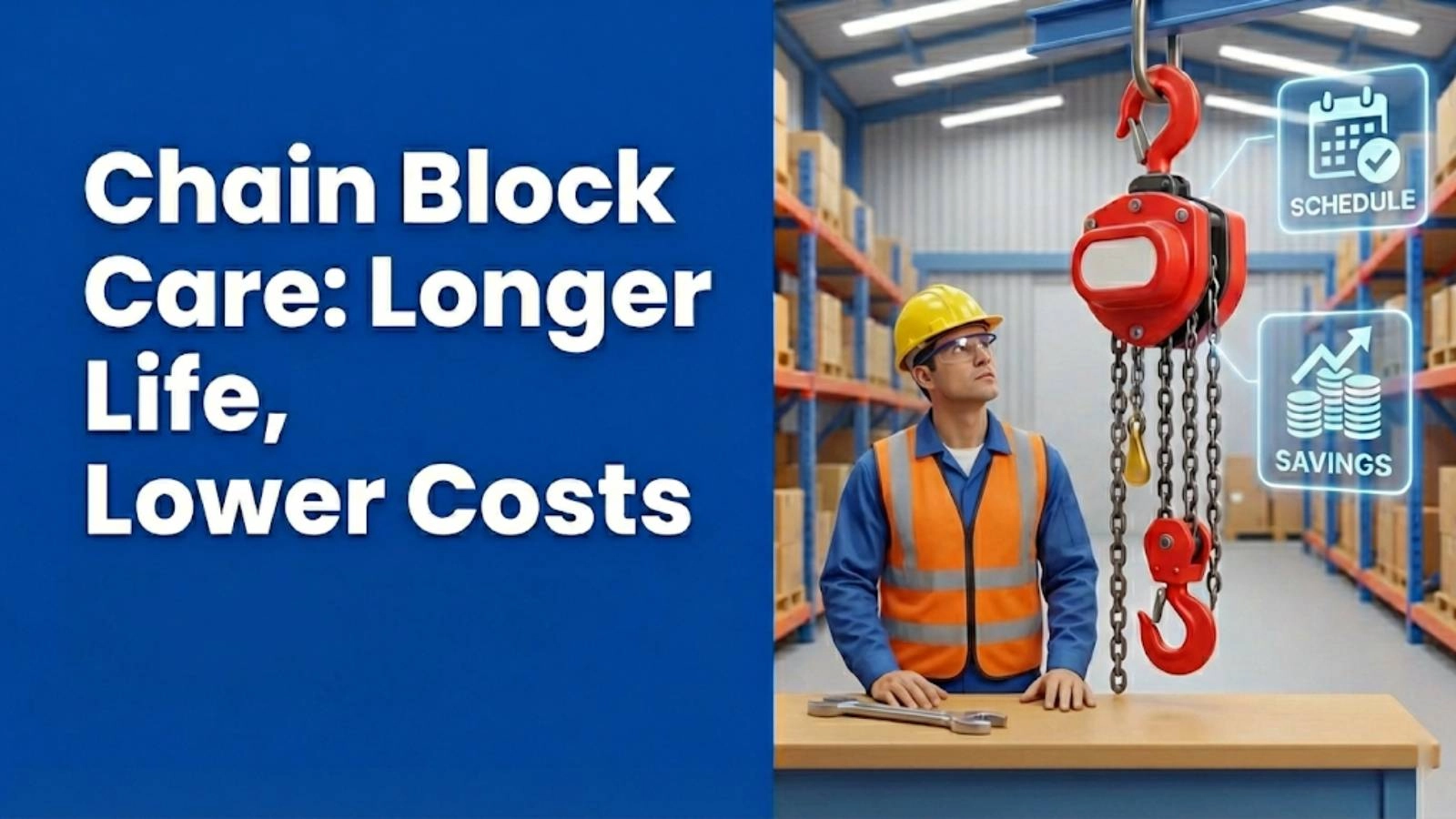
Chain blocks are indispensable tools across various industries, providing essential lifting capabilities. However, like any mechanical device, they are prone to wear and tear, leading to chain block problems that can compromise safety and efficiency. Understanding these issues, knowing how to diagnose them, and implementing effective solutions are critical for maintaining a safe and productive work environment. Let’s delve into the world of chain block challenges and how to overcome them.
The Silent Killer of Productivity: Understanding Chain Block Problems
Chain block problems can silently erode productivity, leading to unexpected downtime and increased costs. Recognizing the significance of these issues is the first step towards mitigating their impact.
A Story from the Field: When a Chain Block Failed Us
We once encountered a significant setback on a construction site due to a seemingly minor chain block malfunction. The chain block, used to lift heavy steel beams, suddenly jammed mid-lift, halting the entire operation. The beam was precariously suspended, posing a serious safety hazard.
The immediate consequence was a complete standstill. Workers were unable to continue their tasks, and the project timeline was thrown into disarray. What initially appeared to be a simple chain block problem quickly escalated into a major disruption, costing us valuable time and resources. The hidden costs of downtime extend beyond lost hours; they encompass compromised safety, potential equipment damage, and a dent in overall project morale.
Why Chain Blocks Matter: The Backbone of Many Operations
Chain blocks are ubiquitous in industries requiring heavy lifting, serving as the backbone of numerous operations. From construction sites to manufacturing plants, their reliability is paramount. These tools are commonly used in construction for lifting materials, in workshops for assembling products, and in warehouses for loading and unloading goods.
The efficiency and safety of these operations hinge on the dependable performance of chain blocks. A malfunctioning chain block can lead to delays, injuries, and even fatalities. Therefore, regular chain block maintenance and prompt repair are not merely best practices, but essential components of responsible operation. Without reliable lifting equipment, projects can grind to a halt, schedules can be missed, and the safety of workers can be jeopardized. Safe and Secure Trading Company understands this criticality and ensures our services always reflect it.
Unveiling the Culprits: Common Chain Block Problems Explained
Chain block problems can stem from a variety of factors, including wear and tear, lack of lubrication, overloading, and improper usage. Some of the most frequent issues include chain slippage, jerky movement, binding, hook damage, and brake failure. Chain slippage and jerky movement are often caused by worn or damaged chain links, while binding can result from rust or debris accumulation. Hook damage, such as bending or deformation, can compromise load security, and brake failure can lead to uncontrolled lowering of the load, posing a significant safety risk.
Preventative maintenance is crucial to avoid these problems. Regular inspections, lubrication, and adherence to load limits can significantly extend the lifespan of chain blocks and minimize the risk of malfunctions. By addressing minor issues proactively, you can prevent them from escalating into major problems that require costly repairs or replacements.
Diagnosing the Ailment: Spotting Chain Block Problems Early
Early detection of chain block problems is essential for preventing accidents and minimizing downtime. A systematic approach to inspection can help identify potential issues before they escalate.
The Eyes Have It: Visual Inspection for Obvious Signs
A thorough visual inspection is the first line of defense against chain block problems. Begin by carefully examining the chain for signs of wear, corrosion, or damage. Look for elongated links, cracks, or any other abnormalities that could compromise its integrity.
Next, inspect the hooks, latches, and body of the chain block for cracks, deformation, or any other signs of damage. Pay close attention to the latch mechanism, ensuring it functions properly and securely locks the hook. Any visible damage should be addressed immediately to prevent further deterioration and potential failure. This is the most basic, yet most vital, part of chain block inspection.
The Feel Test: Detecting Subtle Issues
In addition to visual inspection, the “feel test” can help detect subtle issues that might not be immediately apparent. Gently run your hand along the chain, feeling for any stiffness or binding. The chain should move smoothly and freely without any resistance.
Assess the smoothness of the lifting and lowering mechanism by operating the chain block. Any jerky or uneven movement could indicate internal problems, such as worn gears or a malfunctioning brake system. By carefully feeling for these subtle issues, you can identify potential problems before they escalate into major malfunctions. We have seen our teams in Dubai use this technique effectively.
The Sound of Trouble: Listening for Unusual Noises
Unusual noises during operation can be a telltale sign of underlying chain block problems. Pay close attention to any grinding, clicking, or popping sounds that might indicate internal issues.
Grinding sounds could suggest worn gears or a lack of lubrication, while clicking or popping sounds might indicate damaged components or debris lodged within the mechanism. Identifying these sounds early can help pinpoint the source of the problem and prevent further damage. Address any unusual noises promptly to avoid potential safety hazards and costly repairs.
Solution Central: Tackling Common Chain Block Problems Head-On
Addressing chain block problems promptly and effectively is crucial for maintaining a safe and efficient work environment. Here’s a breakdown of common issues and their solutions.
The Chain Reaction: Addressing Chain-Related Issues
Chain-related issues are among the most common chain block problems. Here’s how to tackle them:
- Problem: Chain Slippage and Jerky Movement
Chain slippage and jerky movement can compromise load stability and pose a safety risk.
Solution: Cleaning and lubricating the chain to reduce friction is often the first step. Use a high-quality chain lubricant to ensure smooth operation.
Solution: Inspect the chain for worn or damaged links. Replace any damaged links or the entire chain if necessary.
- Problem: Chain Binding or Stiffness
Chain binding or stiffness can make it difficult to operate the chain block and may indicate internal problems.
Solution: Thoroughly cleaning the chain to remove debris and rust is essential. Use a wire brush and a suitable cleaning agent to remove any buildup.
Solution: Applying a high-quality chain lubricant after cleaning can help prevent future binding and ensure smooth operation.
Overloading a chain block can cause permanent damage to the chain and other components, posing a significant safety risk. Chain slipping is often a symptom of an overloaded chain block.
Solution: Ensure the chain block is never used beyond its WLL (Working Load Limit). This is a critical safety measure.
Solution: Utilize a chain block with a higher WLL if necessary. Always select a chain block that is appropriately sized for the intended load.
Hooked on Safety: Fixing Hook and Latch Problems
Hook and latch problems can compromise load security and increase the risk of accidents.
- Problem: Bent or Deformed Hooks
Bent or deformed hooks can weaken the connection point and increase the likelihood of load slippage.
Solution: Replace damaged hooks immediately; do not attempt to repair them. Damaged hooks should be replaced with genuine replacement parts that meet the manufacturer’s specifications.
- Problem: Broken or Missing Latches
Broken or missing latches can prevent the hook from securely holding the load.
Solution: Replacing latches is crucial to ensure load security. Always use the correct replacement latch for the specific chain block model.
A sticking latch can make it difficult to securely attach and detach the load.
Solution: Cleaning and lubricating the latch mechanism can often resolve this issue. Use a light lubricant to ensure smooth operation.
Brake It Down: Resolving Brake System Issues
Brake system issues can compromise the chain block’s ability to safely hold and lower loads.
- Problem: Brake Slippage or Failure
Brake slippage or failure can lead to uncontrolled lowering of the load, posing a serious safety risk.
Solution: Inspecting brake pads for wear and replacing them is essential. Worn brake pads can reduce braking effectiveness.
Solution: Adjusting the brake mechanism according to the manufacturer’s instructions can help restore proper braking function.
Brake noise can indicate underlying problems with the brake system.
Solution: Cleaning the brake assembly to remove debris can often resolve this issue. Use a brush and a suitable cleaning agent to remove any buildup.
Solution: Applying a specialized brake lubricant can help reduce friction and noise.
The SSTC Approach: Proactive Maintenance for Longevity
Proactive maintenance is the cornerstone of extending the lifespan of chain blocks and preventing costly downtime. Implementing a comprehensive maintenance program can significantly improve the reliability and safety of your lifting equipment.
Creating a Chain Block Maintenance Schedule
A well-defined maintenance schedule is essential for ensuring the long-term health of your chain blocks. Determine the frequency of inspections and lubrication based on the usage of each chain block. High-use chain blocks may require more frequent maintenance than those used less often.
Keep a detailed log of maintenance activities and repairs. This log should include the date of each inspection, the type of maintenance performed, and any parts that were replaced. A well-maintained log can help track the performance of each chain block and identify potential problems before they escalate.
The Right Tools for the Job: Essential Maintenance Supplies
Having the right tools and supplies on hand can make chain block maintenance easier and more effective.
Select appropriate chain lubricants and cleaning agents that are specifically designed for chain blocks. Avoid using harsh chemicals that could damage the chain or other components.
Using calibrated load testing equipment is also essential for verifying the safe working load of chain blocks. Regular load testing can help identify any weaknesses or damage that could compromise their lifting capacity.
Training Your Team: Empowering Users with Knowledge
Proper training is crucial for ensuring that operators use chain blocks safely and effectively.
Educate operators on proper chain block usage and safety procedures. This training should include instructions on how to inspect the chain block before each use, how to attach the load securely, and how to operate the chain block safely.
Demonstrate how to identify and report potential problems. Operators should be trained to recognize signs of wear, damage, or malfunction and to report any concerns immediately.
Expert Insights: Avoiding Costly Chain Block Failures
Preventative measures and expert insights can significantly reduce the risk of chain block failures and their associated costs.
“The key to chain block longevity is consistent care. Regular inspections, proper lubrication, and never exceeding the WLL are paramount.” – Jane Doe, Lifting Equipment Specialist
Chain Block Checklist: Pro-Tips for Smooth Operations
Follow this checklist for optimal chain block performance:
- Regularly inspect the chain for wear and damage.
- Lubricate the chain and moving parts frequently.
- Ensure the load is within the chain block’s WLL.
- Train operators on proper usage and safety procedures.
Statistical Proof: The ROI of Preventative Maintenance
The benefits of preventative maintenance are well-documented.
Studies show that regular chain block maintenance can reduce downtime by up to 40%.
Investing in maintenance saves money in the long run by preventing costly repairs and accidents. By proactively addressing potential problems, you can minimize disruptions and ensure the safe and efficient operation of your lifting equipment.
| Maintenance Task |
Frequency |
Benefits |
| Visual Inspection |
Before each use |
Detects immediate damage or wear |
| Lubrication |
Monthly or after heavy use |
Reduces friction, prevents rust |
| Load Testing |
Annually |
Verifies safe working load |
| Professional Inspection |
Every 3-5 years |
Comprehensive assessment by experts |
Safety First: Minimizing Risks and Maximizing Protection
Prioritizing safety is paramount when working with chain blocks. Understanding the risks and implementing appropriate safety protocols can significantly reduce the likelihood of accidents.
Don’t Be a Statistic: Understanding the Risks of Chain Block Failure
Chain block failure can have serious consequences, including injuries, property damage, and even fatalities.
The potential consequences of using faulty or poorly maintained equipment are severe. A broken chain, a slipping brake, or a malfunctioning hook can all lead to catastrophic accidents.
Prioritizing safety is essential to protect workers and prevent accidents. Always ensure that chain blocks are in good working condition and that operators are properly trained to use them safely.
Implementing Safety Protocols: Best Practices for Chain Block Operation
Implementing comprehensive safety protocols is crucial for minimizing risks and ensuring a safe work environment.
Ensure operators are properly trained and certified to operate chain blocks. This training should include instructions on proper lifting techniques, load securement, and emergency procedures.
Using personal protective equipment (PPE) such as gloves and eye protection is also essential. PPE can help protect workers from injuries caused by falling objects, sharp edges, or other hazards.
Emergency Procedures: What to Do in Case of a Chain Block Failure
Knowing how to respond in the event of a chain block failure is critical for minimizing the risk of injury and damage.
Knowing how to safely lower a load in the event of a malfunction is essential. Operators should be trained to use the chain block’s emergency lowering mechanism or to take other appropriate actions to safely lower the load to the ground.
Reporting incidents and conducting thorough investigations can help identify the root causes of chain block failures and prevent future accidents. These investigations should include a review of maintenance records, operator training, and equipment condition.
Troubleshooting Deep Dive: Advanced Problem Solving
For more complex issues, a deeper dive into troubleshooting is necessary. Here’s how to approach some advanced chain block problems. Chain hoist troubleshooting can sometimes require advanced mechanical knowledge.
Unusual Sounds
- Problem: Loud creaking sound during lifting.
Possible Cause: Overloading the chain block beyond its WLL.
Solution: Immediately stop lifting, lower the load safely, and verify the load weight is within the chain block’s capacity. If necessary, use a chain block with a higher WLL.
- Problem: Grinding noise when operating the chain.
Possible Cause: Internal gear damage or lack of lubrication.
Solution: Disassemble the chain block (if qualified), inspect the gears for wear or damage, lubricate thoroughly, and reassemble. If damage is severe, replace the chain block. Manual chain block repair can be complex and should only be done by qualified personnel.
Movement Issues
- Problem: Chain block lifts unevenly or at an angle.
Possible Cause: Load not properly centered or hook damage.
Solution: Ensure the load is balanced and centered on the hook. Inspect the hook for bending or damage and replace if necessary. Hoist chain problems can often be traced back to improper loading.
- Problem: Chain block is stuck and won’t move up or down.
Possible Cause: Jammed mechanism due to debris or severe overload.
* Solution: Do not force the chain block. Carefully inspect the chain and mechanism for obstructions. If possible, remove the obstruction. If the chain block was overloaded, have it inspected by a qualified technician before further use.
When to Call the Pros: Recognizing the Limits of DIY Repair
While some chain block problems can be addressed with basic maintenance, others require professional expertise.
Assessing Your Skills: Are You Qualified to Repair a Chain Block?
Knowing when to seek professional assistance is crucial to avoid making the problem worse. Attempting complex repairs without proper training and equipment can be dangerous and may void the warranty.
The risks of attempting complex repairs without proper training and equipment are significant. You could damage the chain block further, compromise its safety, or even injure yourself.
Finding a Reputable Repair Service: What to Look For
When seeking professional repair services, it’s essential to choose a reputable provider with the necessary expertise and certifications.
Check for certifications and experience in chain block repair. Look for providers who are certified by recognized organizations or who have a proven track record of successful repairs.
Reading reviews and asking for references can also help you find a reliable repair service. Ask for references from other customers and check online reviews to get a sense of the provider’s reputation.
The Cost of Expertise: Weighing the Benefits of Professional Service
While professional repair services may come at a cost, they offer significant benefits in terms of safety, reliability, and longevity.
Understanding the value of professional repairs in terms of safety and reliability is crucial. Professional technicians have the training, experience, and equipment to diagnose and repair chain block problems safely and effectively.
Preventing further damage and extending the life of your equipment is another key benefit of professional repair services. By addressing problems promptly and effectively, you can prevent them from escalating into more costly and time-consuming repairs.
Recap of Achievement: Lifting Operations Made Safer
You Did It!
You have successfully learned how to identify, troubleshoot, and address common chain block problems. Your understanding of chain block problems will now lead to improved safety, reduced downtime, and better maintenance practices.
Your knowledge will help you maintain your equipment, improve safety, and prevent costly downtime. By implementing the strategies outlined in this guide, you can ensure the reliable and safe operation of your chain blocks.
Next Steps:
Implement a regular maintenance schedule for your chain blocks. This is the single most important step you can take to improve safety and reduce downtime.
Train your team on proper usage and safety procedures. A well-trained team is essential for preventing accidents and ensuring the safe operation of your lifting equipment.
FAQ Section
Q: How often should I inspect my chain block?
A: You should perform a visual inspection before each use and a more thorough inspection at least monthly, depending on usage. High-use chain blocks may require more frequent inspections.
Q: What are the signs of a worn chain?
A: Signs of a worn chain include elongated links, cracks, corrosion, and reduced thickness. Any of these signs indicate that the chain should be replaced immediately.
Q: Can I repair a damaged hook?
A: No, damaged hooks should never be repaired. They should be replaced immediately with genuine replacement parts.
Q: What type of lubricant should I use on my chain block?
A: Use a high-quality chain lubricant specifically designed for chain blocks. Avoid using harsh chemicals that could damage the chain or other components.
Q: How do I know if my chain block is overloaded?
A: If you hear loud creaking sounds during lifting, or if the chain block is struggling to lift the load, it may be overloaded. Immediately stop lifting, lower the load safely, and verify that the load weight is within the chain block’s WLL.
Q: What should I do if the brake fails on my chain block?
A: If the brake fails, immediately stop lifting and attempt to safely lower the load to the ground using the chain block’s emergency lowering mechanism. Report the incident immediately and have the chain block inspected by a qualified technician before further use.
Q: Where can I find replacement parts for my chain block?
A: You can find replacement parts from the chain block manufacturer or from a reputable supplier of lifting equipment. Always use genuine replacement parts that meet the manufacturer’s specifications.
Q: How can I extend the life of my chain block?
A: You can extend the life of your chain block by implementing a regular maintenance schedule, training operators on proper usage and safety procedures, and addressing potential problems promptly. Chain block maintenance is not difficult, but is vital.
Q: What are the most common lifting equipment issues?
A: The most common lifting equipment issues are chain slipping, jerky movement, binding, hook damage, and brake failure.
Q: What is chain block safety?
A: Chain block safety refers to the practices and procedures designed to prevent accidents and injuries when using chain blocks. These include proper training, regular inspection, adherence to load limits, and the use of personal protective equipment.