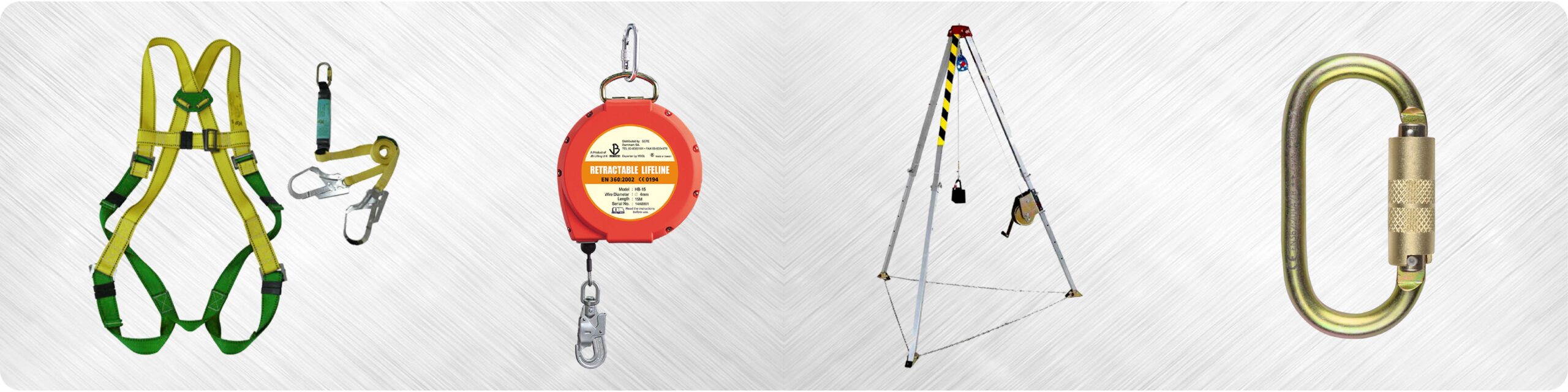
Eliminate Common Fall Hazards
Falls are a significant cause of injury in various settings, from workplaces to public spaces. Understanding and mitigating fall hazards is essential for creating a safer environment for everyone. This comprehensive guide will explore common fall hazards, providing actionable strategies to eliminate or minimize them. At Safe and Secure Trading Company (SSTC), we are committed to helping businesses and individuals prioritize safety and implement effective accident prevention measures.
1. Introduction: The Stark Reality of Fall Hazards
Fall hazards pose a serious threat to individuals across numerous environments, leading to injuries, disabilities, and even fatalities. Recognizing the pervasiveness and severity of these risks is the first step towards implementing effective slip and fall prevention strategies. SSTC advocates for a proactive approach, emphasizing the importance of identifying, assessing, and mitigating potential dangers before accidents occur.
1.1. Defining “Fall Hazard”: A Data-Driven Perspective
A “fall hazard” is any condition that presents a risk of unintentional descent to a lower level, potentially resulting in injury. These hazards can range from slippery surfaces and cluttered walkways to inadequate lighting and unprotected heights. At SSTC, we analyze data from various sources to understand the specific fall hazards prevalent in different industries and environments, allowing us to develop targeted safety management solutions.
1.2. Statistical Overview: The Prevalence of Falls
Falls are a leading cause of injury and death in the workplace and beyond. According to the National Safety Council, falls are among the most common causes of workplace injuries, accounting for a significant percentage of workers’ compensation claims. SSTC closely monitors these statistics to inform our safety training programs and ensure they address the most pressing risks.
1.3. The Economic Impact of Fall-Related Injuries
The economic consequences of fall-related injuries are substantial, encompassing medical expenses, lost productivity, and legal liabilities. Businesses can face significant financial burdens due to workers’ compensation claims, lawsuits, and decreased employee morale. SSTC helps organizations understand the economic benefits of investing in fall hazards risk mitigation and fall protection, demonstrating the long-term cost savings associated with proactive safety measures.
1.4. Scope of this Guide: A Proactive Approach to Prevention
This guide provides a comprehensive overview of common fall hazards and practical strategies for their elimination or mitigation. We will explore various types of hazards, from wet floors and cluttered walkways to inadequate lighting and unprotected heights. SSTC encourages a proactive approach to workplace safety, emphasizing the importance of identifying and addressing potential risks before accidents occur.
2. Wet or Slippery Surfaces: A Major Culprit
✅ Wet or slippery surfaces are a leading cause of slip-and-fall incidents. These conditions can arise from spills, leaks, weather conditions, or improper cleaning practices. Implementing effective floor maintenance protocols, utilizing slip-resistant flooring options, and providing adequate signage are crucial steps in preventing these types of accidents.
2.1. Data on Slip-and-Fall Incidents Due to Wet Floors
Data from the Bureau of Labor Statistics consistently shows that a significant percentage of slip-and-fall injuries are attributable to wet or slippery surfaces. Businesses need to prioritize floor safety to reduce these incidents. We at SSTC often see that failing to address this issue directly contributes to increased insurance costs and decreased employee productivity for our clients around Jubail.
2.2. Effective Floor Maintenance Protocols: A Checklist
Implementing effective floor maintenance protocols is essential for preventing slip-and-fall accidents. This includes regular cleaning, prompt spill cleanup, and the use of appropriate cleaning agents.
Here’s a quick checklist:
| Task |
Frequency |
Materials |
| Regular Cleaning |
Daily |
Mop, bucket, neutral cleaner |
| Spill Cleanup |
Immediately |
Absorbent materials, wet floor signs |
| Deep Cleaning |
Weekly |
Scrubber, degreaser |
| Inspection |
Daily |
Checklist, flashlight |
2.3. Slip-Resistant Flooring Options: Comparative Analysis
Choosing the right flooring material can significantly reduce the risk of slip-and-fall accidents. Slip-resistant flooring options include textured surfaces, rubber mats, and epoxy coatings. Evaluating the slip resistance of different flooring materials is crucial for selecting the best option for a specific environment. We at SSTC provide guidance on slip and fall prevention for selecting the right flooring based on traffic, exposure to liquids, and aesthetic requirements.
2.4. Signage and Warning Systems: Maximizing Visibility
Clearly visible signage is essential for warning individuals about potential slip hazards. “Wet Floor” signs, caution tape, and other warning devices can alert people to slippery conditions and encourage them to exercise caution. Properly placed and maintained signage can significantly reduce the risk of accidents. For our clients in Riyadh, we always emphasize that signage must be multilingual to accommodate a diverse workforce.
3. Clutter and Obstructions: Hidden Dangers Underfoot
💡 Clutter and obstructions in walkways and work areas can create tripping hazards, leading to falls and injuries. Implementing a “Clean As You Go” policy, designating storage areas, and conducting regular inspections can help maintain a clutter-free environment.
3.1. Quantifying the Risk: Clutter-Related Accident Statistics
Statistics show that a significant number of falls are caused by clutter and obstructions in walkways. These hazards can include boxes, equipment, cables, and other materials left in pathways. Understanding the frequency and severity of clutter-related accidents is crucial for prioritizing cleanup efforts.
3.2. Implementing a “Clean As You Go” Policy
A “Clean As You Go” policy encourages employees to clean up spills, remove obstructions, and dispose of waste materials immediately after use. This proactive approach helps maintain a clutter-free environment and reduces the risk of tripping hazards.
3.3. Designated Storage Areas: Streamlining Organization
Designating specific storage areas for equipment, materials, and supplies can help prevent clutter from accumulating in walkways and work areas. Clearly labeled storage locations and organized storage systems make it easier for employees to find and return items, reducing the likelihood of clutter.
3.4. Regular Inspections and Audits: Maintaining Order
Regular inspections and audits are essential for identifying and addressing potential clutter hazards. These inspections should focus on walkways, work areas, and storage locations, looking for obstructions, spills, and other potential tripping hazards. We at SSTC find that frequent inspections by a safety officer reduce incidents by as much as 40%.
4. Uneven Walking Surfaces: Tripping Hazards in Disguise
➡️ Uneven walking surfaces, such as cracks, potholes, and raised edges, can create tripping hazards and lead to falls. Identifying and marking these areas, implementing repair strategies, and ensuring proper lighting can help prevent accidents.
4.1. Statistical Analysis of Injuries Caused by Uneven Surfaces
Statistical analysis reveals that uneven walking surfaces contribute to a significant number of fall-related injuries. These injuries can range from minor sprains and bruises to more serious fractures and head trauma. Understanding the prevalence of these injuries is crucial for prioritizing repair efforts.
4.2. Identification and Marking of Hazardous Areas
Identifying and marking uneven walking surfaces is essential for warning individuals about potential tripping hazards. Brightly colored paint, cones, or other warning devices can be used to highlight these areas and encourage people to exercise caution.
4.3. Repair and Remediation Strategies: Short-Term and Long-Term Solutions
Implementing both short-term and long-term repair strategies is crucial for addressing uneven walking surfaces. Short-term solutions may involve temporary repairs, such as patching cracks or filling potholes. Long-term solutions may involve complete resurfacing or replacement of damaged areas.
4.4. Proper Lighting: Enhancing Visibility and Awareness
Adequate lighting is essential for enhancing visibility and awareness of uneven walking surfaces. Proper lighting can help individuals see and avoid potential tripping hazards, reducing the risk of falls. Ensuring that walkways and work areas are well-lit is a crucial step in fall hazards prevention.
5. Lack of Fall Protection: When Heights Become Hazardous
🚧 Working at heights without proper fall protection equipment and procedures can result in serious injuries or fatalities. Providing harnesses, guardrails, and nets, ensuring proper safety training, and complying with OSHA standards are crucial for preventing falls from heights.
5.1. Fall Protection Equipment: Harnesses, Guardrails, and Nets
Providing appropriate fall protection equipment is essential for protecting workers who are exposed to fall hazards at heights. This equipment may include harnesses, lanyards, guardrails, safety nets, and other devices designed to prevent or arrest falls. Selecting the right equipment for the specific task and environment is crucial for ensuring worker safety.
5.2. Importance of Safety Training and Competent Personnel
Providing comprehensive safety training is essential for ensuring that workers understand how to use fall protection equipment properly and follow safe work practices. Training should cover hazard recognition, equipment inspection, proper usage techniques, and emergency procedures. Only competent personnel who have received adequate training should be allowed to work at heights.
5.3. Analysis of Fall Protection Systems: A Cost-Benefit Assessment
Conducting a cost-benefit assessment of different fall protection systems can help organizations determine the most effective and economical solutions for their specific needs. This assessment should consider the initial cost of the equipment, the ongoing maintenance expenses, and the potential cost savings associated with preventing falls and injuries.
5.4. Regulatory Compliance: Meeting OSHA Standards for Height Work
Complying with OSHA standards for height work is essential for ensuring worker safety and avoiding costly penalties. OSHA regulations specify the requirements for fall protection equipment, training, and procedures. Organizations must stay informed about these regulations and implement measures to ensure compliance.
6. Inadequate Lighting: A Contributor to Falls
💡 Insufficient lighting can obscure potential fall hazards, increasing the risk of trips and slips. Measuring light levels, optimizing lighting design, and installing emergency lighting systems can help improve visibility and prevent accidents.
6.1. Statistics on Fall Incidents and Lighting Levels
Statistics show a direct correlation between inadequate lighting and an increased number of fall incidents. Dimly lit areas make it difficult to see potential fall hazards, such as uneven surfaces, spills, and obstructions. Improving lighting can significantly reduce the risk of falls.
6.2. Measuring Light Levels: Lux Meters and Recommended Standards
Measuring light levels using a lux meter can help determine whether lighting is adequate for a specific environment. Recommended lighting standards vary depending on the type of work being performed and the potential fall hazards present. We at SSTC advise our clients to maintain lux levels above 500 in high-risk areas.
6.3. Optimizing Lighting Design: Placement and Intensity
Optimizing lighting design involves carefully considering the placement and intensity of light fixtures to ensure adequate illumination throughout the work area. Proper lighting design can eliminate shadows, reduce glare, and improve visibility, enhancing safety and productivity.
6.4. Emergency Lighting Systems: Ensuring Safety During Power Outages
Emergency lighting systems are essential for ensuring safety during power outages. These systems provide backup lighting that activates automatically when the main power supply fails, allowing individuals to safely evacuate the area or continue working in a safe manner.
7. Stairs: Navigating a Common Fall Zone
🚧 Stairs are a common location for fall-related injuries. Adhering to safety codes for stairway design and construction, installing and maintaining handrails, and using non-slip stair treads can help prevent accidents on stairs.
7.1. Data on Stair-Related Fall Injuries
Data on stair-related fall injuries reveal that a significant number of falls occur on stairs each year. These injuries can range from minor sprains and bruises to more serious fractures and head trauma. Understanding the factors that contribute to stair-related falls is crucial for implementing effective fall hazards prevention measures.
7.2. Stairway Design and Construction: Adherence to Safety Codes
Adhering to safety codes for stairway design and construction is essential for ensuring the safety of stair users. These codes specify the requirements for stair width, riser height, tread depth, and other design features. Ensuring that stairways meet these codes can significantly reduce the risk of falls.
7.3. Handrail Installation and Maintenance: Critical Support
Handrail installation and maintenance are critical for providing support and stability to stair users. Handrails should be securely mounted and easily accessible, allowing individuals to maintain their balance while ascending or descending stairs. Regular inspections and maintenance are essential for ensuring that handrails remain in good condition.
7.4. Non-Slip Stair Treads: Enhancing Traction
Using non-slip stair treads can significantly enhance traction and reduce the risk of falls on stairs. These treads are typically made of rubber, abrasive materials, or other slip-resistant materials. Installing non-slip treads on stairs can provide added safety and peace of mind.
8. Weather Conditions: External Factors Influencing Fall Risk
➡️ Weather conditions, such as ice, snow, and rain, can create significant fall hazards, particularly outdoors. Implementing ice and snow removal procedures, addressing outdoor slip hazards, and monitoring weather conditions can help prevent falls in inclement weather.
8.1. Ice and Snow Removal: Preventing Winter Falls
Implementing effective ice and snow removal procedures is essential for preventing winter falls. This may involve using snow plows, shovels, and de-icing agents to clear walkways, parking lots, and other outdoor areas. Prioritizing snow and ice removal can significantly reduce the risk of falls.
8.2. Rain and Puddles: Addressing Outdoor Slip Hazards
Rain and puddles can create outdoor slip hazards, particularly on smooth surfaces such as sidewalks and pavement. Addressing these hazards may involve improving drainage, installing non-slip surfaces, and providing warning signs to alert individuals to the potential for slips.
8.3. Weather Monitoring and Preparedness: Proactive Measures
Monitoring weather conditions and implementing proactive measures can help organizations prepare for and mitigate the risk of weather-related falls. This may involve tracking weather forecasts, issuing warnings about potential hazards, and implementing contingency plans to address inclement weather.
8.4. Seasonal Safety Protocols: Adapting to Changing Conditions
Adapting safety protocols to changing seasonal conditions is essential for maintaining a safe environment year-round. This may involve implementing specific procedures for winter weather, such as snow and ice removal, as well as addressing other seasonal hazards, such as heat stress and insect bites.
9. Footwear: The Critical Interface Between Feet and Floor
✨ The type of footwear worn can significantly impact slip resistance and the risk of falls. Providing recommended footwear guidelines, educating employees about safe footwear choices, and offering subsidies for safety shoes can help reduce fall incidents.
9.1. The Impact of Footwear on Slip Resistance: Testing and Data
The type of footwear worn has a significant impact on slip resistance and the risk of falls. Studies have shown that certain types of footwear, such as shoes with smooth soles or high heels, are more likely to contribute to slips and falls. Testing and data can help determine the slip resistance of different types of footwear.
9.2. Recommended Footwear Guidelines: Industry-Specific Considerations
Developing recommended footwear guidelines based on industry-specific considerations is essential for ensuring worker safety. These guidelines should specify the types of footwear that are appropriate for different work environments and tasks, taking into account factors such as slip resistance, comfort, and durability.
9.3. Employee Education: Promoting Safe Footwear Choices
Educating employees about safe footwear choices is crucial for promoting a culture of safety. This may involve providing information about the importance of slip-resistant footwear, offering guidance on selecting appropriate shoes, and encouraging employees to wear safe footwear at all times.
9.4. Providing Subsidies for Safety Shoes
Providing subsidies for safety shoes can help encourage employees to purchase and wear appropriate footwear. This can be particularly beneficial in industries where workers are exposed to significant fall hazards or required to wear specialized footwear.
10. Risk Assessment and Management: A Systematic Approach
✅ A systematic approach to risk assessment and safety management is essential for identifying, evaluating, and controlling fall hazards. This involves conducting workplace surveys, evaluating the probability and severity of falls, implementing preventative actions, and continuously monitoring and reviewing safety protocols.
10.1. Hazard Identification: Comprehensive Workplace Surveys
Conducting comprehensive workplace surveys is the first step in identifying potential fall hazards. These surveys should involve a thorough inspection of the work environment, looking for conditions that could lead to falls, such as slippery surfaces, cluttered walkways, and inadequate lighting.
10.2. Risk Evaluation: Quantifying the Probability and Severity of Falls
Evaluating the probability and severity of falls is essential for prioritizing risk mitigation efforts. This involves assessing the likelihood of a fall occurring and the potential consequences of such an event. We at SSTC find that using a risk matrix helps visualize and communicate the severity of risks effectively.
10.3. Control Measures: Implementing Preventative Actions
Implementing preventative actions is crucial for controlling fall hazards and reducing the risk of accidents. These actions may include eliminating hazards, implementing engineering controls, providing personal protective equipment, and developing safe work procedures.
10.4. Monitoring and Review: Continuous Improvement of Safety Protocols
Continuous monitoring and review of safety protocols are essential for ensuring that they remain effective and up-to-date. This involves regularly inspecting the work environment, reviewing incident reports, and soliciting feedback from employees.
> “A proactive approach to safety is not just a best practice; it’s a moral imperative.” – John Smith, Lead Safety Inspector
11. Training and Education: Empowering Employees Through Knowledge
✨ Comprehensive safety training programs are essential for empowering employees with the knowledge and skills they need to prevent falls. This includes providing training on hazard recognition, fall protection equipment, safe work practices, and emergency procedures.
11.1. Comprehensive Fall Prevention Training Programs
Implementing comprehensive fall prevention training programs is essential for equipping employees with the knowledge and skills they need to work safely at heights and avoid falls. These programs should cover a wide range of topics, including hazard recognition, fall protection equipment, safe work practices, and emergency procedures.
11.2. Competency Assessment: Ensuring Employee Understanding
Assessing employee competency is crucial for ensuring that they have understood and retained the information presented in safety training programs. This may involve administering written tests, conducting practical demonstrations, and observing employees as they perform their work.
11.3. Regular Refresher Courses: Reinforcing Safety Practices
Providing regular refresher courses is essential for reinforcing safety practices and keeping employees up-to-date on the latest fall prevention techniques. These courses should review key concepts, address common misconceptions, and provide opportunities for employees to practice their skills.
11.4. Documenting Training Records: Demonstrating Due Diligence
Documenting training records is essential for demonstrating due diligence and complying with regulatory requirements. These records should include the names of employees who have received training, the dates of training, the topics covered, and the results of competency assessments.
Here are the top 3 ways to avoid falls in the workplace:
1. Implement comprehensive safety training programs for all employees.
2. Conduct regular workplace surveys to identify and mitigate potential fall hazards.
3. Provide and enforce the use of appropriate fall protection equipment when working at heights.
12. Conclusion: Building a Culture of Fall Prevention
Prioritizing fall hazards prevention is not just a matter of compliance; it’s a commitment to protecting the well-being of individuals and creating a safer environment for everyone. By implementing the strategies outlined in this guide, organizations can significantly reduce the risk of falls and create a culture of safety. At SSTC, we believe that every fall is preventable, and we are dedicated to helping businesses and individuals achieve zero fall hazards.
12.1. Summarizing Key Strategies for Eliminating Fall Hazards
Eliminating fall hazards requires a multi-faceted approach that includes identifying and addressing potential risks, implementing preventative measures, and promoting a culture of safety. Key strategies include regular inspections, effective floor maintenance, proper lighting, fall protection equipment, and comprehensive training programs.
12.2. Emphasizing the Importance of Continuous Improvement
Continuous improvement is essential for maintaining a safe environment and preventing falls. Organizations should regularly review their safety protocols, monitor incident reports, and solicit feedback from employees to identify areas for improvement.
12.3. Call to Action: Encouraging Proactive Safety Measures
At Safe and Secure Trading Company, we’re dedicated to helping you create a safer environment.
FAQ Section
Q: What are the most common types of fall hazards in the workplace?
A: The most common types of fall hazards in the workplace include wet or slippery surfaces, clutter and obstructions, uneven walking surfaces, lack of fall protection, inadequate lighting, and hazards on stairs.
Q: How can I identify potential fall hazards in my workplace?
A: You can identify potential fall hazards by conducting comprehensive workplace surveys, inspecting walkways and work areas, and soliciting feedback from employees. Look for conditions that could lead to falls, such as spills, obstructions, and uneven surfaces.
Q: What are some effective strategies for preventing falls on wet or slippery surfaces?
A: Effective strategies for preventing falls on wet or slippery surfaces include implementing regular cleaning schedules, promptly cleaning up spills, using slip-resistant flooring materials, and providing adequate signage to warn individuals about potential hazards.
Q: What is the importance of fall protection equipment when working at heights?
A: Fall protection equipment, such as harnesses, lanyards, and guardrails, is essential for preventing serious injuries or fatalities when working at heights. This equipment can prevent falls or arrest a fall in progress, minimizing the risk of harm.
Q: How often should fall prevention training be conducted for employees?
A: Fall prevention training should be conducted for all new employees and repeated regularly, at least annually, to reinforce safety practices and keep employees up-to-date on the latest techniques. More frequent training may be necessary for employees who work in high-risk environments.
Q: What role does lighting play in fall prevention?
A: Adequate lighting is crucial for enhancing visibility and awareness of potential fall hazards. Proper lighting can help individuals see and avoid hazards, such as uneven surfaces, spills, and obstructions, reducing the risk of falls.
Q: How can I create a culture of safety in my workplace?
A: You can create a culture of safety by prioritizing fall hazards prevention, providing comprehensive safety training, encouraging employee participation in safety initiatives, and recognizing and rewarding safe behavior. A strong safety culture emphasizes the importance of safety at all levels of the organization.
Q: What are the OSHA requirements for fall protection?
A: OSHA has specific requirements for fall protection depending on the industry and type of work being performed. Generally, fall protection is required at heights of 4 feet in general industry, 5 feet in maritime, and 6 feet in construction. Employers must provide appropriate fall protection equipment and training to employees working at these heights.
Q: How can I assess the slip resistance of different flooring materials?
A: You can assess the slip resistance of different flooring materials by reviewing product specifications, conducting slip resistance tests, and consulting with flooring experts. Look for flooring materials with a high coefficient of friction, which indicates a greater resistance to slipping.
Q: What is the economic impact of fall-related injuries on businesses?
A: The economic impact of fall-related injuries on businesses can be significant, encompassing medical expenses, workers’ compensation claims, lost productivity, and legal liabilities. Investing in fall hazards prevention can help reduce these costs and improve the bottom line.