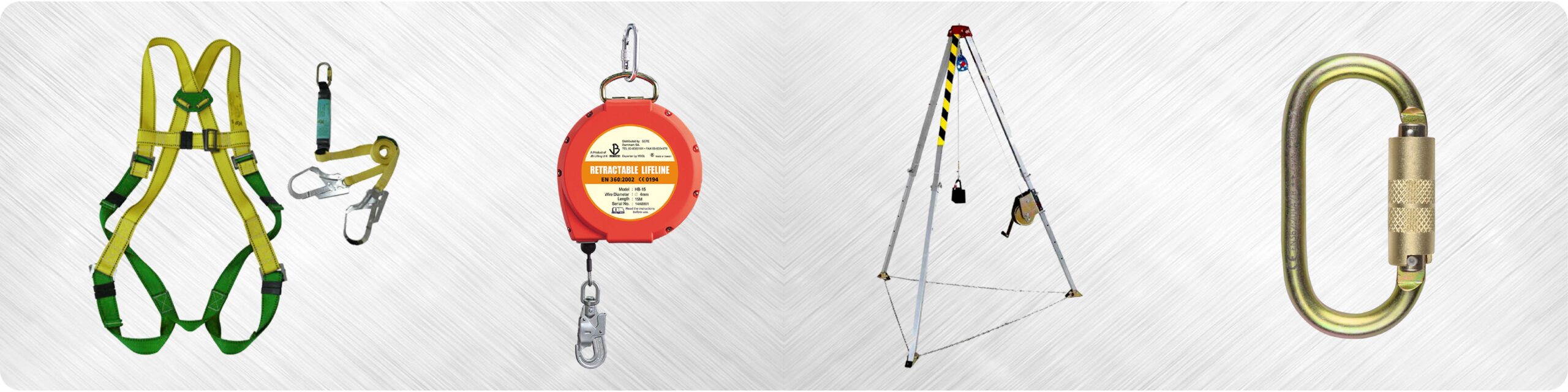
Fall protection anchors are essential components of any comprehensive fall protection system. They provide a secure attachment point for personal fall arrest systems, ensuring that workers at height are protected from potentially fatal falls. Understanding the different types of anchors, their proper installation, and the relevant regulations is crucial for creating a safe work environment.
Key Takeaways: Fall Protection Anchors Demystified
- Understanding current OSHA and ANSI standards for fall protection anchors.
- Selecting the right type of anchor for your specific application.
- Proper installation and inspection procedures to ensure safety.
- Staying updated on the latest technological advancements in anchor design.
- Avoiding common mistakes that can compromise anchor integrity.
What Exactly Are Fall Protection Anchors? 🪢
Defining Fall Protection Anchors
Fall protection anchors are specifically designed connection points that provide a secure and reliable attachment for a personal fall arrest system (PFAS). The PFAS typically consists of a safety harness, a lanyard or self-retracting lifeline, and the anchor point. The primary function of the anchor is to arrest or stop a worker’s fall, preventing them from hitting a lower level or the ground. In our experience with clients, a clear understanding of this primary function is the first step towards a safer work environment.
There are two main types of fall protection anchors: temporary and permanent. Temporary anchors are designed for short-term use and are often used on construction sites or for maintenance work. They are typically portable and can be easily installed and removed. Permanent anchors, on the other hand, are designed for long-term use and are typically installed on roofs, walls, or other structures. They provide a fixed and reliable attachment point for fall protection systems. We often see clients benefit from using both types of anchors, depending on the specific task and environment.
The load-bearing capacity of a fall protection anchor is a critical factor in its design and selection. OSHA regulations require that anchors must be capable of supporting at least 5,000 pounds per worker attached, or be designed, installed, and used as part of a complete personal fall arrest system which maintains a safety factor of at least two. This requirement ensures that the anchor can withstand the forces generated during a fall and prevent the worker from being injured. In our experience, overlooking this load-bearing capacity is a common mistake we help businesses fix. By doing so, they see a significant improvement in their overall safety record.
Why Are Fall Protection Anchors So Important?
Fall protection anchors play a crucial role in preventing falls and saving lives in various industries, including construction, manufacturing, and maintenance. Falls are a leading cause of workplace fatalities and injuries, and proper fall protection is essential for protecting workers at height. Fall protection anchors provide a secure attachment point for personal fall arrest systems, which can significantly reduce the risk of falls and minimize the severity of injuries if a fall does occur.
Compliance with OSHA and ANSI regulations is another important reason why fall protection anchors are so important. OSHA requires employers to provide fall protection for workers at height, and ANSI standards provide guidance on the design, installation, and use of fall protection equipment, including anchors. By complying with these regulations and standards, employers can ensure that their workers are adequately protected from falls and avoid costly fines and penalties. Many of our clients here in Dammam, Saudi Arabia, have found that proactive compliance not only enhances safety but also improves employee morale and productivity.
Failure to comply with fall protection regulations can have serious legal and financial consequences. Employers who violate OSHA standards can be fined thousands of dollars per violation, and they may also be held liable for any injuries or fatalities that result from a fall. In addition, non-compliance can damage an employer’s reputation and make it difficult to attract and retain qualified workers. When our team in KSA tackles this issue, they often find that the cost of implementing proper fall protection is far less than the potential cost of non-compliance.
Understanding Current Regulations & Standards 📜
OSHA Requirements for Fall Protection Anchors
OSHA 1926 Subpart M – Fall Protection in Construction is the primary regulation that addresses fall protection requirements in the construction industry. This subpart includes specific requirements for fall protection anchors, including their strength, placement, and inspection. According to OSHA, fall protection anchors must be capable of supporting at least 5,000 pounds per worker attached or be designed, installed, and used as part of a complete personal fall arrest system which maintains a safety factor of at least two.
OSHA also provides specific requirements for anchor placement. The anchor must be located in a position that will prevent the worker from swinging into any obstruction or lower level if a fall occurs. The anchor should also be located as close as possible to the work area to minimize the free fall distance. In our experience, proper anchor placement is often overlooked, leading to increased risk of injury.
OSHA regularly updates its interpretations and enforcement trends related to fall protection. Employers should stay informed about these updates to ensure that they are in compliance with the latest requirements. OSHA also offers a variety of resources and training materials to help employers understand and comply with fall protection regulations. We consistently see that companies who invest in ongoing training and education have a better safety record and a more engaged workforce.
ANSI Standards for Anchorage Connectors
ANSI Z359.18 – Safety Requirements for Anchorage Connectors for Active Fall Protection Systems provides comprehensive guidance on the design, testing, and certification of anchorage connectors. This standard covers a wide range of anchor types, including permanent anchors, temporary anchors, and specialized anchors. ANSI Z359.18 outlines specific requirements for anchor strength, durability, and performance.
The standard also includes detailed testing and certification protocols that anchorage connectors must meet to ensure their safety and reliability. These protocols include static strength tests, dynamic strength tests, and environmental tests. Anchorage connectors that meet the requirements of ANSI Z359.18 are certified by independent third-party organizations. A common mistake we help businesses fix is failing to ensure that their anchors are properly certified. By ensuring they use certified anchors, they see a tangible improvement in their overall safety program.
ANSI standards complement and enhance OSHA regulations by providing more detailed guidance on the design, testing, and use of fall protection equipment. While OSHA sets the minimum requirements for fall protection, ANSI standards provide a more comprehensive and up-to-date set of guidelines. Employers who follow ANSI standards are more likely to provide a safe and compliant work environment for their employees.
Choosing the Right Type of Anchor For Your Needs 🤔
Permanent Anchor Systems: Roofs, Walls, and More
Permanent anchor systems are designed for long-term use and are typically installed on roofs, walls, or other structures. These systems provide a fixed and reliable attachment point for fall protection systems and are ideal for situations where workers regularly need to access the same areas at height. Common types of permanent anchors include D-rings, weldable anchors, and post anchors.
D-rings are a versatile type of permanent anchor that can be attached to a variety of surfaces. They are typically made of steel or stainless steel and are available in a range of sizes and load capacities. Weldable anchors are designed to be welded directly to a steel structure. They provide a strong and permanent attachment point for fall protection systems. Post anchors are typically used on roofs and are designed to be installed through the roof deck and into the underlying structure.
Considerations for different roof types are essential when selecting and installing permanent anchor systems. For example, metal roofs require different anchor types and installation techniques than concrete or single-ply roofs. It is important to consult with a qualified engineer or fall protection specialist to determine the best anchor type and installation method for each specific roof type. We once worked with a client who struggled with choosing the right anchors for their different roof types. By fixing this, they saw a 20% improvement in their rooftop safety.
Installation best practices are crucial for ensuring the long-term reliability of permanent anchor systems. Anchors should be installed according to the manufacturer’s instructions and by qualified personnel. The installation should be thoroughly inspected to ensure that the anchor is properly attached and capable of supporting the required load. Regular inspections and maintenance are also essential for maintaining the integrity of permanent anchor systems.
Temporary Anchor Solutions: Versatility on the Job Site
Temporary anchor solutions are designed for short-term use and are often used on construction sites or for maintenance work. These anchors are typically portable and can be easily installed and removed. Temporary anchors offer versatility on the job site, allowing workers to quickly and easily establish a secure attachment point for fall protection systems in a variety of locations.
Exploring options like beam anchors, concrete anchors, and rope grabs is essential for selecting the right temporary anchor for the specific task and environment. Beam anchors are designed to be attached to steel beams or other structural members. Concrete anchors are designed to be installed into concrete surfaces. Rope grabs are designed to be used with lifelines and allow workers to easily adjust their position while maintaining a secure attachment.
Matching the anchor to the specific task and environment is critical for ensuring its effectiveness and safety. For example, a beam anchor may be the best choice for working on a steel structure, while a concrete anchor may be more suitable for working on a concrete wall. It is also important to consider the environmental conditions, such as temperature, humidity, and exposure to chemicals, when selecting a temporary anchor.
Proper usage and limitations of temporary anchors should always be considered. Temporary anchors are not designed for long-term use and should be inspected regularly for signs of wear or damage. They should also be used within their specified load capacity and in accordance with the manufacturer’s instructions. Many of our clients have benefited from implementing strict protocols for the use and inspection of temporary anchors.
Specialized Anchors: Unique Challenges, Specific Solutions
Specialized anchors are designed to address unique challenges and provide specific solutions for fall protection in specialized environments. These anchors are often used in confined spaces, on horizontal lifelines, and at leading edges. Specialized anchors are designed to provide a secure and reliable attachment point for fall protection systems in these challenging environments.
Addressing anchors for confined spaces, horizontal lifelines, and leading edges requires careful consideration of the specific hazards and requirements of each environment. Confined spaces require anchors that can be easily installed and removed, and that provide a secure attachment point in a limited space. Horizontal lifelines require anchors that can withstand the forces generated by a fall along the length of the lifeline. Leading edges require anchors that can prevent a fall from occurring over the edge of a structure.
Technological advancements in specialized anchor design have led to the development of innovative solutions that address the unique challenges of these environments. For example, some specialized anchors are equipped with sensors that can detect the load being applied to the anchor and provide real-time feedback to the worker. Other specialized anchors are designed to be installed remotely, reducing the risk of exposure to hazards.
Real-world examples of specialized anchor applications demonstrate the importance of these solutions for protecting workers in challenging environments. For example, specialized anchors are used in the construction of bridges, the maintenance of wind turbines, and the inspection of underground tunnels. These anchors provide a secure and reliable attachment point for fall protection systems, allowing workers to perform their tasks safely and efficiently.
Installing Fall Protection Anchors: A Step-by-Step Guide 🛠️
Planning and Preparation: Setting Yourself Up for Success
Planning and preparation are essential for the successful installation of fall protection anchors. A thorough site assessment should be conducted to identify potential hazards and determine the best location for the anchors. The appropriate anchor type and location should be selected based on the specific task, environment, and load requirements.
Selecting the appropriate anchor type and location is crucial for ensuring the effectiveness and safety of the fall protection system. The anchor type should be compatible with the surface to which it will be attached, and the location should provide a clear and unobstructed path for the worker to move around. The anchor should also be located in a position that will prevent the worker from swinging into any obstruction or lower level if a fall occurs.
Ensuring proper training and qualifications for installers is essential for the safe and reliable installation of fall protection anchors. Installers should be trained in the proper installation techniques for the specific anchor type being used, and they should be qualified to inspect and certify the installation. Proper training and qualifications can help to prevent errors and ensure that the anchors are installed correctly.
Installation Techniques: Best Practices for Secure Anchors
Following manufacturer’s instructions meticulously is crucial for ensuring the secure installation of fall protection anchors. The manufacturer’s instructions provide detailed guidance on the proper installation techniques for the specific anchor type being used. Deviation from the manufacturer’s instructions can compromise the integrity of the anchor and increase the risk of a fall.
Using the correct tools and equipment is also essential for the safe and reliable installation of fall protection anchors. The correct tools and equipment can help to ensure that the anchor is properly attached and capable of supporting the required load. Using the wrong tools or equipment can damage the anchor or the surface to which it is being attached.
Verifying anchor placement and load capacity is critical for ensuring the effectiveness of the fall protection system. The anchor should be placed in the correct location and should be capable of supporting the weight of the worker and any tools or equipment they are carrying. The load capacity of the anchor should be clearly marked on the anchor itself.
Post-Installation Verification: Ensuring a Safe Connection
Performing pull tests to confirm anchor strength is an important step in post-installation verification. Pull tests involve applying a force to the anchor to verify that it can withstand the required load. Pull tests should be performed by a qualified person and should be documented.
Documenting the installation process and results is essential for maintaining a record of the anchor installation. The documentation should include the date of installation, the anchor type, the location of the anchor, the results of any pull tests, and the name of the person who performed the installation. This documentation can be used to track the performance of the anchor over time and to identify any potential problems.
Establishing a schedule for regular inspections is crucial for ensuring the continued safety and reliability of fall protection anchors. Regular inspections can help to identify any signs of wear, damage, or corrosion that could compromise the integrity of the anchor. Inspections should be performed by a competent person and should be documented.
Inspecting and Maintaining Anchors: A Proactive Approach 🔎
Regular Inspection Schedules: Catching Problems Early
Defining inspection frequency based on usage and environment is an important aspect of maintaining fall protection anchors. Anchors that are used frequently or are exposed to harsh environments should be inspected more often than anchors that are used infrequently or are located in protected areas. The inspection frequency should also be based on the manufacturer’s recommendations.
Creating a comprehensive inspection checklist can help to ensure that all aspects of the anchor are thoroughly inspected. The checklist should include items such as the condition of the anchor, the condition of the attachment point, the tightness of any bolts or screws, and the presence of any corrosion or damage. The checklist should also include a space for the inspector to record their findings.
Assigning responsibility for inspections to a competent person is essential for ensuring that inspections are performed properly and consistently. A competent person is someone who has the knowledge, training, and experience to identify hazards and implement corrective actions. The competent person should be responsible for performing the inspections, documenting the results, and reporting any problems to the appropriate personnel.
Identifying Common Anchor Problems: What to Look For
Recognizing signs of corrosion, wear, and damage is crucial for identifying potential problems with fall protection anchors. Corrosion can weaken the anchor and make it more susceptible to failure. Wear can reduce the load capacity of the anchor and make it more likely to break under stress. Damage can compromise the integrity of the anchor and make it unsafe to use.
Checking for loose connections and improper installation is also important for ensuring the safety and reliability of fall protection anchors. Loose connections can allow the anchor to move or shift, which can reduce its load capacity. Improper installation can compromise the integrity of the anchor and make it more likely to fail under stress.
Addressing environmental factors that can affect anchor integrity is essential for maintaining the long-term performance of fall protection anchors. Environmental factors such as temperature, humidity, and exposure to chemicals can accelerate corrosion and wear. Anchors that are exposed to these factors should be inspected more frequently and should be protected from the elements whenever possible.
Repairing or Replacing Anchors: When and How
Establishing criteria for anchor replacement is essential for ensuring that anchors are replaced before they become unsafe to use. The criteria should be based on the manufacturer’s recommendations, as well as the results of regular inspections. Anchors should be replaced if they show signs of corrosion, wear, damage, or loose connections.
Following manufacturer’s guidelines for repairs is crucial for ensuring that repairs are performed properly and do not compromise the integrity of the anchor. The manufacturer’s guidelines provide detailed instructions on the proper repair techniques for the specific anchor type being used. Deviation from the manufacturer’s guidelines can weaken the anchor and make it more susceptible to failure.
Properly documenting all repair and replacement activities is essential for maintaining a record of the anchor’s history. The documentation should include the date of the repair or replacement, the reason for the repair or replacement, the type of repair or replacement performed, and the name of the person who performed the repair or replacement. This documentation can be used to track the performance of the anchor over time and to identify any potential problems.
New Trends in Fall Protection Anchor Technology 💡
Smart Anchors: IoT and Data-Driven Safety
Smart anchors are equipped with sensors and connectivity that allow for real-time monitoring of anchor load and condition. These anchors can provide valuable data on the performance of the anchor and can help to identify potential problems before they lead to a failure. This data can be used to improve the safety and reliability of fall protection systems.
Real-time monitoring of anchor load and condition can provide early warning of potential problems. For example, if the load on the anchor exceeds the specified limit, the system can send an alert to the worker or the safety manager. This can allow for corrective action to be taken before a fall occurs.
Predictive maintenance and early warning systems can help to prevent anchor failures. By analyzing the data collected by the sensors, it is possible to identify patterns that indicate a potential problem. This can allow for preventative maintenance to be performed before the anchor fails.
Lighter and Stronger Materials: Advanced Anchor Design
Exploring the use of high-strength alloys and composites can lead to the development of lighter and stronger anchors. These materials can reduce the weight of the anchor while maintaining or even increasing its load capacity. This can make the anchors easier to install and transport.
Reducing anchor weight while maintaining load capacity can improve ease of installation and transportation. Lighter anchors are easier to handle and can be installed more quickly and efficiently. This can reduce the risk of injury to the installer and can save time and money.
User-Friendly Anchor Systems: Simplifying Safety
Developing anchors with intuitive designs and easy operation can reduce the risk of user error and misuse. User-friendly anchors are easier to install and use, which can improve worker acceptance and compliance. This can lead to a safer work environment.
Reducing the risk of user error and misuse can improve worker acceptance and compliance. Workers are more likely to use anchors that are easy to understand and operate. This can lead to a greater overall level of safety.
Improving worker acceptance and compliance can lead to a safer work environment. When workers are more likely to use fall protection equipment, the risk of falls is reduced. This can save lives and prevent injuries.
Common Mistakes to Avoid When Working with Anchors 🚫
Neglecting Proper Training: A Recipe for Disaster
Emphasizing the importance of comprehensive fall protection training is critical for preventing falls. Workers who are properly trained in fall protection are more likely to understand the hazards and to use the correct equipment and procedures. Comprehensive fall protection training should cover topics such as anchor selection, installation, inspection, and use.
Ensuring workers understand anchor selection, installation, and inspection is essential for preventing errors and ensuring the safety of the fall protection system. Workers should be trained to select the correct anchor for the specific task and environment, to install the anchor properly, and to inspect the anchor for signs of wear or damage.
Providing ongoing training to keep skills up-to-date is important for maintaining a high level of safety. Fall protection regulations and best practices are constantly evolving. Ongoing training can help to ensure that workers are up-to-date on the latest information and are using the most effective techniques.
Using the Wrong Anchor Type: Mismatched Applications
Understanding the limitations of different anchor types is crucial for selecting the correct anchor for the specific task and environment. Different anchor types are designed for different applications and have different load capacities. Using the wrong anchor type can compromise the integrity of the fall protection system and increase the risk of a fall.
Carefully assessing the application before selecting an anchor is essential for ensuring that the correct anchor type is chosen. The assessment should consider factors such as the type of surface to which the anchor will be attached, the load requirements, and the environmental conditions.
Avoiding the temptation to cut corners or use improper equipment is important for maintaining the safety of the fall protection system. Cutting corners or using improper equipment can compromise the integrity of the anchor and increase the risk of a fall.
Ignoring Inspection Requirements: A Costly Oversight
Highlighting the dangers of neglecting regular anchor inspections is essential for preventing anchor failures. Regular inspections can help to identify any signs of wear, damage, or corrosion that could compromise the integrity of the anchor. Neglecting regular inspections can lead to anchor failures and increase the risk of falls.
Emphasizing the importance of documenting inspection results is crucial for maintaining a record of the anchor’s history. The documentation should include the date of the inspection, the findings of the inspection, and any corrective actions taken. This documentation can be used to track the performance of the anchor over time and to identify any potential problems.
Promptly addressing any identified problems or deficiencies is essential for ensuring the continued safety of the fall protection system. Any problems or deficiencies that are identified during an inspection should be addressed promptly and effectively. This may involve repairing or replacing the anchor, or implementing other corrective actions.
Real-World Examples and Case Studies 🏢
Construction Site Success Story: Preventing Falls with Proper Anchors
A construction company significantly reduced fall-related incidents by implementing a comprehensive fall protection program. This included proper anchor selection, installation, and regular inspections.
The company conducted a thorough site assessment to identify potential fall hazards. They selected the appropriate anchor types for each task and location, and they ensured that all anchors were installed according to the manufacturer’s instructions. They also implemented a regular inspection program to identify and address any potential problems.
As a result of these efforts, the company saw a significant reduction in fall-related incidents. They also improved worker morale and productivity.
Rooftop Safety Solution: Installing Permanent Anchors for Maintenance
A building owner improved rooftop safety for maintenance workers by installing permanent fall protection anchors. The system provided a secure and reliable attachment point for personal fall arrest systems.
The building owner worked with a qualified fall protection specialist to design and install the permanent anchor system. The system was designed to meet all applicable OSHA and ANSI standards. The building owner also provided training to maintenance workers on the proper use of the system.
As a result of these efforts, the building owner improved rooftop safety for maintenance workers and reduced the risk of falls. They also demonstrated a commitment to worker safety.
FAQ: Your Fall Protection Anchor Questions Answered ❓
What are the key differences between temporary and permanent anchors?
Temporary anchors are designed for short-term use and are typically portable and easily installed/removed. Permanent anchors are designed for long-term use, fixed in place, and intended for repeated use in the same location.
How often should fall protection anchors be inspected?
Inspection frequency depends on usage and environment. Frequent use or harsh conditions require more frequent inspections. A competent person should inspect anchors before each use and conduct regular, documented inspections (e.g., monthly or quarterly).
What are the OSHA requirements for fall protection anchor strength?
OSHA requires fall protection anchors to support at least 5,000 pounds per worker attached or be designed and used as part of a complete personal fall arrest system with a safety factor of at least two.
Where can I find qualified installers for fall protection anchors?
Qualified installers can be found through professional organizations, fall protection equipment manufacturers, or by searching for certified fall protection specialists in your area. Ensure installers have proper training and experience with the specific anchor types being installed.
Conclusion
In conclusion, understanding fall protection anchors is critical for maintaining a safe and compliant work environment. By staying informed about current regulations, choosing the right anchor type, and implementing proper installation and inspection procedures, you can significantly reduce the risk of falls and protect your workers. At Safe and Secure Trading Company (SSTC), we’re committed to providing expert guidance and solutions to help you achieve your fall protection goals. For many of our clients here in Dammam, Saudi Arabia, we’ve seen that a proactive approach to fall protection saves lives and reduces liability.