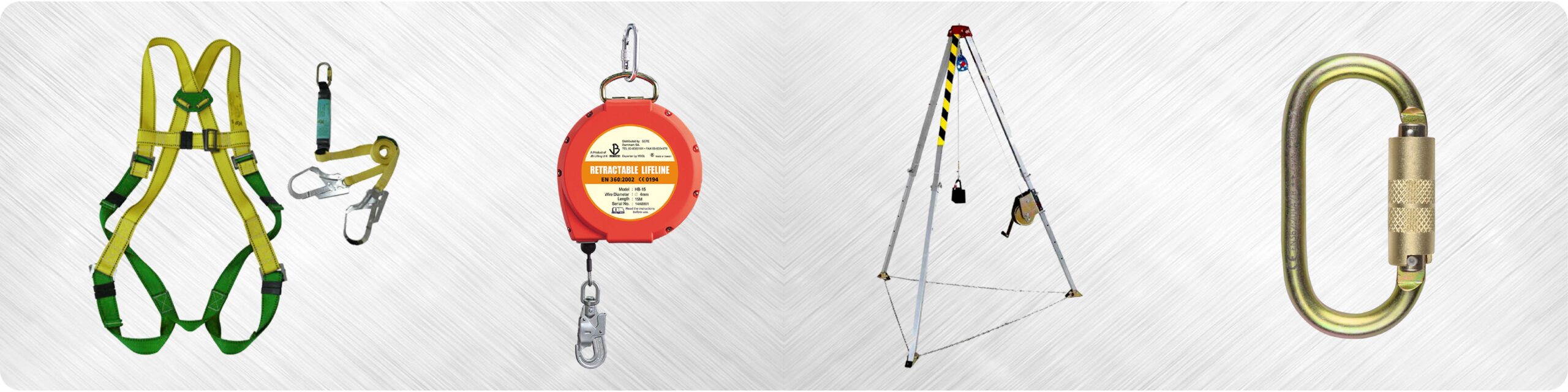
Fall protection is a critical aspect of workplace safety, particularly in industries such as construction, manufacturing, and warehousing. Ignoring fall hazards can lead to severe injuries, fatalities, and hefty fines from the Occupational Safety and Health Administration (OSHA). Ensuring that your company adheres to fall protection OSHA standards isn’t just a matter of compliance; it’s a fundamental responsibility to protect your employees. This article will guide you through common mistakes related to fall protection OSHA compliance and provide actionable steps to rectify them, keeping your workplace safe and secure.
1. ❌ Mistake #1: Neglecting a Comprehensive Hazard Assessment
A hazard assessment is the cornerstone of any effective fall protection program. Without a thorough understanding of potential fall hazards, it’s impossible to implement appropriate control measures. A weak or non-existent hazard assessment can leave workers vulnerable and your company exposed to significant risks.
Ignoring the Importance of Initial Site Surveys
An initial site survey is crucial for identifying all potential fall hazards before work begins. This includes evaluating elevated work areas, unprotected edges, holes, and the condition of walking-working surfaces. We always recommend that our clients conduct a comprehensive site survey to establish a baseline understanding of the risks involved.
Failing to Update Assessments Regularly (e.g., After Changes)
The workplace is dynamic, and conditions can change rapidly. Failing to update hazard assessments after changes in processes, equipment, or work areas can render your fall protection measures inadequate. For many of our clients here in Dammam, we’ve seen that regular reassessment is crucial for maintaining a safe environment.
Overlooking Less Obvious Fall Hazards (e.g., Ladder Use)
It’s easy to focus on high-elevation risks, but often less obvious fall hazards are overlooked. This includes the improper use of ladders, scaffolding, or even slips and trips on ground-level surfaces. Remember, fall protection OSHA guidelines cover a broad spectrum of scenarios, not just high-altitude work.
How to Correct It: Documented, Regular, Comprehensive Site Assessments
To correct this mistake, conduct regular, documented, and comprehensive site assessments. Use a checklist to ensure that all potential fall hazards are identified and addressed. Implement a system for updating assessments whenever there are changes in the workplace.
2. ❌ Mistake #2: Inadequate or Missing Fall Protection Equipment
Even with a thorough hazard assessment, inadequate or missing fall protection equipment can lead to serious incidents. Providing workers with the right tools and ensuring they are properly maintained is vital. Substandard equipment or a lack thereof directly contradicts fall protection OSHA regulations.
Providing Ill-Fitting or Damaged Harnesses
Harnesses that don’t fit properly or are damaged can significantly reduce their effectiveness. Ill-fitting harnesses can cause discomfort, restrict movement, and may not provide adequate support in the event of a fall. Damaged harnesses can compromise their structural integrity, rendering them useless.
Not Supplying Appropriate Anchorage Points
Anchorage points are critical components of personal fall arrest systems (PFAS). If appropriate anchorage points are not available or are improperly installed, the entire system is compromised. Anchorage points must be capable of supporting at least 5,000 pounds per employee attached, or be designed, installed, and used under the supervision of a qualified person as part of a complete PFAS.
Failing to Inspect Equipment Regularly
Regular inspection of fall protection equipment is essential to identify any signs of wear, damage, or deterioration. Equipment should be inspected before each use and at least annually by a competent person. Neglecting this step can lead to equipment failure and increase the risk of falls.
How to Correct It: Proper Gear, Inspections, and Maintenance
Provide workers with properly fitting, high-quality fall protection equipment. Establish a system for regular inspections and maintenance, and ensure that damaged or worn equipment is immediately replaced. Document all inspections and maintenance activities.
3. ❌ Mistake #3: Insufficient Employee Training on Fall Protection
Providing fall protection equipment is only half the battle; employees must also be adequately trained on how to use it correctly. Insufficient safety training is a common violation of fall protection OSHA standards. Employees who are not properly trained are more likely to make mistakes that can lead to falls.
Not Providing Initial Training Upon Hiring
New employees should receive comprehensive safety training on fall protection as part of their onboarding process. This training should cover hazard identification, equipment use, and emergency procedures. Many of our clients have found that starting new hires with a dedicated safety training session sets a positive and safe work environment.
Failing to Provide Refresher Training
Fall protection training should not be a one-time event. Refresher training is essential to reinforce knowledge and address any changes in procedures or equipment. Regular refresher courses help ensure that employees retain critical safety information.
Not Documenting Training Sessions Properly
Proper documentation of safety training sessions is crucial for demonstrating compliance with fall protection OSHA regulations. Training records should include the date of training, the topics covered, and the names of the employees who attended. We’ve found that maintaining detailed records helps in demonstrating a commitment to worker safety during inspections.
How to Correct It: Comprehensive and Documented Training Programs
Implement a comprehensive safety training program that includes initial training, refresher training, and documentation of all training activities. Ensure that training is tailored to the specific fall hazards present in your workplace. Utilize interactive training methods to enhance employee engagement and retention.
4. ❌ Mistake #4: Not Having a Written Fall Protection Plan
A written fall protection plan is a comprehensive document that outlines the procedures and measures in place to prevent falls. Without a written plan, there is no clear framework for managing fall hazards and ensuring worker safety. This is a critical component of OSHA compliance.
Lack of a Formal, Documented Plan
A formal, documented fall protection plan demonstrates a commitment to safety and provides a clear roadmap for preventing falls. The plan should outline the roles and responsibilities of employees, the types of fall protection equipment to be used, and the procedures for inspecting and maintaining equipment.
Not Communicating the Plan to All Employees
A written plan is only effective if it is communicated to all employees. Ensure that employees understand the plan and their role in implementing it. Use toolbox talks, safety meetings, and visual aids to reinforce the plan’s key messages.
Failure to Review and Update the Plan Regularly
A fall protection plan should be a living document that is reviewed and updated regularly. Changes in the workplace, new equipment, or incident investigations may necessitate revisions to the plan. Regularly reviewing and updating the plan ensures that it remains relevant and effective.
How to Correct It: Create, Communicate, and Maintain a Written Plan
Develop a written fall protection plan that addresses all potential fall hazards in your workplace. Communicate the plan to all employees and provide training on its contents. Review and update the plan regularly to ensure that it remains current and effective.
5. ❌ Mistake #5: Improper Use of Guardrails and Safety Nets
Guardrails and safety nets are common forms of fall protection, but their effectiveness depends on proper installation, maintenance, and use. Improper use of these systems can create a false sense of security and increase the risk of falls. OSHA standards provide specific guidelines for the design and installation of guardrails and safety nets.
Incorrect Installation of Guardrails
Guardrails must be installed according to OSHA standards, including height and strength requirements. Incorrect installation can compromise the integrity of the guardrail and render it ineffective. A top rail height of 42 inches (plus or minus 3 inches) is generally required.
Using Damaged or Unstable Guardrails
Damaged or unstable guardrails can fail under stress, providing no protection to workers. Regularly inspect guardrails for signs of damage, such as cracks, dents, or corrosion. Ensure that guardrails are securely anchored and capable of withstanding the required loads.
Not Ensuring Safety Nets are Properly Positioned and Maintained
Safety nets must be positioned close to the work surface and maintained in good condition. Nets should be inspected regularly for tears, holes, or other damage. Ensure that the net has adequate clearance below to prevent workers from striking the ground or other objects in the event of a fall.
How to Correct It: Proper Installation and Regular Inspection
Ensure that guardrails and safety nets are installed according to OSHA standards and inspected regularly. Repair or replace damaged components immediately. Provide training to employees on the proper use and maintenance of these systems.
6. ⚖️ OSHA Inspection Red Flags and Penalties
Understanding what triggers an OSHA inspection and the potential penalties for fall protection violations is crucial for maintaining compliance. Being proactive in addressing potential issues can help you avoid costly fines and, more importantly, protect your workers. Familiarizing yourself with OSHA standards is the first step.
What Triggers an OSHA Inspection?
OSHA inspections can be triggered by various factors, including employee complaints, accidents, or targeted enforcement programs. High-hazard industries and companies with a history of violations are more likely to be inspected. It’s essential to be aware of these triggers and take steps to prevent them.
Common Violations Found During Inspections
Common fall protection OSHA violations include failure to provide adequate fall protection, lack of safety training, and improper use of equipment. Other frequent violations involve inadequate guardrails, missing or damaged fall protection equipment, and failure to conduct regular inspections.
Understanding the Severity of Penalties
Penalties for fall protection OSHA violations can be substantial, ranging from thousands to hundreds of thousands of dollars per violation. The severity of the penalty depends on the nature of the violation and the employer’s history of compliance. Repeat violations and willful violations carry the highest penalties.
Preparing for an OSHA Inspection
To prepare for an OSHA inspection, conduct regular self-audits to identify and correct potential violations. Ensure that your fall protection plan is up-to-date and that all employees are trained on its contents. Maintain accurate records of safety training, inspections, and maintenance activities.
7. ✅ Best Practices for a Proactive Fall Protection Program
Moving beyond basic compliance to a proactive fall protection program can significantly enhance worker safety and reduce the risk of incidents. Implementing a “safety first” culture and encouraging employee participation are key elements of a successful program. Embracing these practices helps ensure comprehensive workplace safety.
Implementing a “Safety First” Culture
Creating a “safety first” culture involves prioritizing safety in all aspects of the workplace. This includes providing employees with the resources and support they need to work safely, as well as recognizing and rewarding safe behaviors. A strong safety culture can lead to a significant reduction in accidents and injuries.
Encouraging Employee Participation in Safety Programs
Employee participation is essential for the success of any safety program. Encourage employees to report fall hazards, participate in safety meetings, and provide feedback on fall protection measures. Empowering employees to take ownership of safety can lead to a more engaged and proactive workforce.
Investing in Advanced Fall Protection Technology
Investing in advanced fall protection technology, such as smart harnesses and real-time monitoring systems, can enhance worker safety and improve program effectiveness. These technologies can provide real-time data on employee location, movement, and equipment status, allowing for proactive intervention and prevention of falls.
Regular Audits and Improvement Cycles
Conducting regular audits of your fall protection program is crucial for identifying areas for improvement. Use the results of audits to develop action plans and implement changes. Continuously monitoring and improving your program will help ensure that it remains effective in preventing falls.
8. ⚙️ Selecting the Right Fall Protection Systems
Choosing the right fall protection systems for your workplace requires careful consideration of various factors, including the type of work being performed, the height of the work area, and the potential fall hazards. Understanding the capabilities of different systems and consulting with safety professionals can help you make informed decisions. Many of our clients find that seeking expert advice helps them implement the most effective solutions.
Choosing Between Personal Fall Arrest Systems (PFAS) vs. Guardrails
PFAS and guardrails are two common types of fall protection systems, each with its own advantages and disadvantages. PFAS provide individual fall protection, allowing workers to move freely while remaining secured. Guardrails provide passive fall protection, preventing workers from reaching the edge of a work area. The choice between these systems depends on the specific work environment and the level of mobility required.
Understanding the Capabilities of Different Anchorage Connectors
Anchorage connectors are critical components of PFAS, providing a secure attachment point for the system. Different types of anchorage connectors are available, each designed for specific applications. Understanding the capabilities and limitations of different anchorage connectors is essential for ensuring that the system is properly installed and used.
Factors to Consider When Selecting a Safety Net System
Safety nets provide a collective fall protection solution, catching workers who fall from elevated work areas. When selecting a safety net system, consider factors such as the height of the work area, the potential fall distance, and the type of work being performed. Ensure that the net is properly installed and maintained to provide maximum protection.
Consulting with Safety Professionals
Consulting with safety professionals can provide valuable insights and guidance in selecting the right fall protection systems for your workplace. Safety professionals can assess your specific needs, recommend appropriate solutions, and provide safety training on the proper use of equipment. Their expertise can help you ensure that your fall protection program is effective and compliant with OSHA standards.
9. 📝 Documentation and Record-Keeping Requirements
Maintaining accurate and complete documentation of your fall protection program is essential for demonstrating compliance with OSHA standards. Proper record-keeping can also help you track the effectiveness of your program and identify areas for improvement. This includes detailed records of safety inspections, training sessions, and equipment maintenance.
What Records Does OSHA Require for Fall Protection?
OSHA requires employers to maintain various records related to fall protection, including hazard assessments, fall protection plans, safety training records, equipment inspection records, and incident reports. These records must be readily available for review during an OSHA inspection.
How Long Should Fall Protection Records Be Kept?
The retention period for fall protection records varies depending on the type of record. Safety training records should be kept for as long as the employee is employed, while equipment inspection records should be kept for at least one year. Incident reports should be kept for five years.
Best Practices for Organizing and Storing Safety Documentation
Organizing and storing safety documentation in a systematic manner can make it easier to retrieve information when needed. Use a consistent filing system and label all documents clearly. Consider using digital tools for efficient record management.
Using Digital Tools for Efficient Record Management
Digital tools can streamline the process of managing fall protection records, making it easier to track safety training, inspections, and maintenance activities. Electronic record-keeping systems can also provide valuable insights into program effectiveness and help identify areas for improvement. Many software solutions also provide automated reminders for scheduled inspections and training.
10. 💡 Innovative Solutions and Emerging Technologies in Fall Protection
The field of fall protection is constantly evolving, with new technologies and innovative solutions emerging to enhance worker safety. Embracing these advancements can help you stay ahead of the curve and provide your employees with the best possible protection. From drones to exoskeletons, the future of fall protection is here.
The Role of Drones in Inspecting Fall Hazards
Drones can be used to inspect elevated work areas and identify potential fall hazards that may be difficult or impossible to access by other means. Drones equipped with high-resolution cameras can capture detailed images and videos of rooftops, scaffolding, and other structures, allowing for remote inspection and hazard identification.
Smart Harnesses and Real-Time Monitoring Systems
Smart harnesses are equipped with sensors that can detect falls and alert supervisors in real-time. These systems can also track employee location, movement, and equipment status, providing valuable data for safety management. Real-time monitoring systems can help prevent falls by identifying potential hazards and providing timely warnings to workers.
Exoskeletons for Reducing Physical Strain and Fall Risk
Exoskeletons are wearable devices that can reduce physical strain and fatigue, making it easier for workers to perform demanding tasks. By reducing strain, exoskeletons can also reduce the risk of falls caused by fatigue or loss of balance. These devices are particularly useful for workers who perform repetitive tasks or work in awkward positions.
Virtual Reality Training for Fall Prevention
Virtual reality (VR) training provides a safe and immersive environment for workers to practice fall protection procedures. VR simulations can replicate real-world scenarios, allowing workers to experience the consequences of their actions without the risk of injury. This type of training can enhance knowledge retention and improve decision-making skills.
11. 👷 Case Studies: Successful Fall Protection Implementations
Examining real-world examples of companies that have successfully implemented fall protection programs can provide valuable insights and lessons learned. These case studies demonstrate the ROI of effective fall protection and highlight the positive impact on employee morale. Learning from others’ successes can help you improve your own program.
Real-World Examples of Companies Avoiding OSHA Fines
Several companies have successfully avoided OSHA fines by implementing robust fall protection programs. These companies have invested in safety training, equipment, and proactive measures to prevent falls. Their success demonstrates the importance of a comprehensive approach to fall protection.
Lessons Learned from Accident Investigations
Accident investigations can provide valuable lessons learned about the causes of falls and how to prevent them in the future. By thoroughly investigating accidents and near misses, companies can identify weaknesses in their fall protection programs and implement corrective actions. Sharing these lessons learned with employees can help prevent similar incidents from occurring.
Demonstrating ROI of Effective Fall Protection Programs
Effective fall protection programs can generate a significant return on investment (ROI) by reducing the risk of accidents, injuries, and OSHA fines. Companies that invest in fall protection can also improve employee morale, productivity, and reputation. Demonstrating the ROI of fall protection can help justify the investment in these programs.
Highlighting the Positive Impact on Employee Morale
A strong fall protection program can have a positive impact on employee morale by demonstrating a commitment to worker safety. Employees who feel safe and protected are more likely to be engaged, productive, and loyal. Investing in fall protection is an investment in your employees and your company’s future.
12. ➡️ Next Steps: Resources for Improving Your Fall Protection Plan
Improving your fall protection plan is an ongoing process. There are several resources available to help you enhance your program and ensure compliance with OSHA standards. Taking advantage of these resources can help you create a safer and more productive workplace.
Contacting OSHA for Consultation and Guidance
OSHA offers free consultation services to help employers identify and correct potential fall hazards. OSHA consultants can provide guidance on fall protection requirements, conduct site assessments, and recommend best practices. Taking advantage of this free service can help you improve your fall protection program and avoid costly fines.
Partnering with Safety Consultants for Customized Solutions
Partnering with safety consultants can provide customized solutions tailored to your specific needs and workplace environment. Safety consultants can assess your risks, develop a fall protection plan, provide safety training, and assist with program implementation. Their expertise can help you create a comprehensive and effective fall protection program.
Utilizing Online Resources and Training Materials
Numerous online resources and training materials are available to help you improve your fall protection program. OSHA’s website provides access to regulations, guidance documents, and training materials. Industry associations and safety organizations also offer valuable resources. Utilizing these online resources can help you stay informed and up-to-date on the latest fall protection best practices.
Conclusion
Implementing a comprehensive fall protection program is not only a legal requirement but also a moral obligation. By avoiding common mistakes and adopting best practices, you can create a safer workplace and protect your employees from the risks of falls. From conducting thorough hazard assessments to providing adequate fall protection equipment and comprehensive safety training, every step you take contributes to a safer and more productive work environment. At Safe and Secure Trading Company, we are committed to helping you achieve OSHA compliance and creating a culture of safety in your workplace.
FAQ Section
Q: What is the minimum height requirement for fall protection according to OSHA?
A: In general industry, fall protection is required at 4 feet above a lower level. In construction, that height is 6 feet. For scaffolding, fall protection is required at 10 feet.
Q: How often should fall protection equipment be inspected?
A: Fall protection equipment should be inspected before each use and at least annually by a competent person.
Q: What are the key elements of a written fall protection plan?
A: A written fall protection plan should include a hazard assessment, a description of the fall protection systems to be used, procedures for inspecting and maintaining equipment, and safety training requirements.
Q: What should be included in fall protection training?
A: Fall protection training should cover hazard identification, equipment use, inspection procedures, and emergency procedures.
Q: What are the most common OSHA fall protection violations?
A: The most common fall protection OSHA violations include failure to provide adequate fall protection, lack of safety training, and improper use of equipment.
Q: How can I improve my company’s fall protection program?
A: You can improve your company’s fall protection program by conducting regular hazard assessments, providing adequate fall protection equipment, implementing comprehensive safety training, and creating a written fall protection plan.